Invasive Plants Southern Ontario: 30 Species To Know
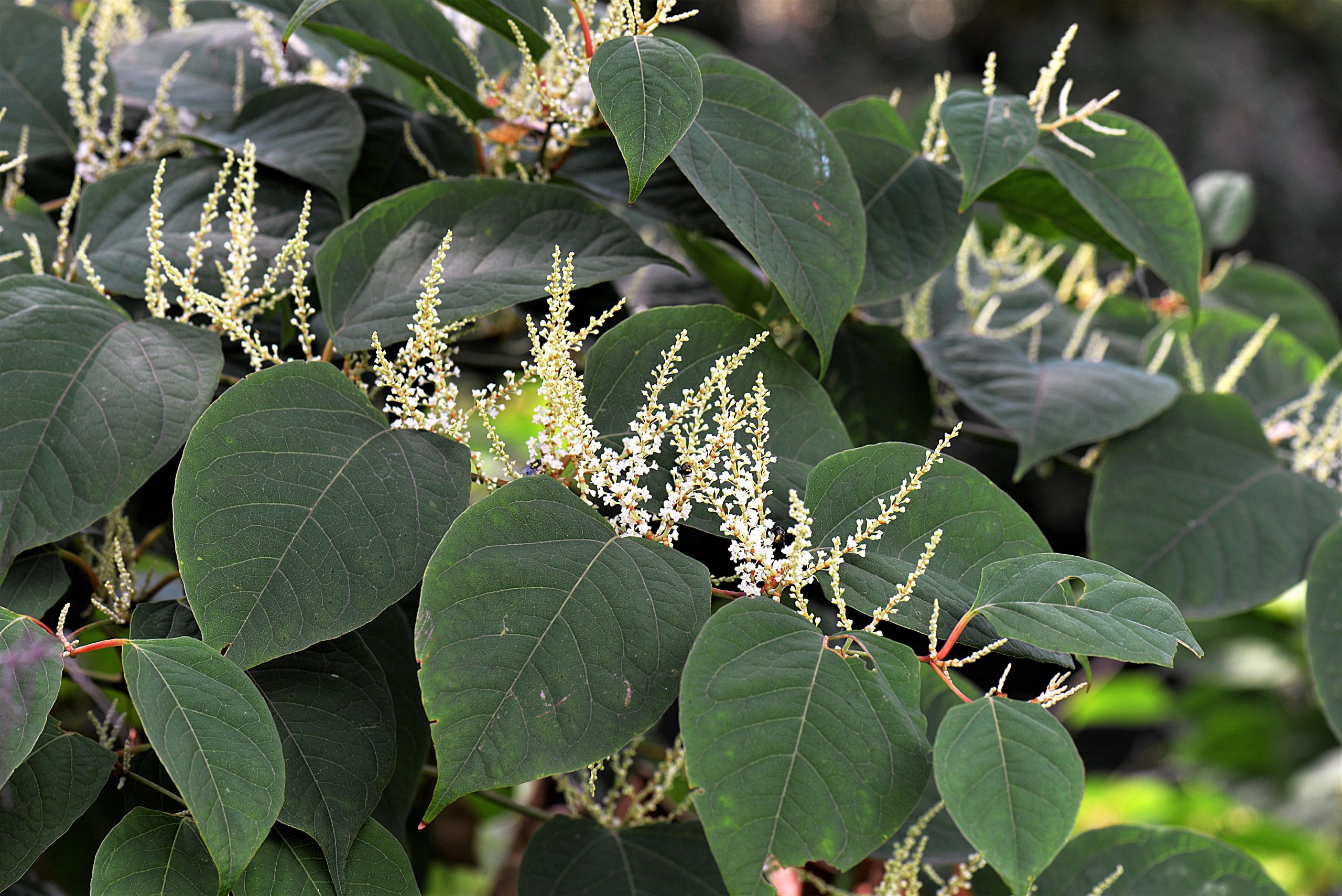
Invasive Plants Southern Ontario

Invasive plants in Southern Ontario spread aggressively through forests, wetlands, meadows, and residential landscapes, crowding out native species and degrading habitat across the region. The area’s temperate climate, long growing season, and dense human population create ideal conditions for non-native plants to escape cultivation and establish in natural areas. Once rooted, many of these species … Read more
Identifying Weeds In My Yard App: 10 Top Picks

Identifying Weeds In My Yard App

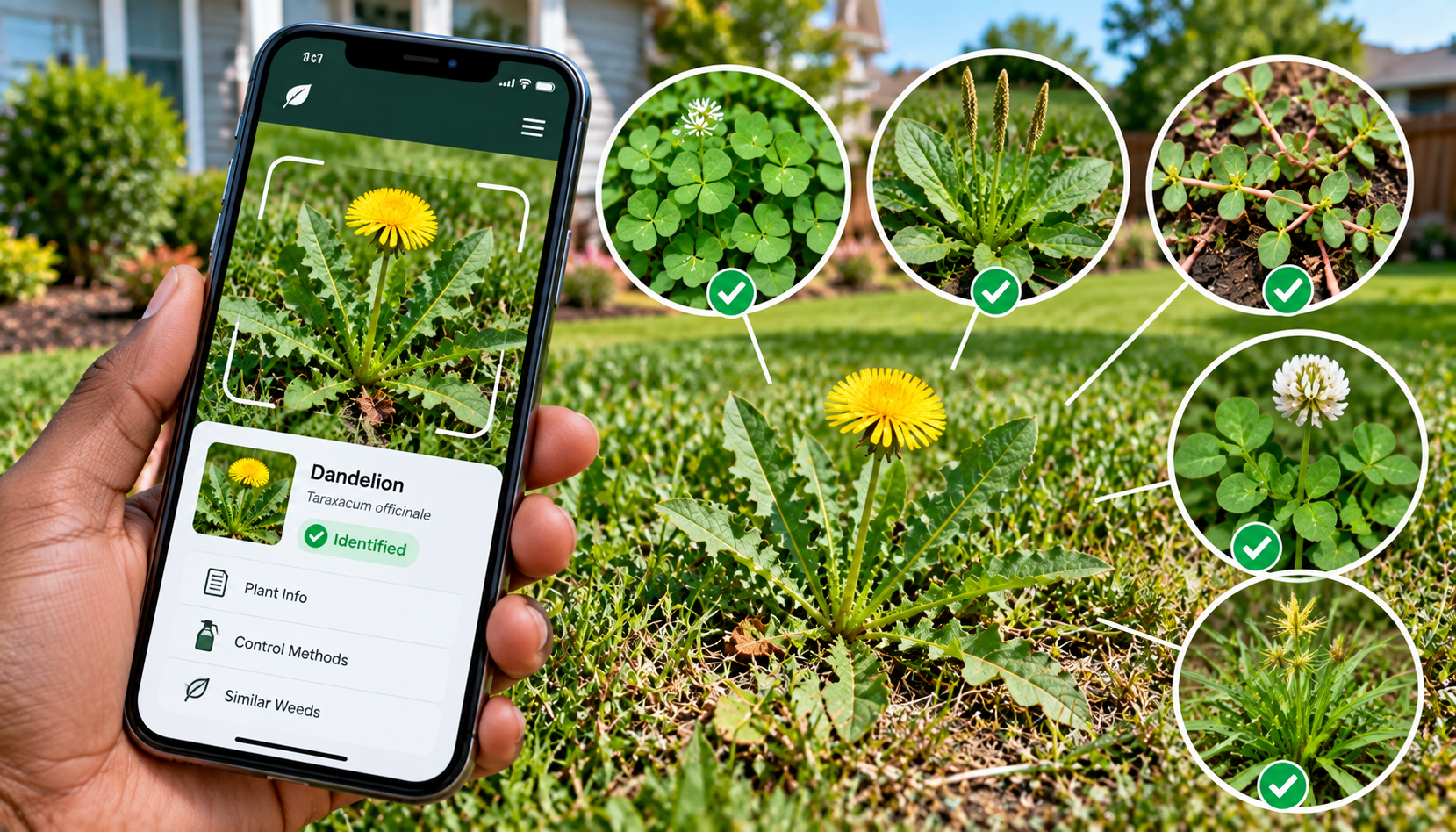
Identifying weeds in my yard app options have become essential tools for gardeners who want fast, accurate answers without hauling field guides into the garden. Modern weed identification apps use your phone camera to analyze leaf shape, flower structure, and growth habit, then match the image against large plant databases. The result is instant identification … Read more

What Does Weed Science Study? 10 Core Research Areas

What Does Weed Science Study

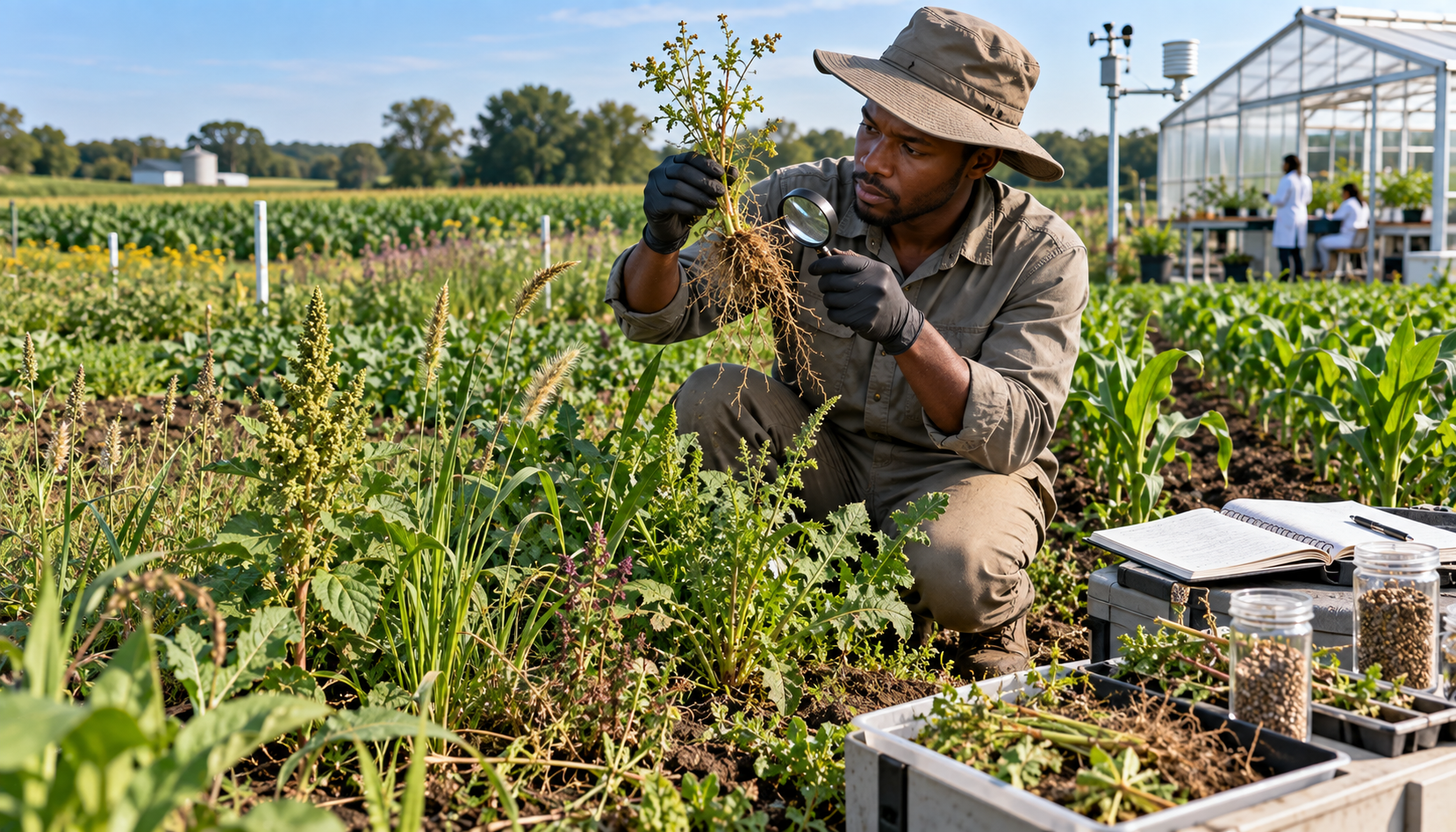
Weed science is the branch of agricultural and environmental science that studies weeds, their biology, and the methods used to manage them. It combines plant biology, ecology, chemistry, genetics, and engineering to understand how unwanted plants spread, compete, and respond to control tactics. The field supports farmers, land managers, and homeowners. The discipline covers far … Read more

Rhode Island Weed Identification Guide: 25 Species To Know

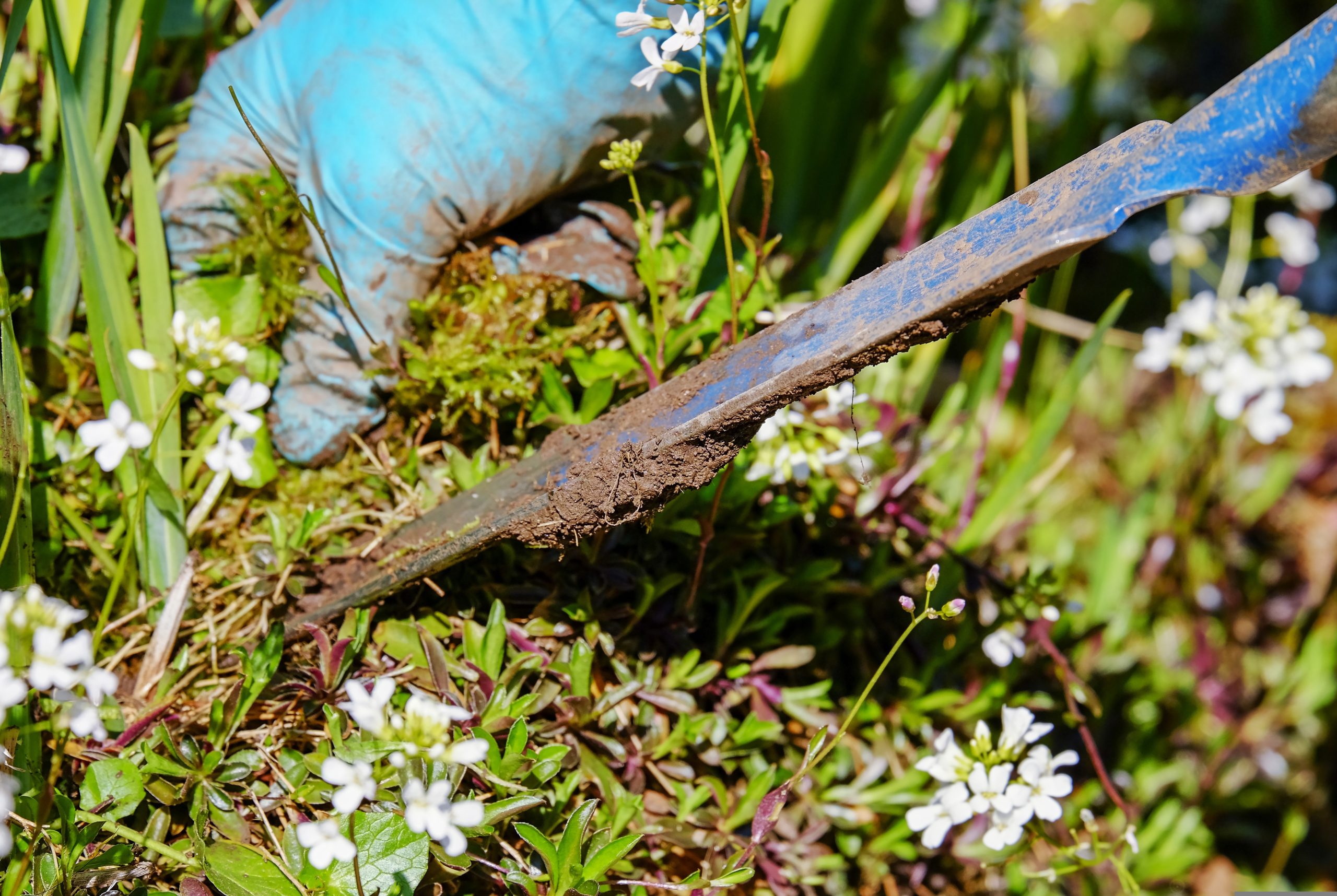
Rhode Island Weed Identification Guide

Rhode Island weed identification starts with recognizing the plants that thrive in the state’s humid continental climate, with cold winters, warm summers, and consistent rainfall. Weeds appear in lawns, gardens, farm fields, coastal areas, and disturbed ground across the state. Accurate identification is the first step toward effective control. Many weeds in Rhode Island are … Read more

Does Bleach Kill Weeds Permanently? 10 Facts To Know

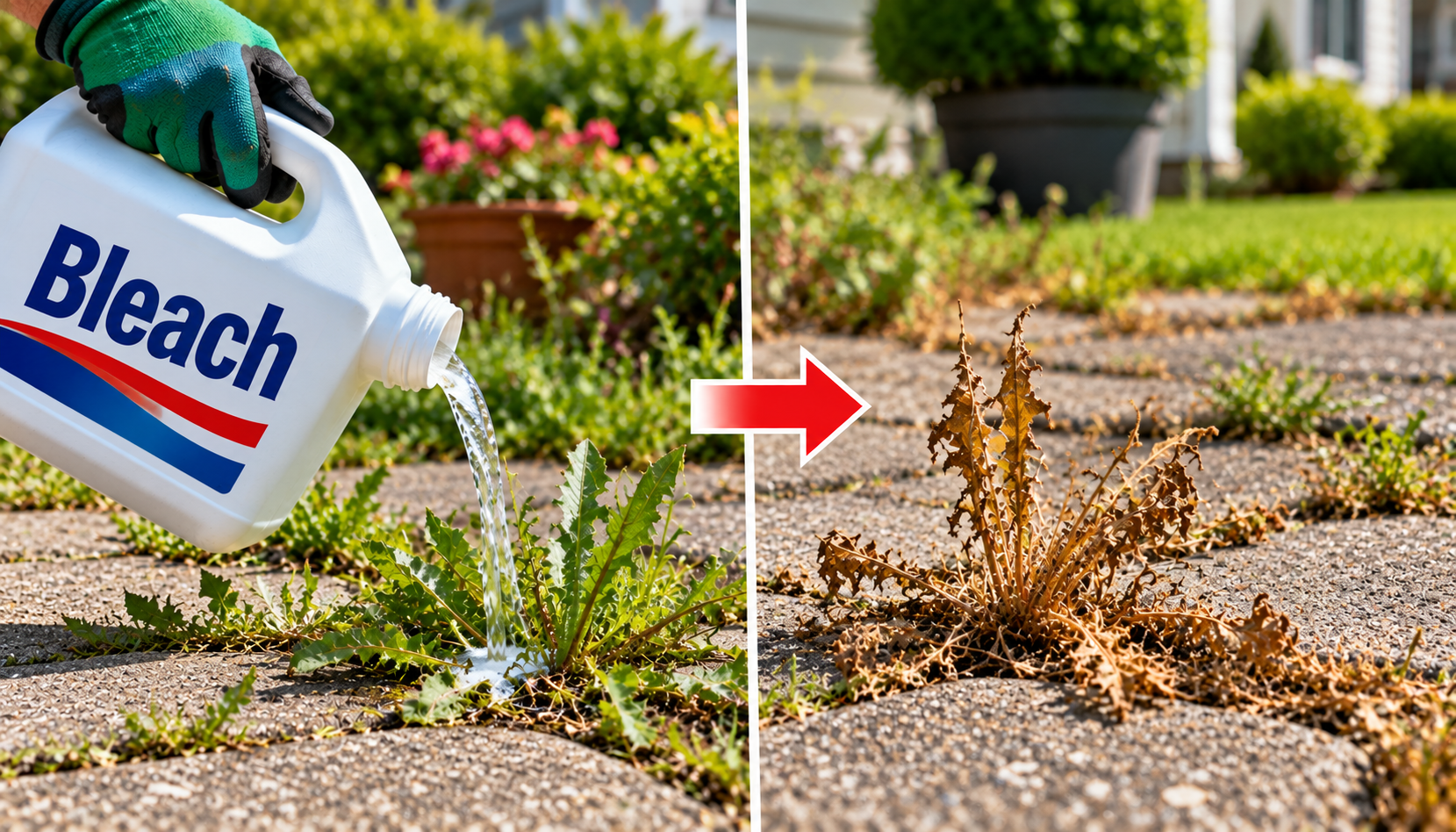
Does Bleach Kill Weeds Permanently?

No, bleach does not kill weeds permanently. Household bleach is a cleaning and disinfecting product, not a registered weed-control herbicide. Direct contact can burn and brown visible leaves, but bleach does not move into the root system. Perennial weeds with surviving underground roots, rhizomes, or tubers may regrow within weeks. Sodium hypochlorite, the active ingredient … Read more

Invasive Plants Finland: 50 Species To Identify And Manage

Invasive Plants Finland

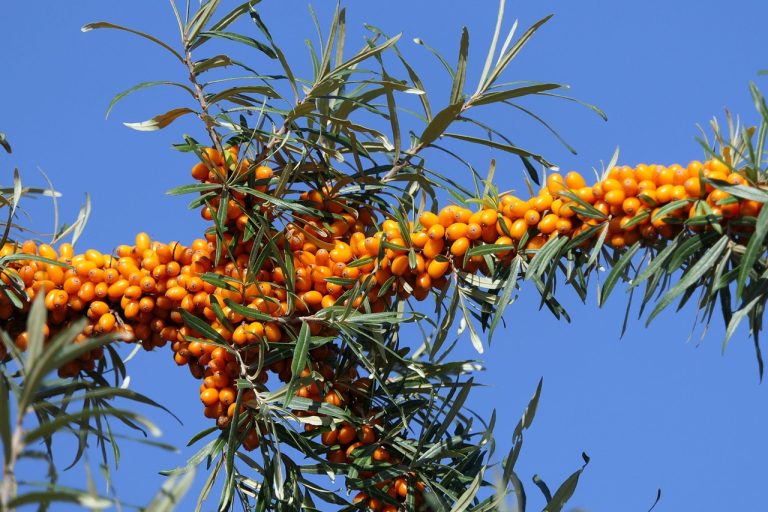
Invasive plants in Finland threaten native ecosystems across forests, wetlands, coastal areas, and urban landscapes. The country’s cool climate and long summer days create conditions where introduced species can spread rapidly once established. Many of these plants arrived through horticulture, agriculture, and shipping, escaping cultivation to colonize natural habitats. Finland’s invasive plant list includes species … Read more

How To Exterminate Rose Bushes: 15 Effective Methods

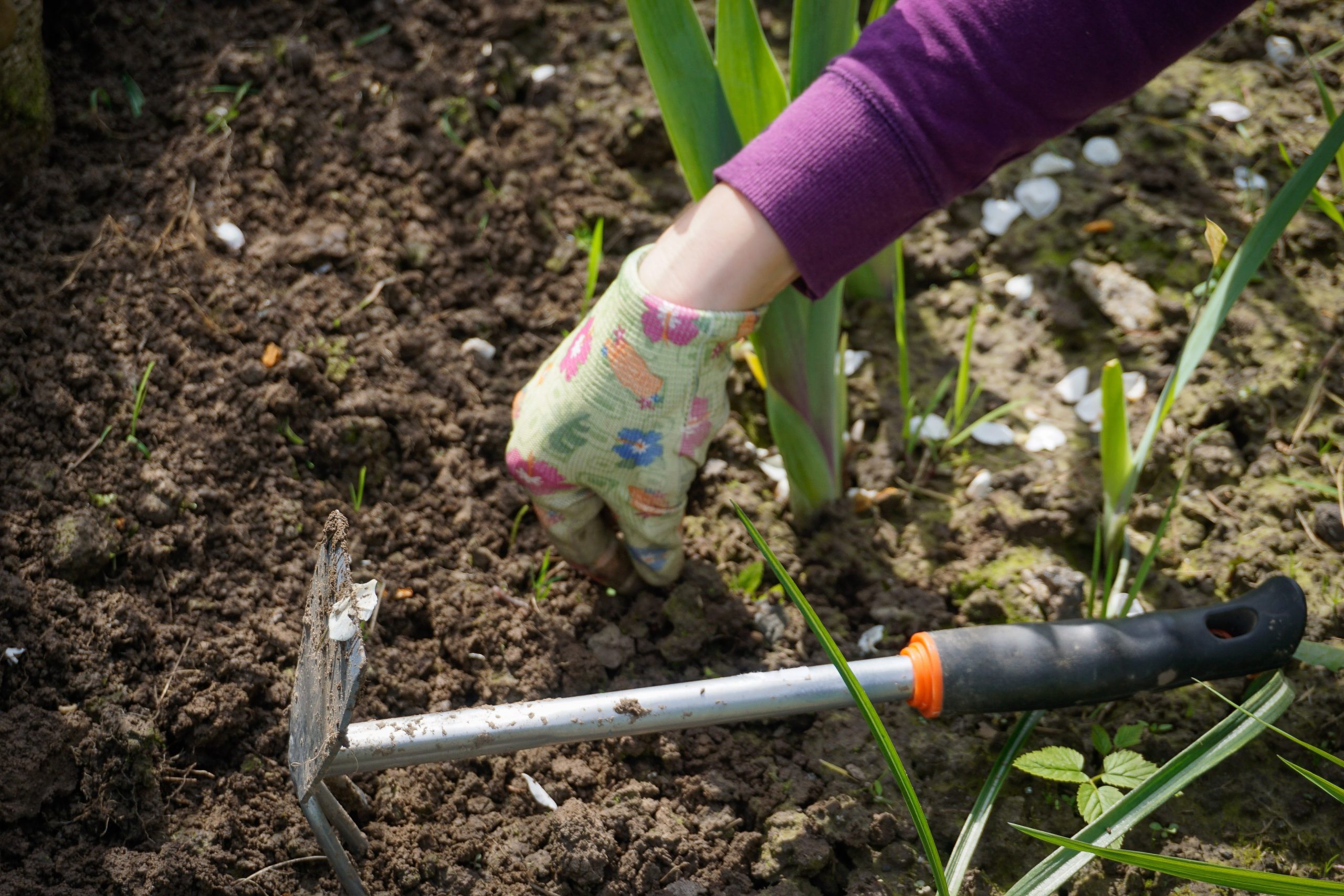
How To Exterminate Rose Bushes

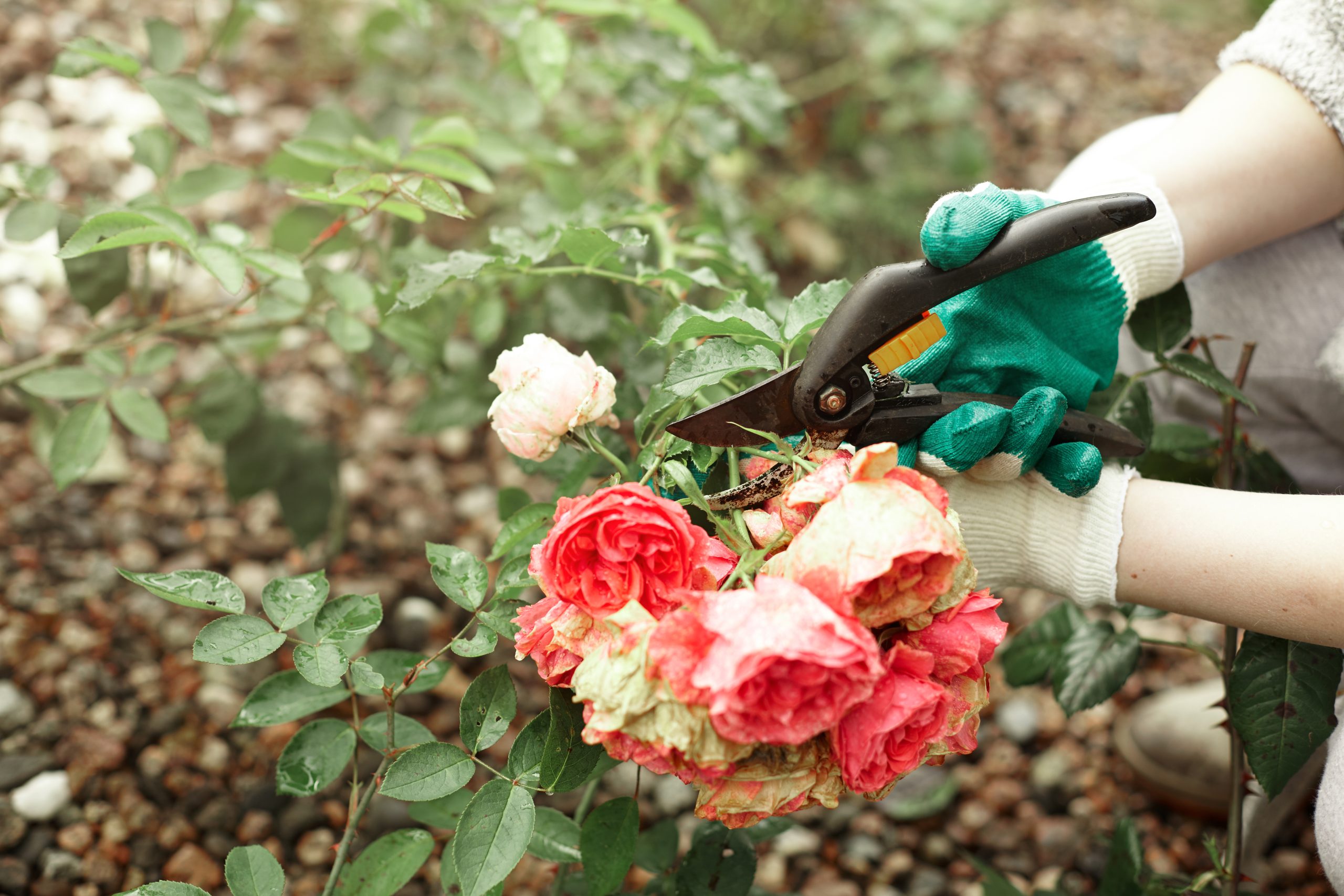
Exterminating rose bushes is necessary when they spread beyond their intended space, succumb to disease, or become invasive thickets that crowd out desirable plants. Rose bushes spread through root suckers, creeping stems, and seed, and many species regrow vigorously after simple cutting. Complete removal requires eliminating both the top growth and the root system. The … Read more

Invasive Bush Honeysuckle Identification: 10 Key Signs

Invasive Bush Honeysuckle Identification

Invasive bush honeysuckle identification starts with recognizing the shrubs that dominate forest understories across much of North America. Several non-native Lonicera species, including Amur, Morrow’s, Tatarian, and Bell’s honeysuckle, escaped cultivation and now form dense thickets that crowd out native plants and reduce wildlife habitat. These shrubs share a similar appearance, which makes identification challenging … Read more

Invasive Bush With Red Berries: 10 Species To Identify

Invasive Bush With Red Berries

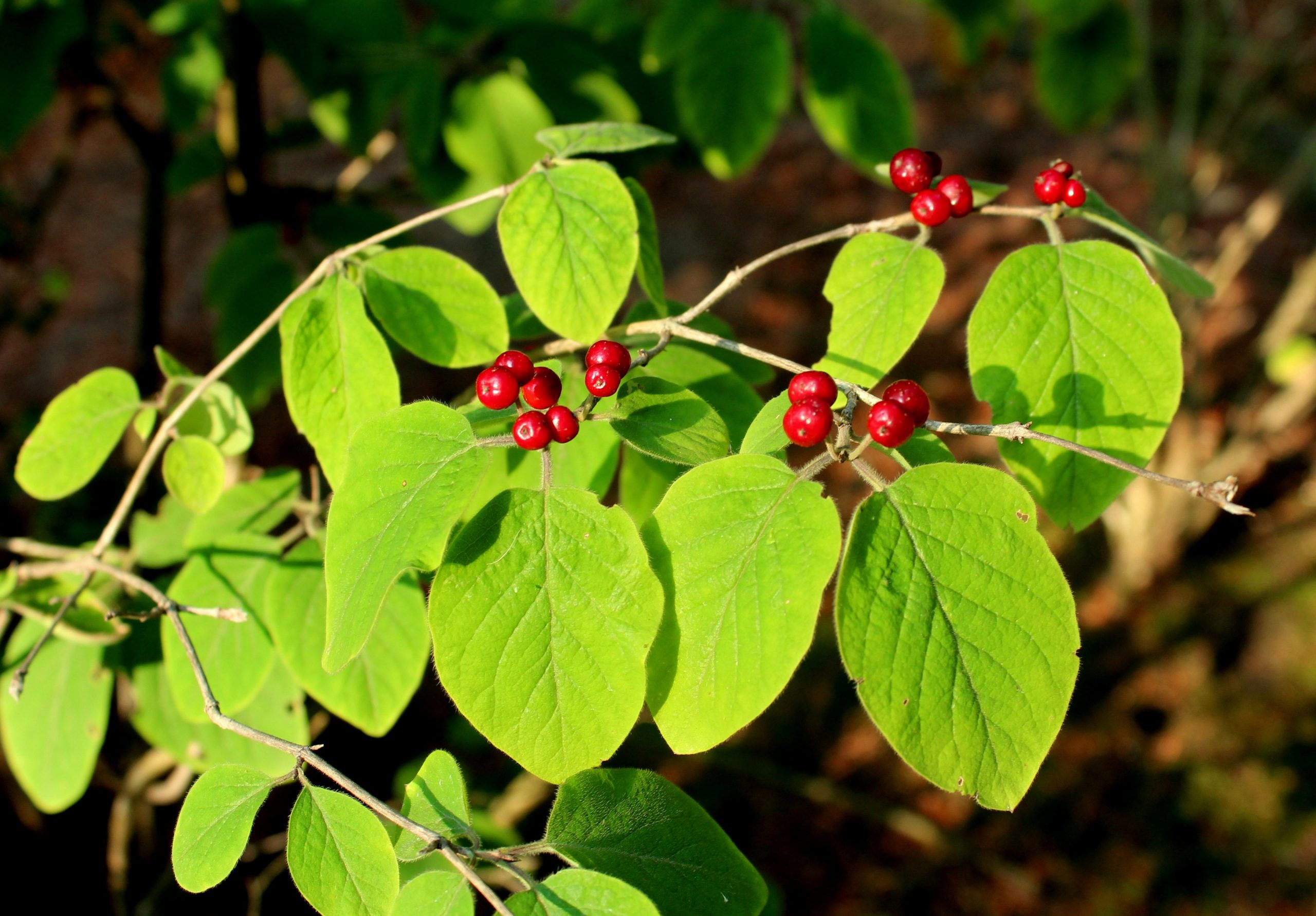
Invasive bushes with red berries spread aggressively through bird-dispersed seeds, forming dense thickets that crowd out native plants and degrade wildlife habitat. Many of these species are still sold in nurseries for their ornamental fruit and fall color, which contributes to their continued escape into forests, roadsides, and natural areas across North America. Red berries … Read more