Best Herbicide For Florida Pusley: Top 15 Options

Best Herbicide For Florida Pusley

Florida pusley is a low-growing summer annual broadleaf weed that forms dense mats in lawns, gardens, and disturbed areas across the southern United States. It spreads rapidly through seeds and thrives in thin, weak turf where competition from desirable grasses is low. Because it is a broadleaf species, selective broadleaf herbicides control it without harming … Read more
Best Herbicide For Fence Rows: Top 15 Options

Fence rows collect weeds, brush, and volunteer trees faster than almost any other part of a property. They are hard to mow, easy to neglect, and often the first place invasive species take hold. Choosing the right herbicide for fence rows means matching the product to the vegetation you need to control and the surrounding … Read more

Best Herbicide For Dichondra: Top 15 Options

Dichondra is a low-growing perennial broadleaf plant that many homeowners treat as a weed, while others cultivate it as a warm-season lawn alternative. Because it is a broadleaf species, controlling dichondra without harming surrounding turf requires a selective broadleaf herbicide. The right product depends on whether you are managing common turfgrass, warm-season grass, or dichondra … Read more

List of Post Emergent Herbicides: 15 Common Options Explained

Post emergent herbicides are applied after weeds have emerged from the soil, targeting the leaves and stems of actively growing plants. They are the second half of most weed-control programs: pre-emergent products stop seeds from germinating, while post-emergent products kill the weeds that got through. Understanding the major post-emergent options helps growers and gardeners match … Read more

Group 1 Herbicides Explained: ACCase Inhibitors, Uses, Best Products, and Resistance Management

Group 1 Herbicides Explained

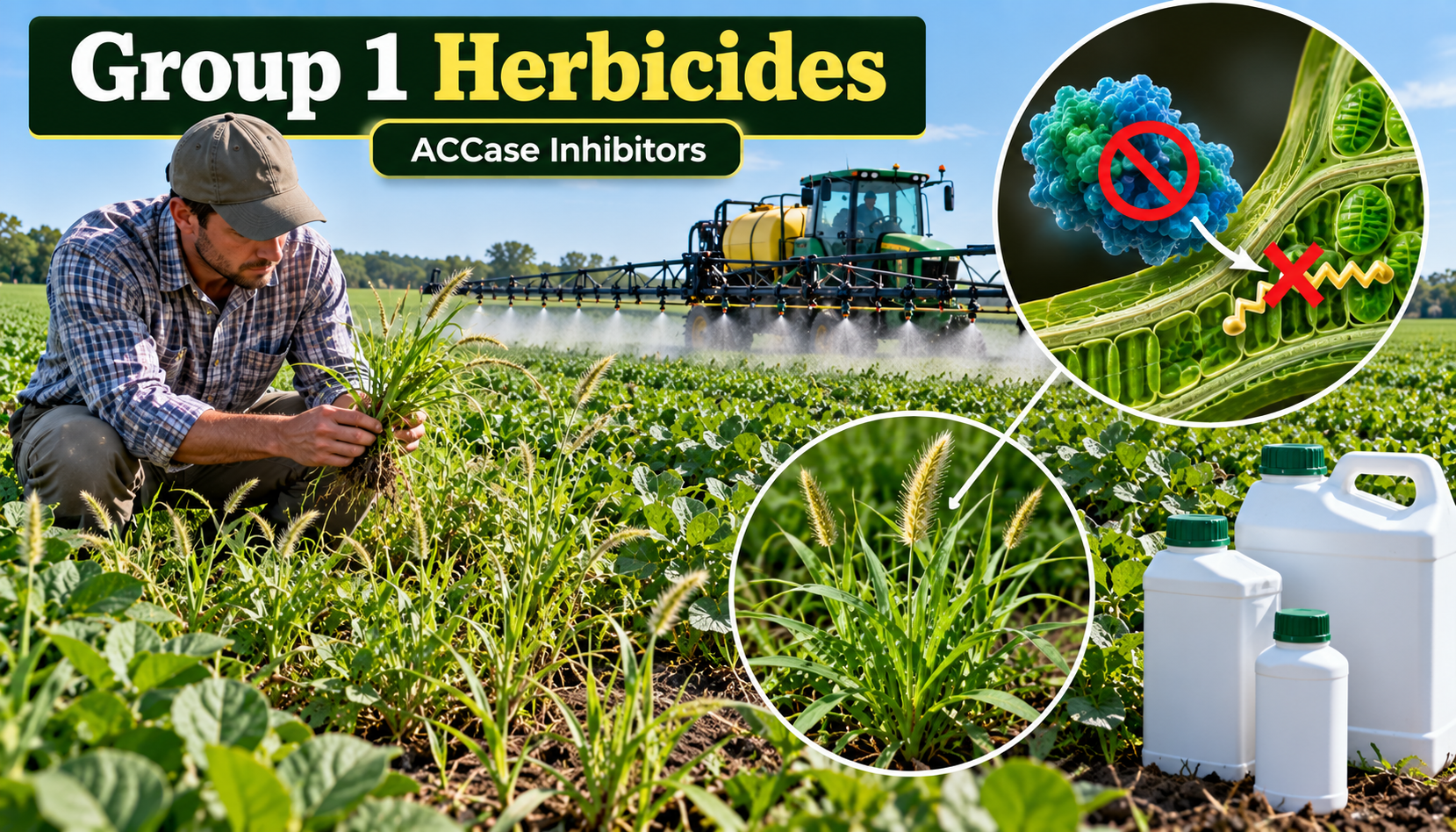
Group 1 herbicides are ACCase inhibitors used primarily for post-emergence control of susceptible grass weeds. They inhibit acetyl-CoA carboxylase (ACCase), an enzyme involved in fatty-acid biosynthesis, disrupting the growth of susceptible grasses and making this herbicide group an important tool in many weed-management programs. The Group 1 designation comes from the HRAC/WSSA herbicide site-of-action classification … Read more

What Kills Orange Hawkweed? Top 15 Options

What Kills Orange Hawkweed

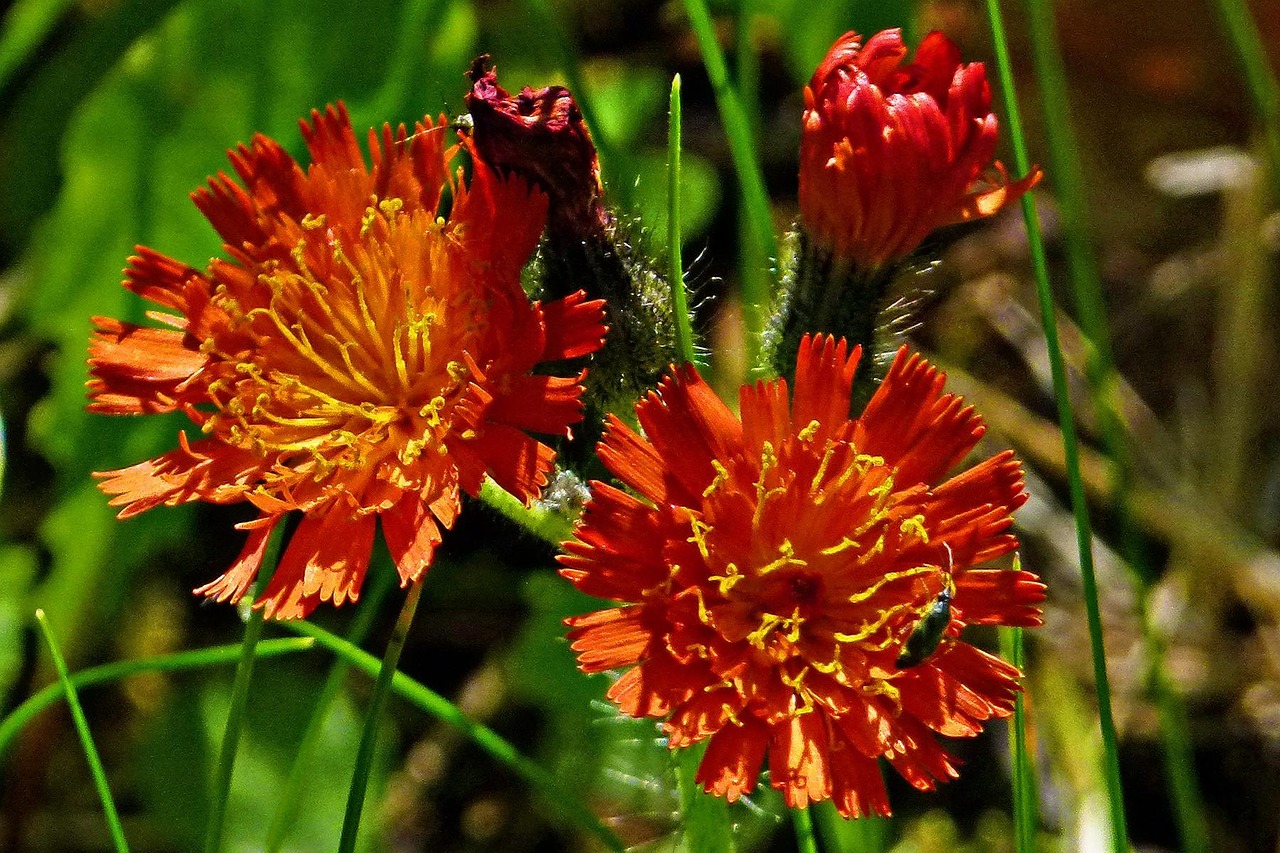
Orange hawkweed dies when its crown, stolons, and rhizomes are destroyed — not just when the leaves are burned off. Hand-pulling, selective herbicides, and smothering each kill different parts of the plant, which is why a single treatment rarely works. Effective control combines two or more methods over several seasons. The right approach depends on … Read more

Orange Hawkweed Facts: 15 Things To Know

Orange Hawkweed Facts

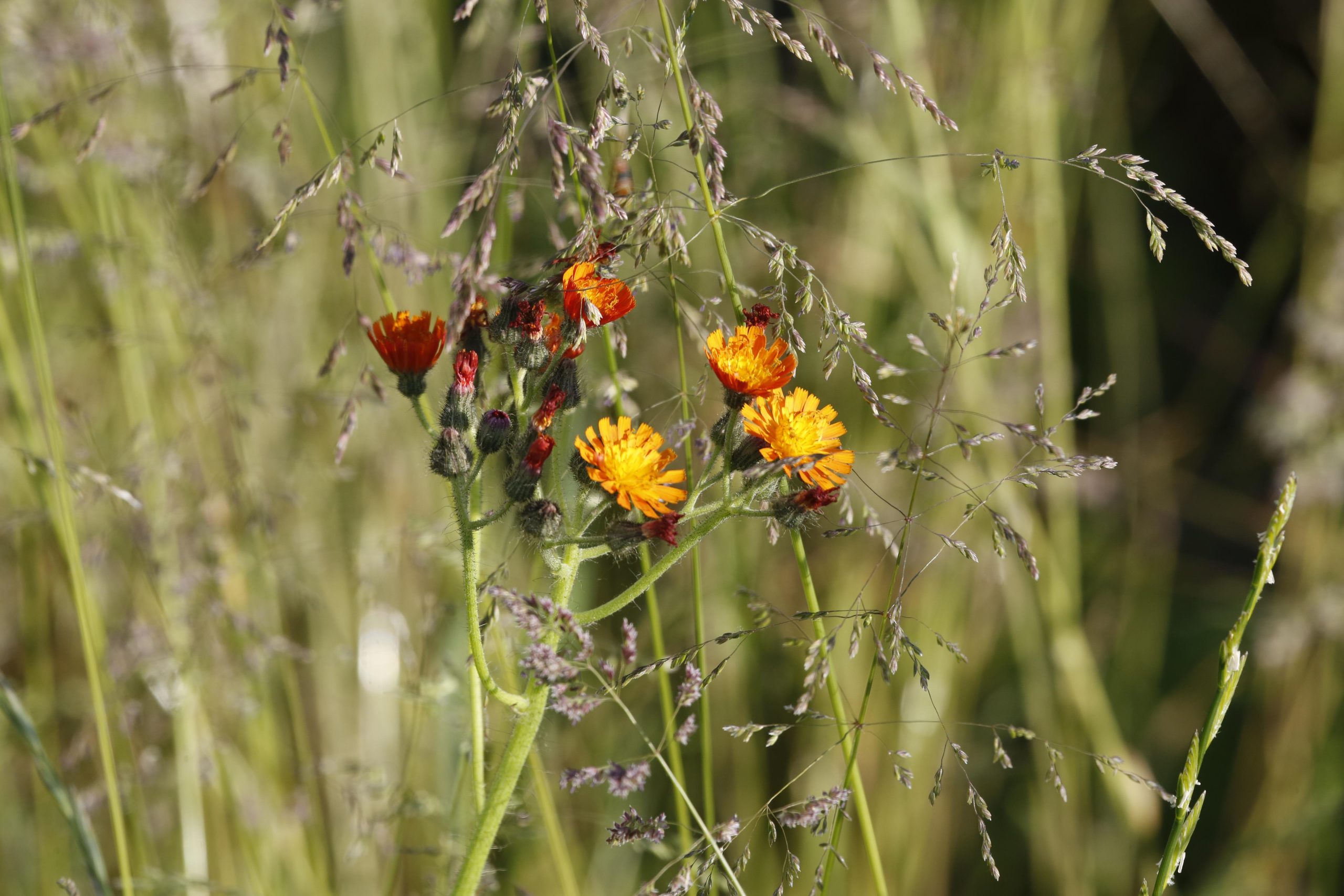
Orange hawkweed facts help gardeners, farmers, and landowners recognize one of the most aggressive wildflower invaders in North America. Orange hawkweed (Hieracium aurantiacum) is a low-growing perennial with bright orange dandelion-like flowers and hairy leaves. It spreads rapidly through seeds and creeping stems, forming dense patches that crowd out native plants and pasture grasses. Native … Read more

Plowing vs Cultivating: 10 Key Differences To Know

Plowing vs Cultivating

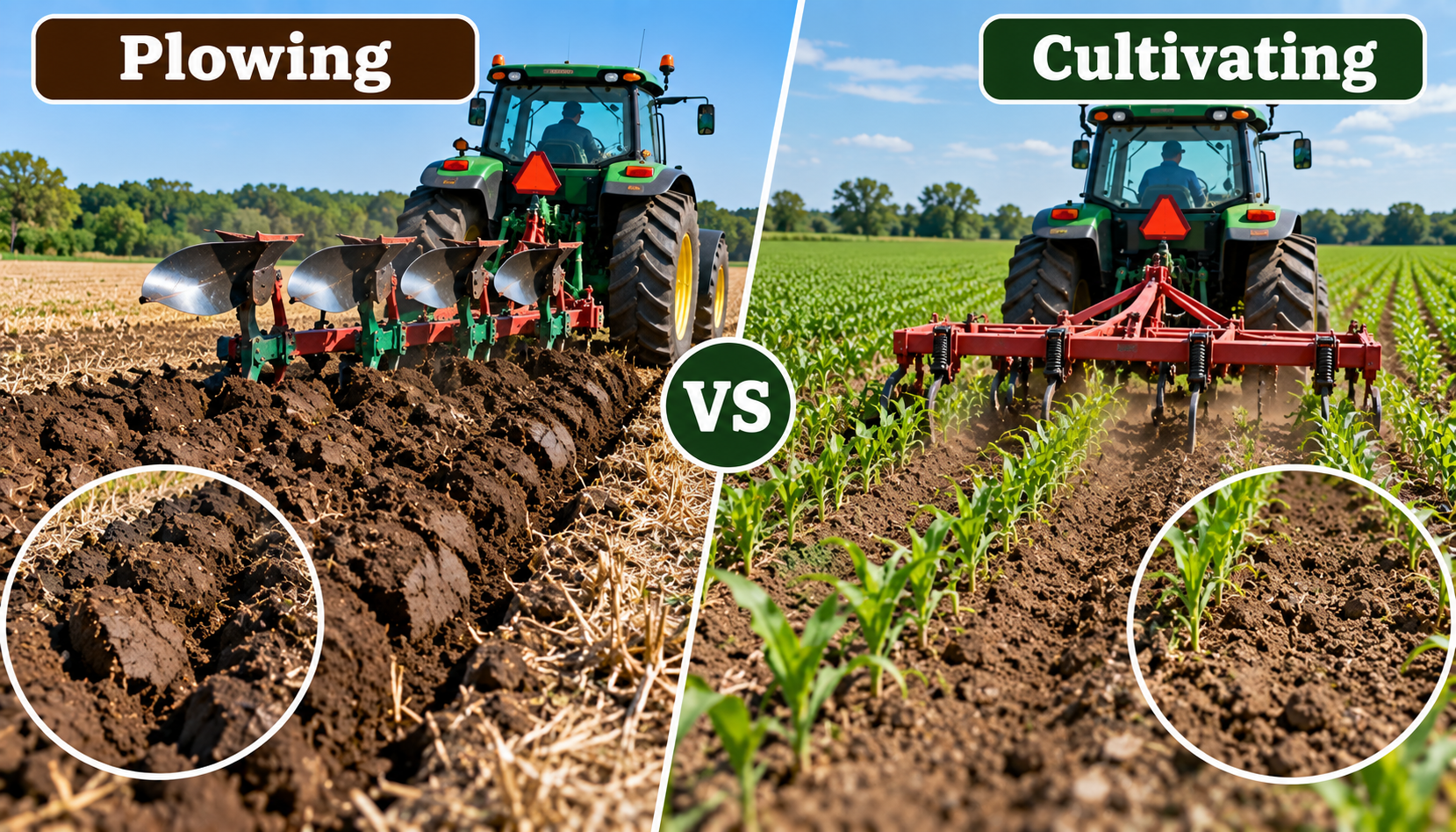
Plowing vs cultivating is a comparison every gardener, farmer, and homesteader eventually faces when preparing soil for planting. Plowing turns over the soil deeply, burying residue and loosening compacted ground. Cultivating works the top few inches, controlling weeds and smoothing the seedbed. The two tools do different jobs at different times. The choice between plowing … Read more

Invasive Plants Kelowna: 30 Species To Identify

Invasive Plants Kelowna

Invasive plants in Kelowna spread aggressively through forests, grasslands, wetlands, and residential landscapes, crowding out native species and degrading habitat across the Okanagan Valley. The region’s dry summers, mild winters, and rapid urban growth create ideal conditions for non-native plants to escape cultivation and establish in natural areas. Once rooted, many of these species are … Read more