Groundnuts, commonly called peanuts in the United States, are susceptible to several fungal diseases that can reduce plant health, interfere with pod development, and ultimately affect yield and crop quality. Choosing the right fungicide requires consideration of disease history, cultivar susceptibility, weather conditions, crop stage, and the fungicide chemistry already used in the field.
Peanut fungicide programs in the United States commonly target diseases such as early leaf spot, late leaf spot, southern stem rot, white mold, Rhizoctonia limb and pod rot, web blotch, and other fungal problems. The strongest programs generally combine preventive disease management with fungicide rotation, resistance management, scouting, and applications selected according to the diseases most likely to threaten the crop.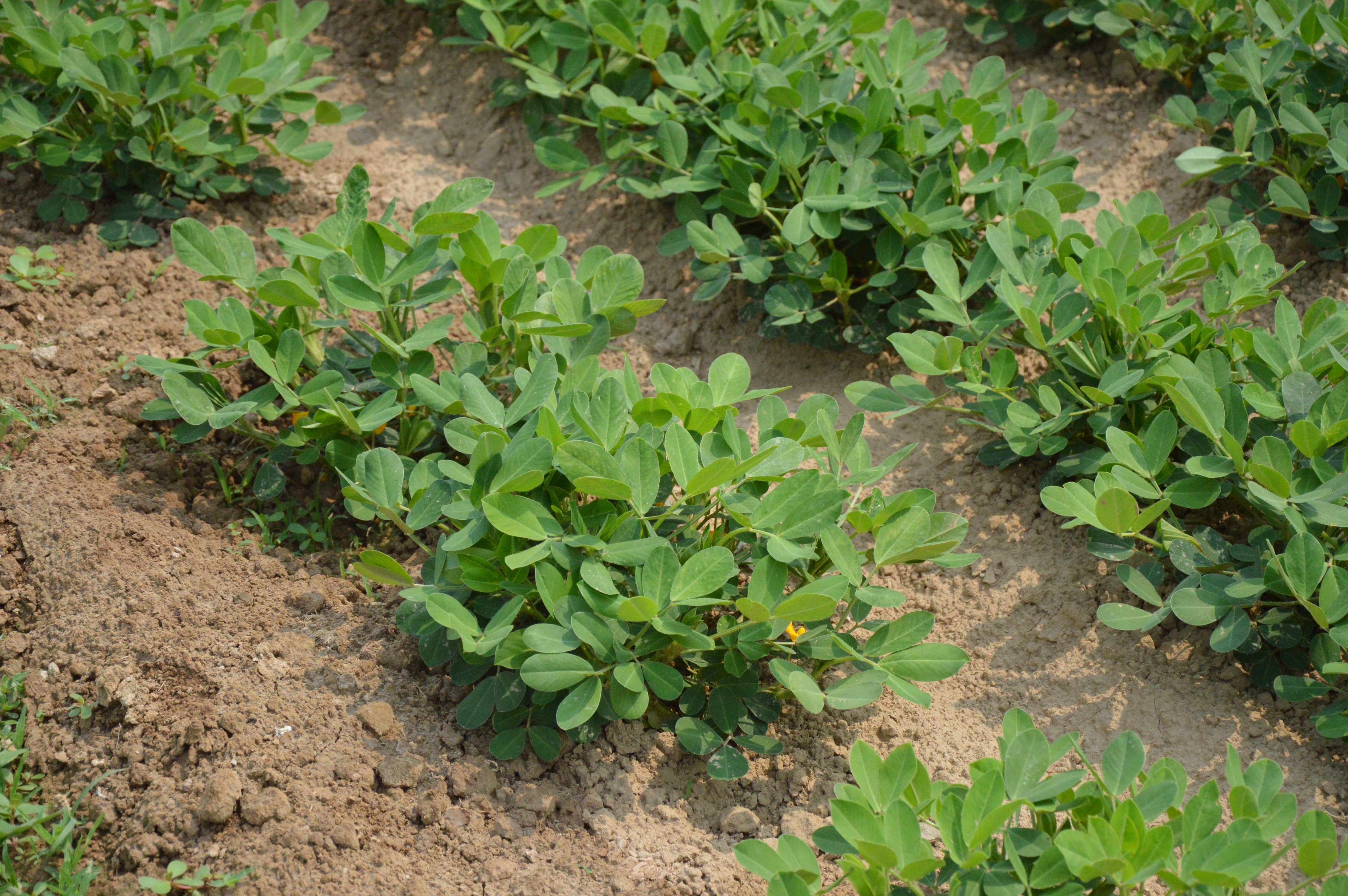
Chlorothalonil remains an important foundation in U.S. peanut fungicide programs because its multisite activity provides an important resistance-management component alongside single-site fungicides. Modern options containing Group 3, Group 7, and Group 11 active ingredients can provide additional disease control, but they need to be incorporated carefully into a diversified program rather than repeatedly relying on one mode of action.
In this guide, we examine the pesticides recommended for groundnuts with the focus placed entirely on fungicides used in U.S. peanut production. The 15 options below are selected for their disease-management roles, active ingredients, chemistry groups, strengths, limitations, and usefulness within professionally managed peanut fungicide programs.
What Pesticides Are Recommended For Groundnuts? 15 Best
1. Bravo Weather Stik – Best Chlorothalonil Fungicide for Groundnuts
Bravo Weather Stik is one of the strongest choices when growers need the best chlorothalonil fungicide for groundnuts, particularly for preventive management of peanut leaf-spot diseases. Its active ingredient, chlorothalonil, is a multisite fungicide that has long served as a foundation in U.S. peanut disease-management programs.

- ACTIVE INGREDIENT 54% – Chlorothalonil
- Multiple-site protection that offers excellent disease protection with low resistance risk.
The biggest advantage of chlorothalonil is its role in resistance management rather than simply its disease-control spectrum. U.S. peanut specialists continue to emphasize chlorothalonil because it can help protect the usefulness of single-site fungicides used elsewhere in the program.
Bravo Weather Stik is best considered a preventive protectant and should be integrated into a program based on disease risk and crop development. It is not intended to replace every systemic fungicide, particularly when diseases such as white mold or southern stem rot require products selected specifically for those threats.
- Strong leaf-spot foundation
- Multisite fungicide chemistry
- Low resistance risk
- Long history in peanuts
- Supports resistance management
- Useful protective activity
- Fits diversified programs
- Primarily protective
- Requires timely applications
- Not ideal for every disease
2. Provost Silver – Best Tebuconazole and Prothioconazole Fungicide for Groundnuts
Provost Silver is a strong option when growers are looking for the best tebuconazole and prothioconazole fungicide for groundnuts because it combines two Group 3 triazole active ingredients. This combination gives peanut growers a systemic fungicide option for managing several important fungal diseases.

- 38.7% Tebuconazole preventive and curative properties that provides control for up to 3 weeks
- For Use On: Residential & Commercial Landscape Ornamentals, Golf Course Turf, Nursery Ornamentals
Provost Silver has an important role in peanut programs where leaf spot and other diseases require systemic protection. U.S. Extension recommendations continue to identify Provost Silver as a useful peanut fungicide, and current Georgia guidance lists it among effective choices for leaf spot.
The product should be positioned within a rotation rather than repeatedly applied as the primary fungicide throughout the season. Crop stage and the pre-harvest interval are also important considerations when applications are being considered later in the growing season.
- Two Group 3 active ingredients
- Strong systemic activity
- Useful for leaf spot
- Broad disease-management role
- Established peanut use
- Fits rotation programs
- Useful late-season option
- Group 3 resistance matters
- Timing affects performance
- PHI must be considered
3. Priaxor – Best Fluxapyroxad Fungicide for Groundnuts
Priaxor is an important choice for growers seeking the best fluxapyroxad fungicide for groundnuts because it combines fluxapyroxad, a Group 7 fungicide, with pyraclostrobin, a Group 11 fungicide. This combination provides systemic and translaminar activity for several peanut disease-management situations.
No products found.
Priaxor is particularly useful when growers want to incorporate modern chemistry into a structured peanut fungicide program. Current U.S. Extension guidance continues to identify Priaxor as an important option for leaf spot and other peanut diseases, while Georgia specialists also recommend it in situations involving areolate mildew.
Because Priaxor contains Group 11 chemistry, resistance management is essential when incorporating it into a seasonal program. It should therefore be rotated with suitable fungicides from different modes of action instead of being repeatedly relied upon for every application.
- Combines Group 7 and Group 11
- Strong foliar disease option
- Useful for leaf spot
- Modern fungicide chemistry
- Useful program component
- Supports chemistry diversity
- Established U.S. peanut use
- Group 11 resistance concern
- Requires program rotation
- Not a universal disease solution
4. Elatus – Best Benzovindiflupyr Fungicide for Groundnuts
Elatus is one of the strongest options when growers need the best benzovindiflupyr fungicide for groundnuts, especially in fields where white mold represents a significant threat. It combines benzovindiflupyr, a Group 7 fungicide, with azoxystrobin, a Group 11 fungicide.
No products found.
The combination provides a valuable tool for peanut disease management and gives growers another option when building a program around multiple modes of action. Current Georgia Extension guidance identifies Elatus among the strong choices for white mold and specifically highlights its usefulness under significant disease pressure.
Elatus should be used strategically because one of its active ingredients belongs to Group 11. Its relatively long pre-harvest interval also means growers need to consider crop maturity and harvest timing before selecting it for later-season applications.
- Strong white-mold option
- Combines Group 7 and 11
- Useful soilborne-disease activity
- Modern fungicide chemistry
- Established peanut use
- Supports diversified programs
- Strong Extension support
- Group 11 resistance concern
- Long PHI
- Disease-specific selection matters
5. Excalia – Best Inpyrfluxam Fungicide for Groundnuts
Excalia is a valuable choice when growers want the best inpyrfluxam fungicide for groundnuts, particularly when southern stem rot and white-mold-related disease pressure is a major concern. Inpyrfluxam belongs to Group 7 and provides modern SDHI fungicide chemistry.
No products found.
Its major strength is its role against important soilborne diseases rather than simply functioning as another general foliar fungicide. The 2026 Virginia Peanut Production Guide identifies Excalia for southern stem rot and specifies that it should be used before disease development, reinforcing the importance of preventive positioning.
Excalia also has a relatively long pre-harvest interval, so growers need to consider harvest timing before selecting it. Because it is a Group 7 fungicide, resistance management should also be incorporated into the overall seasonal program.
- Strong soilborne-disease option
- Group 7 SDHI chemistry
- Useful for southern stem rot
- Strong white-mold role
- Modern fungicide chemistry
- Fits structured programs
- Supported by Extension guidance
- Group 7 resistance concern
- Long PHI
- Preventive timing is important
6. Provysol – Best Mefentrifluconazole Fungicide for Groundnuts
Provysol is a modern option for growers seeking the best mefentrifluconazole fungicide for groundnuts and wanting another Group 3 systemic fungicide for peanut disease management. Mefentrifluconazole provides a modern triazole chemistry that can contribute to diversified disease-control programs.
No products found.
Provysol is particularly useful as part of a planned fungicide sequence rather than as a product used repeatedly without regard to resistance management. Georgia peanut guidance identifies Provysol as a useful fungicide and has discussed its use in programs where leaf spot pressure requires stronger protection.
Growers should consider disease pressure, crop stage, previous fungicide chemistry, and harvest timing when deciding where Provysol belongs in the program. The current label should always determine whether a specific use, crop stage, rate, interval, or application method is permitted.
- Modern systemic chemistry
- Group 3 fungicide
- Useful peanut disease option
- Fits rotation programs
- Useful leaf-spot role
- Provides chemistry diversity
- Supported by U.S. guidance
- Resistance management required
- Timing is important
- Label restrictions apply
7. Fontelis – Best Penthiopyrad Fungicide for Groundnuts
Fontelis is an important consideration when growers need the best penthiopyrad fungicide for groundnuts because penthiopyrad provides Group 7 SDHI activity. It can contribute to management programs targeting both foliar and soilborne fungal diseases in peanuts.
No products found.
Fontelis is particularly valuable when white mold is part of the disease-management equation. Current Georgia Extension guidance lists Fontelis among useful options and specifically notes it as a product with a 14-day pre-harvest interval, making crop maturity an important consideration.
Penthiopyrad belongs to the SDHI group, so growers should avoid repeatedly relying on the same Group 7 chemistry. A properly structured program should alternate appropriate modes of action while matching each application to the diseases threatening the crop.
- Group 7 SDHI chemistry
- Useful white-mold option
- Useful leaf-disease activity
- Established peanut use
- Useful late-season choice
- Fits rotation programs
- Supported by Extension
- SDHI resistance concern
- Disease spectrum varies
- Label timing matters
8. Lucento – Best Isopyrazam and Flutriafol Fungicide for Groundnuts
Lucento is a strong choice for growers seeking the best isopyrazam and flutriafol fungicide for groundnuts because it combines Group 7 and Group 3 active ingredients. This combination gives growers another systemic option for managing important peanut diseases within a diversified program.
No products found.
Lucento has an important role in programs targeting leaf spot while also contributing activity against certain soilborne diseases. U.S. peanut specialists have identified Lucento as a useful early- and mid-season option, and Georgia guidance specifically lists it among products that can play an important role in peanut fungicide programs.
The combination of Group 7 and Group 3 chemistry makes rotation particularly important. Lucento should therefore be positioned according to the disease threat and previous fungicide applications rather than simply selected because it has two active ingredients.
- Combines Group 7 and Group 3
- Strong leaf-spot role
- Modern systemic chemistry
- Useful early-season option
- Provides chemistry diversity
- Fits rotation programs
- Established peanut use
- Contains resistance-sensitive groups
- Timing affects performance
- Not a standalone program
9. Miravis – Best Pydiflumetofen Fungicide for Groundnuts
Miravis is an important option when growers are looking for the best pydiflumetofen fungicide for groundnuts and want Group 7 SDHI chemistry for peanut disease management. Pydiflumetofen provides a modern fungicide active ingredient that can be incorporated into programs targeting several peanut diseases.
No products found.
The product should be distinguished from Miravis Top because the two products are not interchangeable, a distinction emphasized by current Georgia Extension specialists. Current guidance also indicates that certain disease situations require specific product selection rather than assuming all products carrying the Miravis name have identical activity.
Miravis should be incorporated into a resistance-management strategy because pydiflumetofen belongs to Group 7. Its position in the program should therefore be based on disease identification, previous chemistry, crop stage, and the specific product label rather than brand name alone.
- Modern SDHI chemistry
- Group 7 fungicide
- Useful peanut disease option
- Strong chemistry diversity
- Fits structured programs
- Useful preventive role
- Modern disease-management tool
- Group 7 resistance concern
- Product identity matters
- Timing is important
10. Propulse – Best Fluopyram and Prothioconazole Fungicide for Groundnuts
Propulse is a useful choice when growers need the best fluopyram and prothioconazole fungicide for groundnuts because it combines Group 7 and Group 3 chemistry. This combination provides systemic disease-management activity that can fit programs targeting both foliar and certain soilborne diseases.

- Control fungus and disease in your garden with Captain Jack’s ready-to-use Liquid Copper Fungicide!
- Approved for organic gardening, this fungicide is suitable for the production of organic produce and can even be used up until the day of harvest!

The combination gives growers another way to diversify fungicide chemistry during the peanut season. Its usefulness depends on disease pressure and the role already being played by other Group 3 and Group 7 products in the field.
Propulse should therefore be incorporated strategically rather than repeatedly used simply because it contains two active ingredients. A professional peanut disease program should consider the disease being targeted, previous applications, resistance risk, crop maturity, and the current label before selecting it.
- Combines Group 7 and Group 3
- Systemic fungicide activity
- Useful foliar disease option
- Useful soilborne-disease role
- Provides chemistry diversity
- Fits rotation programs
- Established agricultural chemistry
- Resistance management required
- Disease-specific selection matters
- Label restrictions apply
11. Convoy – Best Flutriafol Fungicide for Groundnuts
Convoy is a valuable option for growers seeking the best flutriafol fungicide for groundnuts, particularly where white mold and other soilborne disease threats are important. Flutriafol is a Group 3 systemic fungicide that provides another chemistry option for peanut disease-management programs.

- MAXIMIZE YIELDS – This outdoor and indoor plant fungicide kills and prevents common plant pathogens, including powdery mildew, alternaria blight root rot, crown rot, and stem rot. When unavailable, use Earth’s Ally Disease Control, which provides the same proven fungicide protection.
- ZERO POLLUTANTS – Formulated with food-grade citric-acid, our formula is FIFRA 25(b) exempt and OMRI Listed for use in organic gardening. This garden safe spray tests clean and contains no residual solvents, no synthetic pesticides and no heavy metals.
Current Georgia Extension guidance identifies Convoy as one of the stronger choices for white mold when disease pressure is significant. The same guidance highlights its 40-day pre-harvest interval, which is an important consideration when selecting products as the crop approaches maturity.
Convoy is therefore best suited to situations where its disease spectrum and application timing match the field’s risk profile. Because it is a Group 3 fungicide, it should be rotated appropriately with other modes of action to reduce selection pressure.
- Strong white-mold option
- Group 3 systemic chemistry
- Useful soilborne-disease role
- Established peanut use
- Fits structured rotations
- Supported by Extension
- Useful in high-risk fields
- Long PHI
- Group 3 resistance concern
- Timing is critical
12. Umbra – Best Flutriafol and Pyraclostrobin Fungicide for Groundnuts
Umbra is a useful option when growers need the best flutriafol and pyraclostrobin fungicide for groundnuts because it combines Group 3 and Group 11 fungicide chemistry. This combination provides another tool for peanut disease programs where both foliar and soilborne disease pressure must be considered.
- MAXIMIZE YIELDS – This outdoor and indoor plant fungicide kills and prevents common plant pathogens, including powdery mildew, alternaria blight root rot, crown rot, and stem rot. When unavailable, use Earth’s Ally Disease Control, which provides the same proven fungicide protection.
- ZERO POLLUTANTS – Formulated with food-grade citric-acid, our formula is FIFRA 25(b) exempt and OMRI Listed for use in organic gardening. This garden safe spray tests clean and contains no residual solvents, no synthetic pesticides and no heavy metals.
Umbra is particularly notable for its role in white-mold management. Current Georgia Extension recommendations list Umbra alongside Elatus, Excalia, and Convoy as choices for white mold under significant disease pressure.
Because Umbra contains pyraclostrobin, a Group 11 fungicide, resistance management remains important. Its pre-harvest interval also needs to be considered when growers are approaching the final portion of the peanut production cycle.
- Combines Group 3 and Group 11
- Strong white-mold option
- Useful systemic chemistry
- Provides chemistry diversity
- Established peanut use
- Useful in disease programs
- Supported by Extension
- Group 11 resistance concern
- Long PHI
- Timing matters
13. Domark 230ME – Best Tetraconazole Fungicide for Groundnuts
Domark 230ME is an established option for growers looking for the best tetraconazole fungicide for groundnuts and another systemic Group 3 fungicide for peanut disease management. Tetraconazole provides a different triazole active ingredient from several other commonly discussed peanut fungicides.
No products found.
U.S. peanut guidance identifies tetraconazole products such as Domark as leaf-spot materials, giving growers another option when building a diversified disease-management program. Georgia Extension guidance has also specifically distinguished tetraconazole from tebuconazole, which is important when comparing peanut fungicide options.
Domark can be particularly useful when disease management must continue later in the season, but the appropriate position depends on crop maturity and disease pressure. As with other Group 3 fungicides, resistance management should be considered when integrating Domark into a seasonal rotation.
- Group 3 triazole chemistry
- Strong leaf-spot role
- Established peanut use
- Useful chemistry diversity
- Useful late-season option
- Recognized by Extension
- Fits rotation programs
- Group 3 resistance concern
- Timing is important
- Not a universal disease solution
14. Alto – Best Cyproconazole Fungicide for Groundnuts
Alto is a useful choice when growers are seeking the best cyproconazole fungicide for groundnuts and need another systemic Group 3 chemistry for peanut leaf-spot management. Cyproconazole provides growers with an additional triazole option that can fit carefully structured fungicide programs.
No products found.
Current Georgia Extension guidance identifies Alto as a useful leaf-spot choice and also lists it among the products that can be important when disease pressure becomes significant. The same guidance notes a 30-day pre-harvest interval for Alto, making crop maturity an important factor when considering late-season applications.
Alto should be selected according to the disease threat rather than simply because it is a systemic fungicide. Its Group 3 classification also means it should be rotated appropriately with suitable chemistry from other fungicide groups.
- Strong leaf-spot option
- Systemic Group 3 chemistry
- Useful rotation component
- Established peanut use
- Provides chemistry diversity
- Recognized by Extension
- Useful disease-management tool
- Group 3 resistance matters
- Long PHI
- Timing is important
15. Topsin M – Best Thiophanate-Methyl Fungicide for Groundnuts
Topsin M is an established option when growers need the best thiophanate-methyl fungicide for groundnuts and want another chemistry for peanut disease management. Thiophanate-methyl is a systemic fungicide that has historically been incorporated into peanut programs for diseases including leaf spot.

- For Use On Flowers, Vegetables, Shrubs, Fruit, And Shade Trees
- No Accumulation In The Food Chain
One of its practical advantages is its role in later-season disease-management decisions when growers are evaluating the remaining crop-development period. Current Georgia Extension guidance lists Topsin among examples of options that may be considered alongside chlorothalonil when leaf spot remains present close to harvest.
Topsin M should still be used according to its current label and resistance-management requirements. It is best viewed as one component of an integrated peanut fungicide program rather than a replacement for the entire seasonal strategy.
- Established fungicide chemistry
- Systemic activity
- Useful leaf-spot option
- Recognized peanut use
- Useful late-season role
- Fits structured programs
- Can complement chlorothalonil
- Resistance management matters
- Disease spectrum is limited
- Label timing is important
Factors to Consider When Choosing Fungicides for Groundnuts
1. Identify the Disease Before Choosing the Fungicide
The most important factor is knowing which disease threatens the peanut crop. Leaf spot, white mold, southern stem rot, Rhizoctonia diseases, web blotch, and other fungal problems do not necessarily respond equally to the same fungicide.
A fungicide that is excellent for white mold may not be the strongest choice for late leaf spot, while a product selected for foliar disease may not provide the level of soilborne disease management required in a high-risk field.
Disease identification should therefore come before product selection whenever possible.
2. Consider the Fungicide Group
Fungicide chemistry is commonly classified into FRAC groups according to mode of action. Group 3, Group 7, and Group 11 fungicides are represented in many modern peanut disease-management programs.
Repeatedly using fungicides from the same group can increase selection pressure for resistant pathogen populations. This makes rotation and proper sequencing important components of professional peanut production.
3. Use Chlorothalonil Strategically
Chlorothalonil remains particularly important because it is a multisite fungicide and can help protect the effectiveness of single-site fungicides. Georgia Extension specialists specifically describe chlorothalonil as the foundation of their peanut programs for resistance management.
That does not mean every field requires the same schedule. Disease pressure, cultivar, weather, previous applications, and regional recommendations should determine the actual program.
4. Consider White-Mold Risk
White mold can become particularly damaging in warm, humid peanut production environments. Fields with a history of white mold deserve greater attention to products specifically positioned for that disease.
Current Georgia guidance identifies Elatus, Excalia, Convoy, and Umbra among strong choices when white mold becomes prevalent.
5. Consider Crop Stage and Harvest Timing
Pre-harvest interval is one of the most important considerations when selecting a late-season fungicide. Products can have substantially different PHIs, which means a fungicide that is appropriate earlier in the season may not be appropriate close to digging.
For example, current Georgia guidance identifies 30-day PHIs for Alto and Elatus and 40-day PHIs for Excalia and Convoy, while Provost Silver and Fontelis are listed with 14-day PHIs.
6. Rotate Modes of Action
A strong peanut fungicide program should not repeatedly depend on one fungicide group. Rotation helps reduce the selection pressure that can favor resistant pathogen populations.
This is especially important when using Group 3, Group 7, and Group 11 fungicides. Combining sound rotation with multisite chemistry and disease scouting creates a more sustainable disease-management strategy.
7. Follow the Current U.S. Label
Fungicide registrations, labels, restrictions, formulations, and permitted uses can change. The product label is the legal authority for crop use, application timing, restrictions, personal protective equipment, pre-harvest intervals, and other requirements.
Growers should therefore verify the current label and applicable state requirements before making a fungicide application. Virginia Cooperative Extension also emphasizes following product labels and observing application and pre-harvest restrictions in its 2026 peanut guide.
7 Frequently Asked Questions About Fungicides for Groundnuts
1. What is the best fungicide for groundnuts?
There is no single fungicide that is universally the best for every peanut field. Bravo Weather Stik is an important foundation for leaf-spot management, while products such as Elatus, Excalia, Convoy, and Umbra may be stronger choices when white mold is the primary concern.
The best selection depends on disease identification, field history, crop stage, weather, previous fungicide chemistry, and the current product label.
2. Is chlorothalonil still recommended for peanuts?
Yes, chlorothalonil remains an important component of U.S. peanut fungicide programs. Its multisite activity makes it particularly valuable for resistance management alongside single-site fungicides.
It should not necessarily be viewed as the only fungicide required, because different diseases can require additional chemistry.
3. What fungicides are recommended for white mold in peanuts?
Current Georgia Extension guidance identifies Elatus, Excalia, Convoy, and Umbra among strong options for white mold.
Other products may also have useful activity depending on the disease situation and current label, so selection should be based on the specific field and regional recommendations.
4. What fungicide is good for peanut leaf spot?
Several fungicides can contribute to peanut leaf-spot management. Chlorothalonil remains an important foundation, while products such as Priaxor, Provost Silver, Alto, Domark, Lucento, and other labeled fungicides may have roles within appropriate programs.
The strongest choice depends on disease pressure, crop stage, resistance-management needs, and what has already been applied.
5. Why should peanut fungicides be rotated?
Fungicide rotation helps reduce selection pressure for resistant fungal populations. This is particularly important with single-site fungicides belonging to groups such as Group 3, Group 7, and Group 11.
Using different effective modes of action in a properly designed program can help preserve fungicide performance over time.
6. Can the same fungicide be used throughout the peanut season?
Repeatedly relying on one fungicide is generally not the preferred resistance-management strategy. Peanut programs are normally designed around disease risk, crop development, fungicide groups, and the performance characteristics of individual products.
A diversified program can provide better protection against resistance while allowing growers to target specific disease threats.
7. Should fungicide applications continue close to harvest?
That depends on disease pressure, crop maturity, the specific fungicide, and its pre-harvest interval. Current Georgia guidance demonstrates why this matters, with different products having PHIs ranging from approximately two weeks to 40 days in the examples discussed.
Late-season decisions should therefore be made using crop maturity, disease scouting, harvest plans, and the current product label rather than following a fixed calendar alone.
Conclusion
In conclusion, the best pesticides recommended for groundnuts are not determined by a single fungicide because peanut diseases vary substantially in biology, timing, and severity. The best overall approach is a diversified fungicide program built around sound disease identification, chlorothalonil where appropriate, resistance management, and carefully selected systemic products, while the runner-up strategy is to prioritize disease-specific fungicides such as Elatus, Excalia, Convoy, or Umbra when white mold becomes the dominant threat.
Bravo Weather Stik stands out as an important foundation because chlorothalonil provides multisite activity and remains valuable for resistance management. Priaxor, Provost Silver, Lucento, Provysol, Fontelis, Miravis, and Propulse provide additional chemistry options, while Elatus, Excalia, Convoy, and Umbra offer particularly important choices when soilborne diseases such as white mold or southern stem rot require attention.
Domark, Alto, and Topsin M can also provide useful roles in appropriate peanut programs, especially when leaf spot remains a concern and crop maturity influences the available fungicide choices. However, these products should not simply be ranked by brand name because disease pressure, resistance history, crop stage, previous applications, and pre-harvest intervals can change which option is most appropriate.
Compare the fifteen options above, identify the disease threatening your peanut crop, consider the fungicide groups already used, and choose the product that best matches your disease-management program and crop stage. Paying attention to active ingredients, resistance management, disease spectrum, pre-harvest interval, and the current U.S. label will help produce a more scientifically sound fungicide strategy for groundnut production.