Orange Hawkweed Facts: 15 Things To Know

Orange Hawkweed Facts

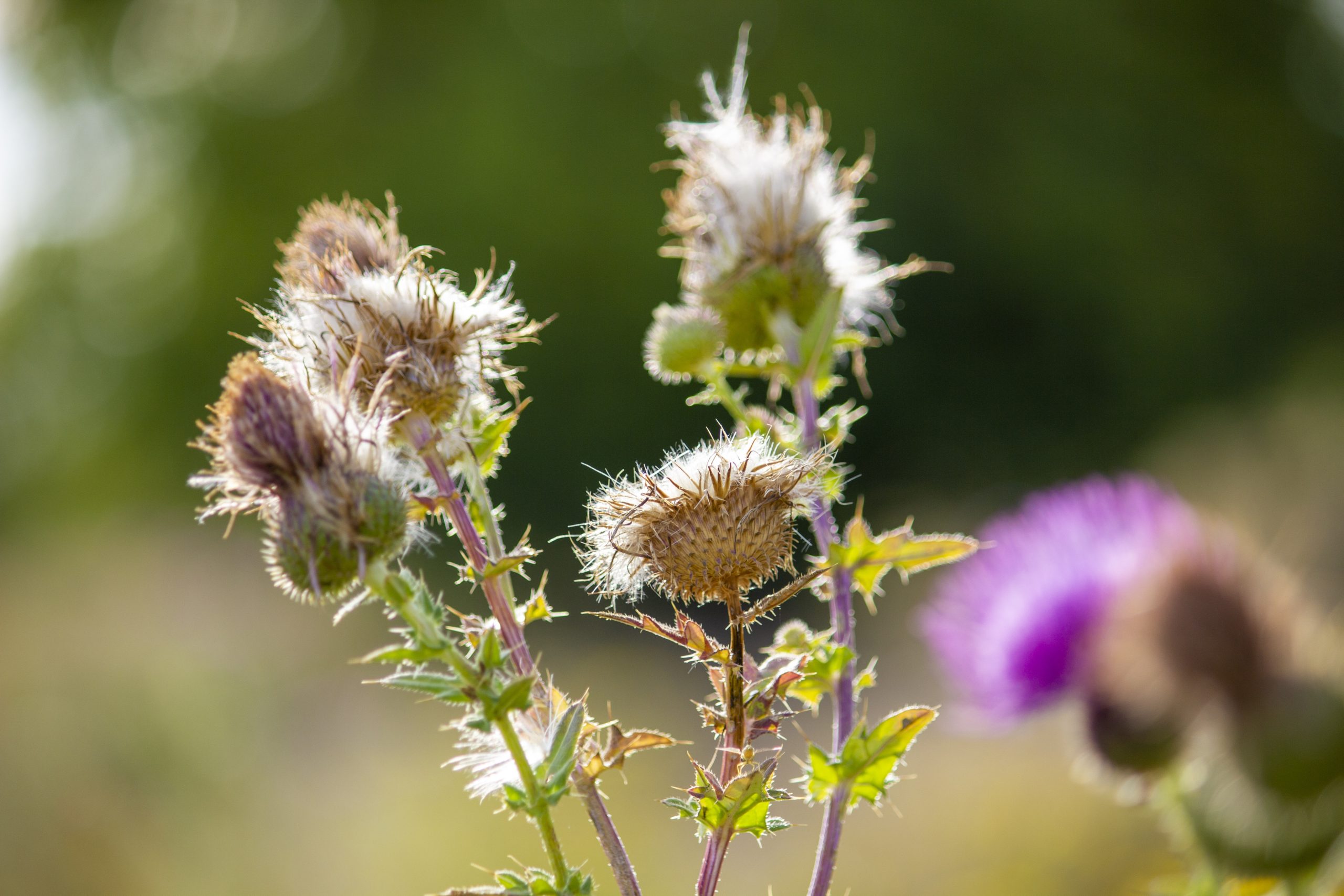
Orange hawkweed facts help gardeners, farmers, and landowners recognize one of the most aggressive wildflower invaders in North America. Orange hawkweed (Hieracium aurantiacum) is a low-growing perennial with bright orange dandelion-like flowers and hairy leaves. It spreads rapidly through seeds and creeping stems, forming dense patches that crowd out native plants and pasture grasses. Native … Read more
Invasive Plants Southern Ontario: 30 Species To Know

Invasive Plants Southern Ontario

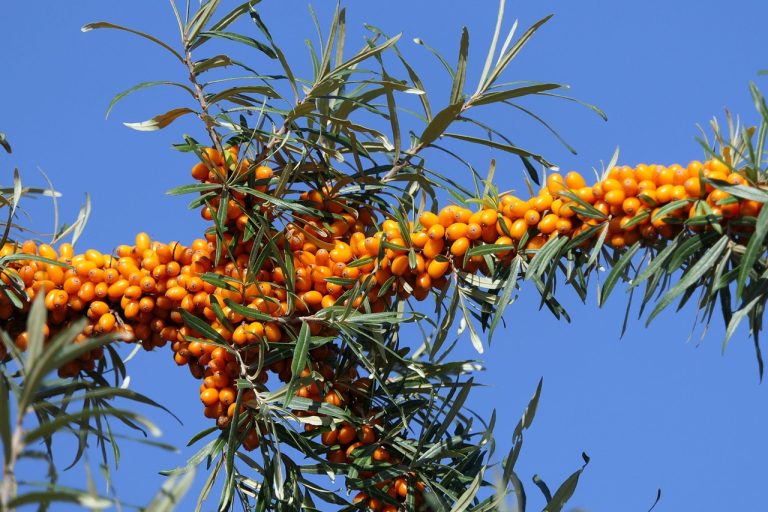
Invasive plants in Southern Ontario spread aggressively through forests, wetlands, meadows, and residential landscapes, crowding out native species and degrading habitat across the region. The area’s temperate climate, long growing season, and dense human population create ideal conditions for non-native plants to escape cultivation and establish in natural areas. Once rooted, many of these species … Read more

Invasive Bush Honeysuckle Identification: 10 Key Signs

Invasive Bush Honeysuckle Identification

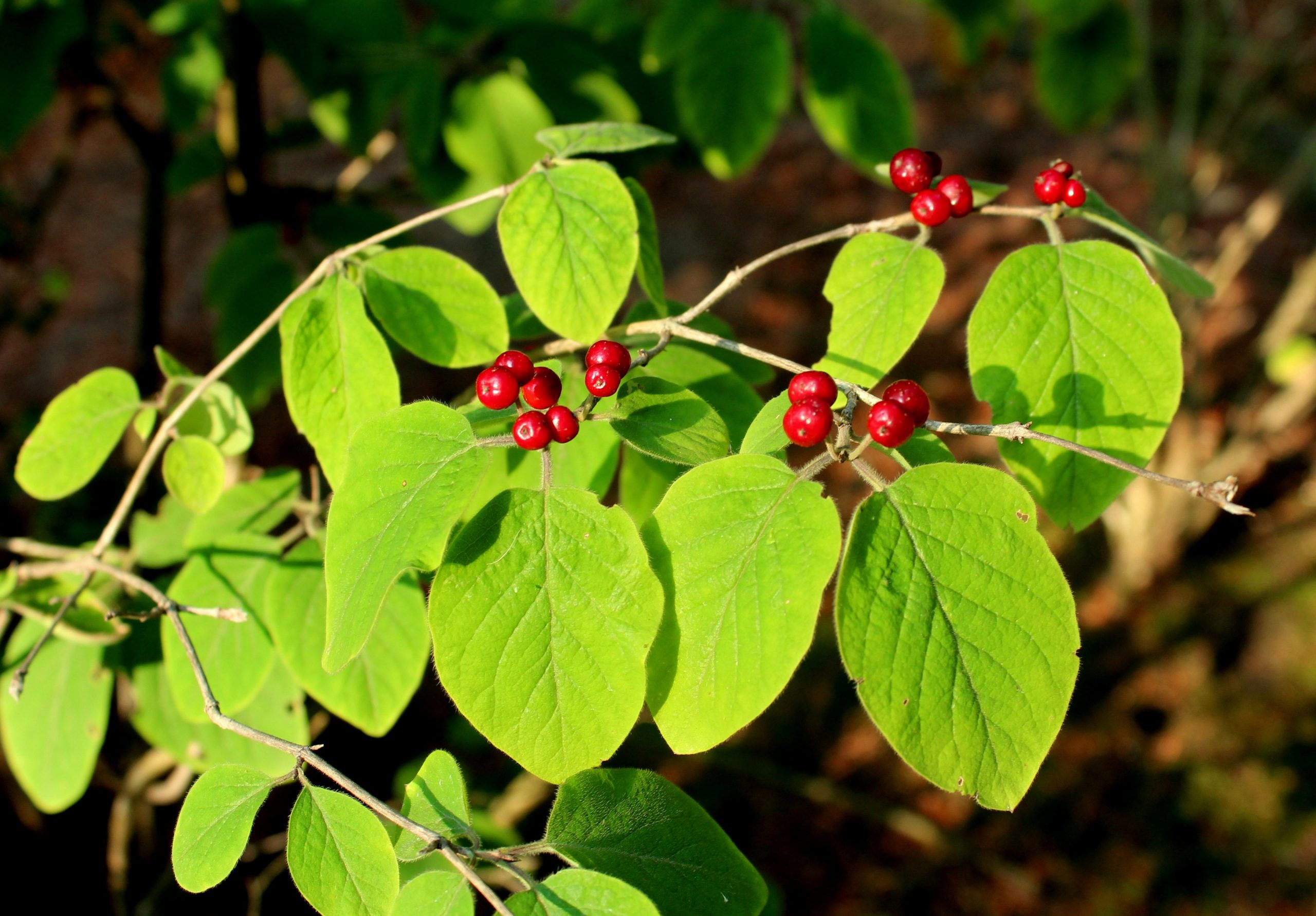
Invasive bush honeysuckle identification starts with recognizing the shrubs that dominate forest understories across much of North America. Several non-native Lonicera species, including Amur, Morrow’s, Tatarian, and Bell’s honeysuckle, escaped cultivation and now form dense thickets that crowd out native plants and reduce wildlife habitat. These shrubs share a similar appearance, which makes identification challenging … Read more

Invasive Bush With Red Berries: 10 Species To Identify

Invasive Bush With Red Berries

Invasive bushes with red berries spread aggressively through bird-dispersed seeds, forming dense thickets that crowd out native plants and degrade wildlife habitat. Many of these species are still sold in nurseries for their ornamental fruit and fall color, which contributes to their continued escape into forests, roadsides, and natural areas across North America. Red berries … Read more

What Are Some Common Weeds Found In Rhode Island? 50 Species Every Gardener Should Identify

What Are Some Common Weeds Found In Rhode Island?

Common weeds found in Rhode Island thrive in the state’s humid continental climate, with cold winters, warm summers, and consistent rainfall that supports rapid growth across lawns, gardens, farm fields, and coastal areas. The state’s varied geography, from Narragansett Bay shorelines to inland forests and agricultural land, creates habitats for dozens of weed species that … Read more

How To Eliminate Buckthorn: 10 Effective Methods For Permanent Control

How To Eliminate Buckthorn

Buckthorn forms dense thickets that crowd out native plants, degrade wildlife habitat, and spread rapidly through bird-dispersed seeds. Two species dominate infestations in North America: common buckthorn (Rhamnus cathartica) and glossy buckthorn (Frangula alnus). Both are aggressive invaders that displace native understory plants and alter soil chemistry, making them one of the most persistent invasive … Read more

Weeds That Look Like Corn: 10 Look-Alike Plants Every Gardener Should Identify

Weeds That Look Like Corn

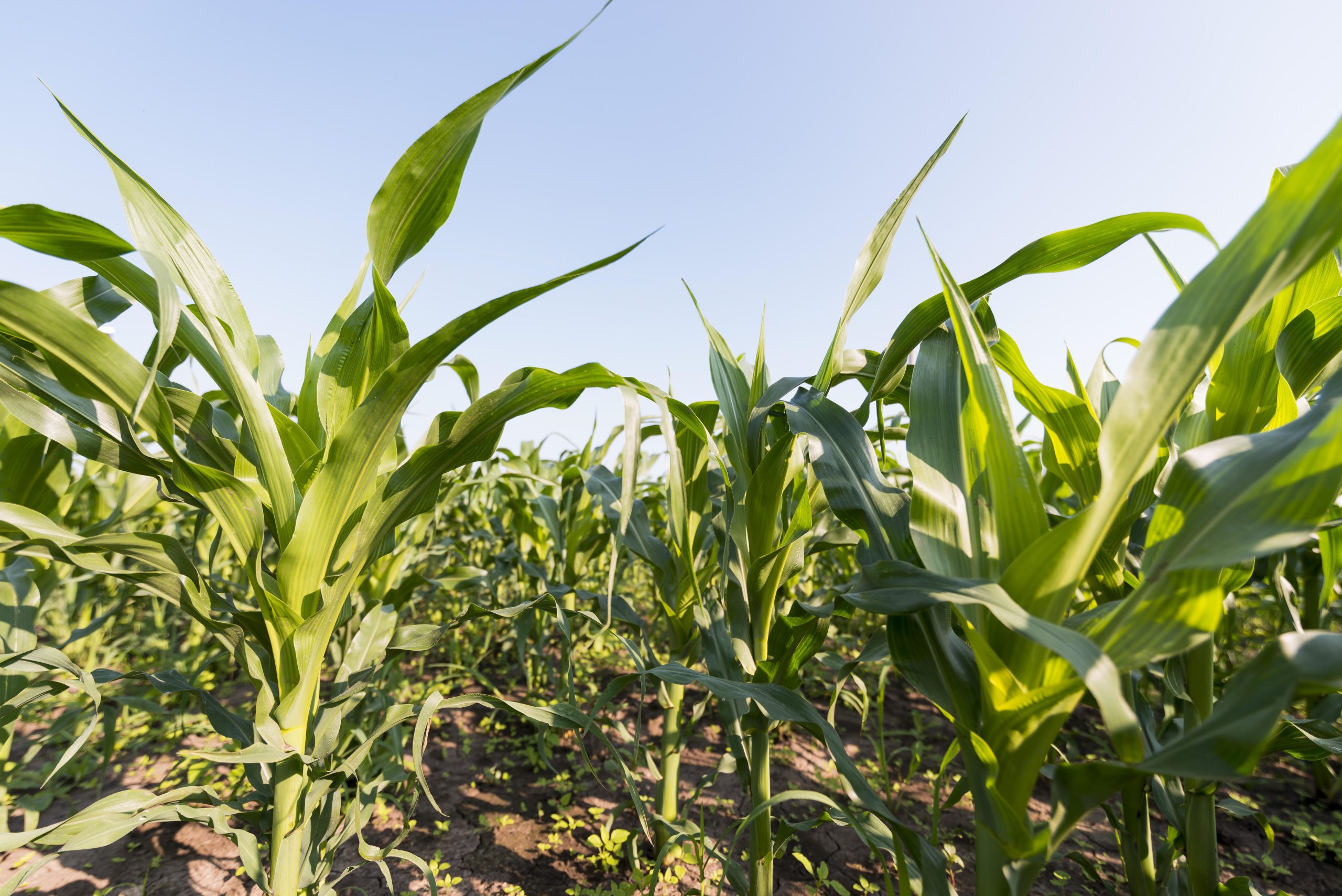
Identifying weeds that look like corn is essential for gardeners, farmers, and homeowners who want to protect their crops, pastures, and garden beds from aggressive imposters. Corn (Zea mays) is beloved for its tall, sturdy stalks, broad lance-shaped leaves, and distinctive ears, but several common weeds can easily be mistaken for corn, especially in the … Read more

30 Weeds That Are Toxic To Horses

Weeds That Are Toxic To Horses

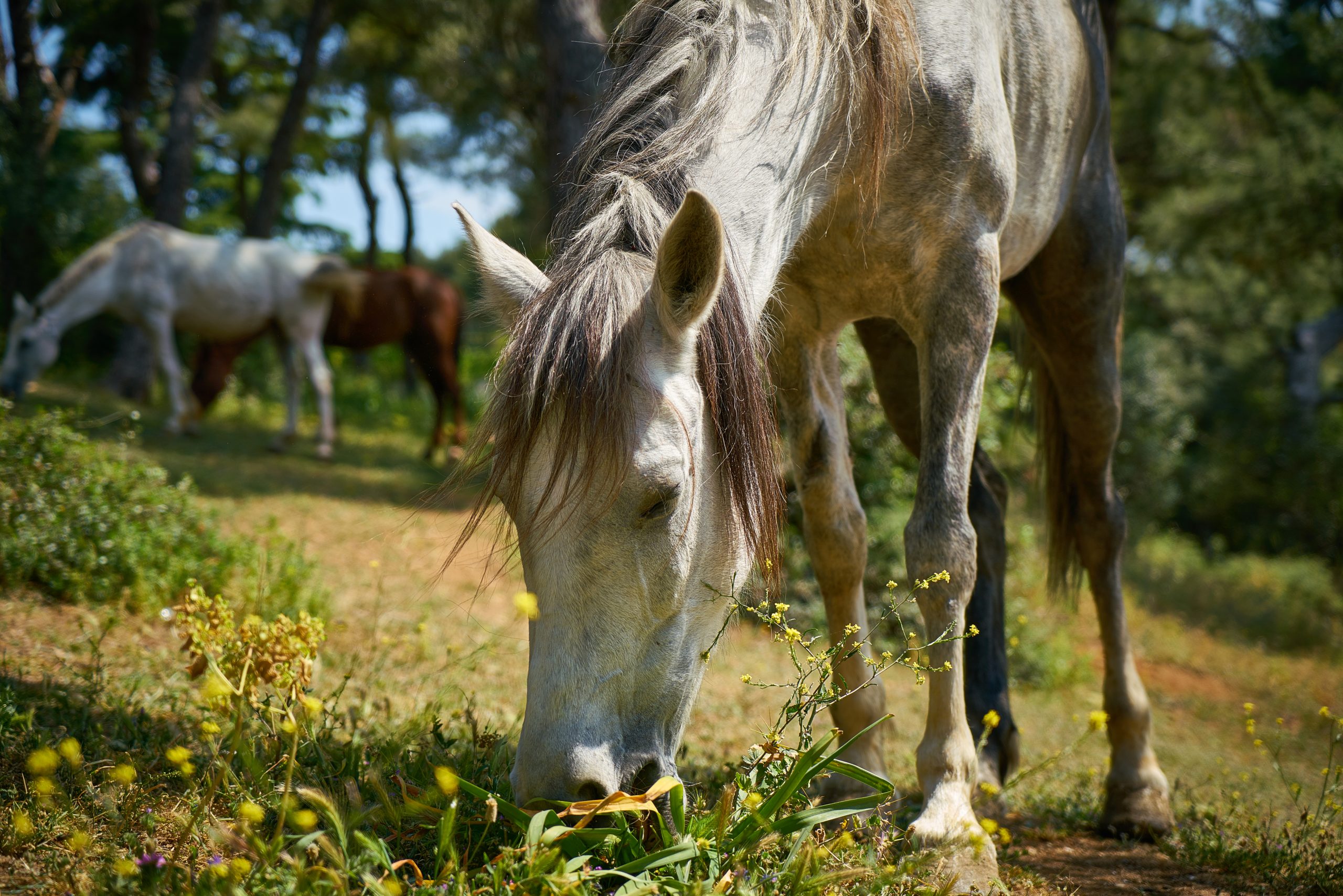
Knowing the weeds that are toxic to horses is an important part of responsible pasture management because poisonous plants can cause digestive problems, neurological disorders, reproductive problems, respiratory distress, and even death. The risk is not limited to plants that horses willingly graze, because hungry animals, overgrazed pastures, drought, and contaminated hay can increase exposure. … Read more

30 Aggressive Weeds That Take Over Garden

Weeds That Take Over Gardens

Garden weeds can quickly turn productive beds into dense, difficult-to-manage spaces when aggressive species establish faster than desirable plants. Some spread mainly through seed, while others use rhizomes, stolons, tubers, creeping roots, or crowns to occupy new areas and regenerate after removal. The problem becomes greater when weeds mature and reproduce because even a small … Read more