Invasive plants in Kelowna spread aggressively through forests, grasslands, wetlands, and residential landscapes, crowding out native species and degrading habitat across the Okanagan Valley. The region’s dry summers, mild winters, and rapid urban growth create ideal conditions for non-native plants to escape cultivation and establish in natural areas. Once rooted, many of these species are difficult and expensive to remove.
Many invasive plants arrived in Kelowna through horticulture, shipping, and agriculture before their aggressive behavior became clear. Others are still sold in nurseries, contributing to their continued spread into forests, shorelines, and roadsides. Birds, wind, water, and human activity carry seeds and root fragments into new areas each year.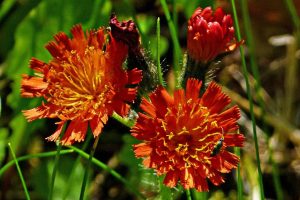
Identifying invasive plants early is the most effective way to prevent them from taking over a property or natural area. Accurate identification determines the right control method and prevents wasted effort on the wrong species. Some invasive plants also pose health risks to humans and livestock, making correct identification essential.
In this guide, we break down 30 invasive plants in Kelowna by examining their appearance, habitat, spread, and control methods to help you identify and manage these species on your land.
Invasive Plants Kelowna: 30 Species To Identify
1. Spotted Knapweed (Centaurea stoebe) – Most Widespread Invasive Plant
Spotted knapweed is the most widespread invasive plant in Kelowna, forming dense stands in grasslands, roadsides, and disturbed areas throughout the Okanagan Valley. It grows 1 to 3 feet tall with deeply lobed leaves and pink to purple flower heads in summer. The plant spreads through abundant seeds that remain viable in the soil for years.
Spotted knapweed is particularly problematic because it releases allelopathic chemicals that suppress native grasses and wildflowers. Its rapid spread and high seed production allow it to dominate rangeland within a few seasons. Dense infestations reduce forage quality for livestock and wildlife and increase soil erosion.
Control involves hand-pulling before seed set, mowing before flowering, and applying herbicide in spring or fall. Repeated treatments over several seasons are necessary to exhaust the seedbank in the soil. Biological control agents, including weevils and flies, are also used in large infestations.
2. Diffuse Knapweed (Centaurea diffusa) – Most Aggressive Grassland Invader
Diffuse knapweed is an aggressive grassland invader in Kelowna, forming dense stands in dry meadows, roadsides, and disturbed areas. It grows 1 to 2 feet tall with finely divided leaves and white to pink flower heads in summer. The plant spreads through abundant seeds that remain viable in the soil for years.
Diffuse knapweed is particularly problematic because it outcompetes native grasses and wildflowers for water and nutrients. Its deep taproot allows it to survive drought and resprout after mowing. Dense infestations reduce forage quality for livestock and wildlife and increase soil erosion.
Control involves hand-pulling before seed set, mowing before flowering, and applying herbicide in spring or fall. Repeated treatments over several seasons are necessary to exhaust the seedbank in the soil. Biological control agents are also used in large infestations.
3. Dalmatian Toadflax (Linaria dalmatica) – Most Persistent Grassland Invader
Dalmatian toadflax is a persistent grassland invader in Kelowna, forming dense patches in dry meadows, roadsides, and rangeland. It grows 2 to 4 feet tall with waxy blue-green leaves and yellow snapdragon-like flowers in summer. The plant spreads through seeds and creeping roots that remain viable in the soil for years.
Dalmatian toadflax is particularly problematic because its deep root system makes hand-pulling ineffective unless the entire root is removed. It outcompetes native grasses and wildflowers for water and nutrients. Dense infestations reduce forage quality for livestock and wildlife and are difficult to eradicate once established.
Control involves repeated cultivation, mowing before seed set, and applying herbicide in spring or fall. Repeated treatments over several seasons are necessary to exhaust the root system and seedbank. Biological control agents are also used in large infestations.
4. Yellow Toadflax (Linaria vulgaris) – Most Common Roadside Invader
Yellow toadflax is a common roadside invader in Kelowna, forming dense patches along roadsides, railways, and disturbed areas. It grows 1 to 3 feet tall with narrow leaves and yellow snapdragon-like flowers in summer. The plant spreads through seeds and creeping roots that remain viable in the soil for years.
Yellow toadflax is particularly problematic because its deep root system makes hand-pulling ineffective unless the entire root is removed. It outcompetes native grasses and wildflowers for water and nutrients. Dense infestations reduce forage quality for livestock and wildlife and are difficult to eradicate once established.
Control involves repeated cultivation, mowing before seed set, and applying herbicide in spring or fall. Repeated treatments over several seasons are necessary to exhaust the root system and seedbank. Biological control agents are also used in large infestations.
5. Sulphur Cinquefoil (Potentilla recta) – Most Aggressive Meadow Invader
Sulphur cinquefoil is an aggressive meadow invader in Kelowna, forming dense stands in dry meadows, roadsides, and rangeland. It grows 1 to 2 feet tall with palmately divided leaves and pale yellow flowers in summer. The plant spreads through abundant seeds that remain viable in the soil for years.
Sulphur cinquefoil is particularly problematic because it outcompetes native grasses and wildflowers for water and nutrients. Its deep taproot allows it to survive drought and resprout after mowing. Dense infestations reduce forage quality for livestock and wildlife and increase soil erosion.
Control involves hand-pulling before seed set, mowing before flowering, and applying herbicide in spring or fall. Repeated treatments over several seasons are necessary to exhaust the seedbank in the soil.
6. Orange Hawkweed (Hieracium aurantiacum) – Most Aggressive Wildflower Invader
Orange hawkweed is an aggressive wildflower invader in Kelowna, forming dense patches in meadows, roadsides, and disturbed areas. It grows 6 to 12 inches tall with hairy leaves and bright orange flowers in summer. The plant spreads through seeds and creeping stems that root at the nodes.
Orange hawkweed is particularly problematic because it forms dense mats that crowd out native wildflowers and grasses. Its tolerance for a wide range of conditions allows it to spread rapidly across meadows and roadsides. Dense infestations reduce plant diversity and habitat quality for pollinators.
Control involves hand-pulling before seed set, mowing before flowering, and applying herbicide in spring or fall. Repeated treatments over several seasons are necessary to exhaust the seedbank and creeping root system.
7. Yellow Hawkweed (Hieracium caespitosum) – Most Common Hawkweed Invader
Yellow hawkweed is a common hawkweed invader in Kelowna, forming dense patches in meadows, roadsides, and disturbed areas. It grows 6 to 12 inches tall with hairy leaves and yellow flowers in summer. The plant spreads through seeds and creeping stems that root at the nodes.
Yellow hawkweed is particularly problematic because it forms dense mats that crowd out native wildflowers and grasses. Its tolerance for a wide range of conditions allows it to spread rapidly across meadows and roadsides. Dense infestations reduce plant diversity and habitat quality for pollinators.
Control involves hand-pulling before seed set, mowing before flowering, and applying herbicide in spring or fall. Repeated treatments over several seasons are necessary to exhaust the seedbank and creeping root system.
8. Canada Thistle (Cirsium arvense) – Most Aggressive Perennial Thistle
Canada thistle is the most aggressive perennial thistle in Kelowna, forming dense patches in pastures, roadsides, and disturbed areas. It grows 1 to 4 feet tall with spiny leaves and purple flower heads in summer. The plant spreads through creeping roots and abundant seeds that remain viable in the soil for years.
Canada thistle is particularly problematic in pastures because its spines deter livestock and reduce forage quality. Its deep creeping root system makes hand-pulling ineffective unless the entire root is removed. Dense populations can spread quickly across a property and reduce crop yields.
Control involves repeated mowing before seed set, improving drainage, and applying systemic herbicides in spring or fall. Repeated treatments over several seasons are necessary to exhaust the root system and seedbank in the soil.
9. Bull Thistle (Cirsium vulgare) – Most Common Biennial Thistle
Bull thistle is a common biennial thistle in Kelowna, forming large rosettes in the first year and tall flowering stalks in the second. It grows 2 to 5 feet tall with spiny leaves and purple flower heads in summer. The plant spreads through abundant seeds that remain viable in the soil for years.
Bull thistle is particularly problematic in pastures because its spines deter livestock and reduce forage quality. Its large size and spiny leaves make hand-pulling difficult without gloves. Dense populations can spread quickly across a property and reduce crop yields.
Control involves hand-pulling rosettes before flowering, mowing before seed set, and applying broadleaf herbicides in spring or fall. Removing plants before they flower prevents seed production and reduces future populations.
10. Houndstongue (Cynoglossum officinale) – Most Toxic Grassland Invader
Houndstongue is a toxic grassland invader in Kelowna, forming dense patches in dry meadows, roadsides, and rangeland. It grows 1 to 3 feet tall with hairy leaves and reddish-purple flowers in summer. The plant spreads through burr-like seeds that cling to clothing, fur, and equipment.
Houndstongue is particularly problematic because it contains alkaloids that cause liver damage in livestock and wildlife. Its burr-like seeds spread readily along trails and roadsides. Dense infestations reduce forage quality and pose a serious risk to grazing animals.
Control involves hand-pulling rosettes before flowering, mowing before seed set, and applying herbicide in spring or fall. Removing plants before they flower prevents seed production and reduces future populations.
11. Common Tansy (Tanacetum vulgare) – Most Common Roadside Invader
Common tansy is a common roadside invader in Kelowna, forming dense patches along roadsides, railways, and disturbed areas. It grows 2 to 4 feet tall with fern-like leaves and yellow button-like flowers in summer. The plant spreads through seeds and creeping roots that remain viable in the soil for years.
Common tansy is particularly problematic because it forms dense patches that crowd out native vegetation along roadsides and waterways. Its tolerance for a wide range of conditions allows it to spread rapidly. Dense infestations reduce plant diversity and habitat quality for pollinators.
Control involves repeated mowing before seed set, hand-pulling small infestations, and applying herbicide in spring or fall. Repeated treatments over several seasons are necessary to exhaust the root system and seedbank.
12. Baby’s Breath (Gypsophila paniculata) – Most Aggressive Ornamental Escape
Baby’s breath is an aggressive ornamental escape in Kelowna, forming dense stands in dry meadows, roadsides, and disturbed areas. It grows 1 to 3 feet tall with narrow blue-green leaves and clusters of small white flowers in summer. The plant spreads through abundant seeds that remain viable in the soil for years.
Baby’s breath is particularly problematic because it spreads from garden plantings into natural areas, where it displaces native grasses and wildflowers. Its deep taproot allows it to survive drought and resprout after mowing. Dense infestations reduce forage quality and plant diversity.
Control involves hand-pulling before seed set, mowing before flowering, and applying herbicide in spring or fall. Repeated treatments over several seasons are necessary to exhaust the seedbank in the soil.
13. Russian Knapweed (Rhaponticum repens) – Most Persistent Grassland Invader
Russian knapweed is a persistent grassland invader in Kelowna, forming dense patches in dry meadows, roadsides, and rangeland. It grows 1 to 3 feet tall with narrow gray-green leaves and pink to purple flowers in summer. The plant spreads through creeping roots and abundant seeds that remain viable in the soil for years.
Russian knapweed is particularly problematic because its deep creeping root system makes hand-pulling ineffective unless the entire root is removed. It releases allelopathic chemicals that suppress native plants. Dense infestations reduce forage quality for livestock and wildlife and are difficult to eradicate once established.
Control involves repeated cultivation, mowing before seed set, and applying herbicide in spring or fall. Repeated treatments over several seasons are necessary to exhaust the root system and seedbank. Biological control agents are also used in large infestations.
14. Hoary Cress (Lepidium draba) – Most Aggressive Rangeland Invader
Hoary cress is an aggressive rangeland invader in Kelowna, forming dense patches in dry meadows, roadsides, and disturbed areas. It grows 1 to 2 feet tall with gray-green leaves and clusters of small white flowers in spring. The plant spreads through creeping roots and abundant seeds.
Hoary cress is particularly problematic because it forms dense monocultures that crowd out native grasses and wildflowers. Its deep creeping root system makes it difficult to eradicate once established. Dense infestations reduce forage quality for livestock and wildlife.
Control involves repeated cultivation, mowing before seed set, and applying herbicide in spring or fall. Repeated treatments over several seasons are necessary to exhaust the root system and seedbank.
15. Perennial Pepperweed (Lepidium latifolium) – Most Aggressive Wetland Invader
Perennial pepperweed is an aggressive wetland invader in Kelowna, forming dense stands in marshes, stream banks, and wet meadows. It grows 2 to 5 feet tall with waxy green leaves and clusters of small white flowers in summer. The plant spreads through creeping roots and abundant seeds.
Perennial pepperweed is particularly problematic because it displaces native wetland plants and reduces habitat quality for wildlife. Its deep creeping root system makes hand-pulling ineffective unless the entire root is removed. Dense infestations alter wetland hydrology and reduce plant diversity.
Control involves repeated mowing before seed set, applying herbicide in late summer, and smothering with black plastic for small patches. Repeated treatments over several seasons are necessary to exhaust the root system and seedbank.
16. Purple Loosestrife (Lythrum salicaria) – Most Aggressive Wetland Invader
Purple loosestrife is an aggressive wetland invader in Kelowna, forming dense stands in marshes, stream banks, and wet meadows. It grows 3 to 6 feet tall with square stems and spikes of purple flowers in summer. The plant spreads through abundant seeds and root fragments that remain viable in the soil for years.
Purple loosestrife is particularly problematic because it displaces native wetland plants and reduces habitat quality for wildlife. Its dense stands alter wetland hydrology and reduce plant diversity. The plant spreads readily along waterways, where water carries seeds and root fragments into new areas.
Control involves hand-pulling before seed set, cutting flower spikes before they mature, and applying herbicide in late summer. Repeated treatments over several seasons are necessary to exhaust the seedbank in the soil. Biological control agents, including beetles, are also used in large wetland infestations.
17. Yellow Flag Iris (Iris pseudacorus) – Most Aggressive Aquatic Invader
Yellow flag iris is an aggressive aquatic invader in Kelowna, forming dense stands in wetlands, ponds, and stream banks. It grows 3 to 5 feet tall with sword-shaped leaves and bright yellow flowers in late spring. The plant spreads through rhizomes and abundant seeds that float on water.
Yellow flag iris is particularly problematic because it displaces native wetland plants and reduces habitat quality for wildlife. Its dense stands alter wetland hydrology and reduce plant diversity. The plant also spreads readily along waterways, where water carries seeds and rhizome fragments into new areas.
Control involves digging out rhizomes by hand for small infestations, cutting flower heads before seed set, and applying aquatic-approved herbicide for large stands. Repeated treatments over several seasons are necessary to exhaust the rhizome bank.
18. Himalayan Balsam (Impatiens glandulifera) – Most Aggressive Riverside Invader
Himalayan balsam is an aggressive riverside invasive plant in Kelowna, forming dense stands along streams, ditches, and wet meadows. It grows 3 to 10 feet tall with hollow stems, serrated leaves, and pink to purple flowers in summer. The plant spreads through explosive seed pods that scatter seeds up to 20 feet from the parent plant.
Himalayan balsam is particularly problematic because it outcompetes native vegetation along waterways and increases erosion when it dies back in winter. Its rapid growth and high seed production allow it to dominate riverbanks within a few seasons. Dense stands reduce habitat quality for native plants and insects.
Control involves hand-pulling before seed set, which is effective because the plant has shallow roots. Repeated mowing or cutting before flowering prevents seed production. Removing plants before seed pods mature is essential to prevent spread along waterways.
19. Japanese Knotweed (Fallopia japonica) – Most Destructive Invasive Plant
Japanese knotweed is the most destructive invasive plant in Kelowna, forming dense stands that damage foundations, pavement, and stream banks. It grows 6 to 12 feet tall with hollow bamboo-like stems and large heart-shaped leaves. The plant spreads primarily through rhizomes that can extend 20 feet from the parent plant.
Japanese knotweed is particularly problematic because its deep rhizome system makes hand-pulling ineffective unless the entire root is removed. It is especially aggressive along waterways, where rhizome fragments are carried downstream and establish new infestations. Dense stands reduce habitat quality for native wildlife and increase erosion.
Control requires a multi-year program because Japanese knotweed resprouts vigorously after cutting or herbicide treatment. Repeated herbicide applications in late summer and early fall are most effective, combined with cutting or mowing to weaken the rhizome system.
20. Common Buckthorn (Rhamnus cathartica) – Most Widespread Invasive Shrub
Common buckthorn is the most widespread invasive shrub in Kelowna, forming dense thickets in forests, hedgerows, and roadsides. It grows 10 to 25 feet tall with glossy oval leaves and clusters of dark berries in fall. The plant spreads through bird-dispersed seeds that remain viable in the soil for years.
Common buckthorn leafs out early and holds leaves late, giving it a longer growing season than native shrubs. It also alters soil chemistry and harbors agricultural pests. Dense infestations reduce habitat quality for wildlife and prevent native plants from regenerating.
Control requires cut-stump treatment with herbicide, since buckthorn resprouts vigorously after cutting alone. Foliar herbicide applications work on smaller plants, while basal bark treatment is effective on larger specimens. Repeated monitoring and treatment over several seasons are necessary.
21. Himalayan Blackberry (Rubus armeniacus) – Most Aggressive Thorny Invader
Himalayan blackberry is the most aggressive thorny invader in Kelowna, forming impenetrable thickets in forests, roadsides, and riparian areas. It grows 6 to 13 feet tall with arching stems covered in large curved thorns and clusters of white flowers in spring followed by black berries. The plant spreads through seeds and stems that root where they touch the ground.
Himalayan blackberry is particularly problematic because it forms dense thickets that crowd out native plants and block access to waterways. Its rapid growth and vegetative spread allow it to dominate disturbed areas within a few years. Dense thickets reduce habitat quality for wildlife and increase erosion along stream banks.
Control involves repeated cutting, digging out root crowns, and applying herbicide in late summer. Repeated treatments over several seasons are necessary to exhaust the root system. Removing seed-producing plants before berries ripen prevents birds from spreading seeds.
22. Scotch Broom (Cytisus scoparius) – Most Aggressive Shrub Invader
Scotch broom is an aggressive shrub invader in Kelowna, forming dense thickets in forests, roadsides, and disturbed areas. It grows 3 to 10 feet tall with green stems and bright yellow flowers in spring. The plant spreads through explosive seed pods that scatter seeds up to 12 feet from the parent plant.
Scotch broom is particularly problematic because it fixes nitrogen in the soil, changing nutrient cycles and favoring its own growth over native species. Its rapid growth and high seed production allow it to dominate disturbed areas within a few seasons. Dense thickets reduce habitat quality for wildlife and increase fire risk.
Control involves cutting plants before seed set, digging out root crowns, and applying herbicide in late summer. Repeated treatments over several seasons are necessary to exhaust the seedbank and root system.
23. Gorse (Ulex europaeus) – Most Aggressive Thorny Shrub Invader
Gorse is an aggressive thorny shrub invader in Kelowna, forming dense thickets in forests, roadsides, and disturbed areas. It grows 3 to 8 feet tall with spiny branches and bright yellow flowers in spring. The plant spreads through explosive seed pods that scatter seeds up to 20 feet from the parent plant.
Gorse is particularly problematic because it forms impenetrable thickets that crowd out native plants and block access. Its rapid growth and high seed production allow it to dominate disturbed areas within a few seasons. Dense thickets increase fire risk because the plant contains volatile oils.
Control involves cutting plants before seed set, digging out root crowns, and applying herbicide in late summer. Repeated treatments over several seasons are necessary to exhaust the seedbank and root system.
24. Tree of Heaven (Ailanthus altissima) – Most Invasive Urban Tree
Tree of heaven is a highly invasive urban tree in Kelowna, forming dense stands in cities, roadsides, and disturbed areas. It grows 40 to 80 feet tall with compound leaves and clusters of winged seeds in fall. The plant spreads through wind-dispersed seeds and root suckers that form dense colonies.
Tree of heaven is particularly problematic because it grows rapidly and outcompetes native tree species for light and nutrients. Its dense stands reduce urban biodiversity and alter habitat structure. The plant also releases allelopathic chemicals that suppress competing vegetation and produces a strong odor.
Control involves cutting the tree and treating the stump with herbicide to prevent resprouting. Repeated mowing over several seasons weakens the root system. Removing seed-producing trees before seeds ripen prevents wind from spreading seeds to new areas.
25. Russian Olive (Elaeagnus angustifolia) – Most Aggressive Riparian Invader
Russian olive is an aggressive riparian invader in Kelowna, forming dense thickets in stream banks, wetlands, and disturbed areas. It grows 15 to 30 feet tall with silvery leaves and small yellow flowers in spring followed by olive-like fruit. The plant spreads through bird-dispersed seeds and root suckers.
Russian olive is particularly problematic because it displaces native riparian vegetation and alters stream bank structure. Its dense thickets reduce habitat quality for fish and wildlife. The plant also fixes nitrogen in the soil, changing nutrient cycles in wetlands and stream corridors.
Control involves cutting the tree and treating the stump with herbicide to prevent resprouting. Repeated mowing over several seasons weakens the root system. Removing seed-producing trees before fruit ripens prevents birds from spreading seeds.
26. Common Reed (Phragmites australis) – Most Destructive Wetland Grass
Common reed is the most destructive wetland grass in Kelowna, forming dense stands in marshes, roadside ditches, and shorelines. It grows 6 to 15 feet tall with hollow stems and feathery seed heads in late summer. The plant spreads through rhizomes and abundant seeds that remain viable in the soil for years.
Common reed is particularly problematic because it displaces native wetland plants and reduces habitat quality for wildlife. Its dense stands alter wetland hydrology and reduce plant diversity. The plant also spreads readily along roadsides, where mowing equipment carries rhizome fragments into new areas.
Control requires repeated herbicide applications in late summer and early fall, combined with cutting or mowing to weaken the rhizome system. Repeated treatments over several seasons are necessary to exhaust the rhizome bank in the soil.
27. Reed Canary Grass (Phalaris arundinacea) – Most Aggressive Wetland Grass
Reed canary grass is an aggressive wetland grass in Kelowna, forming dense monocultures in marshes, wet meadows, and stream banks. It grows 2 to 6 feet tall with flat leaves and dense seed heads in early summer. The plant spreads through rhizomes and abundant seeds that remain viable in the soil for years.
Reed canary grass is particularly problematic because it forms dense mats that crowd out native wetland vegetation and reduce habitat quality for wildlife. Its rapid growth and vegetative spread allow it to dominate wetland habitats within a few seasons. Dense infestations reduce plant diversity and alter wetland hydrology.
Control involves repeated mowing before seed set, applying herbicide in late summer, and smothering with black plastic for small patches. Combining methods over several seasons is necessary to exhaust the rhizome bank and seedbank.
28. Cheatgrass (Bromus tectorum) – Most Aggressive Annual Grass Invader
Cheatgrass is an aggressive annual grass invader in Kelowna, forming dense stands in dry meadows, roadsides, and rangeland. It grows 6 to 24 inches tall with drooping seed heads in late spring. The plant spreads through abundant seeds that remain viable in the soil for years.
Cheatgrass is particularly problematic because it dries out early in summer and increases fire risk in grasslands and shrub-steppe habitats. Its rapid growth and high seed production allow it to dominate disturbed areas within a few seasons. Dense infestations reduce forage quality for livestock and wildlife and displace native grasses.
Control involves mowing before seed set, applying herbicide in fall or early spring, and reseeding with native grasses. Repeated treatments over several seasons are necessary to exhaust the seedbank in the soil.
29. Field Bindweed (Convolvulus arvensis) – Most Persistent Vine Invader
Field bindweed is a persistent vine invader in Kelowna, forming dense mats in gardens, roadsides, and agricultural fields. It grows 3 to 10 feet long with arrow-shaped leaves and white to pink funnel-shaped flowers in summer. The plant spreads through seeds and creeping roots that remain viable in the soil for years.
Field bindweed is particularly problematic because its deep creeping root system makes hand-pulling ineffective unless the entire root is removed. It twines around crops and garden plants, reducing yields and requiring repeated control efforts. Dense infestations reduce plant diversity and are difficult to eradicate once established.
Control involves repeated cultivation, mowing before seed set, and applying systemic herbicide in late summer. Repeated treatments over several seasons are necessary to exhaust the root system and seedbank.
30. Periwinkle (Vinca minor) – Most Persistent Ground Cover Invader
Periwinkle is a persistent ground cover invader in Kelowna, forming dense mats in forests, roadsides, and residential landscapes. It grows 6 to 18 inches tall with glossy evergreen leaves and purple flowers in spring. The plant spreads through creeping stems that root at the nodes and form dense colonies.
Periwinkle is particularly problematic because it forms dense mats that smother native wildflowers and prevent tree seedlings from establishing. Its tolerance for shade allows it to thrive beneath forest canopies, where it slowly displaces native understory plants. The plant also spreads readily from garden plantings into natural areas.
Control involves hand-pulling or raking before seed set, repeated mowing, and herbicide treatment for large stands. Combining mechanical removal with late-season herbicide application weakens the root system. Follow-up monitoring for several seasons is essential because periwinkle regrows from root fragments.
7 Tips For Managing Invasive Plants In Kelowna
- Identify before removing: Confirm the plant is invasive before cutting or spraying, since some native species look similar to invasive plants. Consult local extension services or a field guide for accurate identification.
- Remove before seed set: Cut or treat invasive plants before they produce seed to prevent birds and wind from spreading seeds to new areas. This is the single most effective way to slow the spread of invasive species.
- Treat cut stumps immediately: Most invasive shrubs and trees resprout vigorously after cutting alone. Apply concentrated herbicide to freshly cut stumps within minutes to kill the root system and prevent regrowth.
- Time herbicide applications for late summer and fall: Invasive plants translocate energy to their roots in late summer and fall, making herbicide applications more effective during this window than in spring or early summer.
- Replace with native alternatives: Plant native species after removing invasive plants to provide habitat and prevent reinfestation. Native plants compete with invasive seedlings and support local wildlife.
- Monitor and re-treat for several seasons: Invasive plants regrow from seeds and root fragments left in the soil. Scout treated areas several times per season and re-treat regrowth while it is still small.
- Clean equipment between areas: Mowers, trimmers, and hand tools can spread seeds and root fragments to new areas. Clean equipment after working in infested zones to prevent introducing invasive plants to clean sites.
Invasive Plants Kelowna (FAQs)
1. What are the most invasive plants in Kelowna?
Spotted knapweed, diffuse knapweed, Dalmatian toadflax, Canada thistle, and Japanese knotweed are among the most invasive plants in Kelowna. Each spreads aggressively and displaces native vegetation across grasslands, wetlands, and roadsides.
2. Why are invasive plants a problem in Kelowna?
Invasive plants in Kelowna crowd out native species, reduce biodiversity, alter soil chemistry, and damage ecosystems. Some species are toxic to humans or livestock, while others increase fire risk or block waterways.
3. How do invasive plants spread in Kelowna?
Invasive plants spread through bird-dispersed seeds, wind-dispersed seeds, water-carried fragments, and garden escapes. Many species were introduced through horticulture, agriculture, and shipping, and continue to spread from planted landscapes into natural areas.
4. What is the most dangerous invasive plant in Kelowna?
Houndstongue is the most dangerous invasive plant in Kelowna because it contains alkaloids that cause liver damage in livestock and wildlife. Contact with houndstongue seeds requires washing to remove the burrs and prevent skin irritation.
5. Can I remove invasive plants from my property?
Yes, landowners can remove invasive plants from their property using digging, cutting, herbicide treatment, or smothering. Timing matters, and repeated follow-up is usually necessary because most species regrow from seeds or root fragments.
6. Are invasive plants in British Columbia illegal to plant?
British Columbia regulates certain invasive species under the Community Charter and provincial weed control laws. Check the official BC invasive species list and local regulations before purchasing or planting any species that may be invasive.
7. What should I plant instead of invasive plants in Kelowna?
Plant native Okanagan species like sagebrush, rabbitbrush, native bunchgrasses, and native wildflowers after removing invasive plants. Native species provide habitat for wildlife, compete with invasive seedlings, and require less maintenance over time.
Conclusion
Spotted knapweed is the most widespread invasive plant in Kelowna, forming dense stands in grasslands and roadsides throughout the Okanagan Valley. Diffuse knapweed, Dalmatian toadflax, and Canada thistle follow closely as aggressive spreaders that reduce forage quality and displace native species.
Japanese knotweed and common reed pose the greatest threats to waterways and wetlands, while houndstongue is the most dangerous to livestock. Cheatgrass increases fire risk across dry grasslands, and Himalayan blackberry forms impenetrable thickets along stream banks and forest edges.
Effective management requires identifying invasive plants early, removing them before seed set, treating cut stumps with herbicide, and replacing them with native alternatives. Follow-up monitoring for several seasons is essential because seeds and root fragments remain viable in the soil long after the parent plants are gone.
Start your invasive plant control program this season, prioritize the most aggressive species on your property, and plan for follow-up work each year. Consistent effort over several seasons protects Kelowna’s grasslands, forests, and waterways from these destructive invaders.