What Is Herbicide Desorption? 10 Key Facts To Know
What Is Herbicide Desorption?

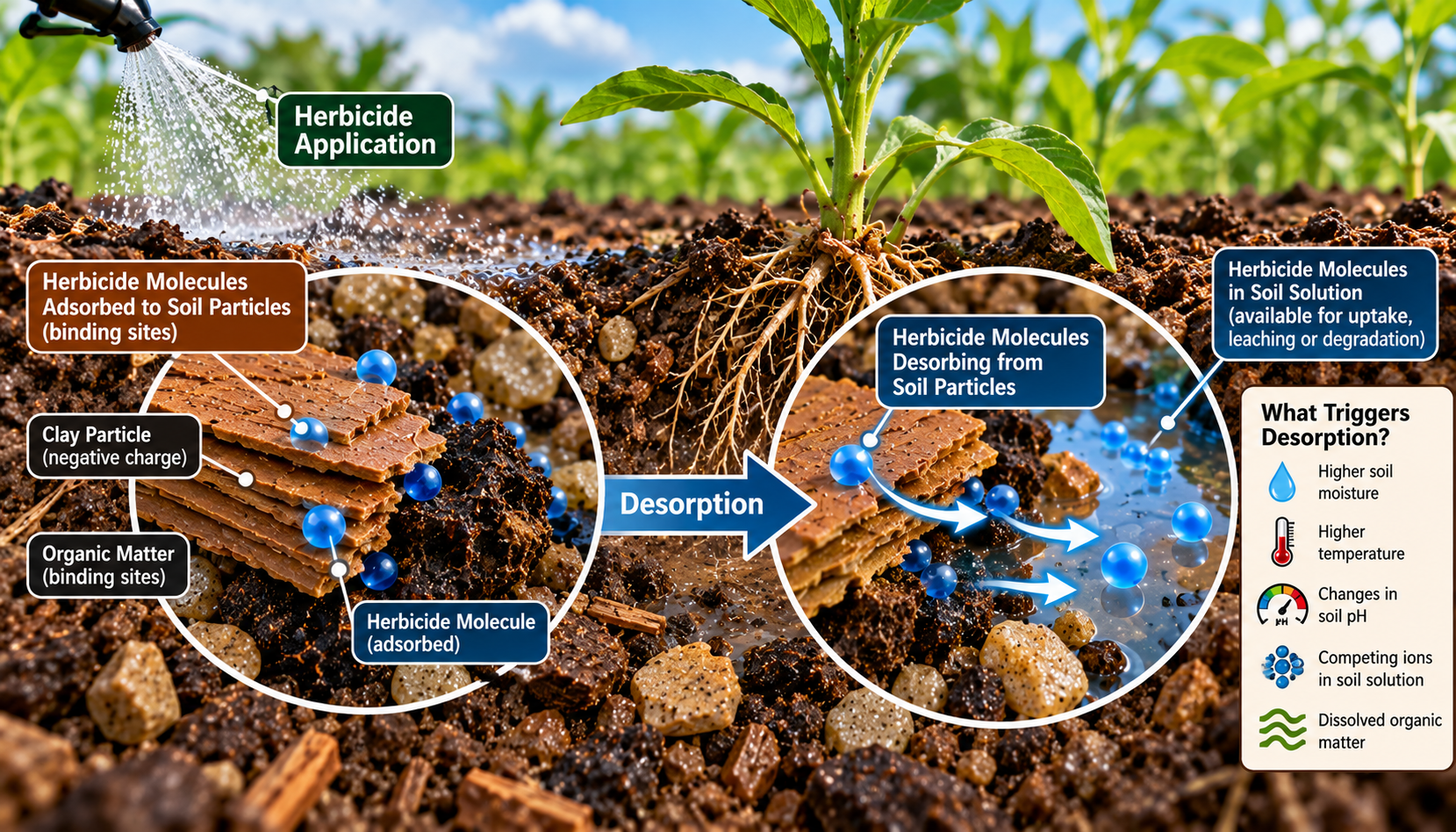
Herbicide desorption is the release of previously adsorbed herbicide molecules from soil particles back into the soil solution. It is the reverse of adsorption and determines how much herbicide remains available for plant uptake, microbial breakdown, and leaching after the initial application. Adsorption and desorption exist in a dynamic balance. At any given moment, some … Read more
What Is Herbicide Adsorption? 10 Key Facts To Know

What Is Herbicide Adsorption?

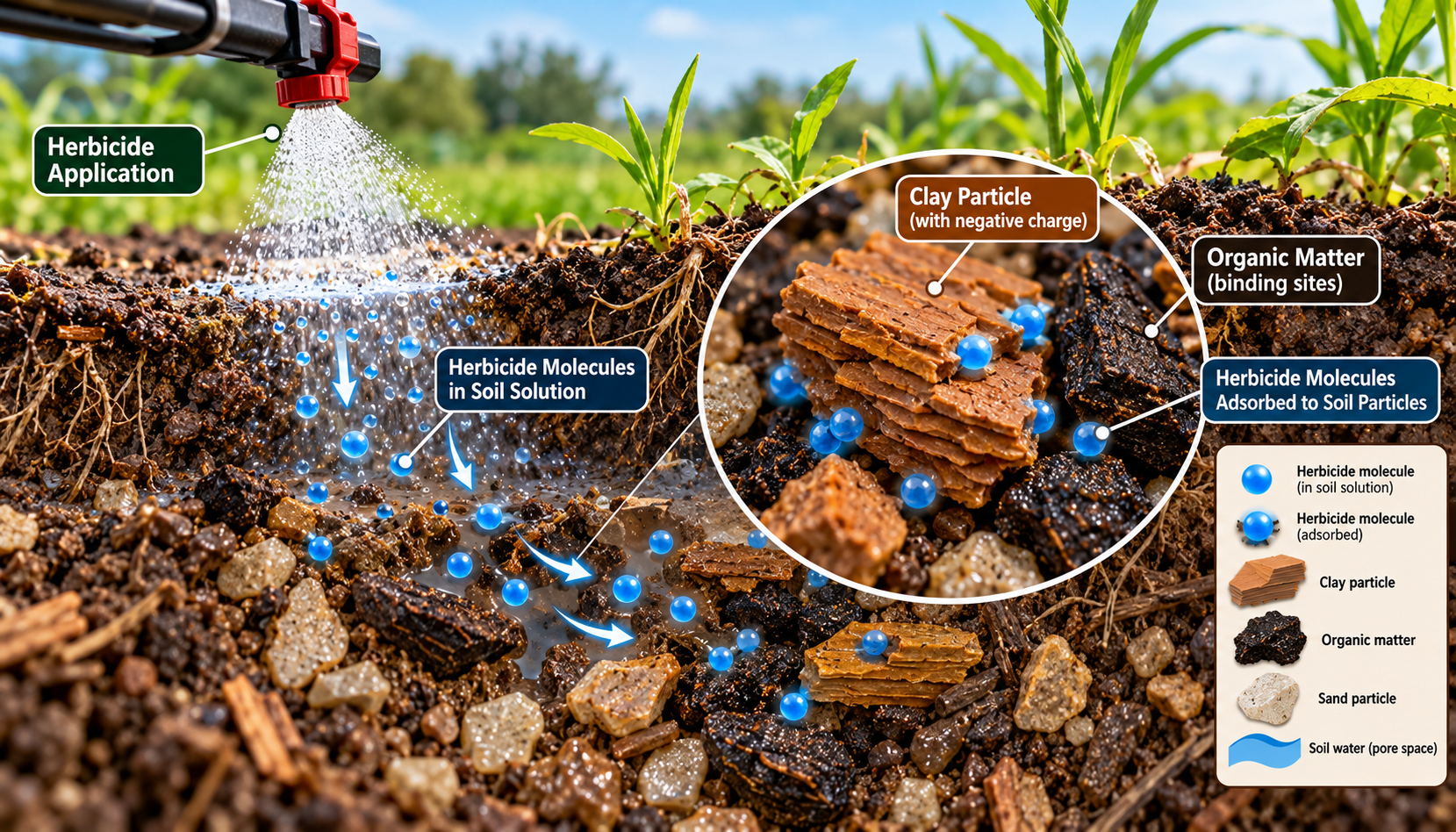
Herbicide adsorption is the process by which herbicide molecules bind to soil particles, removing them from soil solution and reducing their movement and availability. It is one of the most important processes determining how long an herbicide stays active, how far it moves, and whether it reaches groundwater or target weeds. Adsorption differs from absorption. … Read more

What Determines Herbicide Solubility? 10 Key Factors

What Determines Herbicide Solubility?

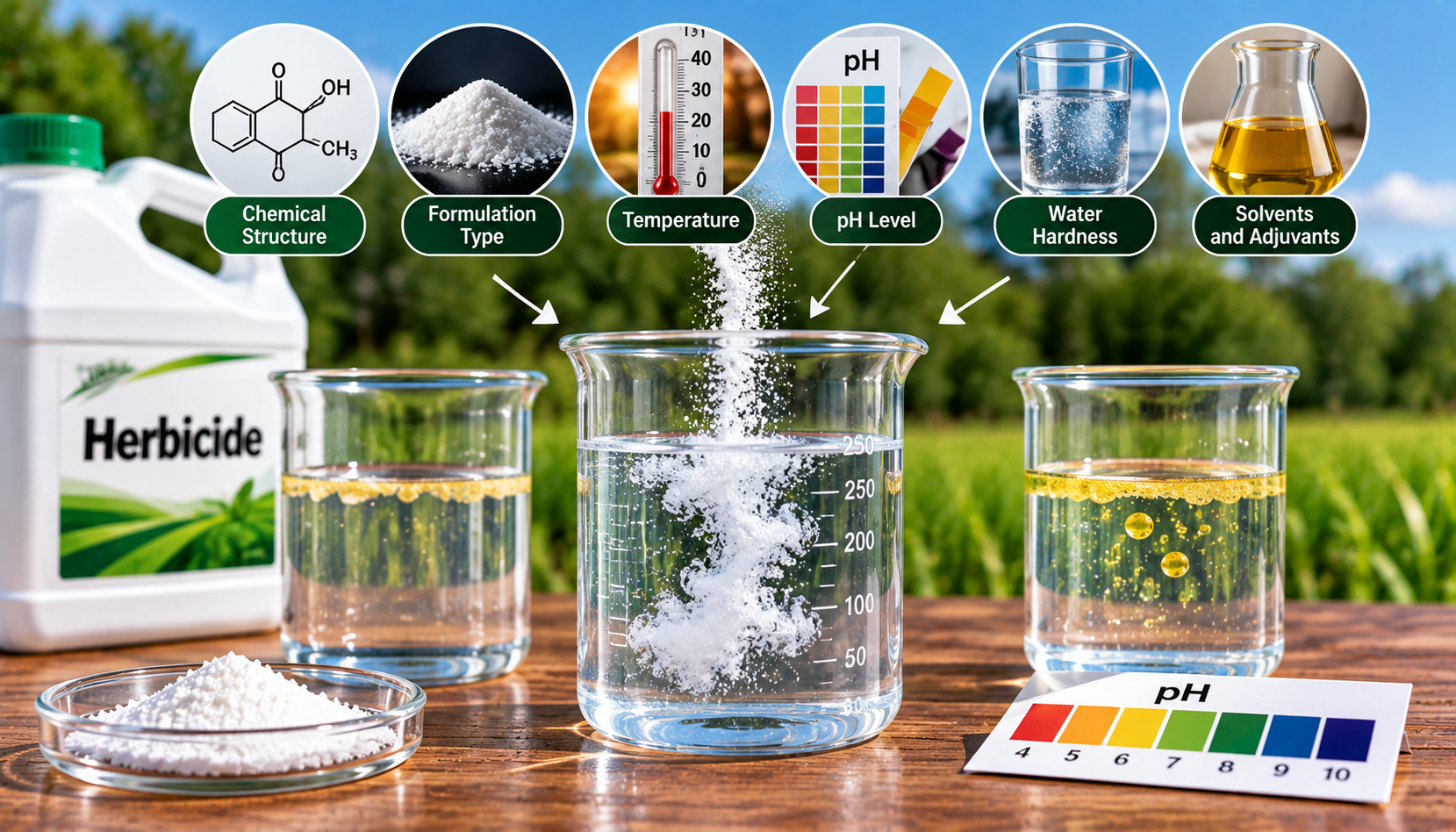
Herbicide solubility is determined by the chemical structure of the active ingredient, the polarity of the molecule, the temperature and pH of the solvent, and the presence of adjuvants or co-solvents in the spray mixture. Water solubility is one of the most important properties of an herbicide because it determines how the product behaves in … Read more

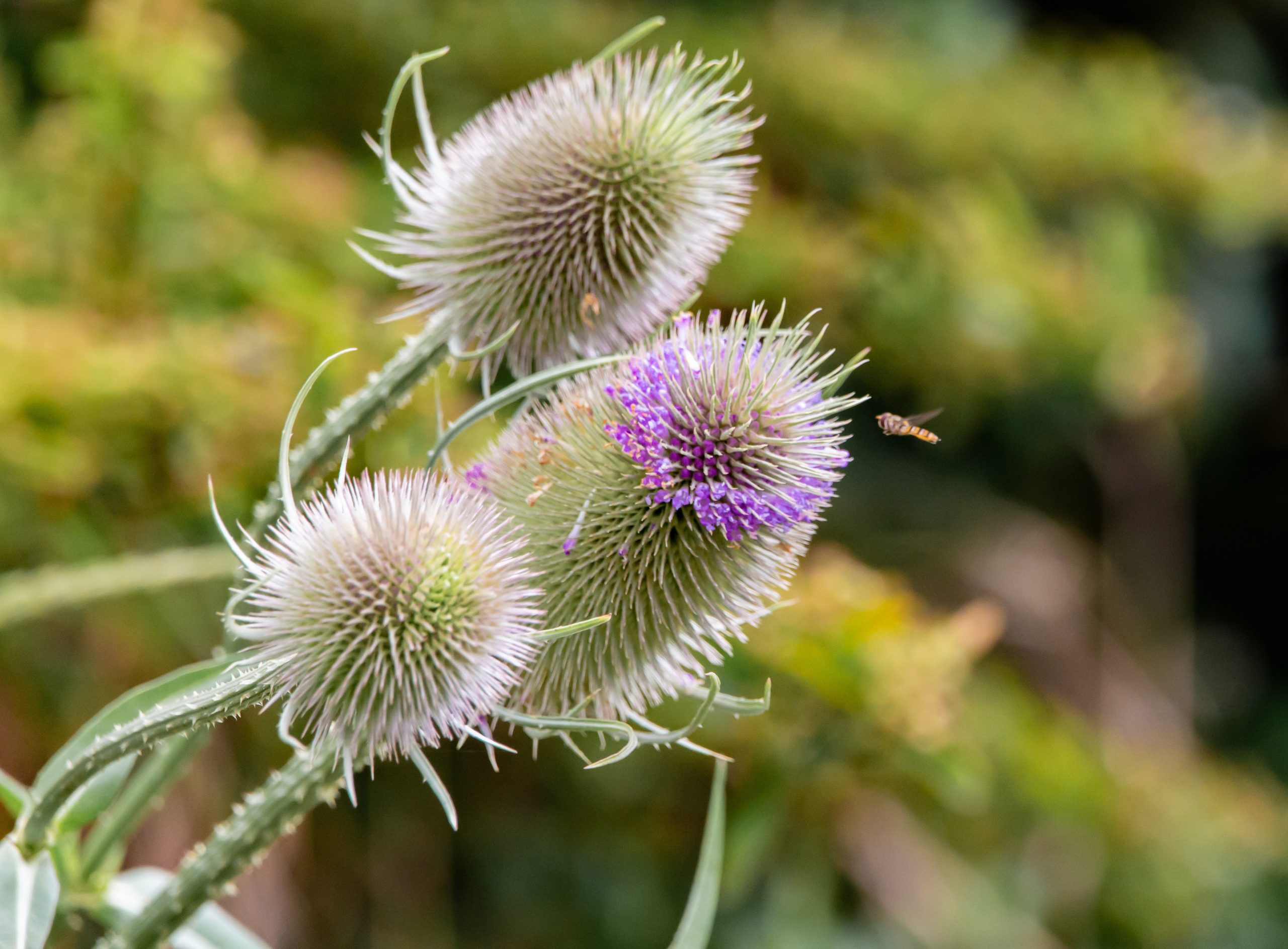
10 Best Herbicide For Teasel

Best Herbicide For Teasel

Choosing the best herbicide for teasel therefore depends on the species, growth stage, surrounding vegetation, and whether the infestation occurs in turf, pasture, rangeland, or a non-crop area. Herbicide timing is particularly important with teasel because treatments made during the rosette stage are generally more useful than waiting until plants bolt and produce flowering stalks. … Read more

What Is The Strongest Herbicide In The World? Top 15 Facts

What Is The Strongest Herbicide In The World?

The strongest herbicide in the world depends on how you define strength. Some herbicides are strongest by sheer killing power, others by persistence in soil, and others by the range of plants they control. Imazapyr, glyphosate, and picloram are among the most powerful compounds ever registered for vegetation management, each with different strengths. Strength in … Read more

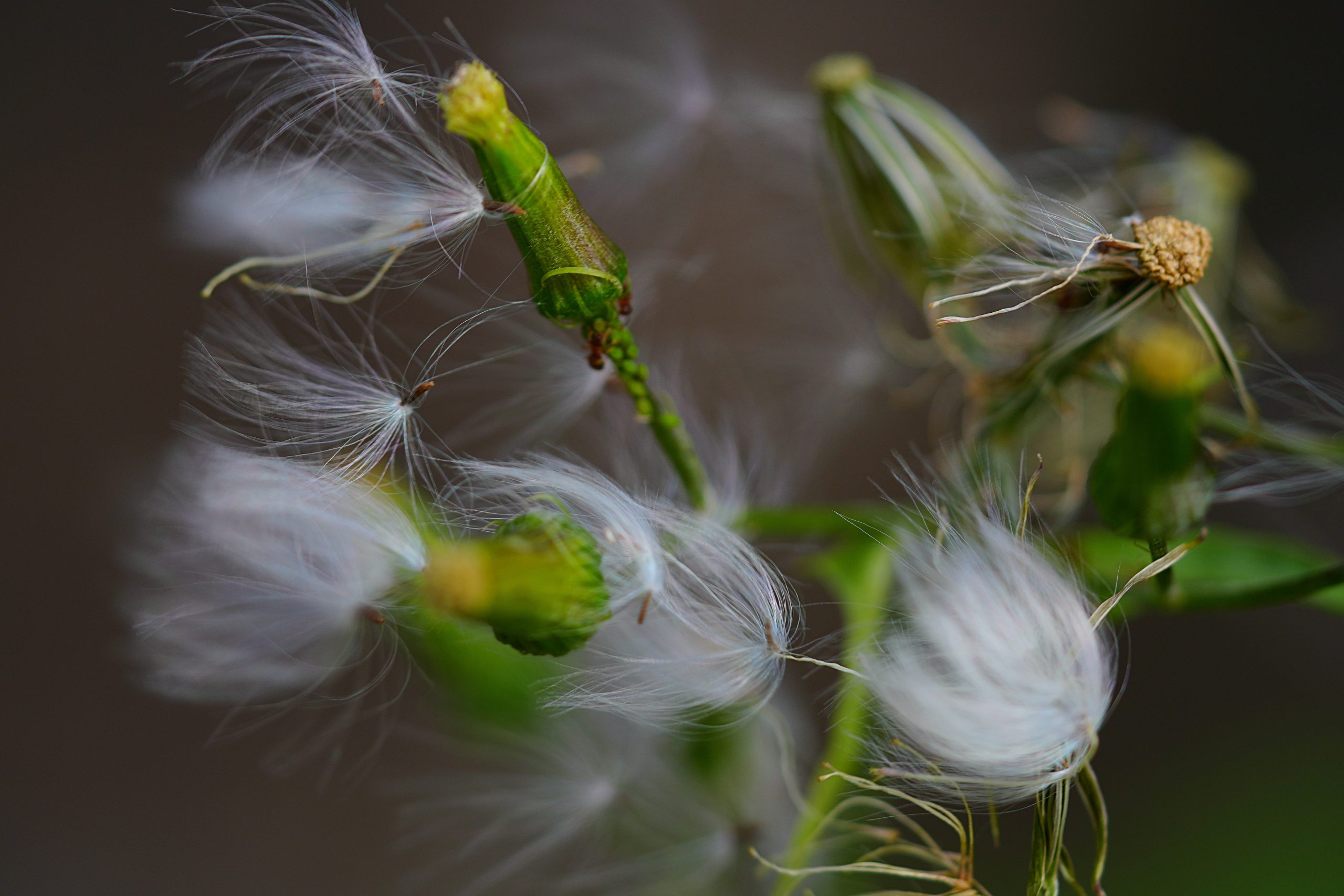
Best Herbicide For American Burnweed: Top 15 Options

Best Herbicide For American Burnweed

American burnweed, also known as fireweed, is a fast-growing summer annual broadleaf weed that colonizes disturbed ground, lawns, gardens, and roadsides across North America. It produces thousands of wind-dispersed seeds and can reach six feet tall in a single season. Because it is a broadleaf species, selective broadleaf herbicides control it without harming most grasses. … Read more

What Kills Creeping Charlie But Not Grass? Top 10 Options

What Kills Creeping Charlie But Not Grass?

Creeping Charlie, also known as ground ivy, is a low-growing perennial broadleaf weed that forms dense mats in lawns, gardens, and shaded areas. It spreads through creeping stems that root at the nodes, making it difficult to control with hand-pulling alone. Because it is a broadleaf species, selective broadleaf herbicides kill it without harming most … Read more

What Are The Uses Of Clincher Herbicide? 10 Key Facts

What Are The Uses Of Clincher Herbicide?

Clincher Herbicide is a post-emergent grass herbicide used to control barnyardgrass and other annual grasses in rice and other labeled crops. It contains cyhalophop-butyl, a Group 1 ACCase inhibitor that is absorbed through grass leaves and translocated to growing points. Its primary use is selective grass control in flooded and direct-seeded rice systems. Clincher is … Read more

Best Herbicide For Echinochloa Crus Galli: Top 15 Options

Best Herbicide For Echinochloa Crus Galli

Echinochloa crus-galli, commonly known as barnyardgrass, is one of the most widespread and competitive grass weeds in the world. It infests rice paddies, corn fields, sorghum, cotton, and vegetable crops, reducing yields by competing for water, nutrients, and light. Because it is a grass species, control requires grass-selective herbicides rather than broadleaf products. Effective barnyardgrass … Read more