2,4-D is a selective broadleaf herbicide and does not kill foxtail grass because foxtail is a grass species, not a broadleaf weed. 2,4-D kills only broadleaf plants like dandelion, clover, and plantain, leaving grasses unharmed. That is why it is a common choice for lawns and pastures where grass must be protected.
Foxtail is an annual grass that infests lawns, gardens, pastures, and crop fields. Because it is a grass, it must be controlled with grass-selective herbicides such as clethodim, sethoxydim, quizalofop, or pre-emergent products like prodiamine and pendimethalin. Applying 2,4-D to foxtail will have no effect on the weed.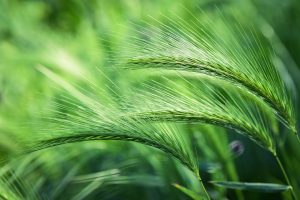
Understanding why 2,4-D does not work on foxtail helps applicators choose the right product the first time. It also prevents wasted money, wasted time, and damage to desirable broadleaf plants from unnecessary spraying. Choosing a product matched to the weed species is the foundation of good weed management.
In this guide, we break down whether 2,4-D kills foxtail grass by examining the products that actually control this weed, application timing, and how to build a program for long-term foxtail control.
Will 2,4-D Kill Foxtail Grass? Top 15 Facts To Know
1. Southern Ag Amine 2,4-D Weed Killer – Why It Does Not Control Foxtail Grass
Southern Ag Amine 2,4-D Weed Killer is a broadleaf herbicide that does not control foxtail grass because foxtail is a grass species. It contains 2,4-D amine, a synthetic auxin that disrupts cell division in broadleaf weeds only. It is absorbed through leaves and translocated throughout the plant, but grass species are immune to its mode of action.


- Low, economical use rate of 1 to 4 pints per acre
- Controls many broadleaf weeds & woody plants
This 2,4-D amine product is labeled for lawns, pastures, and non-crop areas and works best when applied to actively growing broadleaf weeds. It kills the roots of broadleaf plants over two to four weeks. It does not harm most turfgrasses when applied according to the label.
If your target is foxtail, this product is the wrong choice. Choose a grass-selective herbicide or pre-emergent instead. Applying 2,4-D to foxtail wastes money and does nothing to control the weed.
- Selective for broadleaf weeds
- Safe for grasses
- Affordable concentrate
- Absorbed and translocated
- Widely available
- Works in lawns and pastures
- Trusted by land managers
- Does not control foxtail
- Drift risk to broadleaf plants
- Requires mixing
2. Select Max Herbicide – Best Post-Emergent Herbicide For Foxtail Grass
Select Max Herbicide is the best post-emergent herbicide for foxtail grass because it delivers selective grass control in broadleaf crops without harming the crop. It contains clethodim, a Group 1 ACCase inhibitor that is absorbed through grass leaves and translocated to growing points. It stops new growth within days and kills the plant over two to three weeks.

This clethodim product is labeled for broadleaf crops and works best when applied to young, actively growing foxtail before it tillers. It requires a crop oil concentrate or non-ionic surfactant for best absorption. It does not control broadleaf weeds or sedges.
Because it is a Group 1 herbicide, repeated use selects for resistant biotypes. Rotate to a different mode of action in the following season to preserve effectiveness.
- Controls foxtail
- Selective grass control
- Works in broadleaf crops
- Absorbed and translocated
- Effective on young weeds
- Trusted by growers
- Widely used
- Group 1 resistance risk
- Requires adjuvant
- No broadleaf control
3. Poast Herbicide – Best Sethoxydim Herbicide For Foxtail Grass
Poast Herbicide is the best sethoxydim herbicide for foxtail grass because it delivers selective post-emergent control in broadleaf crops. It contains sethoxydim, another Group 1 ACCase inhibitor that is absorbed through grass leaves and translocated to growing points. It is effective on annual and perennial grasses including foxtail.

- This selective post-emergent herbicide targets and kills grass growth.
- The product can be applied to around vegetables, gardens, trees, shrubs and ornamentals safely.
This sethoxydim product is labeled for broadleaf crops and works best when applied to young, actively growing foxtail before it exceeds the labeled size. It requires a crop oil concentrate for best absorption. It does not control broadleaf weeds or sedges.
Because it is a Group 1 herbicide, switching from clethodim to sethoxydim does not constitute a true mode-of-action rotation. Rotate to a different group such as Group 2 or Group 15 for resistance management.
- Controls foxtail
- Selective grass control
- Works in broadleaf crops
- Absorbed and translocated
- Established product
- Trusted by growers
- Reliable results
- Group 1 resistance risk
- Requires adjuvant
- No broadleaf control
4. Assure II Herbicide – Best Quizalofop Herbicide For Foxtail Grass
Assure II Herbicide is the best quizalofop herbicide for foxtail grass because it delivers selective post-emergent grass control in broadleaf crops. It contains quizalofop, a Group 1 ACCase inhibitor in the FOP family. It is absorbed through grass leaves and translocated to growing points, stopping new growth within days.

- BROAD-SPECTRUM WEED ACTION: Fusilade herbicide weed killer targets perennial and annual grass weeds in various settings. Safe for landscapes, nurseries, and sports fields, it controls weeds without harming ornamentals, ensuring a clean appearance
- POWERFUL BROAD-SPECTRUM CONTROL: Applied at 1.29-1.95 oz./acre, Recognition selectively controls sedges (including yellow and puple nutsedge), kyllingas, grasses and broadleaf weeds (dollarweed / lawn pennywort, spotted spurge, wild garlic, carpetweed)
This quizalofop product is labeled for broadleaf crops and works best when applied to young, actively growing foxtail before it exceeds the labeled size. It requires a crop oil concentrate or non-ionic surfactant for best absorption. It does not control broadleaf weeds or sedges.
Because it is a Group 1 herbicide, rotate to a different mode of action in the following season to slow resistance. Foxtail has developed resistance to multiple Group 1 products in some regions.
- Controls foxtail
- Selective grass control
- Works in broadleaf crops
- Absorbed and translocated
- FOP chemistry
- Established formulation
- Trusted by growers
- Group 1 resistance risk
- Requires adjuvant
- No broadleaf control
5. Fusilade DX Herbicide – Best Fluazifop Herbicide For Foxtail Grass
Fusilade DX Herbicide is the best fluazifop herbicide for foxtail grass because it delivers selective post-emergent grass control in broadleaf crops. It contains fluazifop-P-butyl, a Group 1 ACCase inhibitor in the FOP family. It is absorbed through grass leaves and translocated to growing points.

- Group 1 Herbicide
- Postemergence Herbicide Control of Perennial and Annual Grass Weeds
This fluazifop product is labeled for broadleaf crops and works best when applied to young, actively growing foxtail before it exceeds the labeled size. It requires a crop oil concentrate for best absorption. It does not control broadleaf weeds or sedges.
Because it is a Group 1 herbicide, rotate to a different mode of action in the following season to slow resistance. Foxtail has developed resistance to FOP herbicides in some turf and crop settings.
- Controls foxtail
- Selective grass control
- Works in broadleaf crops
- Absorbed and translocated
- FOP chemistry
- Established product
- Trusted by growers
- Group 1 resistance risk
- Requires adjuvant
- No broadleaf control
6. Select 2 EC Herbicide – Best Clethodim Herbicide For Foxtail Grass
Select 2 EC Herbicide is the best clethodim herbicide for foxtail grass because it delivers selective post-emergent grass control in broadleaf crops. It contains clethodim, a Group 1 ACCase inhibitor. It is absorbed through grass leaves and translocated to growing points, killing the plant over two to three weeks.

- USE SITES: For use on both cool and warm season grasses
- EFFECTIVE AGAINST: Dandelion, clover, plantain, and many other listed broadleaf weeds
This clethodim product is labeled for broadleaf crops and works best when applied to young, actively growing foxtail before it exceeds the labeled size. It requires a crop oil concentrate or non-ionic surfactant for best absorption. It does not control broadleaf weeds or sedges.
Because it is a Group 1 herbicide, switching from Select Max to Select 2 EC does not constitute a true mode-of-action rotation. Rotate to a different group for resistance management.
- Controls foxtail
- Selective grass control
- Works in broadleaf crops
- Absorbed and translocated
- Established chemistry
- Multiple labeled uses
- Trusted by growers
- Group 1 resistance risk
- Requires adjuvant
- No broadleaf control
7. Prowl H2O Herbicide – Best Pre-Emergent Herbicide For Foxtail Grass
Prowl H2O Herbicide is the best pre-emergent herbicide for foxtail grass because it forms a soil barrier that stops grass seedlings before they emerge. It contains pendimethalin, which is absorbed by emerging shoots and roots. It is highly effective on foxtail in corn, cotton, and many other row crops.

This pendimethalin product is labeled for many row crops and works best when applied before weed emergence with adequate soil moisture. It is often tank-mixed with atrazine or metribuzin for broader spectrum control. It does not control emerged foxtail.
Because it is a Group 3 herbicide, it is a useful rotation partner with Group 1 and Group 2 products. Apply at the full labeled rate for consistent results.
- Prevents foxtail germination
- Long soil residual
- Tank-mix flexibility
- Works in many crops
- Different mode of action
- Reduces repeat applications
- Trusted by growers
- Requires soil moisture
- No post-emergent activity
- Carryover risk in some rotations
8. Dual II Magnum Herbicide – Best S-Metolachlor Herbicide For Foxtail Grass
Dual II Magnum Herbicide is the best s-metolachlor herbicide for foxtail grass because it forms a soil barrier that stops grass seedlings before they emerge. It is absorbed by emerging shoots and roots and disrupts cell division. It is highly effective on foxtail in corn, sorghum, and many other crops.

- Timing flexibility: pre-plant surface-applied, pre-plant incorporated, pre-emergence and post-emergent treatment
- Contains 7.8 pounds of Metolachlor per gallon
This s-metolachlor product is labeled for many row crops and works best when applied before weed emergence with adequate soil moisture. It is often tank-mixed with atrazine for broader spectrum control. It does not control emerged foxtail.
Because it is a Group 15 herbicide, it is a useful rotation partner with Group 1 and Group 2 products. Apply at the full labeled rate for consistent results.
- Prevents foxtail germination
- Long soil residual
- Tank-mix flexibility
- Works in many crops
- Different mode of action
- Reduces repeat applications
- Trusted by growers
- Requires soil moisture
- No post-emergent activity
- Carryover risk in some rotations
9. Outlook Herbicide – Best Dimethenamid Herbicide For Foxtail Grass
Outlook Herbicide is the best dimethenamid herbicide for foxtail grass because it forms a soil barrier that stops grass seedlings before they emerge. It is absorbed by emerging shoots and roots and disrupts cell division. It is highly effective on foxtail in corn, soybeans, and many other crops.

- Transline Clopyralid Specialty Herbicide controls broadleaf weeds and woody brush species in non-crop areas, forest sites, industrial manufacturing and storage sites, rights-of-way, and wildlife openings, including grazed areas on these sites, tree plantations, and rangeland and permanent grass pastures.
This dimethenamid-P product is labeled for many row crops and works best when applied before weed emergence with adequate soil moisture. It is often tank-mixed with atrazine for broader spectrum control. It does not control emerged foxtail.
Because it is a Group 15 herbicide, it is a useful rotation partner with Group 1 and Group 2 products. Apply at the full labeled rate for consistent results.
- Prevents foxtail germination
- Long soil residual
- Tank-mix flexibility
- Works in many crops
- Different mode of action
- Reduces repeat applications
- Trusted by growers
- Requires soil moisture
- No post-emergent activity
- Carryover risk in some rotations
10. Preen Garden Weed Preventer – Best Pre-Emergent For Foxtail In Garden Beds
Preen Garden Weed Preventer is the best pre-emergent for foxtail in garden beds because it stops foxtail seeds from germinating around ornamentals and vegetables. It contains trifluralin and forms a soil barrier that prevents weed seeds from sprouting. It does not control established foxtail plants.

- Coverage - Preen Garden Weed Preventer provides weed control for up to 2,560 sq. ft. This preemergent herbicide prevents weed seeds from germinating for up to 3 months when applied around established flowers, vegetable, trees, mulch & shrubs
- Application - Use hand spreader, included applicator scoop, or fertilizer spreader to distribute ready-to-apply granules over gardens. Remove existing weeds, sprinkle across garden soil in spring, summer, or fall seasons & water thoroughly

This trifluralin product is labeled for garden beds, landscape plantings, and non-crop areas and works best when applied in spring before foxtail seeds germinate. It prevents new weeds from emerging without harming existing perennial plants. It does not control established plants.
Because it is a Group 3 herbicide, it is a useful rotation partner with Group 1 and Group 15 products in resistance-management programs. Apply according to the label for consistent results.
- Prevents foxtail germination
- Safe for ornamentals
- Long soil residual
- Reduces hand-weeding
- Works in garden beds
- Different mode of action
- Trusted by gardeners
- No post-emergent activity
- Requires proper timing
- Long soil residual
11. Barricade Herbicide – Best Prodiamine Pre-Emergent For Foxtail Grass
Barricade Herbicide is the best prodiamine pre-emergent for foxtail grass because it forms a soil barrier that stops grass seedlings before they emerge. It is absorbed by emerging shoots and roots and disrupts cell division. It is highly effective on foxtail in lawns, sports fields, and other turf settings.

- PREVENT WEED DEVELOPMENT: Barricade 4FL controls the growth and development of weeds before they germinate. Barricade 4FL will not control weeds after they have germinated. This product is labeled for use in a broad range of areas such as vegetation sites, turf species, weed control, grass, broadleaf weeds, established turfgrasses, lawns, sod nurseries, and Christmas tree farms.
- LONG-LASTING PREEMERGENCE WEED PREVENTION: Take action before unsightly vegetation infiltrates your landscaped lawn with our pre-emergent concentrate. One application can prevent weeds season long when used as directed. You can apply this selective weed spray solution several months before germination and expect it to work well into the peak season.
This prodiamine product is labeled for turf and works best when applied in spring before foxtail seeds germinate. It forms a soil barrier that prevents new weeds from emerging for months. It does not control established foxtail plants.
Because it is a Group 3 herbicide, it is a useful rotation partner with Group 1 and Group 15 products in resistance-management programs. Apply according to the label for consistent results.
- Prevents foxtail germination
- Long soil residual
- Safe for most turfgrasses
- Reduces post-emergent applications
- Works in lawns and sports fields
- Different mode of action
- Trusted by turf managers
- No post-emergent activity
- Requires soil moisture
- Carryover risk in some rotations
12. Hi-Yield Atrazine Weed Killer – Best Herbicide For Foxtail In Corn And Sorghum
Hi-Yield Atrazine Weed Killer is the best herbicide for foxtail in corn and sorghum because it provides both pre-emergent and post-emergent control of foxtail and broadleaf weeds. It is absorbed through roots and leaves and inhibits photosynthesis in susceptible plants. It is highly effective on foxtail, pigweed, and lambsquarters.

- This selective weed killer controls Henbit, Clover, Chickweed and more. See label for full list.
- Intended for use on St. Augustine and Centipedegrass.
This atrazine product is labeled for corn, sorghum, and some non-crop areas and works best when applied before foxtail emergence or to small, actively growing plants. It has significant soil residual activity that keeps working for weeks after application. It is a restricted-use product in some states.
Because it is a Group 5 herbicide, it should be rotated with products from other groups to slow resistance. Apply according to the label for consistent results.
- Pre and post-emergent activity
- Controls foxtail and broadleaf weeds
- Long soil residual
- Works in corn and sorghum
- Affordable
- Reduces repeat applications
- Trusted by growers
- Restricted-use in some areas
- Groundwater concerns
- Resistance in some weeds
13. Image Lawn Weed And Crabgrass Killer – Best Herbicide For Foxtail In Southern Lawns
Image Lawn Weed And Crabgrass Killer is the best herbicide for foxtail in southern lawns because it is formulated for warm-season turfgrasses and controls foxtail plus crabgrass in one application. It contains a combination of active ingredients that target both weed types. It is highly effective on foxtail, clover, and crabgrass in St. Augustinegrass and other southern turf species.

- Lawn weed killer starts working on contact to kill even tough weeds to the root
- Lawn weed killer for grass won't harm your lawn when used as directed
This selective product is labeled for southern lawns and works best when applied to young, actively growing foxtail in late spring or early summer. It is absorbed through leaves and kills target weeds over two to four weeks. It does not harm most warm-season turfgrasses when applied according to the label.
Because it controls both weed types, it saves a separate crabgrass application. Apply according to the label for each weed type and turf species, since some southern grasses are sensitive to certain active ingredients.
- Formulated for southern lawns
- Controls foxtail and crabgrass
- Safe for warm-season grasses
- Convenient single product
- Widely available
- Trusted by homeowners
- Effective on young weeds
- Requires correct timing
- Not safe for all turf species
- Drift risk to desirable plants
14. Glyphosate 41 Herbicide – Best Non-Selective Herbicide For Foxtail Burndown
Glyphosate 41 Herbicide is the best non-selective herbicide for foxtail burndown because it kills the plant from the leaves down to the roots. It is absorbed through foliage and translocated to roots, killing both top growth and the underground crown. It has no soil residual activity.

- Glyphosate- 41% (same active ingredient as Roundup)
- Residential areas, Parks and Recreational Areas
This glyphosate product is used for fence line clearing, driveway cracks, and site preparation before planting. It works best when applied to actively growing foxtail before it sets seed. It is not selective, so it kills desirable plants on contact.
Resistance to glyphosate has developed in many weed species, so rotating to other modes of action helps preserve its effectiveness. It requires careful application to avoid drift onto desirable vegetation.
- Kills foxtail and roots
- Broad-spectrum control
- No soil residual
- Works in burndown programs
- Affordable price
- Widely available
- Trusted by land managers
- Non-selective
- Kills desirable plants
- Widespread resistance
15. Hi-Yield 2,4-D Amine Weed Killer – Best For Broadleaf Weeds Alongside Foxtail
Hi-Yield 2,4-D Amine Weed Killer is the best product for broadleaf weeds alongside foxtail because it controls the broadleaf species that grass-selective herbicides miss. It contains 2,4-D amine, a synthetic auxin that disrupts cell division in broadleaf plants only. It is absorbed through leaves and translocated throughout the plant.

- This selective weed killer kills or controls many Broadleaf Weeds and plants susceptible to 2, 4-D.
- Works on Dandelion, Arrowhead, Buckhorn, Aster, Goatsbeard and more. See label for full list.
This 2,4-D amine product is labeled for lawns, fence rows, and non-crop areas and works best when applied to actively growing broadleaf weeds. It does not harm most turfgrasses when applied according to the label. It has no effect on foxtail or other grasses.
Apply this product separately from grass-selective herbicides unless the labels specifically allow tank mixing. Combining 2,4-D with a grass herbicide gives broader spectrum control when the mix is compatible and labeled for your crop.
- Controls broadleaf weeds
- Safe for grasses
- Absorbed and translocated
- Affordable concentrate
- Widely available
- Works in lawns and pastures
- Trusted by land managers
- Does not control foxtail
- Drift risk to broadleaf plants
- Requires mixing
7 Tips For Controlling Foxtail Grass
- Do not use 2,4-D on foxtail: 2,4-D is a broadleaf herbicide and has no effect on foxtail or other grasses. Choose a grass-selective herbicide or a pre-emergent instead.
- Treat young weeds: Post-emergent grass herbicides work best on foxtail before it tillers and exceeds the labeled size.
- Apply pre-emergent before germination: Prowl H2O, Dual II Magnum, Outlook, Barricade, and Preen work best when applied before foxtail seeds germinate with adequate soil moisture.
- Use the right adjuvant: Most post-emergent grass herbicides require a crop oil concentrate or non-ionic surfactant for proper absorption.
- Rotate modes of action: Foxtail has developed resistance to multiple herbicide groups. Rotate between Group 1, Group 2, Group 3, and Group 15 products.
- Improve turf density: Foxtail thrives in thin, weak lawns. Fertilize, water, and mow at the correct height to help desirable grasses outcompete it.
- Monitor and re-treat: Foxtail can regrow from the seed bank after a single treatment. Scout treated areas several times per season and re-treat new growth while it is small.
Frequently Asked Questions
1. Will 2,4-D kill foxtail grass?
No, 2,4-D does not kill foxtail grass because it is a selective broadleaf herbicide. Foxtail is a grass species and requires grass-selective herbicides like clethodim, sethoxydim, or quizalofop, or pre-emergent products like prodiamine and pendimethalin.
2. What kills foxtail grass but not lawn?
Selective grass herbicides like Select Max, Poast, and Assure II kill foxtail in broadleaf crops without harming the crop. In lawns, quinclorac and certain pre-emergent products control foxtail without harming most turf species.
3. What is the best pre-emergent for foxtail?
Barricade Herbicide, Preen Garden Weed Preventer, Prowl H2O Herbicide, and Dual II Magnum Herbicide are the best pre-emergent options for foxtail. They form a soil barrier that stops seedlings from emerging when applied before germination.
4. When should I spray foxtail?
Spray foxtail with post-emergent herbicides when plants are young and actively growing, usually in late spring or early summer. Pre-emergent products go down in spring before soil temperatures warm.
5. Does foxtail come back after spraying?
Foxtail can regrow from seeds in the soil after post-emergent treatment. Pre-emergent herbicides and improved turf density help prevent regrowth.
6. Is foxtail a grass or a broadleaf weed?
Foxtail is an annual grass species, not a broadleaf weed. That is why 2,4-D and other broadleaf herbicides do not control it.
7. What is the best herbicide for foxtail in lawns?
Quinclorac and certain sulfonylurea herbicides are labeled for foxtail control in lawns without harming most turf species. Pre-emergent products like prodiamine prevent foxtail germination in the first place.
Conclusion
2,4-D does not kill foxtail grass because it is a selective broadleaf herbicide. Foxtail is a grass species and requires grass-selective herbicides or pre-emergent products for effective control. Applying 2,4-D to foxtail wastes money and does nothing to control the weed.
Select Max Herbicide, Poast Herbicide, Assure II Herbicide, Fusilade DX Herbicide, and Select 2 EC Herbicide are the best post-emergent options for foxtail in broadleaf crops. Prowl H2O Herbicide, Dual II Magnum Herbicide, Outlook Herbicide, Barricade Herbicide, and Preen Garden Weed Preventer are the best pre-emergent options for lawns and gardens.
Effective foxtail control requires matching the product to the site, timing applications before plants set seed, and improving turf density to prevent future infestations. Rotating modes of action prevents resistance and keeps products effective over time.
Start your foxtail control program this season, choose the right product for your crop or lawn, and plan for follow-up treatments each year. Consistent effort delivers a clean lawn or field and long-term control.