The strongest herbicide in the world depends on how you define strength. Some herbicides are strongest by sheer killing power, others by persistence in soil, and others by the range of plants they control. Imazapyr, glyphosate, and picloram are among the most powerful compounds ever registered for vegetation management, each with different strengths.
Strength in an herbicide means different things to different users. For a land manager clearing a fence line, strength is total vegetation control that lasts for months. For a farmer dealing with resistant weeds, strength is a mode of action that still works when others have failed. For a homeowner, strength is selective control without harming the lawn.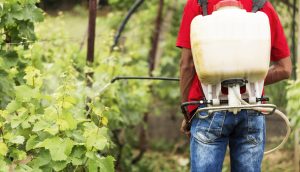
Understanding what makes an herbicide strong also means understanding its risks. The most powerful products carry the highest environmental restrictions, the longest soil residual, and the greatest potential for off-target damage. Strength and stewardship go together. Always follow the label.
In this guide, we break down what makes an herbicide strong by examining the most powerful products in the world, what they control, and how they are used safely.
What Is The Strongest Herbicide In The World? Top 15 Facts
1. Imazapyr 2 Herbicide – Best Non-Selective Total Vegetation Control
Imazapyr 2 Herbicide is the strongest non-selective herbicide in the world for total vegetation control because it kills grasses, broadleaf weeds, vines, and woody trees from the roots up. It is absorbed through leaves and roots and translocated throughout the plant. It has one of the longest soil residual activities of any herbicide ever registered.

- THE WEED KILLER YOU NEED: This weed and grass killer delivers superior, long-lasting control over 185 types of annual, biennial, and perennial weeds and brush. Ideal for managing tough vegetation, it’s perfect for both pre- and post-emergent weed control
- MASTER OF AQUATIC CONTROL: Our concentrated weed killer controls unwanted aquatic vegetation, including emergent and floating weeds, as well as brush and trees in non-cropland areas. Safe for use around water, including wetlands, riparian zones, and industrial sites
This imazapyr product is labeled for fence rows, rights-of-way, and industrial sites and works best when applied to actively growing vegetation before seeds form. It has significant soil residual activity that can prevent regrowth for months or years. It is not selective, so it kills desirable plants on contact.
Because it is a Group 2 herbicide, it should be rotated with products from other groups to slow resistance. Apply according to the label for consistent results and respect buffer zones near water and sensitive plants.
- Kills roots and top growth
- Broadest spectrum control
- Long soil residual
- Controls woody plants
- Works in non-crop areas
- Reduces repeat applications
- Trusted by land managers
- Non-selective
- Long soil residual
- Not for use near gardens
2. Glyphosate 41 Herbicide – Best Overall Herbicide For Broad-Spectrum Control
Glyphosate 41 Herbicide is the strongest overall herbicide for broad-spectrum control because it kills almost every plant it contacts, from annual weeds to mature trees. It is absorbed through foliage and translocated to roots, killing both top growth and the underground crown. It has no soil residual activity.


- Glyphosate- 41% (same active ingredient as Roundup)
- Residential areas, Parks and Recreational Areas
This glyphosate product is used for fence line clearing, driveway cracks, and site preparation before planting. It works best when applied to actively growing vegetation before seeds form. It is not selective, so it kills desirable plants on contact.
Resistance to glyphosate has developed in many weed species, so rotating to other modes of action helps preserve its effectiveness. It requires careful application to avoid drift onto desirable vegetation.
- Kills roots and top growth
- Broad-spectrum control
- No soil residual
- Effective on trees and weeds
- Works in site preparation
- Affordable price
- Trusted by land managers
- Non-selective
- Kills desirable plants
- Widespread resistance
3. Picloram Herbicide – Best For Long Soil Residual Vegetation Control
Picloram Herbicide is the strongest herbicide for long soil residual vegetation control because it keeps working in the soil for months or years after application. It is absorbed through leaves and roots and translocated throughout the plant. It is highly effective on woody plants, vines, and deep-rooted perennials.

- Effective: Kills cut stumps on fence lines&non-cropland areas. Control unwanted trees by cut surface treatments in forest&non-crop areas such as fence rows, roadsides&rights-of-way
This picloram product is labeled for fence rows, rights-of-way, pastures, and non-crop areas and works best when applied to actively growing vegetation. It has long soil residual activity that prevents new weeds from germinating. It is not selective for broadleaf plants, so it can damage desirable broadleaf species.
Because it is a Group 4 herbicide, it should be rotated with products from other groups to slow resistance. It is a restricted-use product in some states and must be applied according to label directions.
- Long soil residual
- Controls woody plants
- Safe for established grasses
- Effective on deep-rooted weeds
- Reduces repeat applications
- Trusted by land managers
- Works in non-crop areas
- Long soil residual
- Can affect sensitive plants
- Restricted-use in some areas
4. Aminopyralid Herbicide – Best For Grazing Systems And Rangeland
Aminopyralid Herbicide is the strongest herbicide for grazing systems and rangeland because it controls tough broadleaf weeds at low rates while leaving grasses unharmed. It is absorbed through leaves and roots and translocated throughout the plant. It is highly effective on thistles, knapweeds, and other Asteraceae species.

- Target Pests: . See Product label for all listed pests.
- For use In: Rangeland, permanent grass pastures, CRP Acres, non-cropland areas, non-irrigation ditch banks, natural areas, and grazed areas in and around these sites. See Product label for complete list.
This aminopyralid product is labeled for pastures, rangeland, fence rows, and non-crop areas and works best when applied to actively growing weeds. It has significant soil residual activity that can affect sensitive broadleaf plants for months or years. It is not suitable for use where legumes will be planted soon after application.
Because it is a Group 4 herbicide, it should be rotated with products from other groups to slow resistance. Apply according to the label for consistent results.
- Broad-spectrum control
- Safe for established grasses
- Labeled for pastures
- Long soil residual
- Reduces repeat applications
- Works in grazing systems
- Trusted by land managers
- Long soil residual
- Can affect sensitive plants
- Grazing and replanting restrictions
5. Triclopyr 4 Herbicide – Best For Woody Plant Control
Triclopyr 4 Herbicide is the strongest herbicide for woody plant control because it targets brush, vines, and trees while leaving most grasses unharmed. It is absorbed through leaves, stems, and roots depending on the formulation. It is highly effective on multiflora rose, poison ivy, and tree of heaven.

- REVIVE FORESTS AND PASTURES: Triclopyr 4 Herbicide targets & controls woody plants, broadleaf weeds, & brush, making it ideal for restoring pastures and managing unwanted vegetation in forests, rangelands, and industrial sites without harming grasses
- YEAR-ROUND APPLICATION FLEXIBILITY: With flexible application options throughout the year, this broadleaf herbicide offers versatility for a wide range of conditions. Its ester formulation allows for effective absorption through leaves and roots
This triclopyr product is labeled for pastures, rights-of-way, and non-crop areas and works best when applied to actively growing woody plants. It is available in ester and amine formulations for different application methods. It is often tank-mixed with 2,4-D or clopyralid for broader spectrum control.
Because it is a Group 4 herbicide, it should be rotated with products from other groups to slow resistance. Apply according to the label for consistent results.
- Controls woody plants
- Safe for most grasses
- Multiple formulations
- Absorbed through multiple routes
- Works in non-crop areas
- Tank-mix flexibility
- Trusted by land managers
- Some soil residual
- Can injure desirable plants
- Careful targeting required
6. Metsulfuron Methyl Herbicide – Best Low-Rate Herbicide
Metsulfuron Methyl Herbicide is the strongest low-rate herbicide in the world because it controls tough broadleaf weeds at ounces per acre instead of quarts. It is absorbed through leaves and roots and translocated to growing points, disrupting cell division. It is highly effective on thistles, knapweeds, and brush species.

- BROAD SPECTRUM WEED CONTROL: The MSM herbicide effectively targets over 100 species of broadleaf weeds and brush, giving you comprehensive vegetation management in pastures, rangelands, and industrial sites with precision and reliability
- VERSATILE APPLICATION OPTIONS: Use weed killer concentrate as a post-emergent herbicide for active weeds or apply pre-emergent at dormancy break for early control. This flexibility makes it ideal for diverse settings, from forestry to utility rights-of-way
This metsulfuron methyl product is labeled for pastures, rights-of-way, and non-crop areas and works best when applied to actively growing vegetation. It has significant soil residual activity that can affect sensitive broadleaf plants for months. It is not suitable for use where sensitive plants will be planted soon after application.
Because it is a Group 2 herbicide, it should be rotated with products from other groups to slow resistance. Apply according to the label for consistent results.
- Low application rates
- Effective on tough weeds
- Safe for most grasses
- Long-lasting control
- Reduces repeat applications
- Works in non-crop areas
- Trusted by land managers
- Long soil residual
- Can affect sensitive plants
- Not for use near gardens
7. Imazamox Herbicide – Best For Clearfield Crop Systems
Imazamox Herbicide is the strongest herbicide for Clearfield crop systems because it controls a broad spectrum of grasses and broadleaf weeds without harming Clearfield crops. It is absorbed through leaves and roots and translocated throughout the plant. It is highly effective on foxtail, pigweed, and wild mustard.

- PRECISION WEED TARGETING: This weed and grass killer provides exceptional, selective weed control in aquatic and terrestrial environments. It targets tough species like Water Hyacinth, and Ryegrass, ensuring a cleaner, healthier landscape
- ROOT-TO-TIP WEED CONTROL: Enjoy long-lasting weed control with pre- and post-emergent activity, as our pre-emergent weed control combats stubborn weeds from the roots up, offering effective management for newly sprouted and established weeds
This imazamox product is labeled for Clearfield crops including sunflowers, canola, and wheat and works best when applied to young, actively growing weeds. It has some soil residual activity that helps prevent new weeds from germinating. It is not suitable for use on non-Clearfield crops.
Because it is a Group 2 herbicide, it should be rotated with products from other groups to slow resistance. Apply according to the label for consistent results.
- Broad-spectrum control
- Safe for Clearfield crops
- Absorbed and translocated
- Some soil residual
- Works in crop systems
- Reduces repeat applications
- Trusted by growers
- Group 2 resistance risk
- Some soil residual
- Not for non-Clearfield crops
8. Atrazine Herbicide – Best For Broadleaf And Grass Control In Crops
Atrazine Herbicide is the strongest herbicide for broadleaf and grass control in crops because it provides both pre-emergent and post-emergent activity. It is absorbed through roots and leaves and inhibits photosynthesis in susceptible plants. It is highly effective on pigweed, lambsquarters, and foxtail.

- Kills many broadleaf weeds
- Also used in centipede grass
This atrazine product is labeled for corn, sorghum, and some non-crop areas and works best when applied before weed emergence or to small, actively growing weeds. It has significant soil residual activity that keeps working for weeks after application. It is a restricted-use product in some states.
Because it is a Group 5 herbicide, it should be rotated with products from other groups to slow resistance. Apply according to the label for consistent results.
- Pre and post-emergent activity
- Broad-spectrum control
- Long soil residual
- Works in corn and sorghum
- Affordable
- Reduces repeat applications
- Trusted by growers
- Restricted-use in some areas
- Groundwater concerns
- Resistance in some weeds
9. Paraquat Herbicide – Best Fast-Acting Contact Herbicide
Paraquat Herbicide is the strongest fast-acting contact herbicide in the world because it kills plant tissue within hours of application. It is absorbed through leaves and disrupts photosynthesis, causing rapid wilting and desiccation. It is highly effective on a broad spectrum of grasses and broadleaf weeds.

- INSTANT WEED CONTROL: Expect visible results within hours, as hydrilla killer starts working immediately on contact with green plant tissue, making it an ideal solution when fast, effective weed control is needed with minimal downtime
- GLYPHOSATE-FREE POWER: This non-selective aquatic herbicide for ponds provides broad-spectrum control without using glyphosate. It works quickly to kill a wide range of weeds and is ideal for those looking for an efficient and fast-acting substitute
This paraquat product is labeled for burndown and non-crop areas and works best when applied to small, actively growing vegetation with good spray coverage. It has no soil residual activity, so it does not prevent new weeds from germinating. It is highly toxic and requires strict safety precautions.
Because it is a Group 22 herbicide, it should be rotated with products from other groups to slow resistance. It is a restricted-use product and requires applicator certification.
- Fast contact action
- Broad-spectrum control
- No soil residual
- Works in burndown programs
- Effective on small weeds
- Reliable results
- Trusted by land managers
- Highly toxic
- Requires certification
- No root kill
10. Diquat Herbicide – Best For Aquatic And Terrestrial Burndown
Diquat Herbicide is the strongest herbicide for aquatic and terrestrial burndown because it kills plant tissue on contact within hours. It is absorbed through leaves and disrupts cell membranes, causing rapid wilting and browning. It is highly effective on submerged aquatic weeds and small terrestrial plants.
- INSTANT WEED CONTROL: Expect visible results within hours, as hydrilla killer starts working immediately on contact with green plant tissue, making it an ideal solution when fast, effective weed control is needed with minimal downtime
- GLYPHOSATE-FREE POWER: This non-selective aquatic herbicide for ponds provides broad-spectrum control without using glyphosate. It works quickly to kill a wide range of weeds and is ideal for those looking for an efficient and fast-acting substitute
This diquat product is labeled for aquatic use, fence rows, and non-crop areas and works best when applied to small, actively growing vegetation with good spray coverage. It has no soil residual activity, so it does not prevent new weeds from germinating. It is not effective on perennial roots.
Because it is a Group 22 herbicide, it should be rotated with products from other groups to slow resistance. It is a restricted-use product for aquatic applications and requires a permit in many regions.
- Fast contact action
- Works in water and on land
- No soil residual
- Effective on aquatic weeds
- Widely used
- Reliable results
- Trusted by land managers
- Requires permit for aquatic use
- No root kill
- Requires good coverage
11. Hexazinone Herbicide – Best For Total Vegetation Control
Hexazinone Herbicide is the strongest herbicide for total vegetation control because it kills grasses, broadleaf weeds, and woody plants from the roots up. It is absorbed primarily through roots and inhibits photosynthesis in susceptible plants. It is highly effective on tough perennial species and invasive trees.

- Visible Results in One Hour - Spruce dehydrates to kill roots, showing visible results in just 1 hour, dead weeds in 1 day. The hardworking weed sprayer can kill all types of broadleaf and grassy weeds including dandelions, large crabgrass, white clover, dollarweed and morning glory vines.
- Ready to Use Worry-Free Formula - Spruce grass and weed killer is safe to use around people, pets, and bees when used as directed, and one bottle can treat up to 400 weeds. This versatile weed killer spray is made with water, essential oils and surfactant.
This hexazinone product is labeled for fence rows, rights-of-way, and non-crop areas and works best when applied to bare soil around the base of established woody plants. It has significant soil residual activity that can affect desirable plants for months or years. It is not suitable for use where sensitive plants will be planted soon after application.
Because it is a Group 5 herbicide, it should be rotated with products from other groups to slow resistance. Apply according to the label for consistent results.
- Long soil residual
- Total vegetation control
- Controls woody plants
- Reduces repeat applications
- Works in non-crop areas
- Effective on tough species
- Trusted by land managers
- Long soil residual
- Can affect desirable plants
- Not for use near gardens
12. Bromacil Herbicide – Best For Industrial Vegetation Management
Bromacil Herbicide is the strongest herbicide for industrial vegetation management because it controls grasses, broadleaf weeds, and woody plants for extended periods. It is absorbed through roots and inhibits photosynthesis in susceptible plants. It is highly effective on tough perennial species.

- ALL-SEASON WEED GUARD: Bromacil weed and grass killer provides consistent suppression of tough annual and perennial grasses and broadleaf weeds for up to 360 days, reducing the need for repeated applications and keeping your site weed-free
- SELECTIVE AND VERSATILE APPLICATION: Formulated for use in various non-crop areas, this pre-emergent weed prevention controls weeds without harming desirable plants, making it ideal for utility sites, railroads, pipelines, and industrial zones
This bromacil product is labeled for fence rows, rights-of-way, and industrial sites and works best when applied to bare soil or actively growing plants. It has significant soil residual activity that can affect desirable plants for months or years. It is not suitable for use where sensitive plants will be planted soon after application.
Because it is a Group 5 herbicide, it should be rotated with products from other groups to slow resistance. Apply according to the label for consistent results.
- Long soil residual
- Total vegetation control
- Controls woody plants
- Reduces repeat applications
- Works in industrial sites
- Effective on tough species
- Trusted by land managers
- Long soil residual
- Can affect desirable plants
- Not for use near gardens
13. Indaziflam Herbicide – Best Long-Residual Pre-Emergent
Indaziflam Herbicide is the strongest long-residual pre-emergent herbicide because it prevents weed germination for up to eight months with a single application. It is absorbed by emerging seedlings and disrupts cellulose formation. It is highly effective on annual grasses and small-seeded broadleaf weeds.

- 🌱 LONG-LASTING PRE-EMERGENCE CONTROL- Rezilon herbicide uses advanced indaziflam chemistry to stop weeds before they emerge, delivering season-long residual control in established bermudagrass and bahiagrass fields.
- 🚜 CONTROLS TOUGH & RESISTANT WEEDS- Effectively targets more than 60 annual grass and broadleaf weeds, including crabgrass, goosegrass, ryegrass, foxtails, and sandbur—even resistant species commonly difficult to manage.
This indaziflam product is labeled for non-crop areas, rights-of-way, and industrial sites and works best when applied to bare soil before weeds germinate. It has one of the longest soil residual activities of any pre-emergent herbicide. It is not selective for all desirable plants, so it can affect sensitive species.
Because it is a Group 29 herbicide, it should be rotated with products from other groups to slow resistance. Apply according to the label for consistent results.
- Long soil residual
- Prevents weed germination
- Effective on grasses
- Reduces repeat applications
- Works in non-crop areas
- Low use rates
- Trusted by land managers
- Long soil residual
- Can affect desirable plants
- Not for use near gardens
14. Fluazifop Herbicide – Best Grass-Selective Herbicide
Fluazifop Herbicide is the strongest grass-selective herbicide because it controls a broad spectrum of annual and perennial grasses without harming broadleaf crops. It is absorbed through grass leaves and translocated to growing points, disrupting fatty acid synthesis. It is highly effective on foxtail, crabgrass, and Bermudagrass.

- TARGET GRASSY WEEDS WITH FAST-ACTING VENDRA II: Vendra II herbicide is formulated with 24.5% fluazifop-p-butyl to selectively target grassy weeds without damaging desirable grass and ornamental plants.
- POWER OVER PROBLEMATIC GRASSY WEEDS: Vendra II acts quickly on many annual and perennial grassy weeds including bermudagrass, barnyardgrass, crabgrass, foxtail, quackgrass, and more. See the product label for complete control list.
This fluazifop product is labeled for broadleaf crops and ornamental plantings and works best when applied to young, actively growing grasses before they exceed the labeled size. It requires a crop oil concentrate for best absorption. It does not control broadleaf weeds or sedges.
Because it is a Group 1 herbicide, it should be rotated with products from other groups to slow resistance. Apply according to the label for consistent results.
- Selective grass control
- Safe for broadleaf crops
- Absorbed and translocated
- Effective on tough grasses
- Widely used
- Trusted by growers
- Reliable results
- Group 1 resistance risk
- Requires adjuvant
- No broadleaf control
15. Clopyralid Herbicide – Best For Thistle And Asteraceae Control
Clopyralid Herbicide is the strongest herbicide for thistle and Asteraceae control because it targets this plant family with precision at low rates. It is absorbed through leaves and roots and translocated throughout the plant. It is highly effective on Canada thistle, musk thistle, and spotted knapweed.

- POST-EMERGENT CONTROL - Thistledown is a full-strength herbicide based on the active ingredient clopyralid and is designed to control actively growing broadleaf weeds and thistle in a range, pasture, and other non-crop areas.
- SELECTIVE WEED KILLER - Weeds controlled by Thistledown include Canada thistle, musk thistle, star thistle, and knapweed. It can also be used to control kudzu, dandelion, and Oxalis.
This clopyralid product is labeled for pastures, rangeland, and non-crop areas and works best when applied to actively growing weeds. It has long soil residual activity that can affect sensitive broadleaf plants for months or years. Compost made from treated grass clippings has caused damage to garden plants in some cases.
Because it is a Group 4 herbicide, it should be rotated with products from other groups to slow resistance. Apply according to the label for consistent results.
- Effective on thistles
- Safe for most grasses
- Absorbed and translocated
- Works in pastures and rangeland
- Low use rates
- Reduces repeat applications
- Trusted by land managers
- Long soil residual
- Can affect sensitive plants
- Compost contamination risk
7 Tips For Using The Strongest Herbicides Safely
- Confirm the product for your site: The strongest herbicides are labeled for specific uses. Check the label for approved sites, crops, and application methods before use.
- Respect buffer zones: Strong herbicides can damage sensitive plants near water, gardens, and wildlife habitat. Follow label buffer requirements carefully.
- Wear protective equipment: The strongest herbicides require gloves, long sleeves, eye protection, and sometimes respirators. Follow the label for specific PPE requirements.
- Avoid drift: Strong herbicides can cause serious damage to desirable plants through drift. Spray in calm conditions and use drift-reducing nozzles.
- Rotate modes of action: Using the same herbicide group repeatedly selects for resistant weeds. Rotate between Group 1, Group 2, Group 4, Group 5, and Group 22 products.
- Store and dispose properly: Strong herbicides must be stored in original labeled containers away from children, pets, and food. Follow local disposal regulations.
- Follow the label in full: The label is the law. Every rate, restriction, and safety instruction matters when using the strongest herbicides.
Strongest Herbicide In The World Frequently Asked Questions
1. What is the strongest herbicide in the world?
Imazapyr is often considered the strongest herbicide in the world for total vegetation control because it kills grasses, broadleaf weeds, vines, and woody trees from the roots up and has one of the longest soil residual activities of any registered product.
2. What herbicide kills everything permanently?
No herbicide kills everything permanently. Imazapyr, hexazinone, and bromacil come closest because they kill most vegetation and remain in the soil for months or years, but regrowth from seeds is always possible.
3. Is glyphosate the strongest herbicide?
Glyphosate is one of the strongest broad-spectrum herbicides, but it is not the strongest overall. Imazapyr and picloram are stronger in terms of soil residual and woody plant control.
4. What is the most toxic herbicide to humans?
Paraquat is one of the most toxic herbicides to humans and requires applicator certification. It is lethal if ingested and can cause severe injury through skin contact or inhalation.
5. Which herbicide has the longest soil residual?
Imazapyr, picloram, and indaziflam have some of the longest soil residual activities, lasting months to years depending on the rate and site conditions.
6. Can I use the strongest herbicides on my lawn?
No, the strongest herbicides are non-selective and will kill your lawn. Use selective broadleaf herbicides labeled for lawns instead.
7. Are the strongest herbicides legal to buy?
Some of the strongest herbicides are restricted-use products that require applicator certification. Others are available for general use. Check your state regulations and the product label before purchase.
Conclusion
Imazapyr is the strongest herbicide in the world for total vegetation control because it kills grasses, broadleaf weeds, vines, and woody trees from the roots up and remains active in the soil for months or years. Glyphosate follows closely as the strongest overall broad-spectrum herbicide, while picloram, aminopyralid, and triclopyr are best for specific weed types.
Metsulfuron methyl, imazamox, and atrazine deliver low-rate or crop-safe control. Paraquat and diquat provide fast contact action with no soil residual. Hexazinone, bromacil, and indaziflam offer extended residual control for non-crop and industrial sites. Fluazifop and clopyralid deliver selective control without harming desirable species.
The strongest herbicides are also the most regulated, the most persistent, and the most dangerous when misused. Strength and stewardship go together. Always follow the label for approved uses, safety equipment, buffer zones, and application rates.
Choose the right product for your site and weed spectrum, respect the environment, and rotate modes of action to preserve effectiveness. The strongest herbicides are valuable tools, but only when used responsibly.