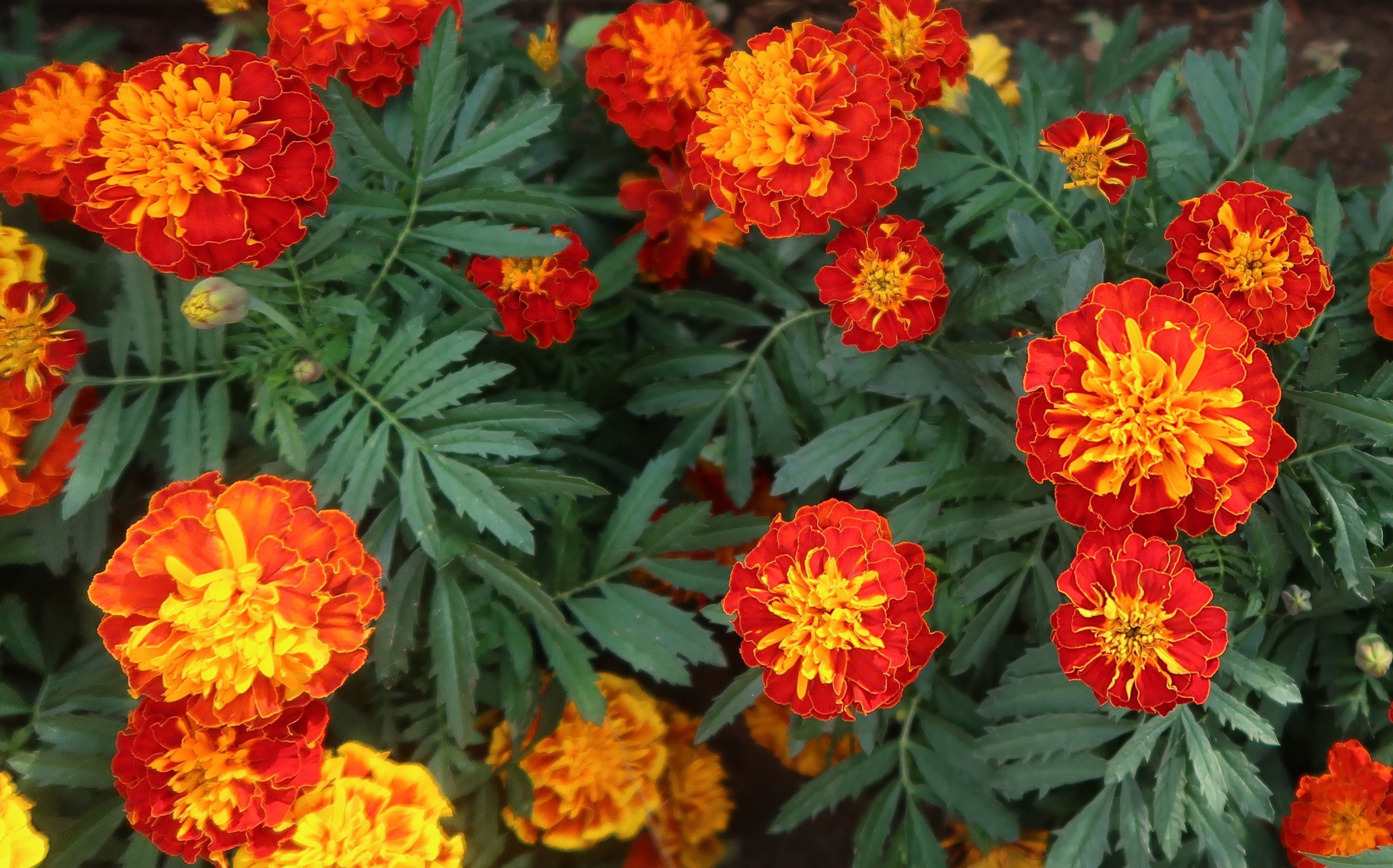
Gardeners often find themselves puzzled when vibrant orange and yellow blooms appear unexpectedly in their flower beds, only to discover these cheerful flowers are actually weeds that look like marigolds. True marigolds (Tagetes spp.) are beloved for their bright, long-lasting flowers, aromatic foliage, and pest-repelling properties, yet several opportunistic weeds have evolved to mimic these popular garden annuals with surprising accuracy.
The visual confusion between genuine marigolds and their botanical imposters stems from shared characteristics—bright orange or yellow composite flowers, finely divided fern-like leaves, and upright growth habits. Many of these lookalikes belong to the same Asteraceae family as marigolds, which explains their striking similarities and creates ongoing identification challenges for gardeners and landscapers.
Mistaking these weedy lookalikes for desirable marigolds can lead to unintended consequences in your landscape. Some of these plants produce aggressive root systems that overtake garden beds, while others may harbor pests or produce toxic compounds that threaten the health of surrounding plants.
In this guide, we profile ten troublesome weeds that look like marigolds (Tagetes spp.), outline key distinguishing features, and present effective management strategies for maintaining control over these persistent garden intruders.
10 Weeds That Look Like Marigolds
1. Mexican Marigold (Tagetes minuta) – The Invasive Marigold Relative
Mexican marigold, also called wild marigold or stinking roger, is a close relative of cultivated marigolds that can become highly invasive. Its bright yellow flower heads and finely divided leaves strongly resemble garden marigolds. This annual reaches 3-7 feet in height with branching stems and produces numerous small flowers in clusters.
Native to South America, Mexican marigold has naturalized in warm regions worldwide, frequently invading disturbed areas, pastures, and gardens. Its rapid growth and prolific seed production allow it to spread quickly, often forming dense stands that displace desirable vegetation. The plant has a pungent odor when crushed.
Control requires hand-pulling before seed set or herbicides containing glyphosate or 2,4-D. Its large size, numerous flowers, and pungent odor provide distinguishing features from garden marigolds.
2. Tansy (Tanacetum vulgare) – The Fern-Leaved Marigold Mimic
Tansy produces bright yellow, button-like flower heads that resemble marigolds, with fern-like, aromatic leaves. This perennial reaches 2-5 feet in height with branching stems and produces numerous small flowers in flat-topped clusters. Its leaves are deeply divided and fern-like, similar to some marigold varieties.
Native to Europe and Asia, tansy has naturalized across North America, frequently appearing along roadsides, fields, and disturbed areas. Its aggressive root system allows it to spread rapidly, forming dense patches that displace native vegetation. The plant contains toxic compounds that can harm livestock.
Control requires persistent digging to remove rhizomes or herbicides containing glyphosate or 2,4-D. Its button-like flowers, fern-like leaves, and aggressive spread provide distinguishing features from marigolds.
3. Ragweed (Ambrosia artemisiifolia) – The Allergenic Marigold Lookalike
Ragweed produces fern-like leaves that resemble some marigold varieties, though its flowers are small, greenish, and inconspicuous. This annual reaches 1-4 feet in height with branching stems and deeply divided leaves. Its pollen is a major cause of hay fever and allergic reactions.
Native to North America, ragweed is common in disturbed areas, roadsides, and fields throughout the continent. Its rapid growth and prolific seed production allow it to spread quickly, often becoming a significant weed in gardens and agricultural areas. The plant is particularly problematic for allergy sufferers.
Control requires hand-pulling before flowering or herbicides containing glyphosate or 2,4-D. Its inconspicuous flowers, severe allergenic properties, and lack of showy blooms provide distinguishing features from marigolds.
4. Golden Crownbeard (Verbesina encelioides) – The Sunflower-Marigold Mimic
Golden crownbeard produces bright yellow flowers with distinctive dark centers that resemble marigolds, with triangular to heart-shaped leaves. This annual reaches 1-3 feet in height with branching stems and produces showy flowers that are similar to marigolds but generally larger.
Native to the southwestern United States and Mexico, golden crownbeard has naturalized in warm regions, frequently appearing in disturbed areas, fields, and roadsides. Its rapid growth and prolific seed production allow it to spread quickly. The plant is sometimes cultivated as an ornamental but can become weedy.
Control requires hand-pulling before seed set or herbicides containing 2,4-D or glyphosate. Its larger flowers, triangular leaves, and native status provide distinguishing features from marigolds.
5. Bur Marigold (Bidens spp.) – The Seedy Marigold Lookalike
Bur marigold produces bright yellow flowers that resemble marigolds, with opposite, toothed leaves. This annual reaches 1-3 feet in height with branching stems and produces showy yellow flowers followed by distinctive barbed seeds that cling to clothing and fur. Its flowers are similar to marigolds but generally smaller.
Native to North America, bur marigold is common in moist areas, wetlands, and disturbed habitats throughout the continent. Its rapid growth and prolific seed production allow it to spread quickly, often becoming a significant weed in gardens and agricultural areas. The barbed seeds are particularly troublesome.
Control requires hand-pulling before seed set or herbicides containing 2,4-D or glyphosate. Its barbed seeds, moist habitat preference, and smaller flowers provide distinguishing features from marigolds.
6. Marsh Marigold (Caltha palustris) – The Moisture-Loving Marigold Mimic
Marsh marigold produces bright yellow, buttercup-like flowers that resemble marigolds, with rounded, heart-shaped leaves. This perennial reaches 1-2 feet in height with branching stems and produces showy flowers in spring. Its leaves are quite different from the finely divided foliage of true marigolds.
Native to North America, Europe, and Asia, marsh marigold is common in wetlands, stream banks, and moist meadows. While attractive, it can become weedy in favorable conditions. The plant contains toxic compounds that can cause skin irritation and digestive distress.
Control is rarely necessary, but if unwanted, hand-pulling or herbicide applications manage spread. Its rounded leaves, wetland habitat, and buttercup-like flowers provide distinguishing features from marigolds.
7. Mexican Fireweed (Bidens alba) – The White-Flowered Marigold Confusion
Mexican fireweed produces white flowers with yellow centers that can be mistaken for certain marigold varieties, with opposite, toothed leaves. This annual reaches 1-3 feet in height with branching stems and produces numerous small flowers. Its seeds are barbed and cling to clothing and fur.
Native to tropical America, Mexican fireweed has naturalized in warm regions, frequently invading disturbed areas, gardens, and roadsides. Its rapid growth and prolific seed production allow it to spread quickly, often forming dense patches. The plant is particularly troublesome in lawns and gardens.
Control requires hand-pulling before seed set or herbicides containing 2,4-D or glyphosate. Its white flowers, barbed seeds, and weedy growth habit provide distinguishing features from marigolds.
8. Tansy Ragwort (Jacobaea vulgaris) – The Toxic Marigold Lookalike
Tansy ragwort produces bright yellow flowers that resemble marigolds, with deeply lobed, fern-like leaves. This biennial or perennial reaches 1-4 feet in height with branching stems and produces numerous flowers in flat-topped clusters. Its leaves are similar to some marigold varieties but often have a darker green color.
Native to Europe and Asia, tansy ragwort has naturalized across North America, frequently invading pastures, roadsides, and disturbed areas. It contains toxic alkaloids that can cause liver damage in livestock and should not be consumed. The plant is considered a noxious weed in many regions.
Control requires persistent removal or herbicides containing glyphosate or 2,4-D. Its toxic properties, flat-topped flower clusters, and weedy growth habit provide distinguishing features from marigolds.
9. Yellow Sneezeweed (Helenium amarum) – The Short-Statured Marigold Mimic
Yellow sneezeweed produces bright yellow flowers with distinctive wedge-shaped petals that resemble marigolds, with narrow, linear leaves. This annual reaches 6-18 inches in height with branching stems and produces numerous small flowers. Its flowers are similar to some marigold varieties but generally smaller and more numerous.
Native to North America, yellow sneezeweed is common in fields, roadsides, and disturbed areas throughout the central and eastern United States. Its rapid growth and prolific seed production allow it to spread quickly, often becoming a significant weed in gardens and pastures. The plant contains compounds that can be toxic to livestock.
Control requires hand-pulling before seed set or herbicides containing 2,4-D or glyphosate. Its narrow leaves, smaller flowers, and weedy growth habit provide distinguishing features from marigolds.
10. Jerusalem Artichoke (Helianthus tuberosus) – The Tall Marigold Lookalike
Jerusalem artichoke produces bright yellow flowers that resemble large marigolds, with rough, hairy stems and broad, heart-shaped leaves. This perennial reaches 6-10 feet in height with branching stems and produces numerous showy flowers. Its flowers are larger than marigolds and more closely resemble sunflowers.
Native to North America, Jerusalem artichoke has naturalized widely and frequently appears in gardens, roadsides, and disturbed areas. Its aggressive rhizome system produces numerous tubers that allow it to spread rapidly, often becoming invasive in cultivated settings. The plant’s value as a food crop makes it desirable, but its spreading habit can be problematic.
Control requires persistent digging to remove tubers or herbicides containing glyphosate. Its tall stature, large flowers, and edible tubers provide distinguishing features from marigolds.
7 Proven Strategies For Marigold Identification Success
-
Examine flower structure: True marigolds have composite flowers with ray florets that are typically orange, yellow, or red, often in double or semi-double forms. Lookalikes may have different flower structures—button-like (tansy), white (Mexican fireweed), or larger with different petal shapes.
-
Analyze leaf characteristics: Marigolds have finely divided, fern-like, aromatic leaves that are opposite or alternate. Lookalikes may have different leaf shapes—rounded (marsh marigold), triangular (golden crownbeard), or narrow (yellow sneezeweed).
-
Assess growth habit: True marigolds grow as compact annuals with branching stems. Lookalikes may be much taller (Jerusalem artichoke), sprawling, or have different growth patterns.
-
Check for distinctive features: Mexican marigold has a pungent odor; tansy has button-like flowers; bur marigold has barbed seeds; tansy ragwort is toxic. These features provide reliable identification clues.
-
Consider blooming period: Marigolds bloom from summer through fall. Lookalikes may bloom at different times—spring (marsh marigold) or early summer (tansy ragwort).
-
Assess habitat preferences: Marigolds prefer sunny, well-drained garden conditions. Lookalikes may prefer different habitats—wetlands (marsh marigold, bur marigold), dry fields (yellow sneezeweed), or roadsides (tansy).
-
Consult identification resources: Use field guides, university extension resources, or plant identification apps when uncertain. Positive identification is essential before taking any management action.
Frequently Asked Questions About Marigold Lookalike Weeds
1. Which weed looks most like a marigold?
Mexican marigold (Tagetes minuta) and tansy (Tanacetum vulgare) are the weeds most frequently mistaken for marigolds, with their bright yellow flowers and fern-like foliage. However, Mexican marigold is much larger and has a pungent odor, while tansy has button-like flowers and an aggressive spreading habit.
2. How can I tell the difference between marigolds and tansy?
Examine the flowers—marigolds have typical composite flowers with ray florets; tansy has button-like, disk flowers without ray florets. Check the leaves—marigolds have aromatic, fern-like leaves; tansy has fern-like leaves with a distinct, medicinal odor. These differences provide reliable identification.
3. Are there toxic weeds that look like marigolds?
Yes, tansy ragwort contains toxic alkaloids that can cause liver damage in livestock. Tansy also contains toxic compounds that can be harmful if consumed in large quantities. Marsh marigold can cause skin irritation. Never consume any plant resembling marigolds without positive identification.
4. Should I remove weeds that look like marigolds?
Yes, most marigold lookalikes are aggressive weeds that compete with desirable plants. Tansy, Mexican marigold, and tansy ragwort can form dense patches that displace native vegetation. Bur marigold and Mexican fireweed have barbed seeds that are particularly troublesome. Remove lookalikes to protect your garden.
5. Can marigolds cross-pollinate with lookalike weeds?
Marigolds belong to the Tagetes genus, while most lookalikes belong to different genera—Tanacetum (tansy), Bidens (bur marigold), or Jacobaea (tansy ragwort). Cross-pollination is generally not possible between different genera. Removing lookalikes before flowering prevents any potential confusion.
6. What herbicide kills marigold lookalikes without harming garden plants?
Selective broadleaf herbicides containing 2,4-D, dicamba, or triclopyr can control marigold lookalikes in lawns and non-crop areas. For garden beds, spot applications of glyphosate to individual weeds (with careful shielding) may be appropriate. Always follow label instructions.
7. Why do marigold lookalikes appear in my garden?
Marigold lookalikes thrive in disturbed soils, sunny locations, and well-drained conditions—the same conditions favored by cultivated marigolds. Their seeds often persist in soil seed banks and germinate when conditions are favorable. Garden preparation activities and natural seed dispersal introduce these weeds to garden beds.
Final Thoughts
Distinguishing true marigolds from the numerous weeds that look like marigolds demands careful attention to flower structure, leaf characteristics, growth habits, and distinctive features. The cheerful orange and yellow blooms of marigolds often distract from subtle but reliable identification clues, making thorough observation essential for successful garden stewardship.
Mexican marigold and tansy stand as the most frequently encountered marigold lookalikes, their bright yellow flowers and fern-like foliage creating persistent identification challenges. Tansy ragwort poses toxic risks that demand cautious handling, while bur marigold’s barbed seeds create additional headaches for gardeners. Each imposter reveals distinguishing characteristics that reward attentive observation.
Armed with knowledge of flower structure, leaf morphology, growth patterns, and unique distinguishing features, gardeners can confidently nurture genuine marigolds while removing deceptive relatives. Regular monitoring, timely intervention, and informed management decisions provide the foundation for maintaining beautiful marigold displays while keeping your garden free from these persistent invaders that look like marigolds.