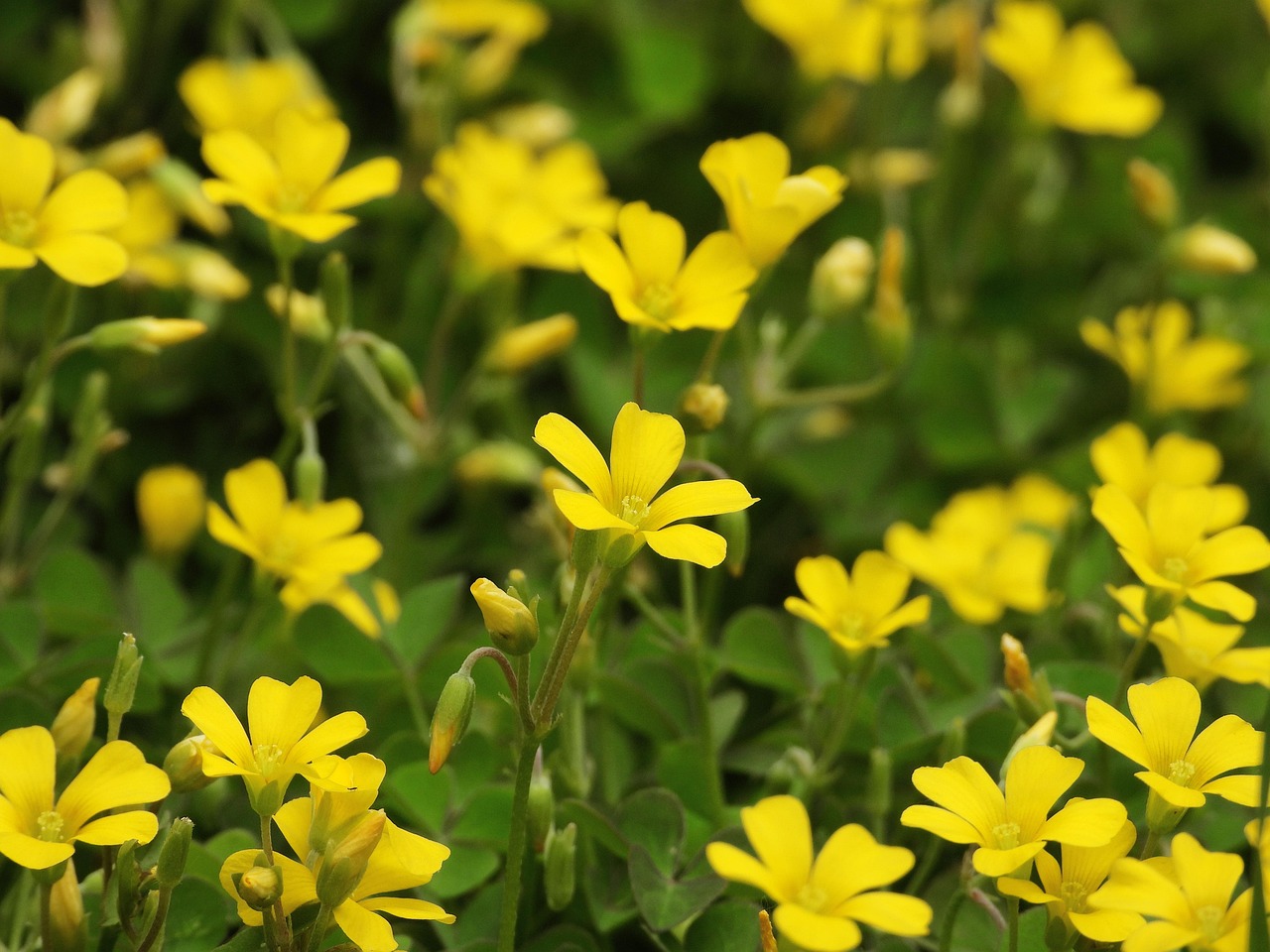
Common weeds found in Rhode Island thrive in the state’s humid continental climate, with cold winters, warm summers, and consistent rainfall that supports rapid growth across lawns, gardens, farm fields, and coastal areas. The state’s varied geography, from Narragansett Bay shorelines to inland forests and agricultural land, creates habitats for dozens of weed species that compete with desirable plants year after year.
Rhode Island gardeners deal with a mix of native plants that behave as weeds, non-native species that have naturalized over centuries, and aggressive invasive plants that spread rapidly through seeds, rhizomes, and root fragments. Some weeds are merely unsightly, while others reduce crop yields, harm livestock, or spread into natural areas and displace native vegetation.
Identifying weeds correctly is the first step toward effective control. Different species require different management strategies, and treating the wrong plant wastes time, money, and effort while allowing the real problem to spread. Understanding growth habits, life cycles, and preferred habitats helps gardeners choose the right approach for each situation.
In this guide, we break down 50 common weeds found in Rhode Island by examining their appearance, habitat, spread, and control methods to help you identify and manage these plants on your property.
50 Common Weeds Found In Rhode Island
1. Dandelion (Taraxacum officinale) – Most Recognizable Lawn Weed
Dandelion is the most recognizable lawn weed in Rhode Island, forming bright yellow flowers that mature into white seed heads dispersed by wind. It grows from a deep taproot that allows it to survive mowing, drought, and repeated pulling. Dandelions thrive in lawns, gardens, and disturbed areas throughout the state.
Dandelion spreads rapidly through wind-dispersed seeds, with a single plant capable of producing thousands of seeds per season. Its deep taproot makes hand-pulling difficult unless the entire root is removed. Dense populations compete with desirable turf and reduce lawn appearance.
Control requires hand-pulling with a dandelion fork, maintaining thick turf, and applying broadleaf herbicides in spring or fall. Improving soil health and mowing at the proper height reduces dandelion pressure over time.
2. White Clover (Trifolium repens) – Most Common Legume Weed
White clover is a common legume weed in Rhode Island lawns, forming low-growing patches with three-leaflet leaves and small white flower heads. It fixes nitrogen in the soil, which can benefit surrounding grasses but also allows it to thrive in low-fertility lawns. White clover spreads through seeds and creeping stems that root at the nodes.
White clover is often considered a desirable component of low-maintenance lawns because it stays green during drought and feeds pollinators. However, it can become invasive in garden beds and compete with vegetable crops. Its flowers attract bees, which can be a concern in high-traffic areas.
Control involves hand-pulling, improving soil fertility, and applying broadleaf herbicides if clover becomes problematic. Many gardeners choose to tolerate white clover in lawns because of its benefits for pollinators and soil health.
3. Crabgrass (Digitaria spp.) – Most Common Annual Grass Weed
Crabgrass is the most common annual grass weed in Rhode Island lawns, germinating in late spring and forming sprawling clumps with wide, flat leaves. It spreads rapidly through seeds and thrives in thin, compacted turf where competition from desirable grasses is weak. Crabgrass dies at the first frost but leaves behind thousands of seeds for the next season.
Crabgrass competes with desirable turf for water, nutrients, and sunlight, reducing lawn quality and appearance. Its shallow root system makes it easy to pull by hand, but new plants emerge continuously from the seedbank. Preventing crabgrass requires a combination of cultural practices and pre-emergent herbicides.
Control involves applying pre-emergent herbicides in spring before germination, maintaining thick turf through proper mowing and fertilization, and hand-pulling small infestations. Improving soil drainage and aerating compacted lawns reduces crabgrass pressure over time.
4. Broadleaf Plantain (Plantago major) – Most Common Lawn Weed
Broadleaf plantain is a common perennial weed in Rhode Island lawns, forming low rosettes of broad, oval leaves with prominent veins. It tolerates compacted soil, foot traffic, and close mowing, making it a frequent problem in high-use lawns. Broadleaf plantain spreads through seeds and fibrous roots that regenerate from fragments.
Broadleaf plantain competes with desirable turf and reduces lawn appearance, especially in areas with poor soil conditions. Its tolerance for compaction makes it a good indicator of soil problems that need correction. Dense populations can spread into garden beds and compete with ornamental plants.
Control involves hand-pulling with a fork, improving soil structure through aeration, and applying broadleaf herbicides in spring or fall. Correcting compaction and maintaining proper fertility reduces plantain pressure over time.
5. Ground Ivy (Glechoma hederacea) – Most Aggressive Creeping Weed
Ground ivy, also known as creeping Charlie, is an aggressive creeping weed in Rhode Island lawns, forming dense mats with scalloped leaves and small purple flowers in spring. It spreads through creeping stems that root at the nodes and thrives in moist, shaded areas where turf is thin. Ground ivy is difficult to control once established.
Ground ivy competes aggressively with desirable turf and can spread into garden beds, where it smothers small plants. Its rapid growth and tolerance for shade make it a persistent problem in lawns with poor drainage or low fertility. Hand-pulling is difficult because stems break and regrow from fragments.
Control involves improving drainage, increasing sunlight, and applying broadleaf herbicides in fall when ground ivy is actively growing. Repeated applications are usually necessary to eliminate established populations.
6. Yellow Nutsedge (Cyperus esculentus) – Most Difficult Grass-Like Weed
Yellow nutsedge is a difficult grass-like weed in Rhode Island lawns and gardens, forming upright clumps with triangular stems and yellowish-green leaves. It spreads through underground tubers called nutlets, which can remain viable in the soil for years. Yellow nutsedge thrives in moist, poorly drained soils and competes aggressively with desirable plants.
Yellow nutsedge is particularly problematic in vegetable gardens, where it reduces crop yields and is difficult to remove without disturbing crop roots. Its tubers survive hand-pulling and regenerate new plants, making control a long-term project. The plant is easily distinguished from grasses by its triangular stem and umbrella-like flower heads.
Control involves improving drainage, hand-pulling before tubers form, and applying selective herbicides like halosulfuron. Repeated treatments over several seasons are necessary to exhaust the tuber bank in the soil.
7. Purslane (Portulaca oleracea) – Most Common Summer Annual Weed
Purslane is a common summer annual weed in Rhode Island gardens, forming low, sprawling mats with thick, succulent leaves and small yellow flowers. It spreads through seeds and stem fragments that root readily when in contact with soil. Purslane thrives in warm, dry conditions and competes with vegetable crops.
Purslane is edible and nutritious, often used as a wild green in salads and soups, but it is considered a weed in most gardens because of its rapid spread. A single plant can produce thousands of seeds that remain viable in the soil for years. Its succulent leaves make it tolerant of drought and difficult to kill with shallow cultivation.
Control involves hand-pulling before seed set, mulching garden beds to suppress germination, and applying pre-emergent herbicides in spring. Removing plants before they flower prevents seed production and reduces future populations.
8. Lamb’s Quarters (Chenopodium album) – Most Common Summer Annual Broadleaf
Lamb’s quarters is a common summer annual broadleaf weed in Rhode Island gardens and farm fields, forming upright plants with triangular to diamond-shaped leaves and a whitish coating on new growth. It spreads through abundant seeds that remain viable in the soil for years. Lamb’s quarters thrives in rich, disturbed soil and competes with crops.
Lamb’s quarters is edible and nutritious, often used as a wild green, but it is considered a weed in most gardens because of its rapid growth and seed production. A single plant can produce tens of thousands of seeds, creating a persistent seedbank. Its leaves are easily distinguished by the powdery coating on new growth.
Control involves hand-pulling before seed set, mulching garden beds, and applying pre-emergent herbicides in spring. Removing plants before they flower prevents seed production and reduces future populations.
9. Pigweed (Amaranthus spp.) – Most Aggressive Summer Annual
Pigweed is an aggressive summer annual weed in Rhode Island gardens and farm fields, forming upright plants with broad, oval leaves and distinctive red taproots. It spreads through abundant seeds that remain viable in the soil for years. Pigweed thrives in rich, disturbed soil and competes aggressively with crops.
Pigweed is particularly problematic in vegetable gardens and agricultural fields, where it reduces yields and is difficult to control without herbicides. Some species have developed resistance to common herbicides, making management more challenging. Its rapid growth and high seed production allow it to spread quickly across a property.
Control involves hand-pulling before seed set, mulching garden beds, and rotating herbicides to prevent resistance. Removing plants before they flower prevents seed production and reduces future populations.
10. Common Ragweed (Ambrosia artemisiifolia) – Most Allergy-Inducing Weed
Common ragweed is the most allergy-inducing weed in Rhode Island, producing vast quantities of wind-dispersed pollen in late summer and fall. It grows 1 to 5 feet tall with deeply lobed leaves and inconspicuous green flowers. Ragweed thrives in disturbed areas, roadsides, and gardens.
Ragweed pollen is a major cause of hay fever and seasonal allergies, affecting millions of people each year. A single plant can produce billions of pollen grains, which travel long distances on the wind. Ragweed competes with crops and native plants and spreads rapidly through seeds.
Control involves hand-pulling before flowering, mowing roadsides and field edges, and applying herbicides in spring. Removing plants before they release pollen reduces allergy symptoms for surrounding residents.
11. Common Lambsquarters (Chenopodium album) – Most Edible Weed
Common lambsquarters, also known as wild spinach, is a common edible weed in Rhode Island gardens and farm fields. It grows 1 to 6 feet tall with triangular to diamond-shaped leaves and a whitish coating on new growth. The plant spreads through abundant seeds that remain viable in the soil for years.
Common lambsquarters is nutritious and often used as a wild green in salads and soups, but it is considered a weed in most gardens because of its rapid growth and seed production. Its leaves are easily distinguished by the powdery coating on new growth and the slightly toothed edges.
Control involves hand-pulling before seed set, mulching garden beds, and applying pre-emergent herbicides in spring. Removing plants before they flower prevents seed production and reduces future populations.
12. Chickweed (Stellaria media) – Most Common Winter Annual Weed
Chickweed is the most common winter annual weed in Rhode Island lawns and gardens, forming low, sprawling mats with small, star-shaped white flowers. It germinates in fall and grows through mild winters, spreading through seeds and creeping stems that root at the nodes. Chickweed thrives in moist, fertile soil and shaded areas.
Chickweed competes with desirable turf and garden plants, reducing yields and appearance. Its rapid growth and high seed production allow it to spread quickly across a property. Chickweed is edible and nutritious, often used as a wild green, but it is considered a weed in most gardens.
Control involves hand-pulling before seed set, improving drainage, and applying broadleaf herbicides in fall or early spring. Maintaining thick turf and reducing shade also helps reduce chickweed pressure.
13. Shepherd’s Purse (Capsella bursa-pastoris) – Most Common Winter Annual
Shepherd’s purse is a common winter annual weed in Rhode Island lawns, gardens, and disturbed areas, forming low rosettes with deeply lobed leaves and distinctive heart-shaped seed pods. It germinates in fall and grows through mild winters, spreading through abundant seeds. Shepherd’s purse thrives in disturbed soil and competes with crops.
Shepherd’s purse is edible and has been used as a wild green and medicinal herb, but it is considered a weed in most gardens because of its rapid growth and seed production. Its distinctive seed pods make it easy to identify once plants mature.
Control involves hand-pulling before seed set, mulching garden beds, and applying pre-emergent herbicides in fall. Removing plants before they flower prevents seed production and reduces future populations.
14. Henbit (Lamium amplexicaule) – Most Common Spring Weed
Henbit is a common spring weed in Rhode Island lawns and gardens, forming low patches with rounded, scalloped leaves and small purple flowers. It germinates in fall and blooms in early spring, spreading through seeds and creeping stems. Henbit thrives in moist, fertile soil and shaded areas.
Henbit competes with desirable turf and garden plants, reducing yields and appearance. Its early spring growth allows it to spread quickly before desirable plants become established. Henbit is edible and often used as a wild green, but it is considered a weed in most gardens.
Control involves hand-pulling before seed set, improving drainage, and applying broadleaf herbicides in fall or early spring. Maintaining thick turf and reducing shade also helps reduce henbit pressure.
15. Purple Deadnettle (Lamium purpureum) – Most Common Early Spring Weed
Purple deadnettle is a common early spring weed in Rhode Island lawns and gardens, forming low patches with heart-shaped leaves and small purple flowers. It germinates in fall and blooms in early spring, spreading through seeds and creeping stems. Purple deadnettle thrives in moist, fertile soil and shaded areas.
Purple deadnettle competes with desirable turf and garden plants, reducing yields and appearance. Its early spring growth allows it to spread quickly before desirable plants become established. Purple deadnettle is edible and often used as a wild green, but it is considered a weed in most gardens.
Control involves hand-pulling before seed set, improving drainage, and applying broadleaf herbicides in fall or early spring. Maintaining thick turf and reducing shade also helps reduce purple deadnettle pressure.
16. Curly Dock (Rumex crispus) – Most Common Perennial Broadleaf Weed
Curly dock is a common perennial broadleaf weed in Rhode Island lawns, gardens, and pastures, forming large rosettes with long, wavy-edged leaves. It grows from a deep taproot that allows it to survive mowing, drought, and repeated pulling. Curly dock spreads through abundant seeds that remain viable in the soil for years.
Curly dock competes with desirable plants for water and nutrients, reducing yields and appearance. Its deep taproot makes hand-pulling difficult unless the entire root is removed. Dense populations can spread into pastures and reduce forage quality.
Control involves hand-pulling with a fork, improving soil structure, and applying broadleaf herbicides in spring or fall. Repeated treatments over several seasons are necessary to exhaust the seedbank in the soil.
17. Red Sorrel (Rumex acetosella) – Most Common Acid-Loving Weed
Red sorrel is a common acid-loving weed in Rhode Island lawns, gardens, and pastures, forming low patches with arrow-shaped leaves and reddish flower stalks. It spreads through creeping roots and abundant seeds that remain viable in the soil for years. Red sorrel thrives in acidic, low-fertility soils where desirable plants struggle.
Red sorrel competes with desirable turf and forage grasses, reducing yields and appearance. Its tolerance for acidic soil makes it a good indicator of soil pH problems that need correction. Dense populations can spread quickly across a property.
Control involves raising soil pH with lime, improving fertility, and applying broadleaf herbicides in spring or fall. Maintaining thick turf and correcting soil problems reduces red sorrel pressure over time.
18. Yellow Wood Sorrel (Oxalis stricta) – Most Common Garden Weed
Yellow wood sorrel is a common garden weed in Rhode Island, forming low, clover-like plants with heart-shaped leaves and small yellow flowers. It spreads through seeds and creeping stems that root at the nodes. Yellow wood sorrel thrives in moist, fertile soil and competes with vegetable crops.
Yellow wood sorrel is edible and has a tart, lemony flavor, but it is considered a weed in most gardens because of its rapid spread. Its seed pods explode when mature, dispersing seeds several feet from the parent plant. The plant is easily distinguished by its clover-like leaves and yellow flowers.
Control involves hand-pulling before seed set, mulching garden beds, and applying pre-emergent herbicides in spring. Removing plants before they flower prevents seed production and reduces future populations.
19. Common Mallow (Malva neglecta) – Most Common Lawn Weed
Common mallow is a common lawn weed in Rhode Island, forming low, spreading plants with rounded, lobed leaves and small pink or white flowers. It spreads through seeds and creeping stems that root at the nodes. Common mallow thrives in compacted, disturbed soil and competes with desirable turf.
Common mallow is edible and has been used as a wild green and medicinal herb, but it is considered a weed in most lawns because of its rapid spread. Its tolerance for compaction makes it a good indicator of soil problems that need correction. Dense populations can spread into garden beds.
Control involves hand-pulling before seed set, improving soil structure through aeration, and applying broadleaf herbicides in spring or fall. Correcting compaction and maintaining proper fertility reduces common mallow pressure over time.
20. Violet (Viola spp.) – Most Common Perennial Lawn Weed
Violet is a common perennial lawn weed in Rhode Island, forming low patches with heart-shaped leaves and small purple, blue, or white flowers. It spreads through seeds and creeping stems that root at the nodes. Violets thrive in moist, shaded areas and compete with desirable turf.
Violets are native to North America and provide food for butterflies and other pollinators, but they are considered weeds in manicured lawns because of their spreading habit. Their tolerance for shade makes them a persistent problem in lawns with poor sunlight. Dense populations can spread into garden beds.
Control involves hand-pulling before seed set, improving sunlight and drainage, and applying broadleaf herbicides in fall. Maintaining thick turf and reducing shade also helps reduce violet pressure over time.
21. Wild Garlic (Allium vineale) – Most Difficult Bulb Weed
Wild garlic is a difficult bulb weed in Rhode Island lawns, gardens, and pastures, forming clumps with hollow, onion-like leaves and small green or white flowers. It spreads through underground bulbs and bulbils that remain viable in the soil for years. Wild garlic thrives in moist, fertile soil and competes with desirable plants.
Wild garlic is particularly problematic in lawns and pastures because its leaves and bulbs taint milk and meat when consumed by livestock. Its underground bulbs make hand-pulling difficult unless the entire plant is removed. Dense populations can spread quickly across a property.
Control involves hand-pulling after rainfall when soil is soft, improving drainage, and applying broadleaf herbicides in spring or fall. Repeated treatments over several seasons are necessary to exhaust the bulb bank in the soil.
22. Wild Onion (Allium canadense) – Most Persistent Bulb Weed
Wild onion is a persistent bulb weed in Rhode Island lawns, gardens, and pastures, forming clumps with flat, onion-like leaves and small white or pink flowers. It spreads through underground bulbs and bulbils that remain viable in the soil for years. Wild onion thrives in moist, fertile soil and competes with desirable plants.
Wild onion is particularly problematic in lawns and pastures because its leaves and bulbs taint milk and meat when consumed by livestock. Its underground bulbs make hand-pulling difficult unless the entire plant is removed. Dense populations can spread quickly across a property.
Control involves hand-pulling after rainfall when soil is soft, improving drainage, and applying broadleaf herbicides in spring or fall. Repeated treatments over several seasons are necessary to exhaust the bulb bank in the soil.
23. Star of Bethlehem (Ornithogalum umbellatum) – Most Persistent Bulb Weed
Star of Bethlehem is a persistent bulb weed in Rhode Island lawns and gardens, forming clumps with grass-like leaves and star-shaped white flowers in spring. It spreads through underground bulbs that remain viable in the soil for years. Star of Bethlehem thrives in moist, fertile soil and competes with desirable plants.
Star of Bethlehem is toxic to livestock and pets if consumed, making it a particular concern in pastures and yards with animals. Its underground bulbs make hand-pulling difficult unless the entire plant is removed. Dense populations can spread quickly across a property.
Control involves hand-pulling after rainfall when soil is soft, improving drainage, and applying broadleaf herbicides in spring. Repeated treatments over several seasons are necessary to exhaust the bulb bank in the soil.
24. Canada Thistle (Cirsium arvense) – Most Aggressive Perennial Thistle
Canada thistle is the most aggressive perennial thistle in Rhode Island pastures, gardens, and disturbed areas, forming dense patches with spiny leaves and purple flower heads. It spreads through creeping roots and abundant seeds that remain viable in the soil for years. Canada thistle thrives in moist, fertile soil and competes aggressively with crops and forage.
Canada thistle is particularly problematic in pastures because its spines deter livestock and reduce forage quality. Its deep, creeping root system makes hand-pulling ineffective unless the entire root is removed. Dense populations can spread quickly across a property.
Control involves repeated mowing before seed set, improving drainage, and applying systemic herbicides in spring or fall. Repeated treatments over several seasons are necessary to exhaust the root system and seedbank in the soil.
25. Bull Thistle (Cirsium vulgare) – Most Common Biennial Thistle
Bull thistle is a common biennial thistle in Rhode Island pastures, gardens, and disturbed areas, forming large rosettes in the first year and tall flowering stalks in the second. It spreads through abundant seeds that remain viable in the soil for years. Bull thistle thrives in disturbed, fertile soil and competes with crops and forage.
Bull thistle is particularly problematic in pastures because its spines deter livestock and reduce forage quality. Its large size and spiny leaves make hand-pulling difficult without gloves. Dense populations can spread quickly across a property.
Control involves hand-pulling rosettes before flowering, mowing before seed set, and applying broadleaf herbicides in spring or fall. Removing plants before they flower prevents seed production and reduces future populations.
26. Common Burdock (Arctium minus) – Most Common Biennial Broadleaf
Common burdock is a common biennial broadleaf weed in Rhode Island pastures, gardens, and disturbed areas, forming large rosettes in the first year and tall flowering stalks in the second. It spreads through abundant seeds that cling to clothing and fur. Common burdock thrives in disturbed, fertile soil and competes with crops and forage.
Common burdock is particularly problematic in pastures because its burrs cling to livestock and reduce fleece quality. Its large taproot makes hand-pulling difficult unless the entire root is removed. Dense populations can spread quickly across a property.
Control involves hand-pulling rosettes before flowering, mowing before seed set, and applying broadleaf herbicides in spring or fall. Removing plants before they flower prevents seed production and reduces future populations.
27. Jimsonweed (Datura stramonium) – Most Toxic Weed
Jimsonweed is the most toxic weed in Rhode Island gardens, pastures, and disturbed areas, forming large plants with lobed leaves and trumpet-shaped white or purple flowers. It spreads through abundant seeds that remain viable in the soil for years. Jimsonweed thrives in disturbed, fertile soil and competes with crops and forage.
Jimsonweed is highly toxic to livestock and humans if consumed, containing dangerous alkaloids that can be fatal. Its large size and distinctive flowers make it easy to identify once plants mature. Dense populations can spread quickly across a property.
Control involves hand-pulling with gloves before seed set, mowing before flowering, and applying broadleaf herbicides in spring or fall. Removing plants before they flower prevents seed production and reduces future populations.
28. Nightshade (Solanum spp.) – Most Toxic Vine Weed
Nightshade is a toxic vine weed in Rhode Island gardens, pastures, and disturbed areas, forming sprawling plants with lobed leaves and small white or purple flowers. It spreads through abundant seeds that remain viable in the soil for years. Nightshade thrives in disturbed, fertile soil and competes with crops and forage.
Nightshade is toxic to livestock and humans if consumed, containing dangerous alkaloids that can be fatal. Its vining habit allows it to climb over crops and fences, making it difficult to control. Dense populations can spread quickly across a property.
Control involves hand-pulling with gloves before seed set, mowing before flowering, and applying broadleaf herbicides in spring or fall. Removing plants before they flower prevents seed production and reduces future populations.
29. Pokeweed (Phytolacca americana) – Most Common Perennial Broadleaf
Pokeweed is a common perennial broadleaf weed in Rhode Island gardens, pastures, and disturbed areas, forming large plants with smooth leaves and distinctive purple berries. It spreads through abundant seeds that are dispersed by birds. Pokeweed thrives in disturbed, fertile soil and competes with crops and forage.
Pokeweed is toxic to livestock and humans if consumed, containing dangerous compounds that can cause serious illness. Its large size and distinctive berries make it easy to identify once plants mature. Dense populations can spread quickly across a property.
Control involves hand-pulling with gloves before seed set, mowing before flowering, and applying broadleaf herbicides in spring or fall. Removing plants before they flower prevents seed production and reduces future populations.
30. Multiflora Rose (Rosa multiflora) – Most Aggressive Invasive Shrub
Multiflora rose is the most aggressive invasive shrub in Rhode Island pastures, roadsides, and forest edges, forming impenetrable thickets with arching stems and curved thorns. It spreads through seeds, root suckers, and stems that root where they touch the ground. Multiflora rose thrives in disturbed, fertile soil and competes with crops and forage.
Multiflora rose is particularly problematic in pastures because its thorns deter livestock and reduce forage quality. Its dense thickets exclude native plants and reduce habitat quality for wildlife. Dense populations can spread quickly across a property.
Control involves repeated mowing before seed set, cut-stump treatment with herbicide, and foliar herbicide applications in spring or fall. Repeated treatments over several seasons are necessary to exhaust the root system and seedbank in the soil.
31. Japanese Barberry (Berberis thunbergii) – Most Common Invasive Shrub
Japanese barberry is the most common invasive shrub in Rhode Island forests, pastures, and landscapes, forming dense thorny thickets with small, spoon-shaped leaves and bright red berries. It spreads through bird-dispersed seeds and root fragments that remain viable in the soil for years. Japanese barberry thrives in disturbed, fertile soil and competes with native plants.
Japanese barberry is particularly problematic because it changes soil chemistry and harbors blacklegged ticks, the species that transmits Lyme disease. Its dense thickets exclude native plants and reduce habitat quality for wildlife. Dense populations can spread quickly across a property.
Control involves hand-pulling small plants, cut-stump treatment with herbicide, and foliar herbicide applications in spring or fall. Repeated treatments over several seasons are necessary to exhaust the seedbank in the soil.
32. Autumn Olive (Elaeagnus umbellata) – Most Prolific Invasive Shrub
Autumn olive is a prolific invasive shrub in Rhode Island pastures, roadsides, and forest edges, forming dense thickets with silvery-green leaves and abundant red berries. It spreads through bird-dispersed seeds and fixes nitrogen in the soil, which favors its own growth over native plants. Autumn olive thrives in disturbed, poor soil and competes with crops and forage.
Autumn olive is particularly problematic because it changes nutrient cycles and reduces habitat quality for wildlife. Its dense thickets exclude native plants and reduce forage quality in pastures. Dense populations can spread quickly across a property.
Control involves cut-stump treatment with herbicide, foliar herbicide applications in spring or fall, and repeated mowing to weaken the root system. Repeated treatments over several seasons are necessary to exhaust the seedbank in the soil.
33. Burning Bush (Euonymus alatus) – Most Common Landscape Escape
Burning bush is a common landscape escape in Rhode Island forests, roadsides, and natural areas, forming dense stands with corky-winged stems and brilliant red fall foliage. It spreads through bird-dispersed seeds that remain viable in the soil for years. Burning bush thrives in disturbed, fertile soil and competes with native plants.
Burning bush is particularly problematic because it spreads from landscape plantings into forests and natural areas, where it displaces native shrubs and wildflowers. Its dense thickets reduce habitat quality for wildlife. Dense populations can spread quickly across a property.
Control involves hand-pulling small plants, cut-stump treatment with herbicide, and foliar herbicide applications in spring or fall. Repeated treatments over several seasons are necessary to exhaust the seedbank in the soil.
34. Amur Honeysuckle (Lonicera maackii) – Most Shade-Tolerant Invasive Shrub
Amur honeysuckle is a shade-tolerant invasive shrub in Rhode Island forests, roadsides, and natural areas, forming dense stands with opposite leaves and abundant red berries. It spreads through bird-dispersed seeds and releases allelopathic chemicals that suppress native plants. Amur honeysuckle thrives in disturbed, fertile soil and competes with native plants.
Amur honeysuckle is particularly problematic because it leafs out early and holds leaves late, giving it a competitive advantage over native shrubs. Its dense thickets reduce habitat quality for wildlife and alter forest structure. Dense populations can spread quickly across a property.
Control involves cut-stump treatment with herbicide, foliar herbicide applications in spring or fall, and repeated mowing to weaken the root system. Repeated treatments over several seasons are necessary to exhaust the seedbank in the soil.
35. Morrow’s Honeysuckle (Lonicera morrowii) – Most Common Invasive Honeysuckle
Morrow’s honeysuckle is a common invasive honeysuckle in Rhode Island forests, roadsides, and natural areas, forming dense stands with gray-green leaves and abundant red berries. It spreads through bird-dispersed seeds and root suckers that remain viable in the soil for years. Morrow’s honeysuckle thrives in disturbed, fertile soil and competes with native plants.
Morrow’s honeysuckle is particularly problematic because it leafs out early and holds leaves late, giving it a competitive advantage over native shrubs. Its dense thickets reduce habitat quality for wildlife and alter forest structure. Dense populations can spread quickly across a property.
Control involves cut-stump treatment with herbicide, foliar herbicide applications in spring or fall, and repeated mowing to weaken the root system. Repeated treatments over several seasons are necessary to exhaust the seedbank in the soil.
36. Common Buckthorn (Rhamnus cathartica) – Most Aggressive Invasive Shrub
Common buckthorn is an aggressive invasive shrub in Rhode Island forests, roadsides, and natural areas, forming dense stands with glossy leaves and abundant dark berries. It spreads through bird-dispersed seeds and root fragments that remain viable in the soil for years. Common buckthorn thrives in disturbed, fertile soil and competes with native plants.
Common buckthorn is particularly problematic because it leafs out early and holds leaves late, giving it a competitive advantage over native shrubs. Its dense thickets reduce habitat quality for wildlife and alter forest structure. Dense populations can spread quickly across a property.
Control involves cut-stump treatment with herbicide, foliar herbicide applications in spring or fall, and repeated mowing to weaken the root system. Repeated treatments over several seasons are necessary to exhaust the seedbank in the soil.
37. Glossy Buckthorn (Frangula alnus) – Most Wetland-Invasive Shrub
Glossy buckthorn is a wetland-invasive shrub in Rhode Island bogs, fens, and wet meadows, forming dense stands with glossy leaves and abundant red berries that turn black as they ripen. It spreads through bird-dispersed seeds and root suckers that remain viable in the soil for years. Glossy buckthorn thrives in wet, fertile soil and competes with native plants.
Glossy buckthorn is particularly problematic because it tolerates wet soils where few other shrubs can grow, allowing it to dominate wetland habitats and reduce plant diversity. Its dense thickets reduce habitat quality for wildlife and alter wetland hydrology. Dense populations can spread quickly across a property.
Control involves cut-stump treatment with herbicide, foliar herbicide applications in spring or fall, and repeated mowing to weaken the root system. Repeated treatments over several seasons are necessary to exhaust the seedbank in the soil.
38. Privet (Ligustrum spp.) – Most Persistent Hedgerow Escape
Privet is a persistent hedgerow escape in Rhode Island forests, roadsides, and natural areas, forming dense stands with opposite leaves and abundant black berries. It spreads through bird-dispersed seeds and root fragments that remain viable in the soil for years. Privet thrives in disturbed, fertile soil and competes with native plants.
Privet is particularly problematic because it tolerates a wide range of conditions, from full sun to deep shade, making it difficult to control once established. Its dense thickets reduce habitat quality for wildlife and alter forest structure. Dense populations can spread quickly across a property.
Control involves cut-stump treatment with herbicide, foliar herbicide applications in spring or fall, and repeated mowing to weaken the root system. Repeated treatments over several seasons are necessary to exhaust the seedbank in the soil.
39. Japanese Spirea (Spiraea japonica) – Most Common Landscape Escape
Japanese spirea is a common landscape escape in Rhode Island forests, roadsides, and natural areas, forming dense stands with alternate leaves and flat clusters of pink flowers. It spreads through seeds and root suckers that remain viable in the soil for years. Japanese spirea thrives in disturbed, fertile soil and competes with native plants.
Japanese spirea is particularly problematic because it spreads from landscape plantings into forests and natural areas, where it displaces native shrubs and wildflowers. Its dense thickets reduce habitat quality for wildlife. Dense populations can spread quickly across a property.
Control involves hand-pulling small plants, cut-stump treatment with herbicide, and foliar herbicide applications in spring or fall. Repeated treatments over several seasons are necessary to exhaust the seedbank in the soil.
40. Butterfly Bush (Buddleja davidii) – Most Deceptive Invasive Shrub
Butterfly bush is a deceptive invasive shrub in Rhode Island roadsides, riverbanks, and disturbed areas, forming dense stands with opposite leaves and cone-shaped clusters of purple, pink, or white flowers. It spreads through wind- and water-dispersed seeds that remain viable in the soil for years. Butterfly bush thrives in disturbed, fertile soil and competes with native plants.
Butterfly bush is particularly problematic because it attracts adult butterflies but provides no food for butterfly larvae, making it a poor substitute for native nectar plants. Its dense thickets reduce habitat quality for wildlife and alter natural areas. Dense populations can spread quickly across a property.
Control involves hand-pulling small plants, cut-stump treatment with herbicide, and foliar herbicide applications in spring or fall. Repeated treatments over several seasons are necessary to exhaust the seedbank in the soil.
41. Wineberry (Rubus phoenicolasius) – Most Thorny Invasive Shrub
Wineberry is a thorny invasive shrub in Rhode Island forests, roadsides, and disturbed areas, forming dense thickets with arching, reddish stems covered in fine hairs and small thorns. It spreads through seeds, root suckers, and stems that root where they touch the ground. Wineberry thrives in disturbed, fertile soil and competes with native plants.
Wineberry is particularly problematic because its edible berries encourage some landowners to leave it in place, contributing to its continued spread. Its dense thickets reduce habitat quality for wildlife and alter forest structure. Dense populations can spread quickly across a property.
Control involves repeated mowing before seed set, cut-stump treatment with herbicide, and foliar herbicide applications in spring or fall. Repeated treatments over several seasons are necessary to exhaust the root system and seedbank in the soil.
42. Japanese Knotweed (Fallopia japonica) – Most Destructive Invasive Shrub
Japanese knotweed is the most destructive invasive shrub in Rhode Island roadsides, riverbanks, and disturbed areas, forming dense stands with hollow, bamboo-like stems and large, heart-shaped leaves. It spreads primarily through rhizomes that can extend 20 feet from the parent plant. Japanese knotweed thrives in disturbed, fertile soil and competes with native plants.
Japanese knotweed is particularly problematic because it damages foundations, pavement, and stream banks while crowding out native vegetation. Its deep rhizome system makes hand-pulling ineffective unless the entire root is removed. Dense populations can spread quickly across a property.
Control involves repeated herbicide applications in late summer and early fall, combined with cutting or mowing to weaken the rhizome system. Repeated treatments over several seasons are necessary to exhaust the rhizome bank in the soil.
43. Mugwort (Artemisia vulgaris) – Most Common Perennial Weed
Mugwort is a common perennial weed in Rhode Island gardens, roadsides, and disturbed areas, forming dense patches with deeply lobed leaves and small greenish flowers. It spreads through creeping roots and rhizomes that remain viable in the soil for years. Mugwort thrives in disturbed, fertile soil and competes with native plants.
Mugwort is particularly problematic because its deep rhizome system makes hand-pulling ineffective unless the entire root is removed. Its dense patches reduce habitat quality for wildlife and alter natural areas. Dense populations can spread quickly across a property.
Control involves repeated mowing before seed set, cut-stump treatment with herbicide, and foliar herbicide applications in spring or fall. Repeated treatments over several seasons are necessary to exhaust the rhizome system and seedbank in the soil.
44. Poison Ivy (Toxicodendron radicans) – Most Toxic Vine Weed
Poison ivy is the most toxic vine weed in Rhode Island forests, roadsides, and disturbed areas, forming sprawling vines with three-leaflet leaves and small white berries. It spreads through bird-dispersed seeds and creeping roots that remain viable in the soil for years. Poison ivy thrives in disturbed, fertile soil and competes with native plants.
Poison ivy is particularly problematic because its oil causes severe skin reactions in most people, making it dangerous to remove without protective clothing. Its vining habit allows it to climb trees and fences, making it difficult to control. Dense populations can spread quickly across a property.
Control involves hand-pulling with gloves and protective clothing, cut-stump treatment with herbicide, and foliar herbicide applications in spring or fall. Repeated treatments over several seasons are necessary to exhaust the root system and seedbank in the soil.
45. Virginia Creeper (Parthenocissus quinquefolia) – Most Common Native Vine Weed
Virginia creeper is a common native vine weed in Rhode Island forests, roadsides, and disturbed areas, forming sprawling vines with five-leaflet leaves and small blue berries. It spreads through bird-dispersed seeds and creeping stems that root at the nodes. Virginia creeper thrives in disturbed, fertile soil and competes with native plants.
Virginia creeper is particularly problematic because its vining habit allows it to climb trees and fences, making it difficult to control. Its berries are toxic to humans if consumed, though birds eat them without harm. Dense populations can spread quickly across a property.
Control involves hand-pulling before seed set, cut-stump treatment with herbicide, and foliar herbicide applications in spring or fall. Repeated treatments over several seasons are necessary to exhaust the root system and seedbank in the soil.
46. Bittersweet (Celastrus orbiculatus) – Most Aggressive Invasive Vine
Bittersweet is the most aggressive invasive vine in Rhode Island forests, roadsides, and disturbed areas, forming dense mats with rounded leaves and abundant orange-red berries. It spreads through bird-dispersed seeds and root suckers that remain viable in the soil for years. Bittersweet thrives in disturbed, fertile soil and competes with native plants.
Bittersweet is particularly problematic because its vining habit allows it to climb trees and smother native vegetation, sometimes killing mature trees. Its dense mats reduce habitat quality for wildlife and alter forest structure. Dense populations can spread quickly across a property.
Control involves hand-pulling before seed set, cut-stump treatment with herbicide, and foliar herbicide applications in spring or fall. Repeated treatments over several seasons are necessary to exhaust the root system and seedbank in the soil.
47. Garlic Mustard (Alliaria petiolata) – Most Aggressive Biennial Weed
Garlic mustard is an aggressive biennial weed in Rhode Island forests, roadsides, and disturbed areas, forming dense stands with heart-shaped leaves and small white flowers. It spreads through abundant seeds that remain viable in the soil for years. Garlic mustard thrives in disturbed, fertile soil and competes with native plants.
Garlic mustard is particularly problematic because it releases allelopathic chemicals that suppress native plants and disrupt beneficial soil fungi. Its dense stands reduce habitat quality for wildlife and alter forest structure. Dense populations can spread quickly across a property.
Control involves hand-pulling before seed set, mowing before flowering, and applying herbicide in spring or fall. Repeated treatments over several seasons are necessary to exhaust the seedbank in the soil.
48. Purple Loosestrife (Lythrum salicaria) – Most Aggressive Wetland Weed
Purple loosestrife is an aggressive wetland weed in Rhode Island marshes, stream banks, and wet meadows, forming dense stands with tall, square stems and spikes of purple flowers. It spreads through abundant seeds and root fragments that remain viable in the soil for years. Purple loosestrife thrives in wet, fertile soil and competes with native plants.
Purple loosestrife is particularly problematic because it displaces native wetland plants and reduces habitat quality for wildlife. Its dense stands alter wetland hydrology and reduce plant diversity. Dense populations can spread quickly across a property.
Control involves hand-pulling before seed set, cutting flower spikes before they mature, and applying herbicide in late summer. Repeated treatments over several seasons are necessary to exhaust the seedbank in the soil.
49. Phragmites (Phragmites australis) – Most Aggressive Wetland Grass
Phragmites is an aggressive wetland grass in Rhode Island marshes, stream banks, and wet meadows, forming dense stands with tall, hollow stems and feathery seed heads. It spreads through rhizomes and abundant seeds that remain viable in the soil for years. Phragmites thrives in wet, disturbed soil and competes with native plants.
Phragmites is particularly problematic because it displaces native wetland plants and reduces habitat quality for wildlife. Its dense stands alter wetland hydrology and reduce plant diversity. Dense populations can spread quickly across a property.
Control involves repeated herbicide applications in late summer and early fall, combined with cutting or mowing to weaken the rhizome system. Repeated treatments over several seasons are necessary to exhaust the rhizome bank in the soil.
50. Common Reed (Phragmites australis) – Most Destructive Wetland Grass
Common reed, also known as phragmites, is the most destructive wetland grass in Rhode Island marshes, stream banks, and wet meadows, forming dense stands with tall, hollow stems and feathery seed heads. It spreads through rhizomes and abundant seeds that remain viable in the soil for years. Common reed thrives in wet, disturbed soil and competes with native plants.
Common reed is particularly problematic because it displaces native wetland plants and reduces habitat quality for wildlife. Its dense stands alter wetland hydrology and reduce plant diversity. Dense populations can spread quickly across a property.
Control involves repeated herbicide applications in late summer and early fall, combined with cutting or mowing to weaken the rhizome system. Repeated treatments over several seasons are necessary to exhaust the rhizome bank in the soil.
7 Tips For Managing Weeds In Rhode Island
- Identify before treating: Confirm the weed species before applying herbicides or pulling, since some native plants look similar to invasive species. Consult your local extension office or a field guide for accurate identification.
- Remove before seed set: Cut or treat weeds before they produce seed to prevent them from spreading to new areas. This is the single most effective way to slow the spread of weeds in lawns and gardens.
- Improve soil health: Many weeds thrive in compacted, acidic, or low-fertility soils. Correcting these problems with aeration, lime, and organic matter reduces weed pressure over time.
- Maintain thick turf: A dense, healthy lawn naturally outcompetes weeds. Mow at the proper height, fertilize appropriately, and water consistently to give desirable grasses the advantage.
- Mulch garden beds: A layer of mulch suppresses weed germination by blocking light and moderating soil temperature. Replenish mulch annually to maintain effectiveness.
- Clean equipment between areas: Mowers, trimmers, and hand tools can spread seeds and root fragments to new areas. Clean equipment after working in infested zones to prevent introducing weeds to clean sites.
- Monitor and re-treat: Weeds regrow from seeds and root fragments left in the soil. Scout treated areas several times per season and re-treat regrowth while it is still small.
Frequently Asked Questions (FAQs)
1. What is the most common weed in Rhode Island?
Dandelion is the most common weed in Rhode Island lawns, forming bright yellow flowers and white seed heads throughout the growing season. Crabgrass and white clover are also widespread in lawns across the state.
2. What is the most invasive weed in Rhode Island?
Japanese knotweed is the most destructive invasive weed in Rhode Island, forming dense stands that damage foundations, pavement, and stream banks. Multiflora rose and bittersweet are also aggressive invaders that spread rapidly across the state.
3. Are there toxic weeds in Rhode Island?
Yes, several toxic weeds grow in Rhode Island, including jimsonweed, nightshade, pokeweed, and poison ivy. These plants can cause serious illness or skin reactions if consumed or handled without protection.
4. When is the best time to treat weeds in Rhode Island?
Late summer and early fall are the best times to treat most perennial weeds because they are actively moving energy to their roots, which improves herbicide absorption. Spring is the best time to apply pre-emergent herbicides for annual weeds.
5. Can I control weeds without herbicides?
Yes, hand-pulling, mulching, mowing, smothering, and improving soil health can control many weeds without herbicides. These methods require more labor and repeated treatments but are effective for small infestations and sensitive areas.
6. What weeds are edible in Rhode Island?
Several weeds in Rhode Island are edible, including dandelion, purslane, lamb’s quarters, chickweed, and yellow wood sorrel. Always identify plants positively before consuming them and avoid harvesting from areas treated with herbicides.
7. Where can I get help identifying weeds in Rhode Island?
Contact your local URI Cooperative Extension office, the Rhode Island Department of Environmental Management, or a certified arborist for help identifying weeds. Many extension offices offer free identification services and management advice.
Conclusion
Dandelion is the most recognizable weed in Rhode Island, forming bright yellow flowers and white seed heads in lawns across the state. Crabgrass and white clover follow closely as common lawn weeds that compete with desirable turf and reduce appearance.
Japanese knotweed is the most destructive invasive weed in Rhode Island, damaging foundations and stream banks while crowding out native vegetation. Multiflora rose, bittersweet, and purple loosestrife are also aggressive invaders that spread rapidly across the state and require long-term management.
Effective weed control requires identifying species early, removing them before they produce seed, improving soil health, and maintaining thick turf and mulched garden beds. Follow-up monitoring for several seasons is essential because seeds and root fragments remain viable in the soil long after the parent plants are gone.
Start your weed control program this season, prioritize the most aggressive species on your property, and plan for follow-up work each year. Consistent effort over several seasons protects Rhode Island lawns, gardens, and natural areas from these common and destructive weeds.