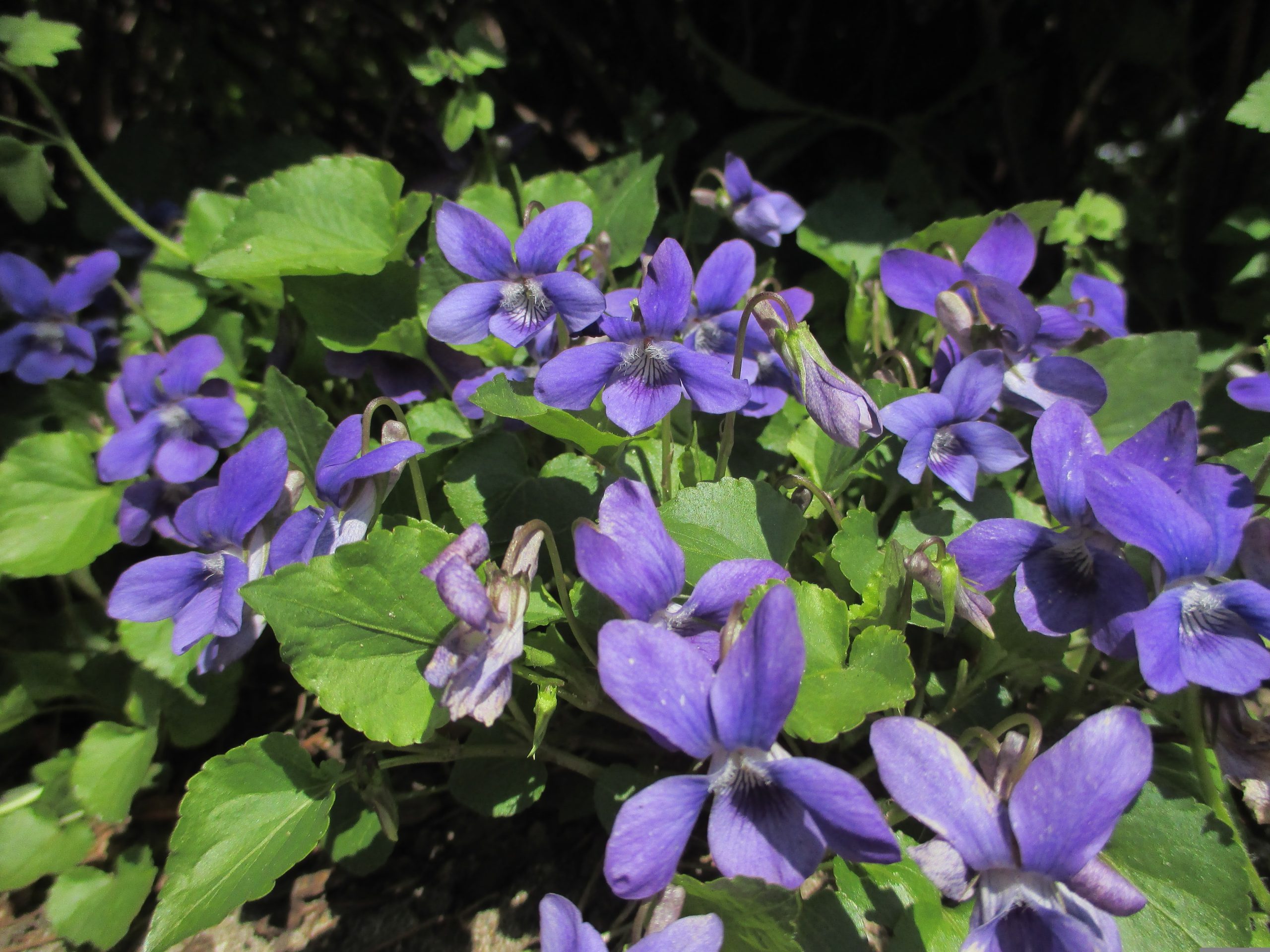
Purple weeds that grow with dandelions frequently catch the eye of gardeners who notice vibrant violet blooms mingling with familiar yellow flowers in their lawns and fields. Several opportunistic purple weeds that grow with dandelions have evolved to thrive in identical conditions—disturbed soils, sunny exposures, and nutrient-rich environments—creating colorful but problematic combinations in cultivated landscapes.
The coexistence of purple-flowering weeds alongside dandelions is no coincidence. Both plant types prefer similar growing conditions: compacted soils, open areas with minimal competition, and disturbed habitats that provide germination opportunities. Understanding the relationship between purple weeds that grow with dandelions helps gardeners recognize patterns of infestation and implement effective, targeted control measures.
Identifying these purple companions is essential because their management requirements often differ from those of dandelions. Some respond to different herbicides, while others spread through underground networks that require specialized eradication approaches. Misidentifying these purple weeds that grow with dandelions can lead to ineffective treatments and persistent infestations.
In this guide, we profile 10 purple weeds that grow with dandelions, detail their distinguishing characteristics, and offer practical control recommendations for managing these colorful invaders in your landscape.
10 Purple Weeds That Grow With Dandelions
1. Purple Deadnettle (Lamium purpureum) – The Spring Purple Companion
Purple deadnettle produces distinctive purple-tinged upper leaves and small, pinkish-purple flowers that frequently appear alongside dandelions in early spring. This winter annual reaches 4-12 inches in height with square stems and opposite, scalloped leaves. Its upper leaves take on a striking purple hue, while lower leaves remain green.
Native to Europe and Asia, purple deadnettle has naturalized across North America, frequently invading lawns, gardens, and disturbed areas. It germinates in fall, overwinters as a low rosette, and flowers in early spring alongside dandelions. The plant’s rapid growth cycle allows it to complete its life before many other plants emerge.
Control requires pre-emergence herbicides in fall or post-emergence broadleaf herbicides containing 2,4-D or dicamba applied in early spring. Maintaining dense turf through proper cultural practices helps prevent establishment. Its purple-tinged leaves and square stems provide reliable identification markers.
2. Henbit (Lamium amplexicaule) – The Clasping-Leaved Mimic
Henbit produces rounded, scalloped leaves that clasp the stem directly, with small pinkish-purple flowers in whorls around the stem. This winter annual reaches 4-16 inches in height with square stems and opposite leaves. Its upper leaves are smaller and clasp the stem, creating a distinctive appearance.
Native to Europe and Asia, henbit has naturalized across North America, frequently appearing in lawns, gardens, and disturbed areas alongside dandelions. Its early spring emergence allows it to flower and set seed before many other plants begin active growth. The plant completes its life cycle quickly, often producing multiple generations.
Control requires pre-emergence herbicides in fall or post-emergence applications containing 2,4-D or dicamba. Hand-pulling before seed set is effective for small infestations. Its clasping leaves and whorled flowers provide reliable distinguishing features.
3. Ground Ivy (Glechoma hederacea) – The Creeping Purple Weed
Ground ivy produces rounded, scalloped leaves and small, blue-purple trumpet-shaped flowers that often grow alongside dandelions in shaded, moist areas. This perennial reaches 4-12 inches in height with creeping stems that root at each node, forming dense mats. Its leaves have a mild minty aroma when crushed.
Native to Europe and Asia, ground ivy has naturalized across North America, frequently invading lawns, gardens, and woodlands. Its aggressive stolons allow rapid spread, often forming dense patches that choke out desirable vegetation. The plant thrives in moist, shaded conditions where dandelions often also appear.
Control requires persistent hand-pulling, broadleaf herbicides containing triclopyr or dicamba, and improving growing conditions for desirable plants. Multiple applications are often necessary. Its creeping habit and minty scent provide reliable identification markers.
4. Wild Violet (Viola sororia) – The Heart-Leaved Purple Weed
Wild violets produce heart-shaped leaves and distinctive purple to white flowers that bloom in spring alongside dandelions. This perennial reaches 4-8 inches in height with basal leaves and produces small, five-petaled flowers. Its leaves are smooth, dark green, and form low-growing rosettes.
Native to North America, wild violets are common in lawns, woodlands, and disturbed areas throughout the eastern and central United States. They spread through rhizomes and self-seeding, forming dense patches in favorable conditions. Some species produce cleistogamous flowers that self-pollinate without opening.
Control requires broadleaf herbicides containing 2,4-D, dicamba, or triclopyr applied when plants are actively growing. Improving drainage and maintaining dense turf helps prevent establishment. Its heart-shaped leaves and distinctive flowers provide reliable identification markers.
5. Creeping Charlie (Glechoma hederacea) – The Mat-Forming Purple Weed
Creeping Charlie, another name for ground ivy, produces low-growing mats of rounded, scalloped leaves with small, blue-purple flowers. This perennial reaches 4-12 inches in height with square stems that root at nodes. Its leaves are opposite and have a mild minty scent.
Native to Europe and Asia, creeping Charlie has naturalized across North America, frequently invading lawns, gardens, and disturbed areas alongside dandelions. Its aggressive growth allows it to quickly colonize thin lawns and shaded areas. The plant spreads rapidly through stolons, forming dense groundcovers.
Control requires persistent hand-pulling, broadleaf herbicides containing triclopyr or dicamba, and improving growing conditions for desirable plants. Its creeping habit and square stems provide reliable identification markers.
6. Self-Heal (Prunella vulgaris) – The Upright Purple Weed
Self-heal produces upright stems with opposite leaves and distinctive purple flower spikes that bloom alongside dandelions. This perennial reaches 6-18 inches in height with branching stems and produces numerous small flowers in dense, terminal spikes. Its leaves are lance-shaped and slightly hairy.
Native to North America, Europe, and Asia, self-heal is common in lawns, meadows, and disturbed areas throughout temperate regions. It spreads through seeds and creeping stems, often forming patches in favorable conditions. The plant has traditional medicinal uses.
Control requires hand-pulling or broadleaf herbicides containing 2,4-D or dicamba. Maintaining dense turf and proper mowing height helps prevent establishment. Its upright flower spikes and lance-shaped leaves provide reliable identification markers.
7. Red Clover (Trifolium pratense) – The Leguminous Purple Weed
Red clover produces clusters of pinkish-purple flowers and compound leaves with three leaflets that often appear alongside dandelions in fields and lawns. This perennial legume reaches 6-24 inches in height with branching stems and produces distinctive, rounded flower heads. Its leaves have characteristic white markings.
Native to Europe and Asia, red clover has naturalized across North America, frequently invading fields, pastures, and disturbed areas. While sometimes cultivated as a forage crop, it can become weedy in lawns and gardens. The plant fixes nitrogen, which can alter soil chemistry.
Control requires herbicides containing 2,4-D, dicamba, or triclopyr applied when actively growing. Maintaining dense turf and regular mowing helps prevent establishment. Its pinkish-purple flower clusters and compound leaves provide reliable identification markers.
8. Purple Loosestrife (Lythrum salicaria) – The Invasive Purple Weed
Purple loosestrife produces tall spikes of showy purple flowers that can appear alongside dandelions in moist, disturbed areas. This perennial reaches 3-7 feet in height with branching stems and produces numerous magenta flowers in elongated spikes. Its leaves are lance-shaped and opposite.
Native to Europe and Asia, purple loosestrife has become one of the most invasive weeds in North American wetlands and moist areas. Its aggressive growth and prolific seed production allow it to form dense stands that displace native vegetation. The plant is regulated as a noxious weed in many regions.
Control requires herbicides containing glyphosate or triclopyr, or biological control agents. Hand-pulling is effective for small infestations. Its tall spikes and magenta flowers provide reliable identification markers.
9. Common Thistle (Cirsium vulgare) – The Prickly Purple Weed
Common thistle produces prickly leaves and purple flower heads that can appear alongside dandelions in disturbed areas. This biennial reaches 2-6 feet in height with branching stems and produces numerous spiny flower heads. Its leaves are deeply lobed and covered with sharp spines.
Native to Europe and Asia, common thistle has naturalized across North America, frequently invading pastures, fields, and disturbed areas. Its deep taproot makes it difficult to control, and its abundant seeds allow rapid spread. The plant is considered a noxious weed in many regions.
Control requires persistent digging to remove the taproot or herbicides containing 2,4-D, dicamba, or glyphosate. Its prickly leaves and purple flower heads provide reliable identification markers.
10. Bull Thistle (Cirsium vulgare) – The Robust Purple Weed
Bull thistle produces large, spiny leaves and robust purple flower heads that grow alongside dandelions in disturbed areas. This biennial reaches 3-6 feet in height with branching stems and produces numerous showy, spiny flower heads. Its leaves are deeply lobed and heavily spined.
Native to Europe and Asia, bull thistle has naturalized across North America, frequently invading pastures, roadsides, and disturbed areas. Its deep taproot and prolific seed production make it persistent. The plant is considered a noxious weed in many jurisdictions.
Control requires persistent digging to remove the taproot or herbicides containing 2,4-D, dicamba, or glyphosate. Its large size, spiny leaves, and robust flower heads provide reliable identification markers.
7 Practical Strategies For Managing Purple Weeds With Dandelions
-
Identify the specific species: Different purple weeds require different control approaches. Distinguish between winter annuals (deadnettle, henbit), creeping perennials (ground ivy), and invasive species (purple loosestrife) to select appropriate management methods.
-
Time applications strategically: Winter annuals like deadnettle and henbit require fall pre-emergence or early spring post-emergence applications. Perennials like ground ivy and violets respond best to late spring or fall treatments when actively growing.
-
Use appropriate herbicides: Broadleaf herbicides containing 2,4-D, dicamba, or triclopyr control most purple weeds. Sedge or grass-specific products may be needed for certain species. Always follow label instructions for specific weed targets.
-
Improve growing conditions: Dandelions and their purple companions thrive in compacted, low-fertility soils. Aeration, proper fertilization, and overseeding create dense turf that suppresses both weed types.
-
Monitor seasonally: Purple weeds often emerge in distinct seasons—winter annuals in early spring, perennials throughout the growing season. Regular monitoring allows timely intervention before populations establish.
-
Remove by hand when possible: Hand-pulling is effective for small infestations of most purple weeds. Remove the entire root system for perennials to prevent regrowth. Dispose of pulled weeds away from garden areas.
-
Combine control methods: Integrating cultural, mechanical, and chemical controls provides the most effective and sustainable management. Relying on a single method often leads to treatment failures and resistance development.
Purple Weeds That Grow With Dandelions FAQs
1. Which purple weed grows most commonly with dandelions?
Purple deadnettle (Lamium purpureum) and henbit (Lamium amplexicaule) are the purple weeds most frequently found alongside dandelions, particularly in early spring. Both are winter annuals that emerge in fall, overwinter, and flower alongside dandelions in early spring.
2. Why do purple weeds appear with dandelions?
Purple weeds that grow with dandelions share similar habitat preferences—disturbed soils, compacted areas, and sunny conditions. Both types of plants are well-adapted to disturbed environments and often colonize thin lawns, gardens, and roadsides together.
3. Are purple weeds that grow with dandelions harmful?
Most purple weeds that grow with dandelions are not highly toxic, though some species like purple loosestrife are invasive and cause ecological damage. Some thistle species have spines that can cause injury. Always properly identify plants before handling.
4. Should I remove purple weeds that grow with dandelions?
It depends on the species. Purple deadnettle and henbit are generally harmless and may even provide early-season nectar for pollinators. However, ground ivy and purple loosestrife can be aggressive and should be controlled. Identify the species before taking action.
5. Can purple weeds cross-pollinate with dandelions?
Purple weeds that grow with dandelions belong to different families—Lamiaceae (deadnettle, henbit), Violaceae (violets), or Lythraceae (loosestrife). Dandelions belong to the Asteraceae family. Cross-pollination is not possible between different families.
6. What herbicide kills purple weeds without harming lawns?
Selective broadleaf herbicides containing 2,4-D, dicamba, or triclopyr effectively control most purple weeds in lawns while preserving desirable turf grasses. Timing applications according to the weed’s life cycle maximizes effectiveness. Always follow label instructions.
7. How do I prevent purple weeds from returning with dandelions?
Maintaining a dense, healthy lawn through proper cultural practices—mowing at correct heights, watering deeply and infrequently, fertilizing appropriately, and aerating regularly—creates competition that suppresses both dandelions and purple weeds. Regular monitoring and timely intervention prevent established populations.
Final Thoughts
Purple weeds that grow with dandelions create colorful but problematic combinations in lawns and gardens across North America. Understanding the relationships between these plants and their shared environmental preferences enables more effective, targeted management strategies that address both species simultaneously.
Purple deadnettle and henbit rank as the most frequently encountered purple companions, their early spring emergence creating striking violet and yellow contrasts in lawns and fields. Ground ivy and wild violets present persistent perennial challenges, while invasive purple loosestrife demands aggressive management in wetland areas. Each purple weed reveals distinguishing characteristics that reward attentive observation.
Armed with knowledge of species identification, life cycles, and appropriate control methods, homeowners and land managers can effectively manage both purple weeds and their dandelion companions. Regular monitoring, timely intervention, and informed management decisions provide the foundation for maintaining healthy, attractive landscapes free from these colorful but persistent invaders.