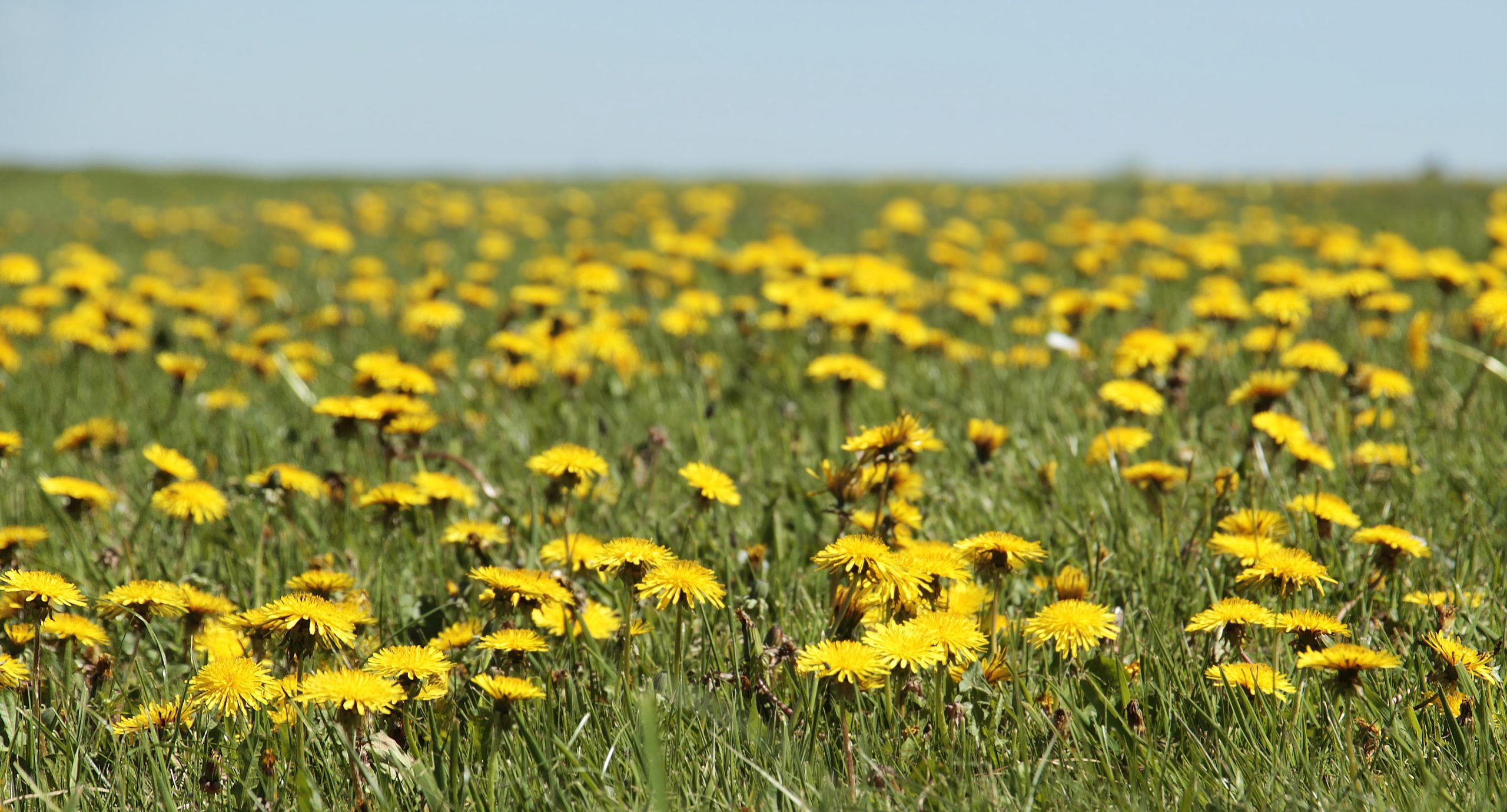
Homeowners and gardeners frequently encounter plants with bright yellow blooms and toothed leaves that look like dandelions, yet these imposters often belong to entirely different species. True dandelions (Taraxacum officinale) are among the most recognizable weeds worldwide, with their golden yellow flower heads, deeply toothed leaves, and fluffy seed puffs that children love to blow. However, numerous other plants have evolved to mimic these familiar features with remarkable accuracy.
The visual confusion between genuine dandelions and their lookalikes stems from shared characteristics—vivid yellow composite flowers, basal rosettes of lobed leaves, and hollow flower stalks that exude milky sap when broken. Many of these imposters belong to the same Asteraceae family, which explains their striking similarities and creates ongoing identification challenges for homeowners and lawn care professionals.
Mistaking these weedy lookalikes for dandelions can lead to ineffective control measures or unintended consequences. Some of these plants possess extensive root systems that make them even more persistent than true dandelions, while others produce toxic compounds or harbor pests that threaten garden health.
In this guide, we profile ten troublesome weeds that look like dandelions (Taraxacum officinale), outline key distinguishing features, and present effective management strategies for maintaining control over these persistent yellow-flowered intruders.
10 Weeds That Look Like Dandelions
1. Cat’s Ear (Hypochaeris radicata) – The Rough-Leaved Dandelion Mimic
Cat’s ear produces bright yellow flowers that are nearly indistinguishable from dandelions, with deeply lobed, hairy leaves forming a basal rosette. This perennial reaches 6-24 inches in height with branching, hairy flower stalks that are solid, unlike the hollow stems of true dandelions. The leaves are covered with stiff, bristly hairs that give them a rough texture.
Native to Europe, cat’s ear has naturalized across North America, frequently invading lawns, pastures, and disturbed areas. Its deep taproot and prolific seed production make it exceptionally persistent. Unlike dandelions, cat’s ear produces multiple flowers per plant on branched stalks, rather than a single flower per unbranched stem.
Control requires persistent digging to remove the taproot or broadleaf herbicides containing 2,4-D or dicamba. Its hairy leaves, branched flower stalks, and rough texture provide reliable distinguishing features from dandelions.
2. Hawkweed (Hieracium spp.) – The Orange and Yellow Dandelion Lookalike
Hawkweed species produce yellow or orange dandelion-like flowers on hairy, leafless stems. This perennial reaches 6-24 inches in height with basal rosettes of hairy, lobed leaves. Its flowers are similar to dandelions but often smaller and more numerous, with multiple flowers per plant.
Native to Europe and Asia, hawkweeds have naturalized across North America, frequently invading lawns, meadows, and disturbed areas. Some species spread aggressively through rhizomes and stolons, forming dense patches that displace desirable vegetation. The plant produces milky sap when broken, similar to dandelions.
Control requires systemic herbicides containing glyphosate or triclopyr, applied when the plant is actively growing. Its hairy leaves, multiple flowers, and rhizomatous spread provide distinguishing features from dandelions.
3. Sow Thistle (Sonchus spp.) – The Prickly Dandelion Imposter
Sow thistle produces bright yellow flowers that resemble dandelions, with lobed, prickly leaves that have a distinct bluish-green color. This annual or perennial reaches 2-6 feet in height with hollow, branching stems that exude milky sap when broken. Its leaves have spiny margins that make them unpleasant to handle.
Native to Europe and Asia, sow thistle has naturalized worldwide, frequently appearing in gardens, fields, and disturbed areas. Its rapid growth and prolific seed production allow it to spread quickly, often becoming a significant weed in cultivated areas. The plant is edible but has a bitter taste.
Control requires hand-pulling before seed set or broadleaf herbicides containing 2,4-D or glyphosate. Its prickly leaves, branching stems, and spiny margins provide reliable distinguishing features from dandelions.
4. Chicory (Cichorium intybus) – The Blue-Flowered Dandelion Relative
Chicory produces a basal rosette of deeply lobed leaves that strongly resemble dandelions in their early growth stages. This perennial reaches 2-5 feet in height with branching, rigid stems and produces distinctive blue, lavender, or occasionally white flowers. The leaves are similar to dandelions but have a more bitter taste.
Native to Europe and Asia, chicory has naturalized across North America, frequently appearing along roadsides, fields, and disturbed areas. Its deep taproot makes it difficult to control, and its self-seeding habit allows it to spread readily. The plant is cultivated for its edible roots and leaves.
Control requires persistent digging to remove the taproot or herbicides containing glyphosate or 2,4-D. Its blue flowers, rigid stems, and bitter taste provide reliable distinguishing features from dandelions.
5. Flatweed (Hypochaeris glabra) – The Smooth-Leaved Dandelion Mimic
Flatweed, also called smooth cat’s ear, produces yellow flowers that resemble dandelions, with smooth or sparsely hairy leaves forming a basal rosette. This annual or perennial reaches 6-18 inches in height with branching, leafless flower stalks. Its leaves are similar to dandelions but generally smaller and less deeply lobed.
Native to Europe, flatweed has naturalized across North America, frequently invading lawns, fields, and disturbed areas. Its self-seeding habit allows it to spread readily, often forming dense patches. The plant is less persistent than true dandelions but can still be troublesome.
Control requires hand-pulling before seed set or broadleaf herbicides. Its smooth leaves, smaller size, and multiple flowers per plant provide distinguishing features from dandelions.
6. Wild Lettuce (Lactuca serriola) – The Tall Dandelion Lookalike
Wild lettuce produces deeply lobed, prickly leaves in a basal rosette that resembles dandelions in early spring. This annual or biennial reaches 2-6 feet in height with tall, branching stems that exude milky sap when broken. Its yellow flowers are smaller than dandelions and appear in clusters at the top of the plant.
Native to Europe and Asia, wild lettuce has naturalized across North America, frequently appearing in gardens, fields, and disturbed areas. Its rapid growth and prolific seed production allow it to spread quickly, often becoming a significant weed in cultivated areas. The plant has been used in traditional medicine as a mild sedative.
Control requires hand-pulling before seed set or broadleaf herbicides containing 2,4-D or glyphosate. Its tall stems, clustered flowers, and prickly leaves provide reliable distinguishing features from dandelions.
7. Fall Dandelion (Leontodon autumnalis) – The Autumn-Blooming Lookalike
Fall dandelion produces yellow flowers that strongly resemble true dandelions, with deeply lobed leaves forming a basal rosette. This perennial reaches 6-18 inches in height with branching, leafless flower stalks that bear multiple flowers. Its leaves are similar to dandelions but often more deeply lobed and hairy.
Native to Europe, fall dandelion has naturalized across North America, frequently invading lawns, meadows, and disturbed areas. Its blooming period extends into autumn, unlike true dandelions that bloom primarily in spring. The plant spreads through seeds and is less persistent than true dandelions.
Control requires hand-pulling before seed set or broadleaf herbicides. Its multiple flowers, branching stalks, and autumn blooming period provide distinguishing features from dandelions.
8. Rough Hawkbit (Leontodon hispidus) – The Hairy Dandelion Lookalike
Rough hawkbit produces bright yellow flowers that resemble dandelions, with hairy, deeply lobed leaves forming a basal rosette. This perennial reaches 6-18 inches in height with unbranched flower stalks that bear a single flower, similar to true dandelions. Its leaves are covered with rough hairs that give them a bristly texture.
Native to Europe, rough hawkbit has naturalized in parts of North America, frequently invading lawns, pastures, and disturbed areas. Its deep taproot and prolific seed production make it persistent. The plant is similar to cat’s ear but has unbranched flower stalks.
Control requires persistent digging to remove the taproot or broadleaf herbicides. Its hairy leaves and single flower per stalk provide distinguishing features from dandelions.
9. Yellow Salsify (Tragopogon dubius) – The Giant Dandelion Lookalike
Yellow salsify produces large, yellow flowers that resemble giant dandelions, with long, grass-like leaves forming a basal rosette. This biennial reaches 1-3 feet in height with branched stems and produces enormous, dandelion-like seed heads that can reach 4-5 inches in diameter. Its flowers open only in the morning and close by midday.
Native to Europe and Asia, yellow salsify has naturalized across North America, frequently appearing along roadsides, fields, and disturbed areas. Its large seed heads are particularly noticeable. The plant has an edible root that tastes similar to oysters.
Control requires hand-pulling before seed set or broadleaf herbicides. Its giant seed heads, grass-like leaves, and midday flower closure provide distinguishing features from dandelions.
10. Narrowleaf Hawksbeard (Crepis tectorum) – The Small-Flowered Dandelion Mimic
Narrowleaf hawksbeard produces small, yellow flowers that resemble dandelions, with narrow, deeply lobed leaves forming a basal rosette. This annual reaches 6-24 inches in height with branching stems and multiple flowers per plant. Its leaves are narrower and more deeply lobed than true dandelions.
Native to Europe and Asia, narrowleaf hawksbeard has naturalized across North America, frequently invading lawns, fields, and disturbed areas. Its self-seeding habit allows it to spread readily, often forming dense patches. The plant is less persistent than true dandelions but can still be troublesome.
Control requires hand-pulling before seed set or broadleaf herbicides. Its narrow leaves, multiple flowers, and branching stems provide distinguishing features from dandelions.
7 Proven Strategies For Dandelion Identification Success
-
Examine flower stalks: True dandelions have hollow, unbranched flower stalks that bear a single flower and exude milky sap when broken. Lookalikes often have branched, solid stalks (cat’s ear) or multiple flowers per plant (hawkweed, flatweed).
-
Analyze leaf texture: Dandelion leaves are smooth or slightly hairy, deeply toothed, and form a basal rosette. Lookalikes may have hairy leaves (cat’s ear), prickly leaves (sow thistle), or narrower leaves (narrowleaf hawksbeard).
-
Check for multiple flowers: True dandelions produce one flower per stalk. Lookalikes often produce multiple flowers per plant on branched stems, providing a key distinguishing feature.
-
Consider blooming period: Dandelions bloom primarily in spring, though they can flower year-round in mild climates. Lookalikes may bloom at different times—fall dandelion blooms in autumn; yellow salsify flowers only in the morning.
-
Look for distinctive features: Sow thistle has prickly leaves; chicory has blue flowers; wild lettuce has tall, branched stems; cat’s ear has rough, hairy leaves. These features provide reliable identification clues.
-
Assess habitat preferences: True dandelions thrive in lawns, disturbed areas, and compacted soils. Lookalikes may prefer different habitats—moist areas (sow thistle), dry fields (flatweed), or roadsides (yellow salsify).
-
Consult identification resources: Use field guides, university extension resources, or plant identification apps when uncertain. Positive identification is essential before taking any management action.
Frequently Asked Questions About Dandelion Lookalike Weeds
1. Which weed looks most like a dandelion?
Cat’s ear (Hypochaeris radicata) is the weed most frequently mistaken for a dandelion, with its bright yellow flowers, deeply lobed leaves, and similar growth habit. However, cat’s ear has hairy, rough leaves and branched flower stalks that distinguish it from true dandelions.
2. How can I tell the difference between dandelions and cat’s ear?
Examine the leaves—dandelion leaves are smooth or slightly hairy; cat’s ear leaves are covered with stiff, bristly hairs that feel rough. Check the flower stalks—dandelions have hollow, unbranched stalks with a single flower; cat’s ear has branching, solid stalks with multiple flowers.
3. Are there toxic weeds that look like dandelions?
Most dandelion lookalikes are not highly toxic, though some may cause skin irritation or digestive distress if consumed. Wild lettuce contains compounds that can be sedative in large quantities. Always properly identify any plant before consumption or handling without gloves.
4. Should I remove weeds that look like dandelions?
Yes, most dandelion lookalikes are persistent weeds that compete with desirable plants. Cat’s ear, sow thistle, and hawkweed can form dense patches that reduce lawn quality and garden productivity. Remove lookalikes to maintain healthy turf and garden beds.
5. Can dandelions cross-pollinate with lookalike weeds?
Dandelions belong to the Taraxacum genus, while most lookalikes belong to different genera—Hypochaeris (cat’s ear), Hieracium (hawkweed), or Sonchus (sow thistle). Cross-pollination is generally not possible between different genera. Removing lookalikes before flowering prevents any potential confusion.
6. What herbicide kills dandelion lookalikes without harming lawns?
Selective broadleaf herbicides containing 2,4-D, dicamba, or triclopyr effectively control dandelion lookalikes in lawns while preserving desirable turf grasses. For garden beds, spot applications of glyphosate to individual weeds (with careful shielding) may be appropriate. Always follow label instructions.
7. Why do dandelion lookalikes appear in my lawn?
Dandelion lookalikes thrive in disturbed soils, compacted conditions, and sunny locations—the same conditions favored by true dandelions. Their seeds often persist in soil seed banks and germinate when conditions are favorable. Mowing practices and natural seed dispersal introduce these weeds to lawns and gardens.
Final Thoughts
Identifying true dandelions among the numerous weeds that look like dandelions demands careful attention to flower stalk structure, leaf texture, growth habits, and blooming patterns. The iconic yellow blooms of dandelions often distract from subtle but reliable identification clues, making thorough observation essential for successful lawn and garden stewardship.
Cat’s ear stands as the most frequently encountered dandelion lookalike, its rough, hairy leaves and branched flower stalks creating persistent identification challenges.
Sow thistle and hawkweed present additional confusion in different habitats, while chicory’s blue flowers provide a clear distinction when present. Each imposter reveals distinguishing characteristics that reward attentive observation.
Armed with knowledge of flower stalk structure, leaf morphology, blooming periods, and unique distinguishing features, homeowners and gardeners can confidently identify genuine dandelions while removing deceptive relatives. Regular monitoring, timely intervention, and informed management decisions provide the foundation for maintaining healthy lawns and gardens while keeping your landscape free from these persistent yellow-flowered intruders that look like dandelions.