Weevils are small beetles belonging to the superfamily Curculionoidea, and many species are recognized by their elongated snouts and specialized mouthparts. Their activities vary considerably depending on the species, but most feed on plants, seeds, stored grains, or other organic materials during different stages of their life cycle.
Some weevils damage crops by chewing leaves, boring into stems, feeding on roots, or laying eggs inside developing seeds and fruits. Others attack stored food products, reducing grain quality and creating serious postharvest losses for households, farmers, and food processors.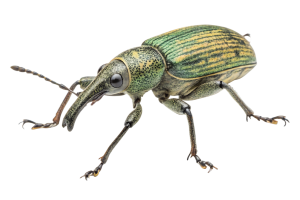
Although many weevils are considered agricultural pests, their ecological roles and feeding habits differ across habitats and host plants. Understanding what does a weevil do helps farmers, gardeners, and food handlers identify the type of damage these beetles cause and choose appropriate management measures.
In this guide, we explain 15 important activities performed by weevils, including how they feed, reproduce, damage plants, and interact with their environments. These behaviors help explain why weevils can become persistent pests in agricultural fields, gardens, warehouses, and household food storage areas.
What Does A Weevil Do? 15 Things: Understanding Its Behavior and Impact
1. Weevils Feed on Plant Leaves
One common activity performed by adult weevils is feeding on plant foliage using their chewing mouthparts. They often leave small holes, notches, or irregular feeding marks along leaf margins, depending on the species and host plant.
Leaf-feeding weevils can attack vegetables, ornamental plants, fruit trees, and field crops. Heavy infestations may reduce leaf area, interfere with photosynthesis, and weaken young plants, although the severity depends on the insect population and the crop’s ability to replace damaged foliage.
Some species feed mainly at night and hide around the soil surface or beneath plant debris during daylight hours. Inspecting leaves for fresh feeding marks and checking nearby plant debris can help reveal their presence.
2. Weevils Bore Into Seeds and Grains
Several weevil species attack seeds and cereal grains by boring into individual kernels. The female may use her elongated snout to prepare a small opening before depositing an egg, after which the developing larva feeds inside the grain.
Rice weevils and granary weevils are important examples because their larvae develop within stored cereal kernels. Internal feeding can hollow out grains, reduce their weight, and leave damaged kernels that are unsuitable for high-quality food processing.
Infested grain may contain small holes, powdery residues, and developing insects that are difficult to notice during early infestation. Proper drying, sanitation, and airtight storage practices help reduce the risk of stored-grain damage.
3. Weevils Feed on Plant Roots
Some weevil larvae live in the soil and feed on plant roots during their immature development. Their chewing activity can damage fine roots, larger root systems, and underground storage organs, depending on the species.
Root-feeding weevils may cause plants to become weak, wilt, turn yellow, or grow slowly because damaged roots cannot absorb water and nutrients efficiently. Severe infestations can kill young plants, particularly when the larvae destroy the main roots or girdle the root crown.
The damage is not always immediately visible because larvae remain underground while feeding. Uprooting a few affected plants and examining their roots and surrounding soil can help determine whether root-feeding larvae are responsible.
4. Weevils Lay Eggs Inside Plant Tissues
Female weevils use specialized mouthparts to prepare suitable places for egg deposition. Depending on the species, they may lay eggs inside seeds, fruits, stems, buds, or other plant tissues that provide food for developing larvae.
This reproductive behavior gives newly hatched larvae access to a food source without requiring them to travel far. It also makes certain infestations difficult to detect because eggs and young larvae remain concealed within plant material.
Egg-laying behavior differs considerably among weevil groups, so not every species deposits eggs inside plant tissues. Some species place their eggs in the soil or on the surface of suitable host material.
5. Weevils Damage Stored Food Products
Stored-product weevils attack commodities such as rice, maize, wheat, beans, and other seeds. Adults and larvae feed on stored materials, reducing their weight, nutritional quality, and commercial value.
Infested food may develop holes, powdery residues, unpleasant odors, and visible insect contamination. When infestations become severe, affected products can suffer substantial losses during storage and may become unsuitable for sale or consumption.
The risk increases when grains are stored with excessive moisture, poor sanitation, or inadequate protection against insect entry. Cleaning storage facilities, drying commodities properly, and using suitable sealed containers are important preventive measures.
6. Weevils Chew Plant Stems
Certain weevil species feed on or bore into plant stems, creating wounds that interfere with normal plant development. Their larvae may tunnel through internal tissues, while adults can produce visible feeding damage on the outside of stems.
Stem boring can interrupt the movement of water and nutrients between roots and leaves. Depending on the crop and infestation level, affected plants may wilt, develop weak shoots, break easily, or show dead sections above the damaged area.
Farmers should inspect stems for entry holes, frass, discoloration, and unusual wilting. Cutting open a damaged stem may reveal tunnels or larvae that help confirm the cause of injury.
7. Weevils Feed on Fruits and Developing Buds
Some weevils attack flowers, developing buds, and fruits, causing damage before crops reach maturity. Adults may chew external plant tissues, while larvae can develop inside fruits or other reproductive structures.
Fruit-feeding activity can cause premature fruit drop, malformed produce, internal tunneling, and reduced market quality. The economic impact is particularly important in fruit crops where even relatively small amounts of visible damage can make produce difficult to sell.
Monitoring flowers and young fruits helps farmers detect feeding activity before infestations become widespread. Removing heavily infested plant material can also reduce the number of developing insects in affected areas.
8. Weevils Undergo Complete Metamorphosis
Weevils develop through four distinct life stages: egg, larva, pupa, and adult. This process is known as complete metamorphosis, and each stage has a different appearance and biological function.
The larva is usually the main feeding and growth stage, although adults of many species also consume plant or stored-product material. After reaching maturity, the larva enters the pupal stage, during which it transforms into an adult beetle.
The duration of development varies with species, temperature, humidity, and food availability. Understanding the life cycle helps pest managers identify vulnerable stages and plan appropriate monitoring and control measures.
9. Weevils Use Their Snouts to Feed and Reproduce
Many weevils have an elongated head structure called a rostrum, commonly described as a snout. Their chewing mouthparts are located at its tip, allowing them to feed on plant material and prepare openings for egg deposition.
The length and shape of the rostrum vary among species and are useful features for identification. Some weevils have relatively short, broad snouts, while others possess long and narrow structures adapted to particular feeding or reproductive activities.
Female weevils may use the rostrum to bore into seeds, fruits, or other suitable tissues before laying eggs. This specialized structure is one of the most recognizable features distinguishing many weevils from other beetles.
10. Weevils Hide in Soil and Plant Debris
Many weevils spend periods resting or sheltering beneath leaves, soil particles, bark, and other plant debris. These hiding places provide protection from predators, excessive sunlight, and unfavorable environmental conditions.
Some adult species are active mainly at night, emerging from their hiding places to feed on nearby plants. Their behavior can make infestations difficult to detect through daytime inspections alone.
Removing unnecessary plant debris and maintaining clean growing areas can reduce suitable hiding places around susceptible crops. However, sanitation should be combined with proper identification because different weevil species occupy different habitats.
11. Weevils Spread Through Infested Agricultural Products
Weevils can spread from one location to another through the movement of infested seeds, grains, planting materials, and harvested commodities. This is particularly important for stored-product species that can remain concealed inside kernels during transportation.
Farmers and food processors may unintentionally introduce an infestation when they purchase or move contaminated agricultural products. Once introduced, suitable food and favorable storage conditions can allow populations to increase.
Inspecting incoming commodities and separating suspicious batches helps reduce the risk of introducing weevils into clean storage facilities. Good stock rotation and regular inspection are also important components of stored-product pest management.
12. Weevils Compete With Other Organisms for Food
Weevils that feed on seeds, plant tissues, and stored commodities can compete with other insects and organisms that depend on the same resources. In warehouses, several stored-product pests may occur together and contribute to commodity deterioration.
Competition becomes more noticeable when food resources are limited or insect populations are high. Different species may occupy separate feeding sites or attack different parts of the same stored commodity.
This competition does not necessarily reduce the damage caused by weevils. In heavily infested storage facilities, multiple pest species can increase total losses and make management more complicated.
13. Weevils Serve as Food for Natural Predators
Weevils form part of food webs because they are eaten by various predators and insect-eating animals. Depending on their habitat and life stage, they may be consumed by birds, spiders, predatory insects, amphibians, and other organisms.
Their eggs and larvae can also be attacked by parasitoids and other natural enemies. These biological relationships may contribute to natural regulation of weevil populations in agricultural and natural environments.
Conserving beneficial organisms can support integrated pest management, although natural enemies may not provide sufficient control during severe infestations. Farmers should identify the pest and evaluate the available biological control options before selecting an intervention.
14. Weevils Feed on Roots, Tubers, and Underground Plant Parts
Some weevils specialize in feeding on underground plant structures, including tubers, corms, roots, and other storage organs. Their larvae may tunnel through these tissues, producing cavities and internal damage that reduces crop quality.
Sweet potato weevils, for example, can damage both the underground roots and aboveground stems of sweet potato plants. Infested storage roots may become discolored, develop tunnels, and experience quality deterioration that makes them less suitable for consumption or sale.
Farmers should inspect harvested underground crops for tunnels, larvae, and unusual internal discoloration. Crop rotation, removal of infested residues, and the use of healthy planting material can help reduce the risk of recurring infestations.
15. Weevils Adapt to Different Habitats and Food Sources
Weevils occupy a wide range of environments, including forests, grasslands, agricultural fields, gardens, and food-storage facilities. Different species have evolved feeding habits that allow them to use particular plants, seeds, and other available resources.
Some species are highly specialized and depend on a narrow range of host plants, while others can feed on several related food sources. These differences explain why certain weevils become serious pests of specific crops while others have little direct agricultural importance.
Their ability to survive in different habitats also affects how they should be managed. Accurate identification of the species, host plant, and life stage is essential before selecting an effective control strategy.
7 Important Factors To Consider When Managing Weevils
1. Correct Identification of the Weevil Species
Different weevil species attack different crops and stored commodities, so accurate identification is the foundation of effective management. Examine the adult beetle, feeding marks, damaged plant parts, and larvae before deciding which control measures are appropriate.
2. Identification of the Damaged Plant Part
Determine whether the insects are feeding on leaves, roots, stems, fruits, seeds, or stored grains. The location of the damage helps narrow down the likely pest species and indicates where inspections should concentrate.
3. Inspection of the Weevil Life Cycle
Eggs, larvae, pupae, and adults may occupy different locations and respond differently to management practices. Identifying the dominant life stage helps determine the most suitable timing for intervention.
4. Sanitation Around Crops and Storage Facilities
Remove infested crop residues, spilled grain, and unnecessary plant debris that may provide food or shelter for weevils. Clean storage structures and equipment before introducing new agricultural products.
5. Proper Grain Drying and Storage
Stored-product weevils can multiply when suitable food and environmental conditions are available. Dry grains to appropriate safe storage moisture levels and use clean, well-sealed containers to reduce infestation risks.
6. Monitoring and Early Detection
Inspect susceptible plants and stored commodities regularly for feeding marks, holes, larvae, and adult beetles. Early detection allows farmers and food handlers to respond before populations become difficult to manage.
7. Appropriate Integrated Pest Management
Use a combination of cultural, mechanical, biological, and legally approved chemical control methods where necessary. Select treatments according to the identified species, crop, infestation level, and product label instructions.
What Does A Weevil Do Frequently Asked Questions
1. What is the main purpose of a weevil?
A weevil does not have a single ecological purpose, but it participates in food webs and plant-feeding relationships. Different species consume plant tissues, seeds, roots, fruits, and stored grains, while also serving as food for predators and parasitoids.
2. Are all weevils harmful to plants?
No, not all weevils cause significant agricultural damage. Some species feed on particular wild plants or occupy ecological niches without becoming serious pests, while others can damage economically important crops and stored food.
3. Do weevils bite humans?
Weevils are not generally considered dangerous to humans and do not normally bite people. Their mouthparts are adapted primarily for feeding on plant materials and seeds rather than attacking humans.
4. What do weevils eat?
Weevils feed on different materials depending on their species and developmental stage. Their food sources include leaves, roots, stems, fruits, seeds, cereal grains, and other plant tissues.
5. Where do weevils lay their eggs?
The egg-laying location depends on the species. Some females deposit eggs inside seeds, grains, fruits, or stems, while others lay eggs on plant surfaces or in the soil.
6. How do weevils damage crops?
Weevils damage crops through feeding and egg-laying activities. Their larvae may tunnel through roots, stems, fruits, and seeds, while adults can chew leaves and other exposed plant tissues.
7. How can farmers control weevils?
Farmers can manage weevils through correct identification, regular monitoring, field sanitation, crop rotation where appropriate, and proper storage practices. Biological and chemical control options may also be considered when necessary, using methods approved for the particular crop and pest.
Conclusion
In conclusion, weevils perform several activities that influence plants, stored agricultural products, and natural ecosystems. Their feeding, reproduction, and development can cause substantial agricultural losses when pest populations become established.
The most important activities to understand include feeding on leaves, boring into grains, damaging roots, and reproducing inside plant tissues. These behaviors explain why different weevil species require different monitoring and management strategies.
For farmers, early identification and integrated pest management are the best approaches to reducing weevil damage, while proper grain drying and storage remain essential for protecting harvested commodities. Regular inspection is also important because infestations can remain hidden inside seeds, stems, and underground plant parts.
Understanding what weevils do makes it easier to distinguish harmless species from economically important pests and respond appropriately. With accurate identification, good sanitation, and timely intervention, farmers and food handlers can reduce losses while supporting more sustainable pest management.