Yellow Toadflax (Linaria vulgaris) is a tough and invasive perennial weed that can quickly spread across pastures, fields, and gardens. Its deep root system and ability to regrow from fragments make it extremely difficult to control with standard weeding methods. This is why choosing the best herbicide for Yellow Toadflax is critical for long-term management.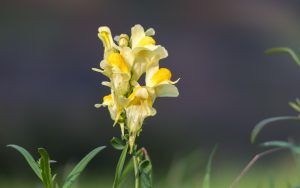
Farmers, land managers, and gardeners often face challenges with this weed because it competes aggressively with crops and native plants.
Effective control requires the right combination of herbicides, application timing, and consistent management practices. By selecting the proper herbicide, you can reduce the spread of Yellow Toadflax and maintain healthier landscapes.
In this guide, we will explore the 10 best herbicides for Yellow Toadflax, their effectiveness, benefits, and potential drawbacks to provide you with practical solutions. Let’s dive in and discover the top options that can help you eliminate this stubborn weed.
10 Best Herbicide For Yellow Toadflax
1. Tordon 22K – Best for Long-Term Control
Tordon 22K is a powerful herbicide widely recognized for its ability to control deep-rooted perennial weeds like Yellow Toadflax. It works by translocating through the plant’s vascular system and destroying it from the root up. This systemic action ensures long-term results when applied properly.

Application of Tordon 22K is most effective in the spring or fall when the plant is actively growing. It can be applied using ground or aerial spraying, depending on the scale of infestation. This herbicide is especially useful in rangeland and non-crop areas where Yellow Toadflax spreads aggressively.
While effective, Tordon 22K should be used with caution as it can persist in the soil and affect non-target plants. Proper safety measures and adherence to label directions are necessary to minimize environmental risks.
Pros:
• Long-lasting
• Systemic control
• Effective roots
• Rangeland use
• Broad coverage
• Strong formula
• Proven results
Cons:
• Soil persistence
• Non-target risk
• Restricted use
2. Milestone Herbicide – Best for Targeted Weed Control
Milestone is another highly effective option for managing Yellow Toadflax infestations. It works systemically, moving throughout the plant to destroy the root system and above-ground growth. With its low application rates, Milestone offers strong results without the need for excessive chemical use.

- Protect gardens, lawns and landscaping with quality herbicides
- Provides fast knockdown with effective, long-lasting residual control
This herbicide is designed for rangeland, pasture, and non-crop sites, making it versatile for agricultural and conservation purposes. It is also known for its minimal volatility, which means reduced drift to nearby sensitive crops. The product ensures effective weed management when combined with proper grazing practices.
One key advantage of Milestone is its reduced soil persistence compared to other strong herbicides. However, caution should still be taken when planting sensitive crops soon after application.
Pros:
• Low rates
• Root control
• Reduced drift
• Effective rangeland
• Easy handling
• Fast action
• Reliable choice
Cons:
• Crop limits
• Costly option
• Residual risk
3. Curtail Herbicide – Best for Pasture Management
Curtail combines Clopyralid and 2,4-D to deliver effective control against Yellow Toadflax and other broadleaf weeds. The dual active ingredients ensure systemic action, preventing regrowth from the deep root system. This makes Curtail especially useful for large-scale infestations.

- Covers up to 4,000
- Kills 200+ weeds
It is commonly used in pasture and rangeland areas where livestock grazing is common. Curtail allows controlled grazing after a waiting period, making it practical for integrated weed management. Its broad-spectrum activity also helps control other invasive species.
However, Curtail should be applied carefully to avoid damaging nearby sensitive plants. Always follow label instructions and observe restrictions regarding water sources and drift potential.
Pros:
• Dual action
• Root kill
• Pasture safe
• Broad spectrum
• Systemic effect
• Reliable formula
• Grazing option
Cons:
• Sensitive crops
• Drift issues
• Waiting period
4. Plateau Herbicide – Best for Selective Weed Control
Plateau herbicide is widely used for selective control of Yellow Toadflax in native grass restoration and wildlife habitat projects. Its active ingredient, Imazapic, provides both pre-emergent and post-emergent action. This dual ability makes it a versatile option for land managers.

The herbicide is absorbed by roots and foliage, ensuring deep systemic control. It helps suppress new seed germination while targeting established Yellow Toadflax plants. This ensures longer-lasting results with fewer reapplications.
Plateau is known for being less harmful to many desirable native grasses, making it valuable in conservation projects. However, it may not be as aggressive as other herbicides when infestations are extremely heavy.
Pros:
• Selective action
• Dual control
• Long-lasting
• Grass friendly
• Habitat safe
• Systemic effect
• Prevents germination
Cons:
• Less potent
• Limited crops
• Slower action
5. Banvel Herbicide – Best for Versatility
Banvel, with its active ingredient Dicamba, is a versatile herbicide that provides systemic control of Yellow Toadflax. It is absorbed through leaves and roots, making it effective on both surface growth and underground structures. The product is valued for its broad-spectrum weed management capabilities.

- CROP-SAFE WEED KILLER: This herbicide weed killer targets broadleaf weeds in a variety of crops, including corn, soybean, cotton, sugarcane, and turf. Its fast-acting formula ensures long-lasting results, keeping your fields and pastures clean
- FLEXIBLE FIELD COVERAGE: Compatible with both ground and aerial application equipment, this broadleaf herbicide is easy to apply regardless of your farming setup. Whether treating dense vegetation or large-acreage fields, you can depend on consistent coverage
This herbicide is commonly applied in agricultural fields, rights-of-way, and pastures. Its ability to control multiple invasive species makes it a reliable choice for land managers. When used in tank mixes, Banvel enhances performance against stubborn perennial weeds.
However, Dicamba has a tendency to drift, which can damage sensitive crops nearby. Extra caution and proper application methods are essential to avoid unintended damage.
Pros:
• Broad spectrum
• Systemic kill
• Effective roots
• Tank-mixable
• Pasture use
• Affordable choice
• Reliable action
Cons:
• Drift risk
• Crop injury
• Use caution
6. Telar XP – Best for Long-Term Suppression
Telar XP contains Chlorsulfuron, a herbicide that delivers excellent long-term suppression of Yellow Toadflax. Its systemic action ensures that the chemical is absorbed through leaves and roots for effective control. It is especially recommended for rangeland, non-crop sites, and rights-of-way.

- PRO TIP: Due to the custom peg spacing design of knitting loom, the pegs need to be installed manually! Just align the pegs correctly and press firmly into place (as shown in the product diagram steps for quick and easy installation), or use other tools to assist if necessary.
- [New Upgraded - Two Types Removable-pegs Knitting Loom For All Yarn] This UCDRMA's adjustable knitting loom with two sizes of removable pegs, and each size has two colors to help you mark the starting stitch. Allows you to customize the stitch spacing to match yarn thickness and stitch density (such as adding small pegs with fine yarn for tighter knit; or switching to large pegs with thick yarn and spacing one pin to knit a thick project), customizing the knitting density for any project.
Telar XP is valued for its soil residual activity, which prevents re-emergence of Yellow Toadflax for extended periods. It can be applied alone or in mixtures with other herbicides for broader control. Its effectiveness improves when applied during active growth stages.
However, its residual nature means crop rotation options may be limited. Users must carefully consider site use and future planting plans before application.
Pros:
• Long suppression
• Systemic action
• Residual effect
• Mix compatible
• Strong formula
• Rangeland use
• Weed prevention
Cons:
• Crop limits
• Soil impact
• Restricted areas
7. Roundup Pro Concentrate – Best for Spot Treatment
Roundup Pro Concentrate is a glyphosate-based herbicide widely used for targeted spot treatments of Yellow Toadflax. It kills plants by inhibiting enzyme activity essential for growth. This non-selective herbicide provides complete control when applied directly to the weed.
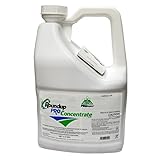
- Round Up Pro is used in many situations from agricultural farming to industrial vegetation management; It can also be used around residential homes and commercial businesses to control unwanted weeds; Roundup Pro is also used by many highway right of way (ROW) management companies, cities, counties, and municipal governments
- Easy to use
It is particularly effective in small infestations or areas where precision is needed. Roundup Pro Concentrate is fast-acting, ensuring visible results within days of application. It is suitable for both agricultural and residential weed management.
Because it is non-selective, Roundup can harm desirable plants if not applied carefully. Protective measures such as shielded sprayers are recommended during application.
Pros:
• Fast action
• Easy use
• Spot control
• Non-selective
• Affordable cost
• Reliable brand
• Visible results
Cons:
• Kills all
• Drift danger
• Repeat needed
8. Escort XP – Best for Rights-of-Way
Escort XP is formulated with Metsulfuron-methyl, a powerful herbicide for controlling Yellow Toadflax and other invasive species. It works systemically, attacking both roots and shoots for effective suppression. Escort XP is often used in utility, forestry, and right-of-way management.

- MSM 60 offers POST- EMERGENT broadleaf weed control in non-crop industrial sites, forestry, and vegetation control in and around roadsides/railways.
- SUPPRESSES undesirable weeds and hardwoods in conifer plantations
Its low use rates make it cost-effective while still delivering strong results. Escort XP also provides residual control, helping to prevent regrowth for extended periods. It works well in tank mixes, enhancing its performance against stubborn infestations.
However, Escort XP should be used carefully in sensitive environments due to its soil activity. Always follow environmental guidelines to prevent contamination.
Pros:
• Systemic kill
• Residual effect
• Cost-effective
• Low rates
• Tank-mixable
• Broad control
• Reliable choice
Cons:
• Soil impact
• Crop limits
• Restricted areas
9. WeedMaster – Best for Agricultural Use
WeedMaster is a dual-action herbicide containing Dicamba and 2,4-D, designed for agricultural and pasture applications. This combination ensures strong systemic control of Yellow Toadflax while managing other broadleaf weeds. Its broad spectrum makes it an efficient option for mixed infestations.

- Active Ingredients: 2,4-D and dicamba - Provides tough, long-lasting control of a broad spectrum of annual, biennial, and perennial broadleaf weeds and brush in grass forages and selected row crops
- Versatile Usage: Ideal for conservation reserve program land, fallow systems, general farmstead, sorghum, grass (hay or silage), pastures, rangeland, sugarcane, wheat, corn (pre-plant and pre-emergence), soybeans (pre-plant), and cotton (pre-plant). Also for control of brush and broadleaf weeds on rights-of-way, forest brush, industrial sites, non-irrigation ditchbanks, fence rows, and other labeled non-crop areas
The product works best when applied during the active growing season of Yellow Toadflax. It offers flexibility for both broadcast and spot treatments, depending on infestation levels. WeedMaster provides farmers with a dependable solution for large-scale weed control.
Due to drift and non-target sensitivity, careful application is necessary near sensitive crops and water sources. Always check restrictions for your region before applying.
Pros:
• Dual action
• Systemic kill
• Broad spectrum
• Farm friendly
• Versatile use
• Proven formula
• Effective results
Cons:
• Drift risk
• Crop injury
• Region limits
10. GrazonNext HL – Best for Rangeland Weed Control
GrazonNext HL combines Aminopyralid and 2,4-D to provide superior control of Yellow Toadflax in pastures and rangeland. This systemic herbicide moves through the plant to attack both above-ground and root systems. Its dual mode of action ensures reliable long-term suppression.

- Top rated pasture herbicide
- Low-odor; Works on the entire plant roots and top growth
It is particularly effective in areas with heavy livestock grazing, as it allows safe grazing once the waiting period is observed. GrazonNext HL also controls other invasive weeds, making it a versatile management tool. Its wide coverage reduces the need for frequent reapplications.
Users must remain cautious about applying GrazonNext HL near sensitive crops or water sources. It is a restricted-use product in some regions, requiring proper licensing for application.
Pros:
• Dual action
• Root control
• Grazing safe
• Broad spectrum
• Long-lasting
• Strong formula
• Wide coverage
Cons:
• Restricted use
• Drift issues
• Crop sensitive
Herbicides for Yellow Toadflax FAQs
1. What is the best time to apply herbicides for Yellow Toadflax?
The best time is during active growth in spring or fall when the plant transports nutrients to its roots. This ensures deeper systemic absorption. Applications outside this period are less effective.
2. Can Yellow Toadflax regrow after herbicide treatment?
Yes, it can regrow if the herbicide does not fully kill the root system. Multiple treatments may be required for complete control. Consistency is key in eradication efforts.
3. Are these herbicides safe for livestock?
Some herbicides like GrazonNext HL and Curtail allow controlled grazing after a waiting period. Always read product labels carefully. Safety guidelines should be followed strictly.
4. How long do these herbicides remain active in the soil?
Residual activity varies depending on the herbicide. Some last for months while others degrade quickly. This can impact crop rotation plans.
5. Can I mix herbicides for better results?
Yes, certain herbicides can be safely tank-mixed to improve control. Always confirm compatibility before mixing. Follow label directions to avoid risks.
6. Do herbicides harm beneficial plants?
Non-selective herbicides can harm all plants they touch. Selective herbicides target only specific species. Proper application prevents damage to desirable vegetation.
7. What precautions should I take when using these herbicides?
Wear protective gear, avoid spraying in windy conditions, and follow label instructions. Take care to prevent drift to nearby crops. Store chemicals safely out of reach of children and animals.
Conclusion
Controlling Yellow Toadflax requires persistence, strategy, and the right herbicides. Each of the 10 best herbicides listed above offers unique benefits, whether for rangeland, pastures, or targeted spot treatments. Choosing the right product depends on your land type, crop sensitivity, and long-term management goals.
By applying these herbicides correctly and consistently, you can suppress Yellow Toadflax and restore balance to your land. Remember that follow-up treatments and integrated management practices are essential. Safe application ensures protection for livestock, crops, and the environment.
Take action today and choose the herbicide that best fits your weed control needs. With the right approach, you can finally gain control over Yellow Toadflax and protect your pastures and fields. Don’t delay—start your weed management plan now for lasting results.