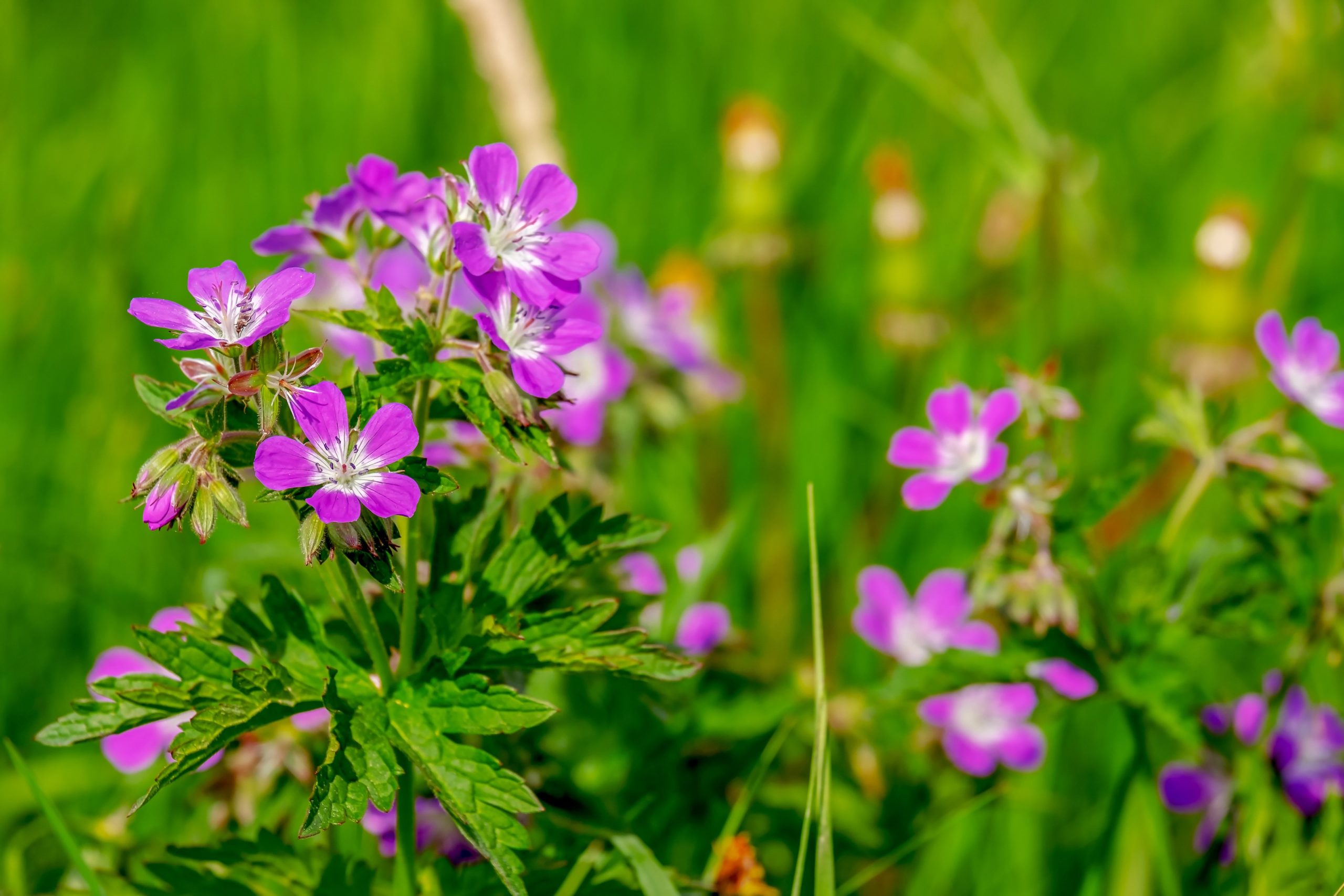
Gardeners often find themselves puzzled by plants with rounded, lobed leaves that look like geranium leaves but lack the vibrant blooms they expect. True geraniums (Geranium spp.), also known as cranesbills, are cherished for their attractive foliage and delicate five-petaled flowers, yet numerous weeds have evolved foliage that mimics these beloved ornamental characteristics with surprising precision.
The confusion between genuine geraniums and their leafy lookalikes arises from shared morphological features—rounded, palmately lobed leaves with scalloped margins, often with distinctive markings or zones. 
Many of these imposters belong to different plant families yet have converged on similar leaf shapes through evolutionary adaptation, making visual identification particularly challenging, especially when plants are not in flower.
Misidentifying these weedy lookalikes can lead to unintended consequences in your landscape. Some aggressive invaders form dense groundcovers that smother desirable plants, while others produce toxic compounds or harbor pests that threaten garden health.
In this guide, we examine ten troublesome weeds that look like geranium leaves, provide reliable identification characteristics, and offer expert recommendations for managing these botanical deceivers in your garden.
10 Weeds That Look Like Geranium Leaves
1. Herb Robert (Geranium robertianum) – The Native Geranium Confusion
Herb Robert is a true geranium species that can appear as a weed in gardens and disturbed areas. Its deeply lobed, fern-like leaves are similar to cultivated geraniums but more finely divided. This annual or biennial reaches 6-18 inches in height with reddish stems and produces small, pink five-petaled flowers.
Native to Europe and Asia, herb Robert has naturalized across North America, frequently appearing in woodlands, gardens, and shaded disturbed areas. Its self-seeding habit allows it to spread readily. While attractive, it can become weedy in favorable conditions, particularly in moist, shaded locations.
Control requires hand-pulling before seed set or herbicide applications. Its finely divided leaves and reddish stems provide distinguishing features from cultivated geraniums.
2. Cranesbill (Geranium spp.) – The Wild Geranium Relative
Several wild geranium species, including Geranium maculatum, produce leaves that closely resemble cultivated geraniums. Their rounded, palmately lobed leaves with scalloped margins are nearly identical to garden varieties. These perennials reach 1-3 feet in height with branching stems and produce pink, purple, or white flowers.
Native to North America, wild geraniums are common in woodlands, meadows, and disturbed areas. While desirable in naturalistic plantings, they can become weedy in gardens, spreading through self-seeding and rhizomes. Their value for pollinators makes them welcome in many settings.
Control is rarely necessary, but if unwanted, hand-pulling or division manages spread. Their native status and ecological benefits generally make wild geraniums welcome additions.
3. Ground Ivy (Glechoma hederacea) – The Creeping Geranium Lookalike
Ground ivy produces rounded, scalloped leaves that strongly resemble geranium foliage, with a creeping growth habit that forms dense mats. Its leaves are opposite, kidney-shaped, and have scalloped margins, similar to many geranium species. This perennial reaches 4-12 inches in height with square stems and produces small, blue-purple trumpet-shaped flowers in spring.
Native to Europe and Asia, ground ivy has naturalized across North America, frequently invading lawns, gardens, and shaded areas. Its aggressive stolons root at each node, allowing it to spread rapidly and form dense groundcovers that choke out desirable vegetation. The plant produces a mild minty aroma when crushed.
Control requires persistent hand-pulling, broadleaf herbicides containing triclopyr or dicamba, or improving growing conditions for desirable plants. Its creeping habit and square stems provide distinguishing features from upright geraniums.
4. Wild Violet (Viola sororia) – The Heart-Shaped Leaf Mimic
Wild violet produces rounded, heart-shaped leaves that can be mistaken for certain geranium species at a casual glance. This perennial reaches 4-8 inches in height with basal leaves and produces small, purple or white flowers in spring. Its leaves are smooth, dark green, and have scalloped margins.

- [Native Perennial] A charming North American native wildflower that forms low clumps of heart-shaped leaves. Returns year after year in suitable climates (zones 3-7) with minimal care.
- [Early Spring Blooms] Produces delicate flowers from early spring through late spring, often continuing into early summer. Blooms appear in shades of purple, blue and white depending on variety.
Native to North America, wild violet is common in lawns, woodlands, and disturbed areas throughout the eastern and central United States. Its spreading habit through rhizomes and self-seeding allows it to form dense patches. While attractive, it can become weedy in manicured lawns and gardens.
Control requires broadleaf herbicides containing 2,4-D, dicamba, or triclopyr. Hand-pulling is effective for small infestations. Its heart-shaped leaves and violet flowers provide reliable distinguishing features from geraniums.
5. Creeping Buttercup (Ranunculus repens) – The Shiny-Leaved Imposter
Creeping buttercup produces glossy, deeply lobed leaves that can resemble geranium foliage from a distance. This perennial reaches 6-18 inches in height with creeping stems that root at nodes. Its leaves are compound with three lobes, and it produces bright yellow, glossy flowers in spring and summer.
Native to Europe and Asia, creeping buttercup has naturalized across North America, frequently invading lawns, gardens, and moist disturbed areas. Its aggressive stolons allow it to spread rapidly, forming dense patches that choke out desirable vegetation. The plant contains toxic compounds that can irritate skin and digestive systems.
Control requires persistent hand-pulling, improved drainage, or broadleaf herbicides. Its shiny, yellow flowers and creeping habit provide reliable distinguishing features from geraniums.
6. Common Mallow (Malva neglecta) – The Rounded-Leaf Geranium Mimic
Common mallow produces rounded, lobed leaves with scalloped margins that strongly resemble geranium foliage. This annual or biennial reaches 6-24 inches in height with branching, spreading stems and produces small, white to pale pink flowers with five petals. Its leaves are dark green, slightly crinkled, and have prominent veins.
Native to Europe and Asia, common mallow has naturalized worldwide, frequently appearing in gardens, lawns, and disturbed areas. Its taproot makes it difficult to remove, and its self-seeding habit allows it to spread readily. The plant is edible but has a mild, mucilaginous flavor.
Control requires deep digging to remove the taproot or broadleaf herbicides containing 2,4-D or dicamba. Its rounded leaves, pale pink flowers, and taproot provide distinguishing features from geraniums.
7. Henbit (Lamium amplexicaule) – The Spring Geranium Lookalike
Henbit produces rounded, scalloped leaves that resemble geranium foliage, with upper leaves clasping the stem directly. This annual reaches 4-16 inches in height with square stems and produces small, pinkish-purple flowers in whorls around the stem. Its leaves are opposite, rounded, and have scalloped margins.
Native to Europe and Asia, henbit has naturalized across North America, frequently appearing in lawns, gardens, and disturbed areas in early spring. Its rapid growth and self-seeding habit allow it to spread readily. While edible, it lacks the ornamental value of cultivated geraniums.
Control requires hand-pulling before seed set or broadleaf herbicides. Its clasping leaves and whorled flowers provide distinguishing features from geraniums.
8. Purple Deadnettle (Lamium purpureum) – The Purple-Leaved Geranium Mimic
Purple deadnettle produces rounded, scalloped leaves that resemble geranium foliage, with upper leaves taking on a distinctive purple hue. This annual reaches 4-12 inches in height with square stems and produces small, pinkish-purple flowers in whorls. Its leaves are opposite, rounded, and have scalloped margins.
Native to Europe and Asia, purple deadnettle has naturalized across North America, frequently appearing in lawns, gardens, and disturbed areas in early spring. Its self-seeding habit allows it to spread readily, often forming dense patches. While edible, it is considered a weed in most cultivated settings.
Control requires hand-pulling before seed set or broadleaf herbicides containing 2,4-D or dicamba. Its purple-tinged upper leaves provide distinguishing features from geraniums.
9. Wild Geranium (Geranium carolinianum) – The Native Annual Confusion
Carolina geranium produces rounded, deeply lobed leaves that closely resemble cultivated geraniums. This annual reaches 6-24 inches in height with branching stems and produces small, pale pink or white flowers. Its leaves are palmately lobed with five to seven lobes and have a rough, hairy texture.
Native to North America, Carolina geranium is common in fields, roadsides, and disturbed areas throughout the eastern and central United States. Its self-seeding habit allows it to spread readily, often becoming weedy in gardens. While closely related to cultivated geraniums, its small flowers and annual habit distinguish it.
Control requires hand-pulling before seed set or broadleaf herbicides. Its smaller flowers and annual growth habit provide distinguishing features from perennial geraniums.
10. Poison Ivy (Toxicodendron radicans) – The Dangerous Geranium Lookalike
Poison ivy produces three leaflets that can, from a distance, resemble the lobed leaves of certain geranium species. This woody vine or shrub reaches climbing heights or 1-3 feet as a groundcover, with compound leaves and white berries. Its leaves are lobed or toothed and can vary significantly in shape.
Native to North America, poison ivy is common in woodlands, forest edges, and disturbed areas throughout the continent. Its urushiol oil causes severe allergic reactions in most people. The plant spreads through rhizomes and seeds, forming dense patches.
Control requires careful removal with protective clothing or herbicides containing glyphosate or triclopyr. Never burn poison ivy, as the smoke can cause severe respiratory reactions. Its compound leaves with three leaflets provide the most reliable distinguishing feature from geraniums.
7 Reliable Strategies For Geranium Identification Success
-
Examine leaf shape: True geraniums have rounded, palmately lobed leaves with scalloped margins and often distinctive zone markings. Lookalikes may have different leaf shapes—heart-shaped (violet), compound with three leaflets (poison ivy), or kidney-shaped (ground ivy).
-
Check stem characteristics: Geraniums have round or slightly hairy stems. Lookalikes may have square stems (ground ivy, henbit, purple deadnettle), creeping stems (creeping buttercup), or woody vines (poison ivy).
-
Assess growth habit: Geraniums grow in upright clumps or mounding forms. Lookalikes may creep (ground ivy), sprawl (common mallow), or climb (poison ivy).
-
Look for distinctive features: Ground ivy has a minty scent; common mallow has mucilaginous properties; poison ivy has three leaflets; purple deadnettle has purple-tinged upper leaves. These features provide reliable identification clues.
-
Consider flowers: Geraniums produce distinctive five-petaled flowers in pink, purple, white, or blue. Lookalikes often have different flowers—yellow (creeping buttercup), purple trumpet-shaped (ground ivy), or small pink (common mallow).
-
Examine habitat preferences: Geraniums prefer well-drained, sunny to partially shaded locations. Lookalikes often prefer different habitats—moist areas (creeping buttercup), shaded woodlands (ground ivy), or disturbed soils (common mallow).
-
Consult identification resources: Use field guides, university extension resources, or plant identification apps when uncertain. Positive identification is essential before taking any management action.
Best Geranium Leaf Lookalike WeedKillers

- Options of fresh cuttings (3x) or one rooted plant (8-12" long)
- May or may not already with flower buds pending season and growing condition of the plant

- VIBRANT GERANIUM VARIETY: These perennial flower seeds produce stunning fuchsia blooms that provide a charming touch and delightful visual feast from summer through fall. These flower seeds for planting outdoors are ideal for enhancing your garden's color and beauty.
- EASY-TO-GROW PERENNIALS: These geranium plants live as 12-15 inch perennial in USDA Zones 9-11. They adapt well to various climates, making them an excellent option for gardeners seeking flower seeds to plant outside. Enjoy vibrant blooms with these easy-to-care-for geraniums!
Frequently Asked Questions About Geranium Leaf Lookalike Weeds
1. Which weed has leaves that look most like geraniums?
Common mallow (Malva neglecta) produces rounded, lobed leaves with scalloped margins that strongly resemble geranium foliage. Ground ivy and herb Robert also cause frequent confusion, with their rounded, scalloped leaves and similar growth patterns.
2. How can I tell the difference between geraniums and ground ivy?
Examine the growth habit—geraniums grow in upright clumps; ground ivy creeps along the ground, rooting at nodes. Check the stems—geraniums have round stems; ground ivy has square stems. Crush the leaves—ground ivy has a distinct minty aroma.
3. Are there toxic weeds that look like geranium leaves?
Yes, poison ivy has leaves that can be mistaken for geraniums from a distance and causes severe allergic reactions. Creeping buttercup contains toxic compounds that can irritate skin and digestive systems. Never handle or consume any plant without positive identification.
4. Should I remove weeds that look like geraniums?
Yes, most geranium leaf lookalikes are aggressive weeds that compete with desirable plants. Ground ivy, creeping buttercup, and common mallow can form dense patches that choke out garden plants. Poison ivy should be removed with caution due to its allergenic properties.
5. Can geraniums cross-pollinate with lookalike weeds?
Geraniums belong to the Geraniaceae family, while most lookalikes belong to different families—Lamiaceae (ground ivy, henbit), Malvaceae (common mallow), or Ranunculaceae (creeping buttercup). Cross-pollination is generally not possible between unrelated species.
6. What herbicide kills geranium lookalikes without harming garden plants?
Selective broadleaf herbicides containing 2,4-D, dicamba, or triclopyr can control geranium lookalikes in lawns and non-crop areas. For garden beds, spot applications of glyphosate to individual weeds (with careful shielding) may be appropriate. Always follow label instructions.
7. Why do geranium lookalikes appear in my garden?
Geranium lookalikes thrive in disturbed soils, moist conditions, and partial shade—the same conditions favored by cultivated geraniums. Their seeds often persist in soil seed banks and germinate when conditions are favorable. Garden preparation activities and natural seed dispersal introduce these weeds to garden beds.
Final Thoughts
Distinguishing true geraniums from the numerous weeds that look like geranium leaves requires careful attention to leaf shape, stem characteristics, growth habits, and distinctive features. The attractive, rounded foliage of geraniums often distracts from subtle but reliable identification clues, making thorough observation essential for successful garden stewardship.
Common mallow and ground ivy stand as the most frequently encountered geranium leaf lookalikes, their scalloped, rounded leaves creating persistent identification challenges.
Purple deadnettle and henbit add spring confusion, while poison ivy poses serious health risks that demand cautious handling. Each imposter reveals distinguishing characteristics that reward attentive observation.
Armed with knowledge of leaf morphology, stem structure, growth patterns, and unique distinguishing features, gardeners can confidently nurture genuine geraniums while removing deceptive relatives. Regular monitoring, timely intervention, and informed management decisions provide the foundation for maintaining beautiful geranium displays while keeping your garden free from these persistent leafy invaders.