Identifying weeds that look like corn is essential for gardeners, farmers, and homeowners who want to protect their crops, pastures, and garden beds from aggressive imposters. Corn (Zea mays) is beloved for its tall, sturdy stalks, broad lance-shaped leaves, and distinctive ears, but several common weeds can easily be mistaken for corn, especially in the early growth stages, leading to confusion and delayed control.
Corn is an annual grass that produces thick, upright stalks with distinct nodes and long, flat leaves with parallel veins. Its leaves emerge alternately from the stalk and can reach 3 feet in length, while the plant itself can grow 6-12 feet tall depending on the variety. The plants produce tassels at the top and ears with kernels along the stalk, making mature corn easy to identify.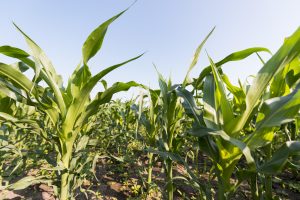
Proper identification prevents you from allowing aggressive weeds to compete with your corn crop or accidentally removing desirable plants. Some lookalikes are harmless native grasses, while others can be highly invasive, reduce yields, or even be toxic to livestock. Knowing the differences ensures your garden and pasture remain productive and safe.
In this guide, we explore the most common weeds that look like corn, provide identification tips, answer frequently asked questions, and offer expert recommendations for distinguishing and controlling these lookalike weeds.
Top 10 Weeds That Look Like Corn
1. Johnsongrass (Sorghum halepense) – Most Common Corn Lookalike
Johnsongrass is a tall, vigorous perennial grass that strongly resembles young corn plants in both leaf structure and overall growth habit. Its broad, lance-shaped leaves grow up to 24 inches long with a prominent white midrib running down the center, closely matching corn foliage. The plant grows 3-8 feet tall and forms dense clumps that can easily be mistaken for corn seedlings, especially in early summer when both plants are actively growing.
The reason Johnsongrass is so frequently confused with corn comes down to its vegetative similarity. Both plants belong to the grass family and share the same general leaf architecture, including parallel veins and a sheath that wraps around the stem. However, Johnsongrass has a distinctly more aggressive spreading habit, growing from thick underground rhizomes that allow it to form large colonies rather than single upright stalks like corn.
Johnsongrass is found in pastures, roadsides, field edges, and disturbed areas throughout warm regions worldwide. It spreads aggressively through both rhizomes and seeds, with a single plant capable of producing thousands of seeds that remain viable in the soil for years. The plant also produces large, open panicle seed heads that turn reddish-brown at maturity, which is one of the clearest distinguishing features from corn.
Control requires a multi-season approach because Johnsongrass regrows readily from rhizome fragments left in the soil. Repeated cultivation helps exhaust the rhizome system, while systemic herbicides are effective for larger infestations. Mowing before seed heads form prevents seed production, and cleaning equipment between fields reduces spread. Johnsongrass can also be toxic to livestock under stress, so proper identification is essential before allowing animals to graze.
2. Shattercane (Sorghum bicolor) – Most Invasive Corn Lookalike
Shattercane is a tall annual grass that closely resembles corn and sorghum in its early growth stages, making it one of the most commonly misidentified weeds in agricultural settings. Its wide, flat leaves and thick stalks can reach 3-7 feet tall, creating confusion with young corn plants. The leaves have a prominent midrib similar to corn foliage, and the overall plant structure is nearly identical until seed heads begin to form.
The close relationship between Shattercane and cultivated sorghum explains much of the confusion, as the two plants share a recent common ancestry. This genetic similarity means Shattercane often appears in fields where sorghum or corn was previously grown, emerging from dormant seed in the soil seedbank. The plant is particularly problematic because it competes directly with crops for water, nutrients, and sunlight during the critical early growth period.
Unlike corn, Shattercane produces large, open panicle seed heads with reddish-brown seeds that shatter readily at maturity, spreading thousands of seeds per plant. It is commonly found in crop fields, pastures, roadsides, and disturbed areas throughout North America. The shattering habit is what gives the plant its name and is the primary reason it spreads so effectively across agricultural landscapes.
Control requires crop rotation to break the life cycle, as continuous corn or sorghum production allows Shattercane populations to build up rapidly. Pre-emergent herbicides are effective when applied before germination, and mowing before seed heads mature prevents seed production. Hand-pulling isolated plants before seeding helps reduce infestations, and cleaning equipment between fields prevents the spread of seeds to new areas.
3. Barnyardgrass (Echinochloa crus-galli) – Most Widespread Corn Lookalike
Barnyardgrass is a widespread annual grass that resembles young corn seedlings in its early growth stages, particularly when plants are still under 12 inches tall. Its broad, flat leaves grow 1-5 feet tall and form clumps that can easily be mistaken for corn. The plant has a distinctive reddish-purple base that helps distinguish it from corn, especially when viewed at the soil line.
This weed is one of the most common grasses in agricultural fields and gardens worldwide, thriving in moist conditions and producing multiple generations per growing season. Its ability to germinate over a wide range of temperatures and moisture levels makes it a persistent problem in both cool and warm climates. Barnyardgrass also has a remarkable capacity to adapt to different environments, which explains its global distribution.
Unlike corn, Barnyardgrass produces purplish seed heads with bristly awns that droop at maturity. It is found in crop fields, gardens, lawns, and disturbed areas throughout the world. The plant is highly competitive with crops, reducing yields significantly when left uncontrolled, and can also serve as a host for pests and diseases that affect corn and other grasses.
Control requires hand-pulling before seed heads form, as plants can produce thousands of seeds in a single season. Pre-emergent herbicides are effective when applied in spring, and mulching garden beds suppresses germination by blocking light. Improving drainage reduces moisture that favors this weed, while mowing regularly prevents seeding and reduces the soil seedbank over time.
4. Foxtail (Setaria spp.) – Most Bristly Corn Lookalike
Foxtail is an annual grass that resembles young corn in its early growth stages, particularly before seed heads emerge. Its broad, flat leaves grow 1-4 feet tall and form clumps that can easily be mistaken for corn seedlings. The plant produces distinctive fuzzy, bristly seed heads that resemble a fox’s tail, which is the source of its common name and the clearest identifying feature.
The confusion between Foxtail and corn is most common in lawns, gardens, and pastures where both plants grow in close proximity. Foxtail seedlings have a similar leaf width and arrangement to young corn, and both plants emerge in late spring when soil temperatures warm. However, Foxtail grows much more slowly than corn and never develops the thick, sturdy stalk that characterizes mature corn plants.
Unlike corn, Foxtail produces large quantities of seeds that can remain viable in the soil for years, creating a persistent seedbank that requires long-term management. It is found in lawns, gardens, pastures, and disturbed areas throughout North America, competing aggressively with desirable plants and causing mouth injuries to livestock that graze on mature plants with bristly seed heads.
Control requires hand-pulling before seed heads form, as even small plants can produce viable seeds. Pre-emergent herbicides are effective when applied in spring before germination, and maintaining thick, healthy lawns helps outcompete this weed by shading the soil surface. Mowing regularly prevents seeding, while mulching garden beds suppresses germination and reduces the need for repeated hand-pulling.
5. Fall Panicum (Panicum dichotomiflorum) – Most Zigzag Corn Lookalike
Fall panicum is an annual grass that resembles young corn in its early growth stages, particularly in the first few weeks after emergence. Its smooth, wide leaves grow 2-5 feet tall and form clumps that can easily be mistaken for corn seedlings. The plant has a distinctive zigzag stem pattern that becomes more pronounced as it matures, providing a reliable way to distinguish it from corn.
This weed is particularly common in crop fields, gardens, roadsides, and disturbed areas throughout North America, where it thrives in moist conditions and produces multiple generations per growing season. Its rapid growth rate and high seed production make it a serious competitor with corn and other crops, especially in fields with poor drainage or frequent irrigation.
Unlike corn, Fall panicum produces large, open panicle seed heads that droop at maturity, giving the plant a distinctive appearance that is quite different from corn tassels. The seeds are small and numerous, with a single plant capable of producing tens of thousands of seeds that can remain viable in the soil for several years, creating a long-term management challenge for growers.
Control requires hand-pulling before seed heads form, especially in garden settings where herbicide use may be limited. Pre-emergent herbicides are effective when applied in spring, and improving drainage reduces moisture that favors this weed. Mowing regularly prevents seeding, and mulching garden beds suppresses germination by blocking light and moderating soil temperature.
6. Wild Proso Millet (Panicum miliaceum) – Most Seed-Heavy Corn Lookalike
Wild proso millet is an annual grass that resembles young corn in its early growth stages, with wide, flat leaves and a prominent midrib similar to corn foliage. The plant grows 2-6 feet tall and produces large, drooping seed heads that can easily be mistaken for corn tassels when viewed from a distance. The overall appearance is so similar that many gardeners only realize they are dealing with a weed after seed heads form.
This weed is a serious agricultural problem because it produces enormous quantities of seed that shatter readily at maturity, creating significant seedbank problems that persist for years. It is found in crop fields, gardens, and disturbed areas throughout North America, competing aggressively with crops for water and nutrients. The plant is particularly problematic in corn and soybean rotations, where it can reduce yields substantially if left uncontrolled.
Unlike corn, Wild proso millet produces shiny, dark seeds that shatter readily at maturity, dispersing across the field and surrounding areas. The plant is also capable of emerging from deep in the soil profile, making it difficult to control with shallow cultivation alone. These characteristics combine to make Wild proso millet one of the most challenging grass weeds in North American agriculture.
Control requires crop rotation to break the life cycle, as continuous corn production allows populations to build up rapidly. Pre-emergent herbicides are effective when applied before germination, and mowing before seed heads mature prevents seed production. Hand-pulling isolated plants before seeding helps reduce infestations, and cleaning equipment between fields prevents the spread of seeds to new areas.
7. Green Foxtail (Setaria viridis) – Most Persistent Corn Lookalike
Green foxtail is an annual grass that resembles young corn in its early growth stages, with smooth, wide leaves that grow 1-3 feet tall and form clumps similar to corn seedlings. The plant produces distinctive fuzzy, bristly seed heads that resemble a fox’s tail, which is the source of its common name and the most reliable identifying feature once seed heads emerge.
The persistence of Green foxtail is what makes it such a troublesome weed in both garden and agricultural settings. It produces large quantities of seeds that can remain viable in the soil for years, and the seeds germinate over an extended period, creating multiple flushes of plants throughout the growing season. This extended germination pattern makes it difficult to control with a single treatment or cultivation event.
Unlike corn, Green foxtail produces green seed heads at maturity that turn tan or brown as they dry, releasing thousands of tiny seeds. It is found in lawns, gardens, pastures, and disturbed areas throughout North America, competing aggressively with desirable plants and causing mouth injuries to livestock that graze on mature plants with bristly seed heads.
Control requires hand-pulling before seed heads form, as even small plants can produce viable seeds. Pre-emergent herbicides are effective when applied in spring, and maintaining thick, healthy lawns helps outcompete this weed by shading the soil surface. Mowing regularly prevents seeding, while mulching garden beds suppresses germination and reduces the need for repeated hand-pulling throughout the season.
8. Yellow Foxtail (Setaria pumila) – Most Warm-Season Corn Lookalike
Yellow foxtail is a warm-season annual grass that resembles young corn in its early growth stages, with smooth, wide leaves that grow 1-3 feet tall and form clumps similar to corn seedlings. The plant produces distinctive fuzzy, bristly seed heads that resemble a fox’s tail, which turn yellow at maturity and give the plant its common name.
This weed is most problematic in warm climates where it thrives during the hottest part of the growing season, often emerging after corn has already become established. Its ability to germinate and grow rapidly in high temperatures allows it to exploit niches that other weeds cannot, making it a persistent problem in southern gardens and agricultural fields. The plant also tolerates drought conditions better than many competing species.
Unlike corn, Yellow foxtail produces large quantities of seeds that can remain viable in the soil for years, creating a persistent seedbank that requires long-term management. It is found in lawns, gardens, pastures, and disturbed areas throughout North America, competing aggressively with desirable plants and causing mouth injuries to livestock that graze on mature plants with bristly seed heads.
Control requires hand-pulling before seed heads form, as even small plants can produce viable seeds. Pre-emergent herbicides are effective when applied in spring, and maintaining thick, healthy lawns helps outcompete this weed by shading the soil surface. Mowing regularly prevents seeding, while mulching garden beds suppresses germination and reduces the need for repeated hand-pulling throughout the season.
9. Teosinte (Zea mays subsp. parviglumis) – Most Closely Related Corn Lookalike
Teosinte is an annual grass that closely resembles corn in its early growth stages, with wide, flat leaves that grow 3-8 feet tall and a prominent midrib similar to corn foliage. The plant produces small, hard seed heads that closely resemble wild maize, making it easy to confuse with corn, especially for gardeners who are not familiar with the differences between wild and cultivated grasses.
The relationship between Teosinte and corn is unique among corn lookalikes because Teosinte is the direct wild ancestor of modern cultivated corn. Thousands of years of selective breeding by indigenous peoples in Mexico transformed Teosinte into the corn we know today, but the two plants still share many physical characteristics, including leaf shape, stalk structure, and overall growth habit.
Unlike corn, Teosinte produces seed heads that shatter at maturity, dispersing seeds rather than holding them on the cob. It is found in Mexico and Central America, where it grows in disturbed areas and along field edges, and is the closest wild relative of modern corn. The plant is of great interest to botanists and breeders because of its genetic diversity and potential to contribute valuable traits to future corn varieties.
Control requires hand-pulling isolated plants before seeding, as Teosinte can cross-pollinate with cultivated corn and reduce genetic purity. Mowing before seed heads mature prevents seed production, and maintaining buffer zones around corn fields helps prevent cross-pollination. Monitor field edges and disturbed areas for new growth, and consult local extension services for regional guidance on managing this unique wild relative.
10. Redroot Pigweed (Amaranthus retroflexus) – Most Broadleaf Corn Lookalike
Redroot pigweed is an annual broadleaf weed that can resemble young corn seedlings in its early growth stages, particularly when plants are still under 6 inches tall. Its broad, oval leaves grow 1-6 feet tall and form upright plants that can easily be mistaken for corn. The plant has a distinctive red taproot that helps distinguish it from corn, which has a fibrous root system.
This weed is one of the most common broadleaf weeds in gardens, fields, and disturbed areas worldwide, competing aggressively with crops for water and nutrients. Its rapid growth rate and high seed production make it a serious competitor with corn and other crops, especially in fields with rich, well-drained soil. The plant is also capable of emerging from deep in the soil profile, making it difficult to control with shallow cultivation alone.
Unlike corn, Redroot pigweed produces small, greenish flower spikes at the top of the plant that give way to thousands of tiny black seeds. It is found in gardens, fields, and disturbed areas worldwide, competing aggressively with crops for water and nutrients. A single plant can produce hundreds of thousands of seeds, creating a persistent seedbank that requires long-term management to control.
Control requires hand-pulling before seed set, as even small plants can produce viable seeds. Pre-emergent herbicides are effective when applied in spring, and mulching garden beds suppresses germination by blocking light. Mowing regularly prevents seeding, and crop rotation helps break the life cycle by changing the timing of soil disturbance and crop competition.
7 Tips For Distinguishing Weeds From Corn Plants
- Examine leaf texture: Corn leaves are relatively smooth with a prominent midrib and parallel veins. Johnsongrass has a distinct white midrib. Velvetleaf has velvety-soft leaves, while lambsquarters has a powdery coating on leaf undersides.
- Check growth habit: Corn grows as a single, thick, upright stalk with distinct nodes. Most lookalikes grow in clumps, spread by rhizomes, or branch profusely. Johnsongrass spreads aggressively by underground rhizomes, while foxtail forms dense clumps.
- Look at seed head appearance: Corn produces tassels at the top and ears with kernels along the stalk. Lookalikes produce panicles, spikes, or racemes with different seed shapes and colors. Foxtail has bristly seed heads, while Shattercane has shattering reddish-brown seeds.
- Examine stem structure: Corn has thick, sturdy stalks with distinct nodes and a solid core. Lookalikes may have thinner, more flexible stems. Fall panicum has a distinctive zigzag stem pattern, while Johnsongrass has thick rhizomes below ground.
- Check for distinctive features: Redroot pigweed has a red taproot. Barnyardgrass has a reddish-purple base. Velvetleaf has button-like seed pods. These features help distinguish lookalikes from corn.
- Consider life cycle: Corn is an annual grass that completes its life cycle in one season. Some lookalikes are perennials that return year after year. Johnsongrass is a perennial that spreads by rhizomes, making it more difficult to control.
- Check for toxicity: Some corn lookalikes, like Johnsongrass, can be toxic to livestock under stress. Always identify plants correctly before allowing animals to graze, and consult a veterinarian if you suspect poisoning.
Weeds That Look Like Corn (FAQs)
1. What weed looks most like corn?
Johnsongrass (Sorghum halepense) is the weed that looks most like corn, especially in the early growth stages, with nearly identical broad, lance-shaped leaves and a prominent white midrib. However, Johnsongrass grows in clumps and spreads by rhizomes rather than growing as a single upright stalk like corn.
2. Are there toxic weeds that look like corn?
Yes, Johnsongrass can be toxic to livestock, especially when stressed by drought or frost, due to the presence of prussic acid. Shattercane can also accumulate nitrates under certain conditions. Never allow livestock to graze on these plants without proper identification and testing.
3. How can I tell the difference between corn and Johnsongrass?
Corn has thick, sturdy stalks with distinct nodes and produces ears with kernels, while Johnsongrass has thinner stems, spreads by rhizomes, and produces open panicle seed heads. Johnsongrass also has a prominent white midrib that is more pronounced than corn. Growth habit is the best distinguishing feature.
4. Should I remove weeds that look like corn?
Yes, most corn lookalikes are aggressive weeds that compete for water, nutrients, and light. Toxic species like Johnsongrass should be removed or managed carefully, especially in pastures. Even non-toxic lookalikes can reduce crop yields and should be controlled promptly.
5. How do I control weeds in my corn patch?
Use a combination of prevention, cultural control, and targeted removal. Apply pre-emergent herbicides before germination. Hand-pull or hoe young weeds carefully to avoid disturbing corn roots. Mulch to suppress weed germination. Mow before seed heads form to prevent spread.
6. Can corn cross-pollinate with weeds?
Corn belongs to the grass family and can cross-pollinate with close relatives like Teosinte, its wild ancestor. Cross-pollination with other lookalikes like Johnsongrass or Shattercane is unlikely but possible in some cases. Remove related weeds before they flower to prevent cross-pollination.
7. Are any corn lookalikes beneficial?
Yes, some corn lookalikes have beneficial uses. Johnsongrass can provide forage for livestock when managed properly. Teosinte is valued for its genetic diversity in corn breeding programs. However, most corn lookalikes are aggressive weeds that should be managed or removed to protect crops and pastures.
Conclusion
Identifying weeds that look like corn is essential for gardeners, farmers, and homeowners who want to protect their crops and pastures from aggressive imposters. Several weeds, including Johnsongrass, Shattercane, and Barnyardgrass, can easily be mistaken for corn, especially in the early growth stages.
The most common corn lookalike is Johnsongrass, with its nearly identical broad, lance-shaped leaves and prominent white midrib. The most invasive lookalike is Shattercane, which produces thousands of shattering seeds that can remain viable in the soil for years. The most toxic lookalike is Johnsongrass, which can cause prussic acid poisoning in livestock under stress.
Proper identification, careful observation, and attention to growth habits, seed head characteristics, and distinctive features are the keys to distinguishing corn from its lookalikes. With the right knowledge and approach, you can confidently protect your corn crop while keeping your garden and pasture free from invasive imposters.
Don’t wait to get a handle on corn lookalike weeds in your garden or pasture. Use these identification tips today and enjoy a cleaner, more productive growing space all season long.