
Walking through a field or forest edge, you might spot what appears to be a promising young sapling—only to discover it is actually an aggressive invasive weed in disguise. Several woody weeds have evolved to mimic the appearance of small trees, complete with woody stems, branching habits, and foliage that resembles desirable native species. These botanical deceivers pose significant threats to natural ecosystems, agricultural lands, and residential landscapes across North America.
The confusion arises because these invasive weeds share key characteristics with tree seedlings and saplings—they develop woody stems, reach heights of 3-15 feet, and produce leaves that can easily be mistaken for those of native trees. Some even display fall color or produce fruits that further their disguise. Their rapid growth and aggressive spread allow them to outcompete and displace desirable vegetation before land managers realize their true identity.
Misidentifying these woody weeds carries serious consequences. Their aggressive root systems can damage foundations, sidewalks, and underground utilities. They form dense thickets that crowd out native plants, reduce wildlife habitat, and diminish property values. Some species produce toxic compounds that harm livestock, while others create fire hazards or harbor pests and diseases.
This comprehensive identification guide examines the ten most problematic invasive weeds that resemble small trees, provides reliable distinguishing characteristics, addresses frequently asked questions, and offers expert recommendations for managing these woody invaders in your landscape.
10 Invasive Weeds That Look Like Small Trees
1. Tree of Heaven (Ailanthus altissima) – The Most Common Tree-Like Weed
Tree of heaven presents one of the most convincing tree impersonations, reaching 15-80 feet in height with compound leaves resembling native sumac and walnut species. This fast-growing deciduous tree features large, pinnately compound leaves with 11-25 leaflets, each with distinctive glandular teeth at the base. Its rapid growth and prolific seed production enable it to colonize disturbed areas, forest edges, and urban environments throughout North America.
Native to China, tree of heaven has become one of the most widespread invasive species across the United States. Its aggressive root system sends up numerous suckers, forming dense thickets that displace native vegetation. The plant produces a foul, rancid odor when crushed—earning it the nickname “stink tree.” Tree of heaven serves as the primary host for the invasive spotted lanternfly.
Control requires systemic herbicides containing triclopyr or glyphosate, applied as cut-stump treatments or basal bark applications. Repeated treatments are often necessary. Its distinctive odor and smooth, light gray bark with vertical striping provide reliable identification clues.
2. Chinese Tallow (Triadica sebifera) – The Prolific Seed-Producing Tree Weed
Chinese tallow, also called popcorn tree, produces heart-shaped leaves resembling native aspens and cottonwoods. This deciduous tree reaches 30-50 feet in height with a broad, rounded crown and smooth, grayish bark. Its distinctive three-lobed leaves turn brilliant red, orange, and yellow in fall, making it appear ornamental—and deceptive.
Native to eastern Asia, Chinese tallow has invaded the southeastern United States from Texas to Florida, forming dense monocultures in wetlands, pastures, and forest edges. Each tree produces thousands of seeds enclosed in white, waxy capsules that attract birds, facilitating rapid spread. Its aggressive growth and tolerance of various conditions make it exceptionally difficult to control.
Control requires herbicides containing triclopyr or glyphosate applied as cut-stump or basal bark treatments. Preventing seed production is essential. Its distinctive heart-shaped, pointed leaves and white, popcorn-like seed capsules provide reliable identification features.
3. Russian Olive (Elaeagnus angustifolia) – The Silvery Tree Mimic
Russian olive produces silvery-gray leaves that can be mistaken for native willows or oleasters. This small tree or large shrub reaches 15-25 feet in height with thorny branches and peeling, gray-brown bark. Its fragrant yellow flowers appear in spring, followed by small, olive-like fruits that attract birds and facilitate spread.
Native to Europe and Asia, Russian olive has invaded riparian areas, pastures, and disturbed sites across the western and central United States. Its deep taproot and ability to fix nitrogen allow it to thrive in poor soils. The tree forms dense thickets that alter soil chemistry, displace native vegetation, and degrade wildlife habitat.
Control requires systemic herbicides applied as cut-stump or basal bark treatments. Mechanical removal is effective for small plants. Its silvery, scaly leaves and thorny branches provide distinguishing features from native tree species.
4. Autumn Olive (Elaeagnus umbellata) – The Silvery-Backed Tree Weed
Autumn olive produces oval leaves with silvery undersides that can be confused with native shrubs and small trees. This deciduous shrub or small tree reaches 10-20 feet in height with thorny branches and peeling, brown bark. Its fragrant, creamy-yellow flowers appear in spring, followed by abundant red berries in fall that are highly attractive to birds.
Native to Asia, autumn olive has invaded much of the eastern and midwestern United States, colonizing fields, forest edges, and disturbed areas. Its nitrogen-fixing ability allows it to thrive in poor soils, while its prolific fruit production and bird dispersal contribute to rapid spread. Dense thickets displace native vegetation and reduce biodiversity.
Control requires herbicides containing triclopyr or glyphosate applied as cut-stump or foliar treatments. Preventing fruit production through early intervention is essential. The silvery leaf undersides and abundant red berries provide reliable identification clues.
5. Bradford Pear (Pyrus calleryana) – The Ornamental Tree Turning Invasive
Bradford pear has been widely planted as an ornamental street tree, but its aggressive spread has earned it classification as an invasive weed. This deciduous tree reaches 30-50 feet in height with a symmetrical crown and glossy, oval leaves that turn red to purple in fall. Its showy white spring flowers and attractive form have made it popular, but its escape from cultivation has created significant ecological problems.
Native to Asia, Bradford pear has naturalized across much of the eastern and midwestern United States. Its dense, thorny thickets displace native vegetation in fields, pastures, and forest edges. The tree produces abundant small, hard fruits that birds disperse. Bradford pear also has weak branch structure, making it prone to storm damage.
Control requires herbicides containing glyphosate or triclopyr applied as cut-stump treatments. Removing trees before fruit production is essential. Its distinctive shape, white spring blooms, and small round fruits provide identification features.
6. Mimosa (Albizia julibrissin) – The Silk Tree Imposter
Mimosa, also called silk tree, produces fern-like, compound leaves and showy pink, powder-puff flowers that make it appear ornamental. This small tree reaches 20-40 feet in height with a broad, umbrella-shaped crown and smooth, grayish bark. Its feathery foliage and fragrant flowers have made it popular as an ornamental, but its aggressive spread has made it invasive in many regions.
Native to Asia, mimosa has naturalized across the southeastern United States, colonizing disturbed areas, roadsides, and forest edges. Its prolific seed production and rapid growth allow it to outcompete native species. The tree also spreads through root suckers, forming dense thickets. Mimosa is particularly problematic in warm, humid climates.
Control requires herbicides containing triclopyr or glyphosate applied as cut-stump or basal bark treatments. Its fern-like leaves and pink, powder-puff flowers provide the most reliable identification features.
7. Privet (Ligustrum spp.) – The Hedge Tree Weed
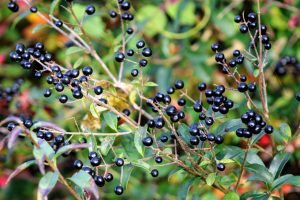
Several privet species have escaped cultivation and become invasive woody weeds that resemble small trees. Chinese privet and Japanese privet reach 10-30 feet in height with oval, glossy green leaves and dense branching habits. Their white, fragrant spring flowers produce abundant purple-black berries that birds readily consume and disperse.
Native to Asia, privet species have invaded the southeastern United States from Texas to Virginia, forming dense thickets in forests, fields, and riparian areas. Their ability to tolerate shade, drought, and varied soil conditions makes them exceptionally persistent. Privet thickets reduce native plant diversity and wildlife habitat.
Control requires herbicides containing triclopyr or glyphosate applied as cut-stump, basal bark, or foliar treatments. Persistent monitoring and follow-up treatments are essential. Its glossy, opposite leaves and abundant berry clusters provide identification features.
8. Honey Locust (Gleditsia triacanthos) – The Thorny Tree Weed
Honey locust produces compound leaves resembling native black locust and can become weedy in disturbed areas. This deciduous tree reaches 30-70 feet in height with a broad, open crown and distinctive, branched thorns on its trunk and branches. Its small, reddish-brown seed pods contain sweet-tasting pulp that attracts wildlife and facilitates spread.
Native to North America, honey locust has become weedy in many regions, particularly in abandoned fields, pastures, and roadsides. Its aggressive root system and prolific seed production allow it to form dense thickets that displace native vegetation. The tree’s thorns can puncture tires and injure livestock.
Control requires herbicides containing triclopyr or glyphosate applied as cut-stump treatments. Mechanical removal is effective for small plants. Its distinctive branched thorns and long, twisted seed pods provide reliable identification features.
9. Callery Pear (Pyrus calleryana) – The Cousin of Bradford Pear
Callery pear, closely related to Bradford pear, has also become invasive across the United States. This deciduous tree reaches 30-50 feet in height with a pyramidal crown and glossy, rounded leaves. Its white spring flowers and attractive fall color make it appear desirable, but its aggressive spread and thorny thickets create significant problems.
Callery pear has naturalized across much of the eastern and midwestern United States, colonizing fields, pastures, and forest edges. Its dense growth displaces native species and reduces wildlife habitat. The tree produces abundant small fruits that birds disperse. Its thorny branches distinguish it from some cultivated varieties.
Control requires herbicides containing glyphosate or triclopyr applied as cut-stump treatments. Its white spring blooms, rounded leaves, and thorny branches provide identification features.
10. White Mulberry (Morus alba) – The Fruit-Producing Tree Weed
White mulberry produces heart-shaped to lobed leaves that can be mistaken for native red mulberry. This deciduous tree reaches 30-50 feet in height with a broad crown and orange-brown bark. Its small, sweet fruits in white, pink, or dark purple attract birds and wildlife, facilitating rapid spread.
Native to Asia, white mulberry has naturalized across much of North America, colonizing disturbed areas, forests, and urban landscapes. Its tolerance of various conditions and aggressive root system allow it to outcompete native mulberry species. The tree also produces abundant pollen that can trigger allergies.
Control requires herbicides containing glyphosate or triclopyr applied as cut-stump treatments. Preventing fruit production through early intervention is essential. Its variable leaf shapes and abundant fruit production provide identification features.
7 Reliable Strategies For Identifying Tree-Like Invasive Weeds
- Examine leaf arrangement and shape: Tree of heaven has compound leaves with glandular teeth; Bradford pear has simple, oval leaves; mimosa has fern-like, compound leaves. Leaf characteristics provide reliable identification clues.
- Check for distinctive features: Tree of heaven has rancid odor when crushed; honey locust has branched thorns; Russian olive has silvery, scaly leaves; mimosa has pink, powder-puff flowers.
- Assess growth habit: Invasive tree weeds often grow rapidly and produce thickets through suckering or root sprouting. Native trees typically grow more slowly and produce fewer suckers.
- Observe bark characteristics: Tree of heaven has smooth, light gray bark with vertical striping; privet has smooth, grayish bark; honey locust has dark, deeply furrowed bark with thorns.
- Consider fruit and seed production: Chinese tallow produces white, popcorn-like capsules; autumn olive produces red berries; Bradford pear produces small, hard fruits. Abundant fruit production indicates invasive potential.
- Look for fall color: Chinese tallow displays brilliant red fall color; Bradford pear turns red to purple; tree of heaven has yellow fall color. Fall color can help identify invasive species.
- Consult identification resources: Use field guides, university extension resources, or plant identification apps when uncertain. Positive identification is essential for effective management planning.
Frequently Asked Questions About Tree-Like Invasive Weeds
1. What is the most common invasive weed that looks like a small tree?
Tree of heaven (Ailanthus altissima) is the most widespread and recognizable invasive weed that resembles a small tree. Its rapid growth, compound leaves, and rancid odor when crushed make it distinctive. It has colonized much of North America and serves as the primary host for the invasive spotted lanternfly.
2. How can I tell the difference between tree of heaven and native sumac?
Tree of heaven has smooth, light gray bark with vertical striping and a rancid odor when leaves are crushed. It produces winged seeds in clusters. Native sumacs have fuzzy, reddish-brown stems and produce cone-shaped clusters of red berries. Smell the foliage—the rancid odor is a reliable indicator of tree of heaven.
3. Are invasive tree-like weeds harmful to my property?
Yes, these weeds can cause significant damage. Their aggressive root systems damage foundations, sidewalks, and underground utilities. Dense thickets reduce property values and create fire hazards. Some species produce toxic compounds that harm livestock, while others harbor pests and diseases.
4. Should I remove invasive tree-like weeds from my landscape?
Yes, early removal is essential. These weeds spread rapidly and become increasingly difficult and expensive to control as they mature. Removing them protects your property value, prevents spread to neighboring areas, and supports native plant communities. Most require herbicide treatments for effective control.
5. What herbicide kills invasive tree-like weeds effectively?
Systemic herbicides containing triclopyr (Garlon, Ortho Brush-B-Gon) or glyphosate (Roundup) provide effective control when applied as cut-stump treatments, basal bark applications, or foliar sprays. For best results, apply during late summer to fall when the plant actively transports nutrients to roots. Always follow label instructions.
6. Can invasive tree-like weeds be controlled without chemicals?
Mechanical removal by cutting or digging is effective for small plants but rarely eliminates established specimens. Persistent cutting can deplete root reserves over time, but regrowth from root suckers is common. Combining mechanical removal with herbicide treatments provides the most reliable results.
7. Why do invasive tree-like weeds spread so rapidly?
These weeds possess aggressive reproductive strategies—prolific seed production, bird-dispersed fruits, root suckering, and rapid growth rates. Many also tolerate poor soils, drought, and varying conditions, allowing them to establish in disturbed areas where native species struggle to compete.
Final Thoughts
Distinguishing invasive woody weeds from desirable tree seedlings represents a critical skill for land managers, homeowners, and conservation professionals. These deceptive invaders have evolved to mimic native trees, but careful observation reveals reliable identification clues that enable effective management and protection of natural resources.
Tree of heaven emerges as the most widespread tree-like weed, its rancid odor and compound leaves creating persistent identification challenges.
Chinese tallow and Bradford pear present significant threats in the southeastern United States, while Russian olive and autumn olive dominate western and midwestern regions. Each species requires specific management approaches for effective control.
Armed with knowledge of leaf characteristics, bark features, growth habits, and distinctive traits, property owners can confidently identify and remove these woody invaders before they establish dense, difficult-to-control thickets. Early intervention, appropriate herbicide applications, and persistent monitoring provide the foundation for maintaining healthy, biodiverse landscapes free from these invasive tree lookalikes.