Choosing creeping plants under maple trees solves one of the most difficult planting situations in any garden. Maples produce dense surface roots and heavy shade, creating dry, root-filled soil where most ground covers quickly fail.
Gardeners often give up on planting beneath maples and leave bare soil or mulch instead. Yet a surprising range of creeping species tolerates root competition, low light, and dry conditions once they are established properly.
The key to success is choosing genuinely tough ground covers, planting them in small pockets between roots, and watering them carefully through their first two seasons. After that, most creeping plants under maple trees look after themselves.
This guide reviews 15 of the best creeping plants under maple trees, chosen for their tolerance of dry shade, shallow roots, and root competition from mature maples.
15 Best Creeping Plants Under Maple Trees
1. English Ivy (Hedera helix) – Best Evergreen Creeping Plant Under Maple Trees
English Ivy is the best evergreen creeping plant under maple trees because it tolerates deep shade, dry soil, and root competition better than almost any other ground cover. This vigorous vine is a favourite for covering bare ground beneath mature maples.

- PACKAGE CONTENTS: Set of 8 healthy English Ivy plants, each growing in individual 2-inch nursery pots with fresh potting soil
- VERSATILE GROWTH: Trailing vines with distinctive lobed leaves can climb or cascade, perfect for hanging baskets or as ground cover
The lobed evergreen leaves knit together into a dense carpet that suppresses weeds and holds soil in place beneath the tree. It spreads steadily without needing fertiliser or irrigation once established. Therefore, it delivers reliable year-round coverage in the most difficult conditions.
Plant English ivy in small pockets between maple roots and water regularly through the first two summers while it establishes. Trim any growth that attempts to climb the trunk if you want to keep the canopy clear. Overall, it is the most dependable evergreen ground cover for dry shade under maples.
Pros:
- Tolerates deep dry shade
- Evergreen year-round cover
- Handles root competition
- Suppresses weeds effectively
- Very low maintenance
- Fast to establish
- Widely available
Cons:
- Can become invasive
- Climbs trunks if unchecked
- Toxic to pets
2. Pachysandra (Pachysandra terminalis) – Best Dense Carpet For Under Maple Trees
Pachysandra is the best dense carpet plant for under maple trees because it forms a tight, weed-proof mat in dry shade where few ground covers thrive. This classic shade perennial is a favourite for large areas beneath mature trees.

- 100 heavily rooted plants.
The glossy evergreen leaves create a uniform carpet that looks tidy year-round and rarely needs trimming. It spreads slowly by rhizomes, filling gaps without becoming aggressive. Therefore, it delivers a permanent, low-care green carpet in the toughest dry shade.
Plant pachysandra in small groups between maple roots and mulch lightly while it knits together. Water during dry spells for the first two seasons, then leave it largely alone. Overall, it is the best dense evergreen carpet for dry shade under maples.
Pros:
- Forms dense weed-proof carpet
- Evergreen year-round
- Tolerates dry shade
- Slow and manageable spread
- Very low maintenance
- Looks tidy year-round
- Long-lived
Cons:
- Slow to establish
- Can be expensive to buy in bulk
- Dislikes wet winter soil
3. Dead Nettle (Lamium maculatum) – Best Flowering Creeping Plant Under Maple Trees
Dead Nettle is the best flowering creeping plant under maple trees because it produces colourful foliage and spring flowers in dry shade. This tough perennial is a favourite for adding colour to difficult areas beneath maples.

- For best results, plant in USDA Zone:3-8 - Mature size: 6-8in H x 12-24in W
- Plant is delivered in a #1 Size Container. It is fully rooted in the soil and can be planted immediately upon arrival, weather permitting.

The silver-marked leaves brighten shade throughout the season, and the pink or white flowers attract early pollinators in spring. It spreads steadily without becoming invasive and tolerates root competition from mature trees. Therefore, it delivers colour and coverage in a single low-care plant.
Plant dead nettle in pockets between maple roots and water during dry spells while it establishes. Trim occasionally if it outgrows its space, or let it weave naturally between other plants. Overall, it is the best flowering creeping plant for dry shade under maples.
Pros:
- Colourful silver-marked foliage
- Spring flowers
- Tolerates dry shade
- Attracts early pollinators
- Spreads steadily
- Easy to grow
- Low maintenance
Cons:
- Can spread quickly in moist soil
- Slugs may damage leaves
- Not fully evergreen in cold winters
4. Sweet Woodruff (Galium odoratum) – Best Fragrant Carpet Under Maple Trees
Sweet Woodruff is the best fragrant carpet plant under maple trees because it spreads readily in dry shade and releases a hay-like scent when dried. This woodland perennial is a favourite for naturalising beneath mature trees.

- FRAGRANT WHITE STAR FLOWERS: Sweet Woodruff produces delicate, star-shaped white blooms that add a charming, lush look to any garden space.
- DEER RESISTANT GROUNDCOVER: Naturally unappealing to deer, this hardy plant spreads beautifully to form a dense, low-growing carpet of lush green foliage.
The whorled green leaves form a delicate carpet, with small white flowers appearing in late spring. It tolerates root competition and low light better than most woodland perennials. Therefore, it delivers fragrance, flowers, and coverage with minimal care.
Plant sweet woodruff in pockets between maple roots and water through the first two seasons. It spreads by rhizomes to fill gaps without becoming aggressive. Overall, it is the best fragrant ground cover for dry shade under maples.
Pros:
- Fragrant when dried
- White spring flowers
- Tolerates dry shade
- Spreads readily
- Attracts pollinators
- Reliable perennial
- Low maintenance
Cons:
- Can spread aggressively
- Dies back in winter
- Needs consistent moisture to establish
5. Lily of the Valley (Convallaria majalis) – Best Scented Creeping Plant Under Maple Trees
Lily of the Valley is the best scented creeping plant under maple trees because it spreads in dry shade while producing highly fragrant spring flowers. This classic woodland plant is a favourite for naturalising beneath mature trees.

- Low Maintenance: Ideal for both novice and experienced gardeners, Lily of the Valley is low maintenance and requires minimal care. Once established, it provides years of beauty with minimal effort.
- Versatile Planting: Lily of the Valley are versatile and adaptable, thriving in various garden settings. Whether you prefer shaded areas, woodland gardens, or containers, the Lily of the Valley adds a touch of charm wherever it is planted.
The broad green leaves create a dense carpet, with delicate white bells in spring filling the area with sweet scent. It spreads by rhizomes and tolerates root competition better than almost any other flowering ground cover. Therefore, it delivers fragrance and coverage in the most difficult conditions.
Plant lily of the valley in pockets between maple roots and water until established. Contain it with a root barrier if you want to limit spread into neighbouring beds. Overall, it is the best scented creeping plant for dry shade under maples.
Pros:
- Highly fragrant spring flowers
- Tolerates dry shade
- Spreads readily
- Dense weed-suppressing carpet
- Reliable perennial
- Very low maintenance
- Long-lived
Cons:
- Highly toxic if ingested
- Can spread aggressively
- Dies back in winter
6. Periwinkle (Vinca minor) – Best Fast-Spreading Creeping Plant Under Maple Trees
Periwinkle is the best fast-spreading creeping plant under maple trees because it covers bare ground quickly with glossy evergreen foliage and blue spring flowers. This tough vine is a favourite for large areas beneath mature maples.
![Greenwood Nursery: Live Ground-Cover Plants - Vinca Minor + Lesser/Dwarf Periwinkle - [Qty: 50 Bare Roots] - (Click for Other Available Plants/Quantities)](https://m.media-amazon.com/images/I/61kEKTyxCPL._SL160_._SL160_.jpg)
- Evergreen groundcover 50 bare root plants in one order Periwinkle blue flowers Shade loving plant Fast growing ground cover
The trailing stems root as they touch the soil, knitting together into a dense mat that suppresses weeds within one or two seasons. It tolerates dry shade and root competition better than most ground covers. Therefore, it delivers rapid evergreen coverage in the toughest situations.
Plant periwinkle in pockets between maple roots and water through the first summer while it establishes. Trim it back at the edges if you want to limit spread into neighbouring borders. Overall, it is the fastest evergreen creeping plant for dry shade under maples.
Pros:
- Fast evergreen coverage
- Blue spring flowers
- Tolerates dry shade
- Suppresses weeds quickly
- Roots as it spreads
- Very low maintenance
- Widely available
Cons:
- Can become invasive
- Needs containment
- Toxic if ingested
7. Barrenwort (Epimedium spp.) – Best Dry Shade Creeping Plant Under Maple Trees
Barrenwort is the best dry shade creeping plant under maple trees because it thrives in the exact conditions maples create. This woodland perennial is a favourite for difficult, root-filled soil beneath mature trees.

- When received, the plant will be in seasonal condition with appropriate foliage. If shipped between November 1st and March 1st, the plant may be dormant and trimmed. Plant is fully rooted in the pot ready for immediate planting
The delicate leaves emerge bronze in spring, turn green in summer, and colour again in autumn, providing multi-season interest. Small nodding flowers appear in spring, adding subtle charm to the dry shade. Therefore, it delivers year-round interest with very low maintenance.
Plant barrenwort in pockets between maple roots and water during dry spells while it establishes. Cut back old foliage in late winter to reveal fresh new growth and flowers. Overall, it is the best dry shade creeping plant for areas where irrigation is limited.
Pros:
- Thrives in dry shade
- Multi-season foliage colour
- Spring flowers
- Deer-resistant
- Slowly spreads into a carpet
- Very low maintenance
- Long-lived
Cons:
- Slow to establish
- Can be expensive
- Flowers are small
8. Bugleweed (Ajuga reptans) – Best Colourful Creeping Plant Under Maple Trees
Bugleweed is the best colourful creeping plant under maple trees because its bronze and purple foliage brightens dry shade while spreading quickly to fill gaps. This tough perennial is a favourite for difficult areas beneath mature maples.

- SPRING COLOR: Displays rich blue flower spikes above dramatic dark purple foliage, bringing vibrant color to shaded gardens each spring.
- GROWTH: Forms a dense evergreen ground cover that spreads naturally to suppress weeds and fill bare landscape spaces.
The colourful leaves stay attractive through most of the year, with blue flower spikes appearing in late spring. It spreads by runners to form a dense mat that suppresses weeds in dry shade. Therefore, it delivers colour and coverage with minimal care.
Plant bugleweed in pockets between maple roots and water through the first summer while it establishes. Trim runners if you want to limit spread into neighbouring beds. Overall, it is the most colourful creeping plant for dry shade under maples.
Pros:
- Colourful bronze foliage
- Blue spring flowers
- Fast spreading
- Tolerates dry shade
- Suppresses weeds
- Easy to grow
- Low maintenance
Cons:
- Can spread aggressively
- Needs containment
- Can suffer crown rot in wet winters
9. Wild Ginger (Asarum europaeum) – Best Evergreen Creeping Plant Under Maple Trees
Wild Ginger is the best evergreen creeping plant under maple trees because it forms a glossy carpet that tolerates dry shade and root competition beautifully. This woodland perennial is a favourite for natural-looking plantings beneath mature trees.

- PLANT-POWERED RELIEF: Asarum Europaeum is a plant-powered homeopathic medicine that relieves headache worsened by noise.*
- A BETTER WAY TO FEEL BETTER: This medicine has no known interactions with other medications, herbs, or supplements; no contraindications; and does not contain artificial colors, flavors, sweeteners, or preservatives
The kidney-shaped glossy leaves lie flat against the ground, creating a dense green carpet that looks tidy year-round. Hidden brown flowers appear beneath the foliage in spring, adding subtle interest. Therefore, it delivers evergreen coverage with very little care.
Plant wild ginger in pockets between maple roots and water during dry spells while it establishes. It spreads slowly by rhizomes to fill gaps without becoming aggressive. Overall, it is the best evergreen creeping plant for dry shade under maples.
Pros:
- Glossy evergreen carpet
- Tolerates dry shade
- Slow and manageable spread
- Handles root competition
- Looks tidy year-round
- Very low maintenance
- Long-lived
Cons:
- Slow to establish
- Can be expensive
- Flowers are hidden
10. Lady’s Mantle (Alchemilla mollis) – Best Self-Seeding Creeping Plant Under Maple Trees
Lady’s Mantle is the best self-seeding creeping plant under maple trees because it fills dry shade naturally by seeding into gaps between roots. This cottage garden favourite is a reliable choice for difficult tree surrounds.

- Alchemilla mollis 'Auslese'
- Color of Bloom: Yellow
The scalloped leaves catch dew and rain, sparkling in shaded areas, while chartreuse flowers appear in summer. It self-seeds freely into cracks and gaps, gradually filling bare ground without any input. Therefore, it delivers long-term coverage with zero planting effort after the first year.
Plant lady’s mantle in pockets between maple roots and water during the first summer. Allow some flower heads to ripen and scatter seed to fill surrounding gaps. Overall, it is the best self-seeding creeping plant for dry shade under maples.
Pros:
- Self-seeds into gaps
- Attractive scalloped leaves
- Chartreuse summer flowers
- Tolerates dry shade
- Very low maintenance
- Long-lived
- Easy to grow
Cons:
- Can self-seed excessively
- Leaves look tired in late summer
- Needs trimming back occasionally
11. Foamflower (Tiarella cordifolia) – Best Native Creeping Plant Under Maple Trees
Foamflower is the best native creeping plant under maple trees because it spreads by runners in dry shade while producing delicate spring flower spikes. This North American native is a favourite for naturalistic plantings beneath mature trees.

- For sale are 5 Foamflower (Tiarella cordifolia) bulbs/roots.
- FROTHY SPRING BLOOMS - Sends up airy spikes of tiny star-shaped white flowers that float above the foliage
The frothy white flower spikes appear in spring, and the attractive foliage often colours in autumn for extra interest. It spreads steadily by runners to form a loose carpet without becoming aggressive. Therefore, it delivers native charm and coverage with minimal care.
Plant foamflower in pockets between maple roots and water through the first two summers. Allow runners to spread naturally for a soft, woodland effect. Overall, it is the best native creeping plant for dry shade under maples.
Pros:
- Native North American plant
- Frothy spring flower spikes
- Spreads by runners
- Tolerates dry shade
- Autumn foliage colour
- Low maintenance
- Attracts pollinators
Cons:
- Slow to establish
- Needs consistent moisture initially
- Can scorch in sun
12. Ivy-Leaved Cyclamen (Cyclamen hederifolium) – Best Autumn-Flowering Creeping Plant Under Maple Trees
Ivy-Leaved Cyclamen is the best autumn-flowering creeping plant under maple trees because it blooms when little else is active and tolerates dry shade beneath mature trees. This hardy cyclamen is a favourite for naturalising under maples.

- COMPACT GROWTH & ENVIRONMENT: Our Cyclamen Seeds - Persicum grows to a height of 12 inches, making it suitable for small spaces, containers, or shaded areas. It grows in USDA Zones 6-8 and prefers partial shade, doing well in areas with filtered sunlight such as under tree canopies or near north-facing windows. It can be grown indoors or in shaded garden spaces.
- ATTRACTIVE BLOOMS AND FOLIAGE: Our Cyclamen flowering plants produce flowers in shades of pink, red, and purple, complemented by heart-shaped foliage. The blooms appear on long stems above the leaves, adding bursts of color in summer and fall. The foliage contrasts beautifully with the vibrant flowers, making them wonderful additions to both indoor and outdoor spaces.
The pink or white flowers appear in early autumn before the marbled leaves emerge, extending interest into winter. Tubers spread and naturalise over time, gradually forming drifts without any intervention. Therefore, it delivers autumn colour and long-term coverage with almost no input.
Plant cyclamen tubers in pockets between maple roots, barely covered with soil, and water through the first autumn. Let foliage die back naturally in late spring without cutting it. Overall, it is the best autumn-flowering creeping plant for dry shade under maples.
Pros:
- Autumn flowers
- Marbled winter foliage
- Naturalises over time
- Tolerates dry shade
- Very low maintenance
- Long-lived
- Deer-resistant
Cons:
- Slow to spread
- Dormant in summer
- Tubers can rot if waterlogged
13. Snowdrops (Galanthus spp.) – Best Winter Creeping Plant Under Maple Trees
Snowdrops are the best winter creeping plant under maple trees because they naturalise readily in dry shade and flower when little else grows. These hardy bulbs are a favourite for creating winter drifts beneath mature trees.
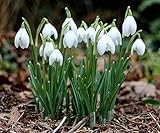
- Snowdrops with 15 Bulbs Per Pack
- Perennial in Zones 3-7
The nodding white flowers appear in late winter, brightening the shaded ground when the garden is otherwise bare. They multiply steadily by offset bulbs, forming drifts that return reliably each year. Therefore, it delivers winter interest and long-term coverage without any care.
Plant snowdrop bulbs in pockets between maple roots in autumn, ideally fresh rather than dried. Let foliage die back naturally in spring without cutting it short. Overall, it is the best winter-flowering creeping plant for dry shade under maples.
Pros:
- Winter flowers
- Naturalises readily
- Tolerates dry shade
- Returns reliably each year
- Very low maintenance
- Deer-resistant
- Long-lived
Cons:
- Dormant in summer
- Foliage must be left to die back
- Best planted fresh in the green
14. Wood Anemone (Anemone nemorosa) – Best Spring Woodland Carpet Under Maple Trees
Wood Anemone is the best spring woodland carpet plant under maple trees because it spreads naturally in dry shade and flowers early when light reaches the ground. This native perennial is a favourite for naturalising beneath deciduous trees.

- Plant will NOT Ship to AZ, CA, HI, ID, MT, NV, OR, PR, UT & WA!
- Plant is fully rooted in the soil and can be planted immediately upon arrival, weather permPlantting. For Best results, plant in USDA zone: 4-8 - mature size: 24-30 inches H x 24-36 inches W
Star-shaped white flowers appear in early spring before the maple canopy fully closes, providing a carpet of colour. It spreads by rhizomes to form natural drifts without any input after establishment. Therefore, it delivers spring colour and long-term coverage with very low maintenance.
Plant wood anemone rhizomes in pockets between maple roots in autumn and water during the first spring. Let foliage die back naturally in early summer without cutting it. Overall, it is the best spring woodland carpet for dry shade under maples.
Pros:
- Early spring flowers
- Naturalises into drifts
- Native British plant
- Tolerates dry shade
- Very low maintenance
- Long-lived
- Deer-resistant
Cons:
- Dormant by midsummer
- Slow to establish
- Can be expensive initially
15. Winter Aconite (Eranthis hyemalis) – Best Early Creeping Plant Under Maple Trees
Winter Aconite is the best early creeping plant under maple trees because it flowers in late winter while the maple canopy is still bare, then goes dormant before shade deepens. This small bulb is a favourite for naturalising in dry shade.

- BRIGHT YELLOW WINTER ACONITE: Eranthis hyemalis produces cheerful golden-yellow, cup-shaped flowers surrounded by attractive green foliage, bringing a burst of color to the garden very early in the season.
- BEAUTIFUL SPRING GARDEN COLOR: Add fresh seasonal color to flower beds, borders, walkways, rock gardens and landscaped areas. These fall-planted bulbs emerge in spring for an attractive garden display.
Golden yellow flowers appear in late winter, brightening the shaded ground when little else is in bloom. Tubers multiply steadily to form drifts that return reliably each year. Therefore, it delivers early colour and long-term coverage with almost no care.
Plant winter aconite tubers in pockets between maple roots in autumn, ideally fresh rather than dried, and water during the first spring. Let foliage die back naturally after flowering. Overall, it is the best early-flowering creeping plant for dry shade under maples.
Pros:
- Late winter flowers
- Bright golden colour
- Naturalises readily
- Tolerates dry shade
- Very low maintenance
- Deer-resistant
- Long-lived
Cons:
- Dormant by early summer
- Best planted fresh
- Tubers can be difficult to establish
7 Essential Factors For Choosing Creeping Plants Under Maple Trees
Dry shade tolerance: Maples create some of the driest shade in any garden, so choose species proven to survive on rainfall alone once established. Ivy, pachysandra, and barrenwort are the most reliable choices.
Root competition: Maple roots fill the topsoil and compete aggressively for water and nutrients. Plant in small pockets between roots rather than digging large planting holes that damage the tree.
Shallow planting: Never bury maple roots deeply or add thick layers of soil, which can suffocate them. Plant small plugs and bare-root starts into existing gaps, keeping soil disturbance minimal.
Establishment watering: Even drought-tolerant ground covers need regular watering for their first two summers while they establish. After that, most species manage on rainfall alone.
Spread management: Vigorous spreaders like ivy, periwinkle, and lily of the valley may need root barriers or regular trimming to stop them invading neighbouring beds or climbing the trunk.
Seasonal interest: Combine evergreen carpets like pachysandra and wild ginger with flowering bulbs like snowdrops and cyclamen so the area looks interesting through the year.
Tree health: Avoid piling mulch against the trunk, damaging surface roots with tools, or planting anything that needs regular digging or feeding. Healthy maples are more important than perfect underplantings.
Frequently Asked Questions About Creeping Plants Under Maple Trees
1. What are the best creeping plants under maple trees?
The best creeping plants under maple trees include English Ivy, Pachysandra, Dead Nettle, Sweet Woodruff, Lily of the Valley, Periwinkle, Barrenwort, Bugleweed, Wild Ginger, Lady’s Mantle, Foamflower, Ivy-Leaved Cyclamen, Snowdrops, Wood Anemone, and Winter Aconite.
2. Can anything grow under a maple tree?
Yes, many tough ground covers grow under maple trees, including ivy, pachysandra, barrenwort, and periwinkle. The key is choosing species that tolerate dry shade and root competition, and watering carefully while they establish.
3. How do I plant under a maple without damaging roots?
Plant in small pockets between major roots, using a hand trowel rather than a spade to minimise root damage. Avoid adding thick layers of soil or compost over the root zone, and never bury the trunk base.
4. What ground cover grows in dry shade under trees?
Pachysandra, English Ivy, Barrenwort, Wild Ginger, and Periwinkle grow well in dry shade under trees. These species tolerate low moisture and root competition once established.
5. Do creeping plants under maples need fertiliser?
No, creeping plants under maples rarely need fertiliser, since feeding them also feeds the tree and can encourage excessive growth. Compost mulch applied thinly around plants, but not against the trunk, supplies enough nutrients.
6. How long do creeping plants take to establish under maples?
Most creeping plants under maples take two to three years to establish fully, with watering needed through the first two summers. After that, they spread on their own with minimal input.
7. Can I plant bulbs under maple trees?
Yes, bulbs like snowdrops, winter aconite, wood anemone, and cyclamen are ideal under maples because they flower while the canopy is still bare and go dormant before shade becomes deepest.
Conclusion
In conclusion, English Ivy is the best overall creeping plant under maple trees, combining exceptional dry shade tolerance with evergreen coverage and near-indestructible resilience. It knits together into a dense carpet that suppresses weeds without needing fertiliser or irrigation. Pachysandra takes second place, forming a tidy evergreen mat that looks good year-round with virtually no care.
For colour, Dead Nettle and Bugleweed brighten shade with marked foliage. For flowers, Sweet Woodruff, Lily of the Valley, and Foamflower add spring interest. For autumn and winter, Cyclamen, Snowdrops, and Winter Aconite extend the season. For naturalistic drifts, Wood Anemone and Lady’s Mantle self-seed into gaps on their own.
Each plant brings something different, whether evergreen structure, colourful foliage, fragrance, or seasonal flowers. Matching species to your maple’s specific shade, moisture, and root density ensures the underplanting thrives instead of struggling.
Start planting your creeping ground cover under maple trees with these proven species. Careful establishment, minimal disturbance, and patience through the first two summers are all it takes to turn bare ground into a green carpet under even the most difficult tree.