House plants with orange flower clusters solve a specific decorating problem: most indoor plants are grown for foliage, and bold warm color is hard to find on a windowsill. Orange blooms bring energy to a room, but only a handful of houseplants produce them reliably indoors, and fewer still produce them in dense clusters rather than single scattered flowers.
Choosing an orange-flowering houseplant depends on light levels, humidity, temperature, and how much effort the grower wants to invest. Some plants bloom only under high light and cool nights, while others flower almost continuously on a bright sill with minimal care. Cluster-forming bloomers like Clivia, Crossandra, and Lantana look dramatically different from single-flower types such as Hibiscus.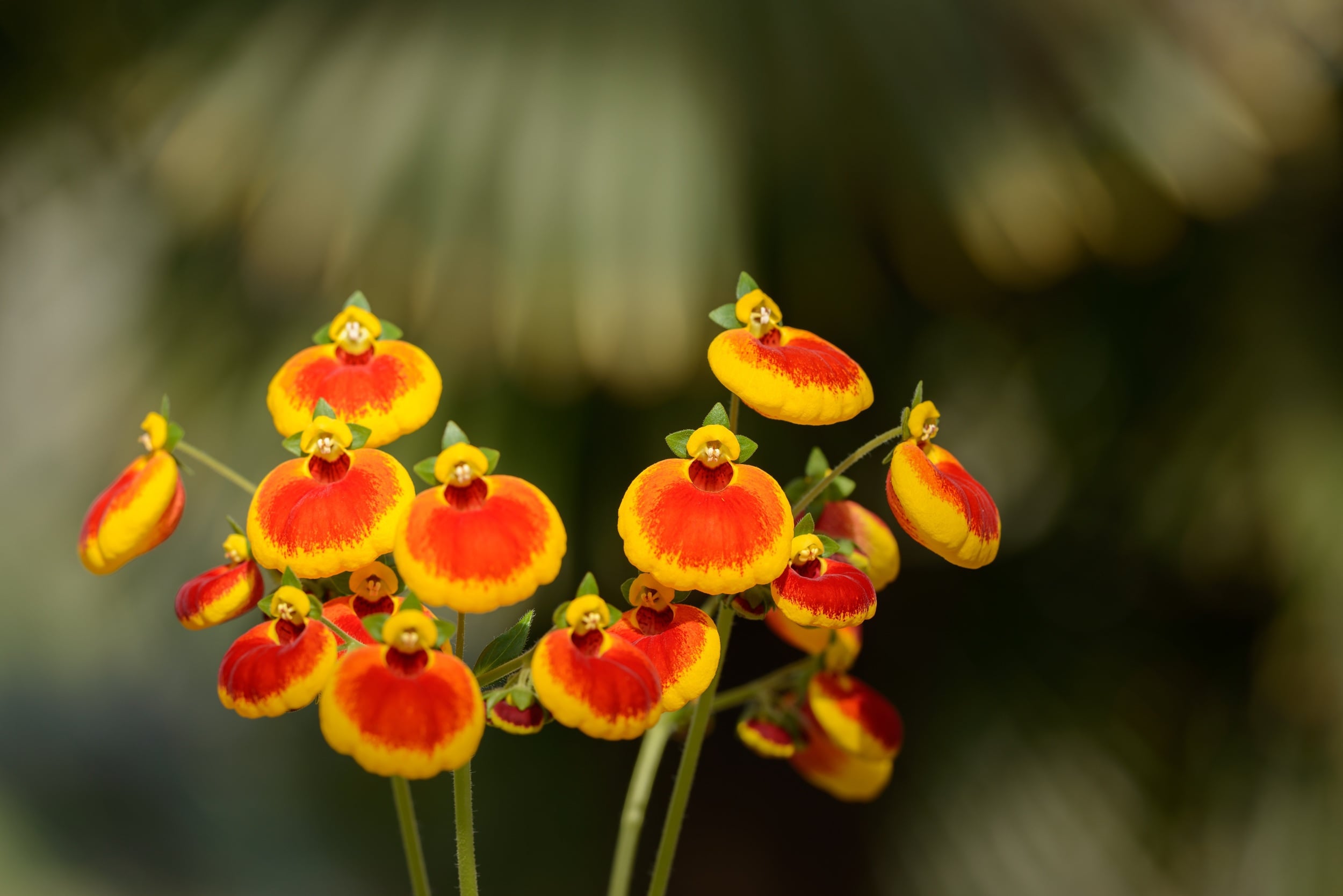
Orange-flowering houseplants are used on windowsills, sunrooms, patios, and entryways, so selection must account for mature size, bloom season, toxicity, and watering needs. Some plants demand bright direct sun and dry winters, while others tolerate lower light and consistent moisture.
In this guide, we review the 30 best house plants with orange flower clusters by examining light requirements, bloom period, humidity needs, size at maturity, and maintenance for reliable indoor color.
House Plants With Orange Flowers Clusters: 30 Best Options
1. Clivia – Best Overall House Plant With Orange Flower Clusters
Clivia is the best overall houseplant with orange flower clusters because it produces dense umbels of trumpet-shaped orange blooms above strappy evergreen leaves. The plant tolerates lower light than most flowering houseplants and blooms reliably once it becomes root-bound.

- Suitable for USDA growing zones 9–11 outdoors and indoor growing in all zones
- Thrives in well-drained soil with moderate watering requirements
Blooming is usually triggered by a cool, dry rest period in winter followed by brighter light in late winter. Because the plant prefers to be pot-bound and resents repotting, it settles in for years of repeat bloom. Clusters open slowly over several weeks, extending the display.
Clivia from a reputable nursery is backed by live-arrival guarantees and works well for growers who want dramatic orange color in bright indirect light.
- Dense orange flower clusters
- Tolerates lower light
- Blooms when root-bound
- Evergreen strappy foliage
- Long-lived plant
- Low maintenance
- Repeat blooms each year
- Needs cool dry winter rest
- Slow to bloom from seed
- Toxic to pets
2. Crossandra – Best Continuous Bloomer With Orange Clusters
Crossandra produces overlapping clusters of bright orange tubular flowers almost continuously on a compact bushy plant. It is one of the few houseplants that flowers reliably in average indoor conditions with bright indirect light.

- Produces clusters of bright orange flowers along upright stems during the warm growing season
- Established plants can reach approximately 1-2 feet tall depending on growing conditions and container size
Blooming is usually steady through spring and summer when the plant receives bright light and consistent moisture. Because the plant prefers warmth and humidity, it performs best in a bathroom or near a humidifier. Deadheading keeps clusters forming.
Crossandra from a reputable nursery is backed by live-arrival guarantees and works well for growers who want repeat orange color on a windowsill.
- Near-continuous bloom
- Compact bushy habit
- Bright orange clusters
- Bright indirect light
- Good for windowsills
- Deadheading extends bloom
- Glossy foliage
- Needs high humidity
- Drops buds if soil dries
- Sensitive to cold drafts
3. Lantana – Best Sun-Loving House Plant With Orange Clusters
Lantana produces rounded clusters of tiny orange, yellow, and red flowers that shift color as they age. Grown indoors in a sunny window, it blooms through summer and attracts butterflies on a patio.

- What You Will Receive: Pack of three (3) healthy, live Lantana "Bright Orange" starter plants, 4-6 inches tall, shipped bare root, ready for immediate planting in eco-friendly packaging. Most images depict mature plants.
- Vibrant Orange Blooms: These stunning plants feature vibrant clusters of bright orange flowers that bloom abundantly from spring to frost, creating an eye-catching display in your garden.
Blooming is usually heavy in full sun and lean soil. Because the plant tolerates heat and drought, it thrives on a bright south-facing sill where other houseplants scorch. Light pruning keeps the plant bushy and blooming.
Lantana from a reputable nursery is backed by live-arrival guarantees and works well for growers who want bold summer color.
- Multicolor orange clusters
- Heat and drought tolerant
- Long bloom season
- Attracts butterflies
- Prunes well
- Good patio plant
- Low maintenance
- Needs full direct sun
- Toxic to pets
- Can be invasive outdoors in warm regions
4. Hibiscus (Tropical) – Best Large House Plant With Orange Blooms
Tropical Hibiscus produces large single orange flowers that open daily on a woody houseplant. Grown indoors in bright light, it blooms repeatedly through summer and adds a tropical look to a sunroom.

- WHAT YOU WILL RECEIVE: You will receive 1 Fiesta Hibiscus plant live without pot, ready for transplanting into your garden or a decorative outdoor container.
- LARGE, COLORFUL BLOOMS: This tropical hibiscus plant produces vibrant flowers that create an eye-catching focal point and add brilliant seasonal color to outdoor spaces.
Blooming is usually strongest in full sun and warm temperatures. Because each flower lasts only a day, a healthy plant produces a steady succession of blooms. Consistent watering and feeding support heavy flowering.
Tropical Hibiscus from a reputable nursery is backed by live-arrival guarantees and works well for growers with a bright sunroom.
- Large orange flowers
- Repeats through summer
- Tropical look
- Woody upright habit
- Many varieties
- Good for sunrooms
- Attracts pollinators outdoors
- Needs full direct sun
- Each bloom lasts one day
- Prone to spider mites indoors
5. Gerbera Daisy – Best Compact House Plant With Orange Flowers
Gerbera Daisy produces bright orange daisy flowers on compact plants that fit on a windowsill. Grown indoors in bright light, it blooms repeatedly and adds cheerful color to a kitchen or sunroom.

- PU Material:Artificial daisies is made of soft PU material, with a soft touch and delicate petals that are lifelike.The inside of the flower stem is made of steel wire, which can be bent or cut according to your needs,The outside is wrapped in green plastic to simulate a real plant stem.
- Widely Used:Our artificial daisy flowers are suitable for decorating homes, gatherings, offices, hotels, weddings, living rooms, shops, coffee shops, kitchens, festivals, and celebrations.Fake daisies have independent stems, and you can also combine other flowers with daisies to showcase your DIY flower arrangement skills and add color and vitality to your space
Blooming is usually strongest in bright light and cool temperatures. Because the plant prefers evenly moist soil and good drainage, it performs best in a pot with a drainage hole. Deadheading keeps new buds coming.
Gerbera Daisy from a reputable nursery is backed by live-arrival guarantees and works well for growers who want bright color in a compact pot.
- Bright orange flowers
- Compact size
- Good for windowsills
- Repeat bloom
- Deadheading extends bloom
- Many varieties
- Cheerful color
- Needs bright light
- Prone to crown rot
- Short-lived indoors
6. Kalanchoe (Orange Varieties) – Best Succulent House Plant With Orange Clusters
Kalanchoe produces dense clusters of small orange flowers above thick succulent leaves. Grown indoors in bright light, it blooms for weeks and tolerates dry soil better than most flowering houseplants.

- FLORIST KALANCHOE: Includes 3 flowering succulents with vibrant orange, red, and yellow blooms
- LONG-LASTING COLOR: Known for bedazzling plant lovers with bold, consistent blossoms year-round

Blooming is usually triggered by short days and bright light. Because the plant stores water in its leaves, it tolerates missed waterings. Removing spent clusters encourages a second flush.
Kalanchoe from a reputable nursery is backed by live-arrival guarantees and works well for growers who want long-lasting color with low watering.
- Dense orange flower clusters
- Long-lasting bloom
- Drought tolerant
- Compact habit
- Succulent foliage
- Low maintenance
- Easy to rebloom
- Needs bright light to rebloom
- Toxic to pets
- Can get leggy without pruning
7. Ixora – Best Bushy House Plant With Orange Flower Clusters
Ixora produces rounded clusters of small orange flowers on a glossy-leaved bushy plant. Grown indoors in bright light and high humidity, it blooms through summer and adds a tropical feel.

- VIBRANT ORANGE BLOOMS: Ixora Carmen produces stunning clusters of bright orange star-shaped flowers that add bold color to any garden or patio.
- COMPACT EVERGREEN SHRUB: This dwarf Ixora variety maintains a tidy, low-growing form with lush, glossy green foliage year-round.
Blooming is usually steady in bright light and warm temperatures. Because the plant prefers acidic soil and consistent moisture, it performs best with filtered water and regular feeding. Light pruning keeps it bushy.
Ixora from a reputable nursery is backed by live-arrival guarantees and works well for growers who want tropical color in a sunroom.
- Rounded orange clusters
- Glossy foliage
- Bushy habit
- Long bloom season
- Tropical look
- Prunes well
- Attracts pollinators outdoors
- Needs high humidity
- Requires acidic soil
- Sensitive to cold drafts
8. Crown of Thorns – Best Tough House Plant With Orange Clusters
Crown of Thorns produces small clusters of orange flowers above thorny stems and thick leaves. Grown indoors in bright light, it blooms nearly year-round and tolerates dry soil and neglect.

- Receive starter plant in random colors when mature. No flowers yet
- Known for its bright, colorful flowers in shades of red, pink, orange, or yellow, which bloom year-round in ideal conditions
Blooming is usually continuous in bright light and warm temperatures. Because the plant is a succulent, it tolerates missed waterings. Pruning after bloom keeps it compact.
Crown of Thorns from a reputable nursery is backed by live-arrival guarantees and works well for growers who want tough, long-blooming color.
- Nearly year-round bloom
- Drought tolerant
- Tough and forgiving
- Compact habit
- Bright orange clusters
- Low maintenance
- Good for beginners
- Thorns
- Toxic sap
- Needs bright light
9. African Violet (Orange Sports) – Best Small House Plant With Orange Clusters
African Violet is normally grown for purple and pink blooms, but orange-flowering sports and hybrids produce clusters of small orange flowers above fuzzy leaves. Grown indoors in bright indirect light, they bloom repeatedly.

- Features burgundy red flowers and soft green leaves, adding natural color to indoor spaces
- Comes planted in a 4 inch nursery pot, suitable for desks, shelves, windowsills, and tabletops
Blooming is usually steady in bright indirect light and warm temperatures. Because the plant prefers evenly moist soil and high humidity, it performs best in a self-watering pot. Removing spent blooms keeps clusters forming.
African Violet from a reputable nursery is backed by live-arrival guarantees and works well for growers who want compact color on a shelf.
- Compact size
- Repeat bloom
- Bright indirect light
- Orange clusters
- Good for shelves
- Easy to propagate
- Fuzzy foliage
- Orange varieties are uncommon
- Needs high humidity
- Prone to crown rot
10. Begonia (Orange Flowering Types) – Best Shade-Tolerant House Plant With Orange Clusters
Begonia includes orange-flowering types that produce clusters of small blooms above patterned foliage. Grown indoors in bright indirect light, they bloom through summer and tolerate lower light than most flowering houseplants.

- [CURATED SELECTION] – Hand-selected live decorative houseplants sourced from professional local growers.
- [PREPARED FOR SHIPMENT] – Each plant is prepared for shipment using standard horticultural handling practices and shipped in a nursery container.
Blooming is usually steady in bright indirect light and consistent moisture. Because the plant prefers humid air and well-drained soil, it performs best in a bathroom or near a humidifier. Deadheading keeps clusters forming.
Begonia from a reputable nursery is backed by live-arrival guarantees and works well for growers who want color in lower light.
- Orange flower clusters
- Tolerates lower light
- Patterned foliage
- Long bloom season
- Many varieties
- Good for bathrooms
- Compact options
- Needs high humidity
- Prone to powdery mildew
- Can rot in wet soil
11. Firecracker Plant – Best Trailing House Plant With Orange Tubes
Firecracker Plant produces tubular orange flowers on arching stems that spill over a pot. Grown indoors in bright light, it blooms through summer and adds a cascading element to shelves.

- RICH GREEN FOLIAGE ALL SEASONS: This orange jasmine potted plant indoor grows glossy green leaves that stay vibrant all year. Use it in your live plants indoor setup or among your outdoor plants live to enjoy lasting greenery and sweet-smelling blooms. Loved by those growing live flowering plants indoor, it fits easily on patios, balconies, or entryways. Add it alongside your other live outdoor plants for layered texture and fragrance.
- BUTTERFLY AND BEE MAGNET: Bring pollinators to your space with this orange jasmine tree, which attracts butterflies and bees with its continuous citrus-scented blooms. Ideal for garden beds or large containers, it works well with other plants for outside or tucked near your favorite live tree. A thoughtful addition to any garden, it helps create a more vibrant environment when planted with other outdoor tree and live trees varieties. Cannot Ship: CA/AZ/TX/LA
Blooming is usually steady in bright light and warm temperatures. Because the plant prefers well-drained soil and moderate moisture, it performs best in a hanging basket. Pruning keeps it bushy and blooming.
Firecracker Plant from a reputable nursery is backed by live-arrival guarantees and works well for growers who want trailing color.
- Tubular orange flowers
- Trailing habit
- Long bloom season
- Good for hanging baskets
- Attracts hummingbirds outdoors
- Prunes well
- Unique look
- Needs bright light
- Can get leggy
- Needs steady moisture
12. Shrimp Plant – Best Easy House Plant With Orange Bracts
Shrimp Plant produces overlapping orange bracts that look like shrimp, with small white flowers emerging from them. Grown indoors in bright light, it blooms nearly year-round and tolerates average humidity.

- High-Grade Orange Sakura Shrimp: Receive 10 vibrant Orange Sakura Neocaridina shrimp with rich coloration, ideal for planted aquariums, nano tanks, and freshwater community setups.
- Peaceful Community Tank Inhabitants: Compatible with other peaceful fish, snails, and shrimp, making them an excellent choice for planted and freshwater aquariums.
Blooming is usually continuous in bright light and warm temperatures. Because the plant prefers consistent moisture and well-drained soil, it performs best with regular watering. Pruning keeps it compact and blooming.
Shrimp Plant from a reputable nursery is backed by live-arrival guarantees and works well for growers who want unusual color with easy care.
- Nearly year-round bloom
- Unique orange bracts
- Tolerates average humidity
- Easy care
- Compact habit
- Prunes well
- Good for beginners
- Needs bright light
- Can drop leaves if dry
- May get leggy
13. Goldfish Plant – Best Cascading House Plant With Orange Blooms
Goldfish Plant produces tubular orange flowers that resemble goldfish on cascading stems. Grown indoors in bright indirect light, it blooms heavily in spring and summer and looks best in a hanging basket.

- You will receive 1 live Trailing Goldfish Plant, 4–7 inches tall, growing in a 4-inch pot
- Produces bright orange flowers and trailing green stems
Blooming is usually strongest in bright indirect light and high humidity. Because the plant is an epiphyte, it prefers a light, airy mix and consistent moisture. Pruning after bloom keeps it full.
Goldfish Plant from a reputable nursery is backed by live-arrival guarantees and works well for growers who want trailing color.
- Tubular orange flowers
- Cascading habit
- Heavy spring bloom
- Good for hanging baskets
- Glossy foliage
- Attracts hummingbirds outdoors
- Unique look
- Needs high humidity
- Fussy about moisture
- Can drop leaves if dry
14. Lipstick Plant – Best Trailing House Plant With Orange Tubes
Lipstick Plant produces tubular orange-red flowers emerging from dark calyxes that resemble lipstick tubes. Grown indoors in bright indirect light, it blooms repeatedly and looks best in a hanging basket.

- Meet lipstick plant! Vibrant Reddish-Orange Flowers.This plant rewards you with unique reddish-orange flowers in early spring, adding a beautiful touch to your space.
- Tropical lipstick! Lipstick plants are easy to care for indoor flowering houseplants. When given the right amount of light and not too much water, the plants produce numerous red or orange small tubular flowers throughout the year.
Blooming is usually strongest in bright indirect light and high humidity. Because the plant is an epiphyte, it prefers a light mix and consistent moisture. Pruning after bloom keeps it full.
Lipstick Plant from a reputable nursery is backed by live-arrival guarantees and works well for growers who want trailing color.
- Tubular orange-red flowers
- Trailing habit
- Repeat bloom
- Good for hanging baskets
- Glossy foliage
- Attracts hummingbirds outdoors
- Unique look
- Needs high humidity
- Fussy about moisture
- Slow to rebloom if stressed
15. Aeschynanthus (Orange Lipstick Varieties) – Best Epiphyte For Bright Bathrooms
Aeschynanthus includes orange-flowering lipstick varieties that bloom on cascading stems. Grown indoors in bright indirect light and high humidity, they perform well in bathrooms and kitchens.
- Meet lipstick plant! Vibrant Reddish-Orange Flowers.This plant rewards you with unique reddish-orange flowers in early spring, adding a beautiful touch to your space.
- Tropical lipstick! Lipstick plants are easy to care for indoor flowering houseplants. When given the right amount of light and not too much water, the plants produce numerous red or orange small tubular flowers throughout the year.
Blooming is usually strongest in bright indirect light and consistent moisture. Because the plant is an epiphyte, it prefers a light, airy mix. Pruning after bloom keeps it full.
Aeschynanthus from a reputable nursery is backed by live-arrival guarantees and works well for growers who want trailing color in humid rooms.
- Orange tubular flowers
- Trailing habit
- Thrives in bathrooms
- Repeat bloom
- Glossy foliage
- Good for hanging baskets
- Unique look
- Needs high humidity
- Fussy about moisture
- Needs bright indirect light
16. Cuphea (Cigar Plant) – Best Compact House Plant With Orange Tubes
Cuphea, commonly called Cigar Plant, produces tubular orange flowers with white tips on a compact bushy plant. Grown indoors in bright light, it blooms through summer and attracts hummingbirds on a patio.

- What You Will Receive: Two (2) healthy, well-rooted Big Cigar Cuphea plants, 5-9 inches tall. Nursery-grown and packaged to arrive in excellent condition.
- Classic Cigar Plant in a Bigger, Bolder Form: Big Cigar produces masses of the iconic bright red-orange tubular flowers with black and white tips that resemble lit cigars — in a larger, more vigorous form for maximum garden impact.
Blooming is usually steady in bright light and warm temperatures. Because the plant prefers consistent moisture and well-drained soil, it performs best in a pot with drainage. Pruning keeps it bushy.
Cuphea from a reputable nursery is backed by live-arrival guarantees and works well for growers who want unique color in a compact pot.
- Tubular orange flowers
- Compact bushy habit
- Long bloom season
- Attracts hummingbirds outdoors
- Prunes well
- Unique look
- Good for containers
- Needs bright light
- Can get leggy
- Needs steady moisture
17. Poinsettia (Orange Varieties) – Best Seasonal House Plant With Orange Bracts
Poinsettia includes orange-bracted varieties that form large colorful clusters above green leaves. Grown indoors in bright light during the holidays, they add bold warm color to a room.

Color is usually strongest in bright indirect light and warm temperatures. Because the plant is sensitive to cold drafts and overwatering, it performs best in a consistent spot. The colored bracts last for weeks.
Orange Poinsettia from a reputable nursery is backed by live-arrival guarantees and works well for growers who want seasonal color.
- Large orange bract clusters
- Bold seasonal color
- Long-lasting display
- Wide availability
- Works in average indoor conditions
- Many sizes
- Festive look
- Seasonal, not year-round bloom
- Toxic to pets
- Sensitive to drafts and overwatering
18. Impatiens (Orange Varieties) – Best Shade-Loving House Plant With Orange Clusters
Impatiens includes orange varieties that produce clusters of flat flowers on a bushy plant. Grown indoors in bright indirect light, they bloom through summer and tolerate lower light than most flowering houseplants.
- RICH GREEN FOLIAGE ALL SEASONS: This orange jasmine potted plant indoor grows glossy green leaves that stay vibrant all year. Use it in your live plants indoor setup or among your outdoor plants live to enjoy lasting greenery and sweet-smelling blooms. Loved by those growing live flowering plants indoor, it fits easily on patios, balconies, or entryways. Add it alongside your other live outdoor plants for layered texture and fragrance.
- BUTTERFLY AND BEE MAGNET: Bring pollinators to your space with this orange jasmine tree, which attracts butterflies and bees with its continuous citrus-scented blooms. Ideal for garden beds or large containers, it works well with other plants for outside or tucked near your favorite live tree. A thoughtful addition to any garden, it helps create a more vibrant environment when planted with other outdoor tree and live trees varieties. Cannot Ship: CA/AZ/TX/LA
Blooming is usually steady in bright indirect light and consistent moisture. Because the plant prefers humid air and well-drained soil, it performs best in a bathroom or near a humidifier. Pinching keeps it bushy.
Impatiens from a reputable nursery is backed by live-arrival guarantees and works well for growers who want color in lower light.
- Orange flower clusters
- Tolerates lower light
- Long bloom season
- Bushy habit
- Good for bathrooms
- Many varieties
- Pinching extends bloom
- Needs high humidity
- Prone to spider mites
- Can get leggy
19. Streptocarpus (Orange Varieties) – Best Blooming House Plant For Shelves
Streptocarpus includes orange-flowering varieties that produce clusters of tubular blooms above rosettes of strap-shaped leaves. Grown indoors in bright indirect light, they bloom repeatedly and fit on a shelf.
- RICH GREEN FOLIAGE ALL SEASONS: This orange jasmine potted plant indoor grows glossy green leaves that stay vibrant all year. Use it in your live plants indoor setup or among your outdoor plants live to enjoy lasting greenery and sweet-smelling blooms. Loved by those growing live flowering plants indoor, it fits easily on patios, balconies, or entryways. Add it alongside your other live outdoor plants for layered texture and fragrance.
- BUTTERFLY AND BEE MAGNET: Bring pollinators to your space with this orange jasmine tree, which attracts butterflies and bees with its continuous citrus-scented blooms. Ideal for garden beds or large containers, it works well with other plants for outside or tucked near your favorite live tree. A thoughtful addition to any garden, it helps create a more vibrant environment when planted with other outdoor tree and live trees varieties. Cannot Ship: CA/AZ/TX/LA
Blooming is usually steady in bright indirect light and warm temperatures. Because the plant prefers evenly moist soil and high humidity, it performs best in a self-watering pot. Removing spent blooms keeps clusters forming.
Streptocarpus from a reputable nursery is backed by live-arrival guarantees and works well for growers who want repeat color in small spaces.
- Repeat bloom
- Compact rosette habit
- Bright indirect light
- Orange clusters
- Good for shelves
- Many varieties
- Easy to propagate
- Needs high humidity
- Fussy about moisture
- Prone to crown rot
20. Oxalis (Orange Varieties) – Best Small House Plant With Orange Clusters
Oxalis includes orange-flowering varieties that produce clusters of small blooms above clover-like leaves. Grown indoors in bright light, they bloom through spring and summer and fit on a windowsill.

- Includes one live False Shamrock (Oxalis) plant, potted in a 4-inch pot and ready to display.
- Thrives in bright indirect light with moderate watering, making it great for beginners.
Blooming is usually steady in bright light and moderate moisture. Because the plant prefers well-drained soil and cool temperatures, it performs best away from heat vents. Removing spent blooms keeps clusters forming.
Oxalis from a reputable nursery is backed by live-arrival guarantees and works well for growers who want compact seasonal color.
- Compact size
- Orange flower clusters
- Clover-like foliage
- Good for windowsills
- Many varieties
- Easy care
- Cheerful color
- May go dormant in summer
- Needs bright light
- Toxic to pets
21. Jasmine (Orange Varieties) – Best Fragrant House Plant With Orange Blooms
Jasmine includes orange-flowering varieties that produce small orange blooms with fragrance. Grown indoors in bright light, they bloom through summer and add scent to a sunroom.
- RICH GREEN FOLIAGE ALL SEASONS: This orange jasmine potted plant indoor grows glossy green leaves that stay vibrant all year. Use it in your live plants indoor setup or among your outdoor plants live to enjoy lasting greenery and sweet-smelling blooms. Loved by those growing live flowering plants indoor, it fits easily on patios, balconies, or entryways. Add it alongside your other live outdoor plants for layered texture and fragrance.
- BUTTERFLY AND BEE MAGNET: Bring pollinators to your space with this orange jasmine tree, which attracts butterflies and bees with its continuous citrus-scented blooms. Ideal for garden beds or large containers, it works well with other plants for outside or tucked near your favorite live tree. A thoughtful addition to any garden, it helps create a more vibrant environment when planted with other outdoor tree and live trees varieties. Cannot Ship: CA/AZ/TX/LA
Blooming is usually strongest in bright light and warm temperatures. Because the plant prefers well-drained soil and consistent moisture, it performs best with regular watering. Pruning after bloom keeps it full.
Jasmine from a reputable nursery is backed by live-arrival guarantees and works well for growers who want fragrance and color.
- Fragrant orange blooms
- Long bloom season
- Bushy habit
- Bright light
- Many varieties
- Good for sunrooms
- Prunes well
- Needs bright light
- Prone to spider mites
- Fussy about moisture
22. Calceolaria – Best Unusual House Plant With Orange Pouches
Calceolaria, or Pocketbook Plant, produces clusters of pouch-shaped orange flowers above soft green leaves. Grown indoors in bright indirect light and cool temperatures, it blooms for weeks in spring.

- Blooms in the fall and winter
- Trim as needed
Blooming is usually strongest in bright indirect light and cool temperatures. Because the plant prefers consistent moisture and high humidity, it performs best in a cool room. Removing spent blooms keeps the display tidy.
Calceolaria from a reputable nursery is backed by live-arrival guarantees and works well for growers who want unusual seasonal color.
- Unusual pouch flowers
- Orange flower clusters
- Compact size
- Bright indirect light
- Good for cool rooms
- Unique look
- Cheerful color
- Short-lived
- Needs cool temperatures
- Fussy about moisture
23. Clivia (Orange Varieties) – Best Repeat Bloomer For Bright Indirect Light
Clivia includes orange varieties that produce dense umbels of trumpet-shaped blooms above strappy evergreen leaves. Grown indoors in bright indirect light, they repeat bloom each year once root-bound.
- Suitable for USDA growing zones 9–11 outdoors and indoor growing in all zones
- Thrives in well-drained soil with moderate watering requirements
Blooming is usually triggered by a cool, dry winter rest followed by brighter light. Because the plant prefers to be pot-bound, it settles in for years of repeat bloom. Clusters open slowly over several weeks.
Clivia from a reputable nursery is backed by live-arrival guarantees and works well for growers who want reliable repeat bloom.
- Dense orange clusters
- Repeat bloom each year
- Evergreen foliage
- Bright indirect light
- Long-lived plant
- Low maintenance
- Good for shaded rooms
- Needs cool dry winter rest
- Slow to bloom from seed
- Toxic to pets
24. Rose (Miniature Orange Varieties) – Best Flowering House Plant For Sunny Windows
Miniature roses include orange varieties that produce small clusters of blooms on compact plants. Grown indoors in full sun, they bloom repeatedly and add classic color to a sunny windowsill.

- Known for their stunning, vibrant flowers in a variety of colors such as pink, white, orange
- Compact and perfect for smaller gardens, patios, balconies, or as a colorful accent in indoor décor
Blooming is usually strongest in full sun and cool temperatures. Because the plant prefers evenly moist soil and good airflow, it performs best near an open window. Deadheading keeps new buds coming.
Miniature Rose from a reputable nursery is backed by live-arrival guarantees and works well for growers who want classic blooms in small spaces.
- Classic orange blooms
- Compact size
- Repeat bloom
- Deadheading extends bloom
- Many varieties
- Good for sunny windows
- Fragrant options
- Needs full direct sun
- Prone to spider mites
- Fussy about moisture
25. Nematanthus (Goldfish Plant Varieties) – Best Trailing House Plant For Hanging Baskets
Nematanthus includes orange-flowering goldfish plant varieties that produce tubular blooms on cascading stems. Grown indoors in bright indirect light, they bloom heavily and look best in hanging baskets.

- Homegrown by Hirt's Gardens
- Relative the the African Violet
Blooming is usually strongest in bright indirect light and high humidity. Because the plant is an epiphyte, it prefers a light, airy mix and consistent moisture. Pruning after bloom keeps it full.
Nematanthus from a reputable nursery is backed by live-arrival guarantees and works well for growers who want trailing color.
- Tubular orange flowers
- Cascading habit
- Heavy bloom
- Good for hanging baskets
- Glossy foliage
- Unique look
- Attracts hummingbirds outdoors
- Needs high humidity
- Fussy about moisture
- Can drop leaves if dry
26. Pachystachys (Golden Shrimp Plant) – Best Upright House Plant With Orange Bracts
Pachystachys produces upright orange bracts that resemble shrimp, with white flowers emerging from them. Grown indoors in bright light, it blooms nearly year-round and adds height to a plant collection.

- ✔ Bright & Tropical: Stunning golden bracts with white flowers
- ✔ Long Blooming Season: Blooms from spring to fall with proper care
Blooming is usually continuous in bright light and warm temperatures. Because the plant prefers consistent moisture and well-drained soil, it performs best with regular watering. Pruning keeps it compact and blooming.
Pachystachys from a reputable nursery is backed by live-arrival guarantees and works well for growers who want unusual color with easy care.
- Nearly year-round bloom
- Unique orange bracts
- Upright habit
- Easy care
- Prunes well
- Good for beginners
- Attracts pollinators outdoors
- Needs bright light
- Can get leggy
- Needs steady moisture
27. Justicia (Orange Shrimp Varieties) – Best Bushy House Plant With Orange Spikes
Justicia includes orange-flowering shrimp varieties that produce spikes of orange bracts on a bushy plant. Grown indoors in bright light, they bloom through summer and tolerate average humidity.

- What You Will Receive: Two (2) healthy, well-rooted Fruit Cocktail Shrimp Plant plants, 5-9 inches tall. Nursery-grown and carefully packaged to arrive in excellent condition.
- Fruity Multicolor Bracts: A blend of orange, yellow, and lime creates a tropical, cocktail-like color effect.
Blooming is usually steady in bright light and warm temperatures. Because the plant prefers consistent moisture and well-drained soil, it performs best with regular watering. Pruning keeps it bushy and blooming.
Justicia from a reputable nursery is backed by live-arrival guarantees and works well for growers who want unusual color with easy care.
- Orange spikes
- Long bloom season
- Tolerates average humidity
- Bushy habit
- Prunes well
- Easy care
- Good for beginners
- Needs bright light
- Can get leggy
- May drop leaves if dry
28. Episcia (Orange Varieties) – Best Colorful Foliage House Plant With Orange Blooms
Episcia includes orange-flowering varieties that produce tubular blooms above patterned, colorful leaves. Grown indoors in bright indirect light and high humidity, they bloom repeatedly and look best in a terrarium.

- Easy to care for indoor plant
- Prefers bright indirect light
Blooming is usually steady in bright indirect light and high humidity. Because the plant prefers a light, airy mix and consistent moisture, it performs best in a terrarium or closed container. Removing spent blooms keeps clusters forming.
Episcia from a reputable nursery is backed by live-arrival guarantees and works well for growers who want color in humid setups.
- Orange tubular flowers
- Colorful patterned foliage
- Repeat bloom
- Good for terrariums
- Compact habit
- Unique look
- Easy to propagate
- Needs high humidity
- Fussy about moisture
- Needs bright indirect light
29. Columnea (Orange Varieties) – Best Cascading House Plant With Orange Tubes
Columnea includes orange-flowering varieties that produce tubular blooms on cascading stems. Grown indoors in bright indirect light, they bloom heavily in spring and look best in a hanging basket.
- LIVE PLANTS: Set of 2 authentic Goldfish Plants (Columnea gloriosa) in 3-inch pots, perfect for indoor growing and displaying
- FLOWERING HABIT: Produces vibrant orange, fish-shaped blooms throughout the year when properly maintained
Blooming is usually strongest in bright indirect light and high humidity. Because the plant is an epiphyte, it prefers a light, airy mix and consistent moisture. Pruning after bloom keeps it full.
Columnea from a reputable nursery is backed by live-arrival guarantees and works well for growers who want trailing color.
- Tubular orange flowers
- Cascading habit
- Heavy spring bloom
- Good for hanging baskets
- Glossy foliage
- Unique look
- Attracts hummingbirds outdoors
- Needs high humidity
- Fussy about moisture
- Can drop leaves if dry
30. Clerodendrum (Orange Varieties) – Best Rare House Plant With Orange Clusters
Clerodendrum includes orange-flowering varieties that produce clusters of blooms on a bushy plant. Grown indoors in bright light and warm temperatures, they bloom through summer and add an exotic look.

- You are buying one Orange Pagoda Clerodendrum paniculatum Orange Pyramid Tower Starter Plant
- Ships bareroot
Blooming is usually strongest in bright light and warm temperatures. Because the plant prefers consistent moisture and well-drained soil, it performs best with regular watering. Pruning after bloom keeps it compact.
Clerodendrum from a reputable nursery is backed by live-arrival guarantees and works well for growers who want unusual color.
- Orange flower clusters
- Exotic look
- Long bloom season
- Bushy habit
- Many varieties
- Prunes well
- Rare option
- Needs bright light
- May be hard to find
- Can drop leaves if stressed
Tips For Choosing House Plants With Orange Flower Clusters
- Match light to plant type: Gerbera, lantana, and tropical hibiscus need direct sun, while Clivia, begonia, and impatiens bloom in bright indirect light.
- Control winter rest periods: Clivia and Kalanchoe need cool or dry conditions to set buds. Skip the rest period and blooms may not form.
- Keep humidity high: Ixora, Crossandra, lipstick plant, and goldfish plant drop buds in dry air. Group plants or use a humidifier.
- Deadhead spent blooms: Removing faded flowers encourages new clusters in Gerbera, Crossandra, and miniature rose.
- Choose the right size: Tropical hibiscus grows large, while Kalanchoe, Oxalis, and African violet stay compact for shelves.
- Avoid overwatering: Begonia, Kalanchoe, and gerbera rot in wet soil. Use pots with drainage and let the top layer dry between waterings.
- Check pet toxicity: Clivia, Kalanchoe, lantana, crown of thorns, and poinsettia are toxic to pets. Keep them out of reach.
House Plants With Orange Flowers Clusters Frequently Asked Questions
1. What is the best house plant with orange flower clusters?
Clivia is the best overall houseplant with orange flower clusters because it produces dense umbels above evergreen leaves and blooms reliably once root-bound. Crossandra and Kalanchoe follow closely for continuous and long-lasting color.
2. Which orange-flowering houseplants bloom continuously?
Crossandra, crown of thorns, shrimp plant, and Pachystachys bloom nearly year-round in bright light. Deadheading and consistent moisture keep clusters forming.
3. What houseplants have orange flowers and tolerate lower light?
Clivia, begonia, and impatiens bloom in bright indirect light and tolerate lower light than most flowering houseplants. All still need some direct or filtered light for heavy bloom.
4. Which orange-flowering houseplants are best for hanging baskets?
Goldfish plant, lipstick plant, firecracker plant, Columnea, and Nematanthus trail beautifully in hanging baskets. They need bright indirect light and high humidity.
5. How do I get Clivia to bloom?
Give Clivia a cool, dry rest period in winter, keep it root-bound, and move it to brighter light in late winter. Avoid repotting unless the pot is splitting.
6. Are orange-flowering houseplants safe for pets?
Many are not. Clivia, Kalanchoe, lantana, crown of thorns, poinsettia, and Oxalis are toxic to pets. Keep them out of reach or choose pet-safe options.
7. Why is my orange-flowering houseplant dropping buds?
Bud drop usually comes from dry air, inconsistent watering, cold drafts, or sudden moves. Keep humidity high, water evenly, and avoid changing the plant’s location while buds are forming.
Conclusion
Clivia is the best overall houseplant with orange flower clusters because it produces dense umbels above evergreen leaves and blooms reliably once root-bound. Crossandra and Kalanchoe follow closely for continuous and long-lasting color.
For bright sunny windows, lantana, tropical hibiscus, Gerbera, and miniature rose deliver bold orange blooms. For bright indirect light, Clivia, begonia, impatiens, and Streptocarpus keep color coming. Trailing options like goldfish plant, lipstick plant, Columnea, and Nematanthus add cascading color to shelves and baskets.
Reliable orange bloom depends on matching plants to light and humidity, providing winter rest where needed, deadheading spent flowers, and avoiding overwatering. Proper selection and care deliver warm color indoors through the season.
Start with one or two easy bloomers this season, choose species suited to your light and humidity, and plan for deadheading and repotting each year. Consistent care delivers houseplants covered in orange flower clusters season after season.