A sloped garden can be one of the most attractive parts of a landscape, but planting on an incline comes with challenges that do not occur on level ground. Rainwater can run downhill quickly, valuable topsoil can wash away, and mowing or maintaining steep areas can become difficult. The right plants can transform these problem areas into productive, attractive garden spaces while helping hold the soil in place.
The best plants for a sloped garden generally have strong root systems, spreading or clumping growth habits, and the ability to establish without demanding constant maintenance. Ground covers, ornamental grasses, shrubs, and carefully selected perennials can all play a role in stabilizing a slope while adding color and texture.
A successful planting scheme should also account for the amount of sunlight, soil type, moisture, slope angle, and climate. Plants that perform well on a sunny embankment may struggle on a shaded hillside, while plants that tolerate dry soil may not be appropriate for a constantly wet slope.
Below are 15 of the best plants for a sloped garden, including ground covers, flowering plants, ornamental grasses, and shrubs that can help create a more attractive and manageable landscape.
15 Best Plants For A Sloped Garden
1. Creeping Juniper – Best Evergreen Ground Cover For A Sloped Garden
Creeping juniper is one of the best plants for a sloped garden when you need an evergreen ground cover that spreads horizontally. Its low-growing branches can cover exposed soil and create a dense layer of vegetation across sunny slopes.

- Vibrant Year-Round Color: Features stunning, dense silvery-blue foliage throughout the spring and summer that gracefully transitions to a rich, purplish-blue tint during the cold winter months.
- Low-Growing Ground Cover: Reaches a mature height of just 4 to 6 inches while spreading aggressively up to 6 to 8 feet wide, forming a thick, weed-suppressing carpet over your soil.
The plant is particularly useful on slopes where mowing would be inconvenient or unsafe. Once established, creeping juniper can tolerate relatively dry conditions and requires considerably less routine attention than many lawn alternatives.
Plant creeping juniper in well-drained soil and give individual plants enough room to spread according to their mature width. It performs best in sunny locations and should not be placed in constantly waterlogged soil.
Pros:
- Evergreen year-round
- Excellent spreading habit
- Useful for erosion control
- Low maintenance after establishment
- Good drought tolerance
- Works well on sunny slopes
- Does not require regular mowing
Cons:
- Needs good drainage
- Can spread beyond its intended area
- Slow to establish in some conditions
2. Creeping Phlox – Best Flowering Ground Cover For Slopes
Creeping phlox combines erosion-conscious planting with an impressive spring display, making it a useful choice for homeowners who want flowering plants for a sloped garden. Its low, spreading growth can cover soil while clusters of flowers provide strong seasonal color.
![Greenwood Nursery: Live Ground-Cover Plants - Pink Creeping/Moss Phlox + Subulata - [Qty: 2X Pint Pots] - (Click for Other Available Plants/Quantities)](https://m.media-amazon.com/images/I/613BufpyYgL._SL160_._SL160_.jpg)
- [INFO1] - Ideal for rock gardens, topping retaining walls, edging pathways, banks & slopes - a spectacular evergreen ground cover. Grows vigorously forming dense spreading, spilling mounds covered in bright pink blossoms. Masses of tiny pink flowers cover the top of this mat forming phlox for a long time, making great lawn edging ideas. Creates a flowering carpet of splashed pink color for bank plantings/rock gardens.
- [INFO2] - A vigorous green and attractive as a ground cover when not in bloom. This Garden Phlox is ideal for pots and hanging planters, too. This pink creeping phlox will spill over the edges of retaining walls for a graceful effect. Great to mix with white and red varieties. Phlox grows 4 to 6" high, 12 to 18" wide. Plant phlox in full sun, blooms in Spring. Contact Greenwood Nursery for a good fertilizing plan for your phlox.
The plant works particularly well on rock gardens, embankments, retaining-wall edges, and other areas where a low-growing ground cover is desirable. Once established, it can spread gradually to form a colorful carpet.
Grow creeping phlox in a sunny location with well-drained soil. Avoid planting it in areas where water remains saturated for long periods because excessive moisture can weaken the roots.
Pros:
- Beautiful spring flowers
- Low-growing habit
- Spreads across slopes
- Useful for rock gardens
- Attractive ground cover
- Good pollinator value
- Relatively low maintenance
Cons:
- Needs adequate sunlight
- Flowering is seasonal
- Requires well-drained soil
3. Ornamental Grasses – Best Plants For Holding Soil On A Slope
Ornamental grasses are among the most practical plants for a sloped garden because their fibrous root systems can help bind soil while their foliage adds movement and texture. They are available in different heights, colors, and growth habits, making it easy to match a grass to the scale of the slope.

- Easy to grow perennial, drought tolerant full sun or full shade
- Strong, robust plants
Many ornamental grasses are also easier to maintain than conventional lawn grass on difficult inclines. Once established, suitable varieties can tolerate periods of dry weather and continue providing structure after flowering.
Choose a grass based on the slope’s sunlight, soil moisture, and mature height. Avoid planting aggressive spreading species unless they are appropriate for your area and can be managed effectively.
Pros:
- Strong fibrous root systems
- Excellent soil coverage
- Many varieties available
- Attractive movement in wind
- Low maintenance options
- Good drought tolerance in suitable species
- Provides year-round structure
Cons:
- Some varieties spread aggressively
- May need annual cutting back
- Species vary in maintenance needs
4. Daylily – Best Easy-Care Flowering Plant For A Sloped Garden
Daylilies are dependable perennials that can bring flowers and foliage to a hillside without requiring the constant attention of a formal flower bed. Their clumping roots and dense foliage make them useful for covering sections of exposed ground.

- SPRING FLOWER: This classic perennial produces vibrant yellow blooms that return reliably each spring and summer season.
- GROWTH: Grows to approximately 12 inches tall and spreads gradually as it matures in garden beds.

One advantage of daylilies is the enormous range of flower colors and sizes available. They can be planted in groups to create a repeated pattern across a slope while reducing the amount of exposed soil.
Plant daylilies in well-drained soil with sufficient sunlight for the selected cultivar. Water new plants regularly while they establish, particularly when rainfall runs rapidly downhill.
Pros:
- Easy to grow
- Many flower colors
- Dense foliage
- Good perennial ground coverage
- Suitable for mass planting
- Low maintenance
- Long flowering period in many varieties
Cons:
- Foliage dies back in some climates
- May need dividing
- Not ideal for extremely dry slopes without irrigation
5. English Ivy – Best Ground Cover For Shaded Slopes
English ivy can provide dense foliage in shaded areas where many sun-loving ground covers struggle. Its trailing and climbing growth allows it to cover uneven ground and create a continuous layer of vegetation.

- PACKAGE CONTENTS: Set of 8 healthy English Ivy plants, each growing in individual 2-inch nursery pots with fresh potting soil
- VERSATILE GROWTH: Trailing vines with distinctive lobed leaves can climb or cascade, perfect for hanging baskets or as ground cover
It can therefore be useful for difficult shaded banks, but its aggressive growth behavior means it must be selected and managed carefully. In regions where English ivy is invasive, gardeners should choose native or non-invasive alternatives instead.
If planted where it is appropriate, monitor the growth regularly and prevent stems from spreading into natural areas or climbing structures where they are not wanted.
Pros:
- Excellent shade tolerance
- Evergreen foliage
- Dense ground coverage
- Useful on difficult banks
- Requires little mowing
- Spreads readily
- Provides year-round greenery
Cons:
- Can become invasive in some regions
- Requires regular control
- Not suitable for every landscape
6. Ajuga – Best Fast-Spreading Ground Cover For A Slope
Ajuga is a low-growing ground cover that can quickly fill spaces between larger plants. Its dense foliage and spreading habit make it useful for reducing exposed soil on gentle to moderate slopes.

- SPRING COLOR: Displays rich blue flower spikes above dramatic dark purple foliage, bringing vibrant color to shaded gardens each spring.
- GROWTH: Forms a dense evergreen ground cover that spreads naturally to suppress weeds and fill bare landscape spaces.
Many cultivars also offer colorful foliage and spikes of blue, purple, pink, or white flowers. This makes ajuga useful when the goal is not only erosion-conscious planting but also a visually interesting hillside.
Ajuga prefers moist but well-drained soil and can tolerate partial shade. Check local recommendations before planting because its spreading habit can make it aggressive in some environments.
Pros:
- Fast ground coverage
- Low-growing
- Attractive foliage
- Produces colorful flowers
- Useful for partial shade
- Reduces exposed soil
- Easy to divide and propagate
Cons:
- Can spread aggressively
- Needs monitoring
- May struggle in very dry soil
7. Blue Fescue – Best Ornamental Grass For A Small Sloped Garden
Blue fescue is a compact ornamental grass that works particularly well when a sloped garden needs texture without being overwhelmed by tall plants. Its blue-gray foliage provides a distinctive contrast against green ground covers and flowering perennials.

- Ornamental Grass: These blue fescue grasses add beauty and texture to your garden.
- Cold Hardy: Perfect for Zones 4-8, thriving in colder climates.
The compact clumps can be repeated across a slope to create a structured planting design. Because the plant remains relatively small, it is especially useful for front-yard slopes, rock gardens, and smaller embankments.
Give blue fescue good drainage and adequate sunlight. Avoid excessive moisture around the crown because persistently wet conditions can cause decline.
Pros:
- Compact growth
- Distinctive blue foliage
- Good for small slopes
- Works in rock gardens
- Low maintenance
- Good drought tolerance once established
- Provides year-round texture
Cons:
- Does not provide tall screening
- Requires good drainage
- Can decline in humid wet conditions
8. Black-Eyed Susan – Best Native-Style Flowering Plant For Slopes
Black-eyed Susan can add bright summer color to a sloped garden while its established root system helps occupy the soil. Its upright stems and golden flowers provide a strong visual contrast against green foliage.

- SPRING & SUMMER COLOR: Warm shades of golden yellow, bronze, mahogany, and rust-red blooms with dark centers provide vibrant color from midsummer through fall.
- GROWTH: Toto Rustic Black-Eyed Susan grows to about 12 inches tall and 10–12 inches wide at maturity, making it ideal for borders, containers, and small garden spaces.
These plants are especially effective when planted in groups rather than scattered individually. A mass planting can create a more natural-looking hillside while helping reduce the amount of exposed ground.
Plant black-eyed Susan in a sunny position and provide adequate water during establishment. Once established, suitable varieties can handle periods of relatively dry weather.
Pros:
- Bright yellow flowers
- Long summer interest
- Attracts pollinators
- Easy to grow
- Good for mass planting
- Suitable for sunny slopes
- Natural-looking appearance
Cons:
- Deciduous foliage
- Can require staking in some conditions
- Does not provide winter coverage in all climates
9. Catmint – Best Low-Maintenance Flowering Plant For A Hillside
Catmint is a valuable choice for sunny slopes because it combines fragrant foliage, attractive flowers, and a relatively manageable growth habit. Its soft appearance can make a steep or rocky area feel more integrated into the rest of the garden.

- Catmint is a perennial herb in the mint family, native to Europe and Asia, known for its heart-shaped, gray-green leaves and clusters of small white or lavender flowers.
- It’s famous for its effect on cats, thanks to the compound nepetalactone, which triggers a euphoric response in most felines, though not all cats react to it.
Lavender-blue flower spikes attract bees and other pollinators during the flowering season. The plant can also be sheared lightly after flowering to encourage a fresh flush of foliage.
Provide full sun and well-drained soil for the best results. Catmint generally performs better when the soil is not constantly wet.
Pros:
- Low maintenance
- Fragrant foliage
- Attractive flowers
- Excellent pollinator plant
- Good drought tolerance once established
- Works well in sunny slopes
- Can be mass planted
Cons:
- Needs good drainage
- Flowering is seasonal
- May need trimming after flowering
10. Creeping Rosemary – Best Drought-Tolerant Plant For A Sunny Slope
Creeping rosemary is an excellent option for warm, sunny slopes where drainage is good and rainfall may be limited. Its trailing branches spread over the ground and create a fragrant evergreen cover.

- Two (2) large live plants – big, healthy, ready to grow, premium trailing rosemary herb plants, 4” to 8” tall plants, in 4” pots. NON GMO No Neonicotinoids
- Also known as Creeping Rosemary this herb plant is beautiful draping over a rock wall or cascading from hanging baskets. 10x Root Development means these plants grow stronger right from the start
The plant can also produce small blue flowers that add seasonal interest. Its aromatic foliage gives it additional value around paths, terraces, and areas where people can enjoy its fragrance.
Use creeping rosemary only where the climate is appropriate and avoid planting it in heavy, constantly wet soil. Once established, it can be relatively drought tolerant and require limited supplemental water.
Pros:
- Evergreen foliage
- Trailing growth
- Fragrant leaves
- Attractive flowers
- Good drought tolerance
- Excellent for sunny slopes
- Low maintenance after establishment
Cons:
- Needs excellent drainage
- Not suited to cold climates
- Can suffer from excessive moisture
11. Juniper – Best Low-Maintenance Evergreen Shrub For A Sloped Garden
Low-growing and spreading junipers can provide dependable evergreen coverage on sunny slopes. Their foliage remains attractive throughout the year, making them useful when the garden needs structure even during winter.

- Stunning Blue Rug Juniper Wiltonii features striking silvery-blue foliage, perfect for adding color and texture to your garden
- Low-maintenance ground cover plant thrives in sunny locations, creating a lush carpet-like appearance with minimal upkeep required
Different juniper cultivars vary considerably in height and spread, so selecting the correct type is important. Some remain close to the ground, while others develop into larger shrubs suitable for stabilizing and visually anchoring a hillside.
Plant junipers in sunny, well-drained locations. Once established, many varieties tolerate dry conditions, although young plants require consistent moisture while their roots develop.
Pros:
- Evergreen year-round
- Many growth forms available
- Good drought tolerance
- Low maintenance
- Useful for erosion-conscious planting
- Good winter structure
- Works in sunny landscapes
Cons:
- Some varieties grow large
- Needs good drainage
- Can be difficult to remove after establishment
12. Spirea – Best Flowering Shrub For A Sloped Garden
Spirea can bring both structure and flowers to a sloped garden. Its arching branches and dense foliage help occupy the soil, while its seasonal flowers add visual interest to otherwise difficult areas.

- Thrives in USDA zones 3-8
- Grows to mature size 24-36″ W x 24-36″ H
Compact varieties are particularly useful for smaller slopes, while larger types can anchor the upper or lower sections of a hillside. Planting several shrubs together can create a more cohesive landscape design.
Spirea generally performs best in well-drained soil with adequate sunlight. Prune according to the flowering type and desired shape rather than repeatedly cutting the plant without considering its natural growth cycle.
Pros:
- Attractive flowers
- Several sizes available
- Good landscape structure
- Useful for mass planting
- Easy to maintain
- Attractive foliage
- Suitable for sunny slopes
Cons:
- Deciduous
- May require pruning
- Not suitable for constantly wet soil
13. Cotoneaster – Best Spreading Shrub For Erosion-Prone Slopes
Spreading cotoneaster can be useful on slopes because its branches naturally extend across the ground and can create a broad layer of vegetation. Depending on the species, it may also produce flowers followed by colorful berries.
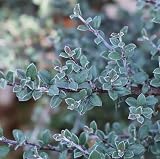
The low and spreading growth habit makes suitable cotoneasters useful for covering embankments where taller plants would not be practical. Their dense structure can also soften rocks, retaining walls, and other hard landscape features.
Select a species that is appropriate for your region because cotoneaster species differ in growth behavior and invasiveness concerns. Give the plant adequate space to develop its natural spread.
Pros:
- Spreading growth habit
- Useful ground coverage
- Attractive berries
- Good ornamental value
- Can cover difficult areas
- Useful around retaining walls
- Many forms available
Cons:
- Species vary significantly
- Some types can spread aggressively
- Needs appropriate site selection
14. Lavender – Best Mediterranean-Style Plant For A Sunny Slope
Lavender is an attractive choice for a sunny, well-drained slope where the garden needs fragrance and flowers as well as useful vegetation. Its compact form works particularly well in repeated groups along an embankment.

- SUMMER FLOWERS: Produces classic purple blooms with a strong, soothing lavender scent.
- GROWTH: Reaches about 12 inches tall and wide with a compact, mounded habit.
The gray-green foliage provides interest outside the flowering season, while purple flower spikes can attract bees and other pollinators. A mass of lavender can also create a striking visual transition between a lawn and a sloped planting bed.
Lavender requires excellent drainage and is not a good choice for waterlogged slopes. Avoid heavy irrigation once established unless local conditions require it.
Pros:
- Fragrant flowers
- Attractive gray-green foliage
- Excellent pollinator plant
- Good drought tolerance
- Low maintenance
- Ideal for sunny slopes
- Works well in mass plantings
Cons:
- Requires excellent drainage
- Can decline in humid wet conditions
- Not ideal for deep shade
15. Creeping Thyme – Best Low-Growing Ground Cover For A Sloped Garden
Creeping thyme is a compact ground cover that can create a dense, low layer of vegetation across suitable slopes. It is particularly appealing for rock gardens, pathways, dry embankments, and small landscaped hillsides.

- PLANT TYPE: Creeping Thyme is a low-growing, spreading perennial herb known for its dense mat-forming growth habit.
- COMES IN A 3.5" POT: Each plant arrives in a 3.5-inch pot, ready to transplant into your garden or landscape.
During flowering, creeping thyme can produce masses of small blooms that attract pollinators. Its low growth also means it does not obscure taller plants positioned behind it.
Grow creeping thyme in full sun and sharply drained soil. It is best suited to slopes that are relatively dry rather than areas where water collects at the bottom of the incline.
Pros:
- Very low-growing
- Excellent ground cover
- Attractive flowers
- Good drought tolerance
- Attracts pollinators
- Works in rock gardens
- Minimal mowing requirement
Cons:
- Slow to fill large spaces
- Needs good drainage
- Not suitable for heavy shade
Buyer’s Guide: How To Choose The Best Plants For A Sloped Garden
1. Consider the steepness of the slope — A gentle incline gives you more planting options, while a steep bank requires plants with strong root systems and growth habits that can hold the soil. Extremely steep slopes may also require terraces, retaining structures, drainage improvements, or professional stabilization in addition to planting.
2. Prioritize plants that cover the soil — Bare soil is vulnerable to rainfall and runoff. Spreading ground covers, clumping grasses, and dense perennials can reduce exposed soil and create a more continuous vegetation layer.
3. Match plants to sunlight — Observe the slope throughout the day before buying plants. Sunny slopes can support juniper, creeping thyme, lavender, and many ornamental grasses, while shaded slopes may require shade-tolerant ground covers.
4. Check drainage and soil moisture — Water moves downhill, which means the top of a slope can become relatively dry while the bottom remains wetter. Select plants according to the actual moisture conditions rather than assuming the entire slope has identical soil.
5. Think about maintenance and access — A plant that requires frequent pruning may become inconvenient on a steep bank. Low-growing, naturally spreading plants can be easier to maintain than shrubs that need regular shaping.
6. Consider mature size and spacing — Do not judge a plant by its nursery-container size. Check its expected mature height and width and leave enough room for it to develop without overcrowding neighboring plants.
7. Use a mixture of plants when appropriate — A combination of ground covers, perennials, ornamental grasses, and shrubs can create several layers of roots and foliage. Before combining species, confirm that they have compatible sunlight, moisture, soil, and climate requirements.
Best Plants For A Sloped Garden By Growing Condition
Best Plants For A Sunny Sloped Garden
Sunny slopes can support plants such as creeping juniper, creeping thyme, lavender, catmint, ornamental grasses, black-eyed Susan, and suitable creeping rosemary. These plants generally perform best when the soil drains well and the planting area receives several hours of direct sunlight.
Best Plants For A Shaded Sloped Garden
Shaded slopes require plants that can tolerate lower light levels. Suitable choices may include shade-tolerant ground covers and selected woodland perennials, depending on the climate and soil conditions. English ivy can tolerate shade but should only be considered where it is not invasive and where its growth can be responsibly managed.
Best Plants For A Dry Sloped Garden
Dry slopes are often well suited to creeping juniper, lavender, creeping thyme, catmint, and drought-tolerant ornamental grasses. Good drainage and establishment watering remain important even when a mature plant is known for drought tolerance.
Best Plants For A Steep Slope
For steep areas, prioritize plants that spread across the soil and develop substantial root systems. Ground covers and dense ornamental grasses can be particularly useful, but very steep or unstable slopes may need structural erosion-control measures in addition to plants.
Best Plants For A Sloped Garden FAQs
1. What are the best plants for a sloped garden?
Some of the best plants for a sloped garden include creeping juniper, creeping phlox, ornamental grasses, daylilies, ajuga, blue fescue, black-eyed Susan, catmint, creeping rosemary, juniper, spirea, cotoneaster, lavender, and creeping thyme. The best choice depends on the slope’s sunlight, soil, drainage, steepness, and climate.
2. What plants are best for preventing erosion on a slope?
Plants with dense ground-covering growth and strong root systems are generally useful for erosion-conscious landscaping. Creeping juniper, ornamental grasses, creeping phlox, daylilies, and suitable spreading shrubs can help cover soil and reduce the amount of bare ground exposed to rainfall.
3. What is the best ground cover for a steep slope?
Creeping juniper, creeping phlox, creeping thyme, and suitable spreading ground covers can work well on slopes because they grow horizontally and cover exposed soil. The best species depends on whether the slope is sunny, shaded, dry, wet, or subject to heavy runoff.
4. What are the best low-maintenance plants for a sloped garden?
Low-maintenance choices can include creeping juniper, ornamental grasses, catmint, lavender, creeping thyme, and other plants that are naturally suited to the site. Selecting plants that match the existing sunlight and moisture conditions reduces the need for ongoing intervention.
5. Can I plant grass on a sloped garden?
Grass can be grown on some slopes, but mowing becomes increasingly difficult and potentially unsafe as the incline becomes steeper. Ornamental grasses or low-growing ground covers can provide an easier alternative for many sloped areas.
6. How do I stop soil from washing away on a sloped garden?
Dense vegetation can help reduce exposed soil and slow the movement of rainwater, but severely eroding slopes may require additional measures such as contour planting, terraces, drainage improvements, erosion-control materials, or retaining structures. Plants should be selected as part of the overall slope-management plan.
7. How far apart should plants be on a sloped garden?
Spacing depends on the mature width and growth rate of each plant. Follow the recommended mature spacing for the selected species rather than planting everything extremely close together, because overcrowding can create competition and maintenance problems as the plants mature.
A well-planted slope can become an attractive feature rather than an area that is difficult to maintain. The best plants for a sloped garden are those that match the site while providing dense coverage, suitable roots, and manageable growth. Ground covers such as creeping juniper, creeping phlox, and creeping thyme are useful for low coverage, while ornamental grasses, perennials, and shrubs can provide additional height and seasonal interest.
Before planting, evaluate the slope carefully and consider where water collects, how much sunlight reaches different sections, and how difficult each area will be to access for maintenance. With the right combination of plants and appropriate erosion-control measures where necessary, even a challenging hillside can become one of the most attractive parts of the landscape.