California’s diverse climate zones, from the foggy coast to the scorching inland valleys, demand shade trees that can withstand intense sun, drought conditions, and sometimes poor soils. The best trees for shade in California combine rapid growth, broad canopies, and remarkable adaptability to the state’s unique Mediterranean climate, providing cooling relief that reduces energy costs and creates comfortable outdoor living spaces.
With summer temperatures frequently exceeding 100°F in many regions, California homeowners need shade trees that establish quickly and provide effective coverage without excessive water requirements. The ideal California shade tree should also complement the state’s natural beauty, offering attractive foliage, interesting bark, or seasonal color that enhances property value and curb appeal.
This comprehensive guide explores the finest shade trees for California landscapes, evaluating growth rate, canopy size, drought tolerance, and overall suitability for the state’s varied climate conditions to help you create cool, comfortable outdoor environments.
10 Best Trees For Shade In California
1. Valley Oak – Best native shade tree for California


- Grow your own Valley Oak (Quercus lobata), the largest of the North American oaks!
- Seed-grown on California's Redwood Coast
The Valley Oak (Quercus lobata) stands as California’s most magnificent native shade tree, developing massive, spreading canopies that create cooling shade across wide areas. This iconic species has adapted over millennia to the state’s Mediterranean climate, providing deep, dappled shade that makes California summers more bearable while supporting local ecosystems.
Reaching 60-80 feet in height with spreads of 60-100 feet, Valley Oaks develop the characteristic broad, open canopies that define California’s savanna landscapes. Their deeply lobed leaves create filtered shade that cools effectively while allowing some light through for understory plantings, making them ideal for large properties and park-like settings.
These magnificent trees demonstrate remarkable drought tolerance once established, developing deep root systems that access groundwater during dry periods. Their longevity and cultural significance make them valuable investments for California property owners seeking permanent, sustainable shade solutions.
Pros
- Massive canopy coverage
- Native to California
- Excellent drought tolerance
- Long-lived species
- Wildlife habitat value
- Adapted to state conditions
Cons
- Requires substantial space
- Slow to moderate growth
- Large-scale only
2. California Sycamore – Best fast-growing native shade

- Industrial Mro High Solids Spray Paint
- Pack of 6Warning
The California Sycamore (Platanus racemosa) delivers rapid shade establishment with its fast growth rate and broad, spreading canopy. This native tree develops into a massive, multi-trunked specimen that provides effective cooling while adding distinctive beauty to California landscapes with its exfoliating bark and large, maple-like leaves.
Growing 40-80 feet tall with spreads of 40-60 feet, California Sycamores establish quickly, often adding 3-5 feet of growth annually in favorable conditions. Their large leaves create dense shade that significantly reduces temperatures beneath the canopy, making them ideal for creating comfortable outdoor living spaces and reducing cooling costs.
These trees thrive in various California climates, from coastal areas to inland valleys, and demonstrate good drought tolerance once established. Their characteristic white, peeling bark provides winter interest while the large leaves create dramatic fall color in many regions.
Pros
- Very fast growth rate
- Large, dense canopy
- Native to California
- Beautiful peeling bark
- Adaptable to climates
- Excellent shade coverage
Cons
- Large leaf drop
- Roots may be invasive
- Susceptible to diseases
3. Chinese Pistache – Best drought-tolerant shade tree

- Due to agricultural laws, we CANNOT SHIP TO CA, AZ, AK, or HI - orders will be refunded if you ship to one of these states
- Chinese Pistache is known for its ability to withstand drought conditions once established. This makes it a resilient choice for landscapes in regions with periodic water shortages or where water conservation is a priority
The Chinese Pistache (Pistacia chinensis) offers exceptional shade with remarkable drought tolerance, making it one of California’s most reliable and beautiful shade trees. Its dense, rounded canopy provides effective cooling, while its spectacular fall color adds brilliant beauty to the landscape, making it a favorite for water-wise California gardens.
Reaching 30-40 feet in height with spreads of 25-35 feet, Chinese Pistaches develop a symmetrical, uniform canopy that provides excellent shade coverage in a manageable size for most properties. Their compound leaves create dappled shade that cools effectively while allowing filtered light to reach understory plantings.
These trees demonstrate outstanding drought tolerance once established and adapt well to California’s alkaline soils. Their moderate growth rate and clean growth habit make them low-maintenance choices for homeowners seeking shade without constant care.
Pros
- Excellent drought tolerance
- Spectacular fall color
- Symmetrical form
- Adaptable to alkaline soils
- Low maintenance
- Pest resistant
Cons
- Moderate growth rate
- Female trees produce messy fruit
- Leaf drop in fall
4. Coast Live Oak – Best coastal California shade tree
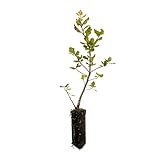
The Coast Live Oak (Quercus agrifolia) defines the California coastal landscape, providing dense, evergreen shade that creates cool microclimates along the state’s western regions. This iconic species offers year-round shelter from the sun, with a characteristic rounded canopy that provides effective cooling while maintaining its beauty throughout all seasons.
Growing 40-60 feet tall with spreads of 40-70 feet, Coast Live Oaks develop broad, rounded canopies with dark green, holly-like leaves that provide dense shade. Their evergreen nature ensures year-round cooling, making them particularly valuable in coastal regions with mild winters and warm summers.
These oaks demonstrate excellent drought tolerance once established, thriving in California’s coastal Mediterranean climate with minimal supplemental water. Their wildlife value and cultural significance make them treasured additions to coastal California properties.
Pros
- Year-round evergreen shade
- Native to California coast
- Excellent drought tolerance
- Wildlife habitat value
- Long-lived species
- Coastal climate adapted
Cons
- Not suited for inland areas
- Slow growth rate
- Susceptible to oak diseases
5. Southern Magnolia – Best evergreen shade tree

- EVERGREEN BEAUTY & FRAGRANCE – Features thick, glossy green foliage year-round, highlighted by large, fragrant white blooms for outstanding seasonal interest.
- 7-GALLON POTTED TREE – Arrives in a nursery pot with established roots for easy transplanting and a strong start in your garden.
The Southern Magnolia (Magnolia grandiflora) provides lush, evergreen shade with spectacular, fragrant flowers that make it a standout choice for California landscapes seeking year-round beauty and effective cooling. Its dense, glossy foliage creates deep shade that significantly reduces temperatures beneath its canopy, making it ideal for creating comfortable outdoor environments.
Reaching 40-60 feet in height with spreads of 30-40 feet, Southern Magnolias develop dense, pyramidal to rounded canopies that provide effective shade coverage. Their large, glossy leaves and enormous white flowers create a tropical appearance that enhances any California landscape.
These magnolias perform well in California’s coastal and inland valley climates, demonstrating good drought tolerance once established. Their evergreen nature ensures year-round shade and screening, while their low maintenance requirements make them practical choices for busy homeowners.
Pros
- Year-round evergreen shade
- Beautiful, fragrant flowers
- Dense, glossy foliage
- Drought tolerant once established
- Low maintenance
- Versatile climate adaptation
Cons
- Can be messy with leaf drop
- Requires some space
- Slow to moderate growth
6. Modesto Ash – Best fast-growing shade for California

- 8 oz/yd² Unisex Medium-Heavy Sweatshirt
- 50% US Cotton / 50% Polyester
The Modesto Ash (Fraxinus velutina ‘Modesto’) delivers rapid shade establishment for California landscapes, developing a broad, rounded canopy that provides effective cooling within just a few years of planting. This popular cultivar offers the fast growth and adaptability that California homeowners need for quick shade results.
Growing 40-50 feet in height with spreads of 30-40 feet, Modesto Ash develops a uniform, symmetrical canopy that provides consistent shade coverage. Its glossy, compound leaves create dappled shade that cools effectively while providing attractive texture and seasonal color changes.
This ash demonstrates excellent adaptability to California’s various climate zones and soil types, including alkaline soils common throughout the state. Its rapid establishment and reliable performance make it one of the most popular shade trees for California home landscapes.
Pros
- Fast growth rate
- Broad, spreading canopy
- Adaptable to California soils
- Good fall color
- Reliable performance
- Affordable option
Cons
- Susceptible to ash borers
- May have brittle branches
- Messy with seed production
7. Jacaranda – Best flowering shade tree for California


The Jacaranda (Jacaranda mimosifolia) delivers spectacular floral displays alongside effective shade, creating unforgettable beauty in California landscapes. Its lavender-blue flower clusters appear in spring and summer, transforming the tree into a stunning centerpiece while the fern-like foliage provides cooling shade.
Reaching 25-40 feet in height with spreads of 25-35 feet, Jacarandas develop open, spreading canopies with fine-textured foliage that creates dappled shade. The tree’s stunning flowers and distinctive form make it a favorite for California homeowners seeking both beauty and cooling relief.
Jacarandas thrive in California’s warm, frost-free regions, particularly in Southern California coastal and valley areas. Their drought tolerance once established and low maintenance requirements make them practical choices for water-wise landscapes.
Pros
- Stunning lavender-blue flowers
- Beautiful fern-like foliage
- Dappled shade provision
- Drought tolerant
- Low maintenance
- Warm climate adapted
Cons
- Limited cold hardiness
- Can be messy with flowers
- Not for inland high heat
8. Western Redbud – Best small shade tree for California

The Western Redbud (Cercis occidentalis) provides intimate shade for smaller California landscapes, offering beautiful spring flowers and attractive summer foliage in a compact, manageable size. This native species brings year-round interest while providing cooling shade for patios, courtyards, and small garden spaces.
Growing 15-25 feet in height with spreads of 15-20 feet, Western Redbuds develop rounded canopies with heart-shaped leaves that create effective shade in compact spaces. Their spring flower displays and attractive bark provide multi-season beauty, making them valuable additions to residential landscapes.
These redbuds demonstrate excellent drought tolerance once established, thriving in California’s Mediterranean climate with minimal supplemental water. Their native status and adaptability to various California regions make them sustainable, low-maintenance choices for smaller properties.
Pros
- Compact, manageable size
- Beautiful spring flowers
- Native to California
- Excellent drought tolerance
- Attractive bark
- Small space suitable
Cons
- Limited shade coverage
- Short flowering period
- Smaller canopy
9. Silver Linden – Best heat-tolerant shade tree

- Silver linden (Tilia tomentosa) flower and bract (leaf) liquid extract or tincture concentrated 1:10. 100% natural, alcohol and sugar free. MADE IN ITALY.
- A NATURAL AID: Silver linden liquid herbal supplement in drops. 40 drops (2 ml) contain 2.3 g of Silver linden extract (1:10). Glyceric macerate or pure fluid extract of Silver linden (Tilia tomentosa) flower and bract (leaf) in drops.
The Silver Linden (Tilia tomentosa) offers exceptional heat tolerance and shade provision for California’s hottest inland regions, with its silver-backed leaves reflecting sunlight and reducing heat absorption. This European native provides effective cooling while adding distinctive beauty to California landscapes with its attractive form and fragrant flowers.
Growing 50-70 feet in height with spreads of 30-40 feet, Silver Lindens develop broad, pyramidal to rounded canopies that provide dense shade coverage. The leaves’ silvery undersides create shimmering effects in the wind, adding visual interest while reflecting heat effectively.
These lindens demonstrate excellent tolerance to heat, drought, and urban conditions, making them ideal for California’s challenging inland environments. Their adaptability and reliable shade provision make them valuable choices for homeowners seeking cooling in hot climates.
Pros
- Excellent heat tolerance
- Reflective silver leaf backs
- Dense, effective shade
- Fragrant flowers
- Urban tolerant
- Heat stress resilient
Cons
- Moderate growth rate
- Leaf drop in fall
- May attract aphids
10. Desert Museum Palo Verde – Best drought-proof shade

The Desert Museum Palo Verde (Parkinsonia x ‘Desert Museum’) delivers reliable shade in California’s hottest, driest environments, with its fast growth and distinctive green bark providing year-round interest. This hybrid combines the best qualities of multiple palo verde species, offering exceptional drought tolerance and effective shade for extreme climates.
Reaching 20-30 feet in height with spreads of 20-25 feet, Desert Museum Palo Verdes develop open, vase-shaped canopies that provide dappled, filtered shade. The tree’s yellow spring flowers and green, photosynthetic bark add unique beauty and ensure survival during extended drought periods.
This palo verde demonstrates outstanding drought tolerance and heat resistance, thriving in California’s desert and extreme inland conditions where other shade trees fail. Its low water requirements and pest resistance make it a sustainable, practical choice for water-conscious California homeowners.
Pros
- Exceptional drought tolerance
- Beautiful yellow flowers
- Unique green bark
- Fast growth rate
- Heat and desert adapted
- Low maintenance
Cons
- Limited cold hardiness
- Filtered shade only
- Smaller size
7 Essential Strategies For California Shade Tree Success
- Match trees to California climate zones: California’s diverse climates demand species adapted to specific conditions. Coastal areas suit Coast Live Oak and Southern Magnolia, inland valleys favor Chinese Pistache and Modesto Ash, while desert regions need Desert Museum Palo Verde and drought-adapted species.
- Provide deep, infrequent watering: California’s Mediterranean climate means dry summers and wet winters. Water shade trees deeply but infrequently to encourage deep root development that accesses groundwater, improving drought tolerance and long-term health.
- Amend soil appropriately: California soils often have high pH, low organic matter, and poor drainage. Add organic matter when planting and consider soil amendments for species that prefer more acidic conditions, though choose species adapted to alkaline soils for best results.
- Space trees for maximum shade: Plan spacing to achieve desired shade coverage, considering mature canopy width. For effective cooling near homes, plant trees on the south and west sides where afternoon sun is strongest, with consideration for mature size and structure clearance.
- Mulch to conserve moisture: Apply 3-4 inches of organic mulch around trees to reduce moisture loss, moderate soil temperatures, and suppress weeds, particularly important in California’s dry summer months. Keep mulch away from the trunk to prevent rot and disease.
- Prune for strong structure: California shade trees benefit from early training to develop strong, wind-resistant structure, especially important for fast-growing species like California Sycamore. Consider professional pruning for large trees to ensure safety and longevity.
- Account for fire safety: In wildfire-prone regions, choose fire-resistant species and maintain clearance from structures. Remove low-hanging branches and maintain proper spacing between trees to reduce fire risk, following local fire safety recommendations.
Frequently Asked Questions About California Shade Trees
1. What is the best shade tree for California?
The best shade tree depends on your specific California region. Valley Oak and Coast Live Oak are excellent native choices, while Chinese Pistache and Modesto Ash provide reliable shade across many climates. For desert regions, Desert Museum Palo Verde offers drought-proof performance.
2. What is the fastest growing shade tree in California?
California Sycamore and Modesto Ash are among the fastest-growing shade trees, adding 3-5 feet annually in favorable conditions. Silver Linden and Chinese Pistache grow moderately fast while providing excellent shade and drought tolerance.
3. What shade trees are drought tolerant in California?
Valley Oak, Coast Live Oak, Chinese Pistache, and Desert Museum Palo Verde demonstrate exceptional drought tolerance once established. These species adapt to California’s dry summers and require minimal supplemental water after the establishment period.
4. What is the best evergreen shade tree for California?
Southern Magnolia provides excellent evergreen shade with its dense, glossy foliage and beautiful flowers. Coast Live Oak offers native evergreen shade for coastal regions, maintaining its canopy throughout the year in moderate climates.
5. What trees have the best fall color in California?
Chinese Pistache provides spectacular fall color in California, developing brilliant displays of orange, red, and gold. Modesto Ash and Silver Linden also offer attractive autumn color, though California’s mild fall temperatures often produce less intense displays than eastern states.
6. What shade trees are safe for California homes?
For homes, choose trees with non-invasive roots like Chinese Pistache and Silver Linden. Avoid species with aggressive root systems near foundations and select fire-resistant species in wildfire-prone areas. Valley Oak and Coast Live Oak are generally safe when planted at appropriate distances.
7. How far from a house should I plant a shade tree in California?
Plant trees at least 15-20 feet from the foundation for smaller species (Chinese Pistache, Jacaranda) and 25-30 feet for larger species (Valley Oak, California Sycamore). This distance prevents foundation damage and ensures adequate clearance for mature canopy growth and root systems.
Conclusion
Selecting the best trees for shade in California requires understanding the state’s diverse climate zones and choosing species adapted to your specific region. The Valley Oak emerges as the premier native choice for larger properties, offering massive, cooling canopies that define California’s beloved savanna landscapes while supporting local ecosystems and wildlife.
For faster shade establishment, California Sycamore and Modesto Ash deliver rapid growth with effective cooling coverage, while Chinese Pistache provides drought-tolerant beauty with spectacular fall color. Coastal property owners will appreciate Coast Live Oak and Southern Magnolia for their year-round evergreen shade and resilience to coastal conditions.
Smaller properties benefit from Western Redbud and Jacaranda, which offer intimate shade with stunning seasonal displays. For California’s most challenging desert environments, Desert Museum Palo Verde provides drought-proof shade with unique beauty that thrives where other trees cannot survive.
Remember that successful shade tree selection considers not just climate adaptation but also available space, water availability, and maintenance commitment. With proper species selection and care, your California shade tree will provide decades of cooling relief, energy savings, and enhanced property value that makes your outdoor spaces more enjoyable and sustainable.