The NPK ratio in triple super phosphate fertilizer is 0-46-0, meaning it supplies 46 percent available phosphate with no nitrogen or potassium. TSP is one of the most concentrated phosphorus fertilizers sold to gardeners and farmers.
Triple super phosphate is manufactured by treating rock phosphate with phosphoric acid, which raises the phosphate concentration far above single super phosphate. The resulting granules dissolve readily in soil and release phosphorus for root uptake.
Gardeners use TSP to correct phosphorus deficiency, encourage root development, and boost flowering and fruiting in vegetable and ornamental beds. Its high concentration means small quantities deliver large amounts of phosphate, so application rates matter enormously.
In this guide, we review 15 key facts about what is the NPK ratio in triple super phosphate (TSP) fertilizer, covering nutrient content, soil behavior, application rates, and suitability for different crops. Each fact examines how TSP works in real garden and farm conditions.
What Is The NPK Ratio In Triple Super Phosphate (TSP) Fertilizer?
1. The 0-46-0 NPK Analysis – What Those Numbers Really Mean For Phosphorus
The 0-46-0 NPK analysis is the first fact every gardener should understand, because it tells you exactly what TSP delivers to the soil. Additionally, the zero in the first position means no nitrogen is present, while the 46 in the middle represents 46 percent available phosphorus pentoxide. Consequently, TSP is a pure phosphorus source with nothing else added.


- [HIGH PHOSPHORUS FORMULA]: Triple Super Phosphate 0-46-0 fertilizer provides concentrated phosphorus to support strong root development, blooming, and healthy plant growth
- [WATER SOLUBLE PERFORMANCE]: Fast-dissolving water soluble formula allows for easy application and efficient nutrient absorption in gardens, lawns, and planting beds
The third zero shows that no potassium is included either, which makes TSP a single-nutrient fertilizer. Moreover, the 46 percent figure is measured as P2O5, the standard way phosphorus content is expressed in fertilizer analysis. Therefore, one kilogram of TSP delivers roughly 460 grams of available phosphate.
This fact matters because it lets gardeners calculate exact phosphorus doses without guessing. Furthermore, the pure analysis means TSP pairs naturally with nitrogen and potassium sources in a complete feeding program. Overall, the 0-46-0 ratio is the foundation for all TSP application decisions.
2. Phosphorus As P2O5 – Why The 46 Percent Figure Is Measured Differently
Phosphorus as P2O5 is the second fact that clarifies TSP labels, because the 46 percent figure refers to phosphorus pentoxide rather than elemental phosphorus. Additionally, the conversion factor of 0.44 means the actual elemental phosphorus content is about 20 percent. Consequently, the label figure looks higher than the true phosphorus weight.

- Triple Super Phosphate Fertilizer - designed to boost the healthy development of all your indoor/outdoor flowers, lawn, and garden vegetables, helps grow more fruits & larger vegetables & works great as a bloom fertilizer & vegetable plant food.
- Application - Apply ½ lb.100 sq. ft. intothe top one inch of soil and water thoroughly Repeat every 5-6 weeks.
The pentoxide convention is used across the fertilizer industry so all phosphorus sources can be compared fairly. Moreover, TSP labels always state the P2O5 equivalent, never the elemental phosphorus figure. Therefore, gardeners comparing TSP to rock phosphate must use the same convention.
This fact matters because comparing labels without understanding the convention leads to overdosing. Furthermore, the standardised figure keeps TSP consistent across brands and countries. Overall, knowing the P2O5 convention prevents costly application errors.
3. Comparison With Single Super Phosphate – How TSP Concentration Differs
Comparison with single super phosphate is the third fact that highlights what makes TSP stand out, because single super phosphate contains only 16 to 20 percent P2O5. Additionally, TSP delivers more than double the phosphate concentration of single super phosphate in the same weight. Consequently, TSP requires fewer bags to deliver the same phosphorus dose.

- PHOSPHORUS FERTILIZER SAFE FOR ALL PLANTS 0-46-0
- GREAT PHOSPHORUS NUTRIENT SOURCE FOR GARDENS, LAWNS, INDOOR AND OUTDOOR PLANTS
The concentration difference shows clearly when hauling bags to a remote garden bed. Moreover, TSP also contains slightly less calcium and no sulphur compared with single super phosphate. Therefore, TSP suits gardeners who need maximum phosphorus with minimum weight and storage space.
This fact matters because transportation and storage costs often outweigh the fertilizer price itself. Furthermore, the concentrated TSP option reduces handling effort on large properties. Overall, the concentration advantage makes TSP the practical choice for heavy phosphorus demand.
4. Solubility In Soil – How Quickly TSP Releases Phosphate To Roots
Solubility in soil is the fourth fact that determines how quickly TSP works, because the granules dissolve in moist soil and release available phosphate within days. Additionally, the water-soluble phosphate moves slowly through the soil profile, staying near the root zone where plants need it. Consequently, TSP supplies phosphorus during the early growth stage.

- Water Soluble phosphorus and potassium
- Can be used dry or can be dissolved in water
The solubility advantage shows in fast-growing seedlings that need phosphorus within the first weeks. Moreover, the granules fully dissolve in soil moisture without leaving visible residue. Therefore, TSP suits root crops, transplants, and fast-establishing vegetables.
This fact matters because phosphorus is least mobile in soil and must be placed near roots. Furthermore, the water-soluble form reduces lock-up compared with rock phosphate. Overall, solubility makes TSP one of the most reliable fast-acting phosphorus sources.
5. Acidifying Effect On Soil – Why TSP Slightly Lowers pH Around Granules
Acidifying effect on soil is the fifth fact that separates TSP from rock phosphate, because the phosphoric acid used in manufacturing leaves residual acidity in the granule. Additionally, the soil pH immediately around a dissolving TSP granule can drop by half a point or more. Consequently, TSP improves phosphorus availability in slightly alkaline soils.

- Quick, at home results for Soil pH, Nitrogen, Phosphorous and Potash Innovative and inexpensive soil test kit features an easy-to-use capsule system and patented color comparators
- Contains all components needed for 20 tests. 5 for each of pH, N, P and K

The acidifying effect shows in soils above pH 7 where phosphorus otherwise locks up. Moreover, the short-term acidity fades as the soil buffers, so long-term pH change is minimal. Therefore, TSP suits alkaline gardens that struggle with rock phosphate.
This fact matters because phosphorus availability peaks in slightly acidic soil. Furthermore, the temporary acidity improves phosphate solubility without permanent pH damage. Overall, the acidifying effect makes TSP more versatile than rock phosphate on high-pH soils.
6. Application Rate Per Square Metre – How Much TSP To Apply For Vegetables
Application rate per square metre is the sixth fact that determines whether TSP helps or harms, because phosphorus is needed in small quantities and excess harms root health. Additionally, a typical vegetable bed requires 30 to 60 grams of TSP per square metre, depending on soil test results. Consequently, small volumes deliver the full phosphorus dose.

- Precision Dry Fertilizer Calibration for Accurate Application: a necessary tool for custom application equipment setup; This fertilizer scale verifies the exact weight per cubic foot of any dry blend; Proper density measurement ensures your spreader or sprayer delivers the intended coverage, protecting crop potential and preventing waste
- Easy Field Use: designed for portability, this measures 15.75 inch/ 40 cm in length, 3.9 inch/ 10 cm in width, and 4.17 inch/ 10.6 cm in height; The lightweight construction allows single-handed operation while checking fertilizer bulk density at storage bins or tender trucks; The open-top canister is simple to fill without packing material, preventing measurement errors from over-compression
The application rate shows most in finely tuned beds where over-application burns seedlings. Moreover, the correct rate matches soil test recommendations rather than garden habit. Therefore, TSP suits gardeners who measure doses with a scale rather than a scoop.
This fact matters because phosphorus does not move much in soil and surplus stays for years. Furthermore, accurate rates prevent long-term phosphorus buildup that harms water quality. Overall, careful rate calculation protects both plants and the environment.
7. Placement Method For Best Results – Where To Put TSP In The Root Zone
Placement method for best results is the seventh fact that determines TSP effectiveness, because phosphorus barely moves in soil and must be placed near actively growing roots. Additionally, banding TSP 5 to 10 centimetres below the surface puts phosphorus in the root zone rather than on top of the soil. Consequently, plants reach the phosphate within the first weeks of growth.

- Thickened Aluminum Alloy Material: Our gardening shovel is made of high-quality aluminum alloy material, allowing the garden trowel to dig deeply into the soil and cut through hard turf easily. The 0.08 inch thickness makes our spade shovel more sturdy and long lasting, ensures durability and stability during use, and makes the trowel not easy to break and long lasting
- Ergonomic Design: The trowel garden tool is designed with an ergonomic rubber-grip handle that reduces hand and wrist fatigue while digging. The high-quality non-slip TPR material of the handle makes the trowel garden tool easy to hold and comfortable to use. Saving your labor, time and energy
The placement advantage shows in root crops that need phosphorus deep in the bed. Moreover, broadcasting TSP on the surface wastes much of the dose because the phosphate cannot move downward. Therefore, TSP suits banded applications at planting or placed in the planting hole.
This fact matters because correct placement doubles the effectiveness of the same amount of TSP. Furthermore, banding prevents phosphorus from washing into waterways. Overall, placement decides whether TSP delivers value or gets wasted.
8. Interaction With Soil pH – How Acidity And Alkalinity Change TSP Efficiency
Interaction with soil pH is the eighth fact that decides how much of the TSP actually reaches roots, because phosphorus locks up in both very acidic and very alkaline soils. Additionally, at pH below 5.5 the phosphate binds with iron and aluminium, while above 7.5 it binds with calcium. Consequently, TSP works best when soil pH sits between 6.0 and 7.0.

- 【7-in-1 Features】This is a 7-in-1 multi-function soil tester. Our soil tester quickly measures soil moisture, pH, temperature and light intensity, and its fertility function helps you take better care of your plants. With this device you can measure the soil moisture, pH, temperature and light intensity for your plants and with the EC and TDS functions you will know when it is time to water the soil.
- 【Large Screen & LCD Backlight】The Soil Moisture Meter has a large LCD display with white backlight that clearly shows the numerical parameters in both daylight and darkness. It is powered by four 1.5V AAA batteries (batteries not included). When one or more batteries are low, the screen will flash red to alert you. Please ensure that all four batteries have sufficient charge.
The pH interaction shows most in unamended beds where phosphorus stays locked despite TSP applications. Moreover, liming acidic soils and adding organic matter to alkaline soils helps TSP release phosphate. Therefore, TSP suits gardens with pH already corrected before planting.
This fact matters because applying TSP to an already locked-up soil wastes money. Furthermore, correcting pH first makes the same TSP dose far more effective. Overall, pH management turns TSP into a reliable phosphorus source rather than a costly mistake.
9. Compatibility With Nitrogen And Potassium – How To Balance TSP In A Complete Program
Compatibility with nitrogen and potassium is the ninth fact that turns TSP into a complete nutrition strategy, because phosphorus alone rarely solves plant needs. Additionally, TSP pairs naturally with ammonium sulfate, urea, and potassium sulfate to deliver balanced NPK. Consequently, one feeding program covers all three macronutrients.

- NITROGEN NUTRIENT PLANT FOOD: Unlike other garden & lawn fertilizers, our ammonia sulfate fertilizer has a 21-0-0 ratio with 21% nitrogen and 24% sulfur for improved soil health & greener growth.
- GREAT FERTILIZER SOIL ACIDIFIER: Made to acidify soil, our sulfur for soil is excellent for acid loving plants. It lowers pH levels & is perfect for fertilizing plants in highly alkaline soil.
The compatibility advantage shows in vegetable beds that need nitrogen alongside phosphorus. Moreover, TSP mixes physically with other dry fertilizers without reacting or caking. Therefore, TSP suits gardeners building custom blends from single-nutrient sources.
This fact matters because most crops need all three macronutrients at planting. Furthermore, blending TSP with N and K sources costs less than buying pre-mixed complete fertilizers. Overall, compatibility makes TSP a flexible building block in complete feeding programs.
10. Storage And Handling – How To Keep TSP Dry And Effective
Storage and handling is the tenth fact that decides whether TSP stays effective between seasons, because the granules absorb moisture from humid air and cake into unusable lumps. Additionally, storing TSP in a sealed container with a moisture absorber keeps the granules dry. Consequently, the phosphate remains soluble when the next planting season arrives.

- PRESERVE FRESHNESS AND FLAVOR: This airtight pet food container helps your pet's dry food to stay tasty with its Gamma Seal Technology; It maintains moisture balance to keep food tasty and fresh
- PROTECT FROM PESTS: The sealed lid of this dog food container locks in flavor and pet food smells while keeping out pests, making it suitable for storing human food, cat food, dog kibble, goat feed, birdseed, and more
The storage advantage shows in humid climates where unsealed bags turn rock-hard within weeks. Moreover, storing TSP off the ground prevents moisture wicking from concrete floors. Therefore, TSP suits gardeners who buy in bulk and store for multiple seasons.
This fact matters because caked TSP cannot be spread accurately and delivers uneven phosphorus doses. Furthermore, dry storage protects the investment in a concentrated fertilizer. Overall, careful storage keeps TSP ready for every planting job.
11. Environmental Risks – How Runoff Carries TSP Phosphorus Into Waterways
Environmental risks is the eleventh fact that should guide TSP use, because phosphorus that leaves the garden in runoff feeds algae blooms in rivers and lakes. Additionally, the water-soluble phosphate in TSP moves readily with rain into stormwater drains. Consequently, oversupplying TSP threatens local waterways.

- Premium Jute Construction: Our Soil Saver Erosion Control Fabric is made from premium-quality jute, a natural and biodegradable material renowned for its superior erosion control capabilities. Crafted with meticulous attention to detail, this 48-inch wide and 20-yard long fabric ensures a sturdy, reliable solution for preventing soil erosion.
- Extensive Coverage for Soil Protection: With a length of 20 yards, this roll of fabric covers an approximate area of 240 square feet, delivering extensive coverage for your landscape. It acts as a shield, safeguarding soil from erosion, reducing sedimentation, and mitigating the adverse impact of wind and water, ensuring the integrity of your landscape and garden areas.
The environmental risk shows most in sloped gardens where rain carries loose granules downhill. Moreover, applying TSP just before heavy rain increases runoff potential. Therefore, TSP suits gardens where applications are timed to dry weather and placed below the surface.
This fact matters because excess phosphorus stays in the soil for years and keeps moving with each rain. Furthermore, correct placement and dosing reduce environmental impact dramatically. Overall, responsible TSP use protects both garden health and local waterways.
12. Suitability For Different Crops – Which Plants Respond Best To TSP
Suitability for different crops is the twelfth fact that decides where TSP shines, because root crops, transplants, and flowering plants respond strongly to phosphorus. Additionally, potatoes, carrots, onions, tomatoes, and bulbs all benefit from banded TSP at planting. Consequently, TSP suits gardens with heavy root and fruit production.
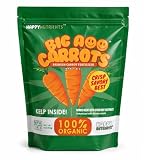
- Grow a Rich Garden: Big A Carrot Fertilizer, your ultimate organic vegetable fertilizer, guarantees a flourishing harvest for all your vegetables, with a special emphasis on carrots. Maintaining 100% organic integrity and enriched with essential nutrients, this fertilizer for vegetable gardens is specifically designed for a thriving garden, ensuring both productivity and safety.
- Unique Nutritious Blend: Our organic fertilizer for vegetables boasts a pioneering blend, featuring the exclusive inclusion of kelp. This proprietary mix enhances the growth of carrots and other root vegetables, ensuring they are not only larger but also more flavorful and nutritious. It is both a potent phosphorus fertilizer for plants as well as a potassium fertilizer and it actively supports optimal plant development, resulting in robust yields. This organic potassium fertilizer not only work
The crop suitability shows most in root crops that need phosphorus in the first weeks of growth. Moreover, flowering plants use the extra phosphorus for bud development and fruit set. Therefore, TSP suits vegetable plots, orchard plantings, and flower borders.
This fact matters because not every crop responds equally to phosphorus. Furthermore, matching TSP to the right crops maximises its effect and reduces waste. Overall, crop suitability decides whether TSP delivers visible results.
13. Comparison With Rock Phosphate – When TSP Delivers Faster Results
Comparison with rock phosphate is the thirteenth fact that highlights TSP’s speed, because rock phosphate releases phosphorus slowly over years while TSP releases it within days. Additionally, rock phosphate only works in acidic soils while TSP works across a wider pH range. Consequently, TSP suits gardeners who need fast results from this season’s planting.

- ORGANIC PLANT POWER - This high phosphorus fertilizer is a natural and organic source of phosphorus that helps correct phosphorus deficient soils
- ALL NATURAL - This phosphate fertilizer is derived from phosphorus-rich natural deposits, ensuring a premium and authentic source of this essential nutrient for your garden.
The speed advantage shows most in quick-maturing vegetables that need phosphorus within weeks. Moreover, rock phosphate suits long-term soil building but not immediate correction. Therefore, TSP suits gardeners planting fast crops that need rapid phosphorus delivery.
This fact matters because the choice between the two affects the entire planting season. Furthermore, fast-release phosphorus supports early growth that slower sources cannot match. Overall, the speed comparison gives TSP the edge for immediate results.
14. Cost Per Unit Of Phosphorus – Whether TSP Beats Other Sources On Price
Cost per unit of phosphorus is the fourteenth fact that helps compare TSP against single super phosphate and rock phosphate, because the higher concentration reduces the cost per kilo of actual phosphorus. Additionally, TSP often delivers the cheapest available phosphate per unit despite a higher bag price. Consequently, TSP suits gardeners buying phosphorus in bulk.

- PHOSPHATE OVERVIEW: Serum phosphate interpretation covers its role in bone mineralization, cell membranes and energy metabolism alongside laboratory context.
- LOW VS HIGH PATTERNS: Low and high pattern comparison separates intake or absorption, cellular shifts, renal loss, reduced excretion and cell-release examples.
The cost advantage shows most in gardens applying phosphorus across many beds. Moreover, the concentrated formula reduces transport and storage costs alongside the phosphate price. Therefore, TSP suits large properties that apply phosphorus every season.
This fact matters because price comparisons must account for concentration, not just bag price. Furthermore, the cost per unit of phosphorus is the fair comparison between sources. Overall, TSP frequently wins the price-per-unit comparison.
15. When To Avoid TSP – Situations Where Other Phosphorus Sources Work Better
When to avoid TSP is the fifteenth fact that prevents costly mistakes, because the concentrated phosphate harms certain soils, plants, and situations. Additionally, TSP should not be applied to already phosphorus-rich soil, to seedlings at full rate, or just before heavy rain on slopes. Consequently, TSP suits gardens where phosphorus is genuinely deficient and placement can be controlled.

- Comprehensive Soil Analysis: Liquid soil test kits offer a comprehensive analysis of essential soil parameters, including pH, ammonia, nitrogen, phosphorus, and potassium. Having all these measurements in one kit provides a holistic understanding of the soil's fertility and health.
- Customized Fertilizer Recommendations: With data on pH and nutrient levels, liquid soil test kits help users apply the right type and amount of fertilizers, optimizing plant growth, and preventing over-fertilization, which could harm both plants and the environment. Whether its for lawns, garden, grass, plants, vegetables, turf, flowers, compost trees vines ornamental landscape house plants or hydroponics you will be able to get the results you want.
The avoidance rule shows most in gardens where soil tests reveal high phosphorus levels. Moreover, over-applying TSP in these beds harms beneficial mycorrhizal fungi and pollutes runoff. Therefore, TSP suits gardens where soil tests confirm phosphorus deficiency.
This fact matters because phosphorus accumulates in soil and cannot be removed easily. Furthermore, replacing TSP with other sources in high-phosphorus beds avoids long-term damage. Overall, knowing when to avoid TSP protects both garden health and the environment.
What Is The NPK Ratio In Triple Super Phosphate (TSP) Fertilizer? FAQs
1. What is the NPK ratio in triple super phosphate (TSP) fertilizer?
The NPK ratio in TSP is 0-46-0, meaning it supplies 46 percent available phosphate with no nitrogen or potassium. It is one of the most concentrated phosphorus fertilizers sold to gardeners.
2. Is TSP the same as superphosphate?
No. TSP is triple super phosphate, which contains 44 to 46 percent P2O5, while single super phosphate contains only 16 to 20 percent P2O5.
3. How much phosphorus is in TSP?
TSP contains approximately 46 percent available phosphate measured as P2O5, which converts to about 20 percent elemental phosphorus.
4. Can I use TSP on all plants?
TSP suits root crops, flowering plants, and transplants that need phosphorus. Avoid using it on phosphorus-rich soil or at full rate on seedlings.
5. Is TSP acidic or alkaline?
TSP has a slight acidifying effect on the surrounding soil, which actually improves phosphorus availability in alkaline soils.
6. How much TSP should I apply per square metre?
Vegetable beds typically need 30 to 60 grams of TSP per square metre, based on soil test results. Always match the dose to the test, not to habit.
7. Can TSP be mixed with other fertilizers?
Yes. TSP mixes physically with ammonium sulfate, urea, and potassium sulfate to build a complete NPK blend. Blend carefully and store the mixture dry.
Conclusion
For what is the NPK ratio in triple super phosphate (TSP) fertilizer, the answer is 0-46-0, meaning pure phosphorus with no nitrogen or potassium. This concentrated analysis makes TSP the most reliable phosphorus source for correcting deficiency.
The P2O5 convention, acidifying effect, and placement rules all determine how much of that 46 percent actually reaches roots. Understanding these facts turns TSP from a confusing bag of numbers into a precise garden tool.
Pairing TSP with nitrogen and potassium sources, applying it in the root zone, and avoiding overuse on high-phosphorus soil all protect both plants and waterways. Each fact about what is the NPK ratio in triple super phosphate (TSP) fertilizer supports a more informed feeding decision.
Before applying TSP, test soil pH and phosphorus levels, measure doses accurately, and place granules below the surface. Choosing TSP wisely today supports stronger roots, healthier crops, and cleaner waterways for seasons to come.