Choosing the best plants for a rockery UK transforms a pile of stones into a jewel-like alpine garden that thrives in Britain’s unpredictable climate. Rockeries mimic mountain habitats, and the plants that suit them are naturally compact, drought-tolerant, and spectacular when in flower.
Rockery plants have become increasingly popular among British gardeners seeking low-maintenance, drought-tolerant gardening that suits modern lifestyles. These alpine species thrive in free-draining conditions, cope with cold winters and wet spells, and reward growers with vivid flowers in the smallest spaces.
The key to success with a UK rockery lies in selecting plants that tolerate both winter wet and summer drought, providing sharp drainage, and choosing compact species that won’t overwhelm neighbouring alpines. With proper selection, your rockery becomes a year-round feature.
In this guide, the 15 best plants for a rockery UK are carefully reviewed based on their hardiness, drainage needs, flowering performance, and suitability for British conditions to help you build a thriving alpine garden.
15 Best Plants For A Rockery UK
1. Saxifrage (Saxifraga spp.) – Best Classic Rockery Plant For UK Gardens
Saxifrage is the best classic rockery plant for UK gardens because it forms tight cushions of foliage covered in tiny starry flowers, thriving in the free-draining conditions that rockeries provide. These alpine gems are a favourite for crevices, troughs, and stone walls.


- Alpine Plant Seeds: Package contains 50 seeds of Saxifraga Exarata, also known as Furrowed Saxifrage, a charming alpine species perfect for rock gardens and alpine displays
- Hardy Evergreen Perennial: This robust plant maintains its attractive foliage year-round and returns reliably each season, thriving in challenging mountain-like conditions
The tight, moss-like cushions of evergreen foliage create perfect texture between stones, while the masses of white, pink, or yellow flowers in spring create a spectacular display. Moreover, saxifrages are remarkably hardy, drought-tolerant, and thrive in poor, gritty soil. Therefore, they offer classic alpine beauty with exceptional rockery performance.
Saxifrages are easy to grow in rockeries, crevices, and troughs, with their compact habit making them perfect between stones and on slopes. Furthermore, they are long-lived perennials that return year after year with minimal care. Overall, saxifrages deliver timeless alpine character with outstanding UK rockery performance.
Pros:
- Classic alpine cushion habit
- Masses of spring flowers
- Extremely hardy
- Drought-tolerant
- Thrives in poor gritty soil
- Perfect for crevices
- Low maintenance
Cons:
- Needs sharp drainage
- Can rot in winter wet
- Some varieties short-lived
2. Aubrieta (Aubrieta deltoidea) – Best Cascading Rockery Plant For UK Gardens
Aubrieta is the best cascading rockery plant for UK gardens because it spills over stones and walls in sheets of purple, pink, or blue flowers each spring. This vigorous alpine is a favourite for softening rockery edges and covering slopes.

- Quick Germination: Surface-sow purple rockcress flower seeds; light required. Sprouts in 10–14 days at 60–65°F. Start indoors 6 weeks before last frost — garden seed planting, great seeds for planting.
- Sun & Soil Fit: Rock cress plant loves full sun or part sun and very well-drained soil. Keep seedlings moist; established plants prefer dry. Durable ground cover flower —pairs with ground cover seeds.
The low, mat-forming habit creates dense cushions that cascade beautifully over stones, while the masses of spring flowers create an unforgettable carpet of colour. Moreover, aubrieta is remarkably hardy, drought-tolerant, and thrives in poor, well-drained soil. Therefore, it offers spectacular spring colour with exceptional rockery performance.
Aubrieta is easy to grow in rockeries, walls, and slopes, with its trailing habit making it perfect for softening edges and covering bare ground. Furthermore, it is a long-lived perennial that returns year after year with minimal care. Overall, aubrieta delivers cascading beauty with outstanding UK rockery performance.
Pros:
- Spectacular spring flower carpets
- Cascading mat-forming habit
- Extremely hardy
- Drought-tolerant
- Perfect for walls and slopes
- Attracts early pollinators
- Low maintenance
Cons:
- Needs sharp drainage
- Can become leggy with age
- Requires trimming after flowering
3. Alpine Phlox (Phlox subulata) – Best Evergreen Carpet For UK Rockeries
Alpine Phlox is the best evergreen carpet plant for UK rockeries because it forms dense, needle-like mats that burst into flower each spring in pink, purple, white, or blue. This hardy alpine is a favourite for covering ground between stones.

- [Dense Carpet of Spring Blooms] Produces masses of star-shaped flowers that blanket foliage in spring. Plants spread slowly to form a thick, weed-suppressing mat.
- [Evergreen Ground Cover] Grows 4-6 inches tall with needle-like foliage that remains green year-round. Spreads 18-24 inches wide, filling gaps between rocks and along pathways. Ideal for erosion control on slopes .
The dense, needle-like evergreen foliage creates a perfect carpet that suppresses weeds, while the masses of starry spring flowers create a spectacular display. Moreover, alpine phlox is remarkably hardy, drought-tolerant, and thrives in full sun with sharp drainage. Therefore, it offers evergreen coverage with exceptional rockery performance.
Alpine phlox is easy to grow in rockeries, walls, and gravel gardens, with its mat-forming habit making it perfect for covering ground and softening edges. Furthermore, it is a long-lived perennial that returns year after year with minimal care. Overall, alpine phlox delivers evergreen carpet beauty with outstanding UK rockery performance.
Pros:
- Dense evergreen carpet
- Masses of spring flowers
- Extremely hardy
- Drought-tolerant
- Suppresses weeds
- Attracts pollinators
- Low maintenance
Cons:
- Needs full sun
- Requires sharp drainage
- Can be short-lived in wet soils
4. Sempervivum (Sempervivum spp.) – Best Succulent For UK Rockeries
Sempervivum is the best succulent for UK rockeries because it forms tight rosettes in an extraordinary range of colours and multiplies readily to fill gaps between stones. These houseleeks are a favourite for crevices, walls, and troughs.

- An assortment of live succulents featuring 5 Sempervivum plants. These low light plants are fantastic plant decor for bedroom spaces, plus they’re hardy office plants and desk plants.
- Create dazzling succulent decor with these mini plants. Plant with other cacti & succulent plants and terrarium plants in a succulent pot or a succulent planter box with plant accessories like succulent potting mix, succulent fertilizer, and succulent rocks.

The tight rosettes of fleshy leaves create perfect texture between stones, while their colours range from green to burgundy, purple, and silver depending on season and variety. Moreover, sempervivums are remarkably hardy, drought-tolerant, and thrive in the poorest, driest conditions. Therefore, they offer unique rosette beauty with exceptional rockery performance.
Sempervivums are easy to grow in rockeries, crevices, walls, and troughs, with their spreading habit filling gaps and forming colonies. Furthermore, they are long-lived perennials that return year after year and multiply freely. Overall, sempervivums deliver unique rosette beauty with outstanding UK rockery performance.
Pros:
- Unique rosette shapes
- Wide range of colours
- Extremely hardy
- Drought-tolerant
- Multiplies freely
- Perfect for crevices
- Low maintenance
Cons:
- Can rot in winter wet
- Monocarpic rosettes die after flowering
- Needs sharp drainage
5. Thyme (Thymus spp.) – Best Fragrant Rockery Plant For UK Gardens
Thyme is the best fragrant rockery plant for UK gardens because it forms low, aromatic mats that release scent when brushed and produce tiny flowers loved by bees. This Mediterranean herb is a favourite for rockeries and gravel gardens.

- FRAGRANT & FLAVORFUL: Tiny aromatic leaves provide exceptional flavor while creating an attractive low-growing perennial.
- GROWTH: Compact mounding herb that's perfect for edging, rock gardens, containers, and herb beds.
The tiny, aromatic leaves create dense, low carpets that soften stones, while the masses of pink, purple, or white summer flowers attract pollinators in abundance. Moreover, thyme is remarkably hardy, drought-tolerant, and thrives in poor, well-drained soil. Therefore, it offers fragrance and beauty with exceptional rockery performance.
Thyme is easy to grow in rockeries, gravel gardens, and between paving stones, with its mat-forming habit making it perfect for ground cover and crevices. Furthermore, it is a long-lived perennial that returns year after year with minimal care. Overall, thyme delivers fragrant beauty with outstanding UK rockery performance.
Pros:
- Aromatic foliage
- Attracts bees
- Extremely hardy
- Drought-tolerant
- Culinary herb value
- Perfect for gravel gardens
- Low maintenance
Cons:
- Can become woody with age
- Needs full sun
- Requires sharp drainage
6. Sedum (Sedum spp.) – Best Autumn Colour For UK Rockeries
Sedum is the best autumn colour plant for UK rockeries because it produces fleshy foliage topped with flat heads of pink, red, or yellow flowers from late summer into autumn. These stonecrops are a favourite for borders, rockeries, and containers.

- Two (2) large live Sedum Autumn Joy plants – big, healthy, ready to grow, premium perennial flower plants, 4” to 8” tall plants, in 4” pots. NON-GMO No Neonicotinoids. Pollinator Favorite
- A beloved perennial known for its attractive succulent foliage and clusters of star-shaped pink flowers that deepen to coppery-red as they mature. Thrives in sunny, dry areas, making it perfect for rock gardens, borders, containers, and xeriscapes
The fleshy, colourful leaves create attractive texture between stones, while the flat flower heads provide late-season nectar for bees and butterflies. Moreover, sedums are remarkably hardy, drought-tolerant, and thrive in poor, well-drained soil. Therefore, they offer late-season colour with exceptional rockery performance.
Sedums are easy to grow in rockeries, gravel gardens, and containers, with their compact habit making them perfect for small spaces and crevices. Furthermore, they are long-lived perennials that return year after year with minimal care. Overall, sedums deliver autumn colour with outstanding UK rockery performance.
Pros:
- Late-season flowers
- Attracts pollinators
- Extremely hardy
- Drought-tolerant
- Attractive fleshy foliage
- Winter seed heads
- Low maintenance
Cons:
- Needs full sun
- Can flop in rich soil
- Requires sharp drainage
7. Lewisia (Lewisia cotyledon) – Best Flowering Alpine For UK Rockeries
Lewisia is the best flowering alpine for UK rockeries because it produces spectacular star-shaped flowers in vivid shades of pink, orange, yellow, and white above evergreen rosettes. This Western American native is a favourite for troughs and crevices.

- SET OF 3 LIVE PLANTS: Includes three Lewisia alpine perennial plants, each featuring compact succulent rosettes and vibrant multi-colored flower clusters.
- AWARD-WINNING VARIETY: These prized alpine perennials are celebrated for their spectacular blooms, producing stunning clusters of flowers in shades of pink, orange, yellow, and white.
The evergreen rosettes of fleshy leaves create year-round interest, while the vivid flowers in late spring and early summer create a spectacular display. Moreover, lewisia is hardy, drought-tolerant, and thrives in sharply drained, gritty soil. Therefore, it offers spectacular flowers with exceptional rockery performance.
Lewisia is easy to grow in rockeries, troughs, and crevices, with its compact habit making it perfect for small spaces and alpine beds. Furthermore, it is a long-lived perennial that returns year after year with proper drainage. Overall, lewisia delivers spectacular flowers with outstanding UK rockery performance.
Pros:
- Spectacular star-shaped flowers
- Evergreen rosettes
- Vivid colour range
- Hardy in UK conditions
- Drought-tolerant
- Perfect for troughs
- Long-lived perennial
Cons:
- Needs very sharp drainage
- Can rot in winter wet
- Requires careful watering
8. Campanula (Campanula spp.) – Best Bell Flower For UK Rockeries
Campanula is the best bell flower for UK rockeries because it produces masses of blue, purple, white, or pink bell-shaped flowers on compact, spreading plants. These alpine bellflowers are a favourite for rockeries, walls, and crevices.

- Two (2) Large Live Plants – big, healthy, ready to grow, premium perennial flower plants, 3” to 6” tall plants, in 4” pots. NON-GMO No Neonicotinoids
- This pretty purple-blue Bellflower is a must have for English Cottage Gardens. Pretty, bell-shaped flowers dot spiky stems that grow to about 7” and blooms in early spring over compact, mounded foliage
The low, spreading habit creates dense carpets that soften stones, while the masses of bell-shaped flowers in summer create a beautiful display. Moreover, campanulas are remarkably hardy, drought-tolerant, and thrive in poor, well-drained soil. Therefore, they offer charming flowers with exceptional rockery performance.
Campanulas are easy to grow in rockeries, walls, and gravel gardens, with their spreading habit making them perfect for ground cover and crevices. Furthermore, they are long-lived perennials that return year after year with minimal care. Overall, campanulas deliver charming beauty with outstanding UK rockery performance.
Pros:
- Charming bell-shaped flowers
- Wide colour range
- Extremely hardy
- Drought-tolerant
- Spreading ground cover
- Perfect for walls
- Low maintenance
Cons:
- Can spread aggressively
- Slugs may damage young shoots
- Needs sharp drainage
9. Dianthus (Dianthus spp.) – Best Fragrant Alpine For UK Rockeries
Dianthus is the best fragrant alpine for UK rockeries because it produces clove-scented flowers in pink, red, white, and purple above neat cushions of blue-grey foliage. These alpine pinks are a favourite for rockeries, crevices, and troughs.

- SPRING & SUMMER FLOWER: Rich purple blooms with a sweet fragrance create a stunning display in spring and summer gardens. The vibrant flower color stands out beautifully against the blue-green foliage, adding eye-catching color to borders, containers, and landscapes.
- GROWTH: Barbarini Purple Dianthus is a compact perennial that grows to about 10 inches tall and 6–12 inches wide at maturity, making it an excellent choice for edging, rock gardens, and patio containers.
The neat cushions of blue-grey foliage create year-round structure between stones, while the fragrant flowers in summer create a beautiful display. Moreover, dianthus is remarkably hardy, drought-tolerant, and thrives in poor, sharply drained soil. Therefore, it offers fragrance and beauty with exceptional rockery performance.
Dianthus is easy to grow in rockeries, crevices, and troughs, with its compact habit making it perfect for small spaces and alpine beds. Furthermore, it is a long-lived perennial that returns year after year with proper drainage. Overall, dianthus delivers fragrant beauty with outstanding UK rockery performance.
Pros:
- Clove-scented flowers
- Blue-grey cushion foliage
- Extremely hardy
- Drought-tolerant
- Long flowering season
- Perfect for crevices
- Low maintenance
Cons:
- Can be short-lived
- Needs sharp drainage
- Can rot in wet winters
10. Helianthemum (Helianthemum nummularium) – Best Sun Rose For UK Rockeries
Helianthemum is the best sun rose for UK rockeries because it produces masses of bright papery flowers in red, pink, yellow, orange, or white above low evergreen mats. These rock roses are a favourite for rockeries, walls, and gravel gardens.

The low, evergreen mats create year-round structure between stones, while the masses of bright summer flowers create a spectacular display. Moreover, helianthemum is remarkably hardy, drought-tolerant, and thrives in poor, well-drained soil. Therefore, it offers long-lasting colour with exceptional rockery performance.
Helianthemum is easy to grow in rockeries, walls, and gravel gardens, with its mat-forming habit making it perfect for ground cover and slopes. Furthermore, it is a long-lived perennial that returns year after year with minimal care. Overall, helianthemum delivers bright colour with outstanding UK rockery performance.
Pros:
- Masses of bright flowers
- Evergreen mat foliage
- Extremely hardy
- Drought-tolerant
- Long flowering season
- Perfect for slopes
- Low maintenance
Cons:
- Needs full sun
- Can become leggy
- Requires sharp drainage
11. Gentiana (Gentiana spp.) – Best Blue Flower For UK Rockeries
Gentiana is the best blue flower for UK rockeries because it produces intensely coloured trumpet or bell-shaped flowers in shades of blue that few other plants can match. These alpine gentians are a favourite for rockeries, troughs, and lime-free areas.
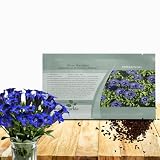
- HARDY PERENNIAL: Our Blue Gentian flourishes in USDA Zones 3-7, making it perfect for various climates. As a hardy perennial, it returns year after year, providing vibrant blue blooms and supporting stomach wellness. It’s well-suited for low-maintenance gardens, rock gardens, or alpine settings. Pair it with other perennial flowers or ground cover plants for a colorful, lasting display.
- VIBRANT BLUE BLOOMS: Enjoy stunning blue flowers from early to mid-summer with our Blue Gentian. These eye-catching blooms bring vibrant color and interest to any garden, rock garden, or alpine setting. Perfect for gardeners looking to add a pop of color to their landscape. Pair with ground cover plants or other colorful flowers for a breathtaking, long-lasting display.
The vivid blue flowers in late summer and autumn create an unforgettable display above neat, low-growing foliage. Moreover, gentians are hardy in UK conditions and thrive in cool, moist, well-drained soil that mimics their mountain homes. Therefore, they offer unmatched blue colour with exceptional rockery performance.
Gentians are easy to grow in rockeries, troughs, and alpine beds, with their compact habit making them perfect for small spaces and crevices. Furthermore, they are long-lived perennials that return year after year with proper conditions. Overall, gentians deliver unmatched blue beauty with outstanding UK rockery performance.
Pros:
- Intense blue flowers
- Late-season colour
- Hardy in UK conditions
- Compact habit
- Perfect for troughs
- Long-lived perennial
- Unmatched colour
Cons:
- Some species need lime-free soil
- Requires consistent moisture
- Can be challenging to establish
12. Pulsatilla (Pulsatilla vulgaris) – Best Spring Pasqueflower For UK Rockeries
Pulsatilla is the best spring pasqueflower for UK rockeries because it produces dramatic bell-shaped flowers followed by silky seed heads that extend interest well beyond bloom. This native wildflower is a favourite for rockeries and wildflower gardens.

- Ultra-Early Spring Blooms: One of the first perennials to emerge, providing crucial nectar sources for waking pollinators; Plant height 8-12 inches.
- Unique Silky Texture: The plant has distinctive, soft, fuzzy stems and foliage; After the bell-shaped flowers bloom, they transform into large, feathery silver seed plumes that remain decorative for weeks
The finely divided, silky foliage creates attractive texture between stones, while the purple, red, or white flowers in early spring create a spectacular display. Moreover, pulsatilla is remarkably hardy, drought-tolerant, and thrives in poor, well-drained soil. Therefore, it offers spring beauty with exceptional rockery performance.
Pulsatilla is easy to grow in rockeries, gravel gardens, and wildflower plantings, with its compact habit making it perfect for small spaces and alpine beds. Furthermore, it is a long-lived perennial that returns year after year with proper drainage. Overall, pulsatilla delivers spring beauty with outstanding UK rockery performance.
Pros:
- Dramatic spring flowers
- Silky seed heads extend interest
- Native British wildflower
- Extremely hardy
- Drought-tolerant
- Perfect for gravel gardens
- Low maintenance
Cons:
- Needs sharp drainage
- Dislikes winter wet
- Can be short-lived
13. Erinus alpinus – Best Self-Seeding Alpine For UK Rockeries
Erinus alpinus is the best self-seeding alpine for UK rockeries because it seeds freely into crevices, walls, and gaps, creating natural drifts of pink or white flowers each spring. This charming alpine is a favourite for old walls and stone steps.

The low rosettes of green foliage create neat texture between stones, while the masses of tiny pink or white flowers in late spring create a beautiful naturalistic display. Moreover, erinus is remarkably hardy, drought-tolerant, and thrives in poor, sharply drained conditions. Therefore, it offers naturalistic beauty with exceptional rockery performance.
Erinus is easy to grow in rockeries, walls, and crevices, with its self-seeding habit making it perfect for naturalising between stones. Furthermore, it is a short-lived perennial that maintains itself by seed year after year. Overall, erinus delivers naturalistic beauty with outstanding UK rockery performance.
Pros:
- Self-seeds freely
- Naturalises in crevices
- Extremely hardy
- Drought-tolerant
- Perfect for old walls
- Long flowering season
- Low maintenance
Cons:
- Short-lived individual plants
- Can spread excessively
- Needs sharp drainage
14. Armeria (Armeria maritima) – Best Coastal Alpine For UK Rockeries
Armeria is the best coastal alpine for UK rockeries because it produces tight clumps of grass-like foliage topped with pink or white globe-shaped flowers on stiff stems. This sea thrift is a favourite for rockeries, walls, and coastal gardens.

- Mature Size: 6-12" tall and wide
- Full Sun
The dense, evergreen clumps create neat texture between stones, while the globe-shaped summer flowers on stiff stems create a distinctive display. Moreover, armeria is remarkably hardy, drought-tolerant, and tolerates salt spray and coastal winds. Therefore, it offers coastal beauty with exceptional rockery performance.
Armeria is easy to grow in rockeries, walls, and coastal gardens, with its compact habit making it perfect for small spaces and crevices. Furthermore, it is a long-lived perennial that returns year after year with minimal care. Overall, armeria delivers coastal beauty with outstanding UK rockery performance.
Pros:
- Distinctive globe flowers
- Evergreen clump foliage
- Extremely hardy
- Salt and wind tolerant
- Drought-tolerant
- Perfect for coastal gardens
- Low maintenance
Cons:
- Needs full sun
- Can be short-lived in wet soils
- Requires sharp drainage
15. Cyclamen (Cyclamen coum) – Best Winter Flowering Alpine For UK Rockeries
Cyclamen is the best winter flowering alpine for UK rockeries because it produces delicate pink, white, or magenta flowers on bare ground in midwinter when little else blooms. This hardy cyclamen is a favourite for rockeries, woodland edges, and under shrubs.

The rounded, marbled leaves create attractive ground cover from autumn through spring, while the delicate winter flowers create a beautiful display when little else blooms. Moreover, cyclamen coum is remarkably hardy, drought-tolerant in summer dormancy, and naturalises freely in well-drained soil. Therefore, it offers winter beauty with exceptional rockery performance.
Cyclamen is easy to grow in rockeries, woodland edges, and underplanting, with its compact habit making it perfect for small spaces and naturalising under shrubs. Furthermore, it is a long-lived perennial that returns year after year and spreads freely by seed. Overall, cyclamen delivers winter beauty with outstanding UK rockery performance.
Pros:
- Winter flowers when little else blooms
- Marbled attractive foliage
- Extremely hardy
- Self-seeds freely
- Drought-tolerant in dormancy
- Perfect for naturalising
- Low maintenance
Cons:
- Dormant in summer
- Needs sharp drainage
- Tubers can rot if waterlogged
7 Essential Factors For Choosing Plants For A Rockery UK
Drainage: Rockery plants almost all demand sharp drainage, so build your rockery with plenty of grit and gravel, and plant on a slope or mound. Poor drainage is the single biggest cause of rockery plant failure in Britain.
Winter wet tolerance: UK winters are often wet rather than cold, and many alpines rot in damp conditions despite their cold hardiness. Choose species that tolerate winter moisture, or protect particularly vulnerable plants with a gravel mulch or glass cover.
Sun exposure: Most rockery plants need full sun to flower and remain compact, though some alpines tolerate partial shade. Assess how much sun your rockery receives and match plant selection accordingly.
Soil type and pH: Some alpines demand lime-free, acidic soil, while others thrive in alkaline conditions. Test your soil pH and choose species suited to it, particularly for challenging genera like gentians and lewisia.
Plant size: Rockery plants should remain compact and in proportion to the stones, so avoid vigorous species that will overwhelm smaller alpines. Check mature spread before planting and allow adequate spacing.
Seasonal interest: Create year-round appeal by combining early bloomers like pulsatilla, summer performers like helianthemum, autumn colour like sedum, and winter flowers like cyclamen. This layered approach keeps the rockery interesting in every season.
Maintenance requirements: Some alpines need regular trimming after flowering, while others self-seed and look after themselves. Choose a balance that suits your available time, particularly for larger rockeries.
Frequently Asked Questions About Best Plants For A Rockery UK
1. What are the best plants for a rockery UK?
The best plants for a rockery UK include Saxifrage, Aubrieta, Alpine Phlox, Sempervivum, Thyme, Sedum, Lewisia, Campanula, Dianthus, Helianthemum, Gentiana, Pulsatilla, Erinus alpinus, Armeria, and Cyclamen coum. These alpines thrive in British conditions with sharp drainage.
2. When is the best time to plant a rockery UK?
The best time to plant a UK rockery is spring or early autumn when the soil is warm and moisture is reliable. Avoid planting in midwinter or during drought, and water new plantings regularly until established.
3. What soil do rockery plants need UK?
Rockery plants need sharply drained, gritty soil, typically a mix of garden soil, coarse grit, and compost. Most alpines prefer poor to moderately fertile soil, and many benefit from a gravel mulch to keep foliage dry.
4. Why do my rockery plants keep dying UK?
The most common cause of rockery plant death in the UK is winter wet combined with poor drainage. Improve drainage with grit, plant on a slope, and choose species that tolerate British damp conditions to prevent losses.
5. Can I grow alpines in shade UK?
Yes, some alpines tolerate partial shade, including cyclamen, some saxifrages, and certain campanulas. However, most rockery plants flower best in full sun, so choose shaded spots for shade-tolerant species only.
6. Do rockery plants need full sun UK?
Most rockery plants need full sun to flower well and remain compact, though many tolerate light shade for part of the day. Match plant selection to your rockery’s actual sun exposure for the best results.
7. How do I stop weeds in a rockery UK?
Stop weeds in a rockery by planting densely with mat-forming alpines, mulching with gravel, and hand-weeding regularly before weeds set seed. Avoid landscape fabric, which can look unsightly and hinder plant spread.
Conclusion
In conclusion, Saxifrage is the best overall plant for a rockery UK, combining classic alpine cushion habit, masses of spring flowers, and exceptional hardiness with genuine tolerance of British conditions. Its ability to thrive in crevices and poor gritty soil makes it an essential choice for any rockery. The runner-up, Aubrieta, offers spectacular cascading spring colour that softens stones and walls with unmatched impact.
For fragrance, Thyme and Dianthus add scent alongside flowers. For winter interest, Cyclamen coum blooms when little else does. For autumn colour, Sedum extends the season into October. For spectacular flowers, Lewisia and Gentiana offer vivid blooms that few other alpines match.
Each plant offers unique advantages, including hardiness, drought tolerance, fragrance, and seasonal interest. Therefore, the ideal choice depends on your rockery’s drainage, sun exposure, soil pH, and the season you most want to celebrate.
Start building your UK rockery with these alpine gems. Sharp drainage, careful selection, and a gravel mulch will reward you with a thriving, low-maintenance rock garden that looks stunning year after year.