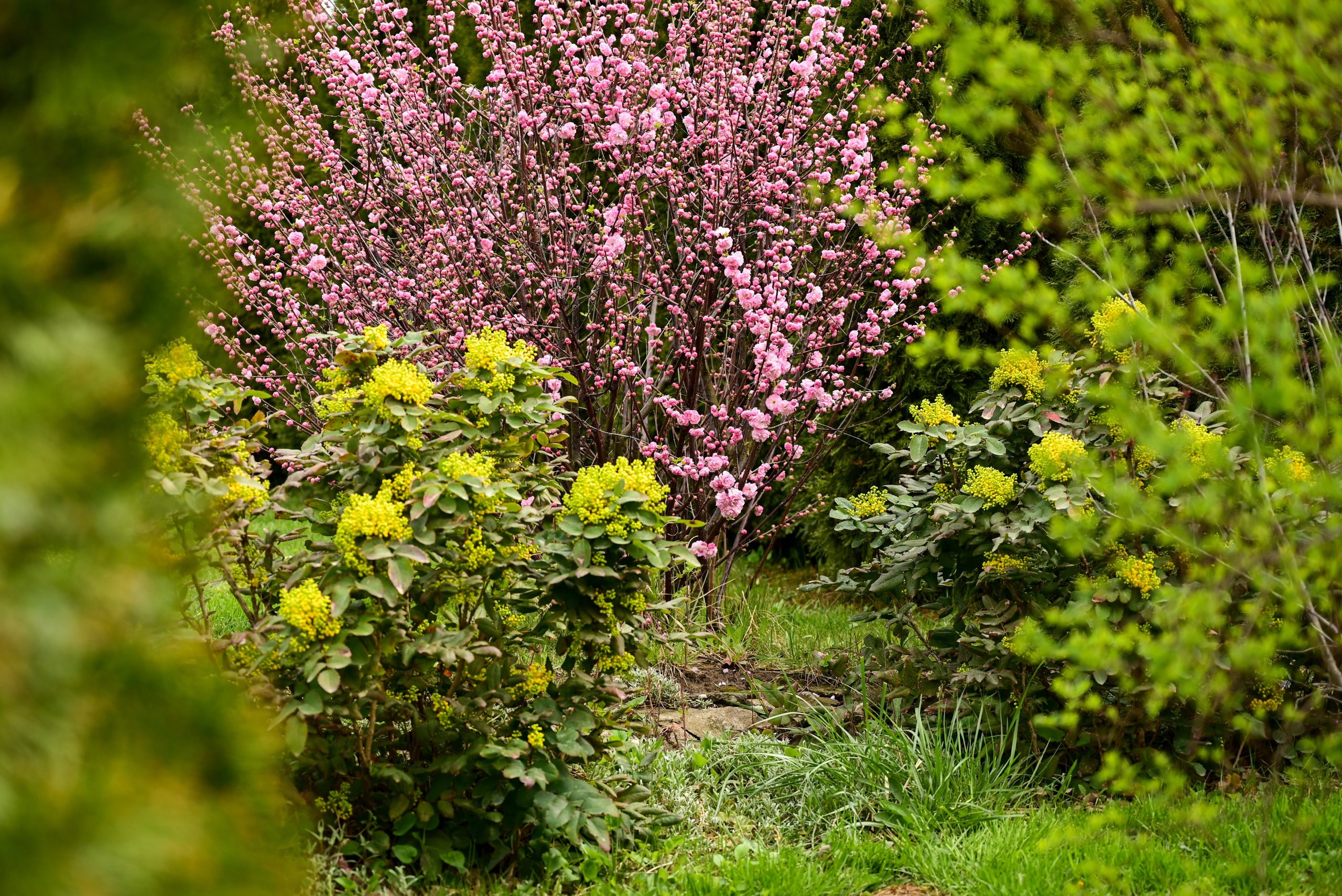
Invasive bushes in Pennsylvania have spread across forests, meadows, roadsides, and residential landscapes, crowding out native plants and degrading wildlife habitat. The state’s climate, with cold winters and humid summers, supports a wide range of non-native shrubs that escape cultivation and spread aggressively through bird-dispersed seeds, root suckers, and rhizomes. Once established, these bushes are difficult and expensive to remove.
Pennsylvania’s forests and natural areas face mounting pressure from invasive shrubs that leaf out earlier in spring and hold leaves later in fall than native species. This extended growing season gives them a competitive advantage, shading out wildflowers, tree seedlings, and native shrubs. Many invasive bushes also alter soil chemistry, making it harder for native plants to return after removal.
Identifying invasive bushes early is the most effective way to prevent them from taking over a property. Some species are still sold in nurseries and planted in landscapes, which contributes to their spread into natural areas. Removing them before they produce seed prevents years of follow-up work and protects surrounding habitat.
In this guide, we break down the top invasive bushes in Pennsylvania by examining their appearance, habitat, spread, and control methods to help you identify and manage these destructive species on your property.
Top 15 Invasive Bushes In Pennsylvania
1. Japanese Barberry (Berberis thunbergii) – Most Widespread Invasive Bush
Japanese barberry is the most widespread invasive bush in Pennsylvania, forming dense thorny thickets in forests, pastures, and residential landscapes. It grows 2 to 6 feet tall with small, spoon-shaped leaves and sharp spines along its stems. The plant produces bright red berries in fall that persist through winter and are spread by birds.
Japanese barberry is particularly problematic because it changes soil chemistry, raising pH and nitrogen levels in a way that favors its own growth over native plants. It also harbors blacklegged ticks, the species that transmits Lyme disease, at higher densities than native vegetation. These traits make it one of the highest-priority invasive shrubs for removal in the state.
Control requires a combination of mechanical and chemical methods. Hand-pulling works on small plants, while cut-stump treatment with glyphosate or triclopyr is effective on established bushes. Repeated monitoring and follow-up treatment are necessary because barberry resprouts vigorously from root fragments left in the soil.
2. Multiflora Rose (Rosa multiflora) – Most Aggressive Invasive Bush
Multiflora rose is one of the most aggressive invasive bushes in Pennsylvania, forming impenetrable thickets that spread across pastures, roadsides, and forest edges. It grows 6 to 10 feet tall with arching stems covered in curved thorns and clusters of small white flowers in late spring. The plant produces abundant red rose hips in fall that are spread by birds and mammals.
Multiflora rose was once widely planted for erosion control and wildlife cover before its invasive nature became clear. It spreads through seeds, root suckers, and stems that root where they touch the ground, allowing a single plant to form a large colony within a few years. Dense thickets exclude livestock, reduce pasture productivity, and crowd out native vegetation.
Control requires persistent effort because multiflora rose resprouts readily after cutting. Repeated mowing over several seasons weakens the plant, while cut-stump or foliar herbicide treatment delivers faster results. Removing seed-producing plants before fall prevents birds from spreading seeds to new areas.
3. Autumn Olive (Elaeagnus umbellata) – Most Prolific Seeder
Autumn olive is a prolific seeding invasive bush that produces thousands of red, speckled berries each fall. It grows 10 to 20 feet tall with silvery-green leaves and small, fragrant cream-colored flowers in spring. The plant fixes nitrogen in the soil, which changes nutrient cycles and favors its own growth over native species.
Autumn olive spreads rapidly through bird-dispersed seeds and can colonize disturbed areas, roadsides, and forest edges within a few years. Its ability to fix nitrogen allows it to thrive in poor soils where native plants struggle, giving it a competitive advantage that leads to dense monocultures. These thickets reduce habitat quality for wildlife that depends on native plants.
Control requires cutting the plant and treating the stump with herbicide to prevent resprouting, since autumn olive regrows vigorously from cut stems. Foliar herbicide applications work on smaller plants, while basal bark treatment is effective on larger specimens. Follow-up monitoring for several seasons is essential because seeds remain viable in the soil for years.
4. Burning Bush (Euonymus alatus) – Most Common Landscape Escape
Burning bush is a common landscape escape in Pennsylvania, widely planted for its brilliant red fall foliage before its invasive tendencies became widely recognized. It grows 6 to 15 feet tall with corky ridges along its stems and small, oval leaves that turn bright red in autumn. The plant produces orange-red fruits in fall that are spread by birds.
Burning bush spreads from landscape plantings into forests, roadsides, and natural areas, where it forms dense stands that crowd out native shrubs and wildflowers. Its seeds are dispersed by birds, allowing it to establish far from the original planting. Many nurseries still sell the species, contributing to its continued spread across the state.
Control involves removing the plant and treating the stump with herbicide to prevent resprouting. Hand-pulling works on seedlings and small plants, while cut-stump treatment with glyphosate or triclopyr is effective on established bushes. Replacing burning bush with native alternatives like red chokeberry or winterberry prevents future spread.
5. Winged Euonymus (Euonymus alatus) – Most Persistent Invasive Bush
Winged euonymus, another name for burning bush, is one of the most persistent invasive bushes in Pennsylvania because of its long-lived seeds and tolerance for shade. It grows 6 to 15 feet tall with distinctive corky wings along its stems and produces abundant orange-red fruits in fall. The plant thrives in forests, edges, and disturbed areas across the state.
Winged euonymus spreads through bird-dispersed seeds that remain viable in the soil for years, making eradication a long-term project. Its ability to grow in full shade allows it to establish beneath forest canopies, where it slowly displaces native understory plants. Dense infestations reduce habitat quality for songbirds and other wildlife that depend on native vegetation.
Control requires removing the plant and treating the stump with herbicide, followed by monitoring for seedlings and resprouts. Repeated treatments over several seasons are necessary because the seedbank persists long after the parent plants are gone. Native alternatives like native viburnums and dogwoods provide similar landscape value without the invasive risk.
6. Amur Honeysuckle (Lonicera maackii) – Most Shade-Tolerant Invasive Bush
Amur honeysuckle is one of the most shade-tolerant invasive bushes in Pennsylvania, capable of establishing beneath dense forest canopies where few other shrubs survive. It grows 10 to 15 feet tall with opposite, oval leaves and pairs of white to yellow flowers in spring. The plant produces abundant red berries in fall that are spread by birds.
Amur honeysuckle leafs out earlier in spring and holds leaves later in fall than native shrubs, giving it a longer growing season and a competitive edge. It also releases allelopathic chemicals that suppress the growth of native plants, further reducing biodiversity. Dense infestations reduce habitat quality for wildlife and alter forest structure.
Control requires cutting the plant and treating the stump with herbicide, since Amur honeysuckle resprouts vigorously after cutting alone. Foliar herbicide applications work on smaller plants, while basal bark treatment is effective on larger specimens. Follow-up monitoring for several seasons is essential because the seedbank persists for years.
7. Morrow’s Honeysuckle (Lonicera morrowii) – Most Common Honeysuckle In Pennsylvania
Morrow’s honeysuckle is one of the most common invasive honeysuckles in Pennsylvania, forming dense thickets in forests, edges, and disturbed areas. It grows 6 to 8 feet tall with gray-green leaves and pairs of white flowers that turn yellow as they age. The plant produces red berries in summer that are spread by birds.
Morrow’s honeysuckle spreads rapidly through bird-dispersed seeds and can colonize forests, roadsides, and old fields within a few years. It leafs out early and holds leaves late, giving it a competitive advantage over native shrubs. Dense thickets shade out native wildflowers and tree seedlings, reducing forest biodiversity.
Control requires cutting the plant and treating the stump with herbicide, since honeysuckles resprout readily after cutting alone. Foliar herbicide applications work on smaller plants, while basal bark treatment is effective on larger specimens. Repeated monitoring and treatment over several seasons are necessary because seeds remain viable in the soil for years.
8. Tatarian Honeysuckle (Lonicera tatarica) – Most Ornamental Invasive Honeysuckle
Tatarian honeysuckle is the most ornamental invasive honeysuckle in Pennsylvania, widely planted for its pink or white flowers before its invasive nature became clear. It grows 6 to 10 feet tall with blue-green leaves and pairs of fragrant flowers in spring. The plant produces red berries in summer that are spread by birds.
Tatarian honeysuckle spreads from landscape plantings into forests, roadsides, and natural areas, where it forms dense stands that crowd out native shrubs and wildflowers. It leafs out early and holds leaves late, giving it a competitive advantage over native species. Dense infestations reduce habitat quality for wildlife and alter forest structure.
Control involves removing the plant and treating the stump with herbicide to prevent resprouting. Hand-pulling works on seedlings and small plants, while cut-stump treatment with glyphosate or triclopyr is effective on established bushes. Replacing Tatarian honeysuckle with native alternatives like native honeysuckle vines prevents future spread.
9. Common Buckthorn (Rhamnus cathartica) – Most Aggressive Shade-Tolerant Bush
Common buckthorn is an aggressive shade-tolerant invasive bush that forms dense thickets in forests, edges, and wetlands across Pennsylvania. It grows 10 to 25 feet tall with glossy, oval leaves and distinctive dark berries in fall. The plant produces abundant seeds that are spread by birds and remain viable in the soil for years.
Common buckthorn leafs out early and holds leaves late, giving it a longer growing season than native shrubs. It also alters soil chemistry and harbors soybean aphids, a major agricultural pest. Dense infestations reduce habitat quality for wildlife and prevent native plants from regenerating.
Control requires cut-stump treatment with herbicide, since buckthorn resprouts vigorously after cutting alone. Foliar herbicide applications work on smaller plants, while basal bark treatment is effective on larger specimens. Repeated monitoring and treatment over several seasons are necessary because the seedbank persists long after the parent plants are removed.
10. Glossy Buckthorn (Frangula alnus) – Most Wetland-Invasive Bush
Glossy buckthorn is the most wetland-invasive bush in Pennsylvania, forming dense thickets in bogs, fens, and wet meadows where it displaces native shrubs and alters hydrology. It grows 10 to 20 feet tall with glossy, oval leaves and small red berries that turn black as they ripen. The plant spreads through bird-dispersed seeds and root suckers.
Glossy buckthorn thrives in wet soils where few other shrubs can grow, allowing it to dominate wetland habitats and reduce plant diversity. It leafs out early and holds leaves late, giving it a competitive advantage over native species. Dense infestations degrade habitat for amphibians, reptiles, and wetland birds that depend on native vegetation.
Control requires cutting the plant and treating the stump with herbicide, since glossy buckthorn resprouts readily after cutting alone. Foliar herbicide applications work on smaller plants, while basal bark treatment is effective on larger specimens. Repeated monitoring and treatment are necessary because seeds remain viable in the soil for years.
11. Privet (Ligustrum spp.) – Most Persistent Hedgerow Escape
Privet is a persistent hedgerow escape in Pennsylvania, widely planted for hedges and screens before its invasive tendencies became clear. It grows 6 to 15 feet tall with opposite, oval leaves and clusters of small white flowers in late spring. The plant produces abundant black berries in fall that are spread by birds.
Privet spreads from landscape plantings into forests, roadsides, and natural areas, where it forms dense thickets that crowd out native shrubs and wildflowers. It tolerates a wide range of conditions, from full sun to deep shade, making it difficult to control once established. Dense infestations reduce habitat quality for wildlife and alter forest structure.
Control involves removing the plant and treating the stump with herbicide to prevent resprouting. Hand-pulling works on seedlings and small plants, while cut-stump treatment with glyphosate or triclopyr is effective on established bushes. Replacing privet with native alternatives like inkberry or native viburnums prevents future spread.
12. Japanese Spirea (Spiraea japonica) – Most Common Landscape Escape
Japanese spirea is a common landscape escape in Pennsylvania, widely planted for its pink flowers and compact growth habit before its invasive tendencies became clear. It grows 2 to 6 feet tall with alternate, oval leaves and flat clusters of pink flowers in summer. The plant spreads through seeds and root suckers.
Japanese spirea spreads from landscape plantings into forests, roadsides, and natural areas, where it forms dense stands that crowd out native shrubs and wildflowers. It tolerates a wide range of conditions, from full sun to partial shade, making it difficult to control once established. Dense infestations reduce habitat quality for wildlife and alter forest structure.
Control involves removing the plant and treating the stump with herbicide to prevent resprouting. Hand-pulling works on seedlings and small plants, while cut-stump treatment with glyphosate or triclopyr is effective on established bushes. Replacing Japanese spirea with native alternatives like native spirea or summersweet prevents future spread.
13. Butterfly Bush (Buddleja davidii) – Most Deceptive Invasive Bush
Butterfly bush is a deceptive invasive bush in Pennsylvania, widely planted for its nectar-rich flowers that attract pollinators before its invasive tendencies became clear. It grows 6 to 12 feet tall with opposite, lance-shaped leaves and cone-shaped clusters of purple, pink, or white flowers in summer. The plant produces abundant seeds that are spread by wind and water.
Butterfly bush spreads from landscape plantings into roadsides, riverbanks, and disturbed areas, where it forms dense stands that crowd out native plants. While the flowers attract adult butterflies, the plant provides no food for butterfly larvae, making it a poor substitute for native nectar plants. Dense infestations reduce habitat quality for wildlife and alter natural areas.
Control involves removing the plant and treating the stump with herbicide to prevent resprouting. Hand-pulling works on seedlings and small plants, while cut-stump treatment with glyphosate or triclopyr is effective on established bushes. Replacing butterfly bush with native alternatives like native milkweed or buttonbush supports pollinators without the invasive risk.
14. Wineberry (Rubus phoenicolasius) – Most Thorny Invasive Bush
Wineberry is a thorny invasive bush that forms dense thickets in forests, edges, and disturbed areas across Pennsylvania. It grows 3 to 6 feet tall with arching, reddish stems covered in fine hairs and small thorns. The plant produces edible red berries in summer that are spread by birds and mammals.
Wineberry spreads through seeds, root suckers, and stems that root where they touch the ground, allowing a single plant to form a large colony within a few years. Dense thickets shade out native wildflowers and tree seedlings, reducing forest biodiversity. The plant’s edible berries encourage some landowners to leave it in place, which contributes to its continued spread.
Control requires persistent effort because wineberry resprouts readily after cutting. Repeated mowing over several seasons weakens the plant, while cut-stump or foliar herbicide treatment delivers faster results. Removing seed-producing plants before summer prevents birds and mammals from spreading seeds to new areas.
15. Japanese Knotweed (Fallopia japonica) – Most Destructive Invasive Bush
Japanese knotweed is the most destructive invasive bush in Pennsylvania, forming dense stands that damage foundations, pavement, and stream banks while crowding out native vegetation. It grows 6 to 12 feet tall with hollow, bamboo-like stems and large, heart-shaped leaves. The plant spreads primarily through rhizomes that can extend 20 feet from the parent plant.
Japanese knotweed spreads through rhizome fragments and seeds, and even small pieces of rhizome can regenerate into new plants. It is particularly problematic along rivers and streams, where rhizome fragments are carried downstream and establish new infestations. Dense stands reduce habitat quality for wildlife and increase erosion along waterways.
Control requires a multi-year program because Japanese knotweed resprouts vigorously after cutting or herbicide treatment. Repeated herbicide applications in late summer and early fall are most effective, combined with cutting or mowing to weaken the rhizome system. Follow-up monitoring for several seasons is essential to prevent regrowth from surviving rhizome fragments.
7 Tips For Managing Invasive Bushes In Pennsylvania
- Identify before removing: Confirm the plant is invasive before cutting or spraying, since some native shrubs look similar to invasive species. Consult your local extension office or a field guide for accurate identification.
- Remove before seed set: Cut or treat invasive bushes before they produce seed to prevent birds and wind from spreading seeds to new areas. This is the single most effective way to slow the spread of invasive shrubs.
- Treat cut stumps immediately: Most invasive bushes resprout vigorously after cutting alone. Apply concentrated herbicide to freshly cut stumps within minutes to kill the root system and prevent regrowth.
- Time herbicide applications for late summer and fall: Invasive bushes translocate energy to their roots in late summer and fall, making herbicide applications more effective during this window than in spring or early summer.
- Replace with native alternatives: Plant native shrubs like red chokeberry, winterberry, native viburnums, and dogwoods after removing invasive bushes. Native plants provide food and habitat for wildlife without spreading into natural areas.
- Monitor and re-treat for several seasons: Invasive bushes regrow from seeds and root fragments left in the soil. Scout treated areas several times per season and re-treat regrowth while it is still small.
- Clean equipment between areas: Mowers, trimmers, and hand tools can spread seeds and root fragments to new areas. Clean equipment after working in infested zones to prevent introducing invasive bushes to clean sites.
Top Invasive Bushes In Pennsylvania (FAQs)
1. What is the most invasive bush in Pennsylvania?
Japanese barberry is the most widespread invasive bush in Pennsylvania, forming dense thorny thickets in forests and landscapes. Japanese knotweed is the most destructive, damaging foundations and stream banks while spreading aggressively through rhizomes.
2. Are invasive bushes illegal to plant in Pennsylvania?
Pennsylvania does not ban the sale of most invasive bushes, but the Pennsylvania Department of Conservation and Natural Resources maintains a list of invasive plants and encourages landowners to avoid planting them. Some municipalities have stricter rules, so check local ordinances.
3. How do I remove invasive bushes without herbicides?
Hand-pulling, repeated mowing, smothering, and excavation can remove invasive bushes without herbicides, but these methods require more labor and repeated treatments. Herbicides are often the most effective option for large infestations.
4. When is the best time to treat invasive bushes?
Late summer and early fall are the best times to treat invasive bushes because they are actively moving energy to their roots, which improves herbicide absorption. Cut-stump treatments can be applied any time of year, but fall applications are most effective.
5. Will invasive bushes grow back after removal?
Yes, most invasive bushes resprout from root fragments and seeds left in the soil after removal. Repeated monitoring and treatment over several seasons are necessary to prevent reinfestation and exhaust the seedbank.
6. What native bushes should I plant instead?
Native alternatives to invasive bushes include red chokeberry, winterberry, native viburnums, dogwoods, inkberry, summersweet, and native spirea. These plants provide food and habitat for wildlife without spreading into natural areas.
7. Where can I get help identifying invasive bushes?
Contact your local Penn State Extension office, the Pennsylvania Department of Conservation and Natural Resources, or a certified arborist for help identifying invasive bushes. Many extension offices offer free identification services and management advice.
Conclusion
Japanese barberry is the most widespread invasive bush in Pennsylvania, forming dense thorny thickets that alter soil chemistry and harbor disease-carrying ticks. Multiflora rose and autumn olive follow closely as aggressive invaders that spread rapidly through bird-dispersed seeds and root suckers.
Other high-priority species include burning bush, Amur honeysuckle, common buckthorn, glossy buckthorn, privet, and Japanese knotweed, each with unique traits that make them difficult to control. Many of these bushes are still sold in nurseries, contributing to their continued spread into natural areas.
Effective management requires identifying invasive bushes early, removing them before they produce seed, treating cut stumps with herbicide, and replacing them with native alternatives. Follow-up monitoring for several seasons is essential because seeds and root fragments remain viable in the soil long after the parent plants are gone.
Start your invasive bush control program this season, prioritize the most aggressive species on your property, and plan for follow-up work each year. Consistent effort over several seasons protects Pennsylvania’s forests, meadows, and waterways from these destructive invaders.