Finding the best fertilizer for bush beans is essential for growing productive, healthy plants that yield abundant, tender pods. Bush beans are a garden favorite because they are easy to grow, produce quickly, and are packed with nutrition. However, they have unique fertilization needs that differ from other vegetables, and understanding these needs is key to a successful harvest.
Bush beans are nitrogen-fixing legumes that can produce their own nitrogen through a symbiotic relationship with rhizobia bacteria. This means they have lower nitrogen requirements than many other vegetables. However, they still need adequate phosphorus for root development, potassium for overall health, and essential micronutrients for optimal growth and pod production.
Different bean varieties and growing conditions require different fertilization approaches. Bush beans grown in poor soil need more comprehensive nutrition, while beans in rich soil may need only minimal supplementation. Understanding your soil conditions and bean variety helps you choose the best fertilizer for your bush bean crop.
In this guide, the best fertilizers for bush beans are carefully reviewed based on nutrient composition, application method, growth stage suitability, and overall value to help you grow the most productive, flavorful bush beans possible.
Top 12 Best Fertilizers For Bush Beans
1. Espoma Garden-Tone 3-4-4 – Best Overall Fertilizer For Bush Beans
Espoma Garden-Tone 3-4-4 is the best overall fertilizer for bush beans because it provides balanced organic nutrition with a lower nitrogen content that is ideal for nitrogen-fixing legumes. This organic formula is perfect for bush bean growers seeking natural, sustainable nutrition. Because of this, it is the top choice for organic bean enthusiasts.

- FOR USE ON: Use Garden-tone organic fertilizer for leafy vegetables like lettuce, kale & cabbage as well as warm season crops like tomatoes, peppers, squash & melons.
- CONTAINS: Garden-tone is a rich blend of the finest natural & organic ingredients enhanced with our exclusive Bio-tone formula; 3-4-4 Fertilizer analysis with 5% calcium. Garden-tone contains no sludges or fillers.
The 3-4-4 formula provides moderate phosphorus for root development and flowering, adequate potassium for overall plant health, and lower nitrogen that won’t interfere with the bean’s natural nitrogen-fixing ability. Additionally, the organic ingredients improve soil structure and support beneficial microorganisms. With this in mind, it offers balanced legume nutrition with sustainable, soil-building benefits.
Espoma Garden-Tone continues to be a trusted choice for vegetable gardeners due to its balanced organic nutrition and proven results. Beyond that, this fertilizer is safe for edible crops and easy to apply. To put it differently, this product delivers professional-quality bean nutrition with natural, sustainable benefits.
Pros:
- Balanced organic formula
- Lower nitrogen for legumes
- Improves soil health
- Supports beneficial organisms
- Safe for edible crops
- Slow-release feeding
- Trusted brand
Cons:
- Slower results than synthetic
- Requires regular application
- Higher cost than some options
2. Dr. Earth Organic Vegetable Fertilizer 4-6-3 – Best Organic Fertilizer For Bush Beans
Dr. Earth Organic Vegetable Fertilizer 4-6-3 is the best organic fertilizer for bush beans because it combines premium organic ingredients with beneficial probiotics and mycorrhizae for superior nutrient uptake. This 100% natural formula is perfect for organic gardeners seeking comprehensive nutrition. For this reason, it is ideal for organic bean production.

- For more nutritious and tasty vegetables
- Optimum levels of primary plant nutrients

The 4-6-3 formula provides balanced nutrition with adequate phosphorus for root development and flowering, nitrogen for early growth, and potassium for overall health. Additionally, the included probiotics and mycorrhizae enhance nutrient availability and root health for healthier, more productive bean plants. Therefore, it offers complete organic nutrition with biological benefits.
Dr. Earth continues to be a trusted name in organic gardening for its premium ingredients and proven results. Furthermore, this fertilizer is certified organic and safe for edible crops. Overall, this product delivers superior organic bean nutrition with biological enhancement.
Pros:
- 100% organic ingredients
- Contains probiotics and mycorrhizae
- Balanced nutrition
- Safe for edible crops
- Improves soil biology
- Environmentally friendly
- Trusted organic brand
Cons:
- Higher price point
- Slower results than synthetic
- Requires regular application
3. Jobe’s Organic Vegetable Fertilizer Spikes 4-4-4 – Best Slow-Release Fertilizer For Bush Beans
Jobe’s Organic Vegetable Fertilizer Spikes 4-4-4 are the best slow-release fertilizer for bush beans because they provide continuous, hassle-free nutrition for up to 8 weeks. These pre-measured spikes are perfect for bush bean growers seeking convenient, long-lasting feeding. Consequently, they are ideal for busy gardeners.


- CERTIFIED ORGANIC FORMULA: OMRI listed organic vegetable spikes are approved for use in organic food production and support healthy plant growth in your garden.
- ROOT-FOCUSED NOURISHMENT: Promotes beneficial microbial action at the roots, delivering essential nutrients directly where vegetable plants need them most for robust yields.
The 4-4-4 formula provides balanced nutrition with slow-release technology that ensures consistent feeding without the risk of burning. Additionally, the spike format prevents nutrient runoff and delivers nutrition directly to the root zone. Therefore, it offers convenient, long-lasting nutrition with minimal effort.
Jobe’s fertilizer spikes continue to be a popular choice for vegetable gardeners seeking hassle-free, long-lasting nutrition. Furthermore, the organic formula is safe for edible crops and easy to apply. Overall, this product delivers slow-release bean nutrition with convenient, mess-free application.
Pros:
- Slow-release feeding (8 weeks)
- Mess-free spikes
- Pre-measured doses
- Organic formula
- No runoff or waste
- Easy to apply
- Safe for edible crops
Cons:
- Requires insertion
- Higher cost per plant
- Limited to specific spacing
4. Bone Meal Fertilizer – Best Phosphorus-Rich Fertilizer For Bush Beans
Bone meal fertilizer is the best phosphorus-rich fertilizer for bush beans because it provides concentrated phosphorus for strong root development and abundant flowering. This natural fertilizer is perfect for bush bean growers seeking to boost pod production and plant vigor. Consequently, it is ideal for phosphorus-deficient soils.

- STRONGER ROOT DEVELOPMENT: Bone Meal is a natural source of vital, readily available organic nitrogen, phosphorus and calcium that promotes strong plant roots, vibrant blooms and more delicious vegetables. Helps to enhance your plants throughout the growing season!
- ADD TO SOIL: Add to soil or potting mix during seed starting or at any time prior to harvest to fuel strong roots and early, healthy plant growth. Bone meal fertilizer breaks down slowly, releasing nitrogen for robust growth throughout the season. Follow packaging instructions for the amount to use.
Bone meal is a concentrated source of phosphorus that promotes strong root development, abundant flowering, and healthy pod production in bush beans. Additionally, the natural, slow-release phosphorus supports steady growth throughout the season. Therefore, it offers phosphorus-rich nutrition with gentle, effective feeding.
Bone meal continues to be a popular choice for gardeners seeking natural, phosphorus-rich fertilizer for fruiting vegetables. Furthermore, it is organic, safe for edible crops, and provides excellent results. Overall, this product delivers phosphorus-rich bean nutrition with natural, effective performance.
Pros:
- High phosphorus content
- Promotes root development
- Enhances flowering and pod production
- Natural, organic fertilizer
- Slow-release feeding
- Safe for edible crops
- Effective and reliable
Cons:
- Low nitrogen content
- May attract pests
- Requires additional nutrients
5. Fish Emulsion Fertilizer – Best Balanced Liquid Fertilizer For Bush Beans
Fish emulsion fertilizer is the best balanced liquid fertilizer for bush beans because it provides gentle, organic nutrition with a balanced NPK ratio that supports healthy growth and pod production. This natural liquid fertilizer is perfect for bush bean growers seeking gentle, effective feeding. For this reason, it is ideal for organic gardeners.
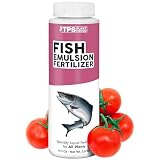
- Boosts Growth & Root Strength – This fish fertilizer supports strong root systems, lush foliage, and consistent plant growth for indoor and outdoor gardens.
- Nutrient-Rich Plant Formula – Fish emulsion provides essential nutrients that help improve plant health and overall development.
Fish emulsion provides balanced nutrition with moderate nitrogen for early growth, phosphorus for root development, and potassium for overall plant health. Additionally, the liquid formulation ensures rapid uptake and gentle, non-burning feeding. Therefore, it offers balanced organic nutrition with gentle, effective performance.
Fish emulsion continues to be a popular choice for organic vegetable gardeners seeking gentle, balanced nutrition. Furthermore, it is safe for edible crops and easy to apply. Overall, this product delivers balanced bean nutrition with gentle, organic performance.
Pros:
- Balanced organic nutrition
- Gentle, non-burning formula
- Liquid formulation for rapid uptake
- Safe for edible crops
- Easy to apply
- Natural and organic
- Good value
Cons:
- Strong fishy odor
- Shorter feeding duration
- Requires frequent application
6. Compost Tea – Best Biological Fertilizer For Bush Beans
Compost tea is the best biological fertilizer for bush beans because it provides a rich source of beneficial microorganisms and nutrients that support healthy, vigorous growth. This living fertilizer is perfect for bush bean growers seeking to build soil health and plant resilience. Consequently, it is ideal for sustainable gardeners.

- NO BREWING REQUIRED: Mighty Plant Instant Compost Tea is 100% Water Soluble and requires no compost brewing. Simply add water, stir, and it's ready for use as a root drench or foliar spray, embodying ease of use and high-quality natural ingredients.
- POWERFUL BIOLOGICALS: Upon activation in water, it releases potent biologicals that convert amino acids into essential molecules, significantly benefiting root zones, growth, and yields without any fillers.
Compost tea provides a diverse community of beneficial microorganisms, essential nutrients, and organic matter that support healthy bean growth and soil health. Additionally, the liquid form ensures rapid uptake and can be applied as a soil drench or foliar spray. Therefore, it offers biological nutrition with soil-building benefits.
Compost tea continues to be a popular choice for sustainable gardeners seeking to build soil health and plant resilience. Furthermore, it is natural, organic, and safe for edible crops. Overall, this product delivers biological bean nutrition with superior soil health benefits.
Pros:
- Rich in beneficial microorganisms
- Supports soil health
- Provides essential nutrients
- Natural and organic
- Safe for edible crops
- Versatile application
- Builds plant resilience
Cons:
- Requires brewing time
- Short shelf life
- Requires equipment
7. Worm Castings – Best Nutrient-Dense Fertilizer For Bush Beans
Worm castings are the best nutrient-dense fertilizer for bush beans because they provide a concentrated source of plant-available nutrients and beneficial microorganisms in a gentle, pH-neutral form. This premium fertilizer is perfect for bush bean growers seeking the highest quality organic nutrition. Consequently, it is ideal for serious vegetable gardeners.

- SUPERCHARGE YOUR GARDEN: Elevate your plants' growth with premium organic Brut Worm Castings. Our certified organic formula guarantees optimal nutrition for your indoor and outdoor plants.
- PURE ORGANIC GOODNESS: Made with certified organic ingredients, our worm castings are raised indoors in containers, ensuring unparalleled purity and effectiveness for your plants’ health.
Worm castings provide exceptional nutrition with readily available nutrients that support healthy, vigorous bean growth without risk of burning. Additionally, the beneficial microorganisms enhance soil health and nutrient cycling. Therefore, it offers premium nutrition with exceptional soil health benefits.
Worm castings continue to be a favorite among serious gardeners for their concentrated nutrition and soil health benefits. Furthermore, they are safe for edible crops and provide excellent, consistent results. Overall, this product delivers premium bean nutrition with superior soil health benefits.
Pros:
- Concentrated nutrient source
- Gentle, non-burning formula
- Rich in beneficial microorganisms
- Improves soil health
- Safe for edible crops
- Premium organic quality
- Excellent results
Cons:
- Higher cost than other fertilizers
- Limited availability in bulk
- Best used as a topdressing
8. Nitrogen-Phosphorus-Potassium Granular 5-10-10 – Best Low-Nitrogen Balanced Fertilizer For Bush Beans
Nitrogen-Phosphorus-Potassium Granular 5-10-10 is the best low-nitrogen balanced fertilizer for bush beans because it provides higher phosphorus and potassium with lower nitrogen, which is ideal for nitrogen-fixing legumes. This balanced formula is perfect for bush bean growers seeking legume-specific nutrition. For this reason, it is ideal for maximizing pod production.

- Size: 5 LB
- Uniform, homogenous granular formulation .
The 5-10-10 formula provides higher phosphorus for root development and flowering, higher potassium for overall plant health, and lower nitrogen that won’t interfere with the bean’s natural nitrogen-fixing ability. Additionally, the granular formulation is easy to apply and provides consistent, reliable results. Therefore, it offers legume-specific nutrition with simple, effective application.
NPK 5-10-10 continues to be a popular choice for legume gardeners seeking balanced, low-nitrogen nutrition. Furthermore, it is affordable, widely available, and provides consistent, reliable results. Overall, this product delivers legume-specific bean nutrition with simple, effective performance.
Pros:
- Low-nitrogen formula for legumes
- High phosphorus and potassium
- Promotes pod production
- Simple and effective
- Affordable price point
- Easy to apply
- Widely available
Cons:
- Not organic
- Can burn if over-applied
- Requires careful timing
9. Alfalfa Meal – Best Soil-Building Fertilizer For Bush Beans
Alfalfa meal is the best soil-building fertilizer for bush beans because it provides balanced nutrition and organic matter that improves soil structure and fertility over time. This natural fertilizer is perfect for bush bean growers seeking long-term soil health and sustainable nutrition. Consequently, it is ideal for organic gardeners.

- FOR USE ON: Use Alfalfa Meal organic fertilizer for all roses, flowers, vegetables, trees & shrubs to enhance growth & blooming
- CONTAINS: 100% All-natural Alfalfa Meal with no fillers or additives. Provides long-lasting nitrogen & Potassium.
Alfalfa meal provides balanced nutrition with moderate nitrogen, phosphorus, and potassium along with organic matter that improves soil structure and water retention. Additionally, the natural slow-release feeding supports steady growth without the risk of burning. Therefore, it offers soil-building nutrition with sustainable, long-term benefits.
Alfalfa meal continues to be a popular choice for organic gardeners seeking long-term soil health and sustainable nutrition. Furthermore, it is safe for edible crops and improves soil fertility over time. Overall, this product delivers soil-building bean nutrition with sustainable, long-term benefits.
Pros:
- Balanced organic nutrition
- Improves soil structure
- Slow-release feeding
- Natural and organic
- Safe for edible crops
- Long-term soil benefits
- Sustainable choice
Cons:
- Slower results than synthetic
- Requires regular application
- May attract pests
10. Liquid Kelp Fertilizer – Best Micronutrient Supplement For Bush Beans
Liquid kelp fertilizer is the best micronutrient supplement for bush beans because it provides essential trace minerals and growth hormones that enhance plant health, flowering, and pod production. This natural supplement is perfect for bush bean growers seeking to maximize the quality and yield of their crop. For this reason, it is ideal for health-conscious gardeners.

- Organic Seaweed & Kelp Fertilizer – Seaweed fertilizer for plants made from clean kelp seaweed fertilizer sources for natural plant nutrition.
- Supports Root Growth & Plant Health – Kelp fertilizer helps promote strong roots, improved nutrient uptake, and overall plant resilience.
Liquid kelp provides essential micronutrients, growth hormones, and beneficial compounds that promote healthy bean growth, abundant flowering, and superior pod production. Additionally, the liquid formulation ensures rapid uptake and can be applied as a foliar spray. Therefore, it offers micronutrient supplementation with quality-enhancing benefits.
Liquid kelp continues to be a popular choice for gardeners seeking to maximize the health and yield of their vegetables. Furthermore, it is natural, organic, and safe for edible crops. Overall, this product delivers micronutrient supplementation with superior bean quality and yield benefits.
Pros:
- Rich in micronutrients
- Contains growth hormones
- Enhances flowering and pod production
- Improves plant health
- Natural and organic
- Safe for edible crops
- Easy foliar application
Cons:
- Supplement only
- Requires regular use
- Higher cost than some options
11. Seaweed Extract – Best Flowering Booster For Bush Beans
Seaweed extract is the best flowering booster for bush beans because it provides essential nutrients and growth hormones that promote abundant flowering and pod set. This natural supplement is perfect for bush bean growers seeking to maximize their harvest. Consequently, it is ideal for yield-focused gardeners.

- CONVENIENT TRANSPLANT SUPPORT - We've specifically formulated our seaweed extract kelp plant food to kickstart seed germination and cushion transplant shock. Just a quick foliar or soil drench delivers unparalleled vigor & vitality, ensuring a smooth transition
- NUTRIENT-RICH - Supercharge your garden with the potent essential minerals found in our sea kelp fertilizer. Infused with boron, molybdenum, copper, and zinc, our formula guarantees that every leaf & root absorbs the vital nutrients they need
Seaweed extract provides essential nutrients, growth hormones, and beneficial compounds that promote abundant flowering, healthy pod development, and improved yields. Additionally, the liquid formulation ensures rapid uptake and can be applied as a foliar spray or soil drench. Therefore, it offers flowering booster nutrition with yield-enhancing benefits.
Seaweed extract continues to be a popular choice for gardeners seeking to maximize vegetable yields. Furthermore, it is natural, organic, and safe for edible crops. Overall, this product delivers flowering booster nutrition with superior bean yield benefits.
Pros:
- Promotes abundant flowering
- Enhances pod development
- Improves yields
- Natural and organic
- Safe for edible crops
- Easy foliar application
- Versatile use
Cons:
- Supplement only
- Requires regular use
- Higher cost than some options
12. Green Sand Fertilizer – Best Potassium-Rich Fertilizer For Bush Beans
Green sand fertilizer is the best potassium-rich fertilizer for bush beans because it provides a natural source of potassium and essential trace minerals that support overall plant health and pod production. This natural fertilizer is perfect for bush bean growers seeking to improve plant vigor and yield. For this reason, it is ideal for sustainable gardeners.

- Natural Soil Conditioner – Derived from marine mineral deposits, this has been used as a soil improver for centuries.
- Benefits: Adds mineral to soil, improves moisture retention, rich source of glauconite, softens hard water, increases root growth
Green sand provides a natural source of potassium and essential trace minerals that support healthy bean growth, disease resistance, and abundant pod production. Additionally, the slow-release nutrients support steady growth throughout the season. Therefore, it offers potassium-rich nutrition with sustainable, long-term benefits.
Green sand continues to be a popular choice for organic gardeners seeking natural potassium and trace minerals. Furthermore, it is safe for edible crops and improves soil fertility over time. Overall, this product delivers potassium-rich bean nutrition with sustainable, long-term benefits.
Pros:
- Natural source of potassium
- Rich in trace minerals
- Supports plant health
- Improves disease resistance
- Natural and organic
- Safe for edible crops
- Long-term soil benefits
Cons:
- Slow-release results
- Lower nutrient concentration
- Requires regular application
10 Essential Factors For Choosing A Fertilizer For Bush Beans
- Nitrogen content: Bush beans are nitrogen-fixing legumes that produce their own nitrogen. Choose fertilizers with lower nitrogen (N) content, ideally 3-5%, to avoid interfering with the bean’s natural nitrogen-fixing ability.
- Phosphorus content: Bush beans need adequate phosphorus for root development, flowering, and pod production. Look for fertilizers with higher phosphorus (P) content, ideally 4-10%, to support abundant yields.
- Potassium content: Potassium supports overall plant health, disease resistance, and pod quality. Choose fertilizers with adequate potassium (K) content, ideally 3-6%, for healthy, productive plants.
- Organic vs. synthetic: Organic fertilizers improve soil health and provide gentle feeding but work more slowly. Synthetic fertilizers offer faster results and precise nutrient control but require careful application to avoid burning.
- Soil test results: Soil testing reveals nutrient deficiencies and pH issues that affect fertilizer selection. Test your soil before applying fertilizer to ensure you are providing the right nutrients.
- Growth stage: Young bean seedlings benefit from balanced fertilizers, while flowering and pod-setting plants benefit from higher phosphorus and potassium. Adjust fertilization based on growth stage.
- Inoculation: Bush beans benefit from rhizobia inoculation to maximize nitrogen fixation. Choose fertilizers that support healthy rhizobia bacteria and avoid high nitrogen that can inhibit nodulation.
- Application method: Granular fertilizers are easy to apply and provide long-lasting nutrition. Liquid fertilizers offer rapid uptake and versatile application options.
- Harvest frequency: Bush beans that are harvested frequently benefit from regular, gentle feeding. Choose slow-release or organic options for continuous harvests.
- Water availability: Fertilizers require water for activation and nutrient uptake. Ensure adequate irrigation after fertilizer application to prevent burning and promote nutrient absorption.
Frequently Asked Questions About Fertilizing Bush Beans
1. What is the best fertilizer for bush beans?
The best fertilizer for bush beans provides balanced nutrition with lower nitrogen and adequate phosphorus and potassium. Espoma Garden-Tone 3-4-4 and NPK 5-10-10 are highly recommended for bush beans.
2. Do bush beans need fertilizer?
Yes, bush beans benefit from fertilizer, especially in poor or depleted soils. While they fix their own nitrogen, they still need phosphorus, potassium, and micronutrients for healthy growth and abundant pod production.
3. How often should I fertilize bush beans?
Fertilize bush beans at planting time with a balanced fertilizer, then side-dress or liquid feed every 4-6 weeks during the growing season. Avoid over-fertilizing with nitrogen, which can reduce pod production.
4. Can I use too much fertilizer on bush beans?
Yes, over-fertilizing bush beans, especially with nitrogen, can cause excessive foliage growth at the expense of pod production. Always follow label instructions and choose low-nitrogen formulations for legumes.
5. What fertilizer makes bush beans produce more pods?
Fertilizers with higher phosphorus and potassium, like 5-10-10 or bone meal, promote more flowering and pod production. Avoid high-nitrogen fertilizers that encourage leafy growth.
6. Is organic fertilizer better for bush beans?
Organic fertilizer is often better for bush beans because it provides gentle, slow-release nutrition and improves soil health without the risk of chemical residues on edible pods.
7. Should I fertilize bush beans before or after planting?
Apply fertilizer before planting by mixing it into the soil, then side-dress or liquid feed every 4-6 weeks during the growing season. Pre-plant fertilization supports early establishment.
8. Can I use lawn fertilizer on bush beans?
No, lawn fertilizer is too high in nitrogen and may contain herbicides that are harmful to vegetables. Use fertilizers specifically formulated for vegetables and legumes.
Conclusion
In conclusion, Espoma Garden-Tone 3-4-4 is the best overall fertilizer for bush beans because it provides balanced organic nutrition with lower nitrogen that is ideal for nitrogen-fixing legumes, supporting healthy growth and abundant pod production. Dr. Earth Organic Vegetable Fertilizer 4-6-3 is the best organic fertilizer for bush beans, thanks to its premium organic ingredients, beneficial probiotics, and mycorrhizae that enhance nutrient uptake and plant health.
Finding the best fertilizer for bush beans depends on your soil conditions, growing method, and gardening preferences. At the same time, understanding the unique nutritional needs of legumes—lower nitrogen and adequate phosphorus and potassium—is essential for growing productive, healthy bush beans.
Modern vegetable gardening continues evolving with improved fertilizer formulations and techniques that make growing bush beans more successful than ever. Because of these developments, gardeners now enjoy more options than ever for producing abundant, delicious bush beans.
The right fertilizer should provide balanced nutrition, support nitrogen fixation, and promote flowering and pod production. Explore these top-rated options today and choose the fertilizer that best matches your growing conditions, soil needs, and gardening preferences for a bountiful, delicious bean harvest.