How do I get rid of purple loosestrife begins with understanding that this wetland invader regrows from root fragments and produces enormous quantities of seed. Purple loosestrife spreads across marshes, pond edges, and wet ditches, crowding out native plants that fish, birds, and amphibians depend on.
Finding an effective method involves more than pulling the visible stems. Proper removal of the root crown, careful handling of seed heads, and repeated follow-up visits contribute to lasting control and wetland recovery.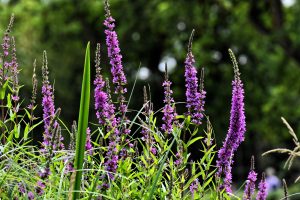
Many wetland managers now combine manual, mechanical, and biological approaches to handle larger stands. Improved combinations help landowners clear loosestrife without harming the surrounding habitat or violating local regulations.
In this guide, how do I get rid of purple loosestrife is reviewed according to effort, site suitability, cost, and long-term results. Every method helps landowners choose an approach that fits their wetland.
How Do I Get Rid Of Purple Loosestrife?
1. Hand Pulling Small Patches – Best Method for Light Infestations
Hand pulling small patches is the best method for light infestations, offering a clean removal that leaves the wetland undisturbed. To begin with, pulling slowly from the base when the ground is soft brings the entire root crown out whole. This helps prevent the plant from resprouting after the first pass.
Moist soil makes the job far easier, since roots release without breaking. One standout feature is that no machinery is needed, so surrounding native plants stay intact. For small patches near sensitive habitat, this advantage matters greatly.
Bagging the plants immediately prevents seed from dropping during handling. Another advantage is the low cost of the approach. Without question, it remains an outstanding starting method for small infestations.
Pros:
- Removes the whole plant
- No chemicals
- Works in wet ground
- Prevents seed set
- Low cost
- Good for small patches
- Easy to repeat
Cons:
- Labor intensive
- Only for small areas
- Must remove root crown
2. Cutting Before Flowering – Best Method to Stop Seed Set
Cutting before flowering is the best method to stop seed set, delivering dependable control with minimal equipment. Right from the start, cutting stems at the base just as buds form removes the plant’s main energy investment. As such, thousands of seeds never reach the wetland.
Timing matters more than technique here. An added benefit is that the method requires only pruning shears and bags. Because of this simplicity, landowners can act quickly once buds appear.
Returning every few weeks to cut regrowth keeps the plant from flowering later in the season. Even better, the method pairs easily with digging and native replanting. Taken together, it balances effort and result exceptionally well.
Pros:
- Stops seed production
- Easy to time
- Low cost
- Works in wet ground
- Good for medium patches
- Easy to repeat
- No chemicals
Cons:
- Regrows from roots
- Needs repeat cutting
- Does not remove the plant
3. Digging Out The Root Crown – Best Method for Established Plants
Digging out the root crown is the best method for established plants, combining thorough removal with lasting results. From the outset, loosening the soil around the crown and lifting the whole root mass kills the plant at its base. This creates a clean site that does not pond after rain.


- Exceptional Strength: Crafted with solid forged carbon steel tines, this digging fork is designed to withstand tough soil conditions and heavy-duty use
- Versatile Gardening Tool: Ideal for digging, turning, and aerating soil, this professional-grade digging fork is perfect for both avid gardeners and landscaping professionals
Cotton-rich wetland soil holds the crown firmly, so a digging fork works better than a spade. One impressive feature is that the method removes the source of regrowth rather than just the visible stems. With repeated use, the site stays clear of new shoots.
Bagging the crown and roots prevents fragments from re-rooting nearby. Just as important, filling the hole prevents standing water that favors re-invasion. For medium patches, they are a dependable choice.
- Removes the crown
- Kills the plant
- Works on established stands
- No chemicals
- Good for medium patches
- Easy to see results
- Works in wet soil
- Heavy labor
- Disturbs soil
- Root fragments can regrow
4. Repeated Cutting Through The Season – Best Method to Exhaust Roots
Repeated cutting through the season is the best method to exhaust roots, offering steady pressure that drains stored energy. To begin with, each cut forces the plant to spend reserves on regrowth instead of flowers. This weakens the root system over several seasons.

- MULTI-PURPOSE TOOL: Husqvarna 122RJ Brush Trimmer with string trimmer head and grass blade
- SMART START TECHNOLOGY: This gas powered weed eater and brush cutter features a specially-designed engine and starter for easy and fast starting with minimum effort

Timing cuts every few weeks keeps the plant from ever maturing seed. One standout feature is that the method scales from a few plants to large stands. For extensive wetlands, this advantage saves considerable time.
Bagging all cuttings prevents seed and fragments from spreading during the process. Another advantage is that no permits are needed for cutting alone. Without question, it remains an outstanding long-term strategy for large stands.
- Weakens roots over time
- Works on larger stands
- No chemicals
- Prevents seed set
- Good for wet ground
- Easy to repeat
- Reduces plant vigor
- Requires multiple seasons
- Labor intensive
- Must bag cuttings
5. Cutting Below The Waterline – Best Method for Pond Edges
Cutting below the waterline is the best method for pond edges, combining submersion with dependable suppression. Right from the start, submerged stems cannot access oxygen and often fail to regrow. As such, the plant weakens far faster than with surface cutting alone.
Shallow water is the ideal setting for this approach. An added benefit is that the cut material floats and can be gathered easily. Because of this, removal from the water is straightforward.
Repeating the cut through the season keeps the plant submerged long enough to die back. Even better, the method works alongside hand pulling near the shore. Taken together, it handles pond-edge infestations well.
Pros:
- Works in shallow water
- Reduces regrowth
- No chemicals
- Removes flower spikes
- Good for pond edges
- Easy to repeat
- Targets the stems
Cons:
- Limited to shallow water
- Needs removal of cuttings
- Labor intensive
6. Smothering With Black Plastic – Best Method for Dry Areas
Smothering with black plastic is the best method for dry areas, delivering heat and light exclusion in one simple step. From the outset, cutting the plant to the ground and covering the patch blocks photosynthesis entirely. This kills the root crown and any remaining seed.
Weighting the edges keeps the plastic flat through wind and rain. One impressive feature is that the method requires no chemicals. With repeated use, the same plastic can cover a new patch the following season.
Leaving the cover in place for a full growing season lets heat build up and complete the kill. Just as important, the approach prevents seed from reaching the soil. For drier banks, they are a dependable solution.
Pros:
- Kills roots by heat
- No chemicals
- Works on dry sites
- Prevents regrowth
- Simple to install
- Long-lasting effect
- Good for medium patches
Cons:
- Not for wet ground
- Ugly for a season
- Needs heavy weighting
7. Flooding To Drown Roots – Best Method for Drained Sites
Flooding to drown roots is the best method for drained sites, combining water control with targeted root suppression. Right away, raising water levels so root crowns stay submerged for several weeks stops the plant from respiring. This gives a long-lasting result without disturbing the soil.
Water control structures make the method practical for managed wetlands. One useful feature is that the approach does not require any physical removal work. For landowners with level control, this advantage is significant.
Monitoring adjacent native plants prevents the flooding from harming them. Equally beneficial, the method pairs with cutting to reduce regrowth. Among water-based options, it stands out for effectiveness and scale.
Pros:
- Drowns root crowns
- No chemicals
- Works on large sites
- Targets the roots
- Good for controllable wetlands
- No soil disturbance
- Long-lasting if managed
Cons:
- Needs water control
- Can harm natives
- Not for all sites
8. Biological Control With Beetles – Best Long-Term Method for Large Stands
Biological control with beetles is the best long-term method for large stands, offering sustained pressure from specialist insects. One immediate advantage is that Galerucella beetles feed directly on loosestrife and reduce its vigor over seasons. As a bonus, the beetles establish and spread on their own.
Releasing beetles in spring matches their life cycle to the plant’s growth. A practical feature is that the method avoids chemical use entirely. That flexibility keeps wetland habitat intact.
Monitoring through summer for defoliation confirms the beetles are working. Beyond effectiveness, the approach requires permits in many regions. In the long run, it provides outstanding value for large wetlands.
Pros:
- Long-term control
- Works on large stands
- No chemicals
- Targets the plant
- Self-sustaining
- Good for wetlands
- Reduces seed set
Cons:
- Slow to show results
- Requires permits
- Beetles may disperse
9. Cutting And Bagging Seed Heads – Best Method to Prevent Seed Spread
Cutting and bagging seed heads is the best method to prevent seed spread, offering dependable protection against new infestations. One key advantage is that cutting flower spikes as soon as buds show color removes the risk of thousands of seeds. This makes the method ideal for sites near clean wetlands.
Bagging directly into heavy-duty bags prevents spillage during handling. A welcome feature is that the method requires only shears and bags. Because seeds spread easily, this careful design extends protection to neighboring land.
Do not leave bags on wet ground, where seeds can escape through tears. On top of prevention, the method pairs easily with any other approach. For parents of wetland areas, these steps offer protection, function, and affordability in one reliable package.
Pros:
- Prevents seed spread
- Easy to repeat
- No chemicals
- Works in any site
- Low cost
- Fast method
- Good alongside other methods
Cons:
- Does not kill the plant
- Needs repeat visits
- Must bag carefully
10. Solarization For Drier Patches – Best Heat-Based Method
Solarization for drier patches is the best heat-based method, blending simple installation with reliable soil heating. One immediate benefit is that clear plastic traps heat that kills shallow roots and seed. This means drier banks can be cleared without chemicals.
Moistening the soil before covering helps heat build faster. Another appealing detail is that the method needs only plastic and sunlight. For active managers, the low equipment cost supports repeat use.
Checking the patch after removal confirms whether a second solarization pass is needed. Notably, the approach works best in the hottest part of summer. For drier purple loosestrife patches, it offers an excellent combination of efficiency and value.
Pros:
- Kills shallow roots
- No chemicals
- Works on dry sites
- Reduces seed bank
- Simple to install
- Low cost
- Good for hot climates
Cons:
- Needs hot sun
- Takes weeks
- Not for wet ground
11. Targeted Herbicide On Cut Stems – Best Method for Tough Patches
Targeted herbicide on cut stems is the best method for tough patches, offering dependable control where manual removal has failed. Right away, cutting stems a few inches above the ground and applying a labeled aquatic-approved herbicide moves the treatment into the root system. This gives a cleaner kill and fewer repeat visits.
Following local regulations exactly prevents harm to water quality and native plants. One useful feature is that the method requires far less physical labor than digging. For landowners managing permits, this practicality matters.
Protecting native plants and water quality during treatment keeps the wetland healthy. Equally beneficial, the approach pairs well with subsequent native replanting. Among options for tough patches, it stands out for its reach into the roots.
Pros:
- Kills the root crown
- Targeted application
- Works on tough patches
- Reduces regrowth
- Effective on established plants
- Fewer repeat visits
- Good for large stands
Cons:
- Chemical exposure risk
- Requires permits
- Aquatic-approved products only
12. Mulching Over Cut Crowns – Best Low-Cost Method for Regrowth
Mulching over cut crowns is the best low-cost method for regrowth, delivering light exclusion with minimal equipment. Right from the start, cutting the plant to the ground and covering the crown with a thick layer of mulch blocks light and smothers new shoots. As such, regrowth is significantly reduced.
Renewing the mulch as it settles keeps suppression active. An added benefit is that the method improves soil at the same time. Because of this, the approach supports native replanting afterward.
Checking the spot for shoots pushing through confirms when to add more mulch. Even better, the method costs far less than herbicide. Taken together, it handles small patches efficiently.
Pros:
- Low cost
- No chemicals
- Suppresses regrowth
- Easy to apply
- Works on drier sites
- Improves soil
- Good for small patches
Cons:
- Not for wet ground
- Needs renewal
- Limited to small patches
13. Restoring Native Cover – Best Long-Term Method to Prevent Return
Restoring native cover is the best long-term method to prevent return, combining habitat recovery with dependable suppression. From the outset, choosing native wetland species suited to the site and planting them densely shades seedlings and takes up space. This creates a natural barrier to loosestrife.
Watering through establishment helps natives outcompete new seedlings. One impressive feature is that the approach supports wildlife immediately. With repeated seasons, the wetland becomes more resilient.
Monitoring for purple loosestrife seedlings after planting catches problems early. Just as important, the method pairs with every other approach on this list. For reclaimed sites, it offers the most durable protection.
Pros:
- Prevents return
- Supports wildlife
- No chemicals
- Improves habitat
- Long-term solution
- Works with other methods
- Improves wetland health
Cons:
- Takes time
- Needs site-appropriate plants
- Requires follow-up
14. Removing Root Fragments – Best Method to Stop Regrowth
Removing root fragments is the best method to stop regrowth, delivering thorough removal with lasting effect. One immediate advantage is that sifting the soil around a dug crown and removing every root fragment larger than a finger prevents a second stand. As a bonus, the method eliminates the source of future shoots.
Sifting after digging keeps the work efficient. A practical feature is that fragments can be bagged and removed with the crown. That precision reduces repeat visits significantly.
Filling the hole to prevent ponding keeps the site from favoring re-invasion. Beyond thoroughness, the approach works on small patches only. In the long run, it provides outstanding control for newly dug sites.
Pros:
- Prevents regrowth
- Targets the cause
- No chemicals
- Works with digging
- Reduces repeat visits
- Effective on small patches
- Easy to learn
Cons:
- Labor intensive
- Only for small areas
- Disturbs soil
15. Seasonal Follow-Up Monitoring – Best Method to Catch Regrowth Early
Seasonal follow-up monitoring is the best method to catch regrowth early, offering steady oversight without heavy labor. One immediate benefit is that walking the site every few weeks and pulling new shoots before they flower keeps the plant from re-establishing. As a result, the first removal effort lasts longer.
Recording where plants appear helps prioritize the next visit. A practical feature is that the method needs only a garden journal and gloves. For busy landowners, this flexibility keeps the project manageable.
Returning regularly through the growing season keeps regrowth from maturing seed. Notably, the approach pairs with every other method. For dependable long-term control, it offers an excellent combination of effort and value.
Pros:
- Catches regrowth early
- Works with all methods
- Low cost
- Prevents seed set
- Easy to start
- Builds a record
- Improves long-term results
Cons:
- Requires consistency
- Takes time
- Easy to skip visits
How Do I Get Rid Of Purple Loosestrife? FAQs
1. How do I get rid of purple loosestrife?
Pull small patches by hand, dig out root crowns on established plants, cut before flowers set seed, bag all seed heads, and restore native cover. Large stands may need biological control or targeted herbicide under local regulations.
2. Can I just cut purple loosestrife down?
Cutting alone stops seed set but does not kill the plant. It regrows from the root crown, so cutting must be repeated or combined with digging.
3. Is purple loosestrife invasive everywhere?
It is invasive across much of North America and regulated in many states and provinces. Check local rules before removing it from wetlands.
4. What kills purple loosestrife permanently?
No single action eliminates it permanently. Digging out the root crown, repeated cutting, smothering, or targeted herbicide combined with native replanting gives the best long-term control.
5. Can I compost purple loosestrife?
No. Seed heads and root fragments can survive composting and spread the plant. Bag them for disposal.
6. Does biological control really work on purple loosestrife?
Yes, specialist beetles reduce large stands over several seasons. It is a long-term method that requires permits and patience.
7. What should I plant after removing purple loosestrife?
Native wetland species suited to the site, planted densely. Restoring native cover shades seedlings and prevents the loosestrife from returning.
Conclusion
In conclusion, hand pulling small patches earns the best overall recommendation for how do I get rid of purple loosestrife because it removes the entire plant without disturbing the wetland. Its low cost and repeatability make it suitable for light infestations near sensitive habitat.
Cutting before flowering and digging out the root crown are deserving runners-up thanks to their effectiveness on medium patches. They provide dependable control while keeping the wetland intact.
Every method featured in this guide offers reliable suppression, practical features, and long-term value for how do I get rid of purple loosestrife. Selecting the correct method for the site will help ensure lasting control and wetland recovery.
Before starting, check local regulations and compare site conditions to find the perfect match for your wetland. Choosing the right approach today will provide lasting value, dependable results, and a healthier habitat for years to come.