Choosing the right glyphosate herbicide for bamboo requires more than selecting a strong weed killer and spraying the leaves. Bamboo is a persistent perennial grass that can regenerate from underground rhizomes, meaning effective management often requires repeated treatment, careful timing, and follow-up monitoring.
Glyphosate is a systemic, non-selective herbicide that moves within actively growing plants after absorption through green tissue. This makes it useful for targeting bamboo foliage and regrowth, but it also means desirable grasses, ornamentals, trees, and other green plants contacted by the spray can be injured or killed.
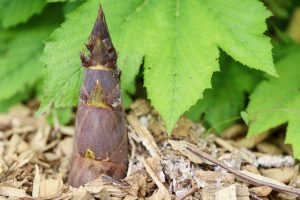
Established bamboo can be particularly difficult because underground rhizomes can support new shoots after the aboveground stems are damaged. Extension research has documented meaningful bamboo suppression from glyphosate, but longer-term control can require repeated applications and management of regrowth rather than relying on a single treatment.
In this guide , we examine 10 glyphosate herbicide for bamboo options and formulations suitable for different application situations. The focus is on active ingredient concentration, formulation, application method, bamboo growth stage, safety, and the practical limitations of chemical control.
Glyphosate Herbicide For Bamboo: 10 Effective Options
1. Glyphosate 41% Concentrate – Best Glyphosate Herbicide for Bamboo Control
A glyphosate 41% concentrate can be the best glyphosate herbicide for bamboo control when a concentrated formulation is appropriate for the labeled application site and the product is used according to its directions. Concentrated glyphosate products are commonly diluted with water for applications where foliar treatment is permitted.


Bamboo should be actively growing when foliar glyphosate is used because the herbicide must be absorbed through green plant tissue and translocated within the plant. Treating freshly emerging, actively growing foliage can therefore be more useful than spraying dormant or severely stressed bamboo.
Established bamboo should not be expected to disappear immediately after one application. Rhizomes can remain alive underground and produce new shoots, making repeated monitoring and follow-up treatment an important part of the management program. UGA guidance specifically describes multiple applications to bamboo regrowth in its management recommendations.
Pros
- Systemic activity
- Strong concentrate
- Foliar application
- Bamboo regrowth control
- Widely available
- Flexible dilution
- Established chemistry
Cons
- Non-selective
- Requires follow-up
- Label dependent
2. Glyphosate 50% Concentrate – Best Strong Glyphosate for Established Bamboo
A glyphosate 50% concentrate can be the best strong glyphosate for established bamboo when a high-concentration formulation is specifically labeled for the intended site and application. Higher-concentration products provide greater flexibility in preparing label-directed spray solutions, but concentration alone does not guarantee complete bamboo eradication.

The objective should be to expose actively growing bamboo foliage to the correctly prepared spray while minimizing contact with desirable vegetation. Because glyphosate is non-selective, even small amounts of spray drift or accidental contact can injure susceptible plants.
Established bamboo often requires a long-term approach because surviving rhizomes can generate additional shoots. Repeatedly treating suitable regrowth can gradually weaken the underground system when applications are properly timed and permitted by the label.
Pros
- High concentration
- Systemic herbicide
- Foliar treatment
- Active-growth targeting
- Broad availability
- Flexible formulation
- Regrowth management
Cons
- Non-selective
- Drift concerns
- Multiple treatments
3. Glyphosate 18% Ready-to-Use – Best Glyphosate for Small Bamboo Patches
A glyphosate ready-to-use formulation can be the best glyphosate for small bamboo patches when the product label permits the intended application and the infestation is small enough for careful spot treatment. Ready-to-use products eliminate the need for measuring and diluting concentrate, which can simplify small-area applications.

The major advantage of spot treatment is precision. Instead of broadcasting herbicide across an entire area, the applicator can target bamboo foliage while attempting to keep the spray away from nearby desirable plants.
However, a ready-to-use product should not be assumed to be appropriate simply because it contains glyphosate. Formulation concentration, surfactants, application sites, and permitted uses differ between products, so the actual label should determine whether and how it can be applied.
Pros
- Easy application
- No mixing
- Small patches
- Spot treatment
- Reduced preparation
- Precise targeting
- Convenient formulation
Cons
- Limited coverage
- Non-selective
- May require retreatment
4. Aquatic-Labeled Glyphosate – Best Glyphosate Herbicide for Bamboo Near Water
An aquatic-labeled glyphosate formulation can be the best glyphosate herbicide for bamboo near water when the specific product is registered for the intended aquatic or shoreline application. This distinction is important because not every glyphosate formulation is approved for use around water.

Bamboo growing along ponds, drainage channels, wetlands, or other water-associated sites presents additional environmental considerations. The applicator must avoid assuming that a standard terrestrial glyphosate product is suitable simply because the active ingredient itself is glyphosate.
Where an aquatic-labeled formulation is appropriate, careful application can reduce unnecessary exposure of surrounding vegetation and water. Product-specific directions concerning rates, surfactants, buffers, and application methods must be followed exactly.
Pros
- Aquatic formulations
- Shoreline applications
- Systemic activity
- Targeted treatment
- Bamboo regrowth control
- Specialized labeling
- Reduced formulation risk
Cons
- Specific labeling
- Non-selective
- Requires precision
5. Glyphosate 41% + Surfactant – Best Glyphosate Mix for Bamboo Leaves
A properly labeled glyphosate formulation containing or permitting an appropriate surfactant can be the best glyphosate mix for bamboo leaves when improved wetting and foliar contact are required. Surfactants can influence spray spreading and retention, although not every glyphosate product requires an additional surfactant.

Bamboo leaves can be difficult spray targets because the foliage may shed water and limit uniform wetting. However, more surfactant is not automatically better, and adding an unapproved adjuvant can alter crop safety or violate label directions.
The correct approach is to determine whether the glyphosate formulation already contains adequate adjuvants and whether the label permits or requires an additional product. Avoid excessive spraying that produces runoff from the leaves.
Pros
- Improved wetting
- Foliar targeting
- Systemic activity
- Leaf coverage
- Bamboo suppression
- Application flexibility
- Reduced runoff potential
Cons
- Adjuvant compatibility
- Non-selective
- Label dependent
6. Glyphosate Concentrate for Regrowth – Best Glyphosate for Bamboo Resprouts
A glyphosate concentrate can be the best glyphosate for bamboo resprouts when new foliage develops after mowing, cutting, or an earlier treatment and the product label permits foliar application. Regrowth is an important target because newly developed foliage can provide an additional opportunity to weaken the plant.

Repeated mowing by itself may suppress bamboo temporarily without eliminating its underground rhizomes. Chemical treatment of suitable regrowth can be incorporated into a broader program intended to progressively reduce the plant’s ability to regenerate.
Timing matters because the bamboo must have sufficient green foliage for foliar absorption and translocation. Spraying severely stressed, freshly cut, dusty, or inactive foliage may provide poorer results than treating healthy regrowth.
Pros
- Regrowth targeting
- Systemic activity
- Follow-up treatment
- Active foliage
- Rhizome weakening
- Flexible scheduling
- Integrated control
Cons
- Requires monitoring
- Non-selective
- Slow eradication
7. Glyphosate Herbicide for Running Bamboo – Best Glyphosate for Rhizomatous Bamboo
Glyphosate can be the best glyphosate herbicide for running bamboo when the objective is to weaken both the visible shoots and the underground rhizome system through properly timed systemic treatment. Running bamboo can spread laterally through rhizomes, making simple cutting or mowing insufficient for long-term eradication.

The most important consideration is persistence. Even after foliage dies, living rhizomes can remain below the soil and generate new shoots, so the treated area should be inspected repeatedly for survivors.
An integrated program can combine physical removal, containment, monitoring, and appropriately timed herbicide applications. Glyphosate should be viewed as one component of the control strategy rather than an instant solution.
Pros
- Systemic movement
- Rhizome targeting
- Running bamboo control
- Regrowth treatment
- Integrated management
- Broad availability
- Follow-up compatible
Cons
- Persistent rhizomes
- Non-selective
- Multiple treatments
8. Glyphosate for Clumping Bamboo – Best Glyphosate for Bamboo Clumps
Glyphosate can be the best glyphosate for bamboo clumps when actively growing foliage can be treated selectively and the application is permitted by the product label. Clumping bamboo generally spreads differently from running bamboo, but mature clumps can still produce substantial underground growth that makes eradication difficult.
Large clumps may require substantial physical work before chemical treatment becomes practical. Cutting can reduce the canopy, but the resulting regrowth must be monitored because the underground plant remains alive.
When foliar treatment is used, avoid spraying desirable plants surrounding the clump. Glyphosate has no meaningful selectivity between bamboo and other susceptible green plants, so precision is essential.
Pros
- Clump treatment
- Systemic activity
- Foliar application
- Regrowth targeting
- Integrated control
- Precise treatment
- Broad availability
Cons
- Non-selective
- Labor intensive
- Follow-up needed
9. Glyphosate for Bamboo Regrowth – Best Herbicide for Repeated Bamboo Control
Glyphosate can be the best herbicide for repeated bamboo control when a long-term program is needed to address new shoots following an initial treatment. Repeated applications can be important because bamboo rhizomes may survive the first treatment and continue producing new aboveground growth.
The key is to treat suitable regrowth rather than repeatedly spraying dead foliage. Healthy green leaves provide the tissue required for foliar uptake and systemic movement.
Monitoring should continue after each treatment. If new shoots appear, they should be assessed and managed according to the product label and the broader control strategy rather than allowing the bamboo to rebuild a large photosynthetic canopy.
Pros
- Repeated control
- Regrowth targeting
- Systemic action
- Long-term program
- Rhizome depletion
- Scouting compatible
- Flexible management
Cons
- Time intensive
- Non-selective
- Requires persistence
10. Professional Glyphosate Formulation – Best Glyphosate Herbicide for Large Bamboo Infestations
A professional glyphosate formulation can be the best glyphosate herbicide for large bamboo infestations when the product is registered for the intended site and application equipment allows accurate treatment. Larger infestations require greater attention to calibration, coverage, weather, worker protection, and protection of desirable vegetation.
For extensive bamboo stands, simply increasing the herbicide rate is not a substitute for correct application. The objective is to deliver the labeled rate uniformly to suitable actively growing foliage while minimizing drift and off-target exposure.
Large infestations may also require several seasons of monitoring and treatment. Extension guidance for bamboo specifically describes multiple applications to regrowth, illustrating why long-term management is often more realistic than expecting complete control from a single spray.
Pros
- Large-area treatment
- Professional formulations
- Systemic activity
- Calibrated application
- Regrowth management
- Broad coverage
- Long-term programs
Cons
- Equipment required
- Non-selective
- Multiple seasons
7 Essential Features to Look For in Glyphosate Herbicide for Bamboo
1. Glyphosate Concentration
Check the concentration of glyphosate in the product rather than comparing products only by container size. Concentration determines how much active ingredient is present and how the product must be prepared according to its label.
2. Correct Formulation
Glyphosate formulations differ in their surfactants, salts, adjuvants, and approved uses. Choose a formulation specifically suited to the intended application site.
3. Bamboo Growth Stage
Active green growth is important for foliar systemic treatment. Treating healthy regrowth can provide an opportunity for glyphosate to move within the plant.
4. Application Method
Foliar spraying, spot treatment, and other application techniques have different advantages and risks. Choose the method that provides effective exposure while minimizing contact with desirable plants.
5. Site Labeling
Confirm that the product is labeled for the exact site where bamboo is growing. Special restrictions can apply around water, agricultural crops, turf, forests, and residential landscapes.
6. Non-Target Protection
Glyphosate is non-selective. A product that controls bamboo can also injure desirable grasses, ornamentals, shrubs, vines, and other green vegetation that receives the spray.
7. Long-Term Control Potential
Do not judge a bamboo herbicide solely by how quickly foliage turns brown. Effective management must also consider regrowth, surviving rhizomes, follow-up treatments, and long-term monitoring.
Safety and Application of Glyphosate for Bamboo
Read the Label First
Always read the current product label before mixing or applying glyphosate. The label determines the permitted site, application rate, PPE, spray restrictions, environmental precautions, re-entry requirements, and disposal instructions.
Wear Appropriate PPE
Use the protective equipment specified by the product label. Depending on the formulation and application task, this can include chemical-resistant gloves, protective clothing, footwear, and eye protection.
Calibrate the Sprayer
Accurate calibration helps deliver the intended amount of herbicide without unnecessary over-application. Check nozzle output, spray pressure, travel speed, and spray volume before treating larger bamboo areas.
Treat Actively Growing Foliage
Foliar glyphosate applications depend on absorption through green tissue. Bamboo should therefore have sufficient active foliage for treatment rather than being completely dormant, severely stressed, or freshly cut.
Avoid Desirable Plants
Glyphosate is non-selective and can injure desirable vegetation. Use careful spot spraying and appropriate spray equipment to reduce contact with nearby trees, shrubs, lawn grasses, crops, and ornamentals.
Prevent Drift
Do not spray when wind conditions could move droplets onto non-target vegetation or sensitive areas. Fine droplets and high-pressure applications can increase drift potential.
Avoid Runoff
Apply enough spray to achieve the label-directed treatment without creating excessive runoff. Runoff can move herbicide away from the intended foliage and increase the risk of environmental contamination.
Be Careful Near Water
Only use a glyphosate formulation specifically labeled for aquatic or near-water applications when such use is permitted. Never assume that all glyphosate products have identical environmental labeling.
Monitor for New Shoots
Bamboo control does not end when the foliage turns yellow or brown. Continue inspecting the site for new shoots and manage surviving regrowth according to the product label and overall control plan.
Clean Equipment Safely
Clean sprayers and other equipment according to the label after application. Prevent herbicide residues from contaminating equipment used later around desirable crops or ornamental plants.
Store and Dispose Properly
Keep glyphosate products in their original labeled containers and store them securely away from children, food, feed, and unauthorized users. Dispose of unused product and containers according to the product label and applicable local requirements.
Glyphosate Herbicide for Bamboo FAQs
1. Will glyphosate kill bamboo?
Glyphosate can injure and suppress bamboo and can contribute to control when applied correctly to susceptible actively growing foliage. However, established bamboo may survive through its underground rhizomes, meaning repeated treatment and monitoring may be necessary. UGA guidance specifically recommends multiple applications to bamboo regrowth in some management situations.
2. What is the best time to spray glyphosate on bamboo?
The appropriate timing depends on the bamboo species, growth stage, product label, and local conditions. For foliar treatment, actively growing green foliage is important because glyphosate must be absorbed and translocated through the plant.
3. Can I spray glyphosate directly on bamboo leaves?
Yes, where the product label permits foliar application to the intended site. Spray should be directed carefully at the target foliage because glyphosate is non-selective and can damage desirable plants that receive the herbicide.
4. Will cutting bamboo make glyphosate work better?
Cutting can be part of an integrated bamboo-control program, but freshly cut bamboo has little foliage available for a foliar application. In many situations, allowing suitable green regrowth to develop provides a target for foliar treatment.
5. Does glyphosate kill bamboo rhizomes?
Glyphosate is systemic and can move from treated foliage into other parts of the plant, but established bamboo rhizomes can survive treatment. Successful long-term management therefore commonly requires follow-up applications and removal or treatment of surviving regrowth.
6. How many times should I spray glyphosate on bamboo?
There is no universal number of applications. The correct number depends on the product label, bamboo species, infestation size, growth response, and effectiveness of previous treatments. Do not automatically increase application frequency or concentration beyond the label.
7. Can glyphosate be used near bamboo growing beside water?
Only when the specific glyphosate formulation is labeled for the intended aquatic or near-water use. Standard terrestrial formulations should not automatically be assumed to be appropriate around water.
Conclusion
In conclusion, the best glyphosate herbicide for bamboo in this guide is Glyphosate 41% Concentrate, our number-one option because its concentrated systemic formulation provides flexibility for properly labeled bamboo-control applications. It is particularly suited to actively growing bamboo where careful foliar treatment and follow-up monitoring are possible.
The runner-up is Glyphosate 50% Concentrate, which takes the number-two position because its higher-concentration formulation can provide useful flexibility when prepared and applied according to the product label. Like the best option, it should be viewed as part of a long-term bamboo-management program rather than a guaranteed one-application solution.
Both nteh above glyphosate herbicide for bamboo options share an important limitation: glyphosate is non-selective and can injure desirable vegetation contacted by the spray. Established bamboo can also regenerate from surviving rhizomes, so careful application, repeated scouting, and appropriately timed treatment of new growth may be necessary for long-term suppression.
Ultimately, choosing the best glyphosate herbicide for bamboo is only one part of successful control. The best results come from identifying the bamboo growth pattern, selecting a formulation legally labeled for the site, treating suitable active foliage, protecting desirable plants, and continuing to manage regrowth until the infestation is adequately suppressed.