Glyphosate, one of the world’s most widely used herbicides, has faced growing scrutiny due to its potential health and environmental risks. As concerns continue to rise, homeowners, farmers, and landscapers alike are seeking safer, more sustainable alternatives for weed control.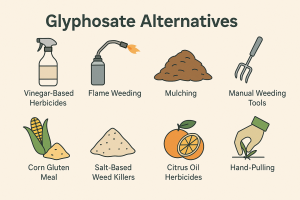
Fortunately, several effective glyphosate-free alternatives options are now available, offering both natural and synthetic solutions that minimize harm to humans, animals, and the planet.
From organic herbicides made with vinegar and essential oils to mechanical methods like flame weeding and mulching, these Glyphosate alternatives are transforming the way we manage unwanted vegetation.
In this article, we explore the 10 best glyphosate alternatives that deliver results without compromising safety or sustainability.
10 Best Glyphosate Alternatives
1. Pelargonic Acid – Natural Fatty Acid Herbicide That Replaces Glyphosate
Pelargonic acid offers a fast-acting solution for killing weeds while avoiding the environmental concerns associated with glyphosate. This naturally derived fatty acid breaks down quickly in the environment, making it safer for non-target organisms. In contrast to glyphosate, which persists in soil, pelargonic acid degrades rapidly without leaving harmful residues.


- FAST-ACTING FORMULA: The fast-acting weed and grass killer concentrate starts working immediately and is rainproof in 1 hour
- HOW TO USE: Apply this weed killer concentrate for sprayer by mixing 24 fl. oz. per gallon of water and using a tank sprayer to treat up to 300 sq. ft.

Pelargonic acid works by disrupting the cell membranes of plants, causing them to dry out and die. While glyphosate targets the shikimic acid pathway in plants, pelargonic acid’s physical mode of action makes resistance less likely. Therefore, it’s a strong alternative for those looking to reduce glyphosate use in their garden or farm.
Unlike glyphosate, pelargonic acid is OMRI-listed, making it suitable for organic farming practices. Although it may require more frequent applications, it delivers immediate visible results. This fast burn-down action is preferred by those wanting quick aesthetic improvements without the wait associated with glyphosate.
Pros:
- Fast results
- Organic approved
- Minimal residue
- Non-selective
- Low resistance
- Biodegradable
- Pet safe
Cons:
- Short-lived effects
- Requires reapplication
- Costlier than glyphosate
2. Vinegar (Acetic Acid) – Household Solution Superior to Glyphosate
Vinegar, particularly horticultural vinegar with 20% acetic acid, is an accessible and eco-friendly alternative to glyphosate. It burns the leaves of weeds upon contact, leading to quick dieback, especially in younger plants. Unlike glyphosate, it doesn’t linger in the soil or affect groundwater.
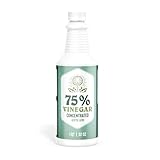
- Multi-Purpose Use: Versatile enough for both lawn treatment and heavy-duty cleaning, making it a valuable addition to any outdoor maintenance routine.
- Lawn Treatment Solution: A natural and powerful option for maintaining the appearance of your lawn, helping to manage unwanted plant growth without harsh chemicals.
Its simplicity and availability make it a favorite for home gardeners who want to avoid glyphosate exposure. Vinegar is especially effective when used during hot, sunny days, enhancing its desiccating effect. Although not systemic like glyphosate, it offers a non-toxic solution that aligns with organic principles.
Many people turn to vinegar when they want a do-it-yourself option that’s safer than glyphosate-based products. It’s easy to apply and breaks down naturally, ensuring no buildup over time. However, it is non-selective and can harm desirable plants, so precision is key compared to glyphosate.
Pros:
- Readily available
- Fast-acting
- Low toxicity
- Biodegradable
- Organic friendly
- Inexpensive
- No residue
Cons:
- Surface burn only
- No root kill
- Needs repeated use
3. Citric Acid-Based Herbicides – Eco-Friendly Substitute for Glyphosate
Citric acid, derived from citrus fruits, is a natural alternative to glyphosate that disrupts plant cell membranes, causing them to dry out. It’s often combined with vinegar for stronger results, creating a double impact herbicide. While glyphosate is systemic and slow, citric acid delivers fast visual control.
- FAST-ACTING FORMULA: The fast-acting weed and grass killer concentrate starts working immediately and is rainproof in 1 hour
- HOW TO USE: Apply this weed killer concentrate for sprayer by mixing 24 fl. oz. per gallon of water and using a tank sprayer to treat up to 300 sq. ft.
This option is particularly useful for those seeking organic and biodegradable solutions to weed problems traditionally managed with glyphosate. Citric acid herbicides do not persist in the environment and are considered safe for use around children and pets. Unlike glyphosate, they break down quickly and are non-toxic to beneficial organisms.
Though not as long-lasting as glyphosate, citric acid-based formulas offer peace of mind and immediate results. They’re effective on a wide range of weeds and can be used repeatedly without environmental buildup. Their eco-friendly nature makes them popular in organic agriculture and sustainable gardening.
Pros:
- Organic compliant
- Quick results
- Biodegradable
- Low toxicity
- Non-residual
- Safe for pets
- Natural source
Cons:
- Short lifespan
- No systemic kill
- Can scorch nearby plants
4. Flame Weeding – Heat-Based Solution Better Than Glyphosate
Flame weeding uses direct heat to destroy plant tissues, providing a glyphosate-free method for killing weeds instantly. This method is ideal for sidewalks, driveways, and row crops where glyphosate might pose environmental concerns. The heat causes cells to burst, with weeds dying in a matter of hours.
- FAST-ACTING FORMULA: The fast-acting weed and grass killer concentrate starts working immediately and is rainproof in 1 hour
- HOW TO USE: Apply this weed killer concentrate for sprayer by mixing 24 fl. oz. per gallon of water and using a tank sprayer to treat up to 300 sq. ft.
Unlike glyphosate, which targets internal pathways, flame weeding acts physically, avoiding chemical exposure risks. It’s a popular choice for organic farmers and those aiming to eliminate glyphosate from their routines. Repeated use can even weaken weed roots over time.
Flame weeding is environmentally sound and leaves no residue, which is a major advantage over glyphosate. While it requires equipment and may be less precise in windy conditions, it offers a clean, chemical-free approach. It is particularly useful in areas where glyphosate use is restricted or banned.
Pros:
- No chemicals
- Fast acting
- No residue
- Organic approved
- Eco-friendly
- Safe for soil
- Reusable tool
Cons:
- Fire hazard
- Not selective
- Requires fuel
5. Boiling Water – Simple and Safer Option Than Glyphosate
Boiling water provides a straightforward and effective way to kill weeds without the risks associated with glyphosate. It works by destroying plant cells on contact, especially on walkways and hardscapes. This method offers an instant kill with no toxic residues left behind.

- Fast Boiling: Experience rapid boiling with this 1500W electric kettle. Get hot water in just 3 minutes, perfect for making tea, coffee, and other hot beverages efficiently.
- Safety Assured: Ensure safe and worry-free boiling with automatic shutoff and boil-dry protection in this hot water kettle electric.
Using boiling water eliminates any concern about glyphosate runoff or soil contamination. It’s especially useful in small areas where precise application is needed. This non-chemical method is safe, easy, and suitable for households with children and pets.
Though less effective for deep-rooted weeds compared to glyphosate, repeated applications can offer control over time. It’s a free and accessible option for those looking to eliminate glyphosate use. For those avoiding synthetic chemicals, boiling water is both effective and environmentally conscious.
Pros:
- Free method
- No chemicals
- Immediate kill
- Eco-friendly
- No residue
- Safe for pets
- Easy to use
Cons:
- Labor intensive
- Limited coverage
- Surface only
6. Corn Gluten Meal – Natural Pre-Emergent Alternative to Glyphosate
Corn gluten meal acts as a pre-emergent herbicide, preventing seed germination without using glyphosate. It’s derived from corn processing and adds nitrogen to the soil, enhancing plant health. Unlike glyphosate, which kills existing weeds, corn gluten targets them before they sprout.

- CONTAINS: Espoma Organic Turf-tone Weed Preventer Plus Lawn Food is made from 100% Corn Gluten Meal. No sludges or toxic ingredients
- USE FOR: Provides organic nitrogen that keeps lawns a deep green color longer than conventional lawn foods. Prevents Common Weeds like Crabgrass and Dandelions
This option is perfect for lawns and gardens where you want to block weed growth in an organic way. Glyphosate is not selective, but corn gluten only affects seeds, leaving established plants untouched. With proper timing, it can significantly reduce annual weed pressure.
Although it does not kill mature weeds like glyphosate, its preventative power is unmatched. It’s especially effective when combined with other glyphosate alternatives for a holistic approach. Use it twice a year for best results and improved soil fertility.
Pros:
- Organic option
- Fertilizes soil
- Prevents weeds
- Non-toxic
- Safe for pets
- Residue-free
- Improves lawns
Cons:
- No post-emergent
- Requires timing
- Less effective in rain
7. Mulching – Natural Barrier That Outperforms Glyphosate
Mulching suppresses weed growth by blocking sunlight and preventing weed seed germination, unlike glyphosate which chemically kills them. It conserves moisture and enhances soil health, offering multiple benefits in one step. This natural method avoids chemical exposure and long-term soil damage.

- 100% Organic & Peat-Free: Our organix mulch mix is 100% organic & peat-free. Peat is one of Mother Nature’s most important stores of carbon. Instead of imported peat, the base of our soils is made from upcycled plant matter or wood fines from the United States!
- Intended for use in Mulch Soil: Our unique soil blend is ideal for nurturing herbs, vegetables, and fruits planted in a raised bed. Its nutrient-rich composition provides the essential elements for promoting robust growth, vibrant flavors, and bountiful harvests. It’s also proudly made in the USA.
Where glyphosate may lead to resistance and contamination, mulch creates a lasting physical barrier that improves with time. Organic mulches break down and add nutrients, making it a regenerative alternative to glyphosate. It’s ideal for flower beds, vegetable gardens, and orchard rows.
Though it requires initial setup, mulch reduces the need for repeated glyphosate applications. It’s a sustainable solution that aligns with organic principles and supports biodiversity. Mulching is an investment in long-term garden health without relying on glyphosate.
Pros:
- Organic approved
- Soil enrichment
- Weed suppression
- Water retention
- Improves aesthetics
- Reduces erosion
- Long-lasting
Cons:
- Labor needed
- Initial cost
- May harbor pests
8. Manual Weeding and Hoeing – Traditional Method That Beats Glyphosate
Manual weeding and hoeing offer precise and chemical-free weed control without the health concerns linked to glyphosate. Though labor-intensive, this method gives you full control over what gets removed. Unlike glyphosate, there’s no risk of drift or harming desirable plants.

- Heavy Duty 4 Tine hand cultivator garden tool digs down and extracts the entire root for weeding flower bed that is overgrown, hard desert dirt weed grass removal, ditching, seeding vegetables even in compacted ground.
- Weed hoe carbon steel blade head with sharp end makes hoes easier to either scrape the top layer of dirt to get the weeds cut or get this tool under the surface of the soil to rip them out.
This approach is ideal for smaller areas where using glyphosate is overkill or unsafe. Regular hoeing can weaken weed roots over time, providing lasting results. It’s especially valuable for gardens, pathways, and raised beds.
Manual weeding doesn’t introduce any toxins into the environment, unlike glyphosate. It supports a hands-on approach to gardening that connects you with your soil. For those committed to sustainability, it’s a superior method to glyphosate-laden sprays.
Pros:
- Chemical-free
- Immediate results
- Cost-effective
- Environmentally safe
- Selective removal
- Exercise benefit
- No resistance
Cons:
- Labor heavy
- Time-consuming
- Repetitive effort
9. Essential Oil Herbicides – Natural Extracts Better Than Glyphosate
Essential oil herbicides, such as clove and cinnamon oil, disrupt weed growth through natural compounds that cause cell damage. These oils provide a fast burn-down effect, offering a safer alternative to glyphosate. They are often combined with soaps for better adhesion and effectiveness.

- Works as a surfactant to help herbicides stick to the plant leaves.
- If using Quinclorac, MSO is recommended instead of a non ionic surfactant
While glyphosate persists in the environment, essential oil herbicides are biodegradable and non-toxic to wildlife. They break down quickly, reducing long-term environmental risk. Many are OMRI-listed, making them suitable for organic gardening.
Despite needing frequent applications compared to glyphosate, their safety profile is unmatched. They’re ideal for garden beds, patios, and other sensitive areas. These plant-based solutions are changing the way we manage weeds without glyphosate.
Pros:
- Natural origin
- Organic friendly
- Fast-acting
- Low toxicity
- Pleasant scent
- Safe for pets
- Easy to apply
Cons:
- Short duration
- Can stain
- Surface only
10. Integrated Weed Management (IWM) – Strategic System Better Than Glyphosate
Integrated Weed Management combines multiple practices such as crop rotation, mulching, flame weeding, and mechanical control to reduce reliance on glyphosate. This system targets weed problems from multiple angles for long-term success. It focuses on prevention rather than reactive treatment like glyphosate.

IWM is effective in reducing glyphosate-resistant weed populations by diversifying control strategies. It promotes sustainable land use and reduces chemical dependency. Unlike glyphosate, it adapts to changing environmental conditions and weed pressures.
By incorporating various tools, IWM reduces the need for high glyphosate doses. It is suitable for both conventional and organic systems. This holistic method offers resilience, environmental safety, and effective weed suppression without the downsides of glyphosate.
- Pros:
- Long-term control
- Reduced resistance
- Sustainable method
- Environment friendly
- Adaptable strategy
- Holistic approach
- Less chemical use
- Cons:
- Complex planning
- Labor intensive
- Training required
Glyphosate Alternatives FAQs
- Is there a natural herbicide better than glyphosate? Yes, natural herbicides like vinegar, citric acid, and pelargonic acid are effective and safer than glyphosate for many applications.
- Are glyphosate alternatives effective on all weeds? While alternatives can be effective, some may need repeated application or combination strategies for tough perennial weeds.
- Can I use boiling water instead of glyphosate? Yes, boiling water is effective for spot-treating weeds on driveways and pathways, especially where glyphosate use is restricted.
- What is the best organic alternative to glyphosate? Pelargonic acid and essential oil-based herbicides are among the best organic alternatives to glyphosate.
- Do these alternatives kill weeds permanently? Some alternatives provide quick results but may not kill roots; repeated use or integration with other methods is recommended.
- Are these alternatives more expensive than glyphosate? Some may cost more per application, but they offer added environmental and health benefits that offset the price.
- Why should I avoid using glyphosate? Concerns include potential health risks, environmental persistence, and the development of resistant weed species.
Conclusion
In conclusion, there are many effective and safer alternatives to glyphosate that can meet your weed control needs without compromising environmental or human health.
From natural acids to manual techniques and integrated systems, each of these options offers unique advantages.By choosing a better alternative, you contribute to more sustainable gardening and farming practices.
These methods not only reduce chemical exposure but also promote biodiversity and soil health. Start making the switch today and take control of your weed management the natural and responsible way.