Understanding what actually kills weeds requires examining chemistry, making the best common ingredient in lawn weed killer a crucial topic for homeowners seeking real results. Most over-the-counter products contain one of several active molecules that disrupt specific plant processes while sparing turfgrass.
Weeds like dandelion, clover, and crabgrass have evolved survival mechanisms that ordinary vinegar or soap cannot overcome. Professional formulations rely on synthetic compounds that target enzymes, hormones, or photosynthetic pathways unique to broadleaf plants or grassy weeds.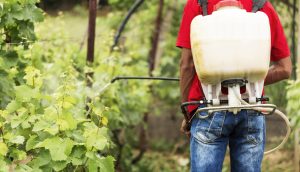
Without knowing which ingredient works best for your specific weed problem, you risk wasting money and damaging your lawn. Each chemical class has strengths, weaknesses, and ideal application windows that determine success or failure.
In this guide, we will rank the top 10 best common ingredient in lawn weed killer based on mode of action, selectivity, and real-world efficacy to help you choose the right chemistry for your turf.
Top 10 Best Common Ingredient In Lawn Weed Killer
1. 2,4-D (Dimethylamine Salt) – Best Synthetic Auxin Herbicide Ingredient for Broadleaf Weeds
2,4-D is widely recognized as the best synthetic auxin herbicide ingredient for broadleaf weeds because it mimics natural plant growth hormones at lethal concentrations. This phenoxy herbicide overstimulates cell division in vascular tissues, causing uncontrolled growth, stem twisting, and eventual plant collapse. The ingredient selectively targets broadleaf species while leaving monocot grasses like Bermuda and fescue largely unharmed due to differences in auxin transport and metabolism.
The chemical absorbs through leaf surfaces within hours and translocates to meristems where active growth occurs. 2,4-D disrupts protein synthesis and nucleic acid metabolism, leading to cell wall disorganization and phloem dysfunction. Consequently, treated weeds exhibit epinasty (downward leaf curling) within 24 to 48 hours after application.
This ingredient remains effective across a wide temperature range, from 60°F to 85°F, making it a spring and fall favorite. Formulations often include dimethylamine salt for improved water solubility and reduced volatility. For homeowners, 2,4-D provides reliable control of dandelion, plantain, clover, and thistle without killing the lawn.
Pros:
-
Broadleaf selective
-
Fast epinasty
-
Wide temperature
-
Low cost
-
Proven track
-
Turf safe
-
Readily available
Cons:
-
Drift risk
-
Slow root kill
-
Temperature sensitive
2. Glyphosate (Roundup) – Best EPSP Synthase Inhibitor Ingredient for Total Vegetation Kill
Glyphosate is the best EPSP synthase inhibitor ingredient for total vegetation kill because it blocks the shikimic acid pathway essential for aromatic amino acid production. Without phenylalanine, tyrosine, and tryptophan, weeds cannot synthesize proteins or secondary metabolites necessary for survival. This systemic ingredient translocates from treated leaves to root systems, killing the entire plant including underground storage organs.
The molecule chelates divalent cations like manganese and zinc, further disrupting enzyme function at the active site. Glyphosate binds tightly to soil particles upon contact with bare ground, which eliminates residual activity and prevents damage to subsequent plantings. This property makes it ideal for lawn renovation, spot treatment of perennial weeds, and glyphosate-resistant crop systems.
Over 300 weed species have documented control with glyphosate, though resistant biotypes now exist in 50 countries. The ingredient is non-selective, meaning it will kill any green vegetation it contacts, including desirable turfgrass. For targeted application, use shielded sprayers or wiper applicators to preserve lawn areas.
Pros:
-
Total kill
-
Systemic action
-
No residual
-
Broad spectrum
-
Proven efficacy
-
Low cost
-
Easy mixing
Cons:
-
Non-selective
-
Resistance growing
-
Slow symptom
3. Dicamba – Best Benzoic Acid Herbicide Ingredient for Hard-to-Kill Broadleaf Weeds
Dicamba is the best benzoic acid herbicide ingredient for hard-to-kill broadleaf weeds due to its high volatility and exceptional root absorption capability. This synthetic auxin mimics natural indole-3-acetic acid (IAA) but persists longer in plant tissues, causing uncontrolled cell division and vascular disruption. Unlike 2,4-D, dicamba provides superior control of tough perennials like ground ivy, wild violet, and Canada thistle.
The ingredient is absorbed through both foliage and roots, making it effective even when spray coverage is incomplete. Dicamba disrupts nucleic acid synthesis and ethylene production, leading to stem girdling, leaf cupping, and terminal bud death. Because it moves bidirectionally in phloem, dicamba reaches all growing points including deep rhizomes.
This ingredient works best at temperatures between 65°F and 85°F with high humidity for maximum cuticle penetration. However, dicamba has significant volatility and off-target movement risk, which can injure sensitive ornamentals and trees. Modern formulations include vapor-reducing agents like diglycolamine salt to minimize drift.
Pros:
-
Root absorbed
-
Perennial killer
-
Broad spectrum
-
Fast uptake
-
Deep control
-
Strong activity
-
Tank mix friendly
Cons:
-
High drift
-
Volatile
-
Tree sensitive
4. MCPA (2-Methyl-4-Chlorophenoxyacetic Acid) – Best Phenoxy Herbicide Ingredient for Cold Weather Application
MCPA is the best phenoxy herbicide ingredient for cold weather application because it remains effective at temperatures as low as 45°F. This selective auxin mimic controls annual broadleaf weeds like chickweed, henbit, and purslane without injuring turfgrasses. The ingredient degrades more rapidly in soil than 2,4-D, reducing rotational restrictions for garden vegetables.
The chemical disrupts cell wall plasticity by activating specific calmodulin-dependent protein kinases. MCPA causes abnormal swelling of leaf veins and stems, eventually blocking nutrient transport throughout the weed. Unlike dicamba, MCPA has very low volatility, making it safe to use near residential landscapes and gardens.
This ingredient works best on young, actively growing weeds before they reach the flowering stage. For lawns, MCPA is often pre-mixed with other phenoxy herbicides to broaden the weed control spectrum. Homeowners appreciate its safety profile and consistent performance across varying spring conditions.
Pros:
-
Cold active
-
Low volatility
-
Fast degradation
-
Garden safe
-
Broadleaf select
-
Turf tolerant
-
Affordable
Cons:
-
Weak on clover
-
Slow action
-
No root kill
5. Quinclorac – Best Quinoline Carboxylic Acid Ingredient for Crabgrass and Barnyard Grass
Quinclorac is the best quinoline carboxylic acid ingredient for crabgrass and barnyard grass because it combines auxin mimicry with cell wall biosynthesis inhibition. This dual-mode ingredient overstimulates growth in grassy weeds while blocking cellulose deposition, causing structural collapse. The chemistry is uniquely effective on crabgrass species that have developed resistance to ACCase and ALS inhibitors.
The ingredient is absorbed through both foliage and roots, a rare property among grass-selective herbicides. Quinclorac requires a methylated seed oil adjuvant to penetrate the waxy cuticle of mature crabgrass leaves. Once inside, it induces the accumulation of toxic cyanide levels in sensitive grass species.
This ingredient is labeled for use on Bermudagrass, Zoysiagrass, and tall fescue lawns without significant injury. For best results, apply quinclorac when crabgrass is under 6 inches tall and actively growing. Homeowners may need two applications spaced 14 days apart for complete eradication of large infestations.
Pros:
-
Dual mode
-
Crabgrass specific
-
Turf safe
-
Root absorbed
-
Resistance breaker
-
Proven efficacy
-
Tank mix friendly
Cons:
-
Needs MSO
-
Two apps
-
Slow symptom
6. Pendimethalin (Prowl H2O) – Best Dinitroaniline Ingredient for Pre-Emergent Crabgrass Control
Pendimethalin is the best dinitroaniline ingredient for pre-emergent crabgrass control because it inhibits microtubule formation during cell division. This mitotic disruptor prevents root and shoot development in germinating weed seeds before they emerge from the soil. The ingredient forms a chemical barrier in the top one inch of soil, intercepting seedlings within 24 hours of germination.
The molecule binds tightly to organic matter and has low water solubility, ensuring season-long persistence. Pendimethalin disrupts spindle fiber assembly by binding to tubulin proteins, effectively stopping mitosis at metaphase. This mode of action is most effective on annual grasses like crabgrass, foxtail, and barnyard grass.
Apply pendimethalin in early spring when soil temperatures reach 55°F at a 2-inch depth for 4 months of residual control. The ingredient is safe on established turf but will prevent new grass seed germination for up to 16 weeks. For flower beds, use a granular formulation to minimize dust and off-target movement.
Pros:
-
Season long
-
Microtubule block
-
Low solubility
-
Turf safe
-
Crabgrass stop
-
Granular option
-
Proven reliable
Cons:
-
No post control
-
Prevents seeding
-
Soil bound
7. Mesotrione (Tenacity) – Best HPPD Inhibitor Ingredient for Bleaching Broadleaf Weeds
Mesotrione is the best HPPD inhibitor ingredient for bleaching broadleaf weeds because it blocks carotenoid biosynthesis at the 4-hydroxyphenylpyruvate dioxygenase enzyme. Without carotenoids, chlorophyll becomes photooxidized by sunlight, turning treated weeds completely white within 7 to 14 days. This ingredient provides both post-emergent control of broadleaf weeds and residual pre-emergent activity for up to 30 days.
The chemical is absorbed through foliage and roots, making it effective across multiple application methods. Mesotrione disrupts plastoquinone synthesis, which is essential for electron transport in photosynthesis. Consequently, weeds die from energy starvation rather than direct membrane damage.
This ingredient is uniquely labeled for use on tall fescue, Kentucky bluegrass, and perennial ryegrass with minimal turf injury. For best results, apply mesotrione to young, actively growing weeds under 4 inches tall. Homeowners appreciate the novel mode of action for combating herbicide-resistant broadleaf populations.
Pros:
-
Bleaching effect
-
Dual action
-
Novel chemistry
-
Residual control
-
Turf safe
-
Fast uptake
-
Resistance breaker
Cons:
-
White turf
-
Expensive
-
Slow kill
8. Fluazifop-P-Butyl (Fusilade II) – Best ACCase Inhibitor Ingredient for Grassy Weed Control
Fluazifop-P-Butyl is the best ACCase inhibitor ingredient for grassy weed control because it blocks acetyl-CoA carboxylase, the enzyme required for fatty acid synthesis. Without lipids, grass weed cell membranes cannot form, leading to complete plant death within 14 to 21 days. This ingredient is highly selective, controlling annual and perennial grasses while leaving broadleaf plants and turfgrasses unharmed.
The chemical is absorbed through leaf surfaces within one hour and translocates to meristems, rhizomes, and stolons. Fluazifop disrupts membrane fluidity and integrity, causing cellular contents to leak and tissues to desiccate. Because it targets only grass species, it is ideal for over-the-top application in broadleaf crops and ornamentals.
Apply fluazifop when barnyard grass, foxtail, or volunteer corn is actively growing at 4 to 8 inches tall. The ingredient requires a crop oil concentrate at 1% volume for maximum cuticle penetration. For homeowners, this product is best used in flower beds and vegetable gardens where crabgrass is a persistent problem.
Pros:
-
Grass specific
-
Systemic action
-
Rhizome kill
-
Crop safe
-
Fast absorption
-
Rainfast 1hr
-
Broad spectrum
Cons:
-
Slow symptom
-
Needs oil
-
No residual
9. Carfentrazone-Ethyl (QuickSilver) – Best PPO Inhibitor Ingredient for Fast Weed Burndown
Carfentrazone-Ethyl is the best PPO inhibitor ingredient for fast weed burndown because it destroys cell membranes within hours of application. This protoporphyrinogen oxidase inhibitor causes lipid peroxidation, leading to rapid desiccation and visible wilting in 24 to 48 hours. The ingredient is ideal for spot treatment of emerged broadleaf weeds like clover, oxalis, and spurge.
The chemical works by blocking chlorophyll biosynthesis at the protoporphyrinogen IX oxidase step. Carfentrazone requires sunlight activation, as UV radiation converts accumulated protoporphyrin IX to singlet oxygen, which shreds cell membranes. This contact activity means complete spray coverage is essential for effective control.
This ingredient has no systemic movement, so regrowth from roots may occur with perennial weeds. For best results, tank-mix carfentrazone with a systemic ingredient like 2,4-D or dicamba. Homeowners appreciate the fast visual results, often seeing dead weeds within 48 hours after application.
Pros:
-
Extremely fast
-
Visible 24hr
-
Sun activated
-
Broadleaf kill
-
Low use rate
-
Tank mix friendly
-
No volatility
Cons:
-
Contact only
-
No root kill
-
Needs systemic
10. Sulfentrazone (Dismiss) – Best Aryl Triazolinone Ingredient for Sedge and Broadleaf Control
Sulfentrazone is the best aryl triazolinone ingredient for sedge and broadleaf control because it inhibits protoporphyrinogen oxidase (PPO) while providing residual soil activity. This dual-action ingredient destroys cell membranes in emerged weeds and prevents germination of new seeds for up to 30 days. The chemistry is uniquely effective on difficult-to-control species like yellow nutsedge, dollarweed, and Dwarf spikerush.
The ingredient is absorbed through both foliage and roots, ensuring comprehensive plant kill. Sulfentrazone requires soil moisture for activation of its residual component, as dry conditions reduce pre-emergent efficacy. The PPO inhibition mechanism is fast-acting, with visible wilting occurring within 48 to 72 hours after application.
Apply sulfentrazone when weeds are actively growing and soil temperatures exceed 60°F for optimal absorption. The ingredient is labeled for use on warm-season turfgrasses like Bermuda and Zoysia but may cause temporary whitening. For homeowners with mixed weed populations, sulfentrazone offers the rare combination of speed, residual activity, and broad spectrum control.
Pros:
-
Dual action
-
Residual control
-
Sedge killer
-
Fast wilting
-
Root absorbed
-
Broad spectrum
-
Low use rate
Cons:
-
Turf whitening
-
Needs moisture
-
Expensive
Common Ingredient In Lawn Weed Killer FAQs
1. What is the most common ingredient found in most lawn weed killers?
The most common ingredient is 2,4-D (dimethylamine salt) , a synthetic auxin herbicide that selectively kills broadleaf weeds like dandelion and clover without harming turfgrass.
Over 1,500 herbicide products contain 2,4-D as their primary active ingredient, making it the most widely used lawn weed killer chemistry globally since 1945.
2. Which ingredient works best to kill crabgrass in my lawn without killing the grass?
Quinclorac is the best ingredient for post-emergent crabgrass control because it combines auxin mimicry with cell wall biosynthesis inhibition, a dual mode of action that selectively targets grassy weeds.
For pre-emergent prevention, pendimethalin stops crabgrass seeds before they germinate by inhibiting microtubule formation during cell division.
3. How does glyphosate work compared to selective weed killer ingredients?
Glyphosate blocks the EPSP synthase enzyme in the shikimic acid pathway, preventing aromatic amino acid production in all green plants, which makes it non-selective.
In contrast, selective ingredients like 2,4-D or dicamba exploit biochemical differences between broadleaf weeds and turfgrasses, allowing them to kill weeds while preserving the lawn.
4. Which ingredient kills weeds the fastest and shows results within 48 hours?
Carfentrazone-ethyl (PPO inhibitor) kills weeds the fastest, causing visible wilting and desiccation within 24 to 48 hours by destroying cell membranes through lipid peroxidation.
However, this ingredient is contact-only and lacks systemic movement, so perennial weeds may regrow from roots without a tank-mix partner like 2,4-D or dicamba.
5. What is the best ingredient for killing ground ivy and wild violet in cool-season lawns?
Dicamba is the most effective ingredient for ground ivy and wild violet because it is absorbed through both foliage and roots, reaching underground rhizomes that other auxins miss.
Apply dicamba when temperatures exceed 65°F and use a formulation with reduced volatility to prevent drift damage to nearby trees and ornamentals.
6. Can I use mesotrione as both a weed killer and a pre-emergent?
Yes, mesotrione is unique among selective herbicides because it provides both post-emergent control of broadleaf weeds and up to 30 days of residual pre-emergent activity.
This HPPD inhibitor turns weeds white by blocking carotenoid biosynthesis, and it is labeled for use on tall fescue, Kentucky bluegrass, and perennial ryegrass.
7. Which ingredient is safe to use around flower beds and vegetable gardens?
MCPA is the safest phenoxy herbicide ingredient for use near gardens because it degrades rapidly in soil, with a half-life of 7 to 14 days, minimizing rotational restrictions.
For grassy weeds in flower beds, fluazifop-p-butyl provides selective grass control without harming broadleaf ornamentals or vegetables.
Conclusion
In conclusion, the best common ingredient in lawn weed killer is 2,4-D because it selectively targets broadleaf weeds through synthetic auxin overstimulation while leaving turfgrass completely unharmed. The runner-up is glyphosate due to its unmatched EPSP synthase inhibition that provides systemic kill down to the deepest roots, though it requires careful application to avoid lawn damage.
The best selective ingredient for crabgrass control is quinclorac, which offers a unique dual mode of action combining auxin mimicry with cell wall biosynthesis disruption. For pre-emergent prevention, the most common lawn weed control ingredient is pendimethalin, a dinitroaniline that stops microtubule formation in germinating seeds before they emerge from the soil.
Homeowners seeking fast visual results should choose carfentrazone-ethyl as the top killer ingredient for rapid burndown, with wilting visible in just 24 to 48 hours. For herbicide-resistant weed populations, the novel ingredient best suited is mesotrione, an HPPD inhibitor that turns weeds white through carotenoid biosynthesis blockage.
Take action today by identifying your specific weed problem and selecting the right ingredient from this guide based on your lawn type and application timing. Eradicate stubborn broadleaf weeds with 2,4-D, eliminate crabgrass with quinclorac, and get rid of total vegetation with glyphosate to maintain a healthy, weed-free lawn all season long.