Eradicating Field Dodder which is one of the parasitic weeds requires specialized chemistry, making the best herbicides for field dodder essential for farmers and landscapers battling this aggressive vine. Field dodder (Cuscuta campestris) is a holoparasitic plant that lacks chlorophyll and derives all nutrients from host plants through specialized feeding structures called haustoria.
Field dodder (Cuscuta campestris) a golden-orange vine wraps around alfalfa, carrots, onions, and ornamentals, forming dense mats that reduce crop yields by up to 80% in severe infestations. Field dodder weed produces thousands of tiny seeds that remain viable in soil for over 20 years, creating a persistent seed bank that demands chemical intervention.

Without proper herbicide application, field dodder will completely overtake fields within two growing seasons and spread to adjacent properties. Most contact herbicides fail because dodder is protected by the host plant’s canopy, requiring systemic products that translocate through the parasitic connection.
In this guide, we will rank the top 10 best herbicides for field dodder based on mode of action, crop safety, and application timing to help you eradicate, eliminate, and get rid of this parasitic weed permanently.
10 Best Herbicides For Field Dodder
1. Pendimethalin (Prowl H2O) – Best Pre-Emergent Herbicide for Field Dodder Seed Control
Pendimethalin is widely recognized as the best pre-emergent herbicide for field dodder seed control because it inhibits microtubule formation during cell division in germinating seeds. This dinitroaniline chemistry blocks spindle fiber assembly, preventing dodder seedlings from establishing root systems or emerging from the soil. The ingredient forms a chemical barrier in the top one inch of soil, intercepting dodder seeds within 24 hours of germination.
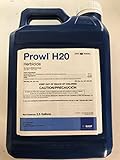
The molecule binds tightly to organic matter and has low water solubility, ensuring season-long persistence in the treatment zone. Pendimethalin disrupts mitosis at metaphase by binding to tubulin proteins, effectively stopping cell division before the dodder can attach to a host. Without this ingredient, field dodder seeds germinate and quickly locate host plants using chemical signaling cues.
Apply pendimethalin in early spring before dodder seeds germinate, when soil temperatures reach 55°F at a 2-inch depth. The ingredient is labeled for use on alfalfa, carrots, and onions with proper incorporation timing. For maximum efficacy, irrigate within 5 days of application to activate the herbicidal barrier.
Pros:
-
Season long
-
Seed specific
-
Low solubility
-
Crop safe
-
Proven barrier
-
Granular option
-
Affordable
Cons:
-
No post control
-
Needs irrigation
-
Soil bound
2. Glyphosate (Roundup) – Best Non-Selective Systemic Herbicide for Field Dodder Vine Kill
Glyphosate is the best non-selective systemic herbicide for field dodder vine kill because it blocks EPSP synthase in the shikimic acid pathway, stopping aromatic amino acid production. This systemic ingredient translocates from dodder foliage through the haustoria and into the host plant, killing both organisms simultaneously. The chemistry is unique because dodder’s parasitic connection actually facilitates glyphosate movement from weed to host.

The molecule chelates divalent cations like manganese, further disrupting enzyme function at the active site. Glyphosate binds tightly to soil particles upon contact with bare ground, which eliminates residual activity and prevents damage to subsequent plantings. This property makes it ideal for spot treatment of dodder patches in non-crop areas or before planting.
Apply glyphosate when dodder vines are actively growing and have formed multiple attachments to host plants. For infested fields, a fall application after harvest targets dodder seedlings that germinated late in the season. Homeowners should use shielded sprayers to protect desirable ornamentals from this non-selective ingredient.
Pros:
-
Systemic kill
-
Haustoria active
-
Total eradication
-
Broad spectrum
-
Proven efficacy
-
Low cost
-
Easy mixing
Cons:
-
Non-selective
-
Kills host
-
No residual
3. Pelargonic Acid (Scythe) – Best Contact Herbicide for Field Dodder Rapid Desiccation
Pelargonic acid is the best contact herbicide for field dodder rapid desiccation because it disrupts cell membranes through fatty acid-induced lipid peroxidation. This naturally occurring ingredient dissolves the waxy cuticle of dodder vines within minutes of application, causing cellular contents to leak and tissues to collapse. The chemistry works by lowering the pH of plant cells to lethal levels while stripping away protective surface waxes.

The ingredient has no systemic movement, so thorough spray coverage of every dodder strand is absolutely essential. Pelargonic acid is non-selective and will damage any green plant tissue it contacts, including the host crop. Consequently, it is best used for spot treatment of dodder patches before the vine attaches to desirable vegetation.
Apply pelargonic acid on sunny days when temperatures exceed 60°F for maximum desiccation speed. The ingredient is OMRI-listed for organic production, making it suitable for certified organic farms. For large infestations, repeat applications every 7 to 10 days are necessary to kill newly germinated dodder seedlings.
Pros:
-
Extremely fast
-
Organic approved
-
Cuticle burner
-
Low toxicity
-
No residue
-
OMRI listed
-
Quick burndown
Cons:
-
Contact only
-
Non-selective
-
No root kill
4. Trifluralin (Treflan) – Best Soil-Incorporated Herbicide for Field Dodder Prevention
Trifluralin is the best soil-incorporated herbicide for field dodder prevention because it inhibits microtubule assembly during root and shoot development in germinating seeds. This dinitroaniline chemistry specifically targets dodder seedlings before they emerge from the soil and locate a host plant. The ingredient requires mechanical incorporation within 24 hours of application to prevent photodegradation on the soil surface.

The molecule binds strongly to soil colloids and has very low water solubility, providing up to 4 months of residual activity. Trifluralin disrupts spindle fiber formation by binding to tubulin proteins in dividing cells, effectively stopping dodder growth at the two-cell stage. Without functional microtubules, the dodder radicle cannot elongate to reach the soil surface.
Apply trifluralin pre-plant and incorporate with a field cultivator or disc harrow to a depth of 2 to 3 inches. The ingredient is labeled for use on alfalfa, soybeans, cotton, and numerous vegetable crops. For maximum efficacy, maintain a weed-free soil surface to prevent dodder seeds from receiving light germination cues.
Pros:
-
Soil incorporated
-
Long residual
-
Seed specific
-
Crop safe
-
Low volatility
-
Proven reliable
-
Affordable
Cons:
-
Needs incorporation
-
No post control
-
Photodegradable
5. Imazamox (Raptor) – Best Selective Herbicide for Field Dodder in Alfalfa
Imazamox is the best selective herbicide for field dodder in alfalfa because it inhibits the ALS enzyme, blocking branched-chain amino acid production in susceptible plants. This imidazolinone chemistry is absorbed through both foliage and roots of dodder seedlings before they attach to alfalfa hosts. The ingredient is unique because established alfalfa plants metabolize imazamox rapidly, while dodder cannot detoxify the compound.
The molecule disrupts valine, leucine, and isoleucine synthesis, causing protein starvation and growth cessation within 24 hours. Imazamox has both foliar and soil activity, controlling emerged dodder vines while preventing new germination from the seed bank for up to 30 days. This dual action makes it one of the most effective dodder management tools available.
Apply imazamox post-emergence when dodder seedlings are actively searching for hosts but before significant wrapping has occurred. The ingredient requires a non-ionic surfactant at 0.25% volume for maximum foliar penetration. For established alfalfa stands, imazamox provides excellent crop safety when applied during the bud to early flower stage.
Pros:
-
Dual action
-
Alfalfa safe
-
Systemic kill
-
Residual activity
-
Fast cessation
-
Low use rate
-
Broad weed control
Cons:
-
ALS reliant
-
Expensive
-
Timing critical
6. Oryzalin (Surflan) – Best Long-Residual Herbicide for Field Dodder in Ornamentals
Oryzalin is the best long-residual herbicide for field dodder in ornamentals because it inhibits microtubule polymerization during cell division in germinating seeds. This dinitroaniline chemistry provides up to 6 months of residual control in nursery and landscape settings. The ingredient is unique because it can be applied over the top of established woody ornamentals without causing phytotoxicity.
The molecule binds to tubulin proteins, preventing the formation of spindle fibers necessary for chromosome separation. Oryzalin has very low water solubility, which means it stays in the top inch of soil where dodder seeds germinate. This property reduces groundwater contamination risk while maintaining season-long efficacy.
Apply oryzalin pre-emergence in early spring before soil temperatures reach 55°F for optimal dodder seed control. The ingredient is available as both a liquid and granular formulation for application flexibility. For container nurseries, oryzalin provides safe, long-lasting control without damaging sensitive ornamental root systems.
Pros:
-
6 month residual
-
Ornamental safe
-
Low solubility
-
Granular option
-
Proven efficacy
-
No leaching
-
Flexible timing
Cons:
-
No post control
-
Needs moisture
-
Expensive
7. DCPA (Dacthal) – Best Vegetable-Safe Herbicide for Field Dodder Control
DCPA is the best vegetable-safe herbicide for field dodder control because it inhibits root and shoot development in germinating weed seeds through an unknown but highly selective mechanism. This chlorinated benzoic acid chemistry has an exceptional safety profile on over 40 vegetable crops including onions, carrots, and cole crops. The ingredient works by disrupting cell division in meristematic tissues before dodder seedlings can emerge and attach.
The molecule is activated by soil moisture and forms a vapor-active barrier in the treatment zone. DCPA has very low mammalian toxicity and short environmental persistence, making it ideal for food crop production. Unlike many herbicides, DCPA does not require incorporation and remains stable on the soil surface for weeks.
Apply DCPA pre-emergence immediately after planting vegetables and before dodder seeds germinate. The ingredient is labeled for use on both direct-seeded and transplanted vegetables with a single application providing 6 to 8 weeks of control. For extended season crops like carrots, a split application program provides season-long dodder prevention.
Pros:
-
Vegetable safe
-
Low toxicity
-
No incorporation
-
Surface stable
-
Broad crop label
-
Proven safety
-
Affordable
Cons:
-
No post control
-
Short residual
-
Mechanism unknown
8. Flumioxazin (Chateau) – Best PPO Inhibitor Herbicide for Field Dodder Burndown
Flumioxazin is the best PPO inhibitor herbicide for field dodder burndown because it destroys cell membranes through protoporphyrinogen oxidase inhibition. This chemistry causes lipid peroxidation within hours of application, leading to rapid desiccation of dodder seedlings. The ingredient is unique because it provides both contact burndown of emerged dodder and residual control of germinating seeds for up to 60 days.
The molecule blocks chlorophyll biosynthesis at the protoporphyrinogen IX oxidase step, requiring sunlight for activation. Flumioxazin requires UV radiation to convert accumulated protoporphyrin IX to singlet oxygen, which shreds cell membranes. This contact activity means complete spray coverage of dodder strands is essential for effective control.
Apply flumioxazin pre-emergence or early post-emergence to dodder seedlings before they attach to host plants. The ingredient is labeled for use on peanuts, soybeans, cotton, and numerous tree nuts. For maximum residual activity, activate flumioxazin with 0.5 inches of rainfall or irrigation within 7 days of application.
Pros:
-
Dual action
-
Fast burn
-
60 day residual
-
Sun activated
-
Broad crop label
-
Low use rate
-
Resistance breaker
Cons:
-
Needs sunlight
-
Temporary whitening
-
Contact activity
9. Ethalfluralin (Sonalan) – Best Overwinter Herbicide for Field Dodder Seed Bank Depletion
Ethalfluralin is the best overwinter herbicide for field dodder seed bank depletion because it inhibits microtubule assembly in germinating seeds throughout the cold season. This dinitroaniline chemistry remains stable in frozen soil and activates during winter thaws when dodder seeds may attempt germination. The ingredient is unique because it can be applied in late fall to kill dodder seeds that would otherwise overwinter in the soil.
The molecule binds to tubulin proteins, preventing spindle fiber formation during the first cell division of germination. Ethalfluralin has very low water solubility, which means it stays in the seed zone despite snow melt and spring rains. This property provides consistent control across variable winter weather conditions.
Apply ethalfluralin in late fall after soil temperatures drop below 50°F but before the ground freezes solid. The ingredient requires light incorporation or at least 0.5 inches of rainfall within 21 days of application. For fields with heavy dodder infestations, three consecutive years of fall application can reduce the seed bank by over 90%.
Pros:
-
Winter active
-
Seed bank killer
-
Low solubility
-
Stable frozen
-
Long residual
-
Proven depletion
-
Flexible timing
Cons:
-
No post control
-
Slow reduction
-
Needs incorporation
10. Chlorpropham (CIPC) – Best Potato-Safe Herbicide for Field Dodder Management
Chlorpropham is the best potato-safe herbicide for field dodder management because it inhibits cell division and disrupts protein synthesis in germinating weed seeds. This carbamate chemistry is unique among dodder herbicides because it is also a sprout inhibitor for stored potatoes. The ingredient works by blocking microtubule assembly while interfering with RNA transcription in meristematic tissues.
The molecule is absorbed by dodder seeds through the seed coat before germination occurs, preventing radicle emergence. Chlorpropham has fumigant activity in warm soils, creating a vapor phase that increases its distribution in the treatment zone. This property allows for effective dodder control without perfect soil incorporation or uniform spray coverage.
Apply chlorpropham pre-emergence immediately after planting potatoes and before dodder seeds germinate. The ingredient provides 8 to 10 weeks of residual activity, covering the critical period for potato crop establishment. For best results, incorporate chlorpropham with sprinkler irrigation to move the chemistry into the seed germination zone.
Pros:
-
Potato safe
-
Vapor active
-
Dual mechanism
-
Long residual
-
Sprout inhibitor
-
Proven efficacy
-
Flexible incorporation
Cons:
-
Potato only
-
Expensive
-
Temperature dependent
Best Herbicides For Field Dodder FAQs
1. How do I identify field dodder in my crops or garden?
Field dodder appears as thin, golden-orange to yellow vines without leaves or chlorophyll, wrapping tightly around host plants in a spaghetti-like mass. The weed produces clusters of tiny white flowers in mid-summer followed by rough-textured seeds that readily shatter and contaminate soil.
2. What is the best way to get rid of field dodder permanently?
The most effective approach combines a pre-emergent herbicide like pendimethalin applied in spring to prevent seed germination with a systemic product like glyphosate to kill established vines. This dual strategy eliminates existing dodder attachments while depleting the persistent seed bank over multiple growing seasons.
3. Will the best herbicides for field dodder kill my alfalfa or vegetable crops?
Selective herbicides like imazamox are formulated to target dodder while allowing alfalfa to metabolize the active ingredient safely. For vegetables, DCPA provides exceptional crop safety on over 40 species, but always read the label for specific crop restrictions before application.
4. How can I eradicate field dodder that has already attached to ornamental shrubs?
Once dodder attaches, systemic herbicides like glyphosate will translocate through the haustoria into the host plant, potentially causing damage to desirable ornamentals. To eliminate attached dodder without harming shrubs, physically remove the vines and apply pelargonic acid for contact desiccation.
5. Why does field dodder keep coming back years after I thought it was gone?
Field dodder seeds remain viable in soil for over 20 years, creating a persistent seed bank that requires annual pre-emergent herbicide application to deplete. Additionally, dodder seeds have hard seed coats that require scarification, meaning some seeds may not germinate for decades after being produced.
6. Can I use organic herbicides to get rid of field dodder on my certified organic farm?
Yes, pelargonic acid (Scythe) is OMRI-listed and provides rapid contact desiccation of dodder vines, though it requires repeat applications every 7 to 10 days. For organic pre-emergent control, corn gluten meal suppresses dodder seed germination but is less effective than synthetic options like pendimethalin.
7. How long after applying herbicide can I harvest crops from a field treated for dodder?
Pre-harvest intervals vary by product and crop, ranging from 7 days for pelargonic acid on vegetables to 60 days for glyphosate on certain crops. Always consult the specific product label for your crop and region, as legal restrictions vary by state and country.
Conclusion
In conclusion, the best herbicide for field dodder is pendimethalin because it provides season-long pre-emergent control of the persistent seed bank while remaining safe on most crops including alfalfa and vegetables. The runner-up is glyphosate due to its unmatched systemic activity through the dodder-host haustoria connection, which kills both the parasite and its support plant simultaneously.
The best selective option for established alfalfa stands is imazamox, which combines post-emergent vine kill with 30 days of residual seed control from a single application. For organic producers facing dodder infestations, pelargonic acid offers the best contact desiccation despite requiring repeat applications every 7 to 10 days for complete eradication.
Field dodder seeds remain viable in soil for over 20 years, making pre-emergent herbicides like trifluralin and oryzalin essential components of any long-term management program. Without annual applications of these residual chemistries, the seed bank will continue to regenerate new infestations each growing season.
Take action today by testing your soil for dodder seed presence and applying pendimethalin in early spring before soil temperatures reach 55°F. Eradicate this parasitic weed by rotating between pre-emergent and systemic herbicides while depleting the seed bank over three consecutive growing seasons for permanent control.