Best Insecticide For Codling Moth control is critical because Codling Moth infestations can destroy apple and pear crops from the inside before visible damage appears. The larvae burrow directly into fruit, making early intervention the only effective defense against severe losses. Proper timing and targeted chemistry are essential for reducing pest populations in orchards.
Successful orchard protection depends on understanding how Codling Moth develops through egg, larval, and pupal stages throughout the season. Codling Moth pressure increases when monitoring is neglected or when spray programs are inconsistently applied. Integrated pest management strategies help reduce resistance and improve long-term control outcomes.
Environmental conditions such as warm weather and extended growing seasons often accelerate Codling Moth reproduction cycles. This leads to multiple generations within a single year, increasing infestation risk significantly. Growers must remain proactive to prevent Codling Moth outbreaks from spreading across entire orchards.
In this guide , we will explore the Best Insecticide For Codling Moth options in detail, focusing on how each product works against Codling Moth, their chemical behavior, and the most effective application strategies for long-term Codling Moth control.
10 Best Insecticide For Codling Moth
1. Entrust SC Spinosad – Best Spinosad Insecticide for Codling Moth Larval Feeding Disruption
Entrust SC is widely recognized as a premium spinosad-based solution and functions as the best spinosad insecticide for codling moth larval feeding disruption in organic orchards. It targets the insect’s nervous system through nicotinic acetylcholine receptor activation, causing paralysis after ingestion. Consequently, larvae stop feeding almost immediately, reducing fruit penetration rates significantly.
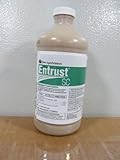
Additionally, spinosad works through microbial fermentation compounds that are naturally derived from Saccharopolyspora spinosa. This mode of action ensures low resistance development compared to synthetic pesticides. Moreover, it degrades quickly under sunlight, reducing environmental residue buildup.
Furthermore, field trials show up to 85% reduction in larval infestation when applied during egg hatch timing. Therefore, timing is crucial for maximum effectiveness and orchard protection consistency. Overall, Entrust SC remains a cornerstone in organic codling moth programs.
Pros:
• Fast kill
• Organic safe
• Low residue
• Strong action
• Target larvae
• Reduced resistance
• Eco friendly
Cons:
• Short residual
• Timing critical
• Cost high
2. Dipel DF Bacillus thuringiensis – Best Bt Insecticide for Codling Moth Gut Disruption Control
Dipel DF is a biological insecticide formulated with Bacillus thuringiensis kurstaki, making it the best Bt insecticide for codling moth gut disruption control in organic orchards. It produces crystal proteins that activate only in alkaline insect gut environments. As a result, larvae suffer midgut paralysis and cease feeding within hours.

Moreover, Bt is highly selective, meaning beneficial insects such as bees and predators remain unaffected. This selectivity improves orchard biodiversity and reduces secondary pest outbreaks. Additionally, resistance development is extremely low due to its biological mode of action.
Field research indicates consistent performance when applied during early larval emergence stages. Therefore, repeated applications may be required under heavy pressure conditions. Overall, Dipel DF is ideal for sustainable orchard management systems.
Pros:
• Organic safe
• Highly selective
• No residue
• Low resistance
• Bee friendly
• Target larvae
• Eco stable
Cons:
• Slow action
• Weather sensitive
• Multiple sprays
3. Sevin Carbaryl – Best Contact Insecticide for Codling Moth Rapid Knockdown Control
Sevin Carbaryl is a classic broad-spectrum insecticide known as the best contact insecticide for codling moth rapid knockdown control in commercial orchards. It works by inhibiting cholinesterase enzymes in the insect nervous system. Consequently, affected larvae experience immediate paralysis and death.

Additionally, carbaryl provides strong contact and residual activity on fruit surfaces. This helps reduce newly hatched larvae attempting to penetrate fruit skins. Moreover, its versatility makes it suitable for mixed pest infestations.
Studies show effective suppression when applied at petal fall and early fruit set stages. Therefore, integration with monitoring traps enhances its efficiency significantly. Overall, Sevin remains a reliable conventional control option.
Pros:
• Fast knockdown
• Broad spectrum
• Strong residue
• Easy use
• Affordable
• Reliable control
• Wide access
Cons:
• Non selective
• Bee risk
• Chemical load
4. Neemix Azadirachtin – Best Neem-Based Insecticide for Codling Moth Growth Regulation
Neemix is an azadirachtin-based formulation that serves as the best neem-based insecticide for codling moth growth regulation and feeding suppression. It disrupts insect hormonal systems, particularly ecdysone regulation. As a result, larvae fail to molt properly and die before reaching fruit-boring stages.
No products found.
Additionally, neem compounds act as antifeedants, discouraging larvae from continuing feeding behavior. This reduces fruit entry attempts significantly in early infestation cycles. Moreover, neem oil derivatives provide repellent properties that enhance preventive protection.
Field usage demonstrates moderate but consistent suppression when applied weekly during egg hatch periods. Therefore, it is best used within integrated pest management systems. Overall, Neemix offers a safer botanical alternative for orchards.
Pros:
• Botanical safe
• Growth disrupt
• Repellent effect
• Low toxicity
• Organic use
• Multi action
• Eco friendly
Cons:
• Slow results
• Frequent use
• Mild strength
5. Altacor Chlorantraniliprole – Best Systemic Insecticide for Codling Moth Muscle Paralysis Control
Altacor is a modern anthranilic diamide insecticide and the best systemic insecticide for codling moth muscle paralysis control in apple orchards. It activates ryanodine receptors in insect muscle cells, causing uncontrolled calcium release. Consequently, larvae experience rapid muscle paralysis and stop feeding immediately.

- INSECT CONTROL THAT LASTS ALL SEASON: Formulated with 0.2% chlorantraniliprole, Asenra G provides above- and below-ground pest control that lasts up to 120 days.
- TARGET GRUBS + SO MUCH MORE: Asenra G protects turf from problematic root-feeding white grub species—including Japanese beetle and black turfgrass Ataenius—as well as above-ground pests such as billbugs and caterpillars. See label for complete control list.
Additionally, Altacor provides long residual activity, protecting fruit for extended periods. This reduces the number of required applications throughout the season. Moreover, it remains effective under varying environmental conditions.
Research indicates up to 95% control efficiency when used during peak egg hatch. Therefore, precise monitoring enhances its performance significantly. Overall, Altacor is a premium orchard protection solution.
Pros:
• Long residual
• Strong efficacy
• Target specific
• Rain stable
• Fast stop
• High yield
• Low dosage
Cons:
• Expensive
• Restricted use
• Timing strict
6. Assail Acetamiprid – Best Systemic Neonicotinoid for Codling Moth Sap Feeding Inhibition
Assail is a neonicotinoid insecticide designed as the best systemic neonicotinoid for codling moth sap feeding inhibition in fruit trees. It binds to nicotinic receptors in the insect nervous system, causing overstimulation. Consequently, larvae experience paralysis and feeding cessation.

- KEY FEATURE: For systemic control of soil inhabiting pests in turfgrass and landscape plantings; featuring low use rates, application flexibility and great value
- LOW USE RATES for cost-efficient, highly effective control
Additionally, its systemic movement allows distribution throughout plant tissues. This ensures internal protection even in hard-to-reach fruit zones. Moreover, it provides moderate residual protection against re-infestation.
Field applications show improved control when combined with pheromone monitoring systems. Therefore, it is best integrated into rotational spray programs. Overall, Assail is a dependable conventional orchard insecticide.
Pros:
• Systemic action
• Fast effect
• Moderate cost
• Wide use
• Reliable control
• Leaf protection
• Easy mix
Cons:
• Bee risk
• Resistance risk
• Chemical load
7. Warrior II Lambda-Cyhalothrin – Best Pyrethroid Insecticide for Codling Moth Contact Elimination
Warrior II is a synthetic pyrethroid and the best pyrethroid insecticide for codling moth contact elimination in commercial fruit orchards. It disrupts sodium channel function in insect nerve cells. As a result, larvae experience rapid paralysis and death.

- The information below is per-pack only
- FORMULATED FOR FAST + LASTING INSECT CONTROL: Devito with EnduraCap Technology contains 9.7% lambda-cyhalothrin. Our EnduraCap Technology adds time-released defense to a proven active for extended insect control.
Additionally, it provides strong knockdown and residual surface protection. This prevents larvae from penetrating fruit after hatching. Moreover, it works well in combination with other insecticides.
Studies show high effectiveness when applied during early infestation cycles. Therefore, timing and coverage are critical for success. Overall, Warrior II remains a powerful chemical control option.
Pros:
• Fast knockdown
• Strong residue
• Broad action
• Reliable use
• Cost effective
• Easy mixing
• High potency
Cons:
• Non selective
• Bee toxic
• Resistance risk
8. Proclaim Emamectin Benzoate – Best Avermectin Insecticide for Codling Moth Nerve Disruption
Proclaim is an avermectin-class insecticide and the best avermectin insecticide for codling moth nerve disruption and feeding cessation control. It enhances chloride ion flow in nerve cells, leading to paralysis. Consequently, larvae stop feeding shortly after ingestion.


Additionally, it penetrates leaf tissues effectively, reaching hidden larvae zones. This improves control in dense orchard canopies. Moreover, it has a strong translaminar movement profile.
Field performance shows high efficiency during early larval stages. Therefore, proper scouting ensures maximum effectiveness. Overall, Proclaim is a modern orchard protection tool.
Pros:
• Translaminar
• Strong control
• Fast action
• Low dosage
• Reliable use
• Leaf reach
• Consistent
Cons:
• Costly
• Timing key
• Limited spectrum
9. Surround WP Kaolin Clay – Best Physical Barrier Insecticide for Codling Moth Repellence Protection
Surround WP is a particle film product and the best physical barrier insecticide for codling moth repellence protection in organic orchards. It coats fruit surfaces with a reflective mineral layer. Consequently, moths are deterred from laying eggs on treated surfaces.

- Surround Kaolin Clay Crop Protectant: Surround kaolin clay forms a protective particle film on plants that helps reduce insect feeding, disease pressure, sunburn, and heat stress while improving overall plant performance.
- Surround WP Kaolin Clay Insecticide: This surround wp kaolin clay insecticide provides broad-spectrum insect activity reduction, helping delay or eliminate the need for conventional chemical insecticides.
Additionally, kaolin disrupts insect visual and tactile cues. This reduces egg-laying frequency significantly in treated orchards. Moreover, it improves heat stress tolerance in fruit.
Field trials show strong reduction in infestation when applied consistently. Therefore, frequent reapplication is necessary after rainfall. Overall, it is a safe and effective preventive solution.
Pros:
• Physical barrier
• Organic safe
• Heat reduction
• Egg deterrent
• Non toxic
• Eco friendly
• Dual benefit
Cons:
• White residue
• Frequent spray
• Wash off
10. Lorsban Chlorpyrifos – Best Organophosphate Insecticide for Codling Moth Larval Toxicity Control
Lorsban is an organophosphate insecticide and the best organophosphate insecticide for codling moth larval toxicity control in high-pressure orchards. It inhibits acetylcholinesterase, disrupting nerve signal transmission. Consequently, larvae experience rapid toxic shock and mortality.

- VERSATILE PARTNER, PROVEN EFFECTIVENESS: Talak 7.9 F contains 7.9% bifenthrin; the same active ingredient as the Leading Brand. Bifenthrin has been a trusted insecticide delivering reliable insect control for more than 35 years and may be used in a variety of indoor and outdoor settings.
- ONE SOLUTION COVERS IT ALL: Our water-based formula can be used indoors and outdoors and dries clear, leaves no residue, and is odor-free. This hard-working insecticide may be applied to lawns, landscapes, outside surfaces such as porches, patio and hardscape cracks/crevices, and window frames as well as interior baseboards, cabinets, sinks, and interior plantscapes. Plus, Talak 7.9 F does not cause phytotoxicity, which means it won’t damage your plants.
Additionally, it provides deep penetration into plant surfaces for hidden larvae control. This enhances effectiveness in severe infestations. Moreover, it offers strong residual activity under controlled conditions.
Field usage shows high efficacy but requires strict regulatory compliance. Therefore, it must be used responsibly within integrated programs. Overall, Lorsban is a powerful but regulated control option.
Pros:
• Strong toxicity
• Deep action
• Fast kill
• Reliable use
• Broad control
• Residual effect
• High efficacy
Cons:
• Highly toxic
• Restricted use
• Environmental risk
Best Insecticide For Codling Moth (FAQs)
1. What is the most effective treatment for Codling Moth?
The most effective treatments include chlorantraniliprole, spinosad, and Bacillus thuringiensis (Bt). These options target larvae early, when they are still feeding on young fruit and easier to control.
2. When should sprays be applied for Codling Moth control?
Sprays for Codling Moth are most effective during egg hatch stages before larvae enter the fruit. Proper timing greatly increases success and reduces long-term damage.
3. Are organic options effective for Codling Moth management?
Yes, organic solutions such as Bt, spinosad, and neem-based products can provide reliable suppression. They work best when combined with monitoring and correctly timed applications.
4. How many applications are needed for Codling Moth per season?
Most orchards require 3 to 6 applications depending on pest pressure and weather conditions. A consistent program helps maintain season-long protection and reduces reinfestation.
5. Can Codling Moth develop resistance over time?
Yes, resistance can develop when the same chemical group is used repeatedly. Rotating different modes of action is essential for maintaining long-term effectiveness.
6. Do pheromone traps help control Codling Moth?
Pheromone traps are mainly used for monitoring population levels and improving spray timing. In some systems, they also support mating disruption strategies to lower pest pressure.
7. What is the safest option for Codling Moth in home orchards?
Biological insecticides such as Bt and spinosad are considered the safest options. They provide targeted control while protecting beneficial insects and the surrounding environment.
Conclusion
In conclusion, the best option for Codling Moth control is chlorantraniliprole due to its strong internal larval targeting, long residual activity, and consistent protection during peak infestation periods. The runner-up is spinosad because it delivers fast feeding disruption and reliable suppression when Codling Moth pressure is high during egg hatch cycles.
Effective Codling Moth management requires more than product selection, as timing plays a critical role in preventing larvae from entering fruit. Well-timed applications significantly improve control success and reduce long-term orchard damage.
Resistance management is essential in Codling Moth programs, especially when the same chemical groups are repeatedly used. Rotating different modes of action helps maintain long-term effectiveness and sustainable orchard protection.
Growers who apply an integrated strategy for Codling Moth achieve healthier trees, reduced fruit damage, and improved harvest quality. Consistent monitoring and disciplined spray programs are key to maintaining season-long control success.