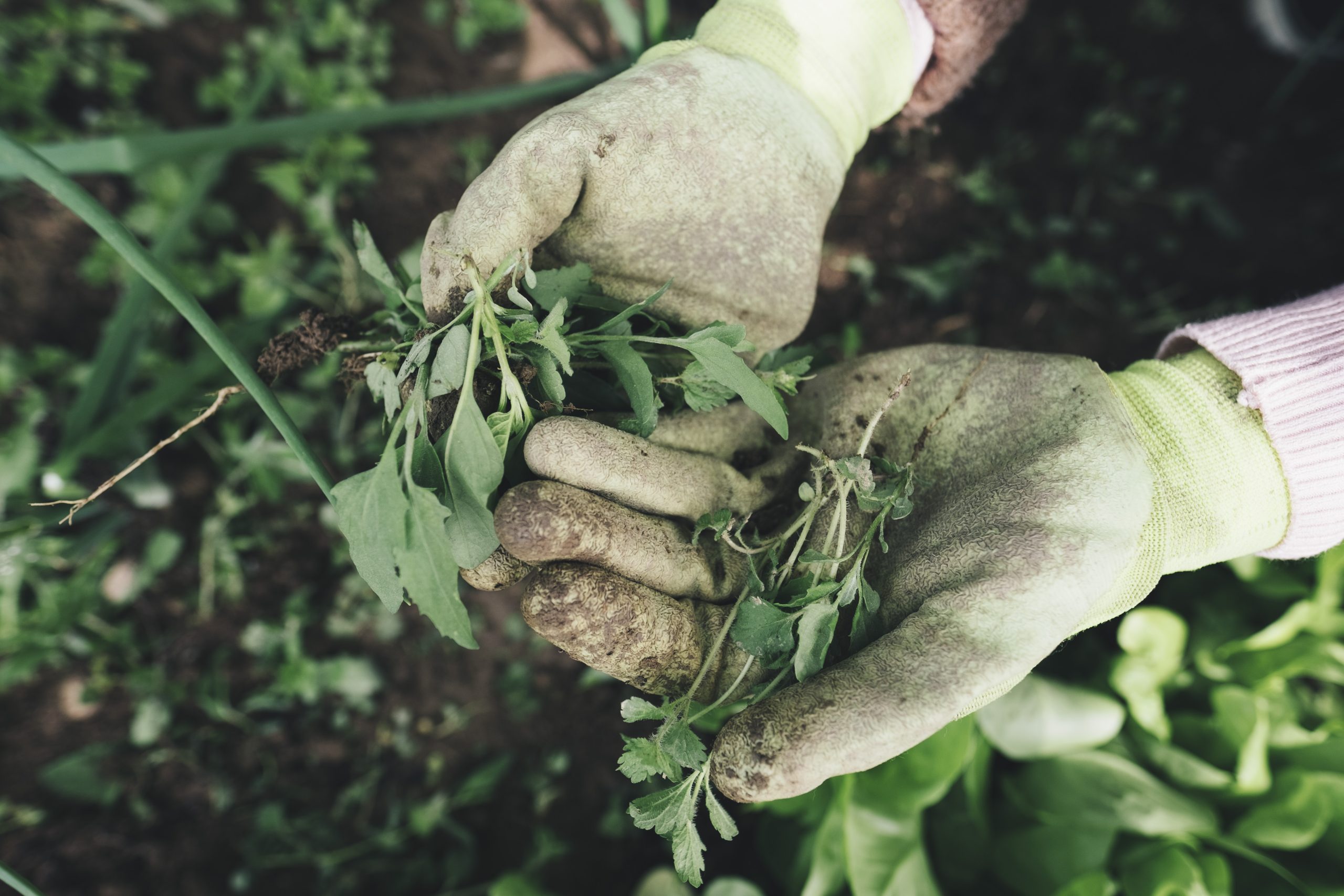
Understanding what weeds should you not pull is essential for maintaining a healthy ecosystem and improving soil quality in your garden. Many so-called weeds provide critical benefits such as nitrogen fixation, pest control, and soil aeration.
Certain plants commonly labeled as weeds actually contribute to biodiversity and protect surrounding crops. These plants support pollinators, prevent erosion, and improve nutrient cycling within the soil system.
Research shows that over 30% of wild plants classified as weeds play beneficial ecological roles. Removing them without knowledge can disrupt natural balance and reduce long-term garden productivity.
In this guide , we will explore what weeds should you not pull by analyzing the 10 best beneficial weeds, focusing on their biological functions, chemical contributions, and ecological advantages.
What Weeds Should You Not Pull? Discover 10 Best
1. Dandelion – Best Weed for Soil Aeration and Nutrient Cycling
Dandelion is the best weed for soil aeration and nutrient cycling because of its deep taproot system. Additionally, the root penetrates compact soil layers and breaks them apart. As a result, it improves oxygen flow and water infiltration.
The plant absorbs minerals such as calcium and potassium from deep soil layers. Moreover, these nutrients are redistributed to the surface through leaf decomposition. Therefore, surrounding plants benefit from enriched topsoil.
Dandelions also produce latex compounds that deter certain pests naturally. Furthermore, their flowers attract pollinators like bees. Overall, they provide essential ecological support.
Pros:
• Deep roots
• Soil aeration
• Nutrient lift
• Pollinator friendly
• Edible leaves
• Fast growth
• Low maintenance
Cons:
• Spreads quickly
• Lawn invasive
• Hard removal
2. Clover – Best Weed for Nitrogen Fixation in Soil
Clover is the best weed for nitrogen fixation in soil due to its symbiotic relationship with bacteria. Additionally, rhizobium bacteria convert atmospheric nitrogen into usable forms. As a result, soil fertility increases naturally.
The plant produces amino acids that improve microbial activity in the soil. Moreover, this enhances plant growth and reduces the need for fertilizers. Therefore, it supports sustainable gardening practices.
Clover also acts as a living mulch that suppresses harmful weeds. Furthermore, it improves moisture retention. Overall, it delivers natural soil enrichment.
Pros:
• Nitrogen fixing
• Soil fertility
• Moisture retention
• Eco friendly
• Ground cover
• Pollinator support
• Low upkeep
Cons:
• Spreads fast
• Lawn conflict
• Hard control
3. Chickweed – Best Edible Weed for Garden Nutrition
Chickweed is the best edible weed for garden nutrition because of its high vitamin content. Additionally, it contains vitamins A, C, and iron. As a result, it serves as a natural food source.
The plant grows quickly and forms dense mats that protect soil. Moreover, it reduces erosion and moisture loss. Therefore, it stabilizes garden ecosystems.
Chickweed also supports beneficial insects and soil organisms. Furthermore, it improves biodiversity. Overall, it provides nutritional and ecological value.
Pros:
• Edible
• Nutrient rich
• Fast growth
• Soil cover
• Moisture retention
• Easy harvest
• Supports insects
Cons:
• Spreads rapidly
• Lawn issue
• Short lifespan
4. Plantain – Best Weed for Soil Healing and Medicinal Use
Plantain is the best weed for soil healing and medicinal use due to its fibrous root system. Additionally, it binds soil particles and prevents erosion. As a result, it stabilizes degraded land.
The plant produces anti-inflammatory compounds beneficial for skin treatment. Moreover, it accumulates minerals that improve soil health. Therefore, it enhances both soil and human health.
Plantain also tolerates heavy foot traffic and compaction. Furthermore, it thrives in poor soil conditions. Overall, it offers resilience and healing properties.
Pros:
• Soil stabilizer
• Medicinal
• Hardy plant
• Mineral rich
• Low maintenance
• Erosion control
• Durable
Cons:
• Slow spread
• Lawn appearance
• Hard removal
5. Purslane – Best Weed for Omega-3 Nutritional Value
Purslane is the best weed for omega-3 nutritional value because it contains high fatty acid levels. Additionally, it provides antioxidants that support human health. As a result, it is considered a superfood.
The plant uses CAM photosynthesis to conserve water efficiently. Moreover, this adaptation allows survival in dry conditions. Therefore, it supports drought-resistant gardening.
Purslane improves soil cover and reduces evaporation. Furthermore, it enhances soil moisture retention. Overall, it delivers nutritional and environmental benefits.
Pros:
• Omega-3 rich
• Edible
• Drought tolerant
• Soil cover
• Fast growth
• Heat resistant
• Easy care
Cons:
• Spreads fast
• Weed reputation
• Overgrowth
6. Nettles – Best Weed for Natural Fertilizer Production
Nettles are the best weed for natural fertilizer production due to their high nutrient content. Additionally, they contain nitrogen, iron, and silica. As a result, they are used in compost teas.
The plant releases compounds that stimulate plant growth. Moreover, it improves soil microbial activity. Therefore, it enhances crop productivity.
Nettles also attract beneficial insects and improve biodiversity. Furthermore, they act as pest deterrents. Overall, they provide natural fertilization benefits.
Pros:
• Nutrient rich
• Fertilizer use
• Growth boost
• Eco friendly
• Biodiversity
• Fast growth
• Compost aid
Cons:
• Stinging
• Invasive
• Hard control
7. Lamb’s Quarters – Best Wild Green for Nutrition and Soil Health
Lamb’s Quarters is the best wild green for nutrition and soil health because it contains high protein and vitamins. Additionally, it improves soil fertility through nutrient cycling. As a result, it supports healthy plant growth.
The plant absorbs excess nutrients and redistributes them. Moreover, it improves soil structure. Therefore, it balances nutrient levels.
Lamb’s Quarters also supports pollinators and insects. Furthermore, it enhances biodiversity. Overall, it provides nutritional and ecological value.
Pros:
• High protein
• Edible
• Soil improvement
• Fast growth
• Nutrient cycling
• Easy care
• Biodiversity
Cons:
• Spreads quickly
• Lawn issue
• Overgrowth
8. Yarrow – Best Weed for Pollinator Attraction and Pest Control
Yarrow is the best weed for pollinator attraction and pest control due to its aromatic compounds. Additionally, it attracts beneficial insects like ladybugs. As a result, it reduces pest populations naturally.
The plant produces essential oils that deter harmful insects. Moreover, it improves soil structure through root systems. Therefore, it supports plant health.
Yarrow also enhances biodiversity and ecosystem balance. Furthermore, it thrives in poor soils. Overall, it offers natural pest management.
Pros:
• Pest control
• Pollinator friendly
• Hardy
• Aromatic
• Soil support
• Drought tolerant
• Low care
Cons:
• Spreads
• Strong scent
• Invasive
9. Burdock – Best Weed for Deep Soil Nutrient Extraction
Burdock is the best weed for deep soil nutrient extraction because of its long taproot. Additionally, it pulls nutrients from deep layers. As a result, it enriches topsoil.
The plant improves soil aeration and structure. Moreover, it supports microbial activity. Therefore, it enhances soil health.
Burdock is also edible and used medicinally. Furthermore, it supports biodiversity. Overall, it provides deep soil benefits.
Pros:
• Deep roots
• Nutrient lift
• Edible
• Medicinal
• Soil aeration
• Biodiversity
• Hardy
Cons:
• Large size
• Hard removal
• Spreads
10. Milkweed – Best Weed for Supporting Pollinators and Ecosystems
Milkweed is the best weed for supporting pollinators and ecosystems because it is essential for monarch butterflies. Additionally, it provides nectar for bees. As a result, it supports biodiversity.
The plant produces latex compounds that deter herbivores. Moreover, it contributes to ecological balance. Therefore, it plays a key environmental role.
Milkweed also improves soil structure and stability. Furthermore, it thrives in various conditions. Overall, it delivers ecosystem sustainability.
Pros:
• Pollinator support
• Butterfly host
• Hardy
• Biodiversity
• Soil stability
• Low care
• Eco value
Cons:
• Toxic sap
• Spreads
• Tall growth
What Weeds Should You Not Pull FAQs
1. What weeds should you not pull in your garden?
You should not pull weeds like dandelion, clover, and milkweed because they improve soil and support pollinators. These plants provide ecological benefits that enhance garden health.
2. Why are some weeds beneficial?
Some weeds improve soil fertility, prevent erosion, and attract beneficial insects. They play a crucial role in maintaining ecological balance.
3. Are edible weeds safe to eat?
Yes, many weeds like chickweed and purslane are safe and nutritious. However, proper identification is essential before consumption.
4. Do weeds improve soil health?
Yes, many weeds enhance soil structure and nutrient levels. They contribute to long-term soil productivity.
5. Should I remove all weeds from my lawn?
No, removing all weeds can harm biodiversity. It is better to manage rather than eliminate them completely.
6. Which weeds help pollinators the most?
Milkweed, yarrow, and clover are excellent for pollinators. They provide nectar and habitat.
7. Can weeds replace fertilizers?
Some weeds like clover and nettles can naturally enrich soil. They reduce the need for synthetic fertilizers.
Conclusion
In conclusion, the best weed you should not pull is clover because of its powerful nitrogen-fixing ability that naturally improves soil fertility. The runner-up is dandelion due to its deep-root system that enhances soil aeration and nutrient cycling.
Understanding which weeds to keep allows you to build a more sustainable and productive garden ecosystem. Moreover, these plants reduce reliance on chemicals and improve biodiversity naturally.
Beneficial weeds provide ecological services such as pest control, soil stabilization, and pollinator support. Furthermore, they contribute to long-term environmental health.
By recognizing the value of these plants, you can make smarter gardening decisions. Start applying these insights today to transform your garden into a thriving, balanced ecosystem that works with nature, not against it.