trying to figure out What Is Alligare Herbicide Used For? Well, Choosing the Best Uses of Alligare Herbicide is essential for landowners, farmers, and vegetation managers seeking reliable broad-spectrum weed control. Alligare herbicide products are widely recognized for their systemic chemistry, long residual activity, and effectiveness against woody plants, invasive weeds, and unwanted brush.
Proper herbicide selection depends on target species, soil behavior, application timing, and environmental persistence. Different formulations perform better in forestry, pasture restoration, industrial vegetation management, or aquatic-edge weed suppression.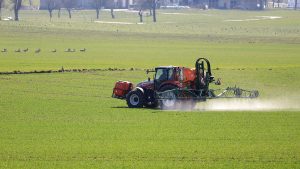
Many professional applicators prefer concentrated formulas because they penetrate vascular tissue and disrupt enzymatic growth pathways efficiently. Effective vegetation control also reduces competition for nutrients, sunlight, and moisture in managed landscapes.
In this guide , we will explore the top 10 Best Uses of Alligare Herbicide products and applications, focusing on brush control, pasture management, invasive weed suppression, forestry use, and industrial vegetation control to help professionals and property owners achieve cleaner, healthier, and more manageable landscapes.
What Is Alligare Herbicide Used For? Top 10 Best Uses
1. Alligare Glyphosate 41% – Best Alligare Herbicide for Broad Spectrum Weed Elimination
Alligare Glyphosate 41% is the best Alligare herbicide for broad spectrum weed elimination because it targets annual grasses, perennial weeds, and woody vegetation through systemic translocation. Additionally, the active ingredient inhibits the EPSP synthase enzyme, which blocks amino acid production required for plant survival. As a result, treated weeds gradually stop protein synthesis and die completely from root to shoot. This mechanism improves long-term control compared to contact-only herbicides.
The formulation absorbs efficiently through green leaf tissue and rapidly moves through the phloem into underground storage organs. Moreover, glyphosate disrupts shikimic acid pathways that plants require for metabolic growth and cellular development. Therefore, difficult weeds such as bermudagrass, pigweed, and thistle become easier to suppress with proper application timing. The herbicide also works well in agricultural and industrial vegetation programs.
Its versatility makes it highly effective for fence rows, driveways, orchards, and site preparation before planting. Furthermore, the concentrated formula allows customized dilution rates depending on weed pressure and vegetation density. Overall, it remains one of the most dependable systemic herbicides for total vegetation management. Professional users value its predictable performance and economical coverage rates.
Pros:
- Broad spectrum
- Systemic action
- Root kill
- Fast absorption
- Versatile use
- Economical
- Reliable control
Cons:
- Non-selective
- Rain sensitive
- Drift risk
2. Alligare Triclopyr 4 – Best Alligare Herbicide for Woody Brush Control
Alligare Triclopyr 4 is the best Alligare herbicide for woody brush control because it selectively targets broadleaf weeds and woody plants without severely harming grasses. Additionally, triclopyr acts as a synthetic auxin herbicide, causing uncontrolled plant growth and vascular collapse. Consequently, brush species develop twisted growth before complete cellular failure occurs. This hormonal disruption enhances deep woody stem penetration.
The ester formulation penetrates bark tissue effectively, especially during basal bark and cut stump applications. Moreover, it interferes with normal cell division processes, which weakens cambium tissue and prevents nutrient transport. Therefore, invasive shrubs such as blackberry, mesquite, and multiflora rose become easier to eradicate. Applicators frequently use it in forestry and right-of-way maintenance.
The product performs exceptionally well when mixed with basal oils for woody stem applications. Furthermore, its selective chemistry preserves pasture grasses while eliminating competitive brush growth. Overall, it provides excellent long-term woody plant suppression with flexible application methods. Many land managers rely on it for reclaiming overgrown acreage.
Pros:
- Woody control
- Selective action
- Deep penetration
- Grass safe
- Flexible mixing
- Forestry ready
- Strong residual
Cons:
- Odor strong
- Temperature sensitive
- Ester volatility
3. Alligare Imazapyr 2SL – Best Alligare Herbicide for Bare Ground Vegetation Management
Alligare Imazapyr 2SL is the best Alligare herbicide for bare ground vegetation management because it delivers residual weed suppression for industrial sites and utility corridors. Additionally, imazapyr inhibits the ALS enzyme, preventing branched-chain amino acid formation inside plant tissues. As a result, weeds lose their ability to divide cells and generate new growth. This biochemical interruption slows vegetation regeneration significantly.
The herbicide moves through both foliage and root systems, which increases total plant mortality. Moreover, soil residual activity helps suppress germinating weed seeds for extended periods after application. Therefore, it is highly effective for railroad tracks, storage yards, and fence-line maintenance. Long-lasting control reduces the frequency of repeated applications.
Its residual chemistry performs especially well against tough perennial weeds and invasive grasses. Furthermore, industrial applicators appreciate its compatibility with tank mixes for broader vegetation programs. Overall, it offers extended bare ground control where long-term vegetation suppression is required. Proper rate management remains important near desirable trees.
Pros:
- Residual control
- Root absorption
- Industrial use
- Long lasting
- Broad spectrum
- Tank compatible
- Perennial control
Cons:
- Soil persistence
- Tree damage
- Restricted areas
4. Alligare Dicamba + 2,4-D – Best Alligare Herbicide for Broadleaf Pasture Weeds
Alligare Dicamba + 2,4-D is the best Alligare herbicide for broadleaf pasture weeds because it combines two auxin-mimicking chemistries for aggressive weed suppression. Additionally, these active ingredients trigger abnormal growth responses that destroy vascular transport systems in susceptible plants. Consequently, weeds curl, wilt, and collapse after systemic uptake. This dual-action chemistry improves efficacy against resistant species.
The formulation targets broadleaf weeds while preserving established pasture grasses under correct application rates. Moreover, the systemic movement allows herbicidal activity to reach roots and growing points efficiently. Therefore, weeds such as ragweed, cocklebur, and plantain become easier to eliminate. Livestock producers often use it to improve forage quality.
Its rapid visual response helps applicators evaluate treatment performance quickly. Furthermore, the combined hormonal disruption minimizes regrowth potential in mature broadleaf infestations. Overall, it provides effective pasture restoration and forage improvement in heavily invaded fields. Proper temperature management improves application safety.
Pros:
- Broadleaf control
- Pasture safe
- Dual chemistry
- Root activity
- Rapid response
- Forage improvement
- Systemic movement
Cons:
- Drift potential
- Crop sensitivity
- Temperature limits
5. Alligare MSM 60 – Best Alligare Herbicide for Tough Perennial Broadleaf Weeds
Alligare MSM 60 is the best Alligare herbicide for tough perennial broadleaf weeds because it uses metsulfuron-methyl chemistry for highly targeted systemic suppression. Additionally, the herbicide inhibits amino acid synthesis through ALS enzyme disruption inside sensitive weeds. As a result, treated plants gradually stop producing essential proteins for growth and survival. This process weakens both shoots and underground structures.
The dry flowable formulation mixes easily and covers large acreages economically at low use rates. Moreover, its systemic activity works effectively against thistles, briars, and brush species in pasture systems. Therefore, landowners can manage persistent infestations without excessive chemical volume. The product also demonstrates strong tank-mix flexibility.
Its low-use-rate efficiency reduces storage and transportation requirements for commercial operators. Furthermore, the chemistry remains highly effective against many difficult perennial species. Overall, it delivers cost-efficient selective weed management for pasture and range applications. Proper calibration ensures uniform vegetation coverage.
Pros:
- Low rates
- Selective control
- Systemic action
- Easy mixing
- Economical
- Tank flexibility
- Perennial suppression
Cons:
- Slow symptoms
- Sensitive crops
- Drift concerns
6. Alligare 2,4-D Amine – Best Alligare Herbicide for Lawn and Turf Broadleaf Control
Alligare 2,4-D Amine is the best Alligare herbicide for lawn and turf broadleaf control because it selectively eliminates unwanted broadleaf weeds while preserving turfgrass species. Additionally, the amine formulation reduces volatility compared to ester-based alternatives. Consequently, drift potential becomes lower during warm-weather applications. This improves safety near ornamental landscapes.
The herbicide functions by mimicking natural plant hormones and overstimulating growth processes inside susceptible weeds. Moreover, uncontrolled cellular elongation disrupts nutrient transport and damages vascular tissues progressively. Therefore, dandelions, clover, and chickweed become easier to suppress in residential and commercial lawns. Applicators also value its predictable turf tolerance.
Its water-soluble amine chemistry improves spray consistency and handling convenience. Furthermore, turf managers appreciate its compatibility with combination weed control programs. Overall, it provides dependable selective broadleaf suppression for healthy turf maintenance. Correct application timing improves seasonal performance significantly.
Pros:
- Turf safe
- Broadleaf control
- Low volatility
- Easy handling
- Predictable results
- Systemic activity
- Commercial grade
Cons:
- Multiple applications
- Odor present
- Rain limits
7. Alligare Diuron 80DF – Best Alligare Herbicide for Pre Emergent Weed Prevention
Alligare Diuron 80DF is the best Alligare herbicide for pre emergent weed prevention because it creates a residual chemical barrier in the soil profile. Additionally, diuron interrupts photosystem II electron transport, preventing photosynthesis in emerging weed seedlings. As a result, susceptible plants fail to generate the energy required for survival. This process improves long-term pre-emergent suppression.
The dry flowable formula distributes evenly and works effectively in industrial and non-crop environments. Moreover, its residual activity controls both germinating grasses and broadleaf weeds for extended periods. Therefore, it is widely used around utility substations, railroads, and storage compounds. Consistent soil activation improves overall performance.
Its residual stability minimizes repeated application frequency in large treatment zones. Furthermore, the herbicide integrates well with total vegetation management programs. Overall, it provides reliable season-long weed prevention in industrial vegetation systems. Proper rainfall activation enhances soil distribution.
Pros:
- Residual barrier
- Pre emergent
- Broad spectrum
- Industrial use
- Long lasting
- Even coverage
- Reduced maintenance
Cons:
- Soil persistence
- Runoff concerns
- Restricted areas
8. Alligare Tebuthiuron – Best Alligare Herbicide for Rangeland Brush Suppression
Alligare Tebuthiuron is the best Alligare herbicide for rangeland brush suppression because it provides soil-active control against woody plants in grazing areas. Additionally, tebuthiuron disrupts photosynthetic energy production after root absorption occurs. Consequently, woody plants gradually decline as carbohydrate production decreases internally. This slow systemic action improves deep root control.
The pellet formulation releases active ingredient steadily into the soil following rainfall incorporation. Moreover, the chemistry moves through root systems and reaches developing plant tissues efficiently. Therefore, mesquite, sagebrush, and prickly pear infestations become easier to reduce in rangeland environments. Ranch managers often use it for pasture reclamation projects.
Its long residual profile supports extended brush suppression across large acreage operations. Furthermore, the application method simplifies treatment in difficult terrain where spraying may be challenging. Overall, it offers efficient large-scale woody vegetation management for grazing systems. Accurate placement improves environmental stewardship.
Pros:
- Soil active
- Woody control
- Pellet formula
- Large coverage
- Deep roots
- Residual action
- Rangeland use
Cons:
- Slow results
- Rain dependent
- Non selective
9. Alligare Flumioxazin – Best Alligare Herbicide for Fast Burn Down Weed Control
Alligare Flumioxazin is the best Alligare herbicide for fast burn down weed control because it rapidly damages plant cell membranes after contact exposure. Additionally, the chemistry inhibits PPO enzyme activity, which causes toxic pigment accumulation within plant cells. As a result, treated weeds develop rapid necrosis and tissue collapse. This mechanism provides visible symptom development quickly.
The herbicide performs effectively as both a contact and residual treatment in certain vegetation systems. Moreover, it suppresses many small-seeded broadleaf weeds before emergence occurs. Therefore, growers and industrial applicators can achieve cleaner vegetation control programs. Tank mixing also broadens weed spectrum performance.
Its rapid visual activity improves treatment confidence during high-pressure weed infestations. Furthermore, the chemistry demonstrates excellent compatibility with integrated vegetation management programs. Overall, it delivers fast acting vegetation suppression with residual benefits. Application coverage remains critical for optimum efficacy.
Pros:
- Rapid burn
- Residual activity
- Broad spectrum
- PPO inhibition
- Tank compatible
- Flexible use
- Visible results
Cons:
- Contact dependent
- Protective gear
- Drift possible
10. Alligare Surfactant Blend – Best Alligare Herbicide Adjuvant for Enhanced Weed Penetration
Alligare Surfactant Blend is the best Alligare herbicide adjuvant for enhanced weed penetration because it improves herbicide spreading and absorption across waxy leaf surfaces. Additionally, surfactants reduce water surface tension, allowing spray droplets to coat foliage more evenly. Consequently, active ingredients penetrate cuticle layers more efficiently. This increases overall herbicide uptake and performance.
The adjuvant supports systemic movement by improving retention time on leaf tissue during application. Moreover, it reduces spray bead formation that can limit herbicide contact in dense vegetation. Therefore, tank mixtures achieve stronger weed suppression under difficult field conditions. Applicators frequently combine it with glyphosate and triclopyr programs.
Its compatibility with multiple herbicide chemistries improves versatility for commercial operators. Furthermore, enhanced spray deposition can reduce wasted chemical runoff during treatments. Overall, it provides superior herbicide absorption efficiency for vegetation management systems. Proper mixing ratios maximize field performance.
Pros:
- Better penetration
- Improved spread
- Reduced runoff
- Enhanced uptake
- Tank compatible
- Commercial grade
- Versatile use
Cons:
- Mixing required
- Extra cost
- Overuse risk
FAQs Best Uses of Alligare Herbicide
1. What is Alligare herbicide mainly used for?
Alligare herbicides are mainly used for weed control, brush suppression, industrial vegetation management, forestry applications, and pasture restoration. Different formulations target specific vegetation types and environmental conditions.
2. Is Alligare herbicide systemic or contact based?
Many Alligare herbicides are systemic, meaning they move through plant tissues and destroy roots internally. However, some formulations also provide fast contact burn-down activity.
3. Which Alligare herbicide is best for woody plants?
Alligare Triclopyr 4 is widely considered one of the best options for woody brush and invasive shrub control. It penetrates bark tissue effectively and disrupts hormonal growth pathways.
4. Can Alligare herbicides prevent weeds before they emerge?
Yes, products like Alligare Diuron 80DF provide residual pre-emergent weed control. These herbicides create soil barriers that suppress germinating weed seeds.
5. Are Alligare herbicides safe for pasture grasses?
Selective formulations such as dicamba and triclopyr products can preserve grasses while controlling broadleaf weeds. Proper dilution and application timing remain important for pasture safety.
6. Why are surfactants added to Alligare herbicides?
Surfactants improve spray coverage, leaf penetration, and herbicide absorption. They help active ingredients spread evenly across waxy foliage surfaces.
7. How long do Alligare herbicides remain active?
Residual duration depends on the active ingredient, soil type, rainfall, and application rate. Some products remain active for weeks, while others provide suppression for several months.
Conclusion
In conclusion, the best overall choice for versatile vegetation management is Alligare Glyphosate 41%, while the runner-up is Alligare Triclopyr 4 because of its outstanding woody brush control performance. Both products deliver strong systemic activity and dependable long-term weed suppression across multiple environments.
Professional land managers benefit greatly from understanding herbicide chemistry, residual behavior, and target weed biology before making treatment decisions. Selecting the correct active ingredient improves efficiency, reduces regrowth pressure, and minimizes unnecessary chemical applications.
Residual herbicides such as imazapyr and diuron work exceptionally well for industrial and bare-ground applications where long-term suppression is critical. Meanwhile, selective pasture herbicides help preserve forage grasses while removing invasive broadleaf weeds effectively.
Proper calibration, surfactant use, and environmental awareness also improve treatment performance significantly. Following label recommendations ensures safer applications and stronger vegetation management results.
If you want cleaner pastures, better brush suppression, and more effective long-term weed control, choose the right Alligare herbicide formulation for your specific vegetation challenge today.