Is TruGreen worth it is a question homeowners ask every year as they weigh the cost of professional lawn care against doing the work themselves. TruGreen is the largest lawn care company in the United States, offering fertilization, weed control, aeration, and pest management through subscription-based programs. However, the company’s pricing, contracts, and results have generated plenty of debate among homeowners.
TruGreen provides recurring lawn care services through trained technicians who apply fertilizers and herbicides on a scheduled basis. The company offers multiple package tiers, from basic fertilization to comprehensive lawn health programs, with pricing based on lawn size and services selected. Customers typically pay a flat annual fee or monthly installments for the length of their contract.
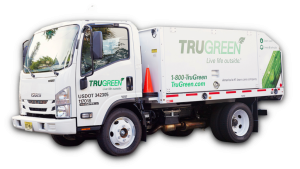

The value of TruGreen depends on several factors, including your lawn’s condition, your willingness to do the work yourself, your budget, and your expectations for results. Some homeowners report dramatic improvements, while others feel the results do not justify the cost or the contract terms. Understanding what TruGreen offers and what it does not is essential before committing.
In this guide, we break down whether TruGreen is worth it by examining costs, results, contracts, alternatives, and common complaints to help you decide if professional lawn care is right for your home.
10 Key Factors To Consider Before Hiring TruGreen
1. Cost Of TruGreen Services – What You Actually Pay
TruGreen pricing varies widely based on lawn size, geographic location, and the package you choose. Most homeowners pay between $50 and $100 per treatment, with annual programs running $500 to $1,200 or more. The company typically quotes a monthly installment that spreads the annual cost across the year.
Unlike many competitors, TruGreen does not publish standard pricing online, which means you must request a quote to know what you will pay. Prices can also increase after the first year, sometimes significantly, and additional services are often added without explicit approval.
Understanding the full cost before signing is critical. Ask for a written quote, confirm what services are included, and clarify whether prices are locked for the contract term. Comparing quotes from local lawn care companies often reveals significant savings for similar services.
2. Contract Terms And Auto-Renewal – The Fine Print That Matters
TruGreen operates on a subscription model with automatic renewal, meaning your service continues unless you cancel. Cancellation policies vary by location but typically require written notice, and some customers report difficulty canceling before renewal dates.
The company also adds services like aeration, overseeding, and grub control to existing plans, which increases your bill. These add-ons may be presented as recommendations rather than optional upgrades, leading to unexpected charges for some homeowners.
Before signing, request the full contract in writing and read the cancellation terms carefully. Mark your renewal date on your calendar and confirm in writing if you decide not to continue. This step alone prevents many of the billing complaints associated with TruGreen.
3. Results And Effectiveness – What Homeowners Report
TruGreen results vary significantly by region, lawn condition, and technician. Some homeowners report lush, weed-free lawns within a season, while others see minimal improvement or recurring weed problems despite repeated treatments.
The company uses standard fertilizer and herbicide products similar to those available at garden centers. The main advantage is consistency and convenience, not proprietary formulations. Results depend heavily on the technician assigned to your property and their attention to detail.
If your lawn has serious issues like compacted soil, poor drainage, or heavy shade, fertilizer alone will not fix them. In these cases, TruGreen may not deliver the results you expect, and addressing underlying soil and site problems is more important than any treatment program.
4. Convenience And Time Savings – The Real Benefit
The strongest argument for TruGreen is convenience. Professional technicians handle application timing, product selection, and scheduling, which saves homeowners significant time and effort. For busy families or those unfamiliar with lawn care, this service has genuine value.
DIY lawn care requires research, equipment, storage, and consistent application throughout the season. The cost of a spreader, sprayer, fertilizer, and herbicides adds up quickly, and improper application can damage your lawn or waste money.
If your time is limited or you lack interest in lawn maintenance, paying for professional service can be worthwhile. However, if you enjoy gardening or want to save money, DIY lawn care with quality products often produces comparable results at a fraction of the cost.
5. Customer Service And Complaints – What To Expect
TruGreen has a mixed reputation for customer service. The company handles thousands of customers nationwide, and complaints about billing, missed appointments, and ineffective treatments appear regularly online. The Better Business Bureau has logged numerous complaints about the company’s contract and cancellation practices.
On the positive side, TruGreen offers a satisfaction guarantee that includes free re-treatment if weeds or pests persist. However, exercising this guarantee requires contacting customer service and scheduling follow-up visits, which can be inconvenient.
If you hire TruGreen, document every service visit, keep records of communications, and follow up promptly when issues arise. Homeowners who stay organized and proactive generally report better experiences than those who wait for problems to resolve on their own.
6. DIY Alternatives – Doing It Yourself For Less
DIY lawn care costs significantly less than professional service, often $100 to $300 per year for a typical lawn. Basic supplies include a spreader, granular fertilizer, broadleaf herbicide, and a sprayer for spot treatments, all of which pay for themselves within the first season.
Modern lawn care products are effective and easy to apply when you follow label directions. A simple four-step program, including spring fertilization, summer weed control, fall fertilization, and winterizer, covers most homeowner needs without professional help.
Soil testing through your local extension office provides specific recommendations for your lawn, often for free or a small fee. With accurate soil data and consistent application, DIY programs can match professional results while saving hundreds of dollars annually.
7. Local Lawn Care Companies – Often A Better Value
Local lawn care companies frequently offer better pricing, more flexible contracts, and personalized service compared to national chains. Many small businesses are owned by certified turf professionals who live in the community and depend on repeat customers and referrals.
Local companies often provide transparent pricing, no long-term contracts, and direct communication with the owner or lead technician. This level of accountability frequently results in better results and fewer billing disputes than national providers.
Requesting quotes from three local companies gives you a clear picture of market pricing and service options. In many cases, homeowners find local providers offer comparable or better results at 20 to 40 percent less than TruGreen.
8. When TruGreen Makes Sense – Situations Where It Is Worth It
TruGreen can be worth it for homeowners with large lawns, limited time, or no interest in lawn maintenance. The service is also useful for those who want consistent, scheduled care without researching products or managing equipment.
Homeowners dealing with severe weed or pest problems may benefit from professional-grade products and application expertise. In these cases, a professional program can bring a neglected lawn back to health more quickly than DIY efforts.
If you value convenience, have disposable income, and want someone else to handle the work, TruGreen provides a legitimate service. The key is entering the contract with clear expectations and a plan for monitoring results.
9. When TruGreen Is Not Worth It – Situations To Avoid
TruGreen is generally not worth it for small lawns, budget-conscious homeowners, or those who enjoy gardening. The cost per square foot rises significantly on smaller properties, and the savings from DIY become even more dramatic.
Homeowners with underlying lawn problems like poor soil, drainage issues, or heavy shade will not see lasting results from fertilizer alone. In these cases, investing in soil improvement and proper site assessment delivers better long-term value than any service program.
Anyone uncomfortable with auto-renewal contracts or recurring billing should avoid TruGreen or negotiate terms carefully in writing. Understanding the cancellation policy before signing prevents the frustration many customers report.
10. How To Decide – A Simple Framework
Deciding whether TruGreen is worth it comes down to three questions: How much is your time worth, what condition is your lawn in, and what is your budget? If convenience outweighs cost and your lawn has no underlying site problems, professional service can deliver good value.
If you are willing to spend a few hours per season on lawn care, DIY programs offer comparable results at a fraction of the price. Soil testing, quality products, and consistent timing matter more than brand names when it comes to lawn health.
Either way, get written quotes, read contracts carefully, and set clear expectations before committing. Whether you choose TruGreen, a local company, or DIY, informed decisions lead to better results and fewer regrets.
7 Tips For Getting The Most From Professional Lawn Care
- Get multiple quotes: Request written quotes from TruGreen and at least two local companies. Compare pricing, services included, and contract terms side by side before deciding.
- Read the contract carefully: Pay close attention to auto-renewal clauses, cancellation policies, and additional service charges. Ask for clarification on anything unclear before signing.
- Document every visit: Keep records of service dates, products applied, and technician notes. Documentation helps resolve billing issues and track results over time.
- Test your soil first: A soil test reveals nutrient deficiencies and pH problems that fertilizer alone may not fix. Use results to guide product selection and application rates.
- Address underlying issues: Compacted soil, poor drainage, and heavy shade limit lawn health regardless of fertilizer. Fix these problems before investing in treatment programs.
- Set clear expectations: Ask what results to expect and when. Realistic timelines prevent disappointment and help you evaluate whether the service is delivering value.
- Review before renewal: Mark your renewal date and evaluate results before the contract automatically renews. Cancel in writing if you decide not to continue.
Is TruGreen Worth It? (FAQs)
1. Is TruGreen worth the money?
TruGreen is worth the money for homeowners who value convenience, have large lawns, and want scheduled professional care. For budget-conscious homeowners or those with small lawns, DIY programs and local companies often deliver comparable results at significantly lower cost.
2. How much does TruGreen cost per year?
TruGreen costs between $500 and $1,200 per year for most homeowners, depending on lawn size, location, and services selected. Pricing varies by region and is not published online, so you must request a quote for accurate numbers.
3. Does TruGreen really work?
TruGreen works for many homeowners, particularly those with basic fertilization and weed control needs. Results vary by region, technician, and lawn condition, and underlying problems like poor soil or drainage limit effectiveness regardless of treatment.
4. Can I cancel TruGreen anytime?
TruGreen contracts typically auto-renew, and cancellation policies vary by location. Most require written notice before the renewal date. Read your contract carefully and confirm cancellation terms in writing to avoid unexpected charges.
5. Is TruGreen better than DIY lawn care?
TruGreen is more convenient than DIY lawn care but not necessarily better in terms of results. DIY programs using quality products and proper timing can match professional results at a fraction of the cost for homeowners willing to do the work.
6. What are the best alternatives to TruGreen?
Local lawn care companies, DIY programs with soil testing, and organic lawn care services are common alternatives to TruGreen. Local companies often offer better pricing and more flexible contracts than national chains.
7. Does TruGreen guarantee results?
TruGreen offers a satisfaction guarantee that includes free re-treatment if weeds or pests persist. Exercising the guarantee requires contacting customer service and scheduling follow-up visits, which may take time to resolve.
Conclusion
Is TruGreen worth it depends entirely on your priorities, budget, and lawn condition. The company delivers convenience and consistent scheduling, which has real value for busy homeowners with large lawns and limited time for maintenance.
For budget-conscious homeowners, small properties, or those who enjoy gardening, DIY lawn care and local companies often provide better value. Quality products, soil testing, and consistent timing matter more than brand names when it comes to lawn health.
Whichever path you choose, get written quotes, read contracts carefully, and set clear expectations before committing. Informed decisions lead to healthier lawns, fewer billing surprises, and better results season after season.