Managing invasive plants in Franklin, Tennessee requires a clear understanding of how these aggressive species outcompete native vegetation and disrupt ecosystems. In Middle Tennessee, invasive flora spreads rapidly due to favorable climate conditions, which accelerates ecological imbalance and reduces biodiversity.
Many homeowners and land managers struggle with identifying harmful plant species that threaten lawns, forests, and waterways. These invasive plants often exhibit rapid growth, high seed production, and strong root systems that dominate native habitats.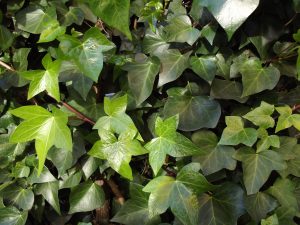
Scientific studies indicate that invasive plant species contribute to over 40% of endangered species declines in the United States. Their ability to alter soil chemistry, light availability, and water cycles makes them a significant environmental concern.
In this guide , we will explore the most problematic invasive plants in Franklin, Tennessee, focusing on their biological traits, ecological impact, and effective identification strategies to help you manage and control them effectively.
Top 10 Invasive Plants in Franklin, Tennessee
1. Kudzu (Pueraria montana) – aggressive vine dominating Franklin landscapes
Kudzu spreads rapidly across Franklin, Tennessee, where long summers and high humidity accelerate vegetative growth. The plant forms a symbiotic relationship with nitrogen-fixing bacteria that convert atmospheric nitrogen into ammonia within root nodules. This biochemical process enhances soil fertility in clay-heavy Williamson County soils, which unintentionally favors Kudzu expansion. As a result, it dominates open land, fence rows, and roadside areas.
The vine is commonly seen along Franklin roadways and wooded edges, where it climbs trees and structures using twining stems. Its large overlapping leaves create dense shade that blocks sunlight from reaching native understory plants. This shading disrupts photosynthesis and weakens surrounding vegetation over time. Consequently, entire tree lines can become covered.
Kudzu stores large carbohydrate reserves in its root crowns, which fuels regrowth after mowing or cutting in Tennessee properties. Additionally, nodes along the vine root when they touch moist soil, especially in creek-adjacent areas in Franklin. This dual reproduction system increases spread efficiency. Therefore, repeated control is required for effective management.
Pros:
• Fast growth
• Soil enrichment
• Dense cover
• Erosion control
• Heat tolerant
• Hardy plant
• Adaptive
Cons:
• Highly invasive
• Smothers trees
• Hard control
2. Japanese Honeysuckle (Lonicera japonica) – vine spreading across Franklin woodlands
Japanese Honeysuckle thrives in Franklin, Tennessee forests and suburban edges, where mild winters allow extended growth periods. The plant releases allelopathic chemicals into the soil that interfere with root development of nearby native plants. This biochemical suppression reduces competition and enhances its dominance. As a result, it spreads aggressively in unmanaged landscapes.
The vine forms dense mats along fence lines and forest margins in Williamson County, where it climbs shrubs and small trees. Its semi-evergreen leaves allow it to photosynthesize during warmer winter days. This extended activity period provides a consistent energy supply. Consequently, it outcompetes native vegetation.
Birds consume its berries and disperse seeds throughout Franklin neighborhoods and wooded areas. Furthermore, stems root when in contact with moist soil, especially after rainfall. This increases colonization efficiency. Therefore, early removal is essential.
Pros:
• Fragrant flowers
• Evergreen leaves
• Wildlife food
• Fast spread
• Shade tolerant
• Adaptive
• Ornamental
Cons:
• Aggressive growth
• Chokes plants
• Hard removal
3. Tree-of-Heaven (Ailanthus altissima) – urban invader in Franklin environments
Tree-of-Heaven spreads rapidly in Franklin, Tennessee urban zones, especially along roadsides and construction sites. The plant produces a toxin called ailanthone, which suppresses nearby plant growth through allelopathy. This chemical defense reduces competition significantly. As a result, it dominates disturbed soils.
The tree forms extensive root systems that produce suckers, creating dense clusters across properties in Williamson County. Additionally, it tolerates pollution and compacted soil conditions common in developed areas. This adaptability increases its survival rate. Consequently, it replaces native trees.
Its seeds are lightweight and disperse easily through wind across Franklin landscapes. Moreover, rapid growth allows early maturity and reproduction. This lifecycle accelerates invasion. Therefore, consistent removal is required.
Pros:
• Fast growing
• Pollution tolerant
• Hardy tree
• Drought resistant
• Rapid spread
• Urban adaptable
• Strong roots
Cons:
• Toxic chemicals
• Spreads quickly
• Difficult removal
4. English Ivy (Hedera helix) – climbing groundcover weakening Franklin trees
English Ivy spreads across Franklin residential landscapes and wooded areas, attaching to trees using aerial rootlets. These rootlets secrete adhesive compounds that anchor the plant to bark and structures. This allows it to climb toward sunlight efficiently. As a result, it covers large surfaces quickly.
The dense foliage blocks sunlight in Middle Tennessee forests, which reduces native plant regeneration. Additionally, the weight of the vine increases stress on trees, especially during storms. This added pressure can lead to branch breakage. Consequently, tree health declines.
English Ivy produces berries that birds spread throughout Franklin neighborhoods. Furthermore, its evergreen nature allows year-round photosynthesis. This continuous growth increases persistence. Therefore, repeated removal is necessary.
Pros:
• Evergreen
• Dense cover
• Shade tolerant
• Ornamental
• Soil protection
• Climbing ability
• Hardy
Cons:
• Tree damage
• Aggressive spread
• Hard removal
5. Autumn Olive (Elaeagnus umbellata) – soil-altering shrub in Franklin fields
Autumn Olive spreads across Franklin open fields and roadside areas, where it thrives in poor soils. The plant fixes nitrogen through root nodules, increasing soil fertility beyond natural levels. This disrupts native plant balance. As a result, native species decline.
The shrub forms dense thickets in Williamson County landscapes, which block sunlight and reduce air circulation. Additionally, reflective leaves enhance light capture efficiency. This improves photosynthesis. Consequently, it dominates large areas.
Birds spread its seeds across Franklin properties. Moreover, the plant tolerates drought and poor soil. This increases survival. Therefore, control requires persistence.
Pros:
• Soil enrichment
• Wildlife food
• Drought tolerant
• Fast growth
• Hardy plant
• Adaptive
• Erosion control
Cons:
• Alters soil
• Dense thickets
• Invasive spread
6. Privet (Ligustrum sinense) – dense shrub in Franklin understories
Privet dominates Franklin forests and suburban areas, forming dense understory layers. The plant releases chemicals that suppress nearby plant growth. This reduces biodiversity. As a result, it creates monocultures.
The shrub thrives in shaded Tennessee environments, maintaining year-round growth. Additionally, thick foliage blocks sunlight from reaching the forest floor. This prevents native regeneration. Consequently, it spreads rapidly.
Birds disperse seeds widely across Williamson County. Furthermore, the plant regrows quickly after cutting. This increases persistence. Therefore, repeated removal is required.
Pros:
• Dense growth
• Fast spread
• Shade tolerant
• Wildlife food
• Hardy shrub
• Adaptive
• Long lifespan
Cons:
• Forms thickets
• Displaces natives
• Hard removal
7. Garlic Mustard (Alliaria petiolata) – soil-disrupting herb in Franklin woods
Garlic Mustard spreads in Franklin wooded areas, disrupting soil ecosystems. The plant releases glucosinolates that inhibit mycorrhizal fungi. This reduces nutrient uptake in native plants. As a result, surrounding vegetation weakens.
It grows early in Middle Tennessee spring seasons, capturing sunlight before native species emerge. Additionally, rapid growth ensures early seed production. This increases spread. Consequently, it dominates forest floors.
Seeds remain viable for years in Franklin soils. Moreover, the plant tolerates shade. This enhances survival. Therefore, early removal is critical.
Pros:
• Fast growth
• High seeds
• Shade tolerant
• Hardy plant
• Early emergence
• Adaptive
• Wide spread
Cons:
• Soil disruption
• Reduces fungi
• Rapid invasion
8. Multiflora Rose (Rosa multiflora) – thorny barrier across Franklin landscapes
Multiflora Rose spreads across Franklin fields and forest edges, forming dense barriers. The plant produces abundant seeds and arching canes that root upon contact with soil. This increases spread efficiency. As a result, it expands rapidly.
The shrub creates thick thickets in Williamson County properties, which block access and limit plant diversity. Additionally, thorns deter herbivores. This reduces natural control. Consequently, it persists.
Birds disperse seeds widely in Franklin areas. Moreover, strong root systems support regrowth. This increases resilience. Therefore, management requires consistency.
Pros:
• Dense cover
• Wildlife food
• Fast spread
• Hardy plant
• Thorn protection
• Adaptive
• Soil tolerance
Cons:
• Thorny
• Forms thickets
• Hard control
9. Japanese Stiltgrass (Microstegium vimineum) – ground-covering grass in Franklin forests
Japanese Stiltgrass spreads across Franklin forest floors, forming dense mats. The plant germinates efficiently under low light conditions. This allows it to thrive in shaded areas. As a result, it suppresses native seedlings.
The grass alters soil moisture and nutrient cycles in Middle Tennessee ecosystems. Additionally, decomposition changes soil composition. This affects native plant growth. Consequently, it dominates woodland floors.
Seeds remain viable for years in Franklin soil. Moreover, high annual seed production increases spread. This enhances persistence. Therefore, early intervention is necessary.
Pros:
• Fast spread
• Dense mats
• Shade tolerant
• Moisture adaptable
• High seeds
• Ground cover
• Hardy
Cons:
• Blocks growth
• Soil changes
• Rapid spread
10. Mimosa Tree (Albizia julibrissin) – ornamental tree spreading in Franklin
Mimosa Tree spreads in Franklin neighborhoods and disturbed areas, where it thrives in poor soil. The plant fixes nitrogen through symbiotic bacteria. This improves soil fertility. As a result, it spreads beyond cultivation.
The tree forms wide canopies across Williamson County landscapes, shading out smaller plants. Additionally, rapid growth allows quick dominance. This increases spread. Consequently, it invades open spaces.
Seeds disperse through wind and water in Franklin environments. Moreover, the tree tolerates heat and drought. This increases survival. Therefore, removal requires persistence.
Pros:
• Fast growth
• Ornamental
• Drought tolerant
• Soil enrichment
• Hardy tree
• Adaptive
• Wide canopy
Cons:
• Invasive spread
• Weak wood
• High seeds
Invasive Plants in Franklin, Tennessee FAQs
1. Why are invasive plants common in Franklin, Tennessee?
Franklin’s warm climate and fertile soils support rapid plant growth. These conditions favor invasive species.
2. What is the most aggressive invasive plant in Franklin?
Kudzu is widely considered the most aggressive due to its rapid spread. It can overtake entire landscapes quickly.
3. How do invasive plants damage ecosystems?
They outcompete native plants and reduce biodiversity. This disrupts ecological balance.
4. Can invasive plants be permanently removed?
Complete removal is difficult but possible with consistent effort. Early intervention improves success.
5. When is the best time to control invasive plants?
Early growth stages are most effective. This prevents seed production.
6. Do invasive plants affect property value?
Yes, heavy infestations reduce property appeal. They can also increase maintenance costs.
7. Are invasive plants regulated in Tennessee?
Some species are monitored or restricted. Local guidelines may apply.
Conclusion
In conclusion, invasive plants in Franklin, Tennessee present a serious challenge due to their rapid growth and ecological impact. These species alter soil chemistry, block sunlight, and outcompete native vegetation across residential and natural landscapes.
The best plant to monitor closely is Kudzu because of its extreme growth rate and ability to cover entire areas quickly. The runner-up is Tree-of-Heaven due to its toxic chemical defenses and resilience in urban environments.
Effective management depends on early identification and consistent removal strategies tailored to local conditions. Ignoring invasive plants often leads to long-term ecological damage and costly restoration efforts.
Taking proactive action protects native ecosystems and maintains property value. Start identifying and controlling invasive plants today to preserve the natural balance of Franklin, Tennessee.