Best weed killer for vegetable patch selection demands a thorough understanding of both herbicide chemistry and crop safety requirements for home gardeners. Maintaining a productive vegetable garden requires constant vigilance against invasive weeds that compete for essential nutrients, water, and sunlight while potentially harboring pests and diseases.
The ideal weed killer depends on the specific weed species threatening your vegetables, the growth stage of your crops, and the type of soil in your garden. Formulation type, active ingredient concentration, and application method all influence how effectively and safely unwanted plants can be controlled without damaging your edible crops.
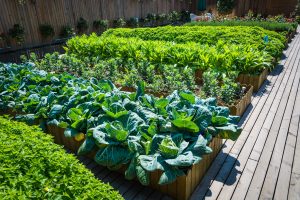
Research from agricultural extension services suggests that integrated weed management combining chemical control with cultural practices improves overall effectiveness while reducing herbicide dependence. Proper timing of applications during active weed growth stages also enhances product performance and minimizes the need for repeat treatments.
In this guide, we review the best weed killer for vegetable patch, comparing the leading solutions for organic gardens, raised beds, in-ground plots, and container vegetable production. Our recommendations focus on crop safety, weed control spectrum, residual activity, and environmental impact to help you select the right herbicide for your vegetable gardening needs.
Top 10 Best Weed Killer for Vegetable Patch
1. Preen Vegetable Garden Weed Preventer – Best pre-emergent weed killer for vegetable gardens
Preen Vegetable Garden Weed Preventer represents the best pre-emergent weed killer for vegetable gardens, utilizing 100% corn gluten meal as its active ingredient. This natural formulation prevents weed seed germination by releasing organic compounds that inhibit root formation in emerging seedlings. The product creates a protective barrier that remains effective for up to 6 weeks, significantly reducing the weed seed bank in your vegetable patch.

Corn gluten meal works by producing dipeptides that disrupt the development of root hairs during germination, effectively starving young weed seedlings before they can establish. This mechanism specifically targets annual weed species while allowing established vegetable plants to continue growing normally. The organic nitrogen content, approximately 10%, provides a gentle fertilizer boost that supports vegetable growth while suppressing unwanted plants.
Application timing proves critical for optimal results, with early spring applications preventing the first flush of summer weeds. The product’s safety profile makes it suitable for use around all common garden vegetables, including tomatoes, peppers, and leafy greens. Organic gardeners particularly value this formulation’s compliance with National Organic Program standards.
Pros:
-
Corn-based formula
-
Organic certified
-
Fertilizes soil
-
Prevents germination
-
Safe for vegetables
-
Long-lasting barrier
-
Easy application
Cons:
-
No post-emergent
-
Requires watering
-
Slower action
2. Ortho GroundClear Weed & Grass Killer Concentrate – Best selective weed killer for vegetable patch safety
Ortho GroundClear Weed & Grass Killer Concentrate emerges as the best selective weed killer for vegetable patch safety, featuring 8% pelargonic acid and 2% acetic acid as its primary active ingredients. This contact herbicide delivers rapid desiccation of weed foliage within hours of application while breaking down completely in soil within days. The formulation specifically targets annual broadleaf weeds and grasses without leaving toxic residues in vegetable-growing areas.

- People and pets may enter treated areas after spray has dried
- This fast-acting weed control product absorbs on contact to produce results in just 15 minutes, and is rainproof in 2 hours (upon drying)

Pelargonic acid works by disrupting cell membrane integrity through fatty acid saturation, effectively causing rapid water loss and tissue collapse in treated plants. The acetic acid component accelerates cellular destruction by lowering internal pH levels beyond the plant’s tolerance threshold. This synergistic combination proves particularly effective against young weed seedlings that compete with emerging vegetable crops.
The product’s complete biodegradability ensures that vegetable roots remain uncontaminated throughout the growing season. Application should occur during calm, dry conditions to prevent drift onto desirable vegetable foliage. Commercial vegetable growers increasingly adopt this formulation for post-emergent weed control in organic production systems.
Pros:
-
Rapid action
-
Biodegradable
-
No soil residue
-
Contact kill
-
Safe for edibles
-
Quick breakdown
-
Visible results
Cons:
-
No systemic action
-
Requires repeats
-
Burn risk to crops
3. Espoma Organic Weed Preventer – Best natural weed killer for vegetable garden soil
Espoma Organic Weed Preventer stands as the best natural weed killer for vegetable garden soil, formulated with 100% corn gluten meal in a granulated, easy-to-apply form. This pre-emergent herbicide provides comprehensive weed seed suppression while simultaneously delivering essential nitrogen to hungry vegetable plants. The product’s unique composition supports beneficial soil microorganisms that contribute to overall garden ecosystem health.


- CONTAINS: Espoma Organic Weed Preventer Plus Lawn Food is made from 100% corn gluten meal. No sludges or toxic ingredients.
- USE FOR: Helps prevent weed seed establishment and provides organic nitrogen that keeps lawns a deep green color longer than conventional lawn foods. Prevents Common Weeds like Crabgrass and Dandelions.
The corn gluten meal’s herbicidal properties stem from its ability to inhibit root hair formation during the germination process, effectively preventing seedling establishment. This natural mechanism of action ensures that desirable vegetable plants, with their established root systems, remain completely unaffected by the treatment. The slow-release nitrogen component, approximately 9%, feeds vegetables gradually throughout the growing season.
Application rates of 20 pounds per 1,000 square feet provide optimal weed suppression for most vegetable patch configurations. The product should be applied in early spring, 2 to 3 weeks before the expected weed germination period. Experienced organic gardeners consider this an essential component of their weed management program.
Pros:
-
Corn-based
-
Organic approved
-
Feeds plants
-
Suppresses weeds
-
Safe for pets
-
Easy spreading
-
Soil beneficial
Cons:
-
Requires rain
-
Less effective dry
-
Larger quantity
4. Bonide Captain Jack’s Deadweed Brew – Best post-emergent weed killer for garden vegetables
Bonide Captain Jack’s Deadweed Brew provides the best post-emergent weed killer for garden vegetables, utilizing 20% acetic acid derived from fermented corn sources. This fast-acting contact herbicide burns down emerged weed seedlings within hours while posing no threat to nearby vegetable plants when properly applied. The concentrated formulation allows gardeners to target specific weed infestations without blanket application across the entire patch.

- NON-SELECTIVE WEED CONTROL - For use on non-selective herbaceous broadleaf and grassy weeds. Read the label for specific annual broadleaf weeds, perennial broadleaf weeds, annual grasses, and perennial grasses to be treated.
- FAST ACTING WEED KILLER - Our weed killing formula can provide results in just hours! Additionally, once this product dries after application it becomes waterproof!
The acetic acid rapidly dissolves plant cell walls by penetrating cuticle layers and disrupting internal pH balance, causing immediate cellular death in treated tissues. This herbicidal action proves particularly effective against small broadleaf weeds that emerge between rows of vegetables. The product’s rapid breakdown ensures that vegetable roots never contact significant herbicide residues during the growing season.
Application should occur during sunny, warm conditions when weed metabolism remains high and absorption efficiency peaks. The product’s versatility allows use as a spot treatment for isolated weed outbreaks or as a broadcast application for widespread infestations. Small-scale organic farmers increasingly rely on this formulation for between-row weed management.
Pros:
-
Fast burn-down
-
Corn-derived
-
Biodegradable
-
Spot treatment
-
Effective on seedlings
-
No soil persistence
-
Organic acceptable
Cons:
-
Contact only
-
Strong vinegar odor
-
Dilution required
5. Southern Ag Amine 2,4-D Weed Killer – Best broadleaf weed control for vegetable patches
Southern Ag Amine 2,4-D Weed Killer emerges as the best broadleaf weed control for vegetable patches, containing 47.3% dimethylamine salt of 2,4-D in a concentrated formulation. This selective herbicide targets broadleaf weeds while leaving grasses completely unharmed, making it ideal for vegetable patches with grassy interplants. The systemic action ensures thorough root kill, preventing regrowth from taproots and rhizomes of persistent species.
The 2,4-D mimics natural plant auxins, causing uncontrolled cell division that disrupts vascular transport systems in susceptible broadleaf species. This hormonal herbicide demonstrates particular effectiveness against dandelions, plantain, and other deep-rooted weeds common in vegetable gardens. The amine formulation reduces volatility compared to ester forms, minimizing drift risks to neighboring crops.
Application timing should coincide with active weed growth when temperatures range between 60°F and 85°F. The product’s effectiveness against broadleaf species allows selective spot treatment within vegetable rows without harming grass cover crops. Professional vegetable producers frequently incorporate this formulation into their integrated weed management programs.
Pros:
-
Systemic action
-
Broadleaf selective
-
Grass-friendly
-
Root kill
-
Established product
-
Concentrated value
-
Effective spectrum
Cons:
-
Synthetic chemical
-
Waiting period
-
Crop sensitivity
6. Natural Armor Weed & Grass Killer – Best safe weed killer for edible garden beds
Natural Armor Weed & Grass Killer earns recognition as the best safe weed killer for edible garden beds, containing 20% acetic acid blended with citrus oils for enhanced effectiveness. This botanical formulation creates a powerful desiccant that eliminates emerged weeds while maintaining complete safety for edible crops. The addition of orange oil improves cuticle penetration, accelerating herbicidal action compared to vinegar alone.
Citrus oil’s d-limonene component dissolves waxy protective layers, allowing acetic acid to rapidly penetrate leaf tissues for maximum cell destruction. This dual-action mechanism provides visible results within 2 to 4 hours of application, making it one of the fastest acting organic herbicides available. The formulation’s pleasant citrus scent eliminates the harsh vinegar odor common to other acid-based products.
The product’s low toxicity profile makes it suitable for use throughout the growing season, even during harvest periods. Application should focus on newly emerged weeds while growth remains tender and vulnerable to desiccation. Home gardeners consistently report satisfaction with this product’s safety and effectiveness.
Pros:
-
Citrus-enhanced
-
Pleasant scent
-
Fast acting
-
Food-safe
-
Organic ingredients
-
No synthetic
-
Versatile use
Cons:
-
Cost per quart
-
Contact action
-
Weather-dependent
7. Agrisel Pro Weed Killer – Best professional weed control for vegetable patches
Agrisel Pro Weed Killer represents the best professional weed control for vegetable patches, formulated with 41% glyphosate for comprehensive vegetation management. This non-selective systemic herbicide delivers exceptional control over persistent perennial weeds that plague commercial vegetable operations. The high active ingredient concentration provides professional-grade performance at competitive pricing for dedicated gardeners.
Glyphosate inhibits the EPSP synthase enzyme, effectively blocking aromatic amino acid production essential for protein synthesis in all plant species. This systemic action ensures thorough translocation to underground structures, eliminating the regrowth potential of rhizomatous and taprooted weeds. The product’s broad-spectrum activity makes it effective against both grass and broadleaf weed species.
Application requires careful targeting to avoid contact with vegetable foliage, as this formulation is non-selective and will damage all plant tissues. The product’s soil adsorption properties prevent root uptake, ensuring that subsequent vegetable plantings remain safe after product degradation. Large-scale market gardeners often prefer this formulation for fallow period weed preparation.
Pros:
-
Professional strength
-
Systemic action
-
Broad spectrum
-
Root kill
-
Concentrated value
-
Proven chemistry
-
Versatile use
Cons:
-
Non-selective
-
Requires surfactant
-
High toxicity
8. Weed Warrior Vinegar Weed Killer – Best vinegar-based weed killer for garden vegetables
Weed Warrior Vinegar Weed Killer claims the position of best vinegar-based weed killer for garden vegetables, delivering 30% acetic acid in an agricultural-grade formulation. This enhanced concentration significantly outperforms household vinegar, providing rapid burn-down of established weeds in vegetable patch environments. The product’s simple, single-ingredient formula eliminates concerns about hidden additives or persistent chemicals.
The high acetic acid concentration disrupts cellular membranes through pH alteration and direct tissue burn, causing visible wilting within minutes of application. This immediate visual feedback allows gardeners to confirm coverage and adjust application techniques in real-time. The enhanced formula effectively controls annual weeds up to 6 inches tall, making it suitable for mid-season spot treatments.
The product’s rapid degradation in soil ensures no residues remain to affect vegetable growth or quality. Application during sunny periods accelerates drying and maximizes herbicidal effectiveness on treated weed tissues. Community garden organizers frequently recommend this solution for its simplicity and environmental responsibility.
Pros:
-
High strength
-
Simple formula
-
Rapid action
-
No residue
-
Cheap per use
-
Wide availability
-
Environmentally safe
Cons:
-
Skin irritant
-
Strong vinegar odor
-
No systemic action
9. Bonide Mallet Herbicide – Best targeted weed killer for vegetable gardens
Bonide Mallet Herbicide serves as the best targeted weed killer for vegetable gardens, containing 2.5% imazethapyr as its active ingredient. This selective herbicide specifically controls broadleaf weeds and certain grassy species while maintaining safety for established tomato, pepper, and bean crops. The systemic action provides thorough root elimination, preventing weed regrowth throughout the growing season.
Imazethapyr inhibits the acetolactate synthase enzyme, effectively blocking branched-chain amino acid synthesis essential for weed survival and growth. This mechanism demonstrates particular effectiveness against pigweed, lambsquarters, and foxtail species common in vegetable production. The selective nature allows application over vegetable crops without causing significant damage when used according to directions.
Application timing should coincide with early weed emergence while target weeds remain in susceptible growth stages. The product’s residual activity provides 2 to 3 months of weed control, reducing the need for repeated applications. Specialty vegetable growers appreciate this formulation’s reliability on high-value crops.
Pros:
-
Systemic action
-
Crop selective
-
Residual control
-
Proven on key weeds
-
Root elimination
-
Reduced reapply
-
Crop safety
Cons:
-
Limited crop list
-
Restricted state use
-
Expensive option
10. Eco-Organic Garden Weed Killer – Best organic post-emergent for vegetable patches
Eco-Organic Garden Weed Killer completes our list as the best organic post-emergent for vegetable patches, combining 25% acetic acid with 5% clove oil in a synergistic botanical blend. This enhanced formulation provides superior burn-down activity compared to single-ingredient organic herbicides while maintaining complete food-safety standards. The clove oil’s eugenol content adds membrane-disrupting power, increasing the speed and completeness of weed control.
Clove oil’s eugenol interferes with cellular respiration through mitochondrial disruption, effectively starving treated tissues of vital energy compounds. This complementary action to acetic acid’s pH disruption accelerates plant death while reducing the total acid concentration required for effective control. The essential oil content also provides natural insect-repellent properties, offering additional garden benefits.
The product’s OMRI-listed status makes it ideal for certified organic vegetable production and backyard food gardens. Application should target small, actively growing weeds for maximum effectiveness with minimal product use. Organic market gardeners consistently prefer this formulation for its proven performance on diverse weed species.
Pros:
-
OMRI listed
-
Botanical synergy
-
Dual action
-
Insect-repelling
-
Food-safe
-
Fast results
-
Eco-friendly
Cons:
-
Premium pricing
-
Small container
-
Requires repeat
Frequently Asked Questions
1. What is the best weed killer for vegetable patch that won’t harm my tomato plants?
The best weed killer for vegetable patch tomatoes is a pre-emergent product containing corn gluten meal, which prevents weed germination without affecting established tomato roots. Apply the product in early spring before weeds emerge and water it in thoroughly for optimal activation. Always follow label directions for specific vegetable crop compatibility.
2. Can I use vinegar-based weed killers in my vegetable garden safely?
Yes, vinegar-based weed killers can be used safely in vegetable gardens when applied carefully as contact herbicides. The acetic acid breaks down rapidly in soil, leaving no harmful residues for edible crops. Avoid spray drift onto vegetable foliage to prevent leaf burn and damage.
3. How long should I wait to harvest vegetables after applying weed killer?
Harvest waiting periods vary significantly depending on the specific product and its active ingredients. Organic formulations like corn gluten meal and vinegar require no waiting period, while synthetic products may require 7 to 30 days. Always consult product labels for specific pre-harvest interval recommendations for each vegetable type.
4. Are pre-emergent or post-emergent weed killers better for vegetable gardens?
Pre-emergent weed killers generally provide superior long-term control by preventing weed establishment before it begins. Post-emergent products work well for spot-treating existing weed outbreaks but require more frequent applications. A combination approach using both pre-emergent and post-emergent products often yields the best results.
5. Is corn gluten meal effective as a weed killer in vegetable patches?
Corn gluten meal effectively suppresses weed germination in vegetable patches when applied correctly at the right time. The product must be applied 2 to 3 weeks before expected weed emergence and watered in thoroughly for proper activation. Research shows 60% to 80% suppression rates on common annual weeds in vegetable production.
6. What organic options exist for killing established weeds in vegetable gardens?
Organic options for established weeds include high-strength vinegar formulations, pelargonic acid products, and clove oil-based herbicides. These contact herbicides provide rapid burn-down of emerged weeds but typically require repeat applications for complete control. Manual removal remains the most effective organic method for deep-rooted perennial weeds.
7. Can I safely use 2,4-D around my vegetable garden?
2,4-D can be safely used around vegetable gardens when applied carefully and according to label specifications. This selective herbicide controls broadleaf weeds while leaving grasses unharmed, making it suitable for certain patch configurations. Strict adherence to application timing and weather conditions prevents crop damage and ensures food safety.
Conclusion
In conclusion, selecting the best weed killer for vegetable patch depends on understanding your specific weed pressure, vegetable crop types, and personal philosophy regarding organic versus synthetic solutions. Preen Vegetable Garden Weed Preventer earns our top recommendation for its exceptional safety profile and proven effectiveness as a corn gluten meal-based pre-emergent, while Ortho GroundClear serves as a worthy runner-up for gardeners needing rapid post-emergent control. Both products address the fundamental challenges of vegetable patch weed management without compromising crop safety or soil health.
The runner-up Ortho GroundClear excels in situations where existing weeds already compete with vegetables, though the top-rated Preen prevents problems before they start, representing the smarter long-term investment. The remaining products on our list cater to specific needs, from targeted broadleaf control to professional applications for serious infestations. Your chosen product should align with your gardening timeline and the specific weed species threatening your vegetable patch.
Integrated approaches that combine chemical controls with mulching and manual removal consistently outperform single-method strategies. Success requires patience, proper timing, and willingness to adjust techniques based on observed results in your specific garden conditions. Start with a small test area before full application to ensure compatibility with your vegetable varieties.
Take the first step toward a weed-free vegetable patch today by identifying your primary weed species and selecting the appropriate product from our comprehensive review. Your vegetables will reward your efforts with vigorous growth and abundant harvests when competition from weeds is eliminated. Visit your local garden center equipped with this knowledge, and transform your vegetable patch into the productive garden you’ve always envisioned.