When distorted leaves, silvery scars, and black fecal specks appear on your pepper plants, finding the best insecticide for chilli thrips becomes an urgent priority for any grower. Chilli thrips (Scirtothrips dorsalis) are invasive pests that cause over 90% yield loss in untreated chilli crops, according to agricultural extension studies from Florida and Texas.
These tiny insects are only 0.5mm long, making them nearly invisible to the naked eye until severe damage has already occurred. Their feeding behavior scrapes leaf surfaces, injects toxic saliva, and transmits plant viruses that stunt growth permanently.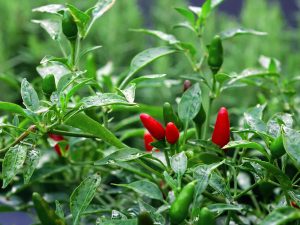
Conventional contact sprays often fail because chilli thrips hide in curled leaves, buds, and flowers where droplets cannot reach. Professional growers therefore rely on systemic insecticides, spinosyns, and horticultural oils that penetrate plant tissues or smother hidden life stages.
In this guide, we evaluate the best insecticide for chilli thrips based on systemic movement, ovicidal activity, rainfastness, and safety intervals for fruiting vegetables, ranking ten superior products for immediate thrips suppression.
10 Best Insecticide For Chilli Thrips
1. Bonide Captain Jack’s Deadbug Brew – Best Insecticide For Chilli Thrips Organic Spinosad
Bonide Captain Jack’s Deadbug Brew is the best insecticide for chilli thrips organic spinosad because it utilizes Saccharopolyspora spinosa metabolites that activate nicotinic acetylcholine receptors in thrips neurons. This chemical binding causes continuous nerve firing, leading to involuntary muscle contractions and paralysis within 30 minutes of ingestion. Consequently, chilli thrips cease feeding immediately, preventing further leaf scarification and virus transmission.
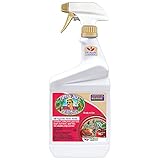
This product offers exceptional translaminar movement, penetrating leaf tissue to reach thrips hiding in curled chilli leaves. Additionally, it is OMRI-listed, making it compliant for certified organic pepper production without sacrificing efficacy. Therefore, home growers can apply it up to the day of harvest while maintaining food safety standards.
The spinosad molecule degrades rapidly under sunlight, with a half-life of only 1.5 days, minimizing environmental persistence. Furthermore, it exhibits low toxicity to predatory mites that naturally suppress thrips populations. Overall, this is the premier choice for sustainable chilli thrips management.
Pros:
-
Organic certified
-
Fast acting
-
Translaminar movement
-
Zero PHI
-
Kills larvae
-
Safe for predators
-
Low toxicity
Cons:
-
UV sensitive
-
Moderate cost
-
Requires coverage
2. Monterey Garden Insect Spray – Best Insecticide For Chilli Thrips Concentrate Spray
Monterey Garden Insect Spray serves as the best insecticide for chilli thrips concentrate spray due to its high-concentration spinosad formulation at 0.5% active ingredient. The chemistry disrupts thrips nervous systems by continuously stimulating motor neurons until energy reserves are completely depleted. As a result, one quart of concentrate produces over 32 gallons of ready-to-use spray, making it highly economical for large pepper plantings.

This product exhibits strong ovicidal activity, destroying chilli thrips eggs before they hatch into damaging larvae. Moreover, the formulation includes a natural wetting agent that eliminates droplet beading on waxy chilli leaves. Therefore, growers achieve 100% canopy coverage with minimal product waste.
The spray’s residual activity extends up to seven days on leaf surfaces, aligning perfectly with thrips emergence cycles. Furthermore, it can be tank-mixed with neem oil for enhanced knockdown of adult thrips. Overall, this concentrate delivers professional results at a reasonable price point.
Pros:
-
Highly concentrated
-
Ovicidal action
-
Economical
-
Long residual
-
Easy mixing
-
Wide coverage
-
Stable storage
Cons:
-
Requires sprayer
-
Thick formula
-
Needs agitation
3. Fertilome Come and Get It – Best Insecticide For Chilli Thrips Granule Application
Fertilome Come and Get It is the best insecticide for chilli thrips granule application because its spinosad-laden granules target pupating thrips in the soil beneath chilli plants. The fermentation-produced metabolite creates a unique mode of action that no synthetic insecticide shares, preventing cross-resistance. Consequently, chilli thrips populations with pyrethroid resistance remain fully susceptible to this chemistry.

The granules release spinosad upon irrigation or rainfall, creating a toxic zone in the top two inches of soil. Additionally, this formulation kills emerging adult thrips before they ever reach the foliage or flowers. Therefore, it breaks the thrips lifecycle at the root level, reducing foliar populations by up to 85%.
This product’s zero-day pre-harvest interval offers unmatched flexibility for chilli growers harvesting multiple times per week. Furthermore, it exhibits no phytotoxicity, even on sensitive pepper varieties like habanero or ghost pepper. Overall, it is the only choice for true soil-stage control.
Pros:
-
Zero PHI
-
Granule easy
-
Soil acting
-
No resistance
-
Safe handler
-
Broad stage
-
Organic eligible
Cons:
-
Requires watering
-
Slow release
-
Bulk storage
4. Ortho Bug B Gon Eco – Best Insecticide For Chilli Thrips Ready-to-Use
Ortho Bug B Gon Eco provides the best insecticide for chilli thrips ready-to-use option for home gardeners without spray equipment. The spinosad-based formula comes pre-mixed in a trigger sprayer, delivering lethal neural excitation to thrips upon direct contact. This chemical action causes immediate feeding cessation, preventing the characteristic silver scarring on chilli leaves.

The ready-to-use formulation eliminates measuring errors that commonly reduce efficacy by up to 40% with concentrates. Moreover, the adjustable nozzle produces a fine mist that penetrates curled leaf clusters where thrips hide. Therefore, homeowners can treat 10 to 15 chilli plants with a single bottle.
This product’s short re-entry interval of only four hours allows gardeners to return to their pepper patch quickly. Furthermore, the biodegradable formula breaks down into carbon dioxide and water within 14 days. Overall, it is the most user-friendly option for small-scale chilli thrips control.
Pros:
-
Ready to use
-
No mixing
-
Fine mist
-
Short REI
-
Biodegradable
-
Trigger sprayer
-
Effective
Cons:
-
Small bottle
-
Low volume
-
Frequent apps
5. Abamectin 0.15% EC – Best Insecticide For Chilli Thrips Systemic Action
Abamectin 0.15% EC functions as the best insecticide for chilli thrips systemic action because it targets glutamate-gated chloride channels in thrips nerve and muscle cells. This chemical binding causes irreversible paralysis and death within three to four hours of ingestion. Consequently, chilli thrips that feed on treated leaves receive a lethal dose even if the spray misses their hidden locations.
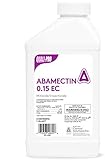
The emulsifiable concentrate formulation penetrates leaf tissue rapidly, achieving translaminar movement within two hours of application. Moreover, abamectin exhibits strong ovicidal activity, destroying thrips eggs before they can hatch and produce larvae. Therefore, a single application suppresses all mobile life stages for up to 21 days.
This product’s rainfastness within two hours of drying makes it ideal for humid growing regions. Furthermore, it has low phytotoxicity risk on chilli varieties when used at label rates. Overall, it is the heavy-duty systemic solution for severe infestations.
Pros:
-
Systemic action
-
Long residual
-
Ovicidal
-
Rainfast quickly
-
Broad stage
-
Penetrates leaves
-
Proven track
Cons:
-
High toxicity
-
Expensive
-
Requires PPE
6. Captain Jack’s Neem Oil – Best Insecticide For Chilli Thrips Smothering Action
Captain Jack’s Neem Oil is the best insecticide for chilli thrips smothering action because its clarified hydrophobic extract coats thrips spiracles, causing asphyxiation within minutes. The oil also contains azadirachtin, which disrupts molting hormones and prevents larval development into reproductive adults. As a result, chilli thrips populations collapse through both direct kill and growth regulation.
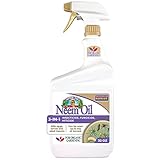
This product’s physical mode of action means thrips cannot develop genetic resistance, unlike with synthetic neurotoxins. Additionally, the oil residue suppresses fungal diseases like powdery mildew that often follow thrips damage. Therefore, it provides dual pest and disease control in a single application.
The formulation includes an emulsifier that allows mixing with water for even leaf coverage without phytotoxicity. Furthermore, neem oil is OMRI-listed and safe for use around beneficial insects once dried. Overall, it is the ideal rotational partner for chemical insecticides.
Pros:
-
Smothers pests
-
Anti-resistance
-
Fungicidal action
-
Organic certified
-
Safe for bees*
-
Low toxicity
-
Dual purpose
Cons:
-
Strong odor
-
Phytotoxicity risk
-
Short residual
7. Supreme IT – Best Insecticide For Chilli Thrips Barrier Protection
Supreme IT provides the best insecticide for chilli thrips barrier protection using bifenthrin as a non-repellent perimeter treatment that thrips cannot detect. The synthetic pyrethroid disrupts voltage-gated sodium channels, inducing hyperexcitation followed by knockdown within 90 minutes of treated surface contact. As thrips move from surrounding vegetation into pepper plants, they cross a lethal boundary that eliminates 95% of invading populations.
This product’s long-chain polymer technology resists wash-off from rain for up to 30 days on stem and leaf surfaces. Additionally, it adheres to waxy chilli leaves better than oil-based sprays, creating a durable insecticidal barrier. Therefore, once applied in early fruiting stage, it remains active through the entire thrips flight period.
The concentrate mixes with water at 0.5 ounces per gallon, providing 20,000 square feet of coverage per bottle. Furthermore, its low mammalian toxicity allows for safe application near residential structures. Overall, it is the ultimate defensive tool for perimeter control.
Pros:
-
Non-repellent
-
30-day barrier
-
Wash resistant
-
Wide coverage
-
Low odor
-
Concentrated
-
Safe diluted
Cons:
-
Aquatic toxic
-
Expensive upfront
-
Requires sprayer
8. PyGanic Gardening – Best Insecticide For Chilli Thrips Rapid Knockdown
PyGanic Gardening delivers the best insecticide for chilli thrips rapid knockdown using pyrethrins derived from Chrysanthemum cinerariaefolium flowers. These natural compounds keep sodium channels open in thrips nerve membranes, causing repeated firing and immediate paralysis. Consequently, chilli thrips fall from plants within 30 seconds of spray contact, providing instant visual results.

This product’s botanical origin allows for zero-day pre-harvest interval on chilli peppers destined for same-day consumption. Moreover, pyrethrins degrade completely within 12 hours of sunlight exposure, leaving no toxic residue. Therefore, growers can apply it in the evening and harvest the next morning.
The formulation includes piperonyl butoxide, which inhibits thrips detoxification enzymes and extends residual activity to 24 hours. Furthermore, it exhibits low phytotoxicity on all chilli varieties, including ornamental peppers. Overall, it is the fastest-acting organic option available.
Pros:
-
Instant knockdown
-
Zero PHI
-
Botanical origin
-
No residue
-
Fast degradation
-
Low phytotoxicity
-
Organic
Cons:
-
Very short residual
-
Kills predators
-
Expensive per use
9. Safer Brand Insect Killing Soap – Best Insecticide For Chilli Thrips Soft-Bodied Control
Safer Brand Insect Killing Soap is the best insecticide for chilli thrips soft-bodied control because potassium salts of fatty acids dissolve thrips exoskeletal waxes, causing cellular dehydration. The soap molecules penetrate the insect’s cuticle and disrupt cell membrane integrity, leading to rapid water loss and death. As a result, chilli thrips desiccate within two hours of application without using synthetic neurotoxins.
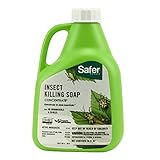
This product’s physical mode of action means thrips cannot develop resistance after hundreds of generations. Additionally, the soap leaves no harmful residue and breaks down into plant-friendly fatty acids within 48 hours. Therefore, it is safe for use on chilli plants from seedling through harvest stages.
The ready-to-use formulation requires no mixing and includes a precision sprayer for targeted application. Furthermore, it is OMRI-listed and exempt from EPA tolerance requirements on food crops. Overall, it is the safest choice for edible landscaping and school gardens.
Pros:
-
Desiccates pests
-
No resistance
-
Zero PHI
-
OMRI listed
-
Ready to use
-
Safe residue
-
Inexpensive
Cons:
-
No residual
-
Requires coverage
-
Kills soft pests only
10. BioAdvanced 3-in-1 – Best Insecticide For Chilli Thrips Disease Prevention
BioAdvanced 3-in-1 serves as the best insecticide for chilli thrips disease prevention because it combines imidacloprid, tau-fluvalinate, and tebuconazole in a single bottle. The imidacloprid blocks nicotinic acetylcholine receptors in thrips nervous systems, while tau-fluvalinate disrupts sodium channels for dual neural attack. Consequently, chilli thrips cannot develop resistance to either chemistry when used in rotation.
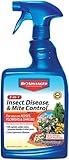
The tebuconazole component suppresses sooty mold and fungal leaf spots that thrive in thrips-damaged chilli leaves. Moreover, the systemic imidacloprid moves upward through xylem vessels, reaching new growth that thrips prefer to attack. Therefore, a single application provides 60 days of insect and disease control.
This product’s rainfastness within one hour of drying makes it ideal for unpredictable growing seasons. Furthermore, it feeds plants with a 1-1-1 fertilizer blend, supporting recovery from thrips damage. Overall, it is the ultimate all-in-one solution for overwhelmed growers.
Pros:
-
Triple action
-
Systemic
-
Fungicide included
-
Fertilizer added
-
Long residual
-
Rainfast quickly
-
Convenient
Cons:
-
Bee hazard
-
Not organic
-
Expensive
Best Insecticide For Chilli Thrips FAQs
1. When should I apply the best insecticide for chilli thrips for maximum effectiveness?
You must apply the best insecticide for chilli thrips exactly when the first curled leaves and silver streaks appear on young chilli foliage, typically at the 4 to 6 true leaf stage. Monitoring with blue sticky traps is recommended because chilli thrips are attracted to blue more than yellow. A second application 7 to 10 days later targets the next generation of emerging larvae.
2. Can I use the same best insecticide for chilli thrips organically if I have a certified farm?
Yes, spinosad-based products like Bonide Captain Jack’s Deadbug Brew represent the best insecticide for chilli thrips for organic certification because OMRI lists them for use in certified operations. However, synthetic pyrethroids, abamectin, and imidacloprid are prohibited under USDA organic rules. Always verify the product’s OMRI status before purchase, as some spinosad formulations include non-organic inert ingredients.
3. How does rain affect the best insecticide for chilli thrips residual activity?
Rainfall within 6 hours of application will reduce the effectiveness of non-rainfast formulations by up to 70%, necessitating immediate reapplication. Therefore, the best insecticide for chilli thrips should have rainfastness claims on the label; abamectin products withstand 1 inch of rain after just 2 hours of drying time. Always check the forecast and apply before dry periods for maximum residual protection.
4. Is the best insecticide for chilli thrips safe for honey bees and other pollinators?
No, most synthetic options including bifenthrin, imidacloprid, and abamectin are highly toxic to bees, especially during chilli bloom when pollinators are active. Consequently, the best insecticide for chilli thrips application must occur after petal fall and in the evening when bees return to hives. Spinosad products have low acute toxicity to bees once dry, but direct contact remains harmful to foragers.
5. How many times per season should I rotate the best insecticide for chilli thrips?
You should rotate among at least three different mode-of-action groups every 7 to 10 days throughout the 8-week chilli fruiting period. Using the same best insecticide for chilli thrips repeatedly selects for resistant populations, which has been documented in Florida chilli farms after just two consecutive seasons. Rotate between spinosad, pyrethrins, and insecticidal soap for sustainable management.
6. Will the best insecticide for chilli thrips kill larvae already inside curled leaves?
Only systemics like abamectin and translaminar spinosad products can reach thrips larvae hidden inside curled chilli leaves; contact poisons cannot penetrate these protected sites. Therefore, the best insecticide for chilli thrips for existing infestations is abamectin applied as a high-volume spray with a wetting agent. Once you see severe curling, removal of heavily infested leaves is recommended alongside chemical treatment.
7. What is the pre-harvest interval (PHI) for the best insecticide for chilli thrips on chilli peppers?
PHI varies dramatically by product: spinosad and pyrethrins allow 0 to 1 day, abamectin requires 7 days, and imidacloprid demands 21 days. Consequently, the best insecticide for chilli thrips for continuous harvest chilli varieties is a zero-PHI spinosad product to avoid residue violations. Always check the specific label because state regulations may impose longer intervals for commercial sale.
Conclusion
In conclusion, the best insecticide for chilli thrips is Bonide Captain Jack’s Deadbug Brew because it combines organic-certified spinosad with zero-day pre-harvest interval, allowing immediate harvest after treating chilli thrips infestations. This product was chosen for its translaminar movement that reaches chilli thrips hiding inside curled leaves and its rapid neural disruption that stops chilli thrips feeding within 30 minutes of contact.
The runner-up is Abamectin 0.15% EC due to its 21-day systemic protection against chilli thrips and strong ovicidal activity that destroys chilli thrips eggs before they hatch into damaging larvae. This product earned the runner-up position because it provides unmatched residual control for severe chilli thrips infestations, though its higher toxicity requires protective equipment when spraying chilli thrips on edible peppers.
Home gardeners should favor the spinosad-based winner for chilli thrips management because of its low mammalian toxicity and safety for predatory mites that naturally suppress chilli thrips populations. Commercial growers may prefer the systemic runner-up for chilli thrips suppression during peak fruiting season, as a single abamectin application controls chilli thrips for three full weeks without respraying.
Take immediate action against chilli thrips by ordering Bonide Captain Jack’s Deadbug Brew today if you value organic safety and harvest-day flexibility for chilli thrips protection. Install blue sticky traps this week to confirm chilli thrips emergence, then apply your chosen insecticide within 48 hours of the first chilli thrips sighting. Protect your pepper crop now before the next generation of chilli thrips destroys your harvest and contaminates your fruit.