Morning glories are beloved climbing vines that produce stunning trumpet-shaped flowers in vibrant blues, purples, pinks, and whites, bringing vertical interest and cottage garden charm to any landscape. Selecting the best companion plants for morning glory involves understanding their growth habits, sun requirements, and the plants that will complement their vigorous climbing nature while creating a harmonious garden display.
These fast-growing annual vines can reach heights of 6-15 feet in a single season, making them excellent for covering trellises, arbors, fences, and other vertical structures. The ideal companions should share morning glory’s preference for full sun and well-drained soil while providing structural support, visual contrast, or beneficial pest-repelling properties.
Morning glories are generally easy to grow from seed and require little maintenance beyond regular watering, but they can self-seed aggressively in favorable conditions. The best companion plants should enhance the garden’s aesthetic appeal, provide complementary blooming periods, and create a balanced, thriving planting scheme.
In this guide, we examine the top 10 best companion plants for morning glory, evaluating growth compatibility, visual appeal, seasonal interest, and overall garden synergy to help you create a stunning vertical garden display.
10 Best Companion Plants For Morning Glory
1. Clematis – Best climbing companion for morning glory
Clematis is the best climbing companion for morning glory, featuring large, showy flowers in a variety of colors that create a stunning contrast against the smaller trumpet-shaped blooms of morning glories. The combination of these two climbers on a trellis or arbor provides extended seasonal interest, with clematis blooming from spring to early summer and morning glories continuing the display through late summer and fall. Additionally, the different flower shapes and sizes create visual depth and texture in the vertical garden space.


- For best results, plant in USDA Zone:4-9 - Mature size: 6-8ft H x 4-6ft W
- Plant is delivered in a 8`` Size Container. It is fully rooted in the soil and can be planted immediately upon arrival, weather permitting.

Both plants thrive in full sun with well-drained soil, sharing similar growing requirements that make them compatible garden neighbors. Consequently, they can be trained together on the same support structure without competing for light or nutrients when properly spaced. Moreover, the deep roots of clematis help stabilize the soil while the morning glory provides quick coverage and color during the first growing season.
Planting clematis at the base of a trellis with morning glory provides a succession of blooms that keeps the vertical display attractive throughout the growing season. The clematis flowers appear first in spring, followed by the morning glory blooms that continue until frost. Therefore, clematis delivers extended flowering interest and complementary climbing habits for morning glory displays.
Pros
- Extended blooms
- Complementary colors
- Shared conditions
- Vertical interest
- Spring to fall
- Sturdy stems
- Varied textures
Cons
- Slow to establish
- Requires pruning
- Pruning timing
2. Sunflowers – Best structural support companion for morning glory
Sunflowers are the best structural support companion for morning glory, featuring tall, sturdy stalks that provide natural trellising for morning glory vines to climb. The bright yellow sunflower heads create a dramatic contrast against the blue, purple, or pink morning glory flowers, producing a striking visual display in the garden. Additionally, sunflowers attract pollinators and beneficial insects that help support the entire garden ecosystem.

- COLOR: Bright yellow sunflowers are the poster flower of Summer. Use these flowers to create natures skyscrapers in your garden.
- GROWTH: Sunflowers grow to be very tall! They can reach up to 4 feet tall, with a spread of more than 2 feet.
The rapid growth of both plants makes them compatible companions, with sunflowers reaching impressive heights while morning glories quickly weave their way up the sturdy stems. Consequently, this combination creates a natural living trellis that requires no additional support structures. Moreover, the sunflower’s large leaves provide partial shade at the base, helping retain soil moisture for the morning glory roots.
Plant morning glory seeds around the base of established sunflowers, and the vines will naturally climb the stalks as they grow. The sunflowers provide vertical support while the morning glory adds additional color and texture to the display. Therefore, sunflowers deliver natural structural support and complementary visual appeal for morning glory cultivation.
Pros
- Natural trellis
- Dramatic contrast
- Pollinator magnet
- Rapid growth
- No support needed
- Tall display
- Seed harvest
Cons
- Competition risk
- Shade issues
- Single season
3. Nasturtiums – Best ground cover companion for morning glory
Nasturtiums are the best ground cover companion for morning glory, featuring colorful, edible flowers and round leaves that create a beautiful carpet at the base of morning glory vines. The vibrant orange, red, and yellow blooms provide a striking contrast against the blue or purple morning glory flowers climbing above. Additionally, nasturtiums act as a trap crop, attracting aphids away from morning glories and other garden plants.

- TOP-RATED TALL TRAILING MIX: Experience a versatile and original decorative mix of Nasturtiums. These high-ranking trailing vines are designed to create a "wow" factor for every garden visitor. A stunning blend of beauty and vigorous growth.
- 250 PREMIUM HEIRLOOM SEEDS: This packet contains 250 fresh, Non-GMO, open-pollinated American seeds. With a high germination standard, these premium seeds offer a beautiful variety of climbing plants that are unparalleled in quality and freshness.
Both plants thrive in full sun with well-drained soil, sharing similar growing requirements that make them ideal garden partners. Consequently, nasturtiums planted at the base of a morning glory trellis help suppress weeds and retain soil moisture while adding a colorful, low-growing element to the planting scheme. Moreover, the edible flowers and leaves add culinary value to the garden harvest.
Nasturtiums are easy to grow from seed and quickly fill the space around the morning glory base, creating a complete, layered planting from ground to sky. Their trailing habit spills over the edges of containers or garden beds, softening the overall appearance. Therefore, nasturtiums deliver attractive ground cover and practical pest protection for morning glory plantings.
Pros
- Colorful ground cover
- Trap crop benefits
- Edible flowers
- Quick growth
- Weed suppression
- Moisture retention
- Easy to grow
Cons
- Annual plant
- Can self-seed
- Competes lightly
4. Zinnias – Best annual flower companion for morning glory
Zinnias are the best annual flower companion for morning glory, featuring bright, long-lasting blooms in a rainbow of colors that provide excellent contrast against the trumpet-shaped morning glory flowers. The daisy-like flower heads create a textural contrast with the morning glory’s smooth, heart-shaped leaves and funnel-form blooms. Additionally, zinnias are excellent pollinator attractors, bringing bees and butterflies to the garden that also benefit morning glory pollination.
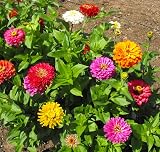
- ASSORTED COLORS: Each 4-pack includes zinnia plants in a vibrant mix of colors, including red, pink, orange, yellow, purple, and white.
- READY TO GROW: Live zinnia plants arrive at 3 to 5 inches tall, giving you a head start on a beautiful, blooming garden.
Both plants prefer full sun and well-drained soil, making them compatible annual companions that can be planted together in garden beds or containers. Consequently, zinnias planted at the base or front of a morning glory planting provide continuous color throughout the summer while the morning glory adds vertical interest. Moreover, the zinnias’ long blooming period from summer to frost extends the seasonal display.
The low-growing nature of zinnias makes them ideal for planting at the base of a morning glory trellis or arbor, preventing the ground from looking bare while the vine climbs above. The varied zinnia colors can be chosen to complement or contrast with the morning glory blooms. Therefore, zinnias deliver extended seasonal color and pollinator support for morning glory gardens.
Pros
- Long blooming
- Color variety
- Pollinator attractor
- Easy to grow
- Cut flowers
- Heat-tolerant
- Complementary height
Cons
- Annual plant
- Powdery mildew
- Regular deadheading
5. Marigolds – Best pest-repelling companion for morning glory
Marigolds are the best pest-repelling companion for morning glory, featuring bright orange and yellow blooms that effectively repel nematodes and other soil-borne pests. The roots of marigolds secrete compounds that inhibit nematode activity in the soil, protecting the root systems of neighboring plants. Additionally, marigolds attract beneficial insects like hoverflies and parasitic wasps that help control pest populations naturally.

- LIVE PLANTS: Set of 3 vibrant red marigold plants, each measuring between 4-8 inches in length, ready for transplanting
- FLOWERING VARIETY: Beautiful red-orange blooms with ruffled petals that create stunning garden displays and attract pollinators
Both plants thrive in full sun with well-drained soil, making marigolds ideal companions for planting at the base of a morning glory trellis or around climbing structures. Consequently, the bright marigold flowers provide a colorful border that complements the climbing morning glory display. Moreover, the compact growth habit of marigolds ensures they won’t compete with morning glory vines for vertical space.
Marigolds are easy to grow from seed and provide continuous bloom throughout the summer months. Planting them near morning glories helps protect both plants from common garden pests while adding vibrant color to the garden display. Therefore, marigolds deliver effective pest protection and complementary color for morning glory plantings.
Pros
- Repels nematodes
- Attracts beneficials
- Bright flowers
- Easy to grow
- Compact growth
- Continuous bloom
- Low maintenance
Cons
- Annual plant
- Strong scent
- Frost sensitive
6. Cosmos – Best airy companion for morning glory
Cosmos are the best airy companion for morning glory, featuring delicate, daisy-like flowers on tall, slender stems that create a light, airy contrast to the bold, climbing habit of morning glory vines. The soft pink, white, and purple flowers provide a beautiful color palette that complements the vibrant trumpet-shaped blooms of morning glories. Additionally, cosmos attract butterflies and beneficial insects to the garden, supporting overall ecosystem health.
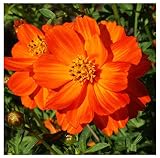
- Red Crest Cosmos Seeds
- Good cutting flower. Nectar Flower for Monarch Butterflies. Cleome seeds may be started indoors or outdoors. They grow best in full sun; seeds will germinate in 8 to 12 days if temperatures are 70 to 80F.
Both plants share similar growing requirements, preferring full sun and well-drained soil, making them compatible companions for garden beds and borders. Consequently, cosmos planted behind or alongside morning glory vines create a layered planting with varying heights and textures. Moreover, the cosmos’ airy form allows the morning glory vines to weave through the planting without being crowded.
Cosmos are easy to grow from seed and self-sow readily, providing reliable returns in subsequent seasons. The long blooming period from summer to frost ensures continuous color alongside the morning glory display. Therefore, cosmos deliver delicate beauty and pollinator support for morning glory plantings.
Pros
- Airy texture
- Soft colors
- Butterfly attractor
- Self-sowing
- Long blooming
- Easy to grow
- Cut flowers
Cons
- Can self-seed
- Tall growth
- Limited colors
7. Lavender – Best aromatic companion for morning glory
Lavender is the best aromatic companion for morning glory, featuring fragrant purple flowers and silvery foliage that provide a beautiful contrast to the bold, climbing morning glory vines. The calming scent of lavender creates a sensory experience in the garden while repelling certain pests that can damage morning glories. Additionally, lavender’s drought tolerance makes it a resilient companion in drier garden conditions.

- SUMMER FLOWERS: Produces classic purple blooms with a strong, soothing lavender scent.
- GROWTH: Reaches about 12 inches tall and wide with a compact, mounded habit.
Both plants prefer full sun and well-drained soil, making lavender an excellent choice for planting at the base of a morning glory trellis or arbor. Consequently, the compact, bushy growth habit of lavender provides a colorful, aromatic base layer beneath the climbing morning glory display. Moreover, the silvery-gray foliage creates a beautiful color contrast with the bright green morning glory leaves.
Lavender is a hardy perennial that provides year-after-year performance, making it a reliable companion plant. The aromatic flowers can be harvested for crafts, culinary uses, and essential oil production. Therefore, lavender delivers aromatic beauty and pest-repelling benefits for morning glory gardens.
Pros
- Aromatic flowers
- Silvery foliage
- Drought-tolerant
- Perennial
- Pest-repelling
- Color contrast
- Diverse uses
Cons
- Slow to establish
- Requires pruning
- Limited colors
8. Sweet Alyssum – Best low-growing companion for morning glory
Sweet Alyssum is the best low-growing companion for morning glory, featuring delicate clusters of tiny, fragrant flowers in white, pink, and purple that create a beautiful, carpet-like display at the base of climbing vines. The low-growing, trailing habit makes sweet alyssum ideal for planting along the edges of containers, hanging baskets, and garden beds where morning glories climb. Additionally, the sweet fragrance attracts beneficial insects and adds a sensory element to the garden experience.

- PURPLE & WHITE ALYSSUM SEEDS – Includes seeds for planting Purple Royal Carpet and White Carpet of Snow Sweet Alyssum varieties for fragrant blooms and ground cover flowers
- LONG-LASTING FRAGRANT BLOOMS – Plant these seeds to enjoy carpets of purple and white alyssum flowers that bloom from spring to frost and reseed easily, ideal for borders, edging, and containers
Both plants thrive in full sun with well-drained soil, making sweet alyssum an ideal companion for planting around the base of morning glory supports. Consequently, the flowers provide continuous color throughout the growing season while the morning glory vines climb above. Moreover, sweet alyssum helps suppress weeds and retain soil moisture in the root zone of the morning glory plants.
Sweet alyssum is an easy-to-grow annual that self-sows readily, providing reliable returns in subsequent seasons. The flowers are attractive to butterflies, bees, and other beneficial insects that support the garden ecosystem. Therefore, sweet alyssum delivers fragrant ground cover and beneficial insect attraction for morning glory plantings.
Pros
- Fragrant blooms
- Low-growing
- Self-sowing
- Weed suppression
- Moisture retention
- Beneficial attractor
- Extended bloom
Cons
- Annual plant
- Heat sensitive
- Mild fragrance
9. Petunias – Best container companion for morning glory
Petunias are the best container companion for morning glory, featuring abundant, trumpet-shaped flowers in a wide range of colors that beautifully complement the morning glory blooms. The cascading growth habit of many petunia varieties makes them ideal for spilling over the edges of containers and hanging baskets where morning glories climb. Additionally, petunias are excellent pollinator attractors, bringing hummingbirds and butterflies to the garden display.

- Set 6 Mexican Petunias Live Plants, Mexican Petunia Plants, Well Rooted, 5 to 7 Inc Tall, Shrub Plant Live for Growing Indoor Outdoor
- Beautiful addition to any garden
Both plants prefer full sun with moderate watering, making them compatible container companions that share similar care requirements. Consequently, petunias planted in the same container or in adjacent containers create a cohesive, colorful display with varying heights and textures. Moreover, the extended blooming period of petunias ensures continuous color throughout the summer alongside the morning glory display.
Petunias are easy to grow and provide abundant blooms with regular deadheading. The wide variety of colors allows for creative combinations that complement or contrast with the chosen morning glory cultivars. Therefore, petunias deliver versatile container beauty and extended color for morning glory gardens.
Pros
- Color variety
- Cascading habit
- Container-friendly
- Pollinator attractor
- Extended bloom
- Complementary form
- Easy care
Cons
- Annual plant
- Regular deadheading
- Water needs
10. Black-Eyed Susans – Best prairie companion for morning glory
Black-Eyed Susans are the best prairie companion for morning glory, featuring bright yellow daisy-like flowers with dark centers that create a stunning contrast against the blue, purple, or pink trumpet-shaped blooms. The sturdy, upright growth habit of Black-Eyed Susans provides structure and height that complements the climbing nature of morning glory vines. Additionally, these native wildflowers attract butterflies, bees, and beneficial insects that support the entire garden ecosystem.

- Two (2) large live plants – big, healthy, ready to grow, premium perennial flower plants, 4” to 8” tall plants, in 4” pots. NON-GMO No Neonicotinoids
- This lovely traditional perennial wildflower has bright yellow petals surrounding a dark brown center. They will attract a host of pollinators, holds up well as a cut flower, and will only get bigger and fuller with each year
Both plants thrive in full sun with well-drained soil, making Black-Eyed Susans excellent companions for planting at the base of a morning glory trellis or along the edges of garden beds. Consequently, the cheerful yellow flowers provide a beautiful color contrast that enhances the overall garden display. Moreover, the drought tolerance of Black-Eyed Susans makes them resilient companions in various garden conditions.
Black-Eyed Susans are hardy perennials that return reliably year after year, making them a solid investment for the garden. The long blooming period from summer to fall extends the seasonal display alongside the morning glory blooms. Therefore, Black-Eyed Susans deliver prairie charm and reliable color for morning glory gardens.
Pros
- Color contrast
- Perennial growth
- Drought-tolerant
- Pollinator magnet
- Long blooming
- Reliable return
- Native species
Cons
- Height variation
- May spread
- Rough texture
7 Essential Strategies For Morning Glory Companion Planting
- Provide proper support structures: Morning glories are vigorous climbers that require sturdy trellises, arbors, fences, or natural supports like sunflowers. Choose companions that complement the vertical growth without competing for the same structural space.
- Consider bloom timing and color: Select companion plants that bloom at different times or in complementary colors to create a continuous, visually appealing display throughout the growing season. Combine early spring bloomers with summer and fall performers.
- Avoid aggressive competition: While morning glories are vigorous, avoid companion plants that are overly aggressive or invasive, such as bindweed, which can overwhelm the planting. Choose well-behaved companions that won’t compete excessively for nutrients and water.
- Provide balanced watering: Morning glories prefer consistent moisture but can tolerate some drought. Select companions with similar water needs to avoid overwatering or underwatering problems in the planting area.
- Consider mature plant heights: Plan the arrangement based on mature plant heights, placing taller plants behind climbing structures and shorter companions at the base to create a layered, visually appealing display.
- Incorporate pest-repelling plants: Use marigolds, nasturtiums, and other pest-repelling companions to protect morning glories from common garden pests like aphids and spider mites, reducing the need for chemical interventions.
- Monitor and deadhead regularly: Deadhead spent flowers on morning glories and companion plants to encourage continuous blooming and prevent excessive self-seeding. Regular maintenance keeps the display looking its best throughout the season.
Frequently Asked Questions About Morning Glory Companions
1. What grows well with morning glory?
Clematis, sunflowers, nasturtiums, zinnias, marigolds, cosmos, lavender, sweet alyssum, petunias, and Black-Eyed Susans all grow well with morning glory. These companions share similar growing requirements while providing complementary colors, textures, and blooming periods.
2. Can I plant sunflowers with morning glory?
Yes, sunflowers are excellent companions for morning glory, providing natural structural support for the vines to climb. The tall sunflower stalks serve as a living trellis while the bright yellow flowers create a dramatic color contrast with the morning glory blooms.
3. What should I plant at the base of morning glory?
Plant low-growing companions like nasturtiums, sweet alyssum, marigolds, or zinnias at the base of morning glory to provide colorful ground cover, suppress weeds, and retain soil moisture around the roots. These plants also help deter pests with their scent and attract beneficial insects.
4. Does lavender pair well with morning glory?
Yes, lavender is an excellent companion for morning glory, providing aromatic beauty and silvery-gray foliage that contrasts beautifully with the bold green leaves and colorful blooms. The compact growth habit of lavender makes it ideal for planting at the base of a morning glory trellis.
5. Can morning glory climb on other plants?
Yes, morning glory vines are natural climbers that will readily climb on sunflowers, trellises, fences, arbors, and other support structures. Their twining stems wrap around supports as they grow, making them excellent for vertical gardening.
6. What flowers look good with morning glory?
Clematis with its large, showy blooms; zinnias with their bright, daisy-like flowers; cosmos with their airy, delicate appearance; and petunias with their abundant, trumpet-shaped blooms all look beautiful when planted alongside morning glories. Choose colors that complement or contrast with your chosen morning glory variety.
7. Should I plant morning glory in containers?
Yes, morning glories can be successfully grown in containers with proper support structures like trellises or obelisks. Choose compact or dwarf varieties for smaller containers, and combine with low-growing companions like sweet alyssum or petunias for a complete container display.
Conclusion
In conclusion, selecting the best companion plants for morning glory involves choosing species that share similar growing requirements while providing complementary colors, textures, and blooming periods to enhance the garden display. Clematis stands as the best overall climbing companion, offering large, showy flowers that extend the blooming season from spring to fall while sharing the same vertical growing space as morning glories.
Sunflowers serve as the runner-up, providing natural structural support that eliminates the need for trellises while creating a dramatic visual display with their towering height and bright yellow blooms. Both options deliver exceptional value by enhancing the morning glory’s growth and aesthetic appeal.
For ground cover, nasturtiums offer colorful, edible benefits with pest-repelling properties. Those seeking extended color should consider zinnias for their long blooming period. Aromatic lavender provides sensory appeal and pest protection, while sweet alyssum offers delicate, fragrant ground cover.
Choose the companion plants that best match your specific garden style, support structures, and visual preferences to create a stunning, balanced display. Combine multiple companion strategies with proper spacing and maintenance for the most effective, beautiful morning glory garden.