Dianthus, with its charming fringed petals and spicy, clove-like fragrance, has been a garden favorite for centuries, gracing borders, rock gardens, and containers with continuous summer color. Selecting the best companion plants for dianthus involves understanding its growing requirements, which include full sun, well-drained soil, and moderate water needs.
These hardy perennials and annuals, often called pinks or carnations, thrive in lean, alkaline conditions and benefit from companions that share their preference for sunny, well-drained locations. The ideal companions should provide complementary colors, textures, or blooming periods while avoiding competition for nutrients or water.
Dianthus plants typically grow 6-18 inches tall with blue-green, grass-like foliage that forms neat mounds, making them excellent for edging, rock gardens, and container plantings. Proper companion selection enhances their natural beauty and creates a cohesive garden display.
In this guide, we examine the top 10 best companion plants for dianthus, evaluating growth compatibility, visual appeal, seasonal interest, and overall garden synergy to help you create stunning, harmonious garden displays.
10 Best Companion Plants For Dianthus
1. Lavender – Best fragrant companion for dianthus

- SUMMER FLOWERS: Produces classic purple blooms with a strong, soothing lavender scent.
- GROWTH: Reaches about 12 inches tall and wide with a compact, mounded habit.

Lavender stands as an exceptional fragrant companion for dianthus, bringing aromatic purple spires and silver-grey foliage that harmonizes beautifully with dianthus’s fringed blossoms and blue-green leaves. Both specimens flourish under full sun exposure and prefer alkaline, fast-draining substrates, establishing them as natural allies in cottage-style borders. Beyond their visual compatibility, the overlapping bloom periods ensure weeks of uninterrupted floral display from early summer onward.
Structural contrast emerges naturally when lavender’s erect flowering stems rise above dianthus’s compact, cushion-like growth habit. Positioning lavender behind dianthus creates depth within planting schemes while the combined scents produce an intoxicating fragrance that intensifies during warm afternoons. Moreover, both species demonstrate admirable drought resistance once their root systems mature, cutting down on supplemental irrigation demands.
Gardeners appreciate lavender’s reliable perennial nature, which provides consistent structure year after year. The grey foliage serves as an elegant backdrop that allows dianthus’s vibrant pink, red, or white blooms to command attention. Therefore, lavender delivers aromatic appeal and complementary form for dianthus-focused garden compositions.
Pros
- Fragrant spikes
- Silver foliage
- Sun loving
- Drought hardy
- Pollinator friendly
- Vertical accent
- Extended flowering
Cons
- Slow establishment
- Pruning demands
- Soil finicky
2. Salvia – Best long-blooming companion for dianthus

- SPRING COLOR: This vibrant, upright salvia will make a beautiful addition to your spring garden. Its long stem and bunched flowers at the top add a unique look to any space!
- GROWTH: Perennial salvias can grow tall and wide, with the average reaching about 36 inches in height and width.
Salvia emerges as a superb long-blooming companion for dianthus, offering vertical columns of blue, violet, or white blossoms that contrast dramatically against dianthus’s low, spreading mounds. The extended flowering season of salvia, stretching from late spring through autumn, neatly fills the gaps between dianthus’s repeat blooming cycles. Both plants relish identical cultivation conditions—ample sunshine and porous soil—cementing their compatibility.
Visual dynamism arises when salvia’s upright flower wands rise behind dianthus, establishing a layered effect that adds sophistication to border plantings. The bees and butterflies attracted to salvia also visit dianthus, boosting pollination and seed set across the garden. Additionally, the varied hues available in salvia collections allow gardeners to craft custom palettes that either echo or contrast with their chosen dianthus varieties.
Maintenance remains minimal with salvia, as these perennials require little intervention beyond occasional deadheading. Their dependable nature and prolonged bloom period make them invaluable partners for extending garden interest. Therefore, salvia delivers sustained color and structural variety for dianthus-centric landscapes.
Pros
- Prolonged flowering
- Pollinator magnet
- Color diversity
- Drought resilient
- Vertical form
- Low upkeep
- Extended interest
Cons
- Height variation
- Summer dormancy
- Pruning needed
3. Creeping Thyme – Best ground-hugging companion for dianthus

- Zone: 3 - 8 Height: 1-2" Spread: 4-12" Exposure: Full Sun Soil Moisture: Low Water Needs Drought tolerant: Yes, Once Established Bloom time: Early Summer, Grown for Foliage Foliage Color: Green Shades Flower Color: Pink Shades Fragrant: Yes Deer resistant: Yes Bee-friendly: Yes Attracts butterflies: Yes Groundcover: Yes
Creeping thyme functions as an outstanding ground-hugging companion for dianthus, weaving a dense, low-growing carpet of tiny aromatic leaves and pink-purple blossoms between dianthus clumps. This resilient perennial tolerates foot traffic, poor soils, and dry conditions with equal ease, making it perfect for rock gardens and pathway edges. The delicate thyme flowers echo dianthus’s pink hues while their contrasting textures add visual richness.
Spreading horizontally, thyme forms a living mulch that suppresses weed emergence and conserves soil moisture around dianthus roots. As a result, maintenance demands decrease substantially while the unified planting creates a seamless, cohesive appearance. Furthermore, thyme’s pleasant fragrance intensifies when brushed against, adding sensory dimension to garden strolls.
Thyme’s creeping habit softens hard edges and fills gaps between taller companions, completing the planting picture. Its evergreen foliage provides winter interest when dianthus dies back. Therefore, creeping thyme delivers textural contrast and functional ground cover for dianthus compositions.
Pros
- Dense matting
- Foot traffic hardy
- Weed suppression
- Aromatic foliage
- Evergreen cover
- Moisture retention
- Complementary blooms
Cons
- Slow spread
- Poor wet soil
- Limited height
4. Rosemary – Best drought-tolerant companion for dianthus

- Tiny, strongly aromatic & flavorful leaves, blue blooms
- Garden use: Herb garden, flower border, containers, low clipped hedge
Rosemary proves an excellent drought-tolerant companion for dianthus, bringing needle-like evergreen foliage and delicate blue flowers that complement dianthus’s vibrant summer display. Both Mediterranean natives thrive in hot, dry conditions and alkaline soils, making them natural partners in water-wise gardens. The aromatic rosemary releases its piney scent on warm days, creating a sensory garden experience.
Upright rosemary varieties provide architectural structure behind low-growing dianthus, while prostrate forms cascade over walls and container edges. This versatility allows gardeners to select forms that best suit their design intentions. Moreover, rosemary’s culinary value adds practical benefit, providing fresh herbs for the kitchen throughout the year.
Evergreen rosemary maintains garden structure through winter months when dianthus disappears, ensuring year-round interest. The blue flowers appear in early spring, extending the ornamental season. Therefore, rosemary delivers drought-hardy structure and practical utility for dianthus plantings.
Pros
- Evergreen foliage
- Culinary usage
- Drought enduring
- Structural form
- Early flowers
- Versatile habit
- Low irrigation
Cons
- Slow starting
- Pruning required
- Winter sensitivity
5. Sedum – Best succulent companion for dianthus

- LATE SUMMER FLOWERS: Produces pale blooms that attract pollinators late in the season.
- GROWTH: Compact habit about 6 to 8 inches tall and 10 to 12 inches wide.
Sedum serves as a superb succulent companion for dianthus, contributing fleshy, water-storing foliage and late-season flower clusters that extend garden interest. The diverse sedum clan offers everything from low, spreading ground covers to upright varieties with dramatic autumn blooms. Both plants share an aversion to wet feet and an affinity for sunshine, cementing their compatibility.
Low-growing sedums weave between dianthus clumps, their colorful leaves—ranging from blue-grey to deep burgundy—providing season-long contrast. As dianthus finishes its summer flowering, sedum takes center stage with clusters of star-shaped pink, white, or yellow blossoms that attract late-season pollinators. Consequently, the garden remains vibrant well into autumn.
Sedum’s thick, moisture-retentive leaves allow it to survive extended dry spells, reducing competition for water with neighboring dianthus. The architectural forms add winter interest when dianthus retreats underground. Therefore, sedum delivers textural diversity and late-season color for dianthus garden designs.
Pros
- Foliage variety
- Late blooms
- Drought-proof
- Winter appeal
- Colorful leaves
- Pollinator draw
- Hardy nature
Cons
- Slow establishment
- Poor wetness
- Foliage flop
6. Catmint – Best softening companion for dianthus

- POLLINATOR FRIENDLY: Produces abundant lavender-blue blooms that attract butterflies, bees, and other beneficial pollinators throughout the season.
- GROWTH: Compact mounding habit makes it an excellent choice for borders, cottage gardens, walkways, and containers.
Catmint functions as a softening companion for dianthus, producing billowing clouds of lavender-blue flowers and grey-green foliage that gently envelop dianthus clumps. The airy, informal habit of catmint contrasts beautifully with dianthus’s neat, mounding form, creating a relaxed, cottage-garden aesthetic. Both species thrive in sunny positions with good drainage, making them effortless bedfellows.
Placed in front of dianthus, catmint’s cascading stems spill over edges and soften hard lines, while its extended bloom period bridges early summer and autumn. The aromatic foliage releases a pleasant minty scent when brushed, adding sensory enjoyment. Furthermore, catmint’s profuse flowers attract bees and butterflies that also visit dianthus.
Catmint endures heat and drought once established, reducing irrigation demands and competition. Its spreading habit fills gaps between plants, creating a cohesive, unified planting. Therefore, catmint delivers softening texture and extended floral display for dianthus garden arrangements.
Pros
- Soft texture
- Prolific bloom
- Aromatic leaves
- Pollinator lure
- Drought tolerant
- Spreading habit
- Extended season
Cons
- Aggressive spread
- Foliage decline
- Pruning chores
7. Yarrow – Best hardy companion for dianthus

- The Best Value - Organo Republic White Yarrow Seeds Pack contains 0.25 g or 2000 of Non-GMO heirloom yarrow seeds. White Yarrow (Achillea millefolium) is known for its aromatic scent and medicinal properties, it is the perfect addition to your herbal remedies collection or medicinal tea.
- Innovative White Yarrow Seeds Package - Organo Republic craft seed envelope protects herbs seeds from sunlight and moisture. Allows secure storage for successful planting now or later. We prioritize sustainability to ensure environmental safety.
Yarrow stands as a tough, hardy companion for dianthus, contributing flat-topped flower clusters in shades of yellow, pink, red, or white above ferny, aromatic foliage. This resilient perennial withstands drought, poor soils, and neglect with remarkable fortitude, making it ideal for low-maintenance plantings. The long blooming period from early summer to autumn ensures continuous color alongside dianthus’s repeat flowering.
Yarrow’s feathery foliage provides textural contrast to dianthus’s grassy leaves, while its broad flower heads offer a shape counterpoint to dianthus’s fringed blossoms. Consequently, the combination creates visual interest through diverse forms and textures. Additionally, yarrow attracts predatory insects that help control garden pests naturally.
Winter-hardy yarrow survives cold temperatures that would fell many other perennials, providing reliable returns year after year. The dried flower heads add winter interest and can be left for birds to forage. Therefore, yarrow delivers hardiness and textural contrast for dianthus plantings.
Pros
- Extreme hardiness
- Feathery texture
- Color variety
- Beneficial insects
- Winter interest
- Drought proof
- Long bloom
Cons
- Aggressive spread
- Fungal issues
- Tall habit
8. Candytuft – Best early-blooming companion for dianthus

- 2000+ Mixed Candytuft Flower Seeds - Produces delicate blooms in white, pink, and lavender, adding charm to your garden and attracting pollinators like butterflies and bees
- Perennial Plant - Grows to a height of approximately 12 inches, perfect for ground cover, and thrives in full sun to partial shade conditions
Candytuft provides an early-blooming companion for dianthus, covering the ground with pristine white flower clusters in spring before dianthus begins its summer display. This low-growing evergreen perennial thrives in similar conditions—sunny sites with excellent drainage—making it a natural garden ally. The glossy, dark green foliage remains attractive throughout the year, offering winter interest.
Positioning candytuft at the front of borders creates a crisp white edge that transitions smoothly into dianthus’s summer color. The contrasting flower shapes—candytuft’s rounded clusters versus dianthus’s fringed blooms—add visual interest. Moreover, candytuft attracts early-season pollinators, benefiting the entire garden ecosystem.
After flowering, candytuft maintains its tidy, mounding habit, providing evergreen structure that complements dianthus’s seasonal display. Its compact size ensures it won’t overwhelm neighboring plants. Therefore, candytuft delivers early spring color and evergreen presence for dianthus compositions.
Pros
- Spring blooms
- Evergreen foliage
- Compact habit
- Pollinator early
- Edge planting
- Glossy leaves
- Winter interest
Cons
- Short bloom
- Woody base
- Limited colors
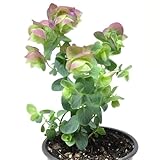
9. Ornamental Oregano – Best trailing companion for dianthus
- Plant Categories: Fragrant Plants
- Light Requirements: sun
Ornamental oregano distinguishes itself as a trailing companion for dianthus, producing cascading stems of tiny purple flowers and small, aromatic leaves that spill over container edges and wall tops. Unlike culinary oregano, ornamental varieties offer showy bracts that provide weeks of color from summer through autumn. Both plants share Mediterranean ancestry and thrive in hot, dry conditions with good drainage.
Grown alongside dianthus in containers, ornamental oregano softens edges and creates a romantic, cascading effect that enhances the overall composition. The trailing habit fills space effectively, preventing soil from showing and reducing weed emergence. Furthermore, the dried flower heads remain attractive through winter, extending garden interest.
Ornamental oregano attracts bees and butterflies while its aromatic foliage deters certain pests, offering practical benefits. Its reliable performance in containers makes it invaluable for patio plantings. Therefore, ornamental oregano delivers trailing beauty and container compatibility for dianthus arrangements.
Pros
- Cascading habit
- Container suited
- Prolific blooms
- Aromatic leaves
- Pest deterrence
- Winter interest
- Pollinator draw
Cons
- Frost tender
- Woody stems
- Limited hardiness
10. Geranium (Cranesbill) – Best mounding companion for dianthus

- For best results, plant in USDA Zone:5-8 - Mature size: 8-10in H x 18-24in W
- Plant is delivered in a #1 Size Container. It is fully rooted in the soil and can be planted immediately upon arrival, weather permitting.
Hardy geranium (cranesbill) performs as a mounding companion for dianthus, producing generous clusters of saucer-shaped flowers in shades of pink, purple, blue, or white above lobed, often scented foliage. The overlapping bloom periods ensure continuous color, with geraniums flowering from late spring through summer and dianthus repeating throughout. Both share preferences for sun and well-drained conditions.
Geranium’s mounding habit creates a full, rounded silhouette that contrasts effectively with dianthus’s neater form, while their diverse color palette offers endless design combinations. Positioning geraniums alongside dianthus produces a lush, abundant display reminiscent of cottage gardens. Moreover, geraniums require minimal care beyond occasional deadheading.
Many geranium species display attractive autumn foliage color, extending seasonal interest. Their dense growth suppresses weeds effectively, reducing maintenance demands. Therefore, hardy geranium delivers mounding form and prolonged floral display for dianthus plantings.
Pros
- Mounding habit
- Color diversity
- Prolonged bloom
- Autumn color
- Weed suppression
- Low demands
- Hardy nature
Cons
- Spreading potential
- Foliage decline
- Space requirements
7 Essential Strategies For Dianthus Companion Planting
- Prioritize drainage: Dianthus and its companions demand excellent drainage to prevent root rot. Amend heavy soils with grit or coarse sand before planting.
- Provide full sun: All recommended companions flourish in 6+ hours of direct sunlight. Avoid shaded positions that reduce flowering and increase disease susceptibility.
- Match mature dimensions: Place taller companions like lavender and salvia behind dianthus, with low-growers like thyme and candytuft in front for layered visibility.
- Align water needs: Select companions with similar moderate drought tolerance to avoid overwatering dianthus. Mediterranean herbs and succulents are ideal choices.
- Consider bloom succession: Combine early, mid, and late-season bloomers to maintain continuous garden color. Candytuft provides spring flowers, salvia and lavender cover summer, while sedum extends into autumn.
- Coordinate colors: Choose companions that either echo or contrast with dianthus hues. Silver foliage from lavender and rosemary creates striking backdrops for pink and red dianthus blossoms.
- Space appropriately: Allow adequate room for each plant to reach mature size without overcrowding. Overcrowded plantings increase disease risk and reduce flowering.
Frequently Asked Questions About Dianthus Companions
1. What grows well with dianthus?
Lavender, salvia, creeping thyme, rosemary, sedum, catmint, yarrow, candytuft, ornamental oregano, and hardy geranium all grow well with dianthus. These plants share similar cultural requirements and provide complementary forms, textures, and bloom times.
2. Can dianthus be planted with lavender?
Yes, lavender and dianthus are excellent companions. Both thrive in full sun with well-drained, alkaline soil and provide complementary forms and fragrances that enhance the garden experience.
3. What should I avoid planting near dianthus?
Avoid planting dianthus near moisture-loving plants like ferns, hostas, or impatiens that require frequent watering. Also avoid shade-loving plants that would be stressed by the full sun dianthus needs.
4. Are herbs good companions for dianthus?
Yes, Mediterranean herbs like lavender, rosemary, thyme, and oregano make excellent companions for dianthus. They share similar growing requirements and add culinary and aromatic value.
5. Can dianthus be grown in containers with companions?
Yes, dianthus thrives in containers with companions like ornamental oregano, creeping thyme, and sedum. Choose a container with excellent drainage and a well-draining potting mix.
6. What color companions look best with pink dianthus?
Blue and purple companions like lavender and salvia create stunning contrasts with pink dianthus. Silver foliage from rosemary and lavender provides elegant backdrops for pink blooms.
7. Do dianthus and sedum grow well together?
Yes, sedum and dianthus are excellent partners. Both prefer sunny, well-drained conditions and provide contrasting textures—sedum’s fleshy leaves against dianthus’s fine foliage—while sedum extends garden interest into autumn.
Conclusion
In conclusion, selecting the best companion plants for dianthus involves choosing species that share its preference for sunshine and sharp drainage while offering complementary forms, textures, and seasonal interest. Lavender emerges as the premier companion, providing aromatic purple spires and silvery foliage that harmonize with dianthus’s fringed blooms and blue-green leaves, while sharing identical cultural requirements.
Salvia serves as a worthy runner-up, contributing vertical flower spikes that create striking contrast and an extended blooming period that bridges dianthus’s flowering cycles. Both choices deliver exceptional visual appeal while simplifying garden maintenance through shared growing conditions.
For ground-hugging coverage, creeping thyme offers textural contrast and weed suppression. Drought-tolerant rosemary adds evergreen structure and culinary practicality. Succulent sedum extends seasonal interest into autumn, while early-blooming candytuft provides spring color. Trailing ornamental oregano excels in container plantings, and hardy geranium delivers full, mounding form.
Choose the companions that best match your specific garden setting, design aspirations, and maintenance preferences to create a stunning, cohesive display. Combine thoughtful plant selection with proper spacing and site preparation for the most effective, beautiful dianthus garden.