Plant with edible red stalks is a search driven by a very specific harvest: gardeners and foragers want stems that are red, tender, and safe to eat, not just red flowers or red fruit. Rhubarb is the plant most people picture, but dozens of species produce edible red stalks, from vegetable garden classics to wild edibles and aquatic crops.
Choosing an edible red-stalk plant depends on climate, growing space, and how the stalks are eaten. Some plants are grown as cool-season perennials, others as warm-season annuals, and some thrive in water or shade. Cooking method matters too, because some red stalks are tart and need sugar, while others are mild and eaten raw.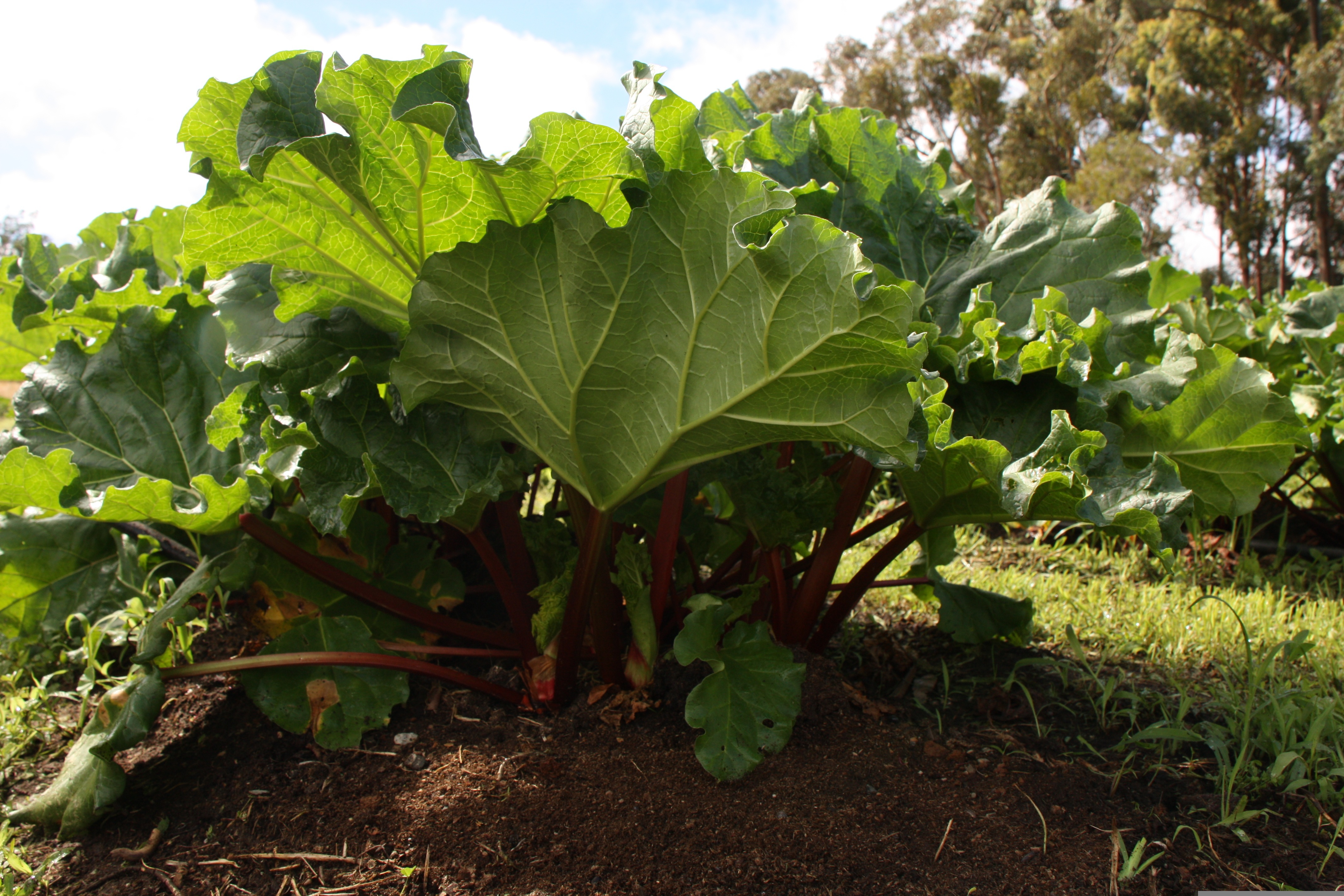
Edible red stalks appear in pies, jams, stir-fries, pickles, and salads, so selection must account for harvest season, plant lifespan, and any toxic lookalikes. Safety is critical: several plants with red stems are poisonous, so positive identification is essential before eating anything foraged.
In this guide, we review the 30 best plants with edible red stalks by examining growing conditions, harvest season, flavor, and how each stalk is prepared.
Plant With Edible Red Stalks: 30 Best Options
1. Rhubarb – Best Overall Plant With Edible Red Stalks
Rhubarb is the best overall plant with edible red stalks because it produces thick, tart crimson stems that are easy to harvest and excellent in pies, jams, and sauces. It is a hardy perennial that returns for years once established.

- Stalk Size: The thick, red stalks are best harvested in spring and early summer before flowering begins. The stalks are ideal for cooking, with a perfect balance of tartness that pairs well in various culinary uses.
- Long-Lasting Harvest: Once established, Victoria Rhubarb will provide a bountiful harvest every spring. The stalks can be harvested multiple times throughout the growing season, depending on the plant's maturity.
Growing is usually straightforward thanks to cold winters and rich, well-drained soil. Because the plant needs winter chill, it performs best in cooler climates. Only the stalks are eaten; the leaves contain oxalic acid and should never be consumed.
Rhubarb crowns from a reputable nursery are backed by live-arrival guarantees and work well for gardeners who want a dependable perennial red-stalk crop.
- Thick edible red stalks
- Hardy perennial
- Tart flavor for pies
- Returns for years
- Easy to harvest
- Cold hardy
- Large yields
- Leaves are toxic
- Needs winter chill
- Needs sugar to eat
2. Red Swiss Chard – Best Annual Edible Red Stalk
Red Swiss Chard produces vivid red stalks with dark green leaves and can be harvested repeatedly through the season. It is one of the easiest edible red stalks to grow and works in beds, containers, and ornamental borders.

- The Best Value - Organo Republic Swiss Chard Ruby Red Seeds Pack contains 3.75 g or 200 of Non-GMO heirloom swiss chard seeds. Ruby Red Swiss Chard (Beta vulgaris subsp. vulgaris) is known for its colorful stems and mild flavor, which makes this swiss chard variety the perfect addition to fresh vegetable salad or culinary creations.
- Innovative Swiss Chard Seeds Package - Organo Republic craft seed envelope protects greens seeds from sunlight and moisture. Allows secure storage for successful planting now or later. We prioritize sustainability to ensure environmental safety.
Growing is usually easy thanks to tolerance of cool weather and average soil. Because the plant regrows after cutting, it delivers multiple harvests. Stalks are cooked like asparagus, and leaves are used like spinach.
Red Swiss Chard from a reputable seed supplier is backed by germination guarantees and works well for gardeners who want a fast, reliable red-stalk crop.
- Bright red stalks
- Cut-and-come-again harvest
- Easy to grow
- Cool-season tolerant
- Ornamental value
- Works in containers
- Nutrient rich
- Biennial in mild climates
- Stalks need cooking
- Can get bitter in heat
3. Red Beets – Best Root Crop With Edible Red Stalks
Red Beets produce deep red stalks and stems that are edible along with the root. The greens are used like chard, and the stalks add color to salads and sautés.

- Classic sweet beetroot + greens, Detroit Dark Red, a dependable heirloom table beet (Beta vulgaris); deep red, round roots with strong tops; great for roasting, salads, pickling, and storage
- 250 seeds can produce about 30-90 LBS under good conditions. Great for roasting, salads, slicing, pickling, meal prep, and sautéed beet greens; ideal for raised beds, in-ground rows, and container gardens. Results vary with spacing, thinning, weather, and care.
Growing is usually easy thanks to cool-season tolerance and average soil. Because the plant matures quickly, it fits into succession planting. Stalks are best harvested young while tender.
Red Beet seeds from a reputable supplier are backed by germination guarantees and work well for gardeners who want both roots and edible stalks.
- Edible red stalks
- Edible greens
- Fast maturing
- Cool-season crop
- Nutrient rich
- Easy to grow
- Two harvests per plant
- Stalks stain hands
- Best when young
- Needs thinning
4. Red Celery – Best Aromatic Edible Red Stalk
Red Celery produces red-tinged stalks with the same crunch and flavor as green celery. It is used raw and cooked and adds color to salads and soups.

Growing is usually moderately easy thanks to consistent moisture and rich soil. Because the plant needs a long cool season, it performs best started indoors. Stalks are harvested whole or cut as needed.
Red Celery from a reputable seed supplier is backed by germination guarantees and works well for gardeners who want colorful celery.
- Red-tinged stalks
- Aromatic flavor
- Good raw or cooked
- Adds color to salads
- Crunchy texture
- Useful in soups
- Distinctive look
- Slow to start
- Needs consistent moisture
- Fussy about temperature
5. Red Orach – Best Cool-Season Red Stalk Green
Red Orach, also called mountain spinach, produces red stems and leaves that are eaten like spinach. It tolerates cool weather and adds color to salads and cooked dishes.

- Orach Seeds (French Spinach) - Red Fire - 1 g Packet ~250 Seeds - Atriplex hortensis
- Non-GMO - Heirloom - Open Pollinated - Premium Seeds - High Germination Rate
Growing is usually easy thanks to cold tolerance and average soil. Because the plant self-seeds, it returns year after year once established. Young stalks and leaves are the most tender.
Red Orach from a reputable seed supplier is backed by germination guarantees and works well for gardeners who want a cool-season red-stalk green.
- Red stems and leaves
- Cold tolerant
- Self-seeds
- Spinach substitute
- Fast growing
- Ornamental value
- Easy to grow
- Can spread
- Bolts in heat
- Best when young
6. Red Amaranth – Best Warm-Season Red Stalk
Red Amaranth produces red stems and leaves that are eaten as greens and grain. It grows quickly in warm weather and tolerates poor soil.

- HIGH YIELD FOOD CROP - Red Amaranth (Amaranthus tricolor) produces nutrient dense leafy greens and grain from one versatile plant; harvest young leaves for salads or mature seeds for long term food storage and self reliance
- FAST GROWING GREENS - Enjoy quick harvest microgreens in as little as 10 days or allow plants to mature for full sized red leaves; plant to enjoy a continuous harvest throughout the season
Growing is usually easy thanks to heat tolerance and average soil. Because the plant grows quickly, it fills space fast. Young leaves and stems are used like spinach.
Red Amaranth from a reputable seed supplier is backed by germination guarantees and works well for gardeners who want a warm-season red-stalk green.
- Red stems and leaves
- Heat tolerant
- Fast growing
- Edible seeds
- Tolerates poor soil
- Ornamental value
- Self-seeds
- Can spread
- Needs heat
- Can get tough when mature
7. Red Purslane – Best Succulent Edible Red Stalk
Red Purslane produces fleshy red stems and leaves with a mild, slightly sour flavor. It is eaten raw in salads and cooked in soups.

- ORNAMENTAL & EDIBLE: Our Scarlet Purslane seeds grow 3 - 4 inches tall in USDA Zones 3 - 10, developing in garden beds, borders, and containers. With succulent leaves and delicate scarlet flowers blooming from late spring to late summer, it attracts pollinators. This dual-purpose plant provides both ornamental beauty and edible greens, offering benefits for your garden.
- NUTRIENT-DENSE & VERSATILE PLANT: Purslane is packed with vitamins and minerals, making it a great addition to your garden. It’s perfect for fresh salads, smoothies, or cooked dishes, offering a healthy way to incorporate succulent greens into your meals.
Growing is usually easy thanks to drought tolerance and poor soil. Because the plant self-seeds readily, it returns each year. Young stems and leaves are the most tender.
Red Purslane from a reputable seed supplier is backed by germination guarantees and works well for gardeners who want a drought-tolerant edible red stalk.
- Fleshy red stems
- Drought tolerant
- Mild flavor
- Edible raw or cooked
- Self-seeds
- Grows in poor soil
- Omega 3 content
- Can spread aggressively
- Can be weedy
- Slimy when overcooked
8. Red Radish – Best Fast-Growing Edible Red Stalk
Red Radish produces red stems and leaves that are edible along with the root. The greens are used in salads and stir-fries, and the stems add crunch.

- 500+ non-GMO heirloom Cherry Belle radish seeds: These seeds are grown from heirloom Cherry Belle radishes, which are known for their crisp, sweet flavor and fast growing qualities. They are also non-GMO, so you can be sure that you are planting seeds that are safe for your family and the environment.
- Fast growing and round red radishes: Cherry Belle radishes are known for their fast growing speed. They can be harvested in as little as 20 days, making them a great choice for gardeners who want to enjoy fresh radishes in no time. Cherry Belle radishes are also round and red in color, which makes them visually appealing and a great addition to salads, sandwiches, and other dishes.
Growing is usually easy thanks to fast germination and cool-season tolerance. Because the plant matures in weeks, it fits into succession planting. Young stems and leaves are the most tender.
Red Radish from a reputable seed supplier is backed by germination guarantees and works well for gardeners who want a quick red-stalk harvest.
- Edible red stems
- Fast growing
- Edible greens
- Cool-season crop
- Easy to grow
- Good in salads
- Quick harvest
- Leaves can be prickly
- Bolts in heat
- Best when young
9. Red Leaf Lettuce – Best Tender Edible Red Stalk
Red Leaf Lettuce produces red-tinged stems and leaves that are eaten raw in salads. It is a cool-season crop that grows quickly and tolerates partial shade.

- Red Romaine lettuce seeds for planting in home gardens, raised beds, and containers.
- Heirloom, non-GMO lettuce seed packet packed by RDR Seeds.
Growing is usually easy thanks to cool-season tolerance and shallow roots. Because the plant matures quickly, it fits into succession planting. Stems and leaves are most tender when young.
Red Leaf Lettuce from a reputable seed supplier is backed by germination guarantees and works well for gardeners who want tender red-stem greens.
- Red-tinged stems
- Tender leaves
- Cool-season crop
- Tolerates partial shade
- Fast growing
- Good for salads
- Easy to grow
- Bolts in heat
- Short shelf life
- Needs consistent moisture
10. Red Mustard Greens – Best Spicy Edible Red Stalk
Red Mustard Greens produce red stems and leaves with a peppery flavor. They are eaten raw when young and cooked when mature.

- Mustard seeds garden seeds vegetable seeds bulk Mustard sprouts Microgreens
Growing is usually easy thanks to cool-season tolerance and fast growth. Because the plant matures quickly, it fits into succession planting. Young stems and leaves are the most tender.
Red Mustard Greens from a reputable seed supplier is backed by germination guarantees and works well for gardeners who want spicy red-stem greens.
- Red stems and leaves
- Spicy flavor
- Fast growing
- Cool-season crop
- Edible raw or cooked
- Ornamental value
- Easy to grow
- Bolts in heat
- Can be very spicy
- Best when young
11. Red Bok Choy – Best Asian Green With Edible Red Stalks
Red Bok Choy produces red-tinged stalks with spoon-shaped leaves. It is used in stir-fries and soups and matures quickly.

- This pak choi hybrid has a beautiful deep, dark purple top leaf and green with purple veins under leaf and green petioles. A uniform and easy to grow plant that is tender, mildly flavored, and can be harvested at any stage, microgreens, baby leaf or whole plants at full maturity.
- Bok choy can handle full sun, but it grows best in partial shade. It needs about 3-5 hours of sun each day.
Growing is usually easy thanks to cool-season tolerance and fast growth. Because the plant matures quickly, it fits into succession planting. Stalks and leaves are harvested together.
Red Bok Choy from a reputable seed supplier is backed by germination guarantees and works well for gardeners who want quick Asian greens.
- Red-tinged stalks
- Fast growing
- Cool-season crop
- Good in stir-fries
- Mild flavor
- Easy to grow
- Compact size
- Bolts in heat
- Short shelf life
- Needs consistent moisture
12. Red Kohlrabi – Best Edible Red Stems And Bulb
Red Kohlrabi produces red stems and a swollen red bulb that is eaten raw or cooked. It has a mild, sweet flavor and a crisp texture.

- Brassica Oleracea var. Gongylodes: These finest quality, non-GMO, organic Purple Vienna Kohlrabi seeds produce unique purple globes with mildly sweet, white, turnip-like flesh and tender greens that taste delicious raw or cooked.
- Kohlrabi & Friends: Kohlrabi grows well with beets, celery or cucumbers as companion plants.
Growing is usually easy thanks to cool-season tolerance and fast growth. Because the plant matures quickly, it fits into succession planting. Stems and bulb are harvested together.
Red Kohlrabi from a reputable seed supplier is backed by germination guarantees and works well for gardeners who want a colorful cool-season crop.
- Red stems and bulb
- Mild sweet flavor
- Crisp texture
- Fast growing
- Cool-season crop
- Edible raw or cooked
- Ornamental value
- Best when young
- Can get woody
- Needs consistent moisture
13. Red Cabbage – Best Edible Red Stems And Leaves
Red Cabbage produces red stems and leaves that are eaten raw in slaws and cooked in soups. The stems are edible but thicker than the leaves.

- Cabbage seeds garden seeds vegetable seeds bulk
Growing is usually easy thanks to cool-season tolerance and rich soil. Because the plant forms a large head, it needs space. Stems are best sliced thinly and cooked.
Red Cabbage from a reputable seed supplier is backed by germination guarantees and works well for gardeners who want a colorful brassica.
- Edible red stems
- Colorful leaves
- Cool-season crop
- Good for slaws
- Long storage life
- Nutrient rich
- Easy to grow
- Needs space
- Slow to mature
- Stems can be tough
14. Red Kale – Best Hardy Edible Red Stalk
Red Kale produces red-purple stems and leaves that are eaten raw when young and cooked when mature. It tolerates cold and improves in flavor after frost.

- Red Russian Kale Seeds for Planting - Red Russian Kale (Brassica napus var. pabularia) features dark green leaves with purple and red highlights with a mild, sweet flavor like broccoli stems
- Planting Tips: Plant ½ inch deep, spacing plants 12-18 inches apart with 24 inches between rows
Growing is usually easy thanks to cold tolerance and average soil. Because the plant regrows after cutting, it delivers multiple harvests. Young stems and leaves are the most tender.
Red Kale from a reputable seed supplier is backed by germination guarantees and works well for gardeners who want a hardy red-stem green.
- Red-purple stems
- Cold tolerant
- Cut-and-come-again harvest
- Improves after frost
- Nutrient rich
- Easy to grow
- Long harvest season
- Stems can be tough
- Can get bitter in heat
- Needs space
15. Red Collards – Best Southern Edible Red Stalk
Red Collards produce red stems and broad leaves that are cooked like traditional collards. They tolerate heat and cold and deliver a long harvest.

- Heat & Cold Tolerant — One of the most adaptable collard varieties available, thriving in both summer heat and cool fall temperatures down to light frost
- Huge, Flavorful Leaves — Dark green, slightly crumpled leaves grow large and juicy with a mild cabbage-like flavor that sweetens after frost exposure
Growing is usually easy thanks to heat and cold tolerance and average soil. Because the plant regrows after cutting, it delivers multiple harvests. Stems are best cooked until tender.
Red Collards from a reputable seed supplier is backed by germination guarantees and works well for gardeners who want a hardy red-stem green.
- Red stems and leaves
- Heat and cold tolerant
- Cut-and-come-again harvest
- Long harvest season
- Nutrient rich
- Easy to grow
- Traditional crop
- Stems need long cooking
- Needs space
- Can get tough when mature
16. Red Spinach (Amaranthus) – Best Warm-Season Red Stalk Green
Red Spinach, also called Chinese spinach, produces red stems and leaves that are eaten like spinach. It grows quickly in warm weather.

- Premium Heirloom Red Amaranth Seeds – High-quality, non-GMO vegetable seeds with vibrant garnet leaves that add color and nutrition to your garden and meals. Asian vegetable seeds. This lovely amaranth is a versatile vegetable, grain, or ornamental. The young leaves are a colorful addition to any salad and an excellent spinach substitute. A source for red dye.
- Versatile Growing Options – Ideal for outdoor planting in raised beds, containers, or indoor trays for microgreens and baby leaves in warm weather. Amaranth red garnet microgreens seeds for planting or microgreens. Sow and grown your own outdoor or indoor herb garden with these arugula seeds, from garden to your kitchen ingredients
Growing is usually easy thanks to heat tolerance and fast growth. Because the plant matures quickly, it fits into succession planting. Young stems and leaves are the most tender.
Red Spinach from a reputable seed supplier is backed by germination guarantees and works well for gardeners who want warm-season red-stem greens.
- Red stems and leaves
- Heat tolerant
- Fast growing
- Spinach substitute
- Easy to grow
- Good in stir-fries
- Self-seeds
- Can spread
- Can get tough when mature
- Needs heat
17. Red Sorrel – Best Tart Edible Red Stalk
Red Sorrel produces red-tinged stems and leaves with a tart, lemony flavor. It is used in soups, sauces, and salads.

- Blood-Veined Sorrel is an old heirloom leafy-herb that has become more common these days in salad mixes sold at the grocery. You can always spot it by the distinct, red veins. It has a tangy, lemon-like flavor that really adds a lot of interesting flavor to your salads. Sorrel has been grown by European cultures since the pre-Roman days.
Growing is usually easy thanks to cold tolerance and average soil. Because the plant is a perennial, it returns each year. Young stems and leaves are the most tender.
Red Sorrel from a reputable seed supplier is backed by germination guarantees and works well for gardeners who want a tart red-stem herb.
- Red-tinged stems
- Tart lemony flavor
- Perennial
- Cold tolerant
- Good in soups
- Easy to grow
- Long harvest season
- Can spread
- Tart flavor is strong
- Bolts in heat
18. Red Watercress – Best Aquatic Edible Red Stalk
Red Watercress produces red-tinged stems and leaves with a peppery flavor. It grows in shallow water and is used in salads and soups.

- Beautiful - Full color packet of Watercress (Nasturtium officinale). This peppery perennial grows naturally along the banks of slow-moving streams. The dime-sized leaves are power-packed with vitamins and will enhance the flavor of your salads, smoothies, and sandwiches. Minimum of 500mg per packet (about 2700 seeds).
- Productive - Watercress germinates in 8-15 days when soil temps are 60-70°F. Plant 1/4” deep and space 8” apart in an area with full sun or partial shade. This variety will grow 6-10” tall with a spread of 6-8”. This variety will mature in 25-40 days, plant in USDA zones 3-11.
Growing is usually easy thanks to shallow water and partial shade. Because the plant grows quickly, it delivers repeated harvests. Young stems and leaves are the most tender.
Red Watercress from a reputable seed supplier is backed by germination guarantees and works well for gardeners with a pond or stream.
- Red-tinged stems
- Peppery flavor
- Grows in water
- Repeated harvests
- Fast growing
- Good in salads
- Partial shade tolerant
- Needs clean water
- Can spread
- Fussy about flow
19. Red Stemmed Taro – Best Tropical Edible Red Stalk
Red Stemmed Taro produces red stems and large leaves that are eaten cooked. It is a tropical crop that needs warmth and moisture.

- Colocasia Elephant Ears Live Plant, Alocasia Plant, Esculenta Taro Live Houseplant, 5-7 Inc Tall
- Zones 8-11.
Growing is usually easy thanks to warmth and consistent moisture. Because the plant grows quickly, it delivers repeated harvests. Stems and leaves must be cooked to destroy oxalates.
Red Stemmed Taro from a reputable nursery is backed by live-arrival guarantees and works well for gardeners in warm climates.
- Red stems
- Large edible leaves
- Fast growing
- Tropical look
- Repeated harvests
- Good in stews
- Ornamental value
- Must be cooked
- Needs warmth
- Needs constant moisture
20. Red Stemmed Malabar Spinach – Best Heat-Loving Red Vine
Red Stemmed Malabar Spinach is a climbing vine with red stems and fleshy leaves eaten like spinach. It thrives in heat and produces over a long season.

- FRESH GREENS IN AUGUST HEAT: By July your regular spinach has bolted and turned bitter. Red Malabar spinach is just getting started, climbing your trellis in glossy green leaves on bright red stems and giving you fresh greens until frost
- A SPINACH THAT LOVES SUMMER: Malabar is not true spinach. It is a tropical vine (Basella rubra) that thrives in the hot, humid weather that ends cool-season greens, so you can keep picking tender, heart-shaped leaves all summer long.
Growing is usually easy thanks to heat tolerance and fast growth. Because the plant is a vine, it needs a trellis. Young stems and leaves are the most tender.
Red Malabar Spinach from a reputable seed supplier is backed by germination guarantees and works well for gardeners who want a heat-loving red-stem green.
- Red stems
- Heat tolerant
- Fast growing
- Long harvest season
- Climbing habit
- Fleshy leaves
- Good in stir-fries
- Needs trellis
- Can spread
- Slimy texture
21. Red Stemmed Huckleberry – Best Wild Edible Red Stalk
Red Stemmed Huckleberry produces red stems and edible berries. The young stems are sometimes used in teas, and the berries are eaten fresh or cooked.

- LIVE RED HUCKLEBERRY PLANT: Receive one live Vaccinium parvifolium plant, a native species known for its delicate pink berries.
- ADVANCED GROWERS ONLY: This species is notoriously difficult to cultivate and is not recommended for beginners or casual gardeners.
Growing is usually moderate thanks to acidic soil and partial shade. Because the plant is a woodland shrub, it performs best in dappled light. Berries are the main harvest.
Red Huckleberry from a reputable nursery is backed by live-arrival guarantees and works well for gardeners who want a native woodland edible.
- Red stems
- Edible berries
- Native shrub
- Tolerates shade
- Wildlife value
- Ornamental value
- Long-lived
- Needs acidic soil
- Slow to establish
- Berries are main harvest
22. Red Stemmed Dogwood (Edible Berries) – Best Ornamental Red Stalk Shrub
Red Stemmed Dogwood is grown mainly for its bright red winter stems, but it also produces small edible berries. The berries are used in jams and jellies.

- For sale are 5 Red Twig Dogwood plants that are approximately 6-12" tall
- SPECTACULAR WINTER DRAMA - Brilliant crimson-red stems create a stunning visual impact against winter snow and dreary landscapes, turning the coldest season into your garden's most striking display
Growing is usually easy thanks to average soil and full sun to partial shade. Because the plant is grown for stems, it is pruned hard in spring. Berries are best cooked.
Red Stemmed Dogwood from a reputable nursery is backed by live-arrival guarantees and works well for gardeners who want winter color and edible fruit.
- Bright red stems
- Edible berries
- Winter interest
- Cold hardy
- Easy to grow
- Wildlife value
- Good for hedges
- Berries are bitter raw
- Stems are not eaten
- Needs pruning for color
23. Red Stemmed Elderberry – Best Wild Edible Red Stalk Shrub
Red Stemmed Elderberry produces red stems and clusters of small berries used in syrups, jams, and wines. The berries must be cooked before eating.

- Red Elderberry Seeds for Planting: Grow beautiful native shrubs covered with fragrant white flower clusters followed by brilliant red berry clusters that brighten landscapes while supporting birds and beneficial wildlife. Ideal for native gardens, woodland borders, wildlife habitats, flowering hedges, restoration projects, and naturalized landscapes with outstanding four-season beauty.
- Fragrant flowers followed by colorful berry clusters: Creamy white flower clusters bloom in spring before developing brilliant red berries that create spectacular seasonal displays. Mature shrubs typically grow 8 to 20 feet tall with an upright, rounded habit that adds texture, color, and structure to the landscape.
Growing is usually easy thanks to moist soil and partial shade. Because the plant is a woodland shrub, it performs best in dappled light. Berries are the main harvest.
Red Elderberry from a reputable nursery is backed by live-arrival guarantees and works well for gardeners who want a native edible shrub.
- Red stems
- Edible berries when cooked
- Native shrub
- Tolerates shade
- Wildlife value
- Good for jams
- Fast growing
- Berries must be cooked
- Toxic raw parts
- Can spread
24. Red Stemmed Raspberry – Best Edible Red Cane
Red Stemmed Raspberry produces red canes and edible berries. The young canes are sometimes used in teas, and the berries are eaten fresh or cooked.

- Sweet-Tart Red Raspberries: Heritage Everbearing Raspberry (Rubus idaeus 'Heritage') produces attractive, firm, juicy red berries with a balanced sweet-tart flavor. The fruit is excellent for fresh eating, homemade jams, pies, sauces, smoothies, baking, and freezing for later use.
- Summer And Fall Harvest Potential: Heritage is a primocane-fruiting raspberry that produces berries on new canes in late summer through fall. With proper selective pruning, overwintered second-year canes can also produce an earlier summer harvest, allowing two seasonal picking periods.
Growing is usually easy thanks to full sun and well-drained soil. Because the plant spreads by runners, it fills space quickly. Berries are the main harvest.
Red Raspberry from a reputable nursery is backed by live-arrival guarantees and works well for gardeners who want edible red canes and fruit.
- Red canes
- Edible berries
- Fast growing
- Spreads readily
- Good for jams
- Wildlife value
- Long harvest season
- Thorns
- Can spread aggressively
- Needs pruning
25. Red Stemmed Currant – Best Tart Edible Red Stalk Shrub
Red Stemmed Currant produces red stems and tart berries used in jams, jellies, and sauces. The shrub tolerates partial shade.

- For sale is a Red Lake Currant plant that is approximately 6-12" tall
- HEAVY CROPS OF RUBY BERRIES - Long, dangling strigs of bright red currants ripen every summer and are easy to harvest by the handful
Growing is usually easy thanks to average soil and partial shade. Because the plant is a shrub, it returns each year. Berries are the main harvest.
Red Currant from a reputable nursery is backed by live-arrival guarantees and works well for gardeners who want tart edible fruit.
- Red stems
- Tart edible berries
- Tolerates partial shade
- Cold hardy
- Good for jams
- Wildlife value
- Long-lived
- Berries are tart
- Needs pruning
- Birds compete for fruit
26. Red Stemmed Gooseberry – Best Edible Red Stalk Shrub
Red Stemmed Gooseberry produces red stems and tart berries used in pies, jams, and sauces. The shrub tolerates partial shade and cold.

- 🍒 DELICIOUS HOMEGROWN FRUIT Produces flavorful red gooseberries with a perfect balance of sweet and tart—great for fresh eating, jams, and baking. Plants ship dormant, no fruits or leafs growing yet.
- 🌿 HARDY & EASY TO GROW Cold-hardy fruit bushes that thrive in a variety of climates and soil types with minimal maintenance
Growing is usually easy thanks to average soil and partial shade. Because the plant is a shrub, it returns each year. Berries are the main harvest.
Red Gooseberry from a reputable nursery is backed by live-arrival guarantees and works well for gardeners who want tart edible fruit.
- Red stems
- Tart edible berries
- Tolerates partial shade
- Cold hardy
- Good for pies
- Wildlife value
- Long-lived
- Thorns
- Berries are tart
- Needs pruning
27. Red Stemmed Chives – Best Edible Red Stem Herb
Red Stemmed Chives produce red-tinged stems and mild onion-flavored leaves. They are used fresh in salads, soups, and garnishes.

- Easy to Grow: Originally developed in Louisiana, but easy to grow almost anywhere, Red Creole Onions are small and globe-shaped. They're short day onions that will begin to develop bulbs when the day length reaches 10-12 hours.
- Grow Indoors or Out: These onions thrive greenhouses, gardens, raised beds, or pots; and store exceptionally well once harvested and cured.
Growing is usually easy thanks to average soil and full sun to partial shade. Because the plant is a perennial, it returns each year. Stems and leaves are harvested by cutting.
Red Stemmed Chives from a reputable seed supplier is backed by germination guarantees and works well for gardeners who want a colorful herb.
- Red-tinged stems
- Mild onion flavor
- Perennial
- Easy to grow
- Good in salads
- Attracts pollinators
- Cut-and-come-again harvest
- Small harvest
- Can spread
- Needs division every few years
28. Red Stemmed Purslane (Ornamental Types) – Best Edible Red Stem Succulent
Ornamental Red Stemmed Purslane produces red stems and colorful flowers along with edible leaves and stems. It is used raw in salads and cooked in soups.
- ORNAMENTAL & EDIBLE: Our Scarlet Purslane seeds grow 3 - 4 inches tall in USDA Zones 3 - 10, developing in garden beds, borders, and containers. With succulent leaves and delicate scarlet flowers blooming from late spring to late summer, it attracts pollinators. This dual-purpose plant provides both ornamental beauty and edible greens, offering benefits for your garden.
- NUTRIENT-DENSE & VERSATILE PLANT: Purslane is packed with vitamins and minerals, making it a great addition to your garden. It’s perfect for fresh salads, smoothies, or cooked dishes, offering a healthy way to incorporate succulent greens into your meals.
Growing is usually easy thanks to drought tolerance and poor soil. Because the plant self-seeds readily, it returns each year. Young stems and leaves are the most tender.
Ornamental Red Purslane from a reputable seed supplier is backed by germination guarantees and works well for gardeners who want color and an edible harvest.
- Red stems
- Colorful flowers
- Drought tolerant
- Edible leaves and stems
- Self-seeds
- Easy to grow
- Ornamental value
- Can spread aggressively
- Can be weedy
- Slimy when overcooked
29. Red Stemmed Miner’s Lettuce – Best Wild Edible Red Stalk
Red Stemmed Miner’s Lettuce produces red stems and tender leaves eaten raw in salads. It grows in cool, moist shade and is a common wild edible.

Growing is usually easy thanks to cool, moist shade and average soil. Because the plant self-seeds, it returns each year. Young stems and leaves are the most tender.
Miner’s Lettuce from a reputable seed supplier is backed by germination guarantees and works well for gardeners who want a wild edible green.
- Red stems
- Tender edible leaves
- Tolerates shade
- Cool-season crop
- Self-seeds
- Easy to grow
- Wild edible
- Short season
- Needs moisture
- Bolts in heat
30. Red Stemmed Garlic Chives – Best Edible Red Stem Allium
Red Stemmed Garlic Chives produce red-tinged stems and flat leaves with a mild garlic flavor. They are used fresh in salads, soups, and stir-fries.

- Large, Firm Garlic Cloves for Planting. Each bulb produces thick, well-formed garlic cloves that separate cleanly. Customers consistently mention the firm texture and size, making these garlic seeds for planting easy to handle and space evenly.
- Cold Hardy Hardneck Variety. These hardneck garlic bulbs for planting are well suited for fall planting in colder regions. Growers in northern climates report reliable overwintering and strong spring emergence.
Growing is usually easy thanks to average soil and full sun. Because the plant is a perennial, it returns each year. Stems and leaves are harvested by cutting.
Red Stemmed Garlic Chives from a reputable seed supplier is backed by germination guarantees and works well for gardeners who want a colorful allium herb.
- Red-tinged stems
- Mild garlic flavor
- Perennial
- Easy to grow
- Cut-and-come-again harvest
- Attracts pollinators
- Good in stir-fries
- Can spread
- Needs division
- Short harvest window
Tips For Choosing A Plant With Edible Red Stalks
- Identify before eating: Several plants with red stems are toxic. Never eat a foraged red-stalk plant unless you are certain of its identity.
- Cook where required: Rhubarb leaves, taro, and elderberry must be handled correctly. Rhubarb leaves are toxic, taro must be cooked, and elderberries must be cooked before eating.
- Harvest young and tender: Stems get tough and woody with age. Pick young stalks for the best texture.
- Match the plant to your climate: Rhubarb and kale need cool weather, while amaranth, Malabar spinach, and taro need heat.
- Cut and come again: Chard, kale, collards, and chives regrow after cutting, delivering multiple harvests from one planting.
- Watch for spreading: Purslane, amaranth, and raspberries can take over a bed. Contain them or harvest aggressively.
- Use stalks and leaves differently: Some plants have edible stalks but toxic leaves, while others have both edible. Know which parts are safe.
Frequently Asked Questions
1. What is the best plant with edible red stalks?
Rhubarb is the best overall plant with edible red stalks because it produces thick, tart crimson stems that are excellent in pies and jams. Red Swiss chard follows closely as an easy annual red-stalk crop.
2. Are rhubarb leaves edible?
No. Rhubarb leaves contain high levels of oxalic acid and should never be eaten. Only the stalks are edible.
3. Which edible red stalks can be eaten raw?
Red celery, red leaf lettuce, red radish stems, purslane, miner’s lettuce, and chives can be eaten raw. Rhubarb, taro, and elderberry require cooking or careful handling.
4. What edible plant has red stems and green leaves?
Red Swiss chard, red beets, red amaranth, red orach, and red Malabar spinach all have red stems with green leaves. All are edible, though preparation differs.
5. Is red purslane edible?
Yes. Red purslane has fleshy edible stems and leaves with a mild, slightly sour flavor. It can be eaten raw in salads or cooked in soups.
6. Which red-stem plants are toxic?
Some plants with red stems are poisonous, including pokeweed and some ornamental red-stemmed species. Always identify a plant positively before eating any part of it.
7. Can I grow edible red stalks in containers?
Yes. Red Swiss chard, red leaf lettuce, red radish, red bok choy, and red stemmed chives all grow well in containers. Choose pots with drainage and consistent moisture.
Conclusion
Rhubarb is the best overall plant with edible red stalks because it produces thick, tart crimson stems that are excellent in pies and jams. Red Swiss chard follows closely as an easy annual red-stalk crop with repeated harvests.
For cool-season gardens, red beets, red celery, red orach, red kale, and red collards deliver colorful stems and dependable harvests. Warm-season options like red amaranth, red Malabar spinach, and red taro thrive in heat. Wild and shrub options like red huckleberry, red currant, and red gooseberry add edible fruit alongside red stems.
Safe harvest depends on positive identification, cooking where required, harvesting young stems, and knowing which plant parts are edible. Proper selection and care deliver colorful, productive red-stalk harvests season after season.
Start with one or two easy crops this season, confirm safe identification before eating anything foraged, and plan for succession planting. Consistent care delivers edible red stalks from spring through fall.