Plants with omega 3 fatty acids solve a common nutrition problem: most people know fish is the best source of omega 3s, but vegetarians, vegans, and anyone who dislikes seafood still need these essential fats. Plant sources deliver alpha-linolenic acid (ALA), which the body converts to EPA and DHA at a limited rate, so choosing the richest plant sources matters.
Selecting plant sources of omega 3s depends on diet, cooking habits, and how much ALA the body can convert. Seeds and nuts are the most concentrated sources, while leafy greens and legumes contribute smaller amounts. Whole foods also bring fiber, protein, and minerals that supplements lack.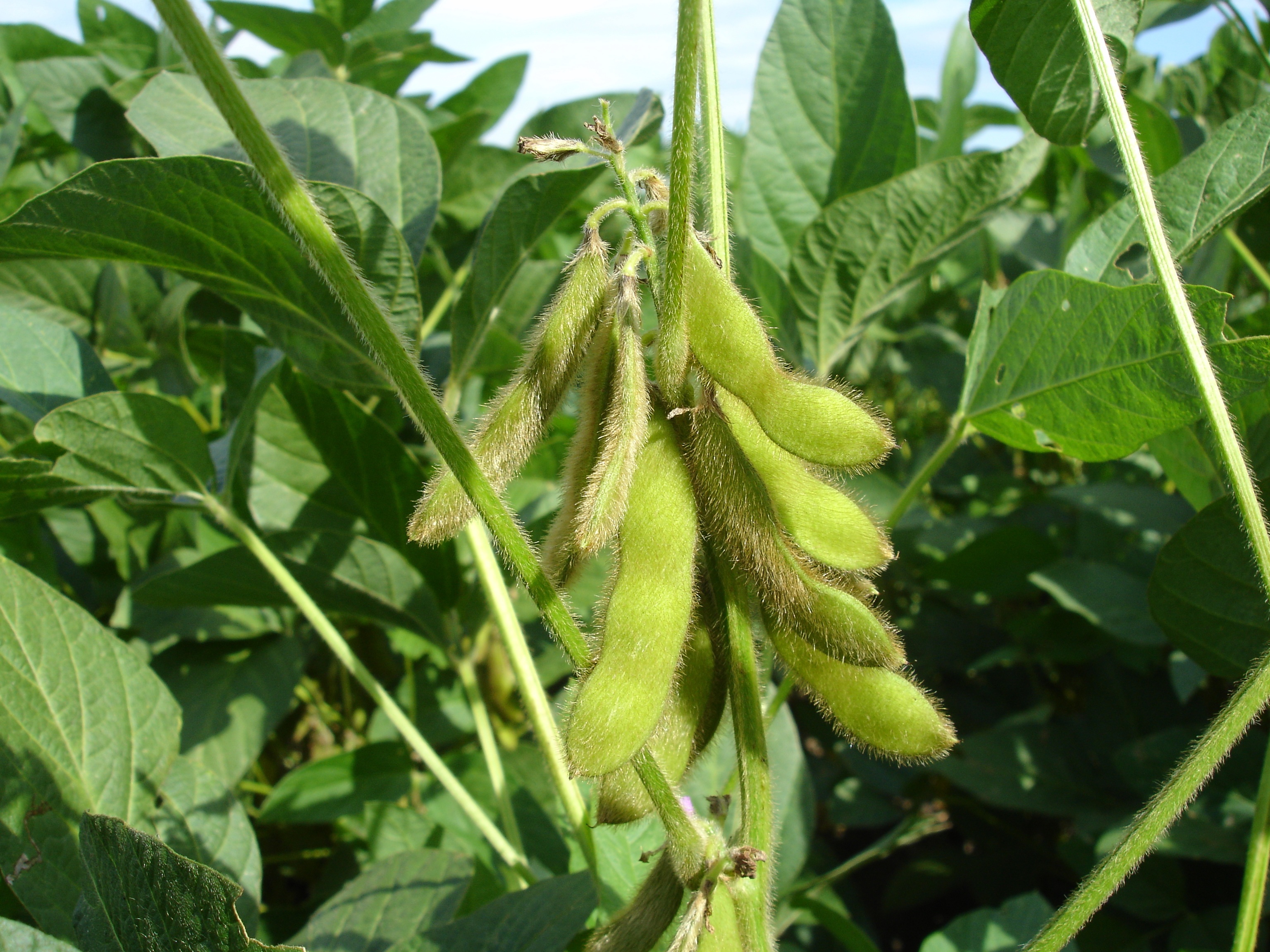
Omega 3 plant sources are used in smoothies, salads, baking, and cooking oils, so selection must account for shelf life, flavor, and how the food is prepared. Flax and chia are versatile, walnuts are easy snacks, and hemp seeds add protein alongside fat.
In this guide, we review the 10 best plants with omega 3 fatty acids by examining ALA content, serving size, storage needs, and how to use each food for reliable nutrition.
Plants With Omega 3 Fatty Acids: 10 Best Sources
1. Flaxseed – Best Overall Plant Source Of Omega 3 Fatty Acids
Flaxseed is the best overall plant source of omega 3 fatty acids because it delivers one of the highest ALA concentrations of any whole food. A single tablespoon of ground flaxseed provides roughly 1.6 grams of ALA, and the seed also adds fiber and lignans.

- Certified Organic & Non-GMO: Enjoy premium quality ground flax seed that is USDA Certified Organic and no additives
- Rich in Fiber & Omega-3s: A nutritious superfood packed with dietary fiber and essential Omega-3 fatty acids to support digestive and heart health

Use is usually simple thanks to ground flaxseed mixing into oatmeal, smoothies, and baked goods without changing flavor much. Because whole seeds pass through the body undigested, grinding is essential for absorption. Storing ground flax in the refrigerator prevents the oils from going rancid.
Ground flaxseed from a reputable supplier is backed by quality guarantees and works well for anyone who wants a concentrated, inexpensive plant omega 3 source.
- High ALA content
- Inexpensive
- Adds fiber and lignans
- Mixes into many foods
- Widely available
- Long shelf life when whole
- Supports heart health
- Must be ground to absorb
- Ground seed goes rancid quickly
- Needs refrigeration
2. Chia Seeds – Best Easy-To-Use Omega 3 Seed
Chia seeds are an easy-to-use omega 3 source that requires no grinding. A one-ounce serving delivers about 5 grams of ALA, and the seeds gel in liquid, making them useful for puddings and jams.

- Little Seeds, Big Eats: BetterBody Foods Organic Chia Seeds are an easy way to add fiber, omega-3s, and plant-based protein to your favorite foods. Stir them into smoothies, sprinkle them over oatmeal or yogurt, or use them in baking
- An Excellent Source of Fiber: Each serving delivers 10g of fiber, which helps support healthy digestion and a balanced diet. With 5g of omega-3s and 5g of protein per serving, a small scoop goes a long way
Use is usually simple thanks to chia seeds absorbing liquid and thickening without cooking. Because the seeds store well at room temperature and hold their nutrients, they are convenient for travel and meal prep. They add fiber and protein alongside fat.
Chia seeds from a reputable supplier are backed by quality guarantees and work well for anyone who wants a shelf-stable plant omega 3 source.
- High ALA content
- No grinding needed
- Shelf-stable
- Adds fiber and protein
- Thickens liquids
- Easy for travel
- Mild flavor
- Gel texture bothers some people
- Can be pricey
- Needs liquid to activate
3. Walnuts – Best Whole-Food Omega 3 Snack
Walnuts are the best whole-food omega 3 snack because they deliver about 2.5 grams of ALA per ounce and require no preparation. They also provide protein, fiber, and antioxidants.

- One 40 ounce bag of Walnut Halves & Pieces
- Some of your favorite Happy Belly products are now part of the Amazon Grocery brand! Although packaging may vary during the transition, the ingredients and product remain the same. Thank you for your continued trust in our brands
Use is usually simple thanks to walnuts eating straight from the bag or adding crunch to salads and baked goods. Because the fats are fragile, storing walnuts in the refrigerator or freezer keeps them fresh longer. They pair well with fruit and yogurt.
Walnuts from a reputable supplier are backed by quality guarantees and work well for anyone who wants a portable plant omega 3 source.
- Good ALA content
- No preparation needed
- Portable snack
- Adds protein and fiber
- Antioxidants
- Versatile in recipes
- Widely available
- Calorie dense
- Can go rancid if stored warm
- Allergy concerns
4. Hemp Seeds – Best Omega 3 Source With Complete Protein
Hemp seeds are a balanced omega 3 source that also delivers complete protein. A three-tablespoon serving provides about 2.5 grams of ALA along with all essential amino acids.

- ORGANIC HEMP SEEDS ARE A PROTEIN-PACKED SUPERFOOD: With 10g of plant protein per serving, Hemp Hearts have two times more protein than chia or flax. These super seeds also offer 12g Omegas 3 & 6 and only 1g of carbs per serving
- ESSENTIAL VITAMINS & MINERALS: Hemp is a super seed packed with plant-based protein, healthy fats and other vital nutrients. Hemp Hearts are an excellent source of Iron, Niacin, Thiamine, Phosphorus, Magnesium, Manganese, Copper, and Zinc. Zinc contributes to the normal function of the immune system. Hemp Hearts are also a good source of Vitamin B6 and Folate.
Use is usually simple thanks to hemp seeds sprinkling over yogurt, salads, and smoothies with a mild nutty flavor. Because the seeds are soft, they need no grinding. Storing them in the refrigerator keeps the fats fresh.
Hemp seeds from a reputable supplier are backed by quality guarantees and work well for anyone who wants protein and omega 3s in one food.
- Balanced omega 3 and 6
- Complete protein
- No grinding needed
- Mild nutty flavor
- Sprinkles easily
- Adds minerals
- Good for smoothies
- Can be pricey
- Needs refrigeration after opening
- Short shelf life
5. Perilla Oil – Best Concentrated Omega 3 Cooking Oil
Perilla oil is one of the most concentrated plant sources of ALA, with roughly 54 percent omega 3 content. It is used as a finishing oil in Korean cooking and delivers a high dose in small amounts.

- NICE WITCH's raw perilla oil is extracted by cold-pressing the perilla seeds just once, after they are thoroughly washed without being roasted.
- What is Raw Perilla Oil? Raw perilla oil is made by pressing perilla seeds to extract the oil, retaining the natural nutty flavor and nutrients of the seeds. Perilla oil is a traditional cooking oil commonly used in Korean cuisine, and raw perilla oil refers to oil that is extracted from fresh perilla seeds without heating. Because it is not heated, the nutrients are preserved, making it a healthier option for consumption.
Use is usually simple thanks to perilla oil drizzling over finished dishes, dressings, and dips. Because the oil is fragile, it should not be used for high-heat frying and must be stored cold and dark. A little goes a long way.
Perilla oil from a reputable supplier is backed by quality guarantees and works well for anyone who wants a concentrated plant omega 3 source.
- Very high ALA content
- Small serving delivers a lot
- Adds flavor to dishes
- Good for dressings
- Concentrated source
- Plant based
- Useful for low-volume diets
- Not for high heat
- Goes rancid quickly
- Strong flavor
6. Flaxseed Oil – Best Liquid Omega 3 Supplement
Flaxseed oil is a liquid omega 3 supplement that delivers about 7 grams of ALA per tablespoon. It is useful for anyone who wants a concentrated dose without eating seeds.

- Extra strength flaxseed oil softgels formulated with 700 mg of Omega-3 to help support a healthy heart
- Nature Made Flaxseed Oil 1400 mg Softgels contain organic Flaxseed oil, which is a fish free source of ALA (alpha-linolenic acid) Omega-3
Use is usually simple thanks to flaxseed oil mixing into smoothies, dressings, and cold dishes. Because the oil is highly perishable, it must be refrigerated and used within weeks of opening. It should never be heated.
Flaxseed oil from a reputable supplier is backed by quality guarantees and works well for anyone who wants a liquid plant omega 3 source.
- High ALA content
- Easy to measure
- Mixes into cold dishes
- Concentrated dose
- Plant based
- Good for smoothies
- No grinding needed
- Highly perishable
- Must be refrigerated
- Not for cooking
7. Soybeans – Best Whole-Food Legume Omega 3 Source
Soybeans are a whole-food legume that provides ALA along with complete protein. A half-cup serving of cooked soybeans delivers about 0.5 grams of ALA, and tofu and edamame offer similar benefits.

- VEGAN OMEGA 3 | Sourced from sustainable Algae Oil providing 1020mg of heart healthy Omega-3's per serving.
- PREMIUM QUALITY | The Only vegan omega-3 encapsulated in plant-based Tapioca Softgel with NO carrageenan (seaweed extract).
Use is usually simple thanks to soybeans working in soups, salads, and stir-fries. Because soy is a complete protein, it supports muscle and provides omega 3s in the same food. Edamame makes an easy snack.
Soybeans from a reputable supplier are backed by quality guarantees and work well for anyone who wants protein and omega 3s together.
- Complete protein
- Provides ALA
- Versatile in cooking
- Widely available
- Adds fiber
- Edamame is easy snack
- Inexpensive
- Lower ALA than seeds
- Soy allergy concerns
- Needs cooking
8. Brussels Sprouts – Best Vegetable Omega 3 Source
Brussels sprouts are a vegetable omega 3 source that delivers ALA alongside fiber and vitamin K. A one-cup serving provides roughly 0.3 grams of ALA, and roasting makes them easy to eat regularly.

- 3 HEIRLOOM VARIETIES – Red, Catskill, and Long Island Improved Brussels sprouts seeds for planting, open-pollinated heirloom vegetables grown for generations, botanical name Brassica oleracea var. gemmifera
- UNIQUE PURPLE SPROUTS – Red Brussels sprouts bring striking color and rich flavor, adding interest to garden beds and a unique harvest for fresh or roasted dishes
Use is usually simple thanks to Brussels sprouts roasting, steaming, or shredding into salads. Because they are a whole vegetable, they add volume and nutrients along with omega 3s. Pairing with a fat source improves absorption of fat-soluble vitamins.
Brussels sprouts from a reputable supplier are backed by quality guarantees and work well for anyone who wants vegetables with omega 3s.
- Provides ALA
- High in fiber
- Vitamin K rich
- Versatile cooking
- Whole food
- Widely available
- Low calorie
- Low ALA compared to seeds
- Needs cooking
- Some dislike the flavor
9. Spinach – Best Leafy Green Omega 3 Source
Spinach is a leafy green omega 3 source that delivers ALA along with iron, folate, and vitamin K. A one-cup serving provides a small but useful amount of ALA, and raw or cooked spinach fits into many meals.

- CONCENTRATED OMEGA-3 SUPPLEMENT (2) Each softgel delivers 1,000 mg of algae oil; providing 520 mg of omega-3 fatty acids and 510 mg of EPA and DHA for overall health and wellness (1)
- CONVENIENT ONE-SOFTGEL DAILY DOSE Simplify your daily routine with our softgel that delivers the advantages of fish oil omega-3 supplements; without the fish; in just one capsule
Use is usually simple thanks to spinach working in salads, smoothies, and cooked dishes. Because the leaves are tender, they cook quickly and retain nutrients. Pairing with a fat source improves absorption of fat-soluble vitamins.
Spinach from a reputable supplier is backed by quality guarantees and works well for anyone who wants greens with omega 3s.
- Provides ALA
- Iron and folate
- Vitamin K rich
- Versatile in meals
- Low calorie
- Widely available
- Good in smoothies
- Low ALA compared to seeds
- Needs large servings
- Oxalates in raw leaves
10. Kidney Beans – Best Legume Omega 3 Source For Meals
Kidney beans are a legume omega 3 source that delivers ALA along with protein and fiber. A half-cup serving provides a small amount of ALA, and beans work in soups, salads, and chili.

- Kidney Shield unquestionably provides the most advanced support for normal Kidney function and is a quality kidney supplement available for kidney support! Kidney Shield contains the most renal supporting supplement on the planet for supporting normal kidney health and function … immediately and for your long-term kidney health.
- It's a unique blend of high absorbing Omega 3 fatty acids the kidneys love and even professionals agree it's a top supplement for revitalizing and supporting normal renal health. The right blend of molecular distilled (purified for zero junk) Omega 3 essential fatty acids for supporting kidney health and renal health, reduce kidney junk in your body and this is helpful no matter what is happening!
Use is usually simple thanks to kidney beans working in many savory dishes. Because they are high in fiber and protein, they support satiety and steady energy. Canned beans make preparation quick.
Kidney beans from a reputable supplier are backed by quality guarantees and work well for anyone who wants plant protein and omega 3s together.
- Provides ALA
- High in fiber
- Protein rich
- Inexpensive
- Versatile in cooking
- Widely available
- Supports satiety
- Low ALA compared to seeds
- Needs cooking
- Can cause gas
Tips For Choosing Plants With Omega 3 Fatty Acids
- Focus on ALA-rich seeds: Flaxseed, chia, and hemp seeds deliver the most ALA per serving and are the easiest plant sources to add daily.
- Grind flaxseed: Whole flaxseed passes through undigested. Grind it fresh and store it cold to preserve the fragile oils.
- Store oils cold and dark: Flaxseed and perilla oil go rancid quickly. Keep them refrigerated and use them within weeks of opening.
- Do not heat fragile oils: Use flaxseed and perilla oil for dressings and cold dishes only. Heat destroys omega 3s and creates off flavors.
- Balance omega 6 intake: Plant omega 3s work best when omega 6 intake is moderate. Reduce refined seed oils and processed foods.
- Combine sources: Seeds, walnuts, hemp, and leafy greens together provide more ALA than any single food.
- Consider conversion limits: The body converts only a small share of ALA to EPA and DHA. Vegans may benefit from algae-based DHA supplements alongside plant foods.
Plants With Omega 3 Fatty Acids Frequently Asked Questions
1. What is the best plant source of omega 3 fatty acids?
Flaxseed is the best overall plant source because it delivers one of the highest ALA concentrations of any whole food. Chia seeds, walnuts, and hemp seeds follow closely as easy daily options.
2. How much omega 3 do plant foods provide?
Ground flaxseed provides about 1.6 grams of ALA per tablespoon, chia seeds about 5 grams per ounce, walnuts about 2.5 grams per ounce, and hemp seeds about 2.5 grams per three tablespoons.
3. Can plant omega 3s replace fish oil?
Plant foods provide ALA, which the body converts to EPA and DHA at a limited rate. They support health but are not a direct substitute for fish oil. Vegans may consider algae-based DHA supplements.
4. Do I need to grind flaxseed?
Yes. Whole flaxseed passes through the body undigested, so grinding is necessary for the body to absorb the omega 3s. Store ground flaxseed in the refrigerator.
5. Which plant oils are highest in omega 3s?
Flaxseed oil and perilla oil are the highest, with perilla oil around 54 percent ALA and flaxseed oil around 50 percent. Both must be stored cold and used unheated.
6. Are chia seeds or flaxseeds better for omega 3s?
Both are excellent. Chia seeds are higher in ALA per ounce and need no grinding, while flaxseed is higher per tablespoon and adds lignans. Using both covers more bases.
7. Can I get omega 3s from vegetables?
Yes, but in smaller amounts. Brussels sprouts, spinach, and kidney beans provide ALA, though seeds and walnuts deliver far more per serving.
Conclusion
Flaxseed is the best overall plant source of omega 3 fatty acids because it delivers one of the highest ALA concentrations of any whole food. Chia seeds, walnuts, and hemp seeds follow closely as easy daily options with additional protein and fiber.
For concentrated doses, perilla oil and flaxseed oil deliver high ALA in small servings but must be stored cold and never heated. Whole foods like soybeans, Brussels sprouts, spinach, and kidney beans add smaller amounts alongside other nutrients.
Reliable omega 3 intake depends on choosing ALA-rich seeds and nuts, grinding flaxseed, storing oils cold, and balancing omega 6 intake. Combining several plant sources covers more of the daily need than any single food.
Start adding one or two omega 3 plant sources to your meals this week, choose forms suited to your cooking habits, and plan for proper storage. Consistent use delivers steady ALA intake from plants year-round.