Shrubs native to New England are the backbone of resilient, low-maintenance landscapes across Maine, New Hampshire, Vermont, Massachusetts, Rhode Island, and Connecticut. They evolved with local soils, winters, and pollinators, so they establish quickly, survive cold snaps, and support birds, bees, and butterflies. Native shrubs also reduce watering, fertilizer, and pesticide needs once established.
Choosing the right native shrub depends on your site conditions. Some species thrive in wet meadows and pond edges, while others prefer dry, sandy soil and full sun. Matching the shrub to light, moisture, and soil type is the key to long-term health and dense growth.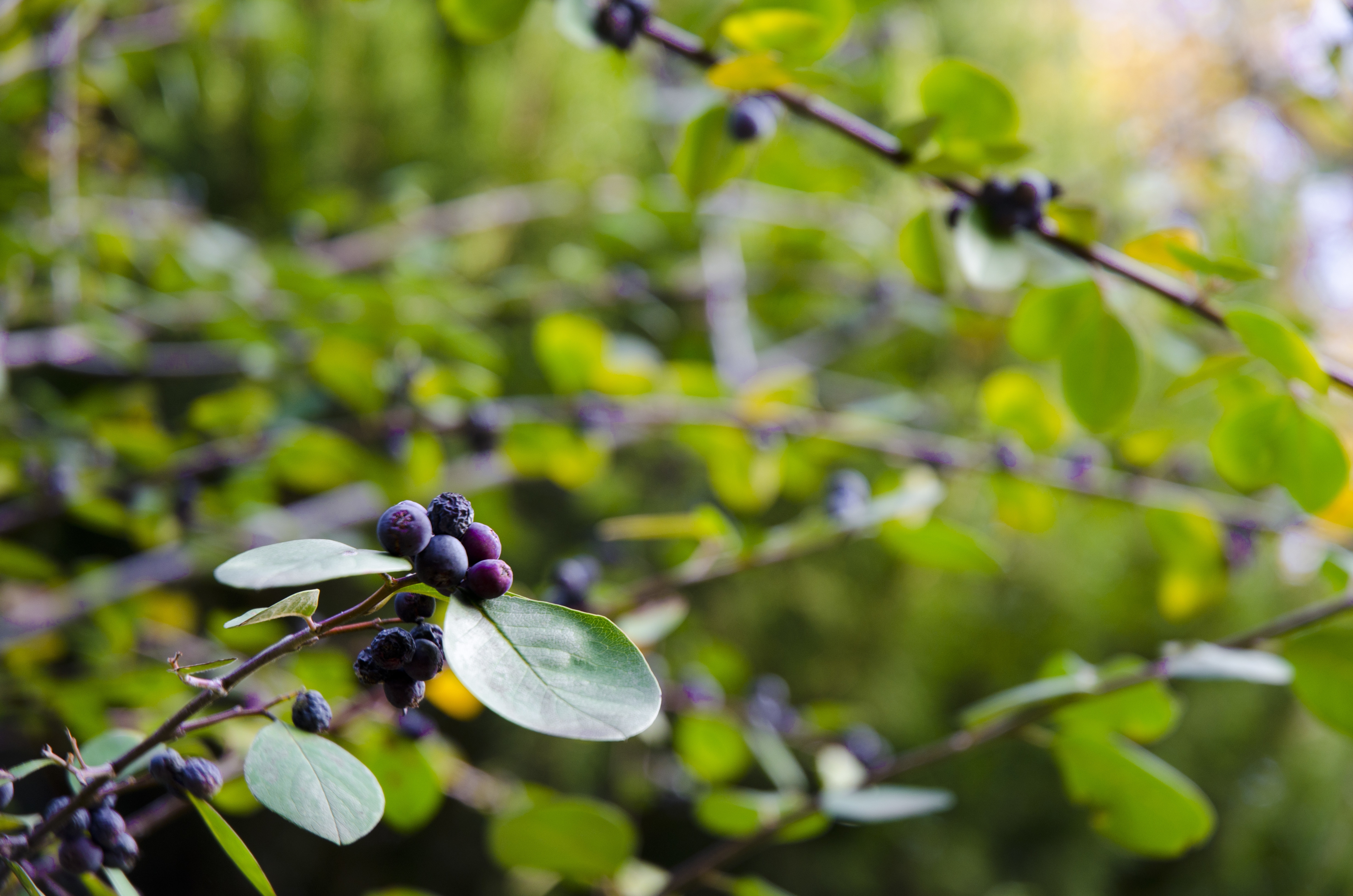
Native shrubs are often planted along property lines, foundation beds, and woodland edges, so selection must account for mature size, spread, and wildlife value. Some species sucker aggressively, and others stay compact and well-behaved in small gardens.
In this guide, we review 50 of the best shrubs native to New England by examining mature size, light and moisture needs, wildlife value, and landscape use, along with planting and care practices for long-term success.
Shrubs Native To New England: 50 Best Options
1. Highbush Blueberry – Best Overall Native Shrub For New England
Highbush blueberry is the best overall shrub native to New England because it combines spring flowers, summer fruit, and brilliant fall color in one plant. It reaches 6 to 12 feet and supports dozens of native bee species.

- Ornamental Appeal: Features striking green foliage that transforms into vibrant red color in the fall, providing both visual interest and delicious fruit production throughout the growing season
- Spring Blooms: Blooms in early spring with delicate white to pale pink bell-shaped flowers, attracting pollinators and setting the stage for abundant berry production
Planting is best done in spring in full sun to partial shade and acidic, well-drained soil. Because the shrub needs cross-pollination for heavy fruit, plant two or more varieties within 50 feet. Pruning older canes every few years keeps plants productive and open.
The plants of Highbush Blueberry from Stark Bro’s are hardy in zones 4 to 7 and provide reliable fruit and fall color across New England.
- Edible fruit
- Supports native bees
- Brilliant fall color
- Hardy in zones 4 to 7
- Native to New England
- Good for hedges
- Low maintenance
- Needs acidic soil
- Requires cross-pollination
- Birds compete for fruit
2. Winterberry – Best Native Shrub For Winter Color
Winterberry is a native holly that drops its leaves in fall and reveals bright red berries that persist through winter. It reaches 6 to 10 feet and provides critical cold-season food for birds.

- 🔴 Stunning Winter Color: Bursts with bright red berries after leaves drop, creating a bold, eye-catching display all winter long
- 🐦 Wildlife Favorite: Provides an important cold-season food source for birds and supports native ecosystems
Planting is best done in spring in full sun to partial shade and moist to wet soil. Because plants are dioecious, one male is needed for every three to five females to produce berries. Pruning in late winter keeps shape without removing fruit-bearing wood.
The plants of Winterberry from Prairie Nursery are hardy in zones 3 to 9 and tolerate wet soils that most shrubs cannot handle.
- Bright red winter berries
- Supports birds
- Tolerates wet soil
- Hardy in zones 3 to 9
- Native to New England
- Good for rain gardens
- Low maintenance
- Needs male pollinator
- Berries are toxic to humans
- Prefers moist soil
3. Red Chokeberry – Best Native Shrub For Fall Color
Red chokeberry is a native shrub that reaches 5 to 8 feet and delivers glossy green leaves, white spring flowers, and brilliant red fall color. It supports pollinators and provides berries for birds.

- LIVE PLANT: An underused native stunner, this narrow, upright growing shrub is easy to grow. Multi-stemmed with clusters of white to light pink flowers appear in spring. Flowers are followed by red fruits appearing in clusters along the branches and these ripen in late summer.
- READY TO PLANT: Foliage emerges dark green and shiny and provides a great backdrop for profuse flattened heads of small white flowers in mid to late May that are filled with nectar for native bees. It can be planted immediately upon arrival, weather premitting. These plants are dormant with little to no leaves late fall to the winter months.

Planting is best done in spring in full sun to partial shade and a range of soils, including wet and dry sites. Because it tolerates both drought and flooding, it adapts to challenging landscape conditions. Pruning old canes every few years keeps the shrub dense and productive.
The plants of Red Chokeberry from Prairie Nursery are hardy in zones 3 to 9 and provide reliable fall color across New England.
- Brilliant red fall color
- Tolerates wet and dry soil
- Supports pollinators
- Hardy in zones 3 to 9
- Native to New England
- Good for hedges
- Low maintenance
- Berries are tart
- Can sucker
- Needs full sun for best color
4. Black Chokeberry – Best Native Shrub For Wet Sites
Black chokeberry is a native shrub that reaches 3 to 6 feet and produces white spring flowers, dark purple berries, and red fall color. It tolerates wet soils and supports pollinators.

- 🫐 Nutrient-Rich Superfruit Produces antioxidant-packed chokeberries perfect for juices, jams, and health-focused recipes. May ship dormant.
- 🌱 3 Healthy Live Aronia Plants Includes three strong, well-rooted shrubs ready to establish quickly and produce fruit.
Planting is best done in spring in full sun to partial shade and moist to wet soil. Because it tolerates flooding and poor drainage, it works well in rain gardens and pond edges. Pruning old canes every few years keeps the shrub dense and productive.
The plants of Black Chokeberry from Prairie Nursery are hardy in zones 3 to 8 and provide reliable fall color in wet sites.
- Tolerates wet soil
- Supports pollinators
- Red fall color
- Hardy in zones 3 to 8
- Native to New England
- Good for rain gardens
- Low maintenance
- Berries are tart
- Can sucker
- Shorter than some options
5. American Cranberrybush – Best Native Shrub For Wildlife
American cranberrybush is a native viburnum that reaches 8 to 12 feet and produces white spring flowers, red berries, and purple-red fall color. It supports birds, pollinators, and beneficial insects.

- Alternate names: Highbush Cranberry, Crampbark, Viburnum trilobum 'Wentworth' (aka V. opulus var. americanum, V. o. ssp. americanum, V. o. var. t., V. o. ssp. t.)
- slow to moderate growth rate
Planting is best done in spring in full sun to partial shade and moist, well-drained soil. Because the shrub needs cross-pollination for heavy fruit, plant two or more varieties within 50 feet. Pruning after flowering keeps shape without removing fruit-bearing wood.
The plants of American Cranberrybush from Nature Hills Nursery are hardy in zones 2 to 7 and provide reliable fruit and fall color across New England.
- Supports birds and pollinators
- Red berries
- Purple-red fall color
- Hardy in zones 2 to 7
- Native to New England
- Good for hedges
- Low maintenance
- Needs cross-pollination
- Can sucker
- Requires moist soil
6. Serviceberry – Best Native Shrub For Spring Flowers
Serviceberry is a native shrub or small tree that reaches 6 to 20 feet and produces white spring flowers, edible berries, and orange-red fall color. It supports pollinators and birds.

- Meets Agricultural Requirements for Shipment to CA and AZ
- White flowers in early spring
Planting is best done in spring in full sun to partial shade and well-drained soil. Because the shrub tolerates a range of soils, it adapts to most gardens. Pruning after flowering keeps shape without removing fruit-bearing wood.
The plants of Serviceberry from Stark Bro’s are hardy in zones 4 to 9 and provide reliable spring flowers and summer fruit across New England.
- Edible berries
- White spring flowers
- Orange-red fall color
- Hardy in zones 4 to 9
- Native to New England
- Supports pollinators
- Low maintenance
- Birds compete for fruit
- Can sucker
- Needs well-drained soil
7. Elderberry – Best Native Shrub For Edible Fruit
Elderberry is a native shrub that reaches 6 to 12 feet and produces white flower clusters, dark purple berries, and yellow fall color. It supports pollinators and birds and provides edible fruit for jams and syrups.

- Starter plant ready to grow
- Produces clusters of dark, edible berries
Planting is best done in spring in full sun to partial shade and moist, well-drained soil. Because the shrub needs cross-pollination for heavy fruit, plant two or more varieties within 50 feet. Pruning old canes every few years keeps plants productive and open.
The plants of Elderberry from Stark Bro’s are hardy in zones 3 to 9 and provide reliable fruit and fall color across New England.
- Edible fruit
- Supports pollinators
- Yellow fall color
- Hardy in zones 3 to 9
- Native to New England
- Good for wildlife
- Low maintenance
- Needs cross-pollination
- Berries must be cooked
- Can sucker
8. Spicebush – Best Native Shrub For Shade
Spicebush is a native shrub that reaches 6 to 12 feet and produces yellow spring flowers, red berries, and golden fall color. It is the host plant for spicebush swallowtail butterflies.

- Native Spicebush Shrub: 100 Spicebush seeds for planting grow into Lindera benzoin, a native deciduous flowering shrub with fragrant foliage, yellow spring flowers and colorful fall interest. An excellent choice for native gardens, woodland landscapes, wildlife plantings and naturalized areas
- Butterfly Host Plant: Spicebush is an important host plant for Spicebush Swallowtail caterpillars and provides valuable habitat in wildlife friendly landscapes. Small yellow flowers appear early in spring, while established female plants can produce bright red berries when properly pollinated
Planting is best done in spring in partial to full shade and moist, well-drained soil. Because the shrub tolerates shade better than most natives, it works well in woodland gardens. Pruning after flowering keeps shape without removing fruit-bearing wood.
The plants of Spicebush from Prairie Nursery are hardy in zones 4 to 9 and support swallowtail butterflies across New England.
- Tolerates shade
- Hosts swallowtail butterflies
- Golden fall color
- Hardy in zones 4 to 9
- Native to New England
- Good for woodland gardens
- Low maintenance
- Needs male and female plants
- Prefers moist soil
- Slow to establish
9. Witch Hazel – Best Native Shrub For Late Flowers
Witch hazel is a native shrub that reaches 10 to 20 feet and produces fragrant yellow flowers in late fall, after leaves drop. It supports pollinators and provides golden fall color.

- Premium quality ornamental woodland shrub seeds package containing 10 Witch Hazel (Hamamelis virginiana) seeds, a fall-blooming deciduous shrub with yellow ribbon-like flowers and striking seasonal interest.
- Hardy in USDA zones 3–8, this adaptable shrub thrives in partial shade to full sun with moderate watering, bringing reliable color and structure to woodland edges, borders, and naturalized gardens.
Planting is best done in spring in full sun to partial shade and moist, well-drained soil. Because the shrub blooms on old wood, pruning should be done right after flowering. Mulching helps retain moisture in dry sites.
The plants of Witch Hazel from Nature Hills Nursery are hardy in zones 3 to 8 and provide late-season flowers across New England.
- Late fall flowers
- Fragrant blooms
- Golden fall color
- Hardy in zones 3 to 8
- Native to New England
- Supports pollinators
- Low maintenance
- Slow growing
- Can sucker
- Needs moist soil
10. Bayberry – Best Native Shrub For Coastal Sites
Bayberry is a native shrub that reaches 3 to 8 feet and produces waxy gray berries and semi-evergreen foliage. It tolerates salt spray and sandy soils, making it ideal for coastal New England.

- Salt Tolerance: Exceptional tolerance to salt spray and saline soils; Thrives in coastal landscapes where other plants fail; Ideal for beachside gardens and roadside plantings
- Drought Resistance: Excellent drought tolerance once established; Deep root system accesses subsurface moisture; Requires minimal watering after the first growing season
Planting is best done in spring in full sun and sandy, well-drained soil. Because the shrub tolerates salt and drought, it works well in coastal gardens. Pruning after flowering keeps shape without removing fruit-bearing wood.
The plants of Bayberry from Prairie Nursery are hardy in zones 3 to 7 and tolerate salt spray along the New England coast.
- Tolerates salt spray
- Semi-evergreen foliage
- Waxy gray berries
- Hardy in zones 3 to 7
- Native to New England
- Good for coastal gardens
- Low maintenance
- Needs male and female plants
- Slow growing
- Prefers sandy soil
11. Sweet Pepperbush – Best Native Shrub For Fragrant Flowers
Sweet pepperbush is a native shrub that reaches 4 to 8 feet and produces fragrant white flower spikes in midsummer. It supports pollinators and tolerates wet soils.

- Summersweet, Alderleaf Clethra, Coastal/Alderleaf Pepperbush, Coastal Sweetpepperbush, Coastal White-Alder, Poor Man's Soap, Clethra alnifolia (aka C. a. var. denudata/glabella/paniculata/rosea/angustifolia/bracteata/dentata/incana/pubescens/pumila)
- attracts butterflies, attracts hummingbirds, attracts birds, has fragrant blooms or foliage, slow to moderate growth rate
Planting is best done in spring in full sun to partial shade and moist to wet soil. Because the shrub tolerates flooding, it works well in rain gardens and pond edges. Pruning in late winter keeps shape and encourages fresh growth.
The plants of Sweet Pepperbush from Prairie Nursery are hardy in zones 4 to 9 and provide midsummer fragrance across New England.
- Fragrant flowers
- Tolerates wet soil
- Supports pollinators
- Hardy in zones 4 to 9
- Native to New England
- Good for rain gardens
- Low maintenance
- Can sucker
- Prefers moist soil
- Shorter than some options
12. Mountain Laurel – Best Native Evergreen Shrub
Mountain laurel is a native evergreen shrub that reaches 5 to 15 feet and produces pink or white flower clusters in late spring. It provides year-round structure and supports pollinators.

- LIVE PLANT: One of the most aggressive growing of the small leaf Kalmias, 'Tinkerbell' is a show-off both in form and landscape performance.
- READY TO PLANT: Upright growing branches spread as they age produce a dense, rounded, bulky presence balanced by delicate foliage which gives a fine textured appearance to the plant. 'Tinkerbell' will bud heavily, and deep pink bunches open as pure pink flower trusses in early June. It can be planted immediately upon arrival, weather premitting
Planting is best done in spring in partial shade and acidic, well-drained soil. Because the shrub needs protection from winter sun and wind, plant it near evergreens or on north-facing slopes. Pruning after flowering keeps shape without removing flower buds.
The plants of Mountain Laurel from Nature Hills Nursery are hardy in zones 4 to 9 and provide year-round structure across New England.
- Evergreen foliage
- Spring flowers
- Supports pollinators
- Hardy in zones 4 to 9
- Native to New England
- Good for shade
- Low maintenance
- Toxic to pets
- Needs acidic soil
- Requires winter protection
13. Rhododendron – Best Native Shrub For Shade Gardens
Rhododendron is a native evergreen shrub that reaches 4 to 15 feet and produces showy pink, white, or purple flowers in spring. It provides year-round structure and supports pollinators.

- Holden Rhododendron is an open multi-stemmed evergreen shrub with an upright spreading habit of growth
- An elegant variety with large rosy red blooms, with a sprinkling of dark red spots, on perfect conical trusses
Planting is best done in spring in partial shade and acidic, well-drained soil. Because the shrub needs protection from winter sun and wind, plant it near evergreens or on north-facing slopes. Pruning after flowering keeps shape without removing flower buds.
The plants of Rhododendron from Nature Hills Nursery are hardy in zones 4 to 8 and provide reliable spring flowers across New England.
- Showy spring flowers
- Evergreen foliage
- Supports pollinators
- Hardy in zones 4 to 8
- Native to New England
- Good for shade
- Low maintenance
- Toxic to pets
- Needs acidic soil
- Requires winter protection
14. Azalea – Best Native Shrub For Spring Color
Azalea is a native deciduous or evergreen shrub that reaches 3 to 8 feet and produces bright pink, white, or orange flowers in spring. It supports pollinators and provides reliable spring color.

- Thrives in USDA Zones 6a-10
- Grows to a mature size of 36-48 inches H x 36-48 inches W
Planting is best done in spring in partial shade and acidic, well-drained soil. Because the shrub needs protection from winter sun and wind, plant it near evergreens or on north-facing slopes. Pruning after flowering keeps shape without removing flower buds.
The plants of Azalea from Nature Hills Nursery are hardy in zones 4 to 9 and provide reliable spring color across New England.
- Bright spring flowers
- Supports pollinators
- Good for shade
- Hardy in zones 4 to 9
- Native to New England
- Compact size
- Low maintenance
- Toxic to pets
- Needs acidic soil
- Requires winter protection
15. Northern Bayberry – Best Native Shrub For Sandy Soil
Northern bayberry is a native shrub that reaches 3 to 8 feet and produces waxy gray berries and semi-evergreen foliage. It tolerates salt spray and sandy soils, making it ideal for coastal sites.

Planting is best done in spring in full sun and sandy, well-drained soil. Because the shrub tolerates salt and drought, it works well in coastal gardens. Pruning after flowering keeps shape without removing fruit-bearing wood.
The plants of Northern Bayberry from Prairie Nursery are hardy in zones 3 to 7 and tolerate salt spray along the New England coast.
- Tolerates salt spray
- Semi-evergreen foliage
- Waxy gray berries
- Hardy in zones 3 to 7
- Native to New England
- Good for coastal gardens
- Low maintenance
- Needs male and female plants
- Slow growing
- Prefers sandy soil
16. Shadbush – Best Native Shrub For Early Blooms
Shadbush is a native shrub or small tree that reaches 10 to 25 feet and produces white spring flowers, edible berries, and orange-red fall color. It supports pollinators and birds.

- WHAT YOU WILL RECEIVE: 5 Black Cohosh bare roots, ready for planting in shaded garden beds, borders, or woodland-style landscapes
- IDEAL FOR SHADED AREAS: Performs well in partial shade, helping you make better use of areas that receive less direct sunlight
Planting is best done in spring in full sun to partial shade and well-drained soil. Because the shrub tolerates a range of soils, it adapts to most gardens. Pruning after flowering keeps shape without removing fruit-bearing wood.
The plants of Shadbush from Prairie Nursery are hardy in zones 4 to 8 and provide early spring blooms across New England.
- Early spring blooms
- Edible berries
- Orange-red fall color
- Hardy in zones 4 to 8
- Native to New England
- Supports pollinators
- Low maintenance
- Birds compete for fruit
- Can sucker
- Needs well-drained soil
17. Silky Dogwood – Best Native Shrub For Wet Edges
Silky dogwood is a native shrub that reaches 6 to 10 feet and produces white spring flowers, blue berries, and reddish fall color. It tolerates wet soils and supports birds and pollinators.

- For sale is one Silky Dogwood Shrub that is approximately 10-16" tall and shipped in a quart pot
- Seasonal Interest: Spring flowers, summer berries, and fall color
Planting is best done in spring in full sun to partial shade and moist to wet soil. Because the shrub tolerates flooding, it works well in rain gardens and pond edges. Pruning old canes every few years keeps the shrub dense and productive.
The plants of Silky Dogwood from Prairie Nursery are hardy in zones 3 to 8 and tolerate wet soils across New England.
- Tolerates wet soil
- Supports birds
- Reddish fall color
- Hardy in zones 3 to 8
- Native to New England
- Good for rain gardens
- Low maintenance
- Can sucker
- Prefers moist soil
- Shorter than some options
18. Red Osier Dogwood – Best Native Shrub For Winter Interest
Red osier dogwood is a native shrub that reaches 6 to 10 feet and produces white spring flowers, white berries, and bright red winter stems. It tolerates wet soils and supports birds and pollinators.

- For sale are 5 Red Twig Dogwood plants that are approximately 6-12" tall
- SPECTACULAR WINTER DRAMA - Brilliant crimson-red stems create a stunning visual impact against winter snow and dreary landscapes, turning the coldest season into your garden's most striking display
Planting is best done in spring in full sun to partial shade and moist to wet soil. Because the shrub tolerates flooding, it works well in rain gardens and pond edges. Pruning old canes every few years keeps the shrub dense and productive.
The plants of Red Osier Dogwood from Prairie Nursery are hardy in zones 2 to 8 and provide bright winter stems across New England.
- Bright red winter stems
- Tolerates wet soil
- Supports birds
- Hardy in zones 2 to 8
- Native to New England
- Good for rain gardens
- Low maintenance
- Can sucker
- Prefers moist soil
- Shorter than some options
19. Gray Dogwood – Best Native Shrub For Wildlife Cover
Gray dogwood is a native shrub that reaches 6 to 10 feet and produces white spring flowers, white berries, and purplish fall color. It supports birds and pollinators and provides dense cover.

- EASY TO PLANT – Arrives as a 18 – 24” jumbo plug with a strong root system for quick planting and growth in your landscape.
- WILDLIFE VALUE – It's berries are an important late-season food source for over 100 bird species and squirrels, while it's form also provides cover and nesting sites.
Planting is best done in spring in full sun to partial shade and a range of soils, including wet and dry sites. Because the shrub tolerates both drought and flooding, it adapts to challenging conditions. Pruning old canes every few years keeps the shrub dense and productive.
The plants of Gray Dogwood from Prairie Nursery are hardy in zones 3 to 8 and provide reliable cover across New England.
- Tolerates wet and dry soil
- Supports birds
- Purplish fall color
- Hardy in zones 3 to 8
- Native to New England
- Good for hedges
- Low maintenance
- Can sucker
- Spreads aggressively
- Shorter than some options
20. Nannyberry – Best Native Shrub For Shade Tolerance
Nannyberry is a native viburnum that reaches 10 to 20 feet and produces white spring flowers, blue-black berries, and red-purple fall color. It tolerates shade and supports birds and pollinators.

- 🌿 Native Hardy Landscape Shrub: Nannyberry (Viburnum lentago) is a hardy North American native shrub known for its adaptability and strong growth in a wide range of climates and soil conditions.
- 🍇 Produces Edible Dark Berries: The plant produces clusters of sweet, dark blue-black berries in late summer and fall that can be eaten fresh or used in jams, syrups, and baked goods.
Planting is best done in spring in full sun to full shade and moist, well-drained soil. Because the shrub tolerates shade better than most natives, it works well in woodland gardens. Pruning after flowering keeps shape without removing fruit-bearing wood.
The plants of Nannyberry from Prairie Nursery are hardy in zones 3 to 7 and provide reliable fruit and fall color across New England.
- Tolerates shade
- Supports birds
- Red-purple fall color
- Hardy in zones 3 to 7
- Native to New England
- Good for woodland gardens
- Low maintenance
- Can sucker
- Large mature size
- Needs moist soil
21. Arrowwood Viburnum – Best Native Shrub For Hedges
Arrowwood viburnum is a native shrub that reaches 6 to 12 feet and produces white spring flowers, blue-black berries, and yellow-red fall color. It supports birds and pollinators and makes a dense hedge.

- For sale is one Arrowwood Viburnum plant that is approximately 10-16" tall and shipped in a quart pot
- SPECTACULAR SPRING FLOWER EXPLOSION - Produces abundant flat-topped clusters of pristine white flowers that create a stunning display and fill your garden with sweet fragrance when you need it most
Planting is best done in spring in full sun to partial shade and moist, well-drained soil. Because the shrub tolerates a range of soils, it adapts to most gardens. Pruning after flowering keeps shape and encourages dense growth.
The plants of Arrowwood Viburnum from Nature Hills Nursery are hardy in zones 3 to 8 and provide reliable hedges across New England.
- Dense hedge
- Supports birds
- Yellow-red fall color
- Hardy in zones 3 to 8
- Native to New England
- Good for hedges
- Low maintenance
- Can sucker
- Needs moist soil
- Large mature size
22. Hobblebush – Best Native Shrub For Woodland Gardens
Hobblebush is a native viburnum that reaches 3 to 6 feet and produces white spring flowers, red berries, and purple-red fall color. It thrives in shade and supports birds and pollinators.

Planting is best done in spring in partial to full shade and moist, well-drained soil. Because the shrub needs cool, shaded conditions, it works well in woodland gardens. Pruning after flowering keeps shape without removing fruit-bearing wood.
The plants of Hobblebush from Prairie Nursery are hardy in zones 3 to 7 and thrive in shaded woodlands across New England.
- Tolerates shade
- Supports birds
- Purple-red fall color
- Hardy in zones 3 to 7
- Native to New England
- Good for woodland gardens
- Low maintenance
- Prefers moist soil
- Slow growing
- Shorter than some options
23. Mapleleaf Viburnum – Best Native Shrub For Dry Shade
Mapleleaf viburnum is a native shrub that reaches 3 to 6 feet and produces white spring flowers, blue-black berries, and purple-red fall color. It tolerates dry shade better than most natives.

- We cannot ship our plants to the following states: AK, AZ, CA, CO, HI, ID, MT, NM, NV, OR, UT, WA, or WY. All orders to these states will be automatically cancelled.
- Korean Spice Viburnum is a deciduous mid-sized shrub known for it large waxy pink clusters of flowers with intense, spicy, sweet, clove-like aromatic fragrance that will transform to a white color. Blooms in early spring.
Planting is best done in spring in partial to full shade and well-drained soil. Because the shrub tolerates dry shade, it works well under trees and in woodland gardens. Pruning after flowering keeps shape without removing fruit-bearing wood.
The plants of Mapleleaf Viburnum from Prairie Nursery are hardy in zones 3 to 8 and tolerate dry shade across New England.
- Tolerates dry shade
- Supports birds
- Purple-red fall color
- Hardy in zones 3 to 8
- Native to New England
- Good for woodland gardens
- Low maintenance
- Slow growing
- Shorter than some options
- Can sucker
24. Witherod Viburnum – Best Native Shrub For Colorful Fruit
Witherod viburnum is a native shrub that reaches 6 to 12 feet and produces white spring flowers, pink-to-blue berries, and purple-red fall color. It supports birds and pollinators.

- Alternate names: Wild Raisin/Withe Rod Viburnum, Viburnum cassinoides 'Nativestar Raisinette'
- slow to moderate growth rate
Planting is best done in spring in full sun to partial shade and moist, well-drained soil. Because the shrub needs cross-pollination for heavy fruit, plant two or more varieties within 50 feet. Pruning after flowering keeps shape without removing fruit-bearing wood.
The plants of Witherod Viburnum from Prairie Nursery are hardy in zones 3 to 8 and provide colorful fruit across New England.
- Colorful fruit
- Supports birds
- Purple-red fall color
- Hardy in zones 3 to 8
- Native to New England
- Good for hedges
- Low maintenance
- Needs cross-pollination
- Can sucker
- Needs moist soil
25. Possumhaw Viburnum – Best Native Shrub For Compact Hedges
Possumhaw viburnum is a native shrub that reaches 6 to 12 feet and produces white spring flowers, pink-to-red berries, and purple-red fall color. It supports birds and pollinators and makes a dense hedge.

- FRESH SEEDS: Viburnum cassinoides, also known as Possumhaw, Wild Raisin, or Withe Rod, is a versatile shrub that can easily grow in a range of soil types, from average to wet and even boggy soils. It prefers moist loams and thrives in full sun to part shade. For best results, plant shrubs in groups to ensure cross-pollination and fruit display.
- GREAT GIFT: Comes in a nice seed packet with a color photo and directions for growing.
Planting is best done in spring in full sun to partial shade and moist, well-drained soil. Because the shrub tolerates a range of soils, it adapts to most gardens. Pruning after flowering keeps shape and encourages dense growth.
The plants of Possumhaw Viburnum from Nature Hills Nursery are hardy in zones 4 to 8 and provide reliable hedges across New England.
- Dense hedge
- Supports birds
- Purple-red fall color
- Hardy in zones 4 to 8
- Native to New England
- Good for hedges
- Low maintenance
- Can sucker
- Needs moist soil
- Large mature size
26. Sumac – Best Native Shrub For Fast Growth
Sumac is a native shrub or small tree that reaches 10 to 20 feet and produces red fruit clusters and brilliant red fall color. It supports birds and pollinators and grows quickly on poor soils.

- For sale are 2 Staghorn Sumac plants that are approximately 6-12" tall
- SPECTACULAR FOUR-SEASON INTEREST: Enjoy fuzzy antler-like branches in winter, lush tropical-looking foliage in summer, and an absolutely jaw-dropping fall color display featuring intense reds, oranges, and purples that will make your neighbors stop and stare—this plant earns its keep all year long
Planting is best done in spring in full sun and well-drained soil. Because the shrub spreads by rhizome, a root barrier helps contain it in small gardens. Pruning in late winter keeps shape and encourages fresh growth.
The plants of Sumac from Prairie Nursery are hardy in zones 3 to 8 and provide fast growth and fall color across New England.
- Fast growing
- Brilliant fall color
- Supports birds
- Hardy in zones 3 to 8
- Native to New England
- Tolerates poor soil
- Low maintenance
- Spreads aggressively
- Requires root barrier
- Can sucker
27. Staghorn Sumac – Best Native Shrub For Bold Foliage
Staghorn sumac is a native shrub or small tree that reaches 15 to 25 feet and produces velvety stems, red fruit clusters, and brilliant orange-red fall color. It supports birds and pollinators.
- For sale are 2 Staghorn Sumac plants that are approximately 6-12" tall
- SPECTACULAR FOUR-SEASON INTEREST: Enjoy fuzzy antler-like branches in winter, lush tropical-looking foliage in summer, and an absolutely jaw-dropping fall color display featuring intense reds, oranges, and purples that will make your neighbors stop and stare—this plant earns its keep all year long
Planting is best done in spring in full sun and well-drained soil. Because the shrub spreads by rhizome, a root barrier helps contain it in small gardens. Pruning in late winter keeps shape and encourages fresh growth.
The plants of Staghorn Sumac from Prairie Nursery are hardy in zones 3 to 8 and provide bold fall color across New England.
- Bold fall color
- Supports birds
- Fast growing
- Hardy in zones 3 to 8
- Native to New England
- Tolerates poor soil
- Low maintenance
- Spreads aggressively
- Requires root barrier
- Large mature size
28. Smooth Sumac – Best Native Shrub For Erosion Control
Smooth sumac is a native shrub that reaches 10 to 20 feet and produces red fruit clusters and brilliant red fall color. It spreads by rhizome and stabilizes slopes and disturbed soils.

- For sale are five Smooth Sumac plants that are approximately 6-12" tall
- EXPLOSIVE SCARLET FALL COLOR SHOW - Witness one of nature's most spectacular autumn displays as the fern-like leaves burst into intense shades of flame-red, orange, and crimson that create a blazing focal point visible from blocks away
Planting is best done in spring in full sun and well-drained soil. Because the shrub spreads by rhizome, it works well for erosion control but needs a root barrier in small gardens. Pruning in late winter keeps shape and encourages fresh growth.
The plants of Smooth Sumac from Prairie Nursery are hardy in zones 3 to 8 and stabilize slopes across New England.
- Erosion control
- Brilliant fall color
- Supports birds
- Hardy in zones 3 to 8
- Native to New England
- Tolerates poor soil
- Low maintenance
- Spreads aggressively
- Requires root barrier
- Can sucker
29. Wild Raisin – Best Native Shrub For Wet Woodlands
Wild raisin is a native viburnum that reaches 6 to 12 feet and produces white spring flowers, blue-black berries, and red-purple fall color. It tolerates wet soils and supports birds and pollinators.

- Native to Eastern North America: This plant is well-adapted to the climate and conditions of the region, making it a great choice for gardeners looking to add native plants to their landscape. Deciduous Shrub or Small Tree: Viburnum lentago can grow as either a shrub or a small tree, providing flexibility in how it is used in the garden.
- Attractive Foliage and Flowers: This plant is known for its attractive foliage and clusters of white flowers, adding visual interest to the garden. Abundant Fruits: Viburnum lentago produces an abundance of fruits that are not only visually appealing, but also provide food for wildlife.
Planting is best done in spring in full sun to partial shade and moist to wet soil. Because the shrub tolerates flooding, it works well in rain gardens and woodland edges. Pruning after flowering keeps shape without removing fruit-bearing wood.
The plants of Wild Raisin from Prairie Nursery are hardy in zones 3 to 7 and tolerate wet woodlands across New England.
- Tolerates wet soil
- Supports birds
- Red-purple fall color
- Hardy in zones 3 to 7
- Native to New England
- Good for rain gardens
- Low maintenance
- Can sucker
- Needs moist soil
- Shorter than some options
30. American Hazelnut – Best Native Shrub For Edible Nuts
American hazelnut is a native shrub that reaches 8 to 15 feet and produces catkins, edible nuts, and yellow fall color. It supports pollinators and wildlife and provides food for humans.

- For sale are 3 American Hazelnut trees that are approximately 6-12" tall and shipped in quart pots
- Edible Nut Production: Enjoy the annual harvest of tasty and nutritious hazelnuts, perfect for snacking and culinary use.
Planting is best done in spring in full sun to partial shade and well-drained soil. Because the shrub needs cross-pollination for heavy nut production, plant two or more varieties within 50 feet. Pruning old canes every few years keeps plants productive and open.
The plants of American Hazelnut from Stark Bro’s are hardy in zones 4 to 9 and provide edible nuts across New England.
- Edible nuts
- Supports wildlife
- Yellow fall color
- Hardy in zones 4 to 9
- Native to New England
- Good for hedges
- Low maintenance
- Needs cross-pollination
- Can sucker
- Squirrels compete for nuts
31. Beaked Hazelnut – Best Native Shrub For Woodland Edges
Beaked hazelnut is a native shrub that reaches 6 to 10 feet and produces catkins, edible nuts, and yellow fall color. It tolerates shade and supports pollinators and wildlife.
- For sale are 3 American Hazelnut trees that are approximately 6-12" tall and shipped in quart pots
- Edible Nut Production: Enjoy the annual harvest of tasty and nutritious hazelnuts, perfect for snacking and culinary use.
Planting is best done in spring in partial shade and well-drained soil. Because the shrub tolerates shade better than most nuts, it works well in woodland edges. Pruning old canes every few years keeps plants productive and open.
The plants of Beaked Hazelnut from Prairie Nursery are hardy in zones 3 to 8 and provide edible nuts across New England.
- Tolerates shade
- Edible nuts
- Supports wildlife
- Hardy in zones 3 to 8
- Native to New England
- Good for woodland edges
- Low maintenance
- Can sucker
- Slow growing
- Squirrels compete for nuts
32. Buttonbush – Best Native Shrub For Pollinators
Buttonbush is a native shrub that reaches 6 to 12 feet and produces white, spherical flower clusters in summer. It tolerates wet soils and attracts bees, butterflies, and hummingbirds.

- UNIQUE SPHERICAL WHITE FLOWER CLUSTERS: Produces rounded, button-like blooms with extended stamens that create a distinctive visual feature during the flowering season
- DENSE GREEN FOLIAGE WITH STRUCTURED FORM: Features rich green leaves and a well-branched habit that adds depth, texture, and seasonal consistency to landscape plantings
Planting is best done in spring in full sun to partial shade and moist to wet soil. Because the shrub tolerates flooding, it works well in rain gardens and pond edges. Pruning in late winter keeps shape and encourages fresh growth.
The plants of Buttonbush from Prairie Nursery are hardy in zones 4 to 9 and attract pollinators across New England.
- Attracts pollinators
- Tolerates wet soil
- Unique flowers
- Hardy in zones 4 to 9
- Native to New England
- Good for rain gardens
- Low maintenance
- Can sucker
- Prefers moist soil
- Toxic to humans
33. Common Ninebark – Best Native Shrub For Erosion Control
Common ninebark is a native shrub that reaches 5 to 10 feet and produces white spring flowers, red fruit, and yellow fall color. It stabilizes slopes and supports pollinators.

- FAST-ESTABLISHING GROWTH: This variety is known for its ability to settle quickly once planted. These 12-18 inch starters rapidly develop new foliage and branches, allowing you to enjoy a full and leafy shrub appearance in a short amount of time.
- WELL-ROOTED STARTER: These shrubs are provided in 2.5 inch pot with a visible and strong root system. This professional-grade format allows for easy handling and immediate planting into your garden soil or landscape areas.
Planting is best done in spring in full sun to partial shade and a range of soils, including wet and dry sites. Because the shrub tolerates both drought and flooding, it adapts to challenging conditions. Pruning after flowering keeps shape and encourages dense growth.
The plants of Common Ninebark from Prairie Nursery are hardy in zones 2 to 8 and stabilize slopes across New England.
- Erosion control
- Tolerates wet and dry soil
- Supports pollinators
- Hardy in zones 2 to 8
- Native to New England
- Good for slopes
- Low maintenance
- Can sucker
- Needs full sun for best color
- Shorter than some options
34. New Jersey Tea – Best Native Shrub For Dry Sites
New Jersey tea is a native shrub that reaches 2 to 3 feet and produces white flower clusters in summer. It tolerates dry, rocky soils and attracts pollinators.

- LIVE PLANT: New Jersey Tea, a great shrub that will thrive in a sunny, well-drained location! Four inch long, deep green leaves with hairy, gray reverse tightly pack this branchy plant to form a dense, compact, spreading plant that pushes flower stalks from leaf bases on the upper ends of branches in early May.
- READY TO PLANT: Tiny white flowers cluster on these stalks in late May filling the garden with sweet fragrance and attracting butterflies and hummingbirds from far and wide. It can be planted immediately upon arrival, weather premitting. These plants are dormant with little to no leaves late fall to the winter months.
Planting is best done in spring in full sun and well-drained soil. Because the shrub tolerates drought and poor soils, it works well in rock gardens and dry borders. Pruning in late winter keeps shape and encourages fresh growth.
The plants of New Jersey Tea from Prairie Nursery are hardy in zones 4 to 8 and tolerate dry sites across New England.
- Tolerates dry soil
- Attracts pollinators
- Compact size
- Hardy in zones 4 to 8
- Native to New England
- Good for rock gardens
- Low maintenance
- Shorter than most options
- Slow growing
- Needs full sun
35. Sweetfern – Best Native Shrub For Sandy Soil
Sweetfern is a native shrub that reaches 2 to 4 feet and produces fragrant, fern-like foliage and catkins. It tolerates sandy, poor soils and fixes nitrogen.

- LACY & ELEGANT FOLIAGE: This variety is famous for its ability to produce soft, finely-cut green fronds that create a delicate texture. These beautiful leaves can add a sophisticated look and a splash of fresh color to your shaded garden beds or patio spaces.
- RELIABLE COLD-HARDINESS: Known for its ability to handle very cold temperatures and tough winter weather, the Lady Fern is a dependable choice. It is a versatile option for home landscapes, providing a plant that is intended to return and grow fuller year after year.
Planting is best done in spring in full sun and sandy, well-drained soil. Because the shrub fixes nitrogen, it improves soil for nearby plants. Pruning in late winter keeps shape and encourages fresh growth.
The plants of Sweetfern from Prairie Nursery are hardy in zones 2 to 7 and tolerate sandy soils across New England.
- Fixes nitrogen
- Fragrant foliage
- Tolerates sandy soil
- Hardy in zones 2 to 7
- Native to New England
- Good for poor soils
- Low maintenance
- Spreads by rhizome
- Shorter than most options
- Needs full sun
36. Sheep Laurel – Best Native Shrub For Acidic Soils
Sheep laurel is a native evergreen shrub that reaches 1 to 3 feet and produces pink flower clusters in early summer. It tolerates acidic, boggy soils and supports pollinators.

Planting is best done in spring in full sun to partial shade and acidic, moist soil. Because the shrub needs acidic conditions, it works well in bog gardens and woodland edges. Pruning after flowering keeps shape without removing flower buds.
The plants of Sheep Laurel from Prairie Nursery are hardy in zones 3 to 7 and tolerate acidic soils across New England.
- Evergreen foliage
- Pink flowers
- Tolerates acidic soil
- Hardy in zones 3 to 7
- Native to New England
- Good for bog gardens
- Low maintenance
- Toxic to pets
- Needs acidic soil
- Shorter than most options
37. Bog Rosemary – Best Native Shrub For Bog Gardens
Bog rosemary is a native evergreen shrub that reaches 1 to 3 feet and produces pink flower clusters in spring. It tolerates acidic, boggy soils and supports pollinators.

- For delicious, fresh flavor in garden-to-table meals, choose easy-to-grow Bonnie Plants Rosemary with Miracle-Gro Pour & Feed Singles Ready-to-Use Plant Food 4-pack for your garden; trust the experts with more than 200 years of experience
- Easy-to-grow, fragrant Rosemary tastes delicious flavoring meats, breads, cookies, crackers, cheese, and even oils and vinegars; the herb tastes stronger fresh than dried, so harvest it often to promote new growth
Planting is best done in spring in full sun to partial shade and acidic, moist soil. Because the shrub needs acidic conditions, it works well in bog gardens and pond edges. Pruning after flowering keeps shape without removing flower buds.
The plants of Bog Rosemary from Prairie Nursery are hardy in zones 2 to 7 and tolerate acidic soils across New England.
- Evergreen foliage
- Pink flowers
- Tolerates acidic soil
- Hardy in zones 2 to 7
- Native to New England
- Good for bog gardens
- Low maintenance
- Toxic to pets
- Needs acidic soil
- Shorter than most options
38. Labrador Tea – Best Native Shrub For Cold Climates
Labrador tea is a native evergreen shrub that reaches 2 to 4 feet and produces white flower clusters in spring. It tolerates acidic, boggy soils and cold climates.
- ONE HERB, NAMED TO SPECIES: Labrador Tea (Rhododendron groenlandicum) dried leaves liquid extract. Nothing in the bottle but the herb and its extraction liquid, and the botanical name is printed on the label.
- TRADITIONAL TINCTURE: extracted in sugar-cane alcohol and distilled water. Ingredients: Rhododendron groenlandicum dried leaves, organic sugar-cane alcohol, distilled water, vegetable glycerin USP.
Planting is best done in spring in full sun to partial shade and acidic, moist soil. Because the shrub needs acidic conditions, it works well in bog gardens and cold woodland edges. Pruning after flowering keeps shape without removing flower buds.
The plants of Labrador Tea from Prairie Nursery are hardy in zones 2 to 6 and tolerate cold climates across northern New England.
- Evergreen foliage
- Cold hardy
- Tolerates acidic soil
- Hardy in zones 2 to 6
- Native to New England
- Good for bog gardens
- Low maintenance
- Toxic to pets
- Needs acidic soil
- Shorter than most options
39. Sweet Gale – Best Native Shrub For Wetlands
Sweet gale is a native shrub that reaches 3 to 5 feet and produces fragrant catkins in spring. It tolerates wet, acidic soils and supports pollinators.

Planting is best done in spring in full sun to partial shade and wet, acidic soil. Because the shrub tolerates flooding, it works well in bog gardens and pond edges. Pruning in late winter keeps shape and encourages fresh growth.
The plants of Sweet Gale from Prairie Nursery are hardy in zones 2 to 7 and tolerate wetlands across New England.
- Tolerates wet soil
- Fragrant foliage
- Supports pollinators
- Hardy in zones 2 to 7
- Native to New England
- Good for wetlands
- Low maintenance
- Spreads by rhizome
- Needs acidic soil
- Shorter than most options
40. Speckled Alder – Best Native Shrub For Streambanks
Speckled alder is a native shrub that reaches 10 to 20 feet and produces catkins and speckled bark. It stabilizes streambanks and fixes nitrogen.

- Alternate names: Tag/Gray/Hoary/Hazel/Swamp Alder, Alnus rugosa (aka A. incana subsp. r., A. i. var. americana, A. americana, Betula r.)
- grows in full sun, part shade, and full shade
Planting is best done in spring in full sun to partial shade and wet soil. Because the shrub fixes nitrogen, it improves soil for nearby plants. Pruning in late winter keeps shape and encourages fresh growth.
The plants of Speckled Alder from Prairie Nursery are hardy in zones 2 to 6 and stabilize streambanks across New England.
- Fixes nitrogen
- Stabilizes streambanks
- Tolerates wet soil
- Hardy in zones 2 to 6
- Native to New England
- Good for wetlands
- Low maintenance
- Spreads by rhizome
- Large mature size
- Needs wet soil
41. Black Huckleberry – Best Native Shrub For Dry Woodlands
Black huckleberry is a native shrub that reaches 2 to 4 feet and produces edible berries and red fall color. It tolerates dry, acidic soils and supports pollinators.

- Produces sweet-tart black huckleberries
- Features delicate white to pink bell-shaped flowers in spring followed by abundant dark berries in summer
Planting is best done in spring in partial shade and acidic, well-drained soil. Because the shrub needs acidic conditions, it works well in woodland gardens. Pruning in late winter keeps shape and encourages fresh growth.
The plants of Black Huckleberry from Prairie Nursery are hardy in zones 4 to 8 and tolerate dry woodlands across New England.
- Edible berries
- Red fall color
- Tolerates dry soil
- Hardy in zones 4 to 8
- Native to New England
- Good for woodlands
- Low maintenance
- Needs acidic soil
- Slow growing
- Shorter than most options
42. Lowbush Blueberry – Best Native Shrub For Ground Cover
Lowbush blueberry is a native shrub that reaches 1 to 2 feet and produces edible berries and red fall color. It spreads by rhizome and makes a dense ground cover.

- Seasonal Condition and Planting Readiness: When received, the plant will be in seasonal condition with appropriate foliage. If shipped between November 1st and March 1st, the plant may be dormant and trimmed. Plant is fully rooted in the pot ready for immediate planting
- Delicious Early Summer Fruit: Produces mild, sweet blueberries in early summer that are popular among birds, butterflies, humans and the commercial blueberry industry
Planting is best done in spring in full sun to partial shade and acidic, well-drained soil. Because the shrub spreads by rhizome, it fills in quickly as a ground cover. Pruning or mowing every few years rejuvenates plants and encourages fresh growth.
The plants of Lowbush Blueberry from Stark Bro’s are hardy in zones 2 to 7 and provide edible berries across New England.
- Edible berries
- Ground cover
- Red fall color
- Hardy in zones 2 to 7
- Native to New England
- Good for slopes
- Low maintenance
- Spreads by rhizome
- Needs acidic soil
- Low fruit yield
43. Bearberry – Best Native Shrub For Sandy Slopes
Bearberry is a native evergreen shrub that reaches 6 to 12 inches and produces small pink flowers and red berries. It tolerates sandy, dry soils and makes a dense ground cover.

- Bearberry Seeds for Planting: Grow Arctostaphylos uva ursi from evergreen groundcover seeds for glossy foliage, small pink white flowers and bright red berries. These low growing native plant seeds are ideal for slopes, rock gardens, borders and naturalized landscapes
- Arctostaphylos Uva Ursi Groundcover Seeds: Bearberry forms low spreading woody mats with small leathery evergreen leaves, making it useful where a durable low profile plant is desired. Established stems spread horizontally and create attractive year round ground level foliage
Planting is best done in spring in full sun and sandy, well-drained soil. Because the shrub tolerates drought and poor soils, it works well on slopes and rock gardens. Pruning in late winter keeps shape and encourages fresh growth.
The plants of Bearberry from Prairie Nursery are hardy in zones 2 to 7 and tolerate sandy slopes across New England.
- Evergreen foliage
- Ground cover
- Tolerates sandy soil
- Hardy in zones 2 to 7
- Native to New England
- Good for slopes
- Low maintenance
- Slow growing
- Shorter than most options
- Needs full sun
44. Snowberry – Best Native Shrub For White Berries
Snowberry is a native shrub that reaches 3 to 6 feet and produces pink flowers and white berries that persist into winter. It tolerates a range of soils and supports pollinators.

- Grow a Charming Native Shrub with Winter Appeal: Our Snowberry Seed allows you to cultivate the beloved Symphoricarpos albus (Common Snowberry). This hardy, deciduous shrub is prized for its clusters of pure white, berry-like drupes that persist into winter, adding unique beauty to the landscape when little else does.
- Generous 50+ Premium Non-GMO Heirloom Seeds: This packet contains 50+ high-quality, Non-GMO Heirloom seeds, providing ample quantity to establish a beautiful hedge, wildlife patch, or naturalized area. Being open-pollinated, you can even save seeds for future plantings.
Planting is best done in spring in full sun to partial shade and well-drained soil. Because the shrub spreads by rhizome, a root barrier helps contain it in small gardens. Pruning in late winter keeps shape and encourages fresh growth.
The plants of Snowberry from Prairie Nursery are hardy in zones 3 to 7 and provide white winter berries across New England.
- White winter berries
- Supports pollinators
- Tolerates many soils
- Hardy in zones 3 to 7
- Native to New England
- Good for hedges
- Low maintenance
- Spreads by rhizome
- Berries toxic to humans
- Can sucker
45. Coralberry – Best Native Shrub For Winter Color
Coralberry is a native shrub that reaches 2 to 4 feet and produces pink flowers and bright coral-red berries that persist into winter. It tolerates shade and supports pollinators.

- Coral Pink Berries: 100 Coralberry Bush seeds for planting grow Symphoricarpos orbiculatus, a native deciduous shrub known for clusters of coral pink, rose pink and purplish red berries. Green foliage, arching stems and colorful fruit provide distinctive seasonal interest in gardens and landscapes
- Flowers Become Berries: Small greenish white to pink summer flowers develop into tight clusters of round colorful berries along the stems. The coral pink to purplish red fruits become especially noticeable as the season progresses and can remain on bare branches after the green leaves have fallen
Planting is best done in spring in partial to full shade and well-drained soil. Because the shrub spreads by rhizome, a root barrier helps contain it in small gardens. Pruning in late winter keeps shape and encourages fresh growth.
The plants of Coralberry from Prairie Nursery are hardy in zones 2 to 7 and provide winter berries across New England.
- Coral-red winter berries
- Tolerates shade
- Supports pollinators
- Hardy in zones 2 to 7
- Native to New England
- Good for shade gardens
- Low maintenance
- Spreads by rhizome
- Shorter than most options
- Can sucker
46. Buffalo Berry – Best Native Shrub For Dry Slopes
Buffalo berry is a native shrub that reaches 6 to 12 feet and produces silver foliage, yellow spring flowers, and red berries. It tolerates dry, poor soils and fixes nitrogen.

Planting is best done in spring in full sun and well-drained soil. Because the shrub fixes nitrogen, it improves soil for nearby plants. Pruning in late winter keeps shape and encourages fresh growth.
The plants of Buffalo Berry from Prairie Nursery are hardy in zones 2 to 6 and stabilize dry slopes across New England.
- Fixes nitrogen
- Tolerates dry soil
- Silver foliage
- Hardy in zones 2 to 6
- Native to New England
- Good for slopes
- Low maintenance
- Spreads by rhizome
- Thorns
- Berries tart
47. Black Elderberry – Best Native Shrub For Wildlife Food
Black elderberry is a native shrub that reaches 6 to 12 feet and produces white flower clusters, dark purple berries, and yellow fall color. It supports pollinators and birds and provides edible fruit.
- Starter plant ready to grow
- Produces clusters of dark, edible berries
Planting is best done in spring in full sun to partial shade and moist, well-drained soil. Because the shrub needs cross-pollination for heavy fruit, plant two or more varieties within 50 feet. Pruning old canes every few years keeps plants productive and open.
The plants of Black Elderberry from Stark Bro’s are hardy in zones 3 to 9 and provide reliable fruit across New England.
- Edible fruit
- Supports wildlife
- Yellow fall color
- Hardy in zones 3 to 9
- Native to New England
- Good for hedges
- Low maintenance
- Needs cross-pollination
- Berries must be cooked
- Can sucker
48. Winterberry Holly – Best Native Shrub For Rain Gardens
Winterberry holly is a native shrub that reaches 6 to 10 feet and produces bright red berries that persist through winter. It tolerates wet soils and supports birds.
- 🔴 Stunning Winter Color: Bursts with bright red berries after leaves drop, creating a bold, eye-catching display all winter long
- 🐦 Wildlife Favorite: Provides an important cold-season food source for birds and supports native ecosystems
Planting is best done in spring in full sun to partial shade and moist to wet soil. Because plants are dioecious, one male is needed for every three to five females to produce berries. Pruning in late winter keeps shape without removing fruit-bearing wood.
The plants of Winterberry Holly from Nature Hills Nursery are hardy in zones 3 to 9 and tolerate wet soils across New England.
- Bright red winter berries
- Supports birds
- Tolerates wet soil
- Hardy in zones 3 to 9
- Native to New England
- Good for rain gardens
- Low maintenance
- Needs male pollinator
- Berries toxic to humans
- Prefers moist soil
49. Common Juniper – Best Native Evergreen Shrub For Dry Sites
Common juniper is a native evergreen shrub that reaches 1 to 10 feet depending on the variety. It produces blue-gray berries and tolerates dry, rocky soils.

- Vibrant Year-Round Color: Features stunning, dense silvery-blue foliage throughout the spring and summer that gracefully transitions to a rich, purplish-blue tint during the cold winter months.
- Low-Growing Ground Cover: Reaches a mature height of just 4 to 6 inches while spreading aggressively up to 6 to 8 feet wide, forming a thick, weed-suppressing carpet over your soil.
Planting is best done in spring in full sun and well-drained soil. Because the shrub tolerates drought and poor soils, it works well on slopes and rock gardens. Pruning in late winter keeps shape and encourages fresh growth.
The plants of Common Juniper from Nature Hills Nursery are hardy in zones 2 to 7 and tolerate dry sites across New England.
- Evergreen foliage
- Tolerates dry soil
- Blue-gray berries
- Hardy in zones 2 to 7
- Native to New England
- Good for slopes
- Low maintenance
- Slow growing
- Needs full sun
- Can be prickly
50. Pasture Rose – Best Native Shrub For Pollinators
Pasture rose is a native shrub that reaches 3 to 6 feet and produces pink flowers, red hips, and red fall color. It supports pollinators and birds and tolerates poor soils.

- Rose Clover - 5 LB ~1,350,000 Seeds - Trifolium hirtum
- Superior Germination Rates - Non-GMO - Open Pollinated
Planting is best done in spring in full sun and well-drained soil. Because the shrub spreads by suckers, a root barrier helps contain it in small gardens. Pruning in late winter keeps shape and encourages fresh growth.
The plants of Pasture Rose from Prairie Nursery are hardy in zones 3 to 8 and support pollinators across New England.
- Pink flowers
- Red hips
- Supports pollinators
- Hardy in zones 3 to 8
- Native to New England
- Tolerates poor soil
- Low maintenance
- Spreads by suckers
- Thorns
- Can sucker aggressively
Tips For Planting Shrubs Native To New England
- Match the shrub to your site: Check light, moisture, and soil pH before planting. Native shrubs thrive when conditions match their natural habitat.
- Plant in spring or early fall: Spring planting gives roots a full season to establish before winter. Early fall planting works in mild years but requires extra mulch.
- Choose the right mature size: Read the mature height and spread before planting. Native shrubs can outgrow small beds and crowd walkways.
- Group for cross-pollination: Many native shrubs, including blueberry, elderberry, and winterberry, need a second variety for heavy fruit.
- Mulch to protect roots: Apply 2 to 3 inches of bark mulch around the base to retain moisture, suppress weeds, and protect roots from freeze-thaw cycles.
- Avoid invasive look-alikes: Confirm the species is native and not an invasive exotic. Check local extension lists before buying.
- Monitor and prune: Prune old canes every few years to keep shrubs dense and productive. Remove dead or damaged wood in late winter.
Shrubs Native To New England Frequently Asked Questions
1. What are the best shrubs native to New England?
Highbush blueberry is the best overall shrub native to New England because it provides edible fruit, fall color, and pollinator support. Winterberry, red chokeberry, and mountain laurel are also top choices for color, wildlife, and year-round structure.
2. Which native shrubs grow in shade?
Spicebush, hobblebush, mapleleaf viburnum, nannyberry, and coralberry tolerate shade and grow well in woodland gardens and north-facing beds.
3. Which native shrubs tolerate wet soil?
Winterberry, buttonbush, sweet pepperbush, red osier dogwood, and speckled alder tolerate wet soils and work well in rain gardens and pond edges.
4. Which native shrubs are evergreen?
Mountain laurel, rhododendron, sheep laurel, bog rosemary, Labrador tea, bearberry, and common juniper are evergreen natives that provide year-round structure.
5. Do native shrubs need fertilizer?
Most native shrubs need little or no fertilizer once established. Apply compost or a light layer of leaf mold in spring if growth is slow.
6. Are native shrubs deer resistant?
Some native shrubs, including bayberry, sweetfern, and common juniper, are more deer resistant than others. Deer pressure varies by region, so check local extension guidance.
7. What is the difference between native and invasive shrubs?
Native shrubs evolved in the region and support local wildlife without outcompeting other plants. Invasive shrubs, like Japanese barberry and burning bush, spread aggressively and displace native species. Confirm the species before planting.
Conclusion
Highbush blueberry is the best overall shrub native to New England because it combines edible fruit, fall color, and pollinator support. Winterberry, red chokeberry, mountain laurel, and spicebush follow closely as the best options for winter color, evergreen structure, and shade tolerance.
For wet sites, buttonbush, sweet pepperbush, red osier dogwood, and speckled alder tolerate flooding and stabilize streambanks. For dry sites, New Jersey tea, sweetfern, bearberry, and common juniper thrive where other shrubs struggle.
Effective native shrub planting requires matching the species to light, moisture, and soil pH, choosing the right mature size, and grouping for cross-pollination. Pruning and mulching keep shrubs dense, productive, and resilient over time.
Start your native shrub planting this season, choose the right species for your site, and plan for spring planting and winter pruning each year. Consistent effort over two to three seasons delivers a resilient, wildlife-friendly landscape that thrives in New England.