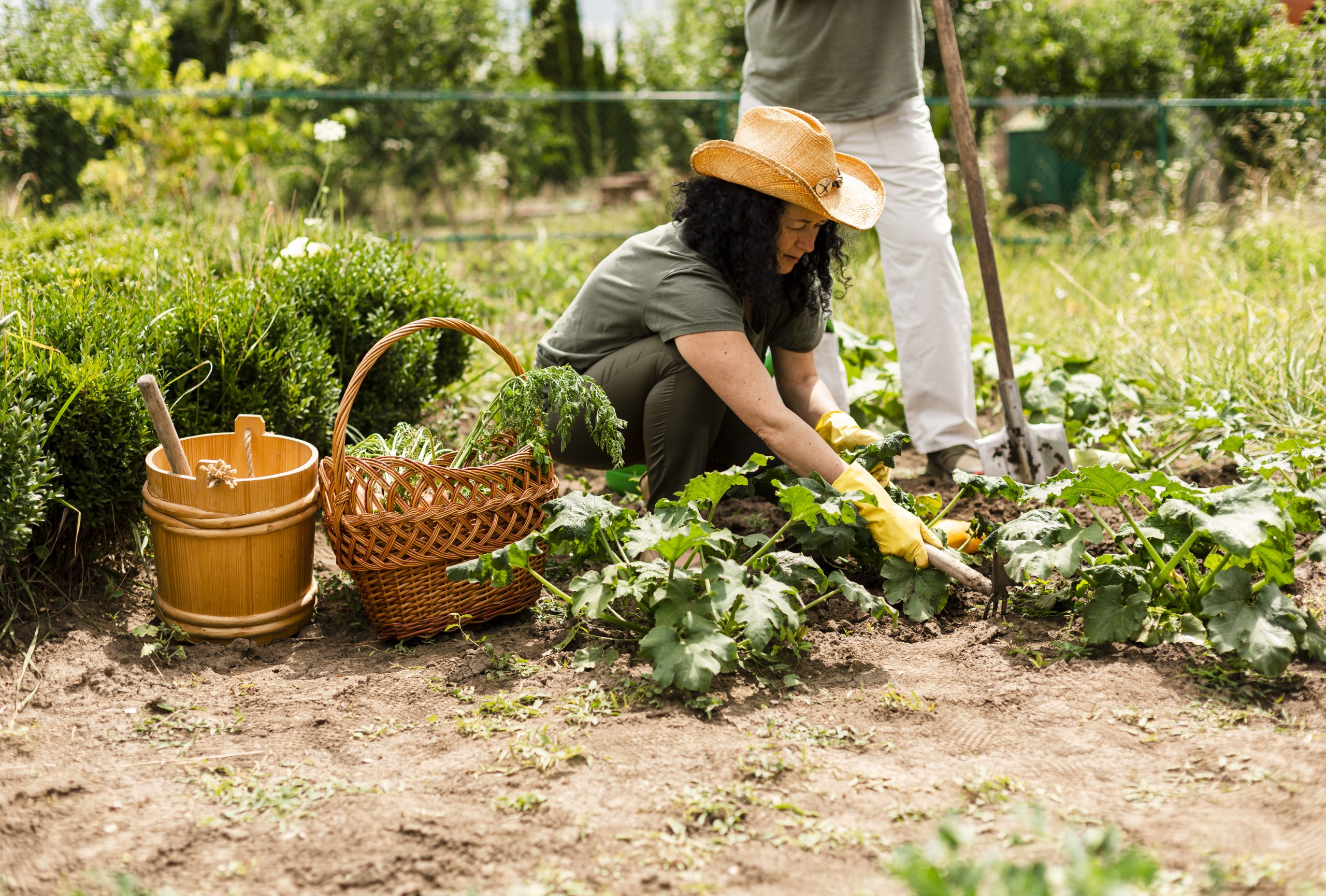
Garden weeds can quickly turn productive beds into dense, difficult-to-manage spaces when aggressive species establish faster than desirable plants. Some spread mainly through seed, while others use rhizomes, stolons, tubers, creeping roots, or crowns to occupy new areas and regenerate after removal.
The problem becomes greater when weeds mature and reproduce because even a small number of plants can add substantial seed to the soil. Perennial weeds can be especially persistent because underground structures continue producing new growth after foliage has been cut or pulled.

Weeds also exploit bare soil, weak plant competition, excessive moisture, poor drainage, and disturbed areas around garden beds. Once established, aggressive weeds compete with vegetables, flowers, shrubs, and ground covers for sunlight, water, nutrients, and growing space.
In this guide , we examine 30 weeds that can take over gardens, explain their identifying characteristics and spreading habits, and outline practical control methods. Understanding weed biology, preventing seed production, and combining appropriate management techniques can make long-term control much more achievable.
30 Aggressive Weeds That Take Over Garden
1. Canada Thistle (Cirsium arvense) – The Persistent Root-Spreading Weed
Identification: Canada thistle is a perennial broadleaf weed with upright stems, narrow deeply lobed leaves, and sharp spines along the margins. Purple flower heads appear during the flowering period, followed by seeds equipped with fluffy structures that allow them to travel on wind. Its appearance becomes particularly obvious when colonies develop throughout open garden soil.
Why It Takes Over: The major reason Canada thistle becomes difficult is its extensive underground root system. New shoots can emerge from underground roots, allowing colonies to expand even when individual plants are repeatedly cut. Seed production adds another pathway for spread, so allowing plants to flower can create future infestations throughout the garden.
How to Control It: Remove young plants before they become deeply established, taking care to remove as much of the root system as practical. Established plants should be repeatedly cut before seed production to weaken their underground reserves, while heavy mulch can suppress new seedlings. In suitable non-crop areas, a systemic herbicide may be incorporated into an integrated program when the product is labeled for the site.
2. Quackgrass (Elymus repens) – The Rhizomatous Grass That Spreads Underground
Identification: Quackgrass is a perennial grass with narrow green leaves and an upright growth habit. It can resemble desirable lawn or pasture grasses, but its underground rhizomes provide one of the most useful identification features. Pulling a plant may reveal long, pale rhizomes extending horizontally through the soil.
Why It Takes Over: Quackgrass spreads aggressively through underground rhizomes that produce new shoots from nodes. When soil is cultivated, rhizomes can be broken into viable pieces and distributed throughout the garden, creating multiple new infestation points. Dense colonies compete strongly with vegetables and ornamental plants for water, nutrients, light, and space.
How to Control It: Small infestations can be dug carefully, with the objective of removing as much rhizome material as possible. Avoid repeated chopping or tilling of established patches because fragmentation can encourage further spread. Opaque mulches can suppress growth, while appropriately labeled systemic herbicides can be considered where complete removal of surrounding vegetation is acceptable.
3. Field Bindweed (Convolvulus arvensis) – The Twining Garden Invader
Identification: Field bindweed is a perennial vine with slender twining stems and small funnel-shaped flowers that range from white to pink. Its leaves are generally arrowhead-shaped or variable, and the plant can spread across the ground before climbing nearby vegetation. Mature infestations often appear as tangled masses around other plants.
Why It Takes Over: Field bindweed combines seed reproduction with an extensive underground root system that can survive repeated removal of aboveground growth. Its stems wrap around vegetables, flowers, shrubs, and supports, allowing it to occupy vertical as well as horizontal space. Once established, it can continue emerging from underground roots for extended periods.
How to Control It: Remove young vines repeatedly and prevent flowering whenever possible. Digging can help with small patches, but roots should be removed carefully without unnecessarily fragmenting them. Mulching reduces seedling establishment, while appropriately timed systemic herbicide treatment can be useful in suitable areas where desirable vegetation can be protected.
4. Ground Ivy (Glechoma hederacea) – The Creeping Mat-Forming Weed
Identification: Ground ivy, also called creeping Charlie, is a low-growing perennial with rounded or kidney-shaped leaves attached to creeping stems. Small bluish-purple flowers appear from the leaf axils, particularly during favorable conditions. Its creeping habit distinguishes it from many upright broadleaf weeds.
Why It Takes Over: Ground ivy spreads through stolons that can root at nodes as they move across the soil surface. It performs particularly well where desirable vegetation is thin, soil remains moist, or growing conditions are shaded. Once numerous stems have rooted, removing only the visible leaves leaves behind many points capable of regenerating.
How to Control It: Hand removal can work for small patches when the creeping stems and rooted nodes are removed completely. Improving the competitiveness of desirable vegetation and reducing excessive moisture or shade where practical can make the site less favorable. Mulching can suppress seedlings, while a properly labeled broadleaf herbicide may be considered in suitable turf or non-crop settings.
5. Yellow Nutsedge (Cyperus esculentus) – The Tubers-Producing Garden Invader
Identification: Yellow nutsedge resembles grass but belongs to the sedge family and typically has a distinctive triangular stem. Its narrow leaves emerge from the base and can grow rapidly during warm conditions. Underground tubers are an important feature because they allow the plant to persist after the visible foliage is removed.
Why It Takes Over: Yellow nutsedge is strongly associated with moist conditions and can spread through underground tubers and other vegetative structures. Repeatedly cutting the foliage does not necessarily eliminate the underground source of new growth. A few established plants can therefore become a recurring problem in vegetable beds and ornamental areas.
How to Control It: Correct excessive irrigation and improve drainage where practical. Remove young plants carefully and attempt to remove the underground structures rather than repeatedly cutting the leaves. In appropriate sites, sedge-specific herbicides can supplement cultural and mechanical measures, but products must be selected according to the crop, ornamental plants, and label requirements.
6. Purple Nutsedge (Cyperus rotundus) – The Persistent Warm-Season Sedge
Identification: Purple nutsedge is a perennial sedge with narrow leaves and triangular stems. Its seed heads can have a reddish-purple or dark appearance, helping distinguish it from some other sedges. Underground tubers and rhizomes allow the plant to survive periods of surface disturbance.
Why It Takes Over: Purple nutsedge spreads through underground structures and can form dense colonies in warm, disturbed soils. Moisture and repeated soil disturbance can create favorable conditions for establishment. Once underground structures are present, removing only the foliage usually results in new shoots.
How to Control It: Avoid unnecessary cultivation of established infestations and remove young plants before underground structures become extensive. Improving drainage and avoiding excessive irrigation can reduce favorable conditions. Where chemical treatment is appropriate, use a herbicide specifically labeled for sedge control and monitor the area for later emergence.
7. Bermuda Grass (Cynodon dactylon) – The Aggressive Creeping Grass
Identification: Bermuda grass is a vigorous warm-season perennial grass with fine to medium-textured leaves. It spreads along the soil surface through stolons and underground through rhizomes, allowing it to move rapidly into garden beds. Dense mats and rooting runners are characteristic of established plants.
Why It Takes Over: Bermuda grass can invade from lawns, pathways, property boundaries, and unmanaged areas surrounding a garden. Both stolons and rhizomes allow it to recover after mowing or partial removal, while small fragments can establish new growth under suitable conditions. Its aggressive growth allows it to compete heavily with young garden plants.
How to Control It: Remove runners and rhizomes carefully from small garden beds and maintain clearly defined borders. Opaque covering can weaken established patches by preventing photosynthesis, although repeated monitoring is necessary. In non-crop areas where desirable vegetation can be protected, an appropriately labeled systemic herbicide may provide additional control.
8. Crabgrass (Digitaria spp.) – The Fast-Spreading Annual Grass
Identification: Crabgrass is a low-growing annual grass with stems that spread outward from a central point. The leaves are relatively coarse compared with many desirable turfgrasses, and mature plants produce distinctive seed heads. It commonly appears in bare soil, garden edges, pathways, and thin vegetation.
Why It Takes Over: Crabgrass relies heavily on seed production and can rapidly occupy open soil during warm weather. Mature plants produce large numbers of seeds, creating a persistent source of future seedlings. Weak vegetation and exposed soil provide ideal opportunities for establishment.
How to Control It: Remove plants while they are young and before seed heads develop. Mulching is effective for reducing exposed soil, while maintaining dense desirable vegetation makes establishment more difficult. Where appropriate for ornamental beds, a labeled pre-emergence herbicide can help prevent seedlings from establishing.
9. Common Purslane (Portulaca oleracea) – The Heat-Tolerant Mat Former
Identification: Common purslane is a succulent annual with fleshy stems and thick, smooth leaves. It commonly grows close to the soil surface and can form spreading mats around vegetables and ornamental plants. Small yellow flowers may appear during warm conditions.
Why It Takes Over: Purslane thrives in warm, disturbed, and relatively dry conditions where many other weeds struggle. It produces abundant seeds and its succulent stems can contribute to persistence when plants are disturbed and pieces remain in favorable conditions. Open soil gives the weed room to spread rapidly.
How to Control It: Remove plants before flowering and seed production, taking care to remove the plant thoroughly. Mulching can substantially reduce new seedlings by covering exposed soil. Maintaining healthy crop cover and avoiding unnecessary soil disturbance can further reduce opportunities for purslane to establish.
10. Common Chickweed (Stellaria media) – The Cool-Season Garden Invader
Identification: Common chickweed is a low-growing annual or winter annual with small oval leaves and delicate stems. Small white flowers develop among the foliage, often making mature plants easier to identify. It commonly appears in cool, moist garden beds and exposed soil.
Why It Takes Over: Chickweed can produce seeds rapidly and may establish several generations under favorable conditions. Its low growth allows it to spread underneath taller plants while occupying exposed soil. Dense patches can compete with young seedlings and make garden beds appear heavily overgrown.
How to Control It: Remove young plants before they flower and produce seed. Shallow hoeing can control emerging plants, while mulch helps reduce germination opportunities. Regular monitoring during cool and moist periods is particularly important because small plants can expand quickly before becoming obvious.
11. Lambsquarters (Chenopodium album) – The Rapid-Growing Broadleaf Weed
Identification: Lambsquarters is an upright annual broadleaf weed with variable leaves that can have a grayish or mealy appearance on their undersides and young growth. Mature plants can become tall and heavily branched. They commonly occur in vegetable gardens, cultivated soil, and disturbed areas.
Why It Takes Over: The plant grows quickly and produces abundant seeds, allowing populations to increase rapidly when mature plants are left in the garden. Its vigorous growth enables it to compete strongly with vegetables for sunlight, water, and nutrients. Disturbed soil provides numerous germination sites.
How to Control It: Pull or hoe young plants before they flower and produce seed. Mulching and maintaining competitive crop cover reduce opportunities for new seedlings. Mature plants should be removed carefully before seeds become viable and spread throughout the garden.
12. Redroot Pigweed (Amaranthus retroflexus) – The Fast-Growing Summer Weed
Identification: Redroot pigweed is an upright annual broadleaf weed that can develop a reddish coloration near the base of the stem and root. Its leaves are relatively broad and its mature flower structures appear dense and greenish. It can become tall enough to overtop smaller garden plants.
Why It Takes Over: Pigweed grows rapidly during warm weather and can produce large quantities of seed. Allowing even a few plants to mature can substantially increase future weed pressure. The plant competes aggressively for sunlight, moisture, nutrients, and space.
How to Control It: Remove pigweed while seedlings are young and before flowering. Shallow cultivation can control emerging plants, while mulch suppresses new seedlings. Garden areas should be inspected repeatedly because pigweed seedlings can emerge over an extended period when conditions remain favorable.
13. Dandelion (Taraxacum officinale) – The Deep-Rooted Perennial
Identification: Dandelion is easily recognized by its basal rosette of deeply lobed leaves and bright yellow flower heads. After flowering, the familiar spherical seed head develops and releases wind-dispersed seeds. Its long taproot distinguishes it from many shallow-rooted annual weeds.
Why It Takes Over: The taproot allows established dandelions to survive mowing and shallow removal. Wind-dispersed seeds can also arrive from lawns, neighboring properties, and unmanaged areas. Once plants become established in garden edges or compacted soil, they can remain persistent for years.
How to Control It: Dig individual plants deeply enough to remove the taproot and crown. Cutting flower heads before seed dispersal reduces future seedlings but does not eliminate existing plants. Maintaining dense desirable ground cover can reduce available space for new seedlings.
14. Field Horsetail (Equisetum arvense) – The Ancient Rhizomatous Invader
Identification: Field horsetail is a perennial plant with distinctive jointed stems and narrow, whorled foliage on its vegetative shoots. It commonly occurs in moist or poorly drained areas and can appear quite different from ordinary broadleaf weeds. Its underground rhizomes are responsible for much of its persistence.
Why It Takes Over: Field horsetail can develop an extensive underground network that allows new shoots to emerge repeatedly. Moisture, compaction, and disturbed conditions can favor its establishment. Removing the visible stems alone therefore provides limited long-term suppression.
How to Control It: Improve drainage and correct site conditions where practical. Repeatedly remove emerging shoots to reduce aboveground growth and gradually weaken the infestation. Avoid unnecessary soil movement that could distribute underground material, and consider carefully selected chemical control only where appropriate for the site.
15. Prostrate Spurge (Euphorbia spp.) – The Low-Growing Mat Former
Identification: Prostrate spurge consists of low-growing annual plants with stems spreading outward along the soil surface. Many species have small leaves and may produce a milky sap when stems are broken. The plants are particularly common in compacted soil, paths, and disturbed garden edges.
Why It Takes Over: Prostrate spurge occupies open soil efficiently because its stems spread horizontally rather than competing for vertical space. Seed production allows it to replenish populations, while compacted and bare areas provide favorable establishment sites. Its low profile can allow it to escape attention until large mats have formed.
How to Control It: Remove plants before seed production and avoid leaving mature plants on the soil surface. Mulch can reduce available germination sites, while improving soil conditions and maintaining desirable vegetation can reduce establishment. Hand removal is particularly practical when populations are still small.
16. Marestail (Erigeron canadensis) – The Wind-Dispersed Annual
Identification: Marestail is an upright annual or winter annual broadleaf weed with narrow leaves and small flower heads that develop toward the upper portions of the plant. Mature plants can become noticeably tall and produce large quantities of wind-dispersed seed. It commonly colonizes disturbed soil and neglected garden areas.
Why It Takes Over: Its ability to produce numerous wind-dispersed seeds allows marestail to spread beyond the original infestation. Plants that escape early control can mature rapidly and replenish the soil seed bank. Some populations also exhibit herbicide resistance, making diversified management particularly important.
How to Control It: Remove young plants before seed production whenever possible. Mulching and maintaining competitive desirable vegetation can reduce establishment in garden beds. Where herbicides are necessary, avoid relying repeatedly on a single mode of action and follow the label for the specific site and weed.
17. Velvetleaf (Abutilon theophrasti) – The Large-Leaved Garden Competitor
Identification: Velvetleaf is a tall annual broadleaf weed with large, soft, heart-shaped leaves covered in fine hairs. Its upright stems can become substantial during the growing season, and mature plants produce distinctive round seed capsules. It commonly appears in cultivated soil and vegetable gardens.
Why It Takes Over: The large leaves intercept substantial sunlight and allow established plants to compete strongly with smaller crops. Seed capsules contain numerous seeds that can replenish populations for future growing seasons. Rapid early growth gives velvetleaf an advantage in disturbed soil.
How to Control It: Remove seedlings while they are young and easier to pull. Mature plants should be removed before seed capsules develop, and mulch can reduce new emergence. Regular garden scouting is important because allowing only a few plants to mature can create a much larger future problem.
18. Smartweed (Persicaria spp.) – The Moist-Soil Colony Former
Identification: Smartweed includes several species with slender stems, lance-shaped leaves, and small flowers. Some species have characteristic markings on their leaves, although identification varies considerably within the group. They are commonly associated with moist or disturbed soil.
Why It Takes Over: Smartweeds can establish rapidly where soil remains moist and exposed. Annual species replenish populations through seed, while some perennial types can persist through underground structures. Dense growth can interfere with young vegetables and ornamental plants.
How to Control It: Remove annual plants before seed production and improve drainage where excessive moisture contributes to infestation. Mulch can reduce seedling establishment, while dense desirable planting reduces available space. Correct identification is important because management can differ between annual and perennial species.
19. Broadleaf Plantain (Plantago major) – The Compacted-Soil Survivor
Identification: Broadleaf plantain is a perennial rosette-forming weed with broad, oval leaves and prominent parallel veins. Tall seed stalks rise above the foliage and produce numerous small seeds. It frequently appears in compacted lawns, paths, garden edges, and disturbed soil.
Why It Takes Over: Plantain tolerates compacted soil and repeated mowing, giving it an advantage where desirable vegetation is weak. Its low rosette protects the growing point from many mowing operations, while seed stalks replenish populations. Poor soil conditions around pathways can therefore encourage recurring infestations.
How to Control It: Dig individual plants deeply enough to remove the crown and root system. Prevent seed stalks from maturing and improve soil structure where compaction is contributing to the problem. In appropriate turf situations, a labeled broadleaf herbicide can supplement mechanical and cultural management.
20. Dallisgrass (Paspalum dilatatum) – The Coarse Perennial Grass
Identification: Dallisgrass is a warm-season perennial grass that forms coarse, upright clumps. Its tall seed stalks can rise noticeably above surrounding turf or garden vegetation. Mature plants develop substantial crowns and root systems that make complete hand removal more difficult.
Why It Takes Over: Dallisgrass can persist for multiple seasons and recover after repeated mowing. Its perennial growth gives it an advantage over annual weeds in areas where soil is disturbed but desirable vegetation remains weak. Seed production can also contribute to new plants.
How to Control It: Dig isolated plants deeply enough to remove the crown and major roots. Repeated mowing can prevent seed production but will not necessarily eliminate established crowns. Maintaining dense desirable turf or ground cover helps reduce new establishment, while selective herbicide options may be considered in appropriate turf situations.
21. Yellow Wood Sorrel (Oxalis stricta) – The Seed-Shooting Garden Weed
Identification: Yellow wood sorrel is a low-growing plant with three heart-shaped leaflets and small yellow flowers. The stems may grow upright or spread along the ground, depending on conditions. Its seed capsules are an important identification feature because mature capsules can release seeds forcefully when disturbed.
Why It Takes Over: Yellow wood sorrel can spread through both seed and underground structures. Its adaptability to different moisture and light conditions allows it to establish in lawns, gardens, containers, and disturbed soil. Once seed capsules mature, new plants can appear around the original infestation.
How to Control It: Remove small plants before seed capsules mature and remove as much of the root and underground material as possible. Mulching and dense desirable vegetation can reduce germination opportunities. In suitable turf or landscape situations, a labeled herbicide can be incorporated into an integrated control program.
22. Creeping Buttercup (Ranunculus repens) – The Moisture-Loving Runner
Identification: Creeping buttercup is a perennial with three-part leaves and yellow flowers. Long creeping stems develop along the soil surface and can root at nodes, allowing individual plants to expand into patches. It commonly occurs in moist garden areas and poorly drained soil.
Why It Takes Over: Its stolons allow creeping buttercup to spread horizontally and establish new rooting points away from the parent plant. Moist conditions favor its growth, while dense runners can occupy space between desirable plants. Detached portions containing viable nodes can also contribute to new establishment.
How to Control It: Remove creeping stems and rooted nodes from small infestations. Improve drainage where excessive moisture is contributing to growth and prevent runners from entering neighboring beds. Repeated removal combined with dense desirable vegetation can gradually reduce its ability to dominate.
23. Mugwort (Artemisia vulgaris) – The Rhizomatous Colony Former
Identification: Mugwort is a tall perennial with upright stems and aromatic foliage. Leaves are commonly green above and paler beneath, and mature plants can form dense stands. Underground rhizomes are a major reason established colonies persist.
Why It Takes Over: Mugwort spreads through underground rhizomes that allow colonies to expand laterally. Cutting the visible stems does not necessarily eliminate the underground source of new growth. Once established along garden boundaries or neglected beds, it can gradually invade surrounding planting areas.
How to Control It: Repeatedly cut emerging shoots before flowering to reduce the plant’s ability to replenish underground reserves. Digging can work on small infestations when rhizomes are removed carefully. Thick opaque coverings can suppress regrowth, while appropriate systemic herbicides may be considered for larger non-crop infestations.
24. Common Milkweed (Asclepias syriaca) – The Spreading Perennial Colony
Identification: Common milkweed is a tall perennial with broad leaves, stout stems, clusters of fragrant flowers, and distinctive seed pods. Although it is an important ecological plant and host for monarch butterflies, it can become unwanted when it spreads into areas reserved for crops or ornamental plants.
Why It Takes Over: Common milkweed can spread through underground rhizomes as well as wind-dispersed seeds. New shoots may emerge around established plants, allowing colonies to expand outward. Mature seed pods release numerous seeds that can travel into nearby areas.
How to Control It: Where removal is necessary, repeatedly cut shoots and prevent seed production. Digging can help with isolated plants, although underground rhizomes must be addressed carefully. In garden settings where complete removal is not necessary, boundary management and repeated cutting can prevent the plant from expanding into cultivated areas.
25. Horsenettle (Solanum carolinense) – The Thorny Perennial Invader
Identification: Horsenettle is a perennial broadleaf weed with prickly stems, lobed leaves, small white to purple flowers, and yellow berries. Its spines make physical removal more difficult than many ordinary garden weeds. Plants can develop substantial underground systems that support regrowth.
Why It Takes Over: Horsenettle spreads through both seeds and underground roots. Birds and other animals can move its berries and contribute to new infestations, while established roots allow plants to survive cutting. Its prickly growth can also discourage gardeners from removing it promptly.
How to Control It: Wear protective gloves and clothing when manually removing horsenettle. Dig deeply to remove the crown and major roots from small infestations, and repeatedly cut plants before seed production. In suitable non-crop locations, a labeled systemic herbicide can provide additional control while protecting nearby desirable vegetation.
26. Japanese Knotweed (Reynoutria japonica) – The Extremely Vigorous Perennial
Identification: Japanese knotweed is a tall perennial with hollow, bamboo-like stems and broad leaves. It can grow rapidly and form dense stands that dominate disturbed soil, garden edges, and neglected areas. The underground rhizome network is an important feature of established populations.
Why It Takes Over: Japanese knotweed spreads primarily through vigorous underground rhizomes, and small viable fragments can contribute to new growth. Its rapid aboveground development allows it to overtop competing vegetation and capture large amounts of light. Soil disturbance can increase the risk of moving viable plant material.
How to Control It: Avoid careless digging or movement of contaminated soil because rhizome fragments can contribute to spread. Repeated cutting can suppress the aboveground growth but may require prolonged follow-up. Established infestations often require a carefully planned combination of repeated suppression and appropriately selected herbicide treatments.
27. Foxtail (Setaria spp.) – The Prolific Seed-Producing Grass
Identification: Foxtail grasses are annual grasses with narrow leaves and characteristic bristly seed heads. Depending on the species, seed heads can vary in color and density, but the bristles generally make mature plants recognizable. They frequently invade vegetable gardens, pathways, and disturbed ground.
Why It Takes Over: Foxtails rely heavily on seed production and can mature quickly during warm conditions. Once seed heads develop, large numbers of seeds can enter the soil and create future infestations. Bare ground between crops gives seedlings abundant space to establish.
How to Control It: Remove plants before seed heads mature. Shallow cultivation can control young seedlings, while mulch and dense desirable vegetation reduce suitable establishment sites. Repeated scouting throughout the warm season helps catch new plants before they reach reproductive maturity.
28. Hairy Bittercress (Cardamine hirsuta) – The Small Weed With Explosive Seeds
Identification: Hairy bittercress is a small annual or short-lived weed with a basal rosette, slender stems, and tiny white flowers. Its small size makes it easy to overlook in containers and garden beds. The elongated seed capsules are particularly important because they can disperse seeds when disturbed.
Why It Takes Over: Hairy bittercress can complete its life cycle quickly and produce several opportunities for seed production under favorable conditions. Seeds can be distributed around nearby pots, beds, and greenhouse areas when mature capsules release them. Moist soil and frequent irrigation can support repeated establishment.
How to Control It: Remove plants before seed capsules mature and inspect containers regularly. Hand pulling is effective for small infestations when plants are still young. Reduce unnecessary moisture and cover exposed soil with an appropriate mulch to limit new seedlings.
29. Shepherd’s Purse (Capsella bursa-pastoris) – The Prolific Rosette Weed
Identification: Shepherd’s purse begins as a basal rosette of lobed leaves before producing an upright flowering stalk. Mature plants develop distinctive heart-shaped seed pods along the stem. It commonly appears in disturbed soil, vegetable gardens, pathways, and open planting beds.
Why It Takes Over: The plant produces numerous seeds and can establish quickly where soil remains exposed. Its small rosette can initially blend into garden soil, allowing plants to mature before they attract attention. Repeated seed production can gradually build a substantial population.
How to Control It: Remove plants before seed pods mature. Young rosettes can usually be pulled or hoed effectively, while mulch reduces opportunities for new seedlings. Regular inspection of open soil is particularly important because early plants are much easier to manage than mature seed-producing specimens.
30. Wild Blackberry (Rubus spp.) – The Thorny Thicket Former
Identification: Wild blackberry consists of vigorous perennial canes that may arch, trail, or form dense thorny thickets. The plants produce compound leaves and berries that change color as they mature. Established crowns and canes can occupy substantial areas along garden boundaries and neglected spaces.
Why It Takes Over: Blackberry plants can spread through seeds and vegetative growth, while established crowns support repeated cane production. Dense thorny growth makes access difficult and allows the plant to occupy space that would otherwise support desirable vegetation. Birds and animals can also distribute seeds through surrounding areas.
How to Control It: Wear protective clothing and gloves when cutting or digging blackberry. Cut canes close to the ground and remove as much of the crown and root system as possible, followed by repeated removal of new shoots. In larger non-crop infestations, appropriately labeled systemic herbicides can supplement mechanical control, particularly when applied to actively growing regrowth.
7 Reliable Strategies for Controlling Weeds That Take Over Gardens
1. Identify the Weed Before Controlling It
Accurate identification should come before selecting a control method because annual grasses, perennial broadleaf weeds, sedges, vines, and rhizomatous species behave differently. Knowing the weed’s life cycle and reproductive method helps determine whether the priority should be preventing seed production, removing underground structures, improving site conditions, or using a targeted herbicide.
2. Prevent Weeds From Producing Seed
Preventing mature seed production is one of the most effective ways to reduce future weed pressure. Remove annual weeds before they flower or set seed, and monitor garden edges, pathways, and neglected areas where mature plants can become seed sources.
Mowing can reduce seed production in suitable non-crop areas when performed before seeds mature. However, timing matters because once viable seed has developed, mowing may no longer prevent existing seeds from entering the soil.
3. Use Mulch to Reduce Exposed Soil
Mulch creates a physical barrier that reduces light reaching weed seedlings and makes establishment more difficult. Organic mulch, cardboard, or suitable landscape materials can be particularly useful between established garden plants.
Mulching works best when applied consistently and maintained at an appropriate depth. Perennial weeds with strong underground structures may still emerge through or around mulch, so persistent infestations require additional management.
4. Encourage Competitive Garden Plants
Healthy vegetables, ornamentals, ground covers, and turf reduce the amount of open space available to weeds. Appropriate planting density, irrigation, fertility, and soil management can therefore form an important part of long-term weed suppression.
Weak or stressed desirable vegetation leaves gaps that aggressive weeds can exploit. Improving the competitive ability of the plants you actually want in the garden can make recurring weed problems easier to manage.
5. Remove Perennial Weeds Before They Become Established
Perennial weeds generally require more persistent management than annual weeds because they can survive through roots, rhizomes, crowns, bulbs, tubers, or stolons. Small infestations should therefore be addressed before underground structures become extensive.
Repeated cutting can weaken some perennial weeds by forcing them to use stored reserves to produce new shoots. For certain established perennials, appropriately timed systemic herbicides may improve control because the plant can transport the active ingredient toward underground structures.
6. Avoid Spreading Weed Fragments
Cultivation and digging can unintentionally spread weeds that reproduce vegetatively. Rhizomes, stolons, roots, bulbs, and tubers should not be chopped and redistributed throughout a garden.
Clean tools and equipment after working in heavily infested areas, particularly when dealing with aggressive perennial weeds. Remove viable plant fragments from the garden rather than leaving them on moist soil where they may regenerate.
7. Match Chemical Control to the Weed and Site
Herbicides should be considered one component of an integrated weed-management program rather than the only control method. Product selection should account for the weed species, growth stage, surrounding crops or ornamentals, application timing, drift risk, and label restrictions.
Perennial weeds can have different herbicide-timing requirements from annual weeds, and systemic products may perform differently depending on plant growth stage. Always use only products registered for the intended site and follow the current product label for application rates, protective measures, re-entry requirements, and other restrictions.
Frequently Asked Questions About Weeds That Take Over Gardens
1. What weeds take over gardens the fastest?
Some of the most aggressive garden weeds include Canada thistle, quackgrass, field bindweed, Bermuda grass, nutsedge, crabgrass, purslane, pigweed, and several rhizomatous perennials. Their ability to spread rapidly comes from combinations of prolific seed production, underground reproduction, creeping stems, or vigorous growth.
2. Why do weeds keep coming back after I pull them?
Many perennial weeds have underground structures that remain alive after the visible foliage is removed. Roots, rhizomes, stolons, crowns, bulbs, and tubers can produce new shoots, while annual weeds may return from seeds already present in the soil.
3. How can I stop weeds from taking over my garden?
Begin by identifying weeds early and preventing them from reaching the seed-producing stage. Combine mulch, dense desirable vegetation, regular hand removal, careful cultivation, sanitation, and appropriately selected herbicides where necessary.
4. Does mulch prevent weeds permanently?
Mulch can substantially reduce weed emergence but does not permanently eliminate every weed. Annual seedlings are generally easier to suppress than established perennial weeds capable of growing through or around the mulch.
5. Should I till a garden that has a serious weed problem?
Tilling can control some annual weeds but may worsen infestations of rhizomatous or root-spreading perennials. Before cultivating heavily infested soil, determine whether the weed can regenerate from underground fragments.
6. When is the best time to control perennial weeds?
Timing depends on the species and control method, but actively growing perennial weeds can be particularly responsive to systemic herbicide treatments when resources are being transported toward underground storage structures. Late summer and fall are important treatment periods for many perennial weeds, although the product label and species-specific recommendations should determine the actual application timing.
7. Can one herbicide kill every weed in a garden?
No. Herbicide effectiveness varies according to weed species, life cycle, growth stage, herbicide mode of action, and site conditions. Using a broad-spectrum product indiscriminately can also injure desirable plants, so accurate identification and label-based selection are essential.
Final Thoughts
Weeds that take over gardens can quickly become difficult to manage when they are allowed to establish, spread, and reproduce. Early identification and timely removal are therefore essential for protecting vegetables, flowers, shrubs, and other desirable plants from prolonged competition.
Annual weeds are best managed before they produce mature seeds, while perennial weeds require greater attention to roots, rhizomes, stolons, tubers, and crowns. Understanding how each species reproduces helps gardeners select control methods that address the source of regrowth rather than only removing visible foliage.
Long-term management works best when several methods are combined, including mulching, competitive planting, mechanical removal, sanitation, appropriate irrigation, and carefully selected herbicides where necessary. Regular monitoring also helps detect new seedlings and regrowth before small infestations develop into extensive garden problems.
By understanding weed biology and responding before aggressive species become established, gardeners can maintain cleaner, healthier, and more productive growing spaces. Consistent prevention, early intervention, and repeated follow-up provide the foundation for keeping persistent weeds from taking over the garden.