Understanding what is a weak feeder vegetable is essential for gardeners seeking to optimize their garden productivity while minimizing fertilizer use. Weak feeder vegetables are plants that require minimal nutrients to produce healthy, abundant harvests. These low-maintenance crops thrive in average soil with little to no supplemental fertilization, making them perfect for organic gardeners, beginners, and those seeking sustainable growing practices.
Weak feeder vegetables have evolved to grow efficiently with limited resources, making them ideal for crop rotation plans, interplanting, and low-input gardening. These plants typically have extensive root systems that efficiently scavenge nutrients, or they grow quickly and complete their life cycle before soil fertility becomes depleted. Understanding which vegetables are weak feeders helps gardeners plan more sustainable, cost-effective gardens.
The concept of weak feeders is central to traditional crop rotation systems where heavy feeders (like tomatoes and corn) follow soil-building legumes, and weak feeders are planted after moderate feeders. This sustainable approach maintains soil health while reducing the need for synthetic fertilizers. Modern gardeners continue to benefit from understanding these plant classifications.
In this comprehensive guide, the top 60 weak feeder vegetables are carefully identified and described based on their nutritional needs, growing requirements, and garden benefits to help you create a more sustainable, low-input vegetable garden.
What Are Weak Feeder Vegetables?
Weak feeder vegetables, also known as light feeders or low-feeders, are plants that require minimal soil nutrients to produce satisfactory yields. These vegetables typically have one or more of the following characteristics:
- Efficient root systems that access nutrients other plants cannot reach
- Short growing seasons that complete before soil fertility declines
- Natural resistance to nutrient stress and deficiency
- Ability to thrive in average or even poor soil conditions
- Low nitrogen requirements compared to heavy feeders
In crop rotation systems, weak feeders are typically planted in the third or fourth year after heavy feeders, allowing the soil to recover while still producing harvests. This sustainable approach reduces fertilizer costs, prevents nutrient depletion, and maintains long-term soil health.
Top 60 Weak Feeder Vegetables For Your Garden
1. Arugula – Best Weak Feeder Salad Green
Arugula is the best weak feeder salad green because it grows quickly in average soil with minimal nutrition and produces peppery, flavorful leaves in just 3-4 weeks. This fast-growing green thrives in poor soil and requires little to no fertilizer, making it perfect for beginners and low-input gardens.

- Eruca Sativa: These finest quality, non-GMO, USDA Organic Slow Bolt Arugula (Rocket) seeds produce lush, green leaves with a fresh, slightly peppery taste. Arugula is delicious in salads, pastas, soups and sandwiches.
- For Best Results: Arugula tastes best when the leaves are young, about 2-3" long. Cut individual leaves as needed. If flowers appear they are edible as well. For a Continuous Harvest: Sow new seeds every 2-3 weeks to enjoy a continuous harvest all season long.
Growing tips: Plant arugula in early spring or fall, in well-drained soil with pH 6.0-7.0. Harvest leaves when young for best flavor. Succession sow every 2-3 weeks for continuous harvests.
Pros:
- Fast-growing (3-4 weeks)
- Thrives in poor soil
- No fertilizer needed
- Great for container gardens
- Cold and heat tolerant
Cons:
- Bolts quickly in heat
- Requires consistent moisture
- Short harvest window
2. Green Beans – Best Weak Feeder Legume
Green beans are the best weak feeder legume because they produce their own nitrogen through symbiotic bacteria, eliminating the need for supplemental fertilization. These productive vegetables thrive in average soil and enrich the soil for following crops, making them perfect for sustainable gardens.

- Beautiful - Large premium seed packet of Contender Bush Bean (Phaseolus vulgaris) seeds. Minimum of 16.5g per packet (about 30 seeds). Stringless bush bean that matures early and produces high yields. Adaptable, performing well in short, cool growing seasons or in hot weather. Beans are 5-8" long and retain their flavor when frozen or canned.
- Productive - Contender Bean germinates in 7-12 days when soil temps are 65-75°F. Plant 1” deep and space 3-4” apart in an area with full sun. This variety will grow 12-22” tall with a spread of 16-20”. Beans will mature in 60-75 days, plant in USDA zones 3-10.
Growing tips: Plant green beans in full sun with well-drained soil. Bush varieties are more compact while pole beans produce higher yields. Water consistently and avoid overhead watering to prevent disease.
Pros:
- Nitrogen-fixing legume
- Improves soil fertility
- High yields with no fertilizer
- Bush and pole varieties
- Good storage crop
Cons:
- Need support for pole types
- Susceptible to bean diseases
- Requires warm soil to germinate
3. Beets – Best Weak Feeder Root Vegetable
Beets are the best weak feeder root vegetable because they produce sweet, nutritious roots and tender greens with minimal soil nutrition. These versatile vegetables thrive in average soil and require little fertilizer, making them perfect for low-input gardens and beginner growers.

- TOP-RATED NUTRITIONAL HEIRLOOM: Detroit Dark Red is a premium, high-yielding, and stress-resistant beet variety that stands at the pinnacle of root vegetables. This all-season favorite is a mid-early universal cultivar, perfect for consistent home harvests of professional quality.
- PERFECT SPHERICAL ROOTS: Expect uniform, smooth-skinned, and perfectly formed globe-shaped beets. Known for a deeper color and more refined crown attachment than other varieties, it produces heavy roots that are consistent in size and weight.
Growing tips: Plant beets in early spring or late summer in well-drained, loose soil. Keep soil consistently moist for tender roots. Thin seedlings to 3-4 inches apart for proper bulb development.
Pros:
- Edible roots and greens
- Nutritious and versatile
- Good storage root
- Cold tolerant
- Long harvest season
Cons:
- Requires loose, rock-free soil
- Thinning needed for good roots
- Can become woody in heat
4. Broccoli – Best Weak Feeder Brassica
Broccoli is the best weak feeder brassica because it produces large, nutritious heads with moderate nutrition while improving soil structure. This popular vegetable is less demanding than its cousins (cauliflower, cabbage) and produces side shoots for extended harvests.

- Beautiful - Large premium packet of Waltham 29 Broccoli (Brassica oleracea) seeds. A reliable heirloom that produces 5-6" blue-green heads and an abundance of side shoots. Waltham 29 is adapted for both drought and cold tolerance. Minimum of 750 mg per packet (about 200 seeds).
- Productive - Waltham 29 Broccoli germinates in 7-14 days when soil temps are 70-75°F. Plant 1/4” deep and space 4-6” apart in an area with full sun. This variety will grow 20-24” tall with a spread of 12-16”. Heads will mature in 50-60 days, plant in USDA zones 3-10.
Growing tips: Plant broccoli in cool weather, spacing plants 18-24 inches apart. Side-dress with compost at planting, then leave unfertilized. Harvest main heads before flowers open for best quality.
Pros:
- High yields in average soil
- Produces side shoots
- Cold hardy and versatile
- Nutrient-dense food
- Extended harvest season
Cons:
- Requires cool weather to head
- Susceptible to cabbage worms
- Longer growing season needed
5. Brussels Sprouts – Best Weak Feeder Winter Vegetable
Brussels sprouts are the best weak feeder winter vegetable because they produce abundant sprouts on tall stalks with minimal nutrition. These cold-hardy plants thrive in average soil and produce harvests through winter, providing food when other vegetables are scarce.

- 3 HEIRLOOM VARIETIES – Red, Catskill, and Long Island Improved Brussels sprouts seeds for planting, open-pollinated heirloom vegetables grown for generations, botanical name Brassica oleracea var. gemmifera
- UNIQUE PURPLE SPROUTS – Red Brussels sprouts bring striking color and rich flavor, adding interest to garden beds and a unique harvest for fresh or roasted dishes
Growing tips: Plant Brussels sprouts in mid-summer for fall and winter harvests. Space plants 24 inches apart. Remove lower leaves as sprouts develop for better formation and air circulation.
Pros:
- Winter harvest season
- Abundant yields per plant
- Cold-hardy vegetable
- Good storage vegetable
- Unique garden plant
Cons:
- Long growing season (100+ days)
- Susceptible to aphids
- Requires space for plantings
6. Cabbage – Best Weak Feeder Storage Vegetable
Cabbage is the best weak feeder storage vegetable because it produces dense, nutritious heads in average soil and stores well throughout winter. This versatile vegetable requires minimal nutrition and provides harvests when fresh produce is scarce.

- 5 HEIRLOOM VARIETIES – Includes Red Acre, Golden Acre, Jersey Wakefield, Early Round Dutch (Brassica oleracea var. capitata), and Michihili Napa cabbage (Brassica rapa var. pekinensis) seeds for planting in home gardens
- KITCHEN DIVERSITY – Enjoy green, red, and napa cabbages for coleslaw, soups, sauerkraut, stir-fries, and more with this versatile cabbage seed pack for year-round meals
Growing tips: Plant cabbage in early spring or mid-summer. Space plants 18-24 inches apart. Keep soil consistently moist. Harvest when heads are firm and dense.
Pros:
- Excellent storage capacity
- Versatile cooking vegetable
- Cold hardy and productive
- Nutritious and filling
- Good value crop
Cons:
- Susceptible to cabbage worms
- Requires consistent moisture
- Slow growth
7. Carrots – Best Weak Feeder Root Crop
Carrots are the best weak feeder root crop because they produce sweet, crisp roots with minimal soil nutrition. These deep-rooted vegetables efficiently scavenge nutrients while breaking up heavy soils, making them valuable for soil improvement as well as eating.

- Premium Tendersweet Carrot Seeds: Authentic Open-Pollinated Premium Heirloom Seeds (USA) Non-GMO, Untreated, High Germination Rate. Phenomenal dessert Brix profile. High-impact carotene energy. An outstanding orange monolith for open ground, high ridges, and patio containers. Your garden bed is your pride.
- Sugar Monarch. An authoritative, cult variety. It dictates the rules of dessert flavor within the professional baking and juice industries. Recognized as a benchmark among carrots for its abundance of natural sugars. Valued for its elongated cylindrical shape, unique fiber-free structure, neon ultra-orange flesh color, concentrated sweetness, and colossal carotene accumulation energy.
Growing tips: Plant carrots in deeply worked, loose soil. Thin seedlings to 2-3 inches apart. Keep soil consistently moist for tender, sweet roots. Harvest when roots reach desired size.
Pros:
- Efficient nutrient scavengers
- Improve soil structure
- Excellent storage vegetable
- Nutritious and versatile
- Good for interplanting
Cons:
- Requires weed-free soil
- Slow germination
- Can become woody in heat
8. Cauliflower – Best Weak Feeder Cool-Season Crop
Cauliflower is the best weak feeder cool-season crop because it produces creamy-white heads with moderate nutrition and thrives in cool weather. While slightly more demanding than some weak feeders, cauliflower still grows well in average soil with minimal supplementation.

- SHORT SEASON HARVEST - Snowball is a dependable heirloom cauliflower variety that forms compact firm white heads quickly; ideal for gardeners seeking reliable spring and fall harvests
- COLD TOLERANT PERFORMANCE - Snowball White cauliflower thrives in cool weather and withstands light frost; an excellent choice for early spring planting or extending production into fall
Growing tips: Plant cauliflower in cool weather, spacing plants 24 inches apart. Blanch heads by folding leaves over when heads reach golf-ball size. Harvest heads when tight and white.
Pros:
- Nutritious and versatile
- Low-calorie vegetable
- Good market crop
- Cold hardy
- Storage crop
Cons:
- Needs consistent moisture
- Can be demanding
- Requires careful timing
9. Celery – Best Weak Feeder Hydrating Vegetable
Celery is the best weak feeder hydrating vegetable because it grows steadily in average soil with consistent moisture and minimal nutrition. This crunchy vegetable is mostly water and requires little fertilizer to produce crisp, flavorful stalks.

- Add to brines and spice rubs for meat and poultry
- For coleslaw, potato salad or macaroni salad

Growing tips: Plant celery in rich, moist soil with consistent water. Space plants 8-10 inches apart. Blanch stalks by wrapping or mounding for paler, less bitter celery.
Pros:
- High water content
- Low calorie
- Long harvest period
- Good for soups and salads
- Cut-and-come-again
Cons:
- Requires consistent moisture
- Slow germination
- Can be stringy in heat
10. Chard – Best Weak Feeder Cut-and-Come-Again Green
Chard is the best weak feeder cut-and-come-again green because it produces abundant, nutritious leaves repeatedly with minimal nutrition. This beautiful vegetable thrives in average soil and provides harvests throughout the season, making it perfect for continuous gardening.

- Colorful Edible Stems: Rainbow mixture swiss chard seeds produce red, yellow, orange, pink, purple, and white stalks with dark green leaves, adding beauty and nutrition to vegetable garden and home garden beds.
- Fast Maturity Crop: Swiss chard seeds reach harvest in about 60 days, with baby leaves ready near 30 days. Ideal vegetable seeds for planting outdoors from spring through fall for steady harvests.
Growing tips: Plant chard in spring or late summer. Space plants 8-12 inches apart. Harvest outer leaves regularly for continuous production. Chard tolerates heat and cold well.
Pros:
- Multiple harvests from one plant
- Nutritious and versatile
- Colorful and ornamental
- Heat and cold tolerant
- Good storage crop
Cons:
- Requires regular harvesting
- Can become tough with age
- Attracts leaf miners
11. Collard Greens – Best Weak Feeder Southern Green
Collard greens are the best weak feeder Southern green because they produce abundant, nutritious leaves in average soil with minimal care. This traditional vegetable thrives in heat and cold, providing harvests throughout the year in many regions.

- COLEUS RAINBOW — IN MAXIMUM EXOTIC AND COLOR INTENSITY MODE. A TROPICAL PHANTASMAGORIA FOR NORTHERN LATITUDES — WHEN FOLIAGE OUTSHINES THE FLOWERS. Flawless Non-GMO seeds from an American brand. Parameters of genetic stability, freshness, germination, and adaptability are confirmed by quality standards. The Rainbow mix, where every seed is a unique masterpiece. A tropical annual for all zones.
- ARCHITECTURE OF EQUATORIAL JUNGLES. Multi-layered exotic foliage + a kaleidoscope of patterns and colors on a single leaf + the noble matte finish of expensive fabrics + velvety texture + visual meditation + rapid growth + shade tolerance + 24/7 decorativeness + dominant aesthetics.
Growing tips: Plant collards in early spring or late summer. Space plants 18-24 inches apart. Harvest outer leaves as needed. Collards are frost-tolerant and improve in flavor after light frost.
Pros:
- Heat and cold tolerant
- Multiple harvests per plant
- Nutritious traditional green
- Good storage crop
- Easy to grow
Cons:
- Requires regular harvesting
- Susceptible to cabbage worms
- Large plant size
12. Corn Salad – Best Weak Feeder Winter Green
Corn salad is the best weak feeder winter green because it provides fresh, nutty-flavored leaves throughout winter with absolutely no fertilization. This cold-hardy green thrives in poor soil and provides harvests when other vegetables are dormant.

- HEIRLOOM CORN SALAD SEEDS FOR PLANTING - Also known as mache or lambs lettuce, this cold hardy European green, Corn Salad Verte de Cambrai (Valerianella locusta) forms compact rosettes and grows well in dense plantings
- VERTE DE CAMBRAI VARIETY - This heirloom corn salad is grown for its superior cold hardiness and uniform growth; Verte de Cambrai produces dense compact mache plants with tender leaves and reliable harvests in cool weather conditions
Growing tips: Plant corn salad in late summer or early fall for winter harvest. Sow seeds thickly and harvest leaves when young. This green tolerates snow and freezing temperatures.
Pros:
- Winter production
- No fertilizer needed
- Nutty, pleasant flavor
- Very cold hardy
- Good in containers
Cons:
- Smaller yields than other greens
- Not a summer crop
- May need protection from heavy snow
13. Endive – Best Weak Feeder Bitter Green
Endive is the best weak feeder bitter green because it produces crisp, slightly bitter leaves in average soil with minimal nutrition. This elegant salad green thrives in cool weather and provides unique flavor to salads and cooked dishes.

- This lovely heirloom frisee-style endive has curly ruffled leaves that make a great addition to gourmet salads. Heads reach 12-15" in diameter. Endive and Escarole or members of the chicory genus of plants. Endive tends to have narrow, curly leaves (Frisee) while Escarole have broader leaves. These varieties are particularly well-suited for cutting as they re-grow readily. Great for both spring and fall plantings.
- Grown in 2025 for the 2026 season
Growing tips: Plant endive in early spring or late summer for fall harvest. Space plants 12-15 inches apart. Blanch by covering or tying leaves for milder flavor. Harvest when heads are firm.
Pros:
- Unique bitter flavor
- Cool-season crop
- Good for salads
- Nutritious and versatile
- Good storage crop
Cons:
- Bitterness may be off-putting
- Requires blanching for mildness
- Heat causes bolting
14. Fava Beans – Best Weak Feeder Soil Builder
Fava beans are the best weak feeder soil builder because they fix nitrogen, improve soil structure, and produce delicious beans with zero fertilization. These ancient legumes are perfect for sustainable gardens and are the ultimate weak feeder.

- Grow All You Want - Extra large bulk packet of Broad Windsor Fava Bean (Vicia faba) seeds. Also known as broad beans, these cool season loving legumes are highly nutritious, full of protein and vitamins. Enjoy a bountiful harvest with this jumbo pack, ensuring a steady supply of these versatile beans. Can also be grown as a cover crop to improve the soil. And it makes a great variety to grow as a family! Minimum of 60g per packet (about 30 seeds).
- Productive - Fava Beans germinate in 7-14 days when soil temps are 65-75°F. Plant 2” deep and space 8” apart in an area with full sun. This variety will grow 2-4’ tall with a spread of 16-20”. Beans will mature in 75-95 days, plant in USDA zones 3-11.
Growing tips: Plant fava beans in fall or early spring. Space 6-8 inches apart in rows 18-24 inches apart. Harvest pods when plump and tender. Fava beans enrich soil for following crops.
Pros:
- Nitrogen-fixing legume
- Improves soil fertility
- Tasty, nutritious beans
- Cold hardy vegetable
- Great for crop rotation
Cons:
- Requires support for tall varieties
- Can be affected by aphids
- Not for hot climates
15. Fennel – Best Weak Feeder Herbal Vegetable
Fennel is the best weak feeder herbal vegetable because it produces aromatic bulbs, fronds, and seeds with minimal soil nutrition. This beautiful plant thrives in average soil and provides unique flavor to cooking, making it a valuable garden addition.

- 1.02 ounces of organic fennel seeds
- USDA Organic and Non-GMO Project Verified
Growing tips: Plant fennel in full sun, well-drained soil. Space plants 12-18 inches apart. Harvest bulbs when they reach fist-size. Fennel self-sows readily, providing volunteer plants.
Pros:
- Edible bulb, fronds, and seeds
- Unique anise flavor
- Attractive garden plant
- Self-sowing
- Medicinal properties
Cons:
- Can become invasive
- May inhibit other plants
- Requires full sun
16. Garlic – Best Weak Feeder Bulb Vegetable
Garlic is the best weak feeder bulb vegetable because it produces pungent, flavorful bulbs in average soil with minimal nutrition. This essential kitchen vegetable is easy to grow and stores well, making it a garden staple for weak feeder gardeners.

Growing tips: Plant garlic cloves in fall, 4-6 inches apart in well-drained soil. Mulch for winter protection. Harvest when lower leaves turn brown. Cure bulbs for 2-3 weeks before storage.
Pros:
- Essential kitchen ingredient
- Excellent storage vegetable
- Medicinal properties
- Easy to grow
- Pest resistant
Cons:
- Long growing season
- Requires well-drained soil
- Can be affected by rust
17. Kale – Best Weak Feeder Superfood Green
Kale is the best weak feeder superfood green because it produces abundant, nutritious leaves in average soil with minimal fertilization. This nutrient-dense vegetable is one of the healthiest foods available and thrives in low-input gardens.

- Brassica Oleracea Var. Acephala: These finest quality, non-GMO, USDA Organic Blue Vates Kale seeds produce abundant finely curled, blue-green leaves with a sweet, nutty flavor. They’re highly nutritious and delicious fresh or cooked.
- Make the Most of Your Harvest: Avoid picking the terminal bud (at the top center of the plant) to keep your plant productive after harvesting.
Growing tips: Plant kale in spring or mid-summer. Space plants 12-18 inches apart. Harvest outer leaves regularly. Kale improves in flavor after frost and can be harvested through winter.
Pros:
- Nutrient-dense superfood
- Multiple harvests per plant
- Cold hardy vegetable
- Ornamental varieties
- Good storage vegetable
Cons:
- Requires regular harvesting
- Susceptible to cabbage worms
- Can become tough with age
18. Kohirabi – Best Weak Feeder Cabbage Cousin
Kohlrabi is the best weak feeder cabbage cousin because it produces crisp, turnip-like stems with minimal soil nutrition. This unusual vegetable grows quickly and provides a unique vegetable for cooking and fresh eating.

- Name: White Vienna Kohlrabi | Botanical Name: Brassica oleracea
- Type: Heirloom | Size at Maturity: Harvest at 4" | Days to Maturity: 60 Days
Growing tips: Plant kohlrabi in early spring or fall. Space plants 6-8 inches apart. Harvest when bulbs reach 2-3 inches. Over-mature bulbs become woody and strong-tasting.
Pros:
- Quick-growing vegetable
- Unique flavor and texture
- Good for storage
- Easy to grow
- Cool season crop
Cons:
- Must harvest young
- Susceptible to cabbage worms
- Limited popularity
19. Leeks – Best Weak Feeder Onion Cousin
Leeks are the best weak feeder onion cousin because they produce mild, sweet stalks in average soil with minimal nutrition. These elegant vegetables provide gentle onion flavor and store well through winter.

- Beautiful - Large premium packet of Giant Leek (Allium ampeloprasum) seeds. Enormous green, fanned leaves with tall, white stems add beauty and visual interest to your vegetable garden! Minimum of 500 mg per packet (about 200 seeds).
- Productive - Leek germinates in 5-10 days when soil temps are 55-65 .Plant 1/4” deep and space 4-6” apart in an area with full sunlight. This variety will grow 12-18” tall with a 9-15” spread. Leeks mature in 120-150 days. Plant in USDA zone 5-10.
Growing tips: Plant leeks in early spring. Space 6-8 inches apart. Hill soil around stalks as they grow for more blanched white stem. Harvest when stalks are 1-2 inches thick.
Pros:
- Mild onion flavor
- Excellent storage vegetable
- Versatile cooking ingredient
- Cold hardy
- Good market crop
Cons:
- Slow growth
- Requires consistent moisture
- Need hilling for blanching
20. Lettuce – Best Weak Feeder Quick Crop
Lettuce is the best weak feeder quick crop because it produces fresh, tender leaves in just 4-6 weeks with minimal soil nutrition. This versatile salad green grows in poor soil and provides quick harvests for hungry gardeners.

- HIGH GERMINATION RATE FOR RELIABLE GROWTH - Our Parris Island Romaine Lettuce Seeds boast an impressive germination rate. High quality and rapid sprouting heirloom lettuce seeds ensuring a bountiful harvest for your vegetable garden.
- DELICIOUS AND NUTRITIOUS - Enjoy the crisp, fresh taste of homegrown romaine lettuce. Our lettuce seeds for planting produce flavorful and visually appealing lettuce, perfect as a garnish or the main ingredient in your salads.
Growing tips: Plant lettuce in early spring or fall. Sow seeds thinly and harvest when leaves reach desired size. Succession sow every 2-3 weeks for continuous harvests.
Pros:
- Quick growing (4-6 weeks)
- Multiple harvests
- Many varieties available
- Good for containers
- Cut-and-come-again
Cons:
- Bolts in heat
- Requires consistent moisture
- Pest susceptible
21. Mustard Greens – Best Weak Feeder Spicy Green
Mustard greens are the best weak feeder spicy green because they produce peppery, nutritious leaves in average soil with minimal care. These fast-growing greens add kick to salads and cooking while thriving in low-input conditions.

- One 3.75 ounce container of Yellow Mustard Seed
- Essential in pickles and chutneys, mustard seeds also add punchy flavor and crunch to potato salad or coleslaw
Growing tips: Plant mustard greens in early spring or fall. Sow seeds thickly and harvest leaves when young. Mustard greens are cold hardy and grow quickly for fast harvests.
Pros:
- Fast-growing green
- Spicy, peppery flavor
- Cold hardy
- Multiple harvests
- Nutritious and versatile
Cons:
- Can be too spicy for some
- Susceptible to flea beetles
- Bolts quickly in heat
22. Onions – Best Weak Feeder Bulb Vegetable
Onions are the best weak feeder bulb vegetable because they produce flavorful bulbs in average soil with minimal fertilization. This essential kitchen vegetable stores well and provides flavor for countless dishes.

- 8 ONION VARIETIES WITH DISTINCT ADVANTAGES AND UNIQUE FEATURES. A diverse range of unusual flavors, shapes, and colors, from sweet to pungent. Perhaps it’s time to welcome something new to your garden. Diversity is the key to an interesting and abundant harvest. Why not discover new aspects of a familiar vegetable when nature offers such rich choices? Amazing variations of this valuable everyday product will delight your taste buds. Many dishes are unimaginable without these vegetables.
- BARLETTA is a high-quality, extra early, vigorous salad-type variety. It’s grown both for its green stalks and bulbs. Long, hollow, dark-green stalks are rich in carotene, essential oils, and phytoncides. Bulbs are flat-round, pearl-white, with thin necks. Its semi-spicy, juicy, sweet, mild taste and tender texture provide gentle piquancy suitable for a wide range of dishes. An excellent flavor base for sauces, marinades, and pickling.
Growing tips: Plant onion sets or seeds in early spring. Space 4-6 inches apart. Harvest when tops fall over and bulbs are firm. Cure bulbs for 2-3 weeks before storage.
Pros:
- Essential cooking ingredient
- Excellent storage vegetable
- Many varieties available
- Easy to grow
- Good value crop
Cons:
- Slow germination from seed
- Can be affected by thrips
- Need well-drained soil
23. Parsley – Best Weak Feeder Culinary Herb
Parsley is the best weak feeder culinary herb because it produces abundant, flavorful leaves in average soil with minimal nutrition. This biennial herb provides fresh greens for cooking and garnish through multiple seasons.

- Beautiful - Large color packet of the popular culinary herb Parsley (Petroselinum crispum).Fun and easy herb with tasty and attractive leaves that add a gourmet touch to dishes as both garnish and flavoring. Leaves may also be dried. A wonderful gift for the gourmet cook. Minimum of 1g per packet (about 475 seeds).
- Productive - Parsley germinates in 20-30 days when soil temps are 65-70°F. Plant 1/4” deep and space 3-6” apart in an area with full sun. This variety will grow 12-16” tall with a spread of 16" .This variety will mature in 70-90 days, plant in USDA Zones 6-9.
Growing tips: Plant parsley in spring or fall. Space plants 6-8 inches apart. Harvest outer leaves regularly. Parsley is cold hardy and will survive winter in many regions.
Pros:
- Versatile culinary herb
- Attractive garden plant
- Good container herb
- Cold hardy
- Multiple harvests
Cons:
- Slow germination
- Biennial, not perennial
- Can attract butterfly larvae
24. Peas – Best Weak Feeder Legume
Peas are the best weak feeder legume because they produce sweet, crunchy pods with minimal soil nutrition and fix nitrogen in the soil. These cold-hardy vegetables are perfect for early spring planting and provide delicious fresh eating.

- USDA Certified Organic by ECOCERT. ORGANIC CASCADIA SNAP PEA (Pisum sativum 'Cascadia') – RHS AWARD OF GARDEN MERIT WINNER HIGH-YIELDING, RESISTANT, VERSATILE & DELICIOUS. Experience premium quality with our Organic Cascadia Snap Pea seeds. From selection to harvest, these seeds offer superior vigor, genetic purity, and exceptional flavor. Each pack contains 100 Non-GMO Organic seeds designed for heavy production and robust growth.
- A MUST-HAVE MAIN SEASON STAPLE. Cascadia is a compact, bush-type plant with sturdy vines. This early-maturing, high-productivity variety ensures a steady supply of gourmet peas throughout the season. Continuous harvesting encourages new pod formation, extending your yield of fresh, aromatic, and sugary-sweet peas. Enjoy pods that are incredibly sweet, stringless, and never starchy.
Growing tips: Plant peas in early spring as soon as soil can be worked. Provide support for climbing varieties. Harvest pods when plump and sweet. Peas improve soil fertility through nitrogen fixation.
Pros:
- Nitrogen-fixing legume
- Cold hardy vegetable
- Delicious fresh eating
- Improves soil fertility
- Many varieties available
Cons:
- Need support
- Short harvest season
- Heat causes decline
25. Potatoes – Best Weak Feeder Tuber Crop
Potatoes are the best weak feeder tuber crop because they produce abundant, nutritious tubers in average soil with minimal fertilization. This staple crop feeds families around the world and stores well through winter.

- VARIETY TYPE: Yukon Gold is a determinate potato variety, meaning tubers form in one main layer near the seed piece and mature uniformly for a concentrated harvest window, ideal for home gardens and raised beds
- CERTIFIED QUALITY: Blue Tag Certified seed potatoes ensure disease-free, true-to-type stock that is Non-GMO, providing reliable performance and peace of mind for healthy, high-yielding harvests
Growing tips: Plant seed potatoes in early spring. Hill soil over developing tubers to prevent greening. Harvest when tops die back. Cure potatoes in a dark, cool place before storage.
Pros:
- Nutritious staple crop
- Excellent storage vegetable
- Abundant yields
- Many varieties available
- Good market crop
Cons:
- Susceptible to blight
- Need hilling for production
- Can be affected by potato beetles
26. Radicchio – Best Weak Feeder Colorful Green
Radicchio is the best weak feeder colorful green because it produces beautiful red leaves and tight heads with minimal soil nutrition. This stylish salad green adds color and flavor to fresh dishes while thriving in low-input conditions.

- Beautiful - Large premium packet of Palla Rosa Chicory (Cichorium intybus var ‘Palla Rossa’) seeds. Also known as radicchio, this vibrant Italian chicory variety has deep red leaves that form compact round heads that can be used as a baby leaf or allowed to mature. Palla Rossa radicchio has a crisp, slightly bitter flavor. It can be added to salads to add flavor and texture or cooked and added to stews, soups, and other dishes. Minimum of 1 g per packet (about 735 seeds).
- Productive - Palla Rosa radicchio germinates in 7-14 days when soil temps are above 60-70°F. Plant 1/4” deep and space 6-12” apart in an area with full sun or partial shade. This variety will grow up to 3’ tall with a spread of 6-8”. Heads will mature in 75-80 days, plant in USDA zones 4-9.
Growing tips: Plant radicchio in mid-summer for fall harvest. Space plants 8-12 inches apart. Blanch heads for milder flavor. Radicchio is cold hardy and improves in flavor after frost.
Pros:
- Beautiful red color
- Unique bitter flavor
- Cold hardy
- Good storage vegetable
- Ornamental appeal
Cons:
- Bitterness may be off-putting
- Can be challenging to grow
- Smaller yields than lettuce
27. Radishes – Best Weak Feeder Fast Crop
Radishes are the best weak feeder fast crop because they produce crisp, colorful roots in just 3-4 weeks with absolutely no fertilization. These peppery roots are perfect for beginner gardeners and provide quick satisfaction.

- 500+ non-GMO heirloom Cherry Belle radish seeds: These seeds are grown from heirloom Cherry Belle radishes, which are known for their crisp, sweet flavor and fast growing qualities. They are also non-GMO, so you can be sure that you are planting seeds that are safe for your family and the environment.
- Fast growing and round red radishes: Cherry Belle radishes are known for their fast growing speed. They can be harvested in as little as 20 days, making them a great choice for gardeners who want to enjoy fresh radishes in no time. Cherry Belle radishes are also round and red in color, which makes them visually appealing and a great addition to salads, sandwiches, and other dishes.
Growing tips: Plant radishes in early spring or fall. Sow seeds thickly, thin to 1-2 inches apart. Harvest when roots reach desired size. Radishes grow well in poor soil and need no fertilizer.
Pros:
- Fast growing (3-4 weeks)
- No fertilizer needed
- Many varieties available
- Good for containers
- Excellent beginner crop
Cons:
- Woody in heat
- Short harvest window
- Pest susceptible
28. Rhubarb – Best Weak Feeder Perennial Vegetable
Rhubarb is the best weak feeder perennial vegetable because it produces abundant stalks for decades with minimal care and fertilization. This tart vegetable is a garden staple that requires almost no maintenance once established.

- Stalk Size: The thick, red stalks are best harvested in spring and early summer before flowering begins. The stalks are ideal for cooking, with a perfect balance of tartness that pairs well in various culinary uses.
- Long-Lasting Harvest: Once established, Victoria Rhubarb will provide a bountiful harvest every spring. The stalks can be harvested multiple times throughout the growing season, depending on the plant's maturity.
Growing tips: Plant rhubarb crowns in early spring in rich, well-drained soil. Harvest stalks when plants are established, leaving some stalks for plant health. Divide plants every 5-8 years.
Pros:
- Perennial vegetable
- Low maintenance after establishment
- Produces for decades
- Unique tart flavor
- Attractive garden plant
Cons:
- Inedible leaves
- Requires cold winter
- Establishes slowly
29. Rutabagas – Best Weak Feeder Storage Root
Rutabagas are the best weak feeder storage root because they produce large, nutritious roots in average soil and store well through winter. These cross between turnips and cabbages thrive in cool weather with minimal nutrition.

- Distinctive Plant: Purple Top Rutabaga seeds grow into plants with a mild, sweet root vegetable, identifiable by its upper purple and lower white coloring. It's a cold-hardy biennial often treated as an annual.
- Versatile Use: The harvested rutabagas are perfect for roasting, mashing, or adding to stews, bringing a sweet, earthy flavor to dishes. They're also rich in nutrients like vitamin C and fiber.
Growing tips: Plant rutabagas in mid-summer for fall harvest. Space plants 6-8 inches apart. Harvest when roots reach 4-5 inches. Rutabagas store well in cool, dark conditions.
Pros:
- Excellent storage vegetable
- Nutritious and versatile
- Cold hardy
- Large yields per plant
- Good market crop
Cons:
- Long growing season
- Susceptible to root maggots
- Need consistent moisture
30. Salsify – Best Weak Feeder Unusual Vegetable
Salsify is the best weak feeder unusual vegetable because it produces oyster-flavored roots with minimal soil nutrition and care. This unique vegetable is perfect for adventurous gardeners seeking something different.

- An uncommon root vegetable with an oyster-like flavor.
- Long tapered root with off-white skin similar to carrots.
Growing tips: Plant salsify in early spring in deeply worked soil. Space plants 4-6 inches apart. Harvest in fall when roots reach 1-2 inches thick. Salsify improves soil structure and is very low-maintenance.
Pros:
- Unique oyster flavor
- Low maintenance
- Improves soil structure
- Good storage root
- Unusual garden plant
Cons:
- Limited popularity
- Requires deep soil
- Slow germination
31. Scallions – Best Weak Feeder Quick Onion
Scallions are the best weak feeder quick onion because they produce tender green onions in 8-10 weeks with minimal nutrition. These versatile vegetables provide mild onion flavor for cooking and garnish, and can be harvested as needed.

- Beautiful - Large full color packet of Tokyo Long White Bunching Onion (Allium var. ‘Tokyo Long White’) seeds. Japanese green onions with mildly sweet flavored leaves and white flesh. Heat tolerant and ideal for summer or fall harvest, offering flexibility and ensuring a continuous supply of fresh bunching onions straight to your kitchen! Minimum of 500 mg per packet (about 225 seeds).
- Productive - Germinates in 10-14 days when soil temps are 68-75°F. Plant 1/4” deep and space 1-2” apart in an area with full sun. This variety will grow 14-24” tall. Matures in 65-95 days, plant in USDA zones 3-10.
Growing tips: Plant scallions in early spring or fall. Sow seeds thickly and harvest when desired size. Scallions grow well in containers and are very low-maintenance.
Pros:
- Quick-growing crop
- Versatile kitchen vegetable
- Mild onion flavor
- Good for containers
- Multiple harvests
Cons:
- Small yields per plant
- Requires consistent moisture
- Can be affected by onion maggots
32. Shallots – Best Weak Feeder Gourmet Onion
Shallots are the best weak feeder gourmet onion because they produce clusters of mild, sweet bulbs with minimal soil nutrition. These gourmet vegetables are prized by chefs and store well through winter.

- Produces flavorful shallots with a mild, sweet taste perfect for cooking
- High-quality bulbs that are very easy to plant and grow
Growing tips: Plant shallot bulbs in early spring or fall. Space 6-8 inches apart. Harvest when tops yellow and bulbs are firm. Cure shallots for 2-3 weeks before storage.
Pros:
- Gourmet cooking ingredient
- Excellent storage vegetable
- Mild, sweet flavor
- Easy to grow
- Good market crop
Cons:
- Higher cost than onions
- Small yields per bulb
- Requires well-drained soil
33. Sorrel – Best Weak Feeder Perennial Green
Sorrel is the best weak feeder perennial green because it produces tart, lemony leaves for years with minimal soil nutrition. This hardy perennial green is perfect for low-maintenance gardens and provides early spring greens.

- EARLY COOL WEATHER HARVEST - Seeds for planting garden sorrel (Rumex acetosa), one of the first leafy greens to produce in spring and again in fall, giving gardeners fresh harvests when many other crops are still slow to start
- TANGY LEMON FLAVOR - French garden sorrel has large tender leaves that add a tart, citrusy flavor to salads, soups, and sautés, making it a versatile addition to any home vegetable garden
Growing tips: Plant sorrel in spring in well-drained soil. Space plants 12-18 inches apart. Harvest outer leaves regularly. Sorrel dies back in winter and re-emerges in spring.
Pros:
- Perennial vegetable
- Unique tart flavor
- Early spring production
- Low maintenance
- Ornamental plant
Cons:
- Limited popularity
- Can be invasive
- Bitterness with age
34. Spinach – Best Weak Feeder Nutrient-Dense Green
Spinach is the best weak feeder nutrient-dense green because it produces vitamin-rich leaves in average soil with minimal fertilization. This superfood green is a garden staple that grows quickly and provides abundant harvests.

- SUPERIOR QUALITY AND TASTE – Enjoy the delightful taste and attractive appearance of Bloomsdale spinach in your salads. Our premium, non-GMO heirloom vegetable seeds ensure a tasty and nutritious addition to your meals.
- HIGH GERMINATION RATE – Achieve a bountiful harvest with our seeds boasting a high germination rate. Experience quick and easy sprouting with top-quality vegetable seeds sourced from trusted USA suppliers.
Growing tips: Plant spinach in early spring or fall. Sow seeds thickly and harvest leaves when young. Spinach is cold hardy and provides early greens in many gardens.
Pros:
- Nutrient-dense superfood
- Quick-growing green
- Cold hardy
- Multiple harvests
- Good for containers
Cons:
- Bolts quickly in heat
- Requires consistent moisture
- Susceptible to mildew
35. Squash (Winter) – Best Weak Feeder Storage Squash
Winter squash is the best weak feeder storage squash because it produces abundant, nutritious fruits in average soil with minimal fertilization. These long-storing vegetables provide food through winter and thrive with low-input care.

- Beautiful - Large individual packets of Acorn Table Queen, Waltham Butternut, and Tromboncino Squash seeds. Extend the life of your garden with a variety of winter squash.
- Creative Cooking - These Winter Squash varieties are sure to give you and your family some flavorful and hearty dishes in the kitchen. Excellent for roasting and baking.
Growing tips: Plant winter squash in full sun after soil warms. Space plants 2-4 feet apart. Harvest when rinds are hard and fully colored. Cure squash for 2-3 weeks before storage.
Pros:
- Excellent storage vegetable
- Nutritious and versatile
- Large yields per plant
- Low fertilizer needs
- Good market crop
Cons:
- Requires space to grow
- Susceptible to squash bugs
- Long growing season
36. Sunflowers – Best Weak Feeder Edible Seed Crop
Sunflowers are the best weak feeder edible seed crop because they produce abundant, nutritious seeds in average soil with minimal nutrition. These beautiful plants provide food for humans and wildlife while adding beauty to the garden.

- Contains twenty-four 1.75 oz. bags of DAVID Original Flavored Salted & Roasted Sunflower Seeds, great for group or solo snacking
- Each serving contains a good source of vitamin E and antioxidants for a healthy snacking option
Growing tips: Plant sunflowers in full sun after frost danger passes. Space plants according to variety. Harvest when heads droop and seeds are plump. Sunflowers are very low-maintenance.
Pros:
- Edible seeds and oil
- Beautiful garden plants
- Attract beneficial insects
- Low fertilizer needs
- Good for children’s gardens
Cons:
- Large plants need space
- Can overshadow other crops
- Susceptible to birds
37. Sweet Potatoes – Best Weak Feeder Tuber Crop
Sweet potatoes are the best weak feeder tuber crop because they produce nutritious tubers in average soil with minimal fertilization. These heat-loving vegetables are perfect for southern gardens and store well through winter.

- 🌱 Grow Your Own Sweet Potatoes: Start a productive garden with healthy orange sweet potato slips that produce delicious, nutrient-rich sweet potatoes perfect for baking, roasting, and cooking.
- 🥔 High-Yield Heirloom Variety: These vigorous slips grow into strong vines that produce large, sweet orange-fleshed potatoes with excellent flavor and reliable harvests.
Growing tips: Plant sweet potato slips after soil warms. Space plants 12-18 inches apart. Harvest when vines yellow in fall. Cure sweet potatoes for 10 days before storage.
Pros:
- Nutritious and versatile
- Excellent storage vegetable
- Heat tolerant crop
- Low fertilizer needs
- Good market crop
Cons:
- Requires warm weather
- Need slips not seeds
- Can be affected by weevils
38. Swiss Chard – Best Weak Feeder Colorful Green
Swiss chard is the best weak feeder colorful green because it produces abundant, colorful leaves in average soil with minimal nutrition. This beautiful and nutritious green provides harvests through multiple seasons and is extremely low-maintenance.

- The Best Value - Organo Republic Swiss Chard Fordhook Seeds Pack contains 3.75 g or over 200 of Non-GMO heirloom Swiss Chard seeds. Fordhook Swiss Chard (Beta Vulgaris Cicla) is known for its robust flavor and vibrant color, making it the perfect addition to fresh salads or culinary dishes.
- Innovative Swiss Chard Seeds Package - Оrgano Republic craft seed envelope protects greens seeds from sunlight and moisture. Allows secure storage for successful planting now or later. We prioritize sustainability to ensure environmental safety.
Growing tips: Plant Swiss chard in early spring or late summer. Space plants 8-12 inches apart. Harvest outer leaves regularly. Chard is heat and cold tolerant, providing long harvests.
Pros:
- Colorful and attractive
- Multiple harvests
- Heat and cold tolerant
- Nutritious vegetable
- Good for containers
Cons:
- Requires regular harvesting
- Susceptible to leaf miners
- Can become tough with age
39. Turnips – Best Weak Feeder Dual-Purpose Crop
Turnips are the best weak feeder dual-purpose crop because they produce both nutritious roots and tender greens with minimal soil nutrition. These versatile vegetables are perfect for low-input gardens and provide two harvests from one planting.

- CLASSIC ROOT VEGETABLE – Purple Top turnip seeds produce sweet white roots with purple shoulders and tasty greens, a traditional heirloom favorite
- NUTRITIOUS & VERSATILE – Enjoy both tender turnip roots and healthy leafy greens, perfect for roasting, mashing, soups, or as a side dish
Growing tips: Plant turnips in early spring or fall. Space plants 2-4 inches apart. Harvest greens when young and roots when desired size. Turnips grow quickly and need little care.
Pros:
- Edible roots and greens
- Fast-growing vegetable
- Cold hardy
- Nutritious and versatile
- Good storage vegetable
Cons:
- Can be strong-flavored
- Susceptible to root maggots
- Requires consistent moisture
40. Asian Greens – Best Weak Feeder Oriental Vegetables
Asian greens are the best weak feeder Oriental vegetables because they produce nutritious, flavorful leaves with minimal soil nutrition and care. These fast-growing vegetables are perfect for stir-fries and salads.

- Beautiful - Large individual packets of Siam Queen Thai Basil (Ocimum basilicum), Bok Choy (Brassica rapa chinensis), Chinese Celery (Apium Graveolens), Green Shiso (Perilla frutescens var. crispa), and Black Knight Tat Soi (Brassica rapa var. narinosa 'Black Knight') seeds to grow a bountiful garden.
- Great Variety - Handpicked classic varieties that generations of gardeners have grown and loved in their home gardens. Can be grown outdoors or indoors with sufficient light. Makes a great gardening gift.
Growing tips: Plant Asian greens in early spring or fall. Space plants 4-8 inches apart. Harvest leaves when young and tender. Many Asian greens are cut-and-come-again crops.
Pros:
- Quick-growing vegetables
- Unique Asian flavors
- Good for stir-fries
- Cut-and-come-again
- Cold hardy varieties
Cons:
- Bolts quickly in heat
- Susceptible to flea beetles
- Less well-known
41. Amaranth – Best Weak Feeder Ancient Grain
Amaranth is the best weak feeder ancient grain because it produces nutritious seeds and edible leaves in poor soil with zero fertilization. This ancient grain is perfect for low-input gardens and provides both food and ornamental beauty.

- Beautiful – Large premium packets of Green Garnet (Amaranthus croetus var. ‘Green’, Red Garnet (Amaranthus croetus var. ‘Red’), Bronze (Amaranthus paniculatus), and Love Lies Bleeding (Amaranthus caudatus) Amaranth seeds. The giant plants of the annual Garnet Amaranths reach 6' tall or more and add beauty to your garden and nutrition to your kitchen. The leaves are edible, cooked or raw. The flower seed heads can be harvested as grain or left on the plant to feed the birds.
- Productive – Amaranths germinate in 14-21 days when soil temps are 65-75°F. Plant ⅛” deep and space 6-12” apart in an area with full sun. This variety will grow up to 6’ tall with a spread of 1-2’. Seed heads will mature in 50-60 days, plant in USDA zones 5-12.
Growing tips: Plant amaranth after frost danger passes. Space plants 12-18 inches apart. Harvest seeds when heads are dry and brown. Amaranth is drought tolerant and requires little care.
Pros:
- Edible seeds and leaves
- Drought tolerant
- No fertilizer needed
- Beautiful ornamental plant
- Ancient grain crop
Cons:
- May become weedy
- Small seeds difficult to harvest
- Can overshadow other plants
42. Chicory – Best Weak Feeder Salad Root
Chicory is the best weak feeder salad root because it produces bitter greens and nutritious roots with minimal soil nutrition. This versatile plant is perfect for low-input gardens and provides both salad greens and coffee substitute.

- Edible Perennial Wildflower: Chicory perennial flower seeds grow into blue chicory flowers with edible leaves and roots. This chicory plant thrives as a hardy perennial in USDA zones 2–11.
- Drought Tolerant Growth: Chicory seeds drought tolerant once established. Young flower plants & seeds need moderate moisture, while mature chicory chicory plant live tolerate dry conditions and adapt well to rich or poor soil in open gardens.
Growing tips: Plant chicory in spring or summer. Space plants 6-8 inches apart. Harvest leaves when young or roots in fall. Chicory is very low-maintenance and self-sows readily.
Pros:
- Edible greens and roots
- Low maintenance
- Self-sowing
- Deep taproot improves soil
- Coffee substitute
Cons:
- Bitter flavor may be off-putting
- Can become invasive
- Deep taproot hard to remove
43. Cress – Best Weak Feeder Microgreen
Cress is the best weak feeder microgreen because it produces peppery, nutritious sprouts in 5-7 days with absolutely no soil or fertilizer. This fast-growing green is perfect for windowsill gardening and provides fresh greens year-round.

- Premium Quality & Transparent Sourcing : Carefully sourced and hygienically packed to maintain the natural purity, flavor, and nutritional integrity of halim (aliv) seeds. Every batch meets strict quality standards for a wholesome, reliable ingredient.
- Versatile Seeds for Everyday Nutrition : Add a natural nutrient boost to your meals. Ideal for salads, soups, smoothies, baked goods, protein snacks, or as a topping for a variety of dishes. A simple way to elevate daily nutrition.
Growing tips: Grow cress on damp paper towels or thin soil. Harvest when seedlings have two leaves. Cress is the fastest-growing edible plant, perfect for children’s gardening.
Pros:
- Fastest growing edible
- No soil needed
- Year-round production
- Peppery flavor
- Good for children
Cons:
- Small yield per planting
- Short-lived plants
- Requires careful watering
44. Dandelion – Best Weak Feeder Foraging Green
Dandelion is the best weak feeder foraging green because it produces nutritious leaves and roots in poor soil with no care whatsoever. This common weed is actually a nutritious vegetable that grows with zero inputs.

- EFFORTLESS TO GROW – These dandelion seeds for planting thrive reliably in usda zones 3-10, germinate in just 7-21 days with minimal watering, and require very little care, making them a confident choice for beginner gardeners in beds or containers.
- 600 HEIRLOOM SEEDS, NON-GMO – Each pack contains 600 organic dandelion seeds, heirloom variety, non-gmo and proudly made in the usa; surface sow in spring or fall for dependable germination results in raised beds, containers, or open garden lawns.
Growing tips: Harvest dandelion leaves when young for salads. Dig roots in fall for tea. Dandelions require no care and grow in the poorest soils.
Pros:
- Grows with no care
- Nutritious greens
- Edible roots and flowers
- Free food source
- No fertilizer needed
Cons:
- Can be invasive
- Bitterness in older leaves
- Considered weed by many
45. Fiddlehead Ferns – Best Weak Feeder Wild Vegetable
Fiddlehead ferns are the best weak feeder wild vegetable because they produce delicious, nutritious shoots in forest soils with no fertilization or care. These spring delicacies are foraged wild and require only harvesting.

- ✔️ B.C. Wild fiddleheads are simply amazing pickled. They will spruce up any salad or sandwich, and their crunchy texture lends well to cocktails as a wild garnish.
- 📋 INGREDIENTS: Wild Fiddleheads( Ostrich Fern), Water, organic Distilled Vinegar, Sea Salt, Organic Garlic, Organic Dill Weed, Organic Peppercorn.
Growing tips: Harvest fiddleheads when tightly curled in early spring. Only harvest from known safe species. Fiddleheads require no cultivation and grow wild in suitable regions.
Pros:
- Wild and free
- No cultivation needed
- Delicacy vegetable
- Nutritious
- Spring seasonal treat
Cons:
- Limited harvest season
- Must correctly identify species
- Some species toxic
46. Good King Henry – Best Weak Feeder Perennial Green
Good King Henry is the best weak feeder perennial green because it produces nutritious, spinach-like leaves for years with absolutely no care. This traditional European vegetable is the ultimate low-maintenance leafy green.

- Premium quality heirloom greens seeds package containing 30 Good King Henry (Chenopodium bonus-henricus) seeds, an old-world edible perennial with tender spring shoots and rich green leaves for traditional kitchen gardens.
- Cold-hardy plant for USDA zones 4–8 that thrives in full sun to part shade with moderate watering. A resilient, low-maintenance choice for herb and vegetable beds.
Growing tips: Plant Good King Henry in spring or fall. Space plants 12-18 inches apart. Harvest young leaves regularly. This perennial green returns year after year with minimal care.
Pros:
- Perennial vegetable
- No care needed once established
- Spinach substitute
- Nutritious green
- Early spring production
Cons:
- Limited popularity
- Can become invasive
- Flavor can be strong
47. Jerusalem Artichoke – Best Weak Feeder Perennial Root
Jerusalem artichoke is the best weak feeder perennial root because it produces abundant, nutritious tubers in poor soil with zero fertilization. This native North American plant is the ultimate low-input root crop.

- FRESH TUBER PACK: Includes 6 whole jerusalem artichoke tubers, shipped unprocessed and ready to go directly into your garden soil — no seed starting or indoor germination needed
- WIDE GROWING RANGE: These sunchoke tubers are suited for USDA Zones 3 through 9 and return year after year as a perennial once established — plant 4 to 6 inches deep in well-drained soil with full to partial sun
Growing tips: Plant tubers in spring in full sun. Space 12-18 inches apart. Harvest in fall after frost. Jerusalem artichokes are invasive and will spread, so choose location carefully.
Pros:
- Perennial root crop
- Grows in poor soil
- No fertilizer needed
- Abundant yields
- Native plant
Cons:
- Highly invasive
- Can cause digestive issues
- Difficult to remove once established
48. Kale (Siberian) – Best Weak Feeder Cold-Hardy Green
Siberian kale is the best weak feeder cold-hardy green because it produces abundant, nutritious leaves through winter with minimal soil nutrition. This extremely hardy kale variety provides fresh greens when other vegetables are dormant.

- Siberian Kale seeds garden seeds vegetable seeds bulk
Growing tips: Plant Siberian kale in spring or mid-summer. Space plants 12-18 inches apart. Harvest outer leaves through fall and winter. This kale improves in flavor after frost.
Pros:
- Extremely cold hardy
- Winter production
- Nutritious superfood
- Multiple harvests
- No fertilizer needed
Cons:
- Susceptible to cabbage worms
- Can be tough in summer
- Requires consistent harvesting
49. Lamb’s Quarters – Best Weak Feeder Wild Green
Lamb’s quarters is the best weak feeder wild green because it produces nutritious, spinach-like leaves in the poorest soils with absolutely no care. This common weed is actually a nutritious vegetable that grows free in gardens and waste areas.

- QUANTITY: Package contains 1000 Lambsquarters seeds, perfect for starting your own herb garden or vegetable patch
- GROWING SEASON: Annual plant that thrives in spring and summer months, reaching maturity in approximately 45-60 days
Growing tips: Harvest lamb’s quarters leaves when young for salads and cooking. This plant self-sows readily and requires no care. Control spread by harvesting before seeds develop.
Pros:
- Grows free with no care
- Nutritious spinach substitute
- Self-sowing
- Free food source
- No fertilizer needed
Cons:
- Can be invasive
- Considered weed by many
- May contain high nitrates
50. Lovage – Best Weak Feeder Perennial Herb
Lovage is the best weak feeder perennial herb because it produces abundant, celery-flavored leaves for years with minimal soil nutrition. This hardy herb is perfect for low-maintenance gardens and provides flavor for soups and stews.

- Includes approximately 1000+ Lovage seeds in a 3g package, suitable for herb gardens, raised beds, containers, and outdoor planting projects.
- Lovage (Levisticum officinale) is a hardy perennial herb known for its tall leafy growth and garden versatility, making it a great addition to herb collections and kitchen gardens.
Growing tips: Plant lovage in spring in well-drained soil. Space plants 24-36 inches apart. Harvest leaves as needed. Lovage is a large plant that returns year after year.
Pros:
- Perennial herb
- Celery flavor
- Low maintenance
- Attractive garden plant
- Beneficial for pollinators
Cons:
- Large plant size
- Can become invasive
- Flavor can be strong
51. Mache (Corn Salad) – Best Weak Feeder Winter Salad Green
Mache is the best weak feeder winter salad green because it produces tender, nutty-flavored leaves through winter with absolutely no soil nutrition. This cold-hardy green provides fresh salads when other greens are unavailable.
- HEIRLOOM CORN SALAD SEEDS FOR PLANTING - Also known as mache or lambs lettuce, this cold hardy European green, Corn Salad Verte de Cambrai (Valerianella locusta) forms compact rosettes and grows well in dense plantings
- VERTE DE CAMBRAI VARIETY - This heirloom corn salad is grown for its superior cold hardiness and uniform growth; Verte de Cambrai produces dense compact mache plants with tender leaves and reliable harvests in cool weather conditions
Growing tips: Plant mache in late summer or early fall. Sow seeds thickly in well-drained soil. Harvest leaves when rosettes are full size. Mache survives frost and snow without protection.
Pros:
- Winter production
- Nutty, delicate flavor
- No fertilizer needed
- Extremely cold hardy
- Gourmet salad green
Cons:
- Small plant size
- Not a summer crop
- Requires careful weeding
52. Miner’s Lettuce – Best Weak Feeder Spring Green
Miner’s lettuce is the best weak feeder spring green because it produces succulent, vitamin-rich leaves in early spring with minimal soil nutrition. This native plant was historically foraged by miners and thrives in low-input gardens.

Growing tips: Plant miner’s lettuce in fall for spring harvest. Sow seeds thickly in partial shade. Harvest leaves when young. Miner’s lettuce self-sows readily in suitable conditions.
Pros:
- Spring production
- Succulent leaves
- Self-sowing
- No fertilizer needed
- Native plant
Cons:
- Short growing season
- Requires cool conditions
- Limited popularity
53. Mustard (Oriental) – Best Weak Feeder Spicy Green
Oriental mustard is the best weak feeder spicy green because it produces peppery, nutritious leaves in average soil with minimal care. These fast-growing greens are perfect for stir-fries and salads.

- SIZZLE-AND-POP TADKA: Tiny black seeds crackle in hot oil to release a warm, nutty pungency that starts South Indian dal, sambar and vegetable curry.
- PICKLING & PRESERVING: Core to Indian and continental pickle, brine, chutney and ferment, adding sharp bite and natural bitterness.
Growing tips: Plant oriental mustard in early spring or fall. Space plants 6-8 inches apart. Harvest leaves when young and tender. Mustard grows quickly and needs little care.
Pros:
- Fast-growing green
- Spicy, peppery flavor
- Cold hardy
- Multiple harvests
- Good for stir-fries
Cons:
- Can be too spicy for some
- Bolts quickly in heat
- Susceptible to flea beetles
54. Nettles (Stinging) – Best Weak Feeder Wild Green
Stinging nettles are the best weak feeder wild green because they produce nutritious, spinach-like leaves in the poorest soils with absolutely no care. This common wild plant is a nutritional powerhouse that grows free and requires no cultivation.
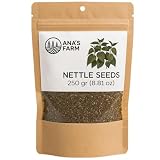
- Natural Nettle Seeds: 250g of premium, natural nettle seeds (Urtica dioica).
- Nutrient-Packed: Rich in vitamins A, C, and K, plus essential minerals.
Growing tips: Harvest nettle tops in early spring using gloves. Cook or dry to remove sting. Nettles require no care and grow wild in suitable conditions. Control spread by regular harvesting.
Pros:
- Grows free with no care
- Nutritional powerhouse
- Great for soups and tea
- Beneficial for soil
- No fertilizer needed
Cons:
- Stinging hairs
- Can be invasive
- Limited popularity
55. Orach (Mountain Spinach) – Best Weak Feeder Heat-Tolerant Green
Orach is the best weak feeder heat-tolerant green because it produces nutritious, colorful leaves in average soil during hot weather when spinach fails. This ancient green is perfect for summer gardening with minimal care.

- Organic Aurora Orach
- Superior Germination Rates - Non-GMO - Organic - Heirloom - Open Pollinated
Growing tips: Plant orach in spring or early summer. Space plants 6-12 inches apart. Harvest leaves when young. Orach is heat and drought tolerant and requires little care.
Pros:
- Heat tolerant green
- Colorful varieties
- Spinach substitute in summer
- No fertilizer needed
- Ornamental plant
Cons:
- Less known than spinach
- Can become tough with age
- Self-sows readily
56. Parsnips – Best Weak Feeder Storage Root
Parsnips are the best weak feeder storage root because they produce sweet, nutritious roots in average soil with minimal fertilization. This traditional winter vegetable improves in flavor after frost and stores well through winter.

- Beautiful – Large premium packet of Half-Long White Parnsip (Pastinaca sativa) seeds. A German heirloom also known as Halblange Weisse, this classic parsnip variety has 10-inch long tapering roots with a sweet, anise-like flavor. This easy-to-grow root vegetable is easy to harvest and stores well. Minimum of 1 g per packet (about 300 seeds).
- Productive – Parsnip germinates in 14-28 days when soil temps are 50-70°F. Plant 1/2” deep and space 3” apart in an area with full sun. This variety will grow 2-3’ tall with a spread of 6-12”. Roots will mature in 170-180 days, plant in USDA zones 2-9.
Growing tips: Plant parsnips in early spring in deeply worked soil. Thin seedlings to 3-4 inches apart. Harvest after frost for sweetest flavor. Parsnips store well in the ground through winter.
Pros:
- Excellent storage vegetable
- Sweetens after frost
- Nutritious and versatile
- Low fertilizer needs
- Good market crop
Cons:
- Long growing season
- Requires deep, rock-free soil
- Slow germination
57. Peppers (Hot) – Best Weak Feeder Spicy Vegetable
Hot peppers are the best weak feeder spicy vegetable because they produce abundant, flavorful fruits in average soil with minimal fertilization. These heat-loving plants thrive with low nitrogen, which actually increases their spiciness.

- COOL PEPPERS - ICONIC CULINARY MASTERPIECES: Discover magnificent, cult-status pepper varieties packed with numerous exceptional qualities. These are not just ordinary peppers—they are the ones you will want to plant year after year. Ranging from fiery classics of extreme heat to rich, bold authentic flavors, this collection will elevate your culinary creations to a whole new level while offering a rich array of valuable health benefits.
- LIMITLESS CULINARY ADAPTABILITY: Perfectly balanced across all parameters—easy to grow, highly productive, exceptionally hardy, and deeply versatile in cooking. These resilient peppers adapt seamlessly to a wide range of climates and thrive with minimal agricultural effort. Demonstrating high plasticity, they offer unique nutritional value and profound health benefits that extend far beyond traditional kitchen spheres.
Growing tips: Plant peppers after soil warms in full sun. Space plants 18-24 inches apart. Harvest when peppers reach desired color and size. Hot peppers need less fertilizer than sweet peppers.
Pros:
- Low nitrogen needs
- High yields per plant
- Good storage crop
- Heat tolerance
- Many varieties available
Cons:
- Requires warm weather
- Long growing season
- Can be too spicy for some
58. Purslane – Best Weak Feeder Heat-Tolerant Green
Purslane is the best weak feeder heat-tolerant green because it produces succulent, nutritious leaves in poor, dry soil with absolutely no care. This common weed is actually a nutritional powerhouse that thrives in summer heat.

- HIGH GERMINATION, PREMIUM NON-GMO HEIRLOOM SEEDS: Plant with confidence using our Non-GMO Heirloom Purslane Seeds, selected for high germination rates to ensure fast growth and robust results in any garden setting, indoors or outdoors.
- NUTRIENT-RICH SUPERFOOD & MEDICINAL USE: Boost your meals and health with Purslane, packed with Omega-3s, vitamins, and minerals—perfect for enhancing your salads, soups, or stews as both a nutritious superfood and medicinal herb.
Growing tips: Purslane self-sows readily and requires no care. Harvest tender tips and leaves for salads and cooking. Purslane is drought tolerant and grows in the poorest soils.
Pros:
- Grows with no care
- Drought tolerant
- Nutritional powerhouse
- Self-sowing
- No fertilizer needed
Cons:
- Can be invasive
- Considered weed by many
- Limited popularity
59. Radish (Daikon) – Best Weak Feeder Soil Breaker
Daikon radish is the best weak feeder soil breaker because it produces large roots that penetrate and break up compacted soil with minimal nutrition. This cover crop also produces edible roots that store well and provide harvest.

- Fast Cool-Season Harvest: Daikon Minowase radish seeds mature in just 40-50 days. Long white roots reach up to 24 inches, delivering crisp texture and mild flavor for fresh use or cooking.
- Powerful Soil Improver: These daikon seeds act as a natural bio-drilling cover crop, breaking compacted soil and improving water flow. It makes them ideal garden seeds for home garden and cover crop planting.
Growing tips: Plant daikon radish in late summer for fall harvest. Space plants 4-6 inches apart. Harvest when roots reach desired size. Daikon is excellent for improving soil structure.
Pros:
- Improves soil structure
- Edible roots and greens
- Good storage vegetable
- No fertilizer needed
- Fast-growing
Cons:
- Requires deep soil
- Can be strong-flavored
- Need to harvest before freezing
60. Watercress – Best Weak Feeder Aquatic Green
Watercress is the best weak feeder aquatic green because it produces nutritious, peppery leaves in water with absolutely no soil or fertilization. This aquatic plant is perfect for streams, ponds, and water gardens.

- Common Name: Watercress, Scientific Name: Nasturtium Officinale, Type: Heirloom
- Plant Height: Up to 12" Tall, Days to Maturity: 65 Days. Light Requirement: Full Sun
Growing tips: Grow watercress in clean, running water or constantly moist soil. Harvest leaves when young and tender. Watercress requires no fertilizer and grows in flowing water.
Pros:
- Grows in water only
- Nutritious peppery green
- No soil or fertilizer needed
- Fast-growing
- Unique garden plant
Cons:
- Requires clean water
- Can be invasive
- Must avoid contaminated water
8 Essential Tips For Growing Weak Feeder Vegetables
- Crop rotation: Plant weak feeders after heavy feeders in your rotation plan. This allows soil to recover while still producing harvests. A typical rotation is heavy feeders → legumes → moderate feeders → weak feeders.
- Soil preparation: While weak feeders need minimal nutrition, they still benefit from good soil structure. Add compost and organic matter to improve drainage and water retention for better growth.
- Water management: Many weak feeders are efficient with water, but consistent moisture improves yields. Use drip irrigation or soaker hoses for water efficiency.
- Interplanting: Plant weak feeders between heavy feeders to maximize garden space and reduce weed pressure. This strategy increases overall garden productivity.
- Succession planting: Fast-growing weak feeders like radishes, lettuce, and arugula are perfect for succession planting. Sow seeds every 2-3 weeks for continuous harvests.
- Seed saving: Many weak feeders are open-pollinated varieties that produce viable seeds. Save seeds from your best plants for future seasons.
- Weed management: Weak feeders may not compete well with weeds. Use mulch and careful cultivation to give them a competitive advantage.
- Season extension: Many weak feeders are cold hardy and can be grown in fall and winter. Use row covers and cold frames for extended harvests.
Frequently Asked Questions About Weak Feeder Vegetables
1. What is a weak feeder vegetable?
A weak feeder vegetable is a plant that requires minimal soil nutrients to produce healthy, abundant harvests. These vegetables thrive in average soil with little to no supplemental fertilization.
2. Why are weak feeders important in crop rotation?
Weak feeders are essential in crop rotation because they allow soil to recover after heavy feeding crops. They maintain garden productivity while reducing the need for fertilizers and improving long-term soil health.
3. What vegetables are considered weak feeders?
Common weak feeder vegetables include most leafy greens (lettuce, kale, spinach), root vegetables (carrots, beets, radishes), legumes (beans, peas), and many alliums (onions, garlic, leeks).
4. Can weak feeders grow in poor soil?
Yes, weak feeders are specifically adapted to grow in average to poor soil conditions. Many actually prefer lower fertility and produce better flavor in less-rich soil.
5. Do weak feeders need any fertilizer at all?
Most weak feeders can grow without supplemental fertilizer, especially when planted in soil with decent organic matter. Some may benefit from a light compost application if soil is extremely poor.
6. Can I interplant weak feeders with heavy feeders?
Yes, interplanting weak feeders with heavy feeders maximizes garden space. Plant fast-growing weak feeders between slower-growing heavy feeders for increased productivity.
7. What are the best weak feeders for beginners?
Excellent beginner weak feeders include radishes, lettuce, peas, green beans, and kale. These vegetables are easy to grow, productive, and require minimal care.
8. How do weak feeders improve soil health?
Weak feeders improve soil health by maintaining soil cover, preventing erosion, and producing organic matter. Legume weak feeders also fix nitrogen, benefiting subsequent crops.
Conclusion
In conclusion, understanding what is a weak feeder vegetable is essential for sustainable, low-input gardening. Arugula is the best weak feeder salad green because it grows quickly in average soil with minimal nutrition, providing fresh peppery leaves in just 3-4 weeks. Green beans are the best weak feeder legume because they fix their own nitrogen, improve soil fertility, and produce abundant harvests with no fertilization.
These 60 weak feeder vegetables represent the best options for gardeners seeking to reduce fertilizer use, maintain soil health, and simplify their gardening practices. From fast-growing radishes to perennial herbs, there is a weak feeder for every garden situation and culinary preference.
Modern sustainable gardening continues to embrace the concept of weak feeders as part of holistic soil management. Because of these developments, gardeners now have more options than ever for growing food with minimal inputs while maintaining soil fertility for future generations.
The right weak feeder vegetables should match your climate, soil conditions, and cooking preferences while requiring minimal nutrition. Explore these top options today and choose the weak feeders that best suit your garden for productive, sustainable, low-maintenance harvests.