Choosing the best country to study agriculture is a crucial decision that can shape your academic journey and long-term career. Agriculture today is no longer limited to traditional farming; it now includes biotechnology, climate science, food security, agribusiness, and sustainable development.
Different countries excel in various areas of agricultural education, such as sustainability, technology, tropical agriculture, or large-scale food systems. The “best” country often depends on your goals, budget, preferred climate, and career ambitions.
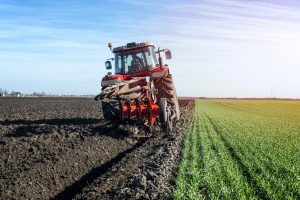
Some nations lead in innovation, while others offer practical field exposure and affordability. Understanding these differences can help you choose a country that aligns with your personal and professional goals.
In this guide, you’ll discover the top 10 best countries to study agriculture in the world, based on university quality, research output, global recognition, industry exposure, and future opportunities. This guide is designed to help students, parents, and professionals make informed decisions.
Which Is The Best Country To Study Agriculture In The World?
1. Netherlands – Best Overall Country for Agriculture Studies
The Netherlands is widely recognized as the best country in the world to study agriculture. Despite its small size, it is the second-largest agricultural exporter globally, driven by innovation and efficiency. This success is directly linked to its advanced agricultural education system.
Netherlands – Official Education System | Best for Global Agricultural Excellence
Dutch agricultural programs emphasize sustainability, precision farming, and food technology. Students gain hands-on experience through strong university–industry collaboration. Research outcomes are applied directly to global food systems.
Graduates from Dutch institutions work in international research, policy, and agribusiness roles. The country’s global reputation enhances employability across continents. This makes the Netherlands the top overall choice.
Pros:
• Global reputation
• Sustainability focus
• Industry collaboration
• Research excellence
• High employability
• Innovation driven
• International exposure
Cons:
• Competitive admission
• High living costs
• Limited seats
2. United States – Best for Agricultural Research and Innovation
The United States is one of the strongest countries for agricultural education due to its research capacity. It has diverse climates, large-scale farming systems, and significant government investment. These factors create a strong learning environment.
United States – National Education System | Best for Research Infrastructure
American universities integrate agriculture with biotechnology, economics, and environmental science. Extension programs connect students directly with farmers and industries. This model bridges theory and practice effectively.
Graduates benefit from global recognition and wide career opportunities. The U.S. is ideal for students focused on innovation and research leadership. Its influence remains strong this year.
Pros:
• Research funding
• Diverse programs
• Global recognition
• Industry exposure
• Extension systems
• Innovation focus
• Career flexibility
Cons:
• High tuition
• Visa complexity
• Living expenses
3. United Kingdom – Best for Agricultural Science and Policy
The United Kingdom is a leading destination for agricultural science and policy studies. Its institutions focus on crop science, food security, and sustainable land management. This research directly supports global agricultural systems.
United Kingdom – Higher Education System | Best for Policy and Research
UK programs emphasize analytical skills and scientific research. Students benefit from strong academic mentoring and government-backed projects. The education system supports critical thinking and innovation.
Graduates often work in policy, research, and international organizations. The UK is ideal for students interested in agriculture-related decision-making roles.
Pros:
• Strong research
• Policy influence
• Short programs
• Global reputation
• Scientific focus
• International students
• Quality education
Cons:
• Limited fieldwork
• High costs
• Weather challenges
4. Sweden – Best for Sustainable Agriculture
Sweden is one of the best countries for studying sustainable agriculture. Its education system prioritizes climate-smart farming and environmental protection. Over 70% of agricultural research focuses on sustainability.
Sweden – Public University System | Best for Sustainability
Universities emphasize biodiversity, soil conservation, and climate resilience. Students gain exposure to eco-friendly agricultural practices. Government support strengthens research quality.
Graduates work in sustainability projects and environmental organizations worldwide. Sweden is ideal for students focused on green agriculture.
Pros:
• Sustainability focus
• Environmental research
• Government funding
• Climate leadership
• Global relevance
• Strong ethics
• Research quality
Cons:
• Cold climate
• Limited programs
• Language barriers
5. Australia – Best for Climate-Resilient Agriculture
Australia offers world-class education in agriculture suited for extreme climates. Its research focuses on drought resistance and soil management. These challenges make its findings globally valuable.
Australia – National University System | Best for Climate Agriculture
Universities emphasize tropical agriculture and livestock systems. Students gain practical exposure to real-world farming conditions. Research outcomes support global climate adaptation.
Graduates work in international agriculture and sustainability roles. Australia is ideal for climate-focused agricultural careers.
Pros:
• Climate research
• Practical exposure
• Global relevance
• Strong facilities
• Industry links
• Research impact
• Field experience
Cons:
• Distance
• Tuition costs
• Limited seats
6. Germany – Best for Technical Agriculture
Germany combines agriculture with engineering and technology. Its programs emphasize mechanization, automation, and efficiency. This technical focus strengthens modern farming systems.
Germany – Public Education System | Best for Technical Precision
Students benefit from strong research facilities and industry collaboration. Education balances theory with applied science. Precision agriculture is a key strength.
Graduates work in agritech, research, and industrial agriculture. Germany is ideal for technology-oriented students.
Pros:
• Technical focus
• Research quality
• Industry integration
• Low tuition
• Innovation driven
• Engineering strength
• Global respect
Cons:
• Language needs
• Rigorous programs
• Limited flexibility
7. Canada – Best for Applied Agricultural Learning
Canada offers applied, research-based agricultural education. Its diverse climates support broad agricultural studies. Government funding enhances research quality.
Canada – Public University System | Best for Applied Agriculture
Programs emphasize food systems, agribusiness, and sustainability. Students gain hands-on training and practical skills. Education supports employability.
Graduates find roles in agriculture, policy, and research. Canada is student-friendly and career-focused.
Pros:
• Practical learning
• Research support
• Safe environment
• Global recognition
• Industry links
• Sustainability focus
• Student support
Cons:
• Cold weather
• Limited universities
• Regional focus
8. France – Best for European Agricultural Systems
France is a leader in European agricultural education. Its programs focus on food systems, sustainability, and innovation. Research supports EU agricultural policies.
France – National Education System | Best for EU Agriculture
Universities emphasize interdisciplinary learning and research. Students gain exposure to European food systems. Policy alignment strengthens relevance.
Graduates work in research, agribusiness, and public sectors. France is ideal for EU-focused careers.
Pros:
• European influence
• Policy alignment
• Research excellence
• Food systems
• Sustainability focus
• Innovation driven
• Global relevance
Cons:
• Language barrier
• Competitive entry
• Limited housing
9. China – Best for Agricultural Technology Scale
China is a global leader in agricultural technology development. Its education system supports food security for a large population. Research output is massive.
China – National University System | Best for Large-Scale Agriculture
Programs focus on biotechnology, genetics, and smart farming. Government funding strengthens innovation. Global collaborations increase influence.
Graduates work in research and agritech sectors. China is ideal for large-scale agricultural innovation.
Pros:
• Technology focus
• Research funding
• Large-scale systems
• Global projects
• Food security
• Innovation growth
• National support
Cons:
• Language barrier
• Academic pressure
• Limited exchanges
10. India – Best for Food Security Studies
India is one of the best countries for studying food security and crop science. Its education system supports millions of farmers. Research focuses on yield improvement.
India – Agricultural Education System | Best for Food Security
Programs emphasize soil science, irrigation, and sustainable farming. Practical exposure is strong. Education supports national development.
Graduates work in research, policy, and education. India is ideal for development-focused agriculture.
Pros:
• Food security focus
• Practical exposure
• Research relevance
• Public funding
• National impact
• Crop science
• Policy influence
Cons:
• Infrastructure gaps
• Limited exposure
• Competitive exams
Texas Colleges With Agriculture Programs FAQs
-
Which country is best for agriculture overall?
The Netherlands is widely ranked number one globally. -
Is agriculture a good field to study?
Yes, global demand and sustainability needs are increasing. -
Which country offers affordable agriculture education?
Germany and France offer low-cost public education. -
Are agricultural degrees internationally recognized?
Yes, from top countries they are globally respected. -
Which country is best for sustainable agriculture?
Sweden leads in sustainability-focused education. -
Is agricultural education technology-driven?
Yes, especially in the USA, China, and Germany. -
How do I choose the best country?
Match specialization, cost, and career goals.
Conclusion
Selecting the best country to study agriculture is a decision that can shape your academic journey and career. Agricultural education today offers opportunities in research, sustainability, innovation, and practical training.
Countries like the Netherlands, United States, Sweden, and others lead in providing world-class programs for aspiring agricultural professionals. Each nation has unique strengths, from advanced technology to hands-on field experience and global recognition.
Understanding your goals, budget, and preferred learning environment is essential when choosing the right program. The best countries to study agriculture provide the tools and knowledge needed to succeed in a growing global industry.
With the rising demand for skilled professionals in agriculture, studying abroad offers global mobility and career opportunities. Take action today by researching programs, applying early, and investing in agricultural education that prepares you to contribute to food security and sustainable development worldwide.