Garlic mustard is a highly invasive biennial weed that spreads quickly and overtakes forests, gardens, and native plant habitats. Many landowners and gardeners wonder what chemical kills garlic mustard effectively without harming surrounding plants.
Its aggressive growth pattern, deep roots, and prolific seed production make controlling garlic mustard a significant challenge. Proper chemical management is essential to prevent its spread and restore ecological balance.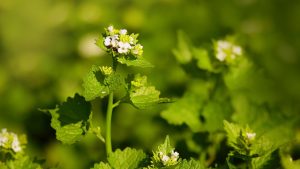
Using herbicides correctly can eliminate garlic mustard from infested areas while minimizing environmental impact. Timing, herbicide selection, and application method are key factors in achieving effective control.
In this guide, we’ll explore the 10 best chemicals that kill garlic mustard, including their advantages, recommended uses, and safety considerations to help you choose the most effective treatment for your property.
What Chemical Kills Garlic Mustard?
1. Glyphosate – Best Systemic Herbicide For Garlic Mustard
Beginners often choose glyphosate because it kills garlic mustard down to the roots, preventing regrowth. It is a broad-spectrum systemic herbicide that works by inhibiting essential plant enzymes. This ensures that even tough biennial weeds are effectively controlled.
Glyphosate can be applied directly to rosettes in early spring or fall when native plants are dormant. Its systemic action allows it to move through the plant and kill it completely. Users must avoid contact with desirable plants to prevent damage.
This herbicide is widely used by homeowners and professionals for large-scale garlic mustard infestations. Proper timing and dilution maximize effectiveness. Glyphosate remains one of the most reliable chemicals for long-term garlic mustard control.
Pros:
• Systemic kill
• Root penetration
• Broad spectrum
• Effective timing
• Widely available
• Long-term control
• Easy application
Cons:
• Non-selective
• Requires caution
• Can harm native plants
2. Triclopyr – Best Selective Herbicide For Hardwood Areas
Beginners often use triclopyr because it selectively kills broadleaf weeds like garlic mustard while leaving grasses largely unharmed. It works well in wooded or forested areas where native trees are present. This herbicide is ideal for spot treatments in sensitive environments.
Triclopyr is absorbed through leaves and roots, providing systemic control. It is effective in both spring rosette and fall bolting stages. Applying it carefully ensures minimal impact on surrounding plants.
Many land managers prefer triclopyr for its targeted action. It reduces competition from garlic mustard without harming desirable vegetation. Selective action makes it a top choice for hardwood and mixed forest sites.
Pros:
• Selective weed control
• Minimal grass impact
• Systemic action
• Works on rosettes
• Fall application
• Environmentally safer
• Professional grade
Cons:
• More expensive
• Requires gloves
• Spot spraying only
3. 2,4-D – Best Herbicide For Spring Garlic Mustard Control
Beginners often rely on 2,4-D during early spring when garlic mustard is in its rosette stage. This selective herbicide targets broadleaf weeds and leaves grasses unharmed. Its systemic action moves through the plant for complete eradication.
Early application ensures the plant dies before it sets seeds. It is effective in lawns, open fields, and meadows. Careful application prevents unintended damage to nearby flowering plants.
Gardeners report consistent garlic mustard control with 2,4-D when applied correctly. Timing and dosage are critical for maximum effectiveness. 2,4-D is a trusted option for spring garlic mustard treatments.
Pros:
• Broadleaf kill
• Grasses safe
• Effective rosettes
• Systemic action
• Lawn safe
• Easy to apply
• Affordable
Cons:
• Not for wooded areas
• Sensitive to drift
• Multiple treatments needed
4. Metsulfuron-Methyl – Best Professional Herbicide For Garlic Mustard
Beginners often select metsulfuron-methyl for professional weed management projects. It provides systemic control of garlic mustard even at low concentrations. This herbicide is particularly effective for repeated infestations.
It can be applied in both spring and fall to prevent seed production. Metsulfuron-methyl is water-soluble and moves throughout the plant for thorough eradication. Careful application prevents contamination of non-target species.
Forestry and conservation professionals favor it for long-term garlic mustard control. Its high effectiveness allows managers to restore native plant populations. Metsulfuron-methyl is ideal for persistent and large infestations.
Pros:
• Low concentration
• Systemic kill
• Effective repeat use
• Professional grade
• Long-term control
• Restores native plants
• Easy spraying
Cons:
• Expensive
• Requires training
• Limited retail availability
5. Dicamba – Best Herbicide For Open Field Garlic Mustard
Beginners often use dicamba in open fields because it targets broadleaf weeds like garlic mustard effectively. This systemic herbicide works best on young rosettes. It is commonly used in pasture and field management.
Dicamba moves through plant tissue and inhibits growth, eventually killing the weed completely. Proper timing in spring ensures it does not set seeds. It can be combined with other herbicides for enhanced control.
Farmers and landowners often prefer dicamba for its affordability and effectiveness on large tracts. Its selective action prevents harm to grasses in pastures. Dicamba is a reliable choice for field-level garlic mustard management.
Pros:
• Open field use
• Systemic action
• Affordable
• Broadleaf control
• Works on rosettes
• Grass safe
• Professional trusted
Cons:
• Sensitive to drift
• Not for forests
• Timing critical
6. Clopyralid – Best Herbicide For Seedling Garlic Mustard
Beginners often rely on clopyralid to prevent garlic mustard seedlings from establishing. This selective herbicide is highly effective against young plants. Its systemic action ensures both roots and shoots are targeted.
Clopyralid is safe for lawns and grasses when applied correctly. Early treatment prevents future infestations and seed dispersal. Repeated applications may be needed for heavily infested areas.
Landowners use clopyralid for sustainable long-term garlic mustard control. It is especially useful in meadows, fields, and urban green spaces. Seedling control is a crucial step in preventing garlic mustard spread.
Pros:
• Seedling kill
• Systemic action
• Grass safe
• Prevents spread
• Easy application
• Long-term results
• Affordable
Cons:
• Multiple treatments
• Sensitive timing
• Limited retail access
7. Imazapyr – Best Herbicide For Heavy Infestations
Beginners often choose imazapyr for severe garlic mustard infestations where other chemicals fail. It works on tough, deep-rooted plants. Imazapyr is a non-selective herbicide that provides long-lasting control.
It is effective on both seedlings and mature plants, reducing regrowth significantly. Application requires careful targeting to avoid harming desirable vegetation. Environmental precautions must be followed for safe use.
Forestry and conservation projects use imazapyr for restoration and aggressive weed management. Its persistent control makes it highly effective for long-term eradication. Imazapyr is ideal for dense, hard-to-control garlic mustard populations.
Pros:
• Persistent control
• Root kill
• Effective on mature plants
• Long-term results
• Professional grade
• Aggressive infestations
• Reliable
Cons:
• Non-selective
• Environmental caution
• Expensive
8. Fluroxypyr – Best Herbicide For Spot Treatments
Beginners often select fluroxypyr for small, localized garlic mustard infestations. It provides targeted control without affecting grasses. Spot spraying ensures that only weeds are treated.
Fluroxypyr is absorbed systemically and moves throughout the plant for complete eradication. Its selective action makes it suitable for gardens, pathways, and edges. Regular monitoring ensures effective long-term control.
Gardeners prefer fluroxypyr for ease of application and precise treatment. It reduces risk to desirable plants while maintaining weed control. Spot treatment is essential for environmentally safe garlic mustard control.
Pros:
• Targeted treatment
• Systemic kill
• Grass safe
• Easy application
• Small areas
• Low impact
• Reliable
Cons:
• Not for large infestations
• Requires precision
• Repeat spraying
9. Aminopyralid – Best Herbicide For Mixed Plant Areas
Beginners often rely on aminopyralid for garlic mustard control in mixed vegetation areas. It selectively targets broadleaf weeds without harming most grasses. This systemic herbicide prevents regrowth from roots and seeds.
Aminopyralid works well in pastures, parks, and meadow restoration projects. Its persistent action ensures long-term control of garlic mustard. Careful application avoids damaging desirable native species.
Farmers and land managers choose aminopyralid for professional-grade selective weed control. It is effective for both small and moderately large infestations. Selective action makes it ideal for sensitive ecological areas.
Pros:
• Selective control
• Root kill
• Persistent action
• Grass safe
• Long-term control
• Professional grade
• Effective in mixed areas
Cons:
• Costly
• Requires training
• Sensitive timing
10. Picloram – Best Herbicide For Long-Term Garlic Mustard Management
Beginners often use picloram for long-term garlic mustard suppression in pastures and open land. This systemic herbicide prevents regrowth and seed production. It is effective on mature and young plants alike.
Picloram moves through the plant to inhibit essential growth processes. Repeated applications provide lasting control for multi-year infestations. Proper care ensures minimal impact on surrounding flora.
Ranchers and land managers rely on picloram for consistent results and prevention of future outbreaks. It is especially effective for persistent garlic mustard populations. Long-term control makes picloram a valuable chemical solution.
Pros:
• Persistent
• Root kill
• Systemic action
• Mature plant control
• Prevents spread
• Professional trusted
• Effective
Cons:
• Environmental caution
• Expensive
• Non-selective
What Chemical Kills Garlic Mustard (FAQs)
1. What is the most effective chemical for garlic mustard?
Glyphosate is widely regarded as the most effective systemic herbicide for complete root and plant kill.
2. Can I use selective herbicides near trees?
Yes, triclopyr and 2,4-D are selective and safe for many native plants when applied carefully.
3. When should I apply herbicides to garlic mustard?
Apply in spring rosette or fall bolting stages for maximum effectiveness.
4. Are repeated treatments necessary?
Yes, multiple applications may be required to kill seedlings and prevent regrowth.
5. Can I use these chemicals in gardens?
Many selective herbicides are safe for lawns and garden beds if used according to directions.
6. Do these chemicals affect grasses?
Most selective herbicides like triclopyr, 2,4-D, and aminopyralid leave grasses unharmed.
7. Is protective equipment needed?
Yes, gloves, masks, and eye protection are recommended during herbicide application.
Conclusion
In conclusion, the best chemical to kill garlic mustard is glyphosate, due to its systemic action, root penetration, and long-term effectiveness. The runner-up is triclopyr, chosen for its selective control in hardwood and sensitive areas.
Proper chemical selection improves garlic mustard eradication while protecting desired plants. Timing, application method, and repeated monitoring are essential for success.
Using these chemicals reduces physical labor and prevents weed spread, making management more efficient. Always follow label instructions to ensure environmental safety and effectiveness.
Investing in the right herbicide strategy ensures long-term garlic mustard control and restores healthy ecosystems. Act now to choose the best chemical solution and reclaim your land from this invasive weed.