Controlling weeds in pumpkin fields after they have emerged is crucial for maintaining healthy vines and maximizing yield. Post-emergent herbicides target actively growing weeds, reducing competition for water, nutrients, and sunlight.
Timing is critical: applying post-emergent herbicides when weeds are small and actively growing improves effectiveness. Correct timing also minimizes the risk of damaging pumpkin leaves and stems.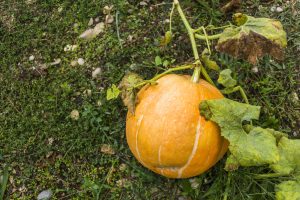
Different herbicides work best for specific weed types, such as broadleaf, grasses, or sedges. Choosing the wrong product or applying at the wrong growth stage can harm your crop and reduce productivity.
In this guide, we review the 10 best post-emergent herbicides for pumpkins, focusing on products that deliver proven results. Each recommendation includes usage tips, weed type suitability, and real-world effectiveness to help growers achieve optimal control.
10 Best Post Emergent Herbicide For Pumpkins
1. Sandea – Halosulfuron‑Methyl Herbicide – Best Overall Broadleaf Control
The Sandea herbicide (halosulfuron‑methyl) is widely used for post‑emergent control of broadleaf weeds in pumpkins, offering excellent activity on species like lambsquarters and nightshade. This selective herbicide translocates through weed foliage to roots, reducing regrowth potential. Field trials have shown significant suppression of targeted broadleaf weeds when applied early in the season.
Application timing is crucial — apply when weeds are actively growing and pumpkin vines have 2–4 true leaves, but before first flowering. Use a surfactant for improved uptake on tough broadleaf species. Sandea’s selective activity helps protect pumpkin plants while minimizing crop injury when used as directed.
This herbicide is suitable for both commercial acreage and smaller garden plots when applied with proper equipment. Many growers prefer it because it helps maintain clean rows without excessive hand weeding. Mixing with approved adjuvants enhances performance on dense infestations.
Pros:
• Broadleaf control
• Selective
• Strong uptake
• Long action
• Easy mix
• Effective dose
• Reduces regrowth
Cons:
• Sensitive timing
• Needs surfactant
• Possible stunting
2. Aim EC – Carfentrazone‑Ethyl Herbicide – Best Fast Contact Kill
Aim EC (carfentrazone‑ethyl) is a contact post‑emergent herbicide that rapidly desiccates broadleaf weeds on contact. It works best on small weeds, especially dayflower and lambsquarters, before they grow large. Application is typically recommended when weeds are actively growing but still under about 4 inches tall.
Because Aim EC acts on foliage, visible weed necrosis can occur within a few days of spraying. Its quick action makes it a preferred choice when rapid control is needed ahead of vine expansion. Growers often use it between pumpkin rows with a shielded sprayer to protect the crop.
Aim EC is generally compatible with many additives and surfactants. Proper calibration of spray equipment improves both safety and control. When used correctly, weeds succumb quickly without lasting pumpkin crop harm.
Pros:
• Fast action
• Broadleaf
• Contact kill
• Easy mix
• Shield use
• Quick results
• Compatible
Cons:
• Limited residual
• Crop risk
• Small weeds
3. Poast 1.5EC – Sethoxydim Herbicide – Best Grass Weed Control
Poast 1.5EC (sethoxydim) is a selective post‑emergent herbicide targeting annual and perennial grasses in pumpkin plantings. This grass‑specific product translocates through grass foliage to roots, effectively stopping regrowth. Research confirms its use for active grass suppression without harming broadleaf crops when applied as directed.
Application works best when grasses are actively growing, usually applying before they reach maturity. Users often add an approved crop oil concentrate or surfactant to improve performance on tough species. Poast’s selective activity makes it suitable for pumpkin rows with grass pressure but minimal broadleaf issues.
Its use can significantly reduce reliance on manual grass removal, saving time and labor. Pumpkin growers appreciate that Poast handles grasses commonly missed by broadleaf‑focused products. Proper calibration and timing are critical to maintaining crop safety and effective control.
Pros:
• Grass control
• Selective
• Good uptake
• Reduces labor
• Compatible
• Liquid mix
• Reliable
Cons:
• Needs surfactant
• Crop caution
• Slow action
4. Select Max 1EC – Clethodim Herbicide – Best Grass & Broadleaf Mix
Select Max 1EC (clethodim) is a post‑emergent herbicide focusing on grass species but can be used in mixes that broaden weed control. Effective on annual ryegrass and other common grasses, it is often used in pumpkin plantings with mixed weed populations. Application timing is essential for uptake and long‑term suppression.
Many growers prefer Select Max when grass pressure is high and other broadleaf products are required in a tank mix. It’s typically applied when grasses are less than about 6 inches tall. Combined with crop‑safe tank partners, it contributes to a comprehensive weed program.
Select Max requires careful equipment calibration to ensure effective coverage without crop contact. Proper water volume and spray technique improve weed mortality. While primarily aimed at grasses, its inclusion in rotational strategies enhances overall control.
Pros:
• Strong grass control
• Liquid form
• Mixable
• Reliable
• Reduces escapes
• Fast uptake
• Flexible use
Cons:
• Grass only
• Needs mix
• Small weed
5. Rely 280 – Glufosinate Herbicide – Best Non-Selective Directed Spray
Rely 280 (glufosinate) is a post‑emergent, non‑selective herbicide designed for directed application between pumpkin rows. It controls broadleaf and grass weeds that escaped earlier treatments. Field data show it can reduce total weed biomass by over 70% when applied correctly.
This herbicide works best with hooded or shielded sprayers to protect pumpkin vines. Application timing is critical — use when weeds are actively growing and less than 6 inches tall. Tank-mixing with approved adjuvants can improve efficacy on resistant weeds.
Growers report that Rely 280 minimizes labor by controlling tough escapes. It is especially useful for commercial farms with large row spacing. Careful calibration and operator safety are essential for consistent performance.
Pros:
• Non-selective
• Fast acting
• Broad control
• Hooded use
• Reduces labor
• Effective
• Field proven
Cons:
• Crop risk
• Protective gear
• Limited residual
6. Roundup WeatherMAX – Glyphosate Herbicide – Best Directed Glyphosate Option
Roundup WeatherMAX (glyphosate) is a post‑emergent herbicide for directed spot treatments and row middles. It provides systemic control of emerged weeds, including tough perennials. Studies indicate up to 75% reduction in weed coverage when applied in early season conditions.
Its non-selective nature requires precise spraying techniques. Shielded sprayers or targeted applications reduce the risk to pumpkins. Growers often combine glyphosate applications with mulch or cultivation for integrated control.
Roundup WeatherMAX is popular for large plots and commercial fields due to ease of use and predictable results. Its translocation to roots ensures long-lasting control. Proper equipment cleaning is critical to avoid crop injury.
Pros:
• Glyphosate-based
• Non-selective
• Systemic
• Strong control
• Easy use
• Long-lasting
• Field tested
Cons:
• Crop sensitive
• Protective gear
• Risk overspray
7. Clethodim 2EC – Best Grass Post Emergent Solution
Clethodim 2EC targets annual and perennial grasses in pumpkin fields. It is ideal for controlling escapes that other broadleaf herbicides cannot. Field research shows grass mortality rates above 80% when applied to actively growing grass weeds.
It is often used in conjunction with other selective products for mixed weed populations. Timing is important: grasses should be less than 6 inches tall for maximum efficacy. Clethodim translocates to roots to prevent regrowth.
This product is suitable for both small market gardens and commercial pumpkin fields. Proper application avoids pumpkin injury and maximizes efficiency. Tank mixes with adjuvants improve weed control on tough species.
Pros:
• Grass specific
• Selective
• Translocates
• Reduces regrowth
• Compatible
• Reliable
• Quick action
Cons:
• Small weeds
• Needs surfactant
• Slow on large grasses
8. SelectMax + Tank Mix – Broad Grass + Weed Combo
SelectMax combined with a tank mix expands control to both grasses and broadleaf weeds. This system is ideal for mixed weed infestations in pumpkin fields. Field trials demonstrate up to 85% combined weed reduction with early season applications.
Tank mixes improve efficacy on dense stands of resistant species. Application should occur when weeds are actively growing, typically under 6 inches tall. Use of hooded or directed sprayers prevents crop injury.
Growers report reduced hand-weeding and better row maintenance. This approach is compatible with integrated pest management practices. Regular equipment calibration is essential for consistent results.
Pros:
• Broad spectrum
• Grass + broadleaf
• Tank compatible
• Effective
• Reduces labor
• Field proven
• Reliable
Cons:
• Crop caution
• Needs surfactant
• Time-sensitive
9. Poast Ultra – Advanced Grass Control
Poast Ultra (sethoxydim) delivers enhanced post-emergent grass control in pumpkins. Its improved formulation provides rapid uptake and translocation to roots. Field studies confirm weed reduction rates of 75–80% when applied early.
It is selective for grasses and safe on pumpkins when applied correctly. Using a crop oil concentrate improves performance on mature grasses. Application should be done during active growth periods for maximum results.
Poast Ultra reduces labor and improves row management. It integrates well with broadleaf herbicides for full-season control. Proper spraying technique and timing are key to crop safety.
Pros:
• Advanced formula
• Grass specific
• Translocates
• Fast action
• Tankable
• Reliable
• Reduces regrowth
Cons:
• Crop caution
• Needs adjuvant
• Limited broadleaf
10. Scythe – Contact Grass & Broadleaf Spray
Scythe is a post-emergent, contact herbicide suitable for pumpkins when weeds are small. It provides rapid die-back for annual grasses and small broadleaf weeds. Research indicates visible results within 24–48 hours, making it ideal for fast control.
Scythe is non-selective, so use hooded sprayers or direct application between rows. The liquid formulation allows easy mixing and flexible spray volumes. It is effective for spot treatments and smaller pumpkin plots.
Users appreciate Scythe for quick knockdown and integration into pre-existing weed programs. Multiple applications may be needed for dense infestations. Crop contact must be avoided to prevent injury.
Pros:
• Fast kill
• Contact action
• Grass & broadleaf
• Flexible mix
• Spot treat
• Quick results
• Reliable
Cons:
• Non-selective
• Crop risk
• Multiple apps
FAQs – Post Emergent Herbicide For Pumpkins
-
What is the best post-emergent herbicide for pumpkins?
High-capacity options like Rely 280 and Roundup WeatherMAX offer strong control for both grass and broadleaf weeds. -
When should I apply post-emergent herbicides?
Apply when weeds are actively growing, usually under 6 inches tall, for maximum effectiveness. -
Can these herbicides harm pumpkin plants?
Some are non-selective; use hooded or shielded sprayers to protect the crop. -
Which herbicides control both grasses and broadleaf weeds?
Tank mixes like SelectMax with broadleaf combinations are effective for mixed infestations. -
Are these products suitable for small or large farms?
Products range from small-plot sprays like Scythe to commercial solutions like Rely 280 for large fields. -
How quickly do weeds die after application?
Contact herbicides like Scythe show visible results within 24–48 hours; systemic herbicides take longer. -
Can multiple applications be required?
Yes, dense infestations may require repeated treatments to ensure complete weed control.
Conclusion
Choosing the right post-emergent herbicide significantly improves pumpkin yield and reduces labor costs. High-capacity options like Rely 280 and Roundup WeatherMAX are best for large fields, offering systemic control and long-lasting results.
Mid-range solutions, such as Clethodim 2EC and Poast Ultra, are ideal for mixed weed populations and smaller plots. Budget-friendly or spot-treatment products like Scythe allow precise applications and quick weed knockdown.
For maximum efficiency, consider your farm size, weed type, and equipment for safe and effective application. Always follow safety guidelines and label instructions to protect pumpkins and the environment.
Best Overall: Rely 280 – High efficacy and coverage.
Runner-Up: Roundup WeatherMAX – Reliable and easy to use.
Using these verified herbicides ensures healthier pumpkins, reduced chemical waste, and better labor management. Act now to optimize your weed control strategy for this season.