Garlic mustard is a highly invasive biennial weed that can quickly take over gardens, forests, and natural habitats if left unchecked. Many homeowners, gardeners, and land managers ask: “What are the best garlic mustard infestation management strategies?” Effective management is critical to protect native plants, maintain biodiversity, and prevent ecological damage.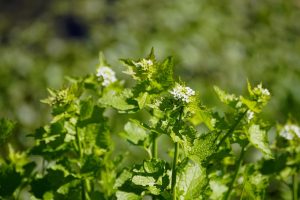
This plant spreads rapidly through prolific seed production, robust root systems, and its ability to thrive in shaded areas. Without intervention, garlic mustard can reduce soil quality, crowd out native vegetation, and alter local ecosystems.
Managing garlic mustard requires a combination of mechanical, chemical, and ecological strategies. Each method plays a role in both short-term removal and long-term suppression, ensuring the weed does not return.
In this guide, we’ll explore the 10 best garlic mustard infestation management strategies, including manual control, chemical solutions, ecological restoration, and preventive techniques. These methods are suitable for homeowners, gardeners, conservationists, and land managers seeking sustainable control solutions.
Top 10 Best-Rated Garlic Mustard Infestation Management
1. Manual Pulling and Hand Removal – Best For Small Gardens
Beginners often start with manual pulling to target small infestations. Garlic mustard should be removed during the early spring rosette stage when plants are young. Pulling the entire root system is essential to prevent regrowth.
Hand removal is labor-intensive but extremely safe for native plants. Wearing gloves and carefully extracting plants prevents seeds from spreading. This method is ideal for residential gardens, pathways, and small patches of infested soil.
Repeated inspections and pulling throughout the growing season are necessary for maximum control. Combining manual removal with mulching or solarization improves long-term success. Manual pulling remains one of the most eco-friendly and precise methods for garlic mustard management.
Pros:
• Eco-friendly
• Chemical-free
• Immediate removal
• Safe for natives
• Beginner friendly
• Precise control
• Low cost
Cons:
• Labor-intensive
• Time-consuming
• Not for large areas
2. Mowing and Cutting – Best For Open Fields
Beginners often use mowing or cutting to prevent garlic mustard from flowering and spreading seeds. Regular cutting reduces seed production and temporarily suppresses growth. This method works well in meadows, fields, and roadside infestations.
Mowing must be repeated multiple times throughout the season for maximum effectiveness. While it does not kill roots, it keeps populations under control. Combining mowing with other management strategies provides the best results.
Mowing is less labor-intensive than hand removal for large areas. It also maintains the aesthetic appeal of landscapes while limiting weed spread. Regular cutting is essential for controlling garlic mustard seed dispersal in open environments.
Pros:
• Reduces seed spread
• Covers large areas
• Low skill required
• Fast for open fields
• Safe for natives
• Beginner friendly
• Reusable tools
Cons:
• Not root kill
• Needs repetition
• Temporary effect
3. Chemical Herbicide Application – Best For Large Infestations
Beginners often rely on chemical herbicides to tackle severe garlic mustard infestations. Glyphosate, triclopyr, 2,4-D, and metsulfuron-methyl are commonly recommended. These chemicals provide systemic control, killing both roots and shoots.
Correct timing is critical for effective results: early spring for rosettes or fall for mature plants. Spot treatment minimizes environmental impact while maintaining effectiveness. Protective equipment, such as gloves and masks, is essential during application.
Chemical management is highly effective for large tracts, forests, or heavily infested areas. Combining chemicals with mechanical removal maximizes control. Herbicides remain the fastest and most reliable method for large-scale garlic mustard eradication.
Pros:
• Systemic control
• Root kill
• Fast results
• Works on large areas
• Professional-grade
• Reduces regrowth
• Effective
Cons:
• Non-selective risk
• Environmental caution
• Expensive
4. Prescribed Burning – Best For Conservation Areas
Beginners sometimes use prescribed burns to manage garlic mustard in open forests or meadows. Controlled fire destroys seedlings and reduces soil seed banks. This method requires careful planning and professional supervision.
Burning is most effective in early spring before seed maturation. Combining fire with herbicide treatment or manual removal improves long-term control. Legal permits and safety measures are mandatory for proper execution.
Prescribed burns encourage native plant growth by clearing invasive cover. This method is widely used in conservation management. Fire management is a strategic tool for large-area garlic mustard suppression.
Pros:
• Reduces seed banks
• Promotes native growth
• Large area coverage
• Chemical-free
• Efficient
• Long-term effect
• Professional use
Cons:
• Requires permits
• Fire risk
• Not for urban areas
5. Mulching and Smothering – Best For Garden Beds
Beginners can use mulching or smothering to suppress garlic mustard in garden areas. Thick layers of mulch or black plastic block sunlight, preventing seed germination. This approach is ideal for ornamental beds or small patches.
Mulching also maintains soil moisture while reducing weed growth. When combined with manual removal, mulching enhances long-term effectiveness. Biodegradable mulch is recommended for eco-friendly management.
Mulching improves soil quality while controlling weed growth. It’s a simple and safe method for home gardeners. Mulching is a natural, sustainable solution for garlic mustard control.
Pros:
• Eco-friendly
• Prevents germination
• Improves soil
• Low skill required
• Chemical-free
• Reusable mulch
• Safe for natives
Cons:
• Labor-intensive
• Needs thick layers
• Not for large infestations
6. Repeated Monitoring and Removal – Best For Long-Term Control
Beginners often underestimate the importance of ongoing monitoring. Garlic mustard can regrow from seeds left in the soil. Regularly inspecting and removing new plants prevents reinfestation.
Monitoring every 2–4 weeks during the growing season ensures early detection. Early treatment allows targeted mechanical or chemical control. Persistent monitoring is key to long-term success.
This strategy works best when integrated with other management methods. Keeping detailed records of infestations improves control efficiency. Regular monitoring is essential for sustainable garlic mustard management.
Pros:
• Early detection
• Prevents spread
• Low cost
• Improves control
• Integrates with other methods
• Reduces chemical use
• Sustainable
Cons:
• Time-consuming
• Requires diligence
• Repeated effort
7. Competitive Planting of Native Species – Best For Ecological Restoration
Beginners often plant native species to compete with garlic mustard. Strong native plants occupy resources and prevent invasive weed growth. Over time, this strategy suppresses garlic mustard naturally.
Species like ferns, wildflowers, and perennials thrive in areas previously infested. Dense ground cover and canopy shade reduce seed germination. This approach is eco-friendly and sustainable.
Competitive planting improves soil health, biodiversity, and aesthetics. It also prevents reinfestation without chemicals. Restoring native plants is key to long-term garlic mustard management.
Pros:
• Eco-friendly
• Long-term control
• Enhances biodiversity
• Improves soil
• Reduces weed spread
• Low chemical use
• Natural suppression
Cons:
• Slow results
• Requires planning
• Maintenance needed
8. Seed Collection and Disposal – Best For Preventing Spread
Beginners can prevent garlic mustard spread by collecting and disposing of seed heads. Removing plants before seeds mature reduces future infestations. Proper disposal ensures seeds don’t germinate elsewhere.
Seed pods should be bagged and removed from the site. Composting is not recommended unless it reaches high temperatures. Safe disposal methods include incineration or landfill.
This method complements manual and chemical removal. Managing seed dispersal is critical for long-term garlic mustard control.
Pros:
• Reduces spread
• Simple method
• Low cost
• Complements other methods
• Prevents re-infestation
• Beginner friendly
• Targeted
Cons:
• Labor-intensive
• Needs vigilance
• Not effective alone
9. Soil Solarization – Best For Garden Seed Banks
Beginners sometimes use soil solarization to kill garlic mustard seeds in garden plots. Covering soil with clear plastic traps heat, destroying seeds. This method is chemical-free and safe for surrounding plants.
Solarization requires several weeks of strong sunlight to be effective. Combining it with mulching enhances control. This method is practical for small gardens or open plots.
Soil solarization improves soil structure while reducing weed emergence. It is a sustainable approach to prevent garlic mustard regrowth.
Pros:
• Chemical-free
• Reduces seed bank
• Improves soil
• Beginner friendly
• Eco-friendly
• Safe for natives
• Sustainable
Cons:
• Time-intensive
• Seasonal limitation
• Not for large areas
10. Integrated Management Approach – Best For Sustainable Control
Beginners should adopt an integrated management approach combining multiple strategies. Manual removal, herbicides, mowing, mulching, and native planting work together. This approach ensures short-term eradication and long-term suppression.
Monitoring, repeated treatments, and ecological restoration prevent reinfestation. Integrated management is more effective than relying on a single method. It balances efficiency, environmental safety, and lasting results.
Land managers and homeowners achieve the best outcomes through this comprehensive strategy. Integrated management is the ultimate solution for sustainable garlic mustard control.
Pros:
• Comprehensive
• Long-term control
• Eco-friendly
• Reduces regrowth
• Multi-strategy
• Efficient
• Sustainable
Cons:
• Requires planning
• Time-intensive
• Labor and cost
Garlic Mustard Infestation Management (FAQs)
1. What is the fastest way to control garlic mustard?
Chemical herbicides like glyphosate provide the quickest solution for large infestations.
2. Can I remove garlic mustard without chemicals?
Yes, manual pulling, mowing, mulching, and solarization work effectively for small infestations.
3. When is the best time to control garlic mustard?
Early spring rosette stage and fall bolting stage are optimal for removal.
4. Do native plants help control garlic mustard?
Yes, competitive native species reduce resources available to weeds, limiting growth naturally.
5. How often should I monitor garlic mustard infestations?
Every 2–4 weeks during the growing season ensures early detection and timely removal.
6. Can prescribed burns help?
Yes, controlled fires reduce seedlings and seed banks in open areas.
7. What is the most effective long-term strategy?
An integrated approach combining mechanical, chemical, and ecological methods provides sustainable control.
Conclusion
In conclusion, the best garlic mustard infestation management strategy is an integrated approach, combining manual removal, herbicides, and ecological restoration for long-term suppression. The runner-up is manual pulling, chosen for its precision, chemical-free nature, and safety for small areas.
Combining multiple strategies ensures reduced regrowth, minimized seed dispersal, and restored native ecosystems. Consistent monitoring and repeated treatments are essential for maintaining control year after year.
Preventive measures like native planting, mulching, and seed management improve long-term effectiveness. These methods provide sustainable, eco-friendly control while enhancing soil health and biodiversity.
Act now to implement these strategies and regain control over your land. Choose the right combination of methods to effectively manage garlic mustard infestations today.