Impatiens are vibrant, shade-loving plants known for their continuous blooming and rich colors. To achieve healthy growth and prolific flowers, providing the right fertilizer is essential for these delicate annuals.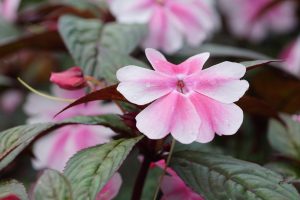
These plants thrive in nutrient-rich, slightly acidic soil and need consistent feeding throughout the growing season. A well-fed impatiens will display lush foliage and abundant flowers while resisting common pests and environmental stress.
Many gardeners struggle with choosing between granular, liquid, slow-release, and water-soluble fertilizers. Understanding the nutrient needs and growth patterns of impatiens ensures you get the best performance from your plants.
In this article, we will cover the 10 best fertilizers for impatiens, explain proper feeding techniques, and provide tips to maximize bloom production and plant health.
10 Best Fertilizers For Impatiens
1. Balanced All-Purpose Granular Fertilizer (10-10-10) — Best for Steady Growth
This classic, balanced fertilizer provides essential nutrients to support impatiens’ foliage, roots, and flowers equally. Its 10-10-10 ratio ensures steady nutrition and reduces the risk of nutrient imbalance. It is ideal for both garden beds and container plants.
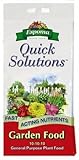
Apply at planting or top-dress around established plants for continuous feeding. This method reduces frequent reapplication and keeps plants healthy throughout the season. Granules slowly dissolve into the soil, releasing nutrients gradually.
The fertilizer encourages strong root systems and helps plants resist environmental stress. It is simple to use and effective for beginners and experienced gardeners alike. Over time, it supports lush growth and a consistent display of blooms.
Pros:
- All-round nutrition
- Long-lasting
- Easy to apply
- Cost effective
- Supports roots
- Suitable for beds
- Low burn risk
Cons:
- Slow initial effect
- Needs watering
- Periodic reapplication
2. Water-Soluble Bloom Booster (High-Phosphorus) — Best for Explosive Flowering
High-phosphorus fertilizers, such as 10-52-10, stimulate prolific flower production and vibrant colors. They target the energy towards blooming rather than excessive foliage growth. Water-soluble formulas ensure rapid nutrient absorption for immediate effect.
Feed impatiens every 1–2 weeks during the blooming season for optimal results. Simply mix with water and apply evenly over foliage and soil. The quick uptake helps plants recover from stress and maintain a long flowering period.
Ideal for hanging baskets, patio containers, and dense garden beds. Boosts bud formation and extends the flowering cycle significantly. This fertilizer is perfect for gardeners who prioritize visual impact and continuous blooms.
Pros:
- Enhances blooms
- Fast absorption
- Encourages bud formation
- Easy mixing
- Supports vibrant color
- Effective in containers
- Improves flowering
Cons:
- Frequent application
- Can burn if concentrated
- Short-term effect
3. Slow-Release Granular Fertilizer — Best for Low-Maintenance Impatiens
Slow-release fertilizers gradually feed impatiens over several weeks, reducing maintenance and preventing nutrient spikes. The coating ensures nutrients are released according to soil moisture and temperature. This approach is gentle on plant roots.
Apply once at planting and supplement mid-season for sustained growth. The consistent supply of nutrients minimizes stress and encourages steady flowering. It is particularly useful for garden beds or larger container setups.
This fertilizer reduces the risk of over-fertilization and supports a balanced nutrient profile. Plants remain healthy even during heatwaves or irregular watering schedules. Slow-release feeding also enhances soil fertility over time.
Pros:
- Long-lasting
- Low maintenance
- Root safe
- Steady release
- Supports flowers
- Reduces overfeeding
- Durable
Cons:
- Slow initial effect
- Higher cost
- Granule handling
4. Organic Flower & Bedding Fertilizer — Best for Eco-Friendly Gardens
Organic blends provide nutrients derived from natural minerals and plant materials. They feed impatiens while improving soil structure and microbial activity. Slow-release organic fertilizers nurture both the plant and the soil ecosystem.
Use in garden beds or containers for gentle and consistent nutrition. It is safe for children, pets, and beneficial insects. Organic fertilizers reduce chemical runoff and long-term soil damage.
Over repeated applications, plants develop stronger roots and richer foliage. Flowers remain vibrant with sustained blooming throughout the season. This is ideal for environmentally conscious gardeners seeking chemical-free growth solutions.
Pros:
- Organic
- Soil enhancing
- Microbe rich
- Slow feed
- Safe for pets
- Supports roots
- Eco friendly
Cons:
- Slower growth
- More expensive
- Granular only
5. Water-Soluble Balanced Fertilizer (20-20-20) — Best for General Maintenance
This balanced liquid fertilizer feeds impatiens quickly, ensuring even nutrient distribution. It maintains overall plant health and supports both foliage and flower development. Ideal for container plants and regular garden beds.
Apply every 10–14 days during active growth or when plants show signs of nutrient deficiency. Dilution is important to avoid leaf burn. This fertilizer allows for quick correction of minor deficiencies.
It serves as a reliable general-purpose formula. While not specialized for blooms, it maintains consistent performance across all growth phases. Plants remain green, healthy, and flowering.
Pros:
- Fast results
- Easy mixing
- Balanced nutrients
- Supports foliage
- Container friendly
- Regular application
- Versatile
Cons:
- Frequent feeding
- Salt buildup risk
- Not bloom-focused
6. Foliar Feed Spray — Best for Quick Recovery
Foliar sprays deliver nutrients directly through leaves, providing immediate nourishment. This is useful when impatiens appear pale or stressed. Rapid absorption helps plants recover from environmental challenges quickly.
Apply in the early morning or late afternoon to prevent leaf burn. Spray evenly to maximize coverage. Nutrients reach cells quickly for fast green-up and vitality.
Excellent for post-pruning recovery or heat stress. It boosts flowering potential and overall plant health. Foliar feeding is an effective supplement to root-based fertilization.
Pros:
- Quick absorption
- Leaf-targeted
- Easy to use
- Low soil salt
- Rapid recovery
- Flexible application
- Effective
Cons:
- Short-term effect
- Needs repeat
- Timing sensitive
7. Flower Spikes for Annuals — Best for Continuous Bloom Support
Root-zone nutrient spikes slowly feed impatiens over the season. They minimize maintenance and provide reliable flowering support. Suitable for hanging baskets, planters, or garden beds.
Insert spikes around the base at planting or mid-season. Nutrients dissolve gradually and feed plants consistently. This ensures a prolonged bloom cycle with minimal effort.
Perfect for gardeners seeking hassle-free care. Supports flower color intensity and plant resilience. Reduces frequent liquid feeding requirements.
Pros:
- Long-lasting
- No mess
- Root feeding
- Flower support
- Continuous nutrition
- Low maintenance
- Convenient
Cons:
- Slow initial impact
- Limited release
- Higher cost
8. High-Phosphorus Granular Fertilizer — Best for Bed Plantings
Granular fertilizers with elevated phosphorus levels enhance bud formation and flower density. Ideal for large impatiens beds. Gradual nutrient release prevents stress and supports consistent flowering.
Evenly distribute over the soil and water to activate nutrients. Reduces the need for frequent liquid applications. Supports long-term soil fertility and bloom intensity.
Perfect for mass planting scenarios where dense flower coverage is desired. It enhances color vibrancy and overall plant appearance. Easy to integrate into regular garden care routines.
Pros:
- Phosphorus rich
- Supports blooms
- Long feed
- Bed friendly
- Root activation
- Even release
- Cost-effective
Cons:
- Granule mess
- Needs watering
- Slower uptake
9. Organic Liquid Plant Food — Best for Sensitive Soil
Gentle, organic liquid fertilizer feeds impatiens without overloading roots. Suitable for containers, hanging baskets, and small garden beds. Improves soil microbes and sustains plant health.
Dilute and feed every 2 weeks for optimal growth. Provides macronutrients and micronutrients in a balanced, natural form. Safe for children, pets, and beneficial insects.
Supports consistent flowering and foliage growth. Enhances soil structure over time. Ideal for gardeners who prefer environmentally friendly solutions.
Pros:
- Organic
- Easy dilution
- Low salt risk
- Container safe
- Supports soil
- Frequent feed
- Eco friendly
Cons:
- Slower effect
- Needs frequent feeding
- Liquid handling
10. Balanced Spike + Foliar Combo Pack — Best for Complete Care
Combining root spikes with foliar spray ensures comprehensive nutrient delivery. Plants receive slow-release nutrients in the soil and quick foliar absorption. Ideal for both container and garden-grown impatiens.

Spikes provide long-term nutrition while foliar spray quickly corrects deficiencies. Optimizes plant vigor, foliage density, and flower production. Reduces the need for frequent adjustments.
This dual approach ensures impatiens remain vibrant throughout the season. Encourages strong root development and sustained blooms. Particularly effective in mixed planting or high-stress environments.
Pros:
- Dual feeding
- Root + leaf
- Continuous nutrition
- Supports blooms
- Balanced feed
- Flexible use
- Reliable results
Cons:
- Higher cost
- Two-step process
- Requires monitoring
Buyer’s Guide: Choosing Fertilizer for Impatiens
- Use balanced NPK for general growth
- High-phosphorus formulas boost flowers
- Alternate slow-release and soluble feeds for stability
- Water-soluble every 1–2 weeks for containers
- Slow-release at planting and mid-season
- Water before and after fertilizer application
- Maintain slightly acidic soil (pH 6.0–6.5)
Best Fertilizer For Impatiens FAQs
1. How often should I fertilize my impatiens?
Water-soluble fertilizers can be applied every 1–2 weeks, while slow-release formulas can be applied every 4–6 weeks. Regular monitoring ensures plants are not under- or over-fed.
2. What nutrient ratio is best for impatiens?
Balanced fertilizers (10-10-10) maintain general health, while higher phosphorus formulas improve flowering and bud production.
3. Can I over-fertilize impatiens?
Excess nitrogen can cause lush foliage at the expense of blooms, and high salts can harm roots. Always follow label instructions carefully.
4. Is fertilizer necessary for container impatiens?
Yes, containers accumulate salts and deplete nutrients faster. Use diluted water-soluble feeds or slow-release spikes.
5. Should I fertilize newly planted impatiens?
Incorporate balanced granular fertilizer at planting, then continue regular feeding to encourage establishment and growth.
6. What soil pH do impatiens prefer?
Slightly acidic soil with pH 6.0–6.5 allows optimal nutrient uptake and flowering.
7. Can I use organic fertilizers?
Yes, organic fertilizers support soil health, improve microbial activity, and sustain flowering without chemical buildup.
Conclusion
Choosing the right fertilizer for impatiens ensures vibrant blooms, healthy foliage, and strong root systems throughout the growing season. A combination of slow-release, water-soluble, and bloom-boosting fertilizers delivers optimal nutrition.
Proper application, regular watering, and pH management further maximize plant performance. Impatiens grown with attentive feeding reward gardeners with prolonged, colorful displays.
Organic, synthetic, or combined approaches can all work effectively when applied correctly. Monitoring plant response allows fine-tuning of fertilizer schedules and concentrations.
Using the fertilizers and strategies outlined here, your impatiens will flourish in containers, beds, or hanging baskets, producing lush greenery and abundant flowers until frost.