Honeysuckle (Lonicera spp.) is a beloved vine or shrub prized for its fragrant, tubular flowers and fast growth. To support healthy growth and prolific blooming, giving honeysuckle the right fertilizer is key.
These plants prefer a balanced or moderately low-nitrogen nutrient mix, because too much nitrogen can boost foliage at the expense of flower production. Correct NPK, along with micronutrients, helps honeysuckles bloom beautifully and stay vigorous.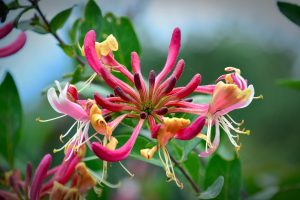
Fertilizing at the right times — especially in early spring and again in mid-season — ensures that honeysuckle has the nutrients it needs when it’s actively growing and developing flower buds. Overfeeding late in the season can cause weak new growth that may not survive winter.
Understanding soil pH, nutrient ratios, and how to supplement with organic or slow-release options will help you tailor feeding to your honeysuckle’s needs. With smart fertilization, your vine or shrub can produce more blooms and maintain strong health.
In this guide, you’ll explore the 10 best fertilizers for honeysuckle, plus practical tips on how to choose, apply, and time your feeding. Whether your honeysuckle is planted in the ground or in a container, these recommendations will help it flourish.
10 Best Fertilizers For Honeysuckle
1. Balanced Granular Fertilizer (10‑10‑10) — Best for Overall Growth and Flowering
This classic balanced fertilizer provides equal parts nitrogen, phosphorus, and potassium to support both foliage growth and blooms. Many sources recommend a 10‑10‑10 ratio as a good all-purpose feed for honeysuckle.

Apply in early spring around the root zone and water in well. This gives the plant a steady nutrient base that will last as the vine or shrub begins its active growth phase.
The slow but consistent feeding encourages healthy shoots and plentiful flowers without pushing excessive leafy growth. It’s a great foundation fertilizer for mature honeysuckle.
Pros:
- Balanced nutrition
- Easy to apply
- Supports both roots and blooms
- Reliable performance
- Low risk of burning
- Good for beginners
- Readily available
Cons:
- Slow start
- Needs reapplication
- Not very specialized
2. Low‑Nitrogen, High‑Phosphorus Fertilizer (e.g., 2‑10‑10) — Best for Flower Boost
This fertilizer emphasizes phosphorus, which supports flower bud development and stronger blooms. Experts recommend lower nitrogen to avoid excessive leafy growth.
Apply it in early spring or just before the bloom period begins. The added phosphorus helps honeysuckle push energy toward flowering rather than leaf production.
This type of feed is ideal when you want your vine to concentrate on producing blossoms rather than foliage. Use it sparingly to avoid nutrient imbalance.
Pros:
- Flower-focused
- Less leafy growth
- Supports bud set
- Good for mature plants
- Encourages bloom size
- Balanced P & K
- Targeted feeding
Cons:
- Need to measure carefully
- Not ideal for early vegetative growth
- May require more frequent feeding
3. Balanced Water‑Soluble Fertilizer (20‑20‑20) — Best for Easy, Precise Feeding
A water‑soluble 20‑20‑20 fertilizer dissolves easily and lets you feed your honeysuckle quickly through watering. This formula gives balanced macro-nutrients to support both growth and blooming.
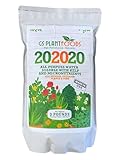
Mix into water and apply every few weeks during the active growing season. Because it’s soluble, you can adjust concentration to suit your plant’s response.
This fertilizer is especially useful for container-grown honeysuckle or for boosting nutrition mid-season when the plant may be leaching nutrients.
Pros:
- Fast absorption
- Customizable strength
- Easy to apply
- Supports balanced growth
- Good for containers
- Portable for small areas
- Convenient
Cons:
- Frequent use needed
- Risk of salt buildup
- May require pH checks
4. Organic All‑Purpose Granular Fertilizer — Best for Sustainable Growth
This organic fertilizer is made from natural materials and releases nutrients slowly, which supports soil biology and long-term health. Organic options reduce the risk of chemical buildup while feeding your honeysuckle.
Use it in early spring or when planting to build up a strong nutrient foundation. The slow-release nature ensures your vine gets a gentle, consistent supply of key nutrients.
Over time, this organic feed improves soil structure and microbial activity, helping honeysuckle establish deep, healthy roots. Perfect for gardeners who favor eco-friendly care.
Pros:
- Environmentally friendly
- Soil improving
- Low burn risk
- Long-lasting feed
- Supports root health
- Slow and steady
- Safe for pets
Cons:
- Slower visible effect
- Lower NPK strength than synthetic
- May require larger quantity
5. High‑Nitrogen Fertilizer (e.g., 17‑7‑10) — Best for Early Season / Young Plants
When honeysuckle is just starting out or recovering from pruning, a high‑nitrogen fertilizer supports rapid leafy growth. This helps the plant build structure and vigor before blooming.
Apply lightly in early spring or after a hard prune, and avoid overdoing it so you don’t encourage too much vegetative growth. Monitor how the plant responds over a few weeks.
Strong early growth sets the stage for a fuller vine and more branches, which later translate into more flowers. Use this carefully and follow up with bloom‑boost feeding later.
Pros:
- Stimulates foliage
- Fast growth
- Good for recovery
- Supports structure
- Strong root building
- Effective in spring
- Boosts vigor
Cons:
- May reduce flowering
- Risk of leggy growth
- Needs follow-up feeding
6. Foliar Feed Liquid Fertilizer — Best for Quick Nutrient Boost
Foliar feeding allows nutrients to be absorbed directly through honeysuckle leaves, delivering a fast boost when root uptake is slow. This is handy during heat stress or for container plants.
Use a diluted, balanced or bloom‑boosting formula and apply in the early morning or evening to reduce the risk of leaf burn. Ensure good coverage on both leaf surfaces.
Foliar feeding can revive struggling vines and improve bud formation quickly. It’s an excellent supplemental method alongside standard fertilization.
Pros:
- Rapid effect
- Easy to apply
- Low soil salt
- Great for stress times
- Helps bud set
- Flexible
- Supplemental
Cons:
- Short-term results
- Frequent reapplication
- Requires correct dilution
7. Seaweed / Kelp Extract — Best for Resilience & Vigor
Seaweed or kelp extract provides micronutrients, natural growth stimulants, and trace minerals that boost honeysuckle resilience. These compounds help the plant tolerate heat, drought, and transplant stress.
Apply as a soil drench or foliar spray every few weeks during the growing season. The organic compounds in seaweed support root development and overall plant health.
This supplement helps maintain bloom quality, improve shoot strength, and sustain long-term vigor under challenging conditions. It’s a gentle, natural way to support your honeysuckle.
Pros:
- Improves resilience
- Rich in trace minerals
- Natural growth support
- Boosts roots
- Safe formula
- Eco-friendly
- Enhances blooming
Cons:
- Not a full macronutrient feed
- Requires periodic use
- Smell possible
8. Calcium‑Magnesium (Cal‑Mag) Supplement — Best for Structural Strength
Honeysuckles may benefit from extra calcium and magnesium to maintain strong cell walls, healthy stems, and flower development. A Cal‑Mag supplement fills in those nutrients when the soil is lacking.
Add the supplement at planting or during your seasonal feeding, especially if your soil is low in these minerals or if you use soft water. Mix it into the soil or apply as a water solution.
Regular use avoids deficiency symptoms like weak stems or poor bud set, ensuring your honeysuckle remains robust and bloom‑productive.
Pros:
- Prevents deficiency
- Strengthens structure
- Supports buds
- Easy to apply
- Complements base feed
- Reliable results
- Improves health
Cons:
- Extra product to manage
- Precise dosing needed
- Added cost
9. Micronutrient Blend — Best for Complete Nutritional Coverage
A micronutrient blend provides essential trace elements like iron, zinc, and manganese that honeysuckle needs for healthy foliage and flowers. Without these, plants can suffer from hidden deficiencies even if macronutrients are adequate.

Mix this blend into your regular fertilizer application in spring or when you top-dress. It helps maintain vibrant color and improves the plant’s metabolic processes.
Using micronutrients alongside your main fertilizer rounds out the nutrition, ensuring the plant develops strong flowers and robust leaves.
Pros:
- Fills nutrient gaps
- Prevents deficiency
- Boosts color
- Supports health
- Easy to mix
- Long-term benefit
- Well-balanced
Cons:
- Not a macro feed
- Requires careful dosing
- Additional product cost
10. Controlled‑Release Spike or Tablet — Best for Low‑Maintenance Feeding
Controlled-release spikes or tablets gradually deliver nutrients over weeks or months, making them perfect for established honeysuckle vines or shrubs that don’t need constant feeding. This slow, steady feed maintains nutrient balance without frequent top-ups.

Insert the spikes around the root zone in early spring or after pruning. Let them release nutrients naturally as the soil moisture fluctuates.
This method simplifies your fertilizing routine and prevents accidental over-fertilization, while still supporting both foliage and flowering.
Pros:
- Long-lasting
- No mixing
- Easy to apply
- Safe for roots
- Reduces feeding frequency
- Consistent supply
- Low risk
Cons:
- Slower to take effect
- Need to replace eventually
- Higher upfront cost
7 Buyer’s Tips for Fertilizing Honeysuckle
- Use low-NPK or bloom-promoting ratios to encourage flowers.
- Apply fertilizer in early spring when new growth begins.
- A second feeding in early summer helps sustain bloom production.
- Avoid fertilizing in late summer or fall to prevent frost‑sensitive growth.
- Supplement with Cal‑Mag if soil lacks calcium or magnesium.
- Use slow-release or organic fertilizers for stable, long-term nutrient delivery.
- Check soil pH (ideal 6.0‑7.0) to ensure nutrient availability.
Best Fertilizer For Honeysuckle Frequently Asked Questions
1. How often should I fertilize honeysuckle?
Fertilize in early spring and possibly again in early summer.
2. What NPK ratio is best for honeysuckle?
Low nitrogen and elevated phosphorus (e.g., 2‑10‑10) or balanced ratios (e.g., 10‑10‑10) are often recommended.
3. Can I use a high-nitrogen fertilizer?
Avoid very high nitrogen, which can stimulate leafy growth instead of flowers.
4. Should I fertilize after blooming?
It’s best to reduce or skip feeding after bloom to avoid encouraging weak new growth before winter.
5. Is organic fertilizer okay for honeysuckle?
Yes. Slow-release organic fertilizers improve soil structure and feed gently over time.
6. Does honeysuckle need micronutrients?
Yes. Micronutrients like iron, manganese, and zinc support strong foliage and flowers when included.
7. Can I over-fertilize honeysuckle?
Yes, too much fertilizer, especially high nitrogen, can lead to weak, leggy growth and less flowering.
Conclusion
Selecting the best fertilizer for honeysuckle depends on matching the NPK ratio to its growth and bloom needs. Use a balanced or low‑nitrogen formula for consistent growth, and lean toward bloom-promoting ratios to maximize flowering.
Supplement with organic or controlled-release options for stress resilience and long-term soil health. Regular spring feeding with a follow-up in early summer helps keep your vine healthy and flowering profusely.
By monitoring soil pH, applying fertilizer at the right times, and choosing the right nutrient blend, you’ll support a vibrant, fragrant, and fast-growing honeysuckle. With smart care, your honeysuckle will reward you with beautiful blooms year after year.